5 Osage Blackberry Starter Plug – Thornless Berry Live Plant – Early Ripening
-20%
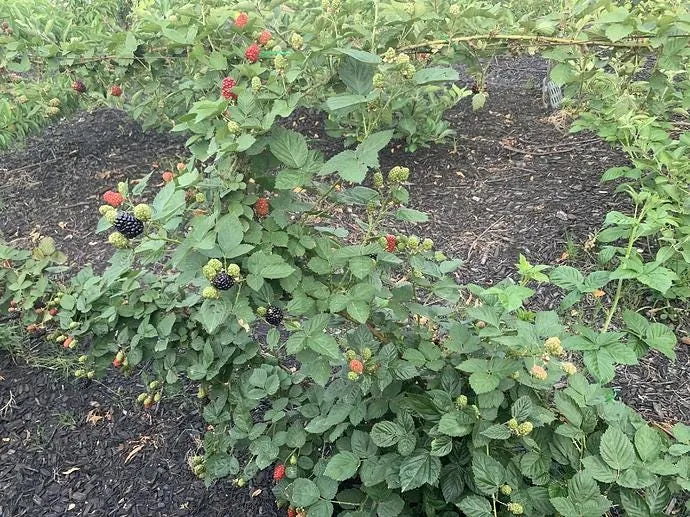
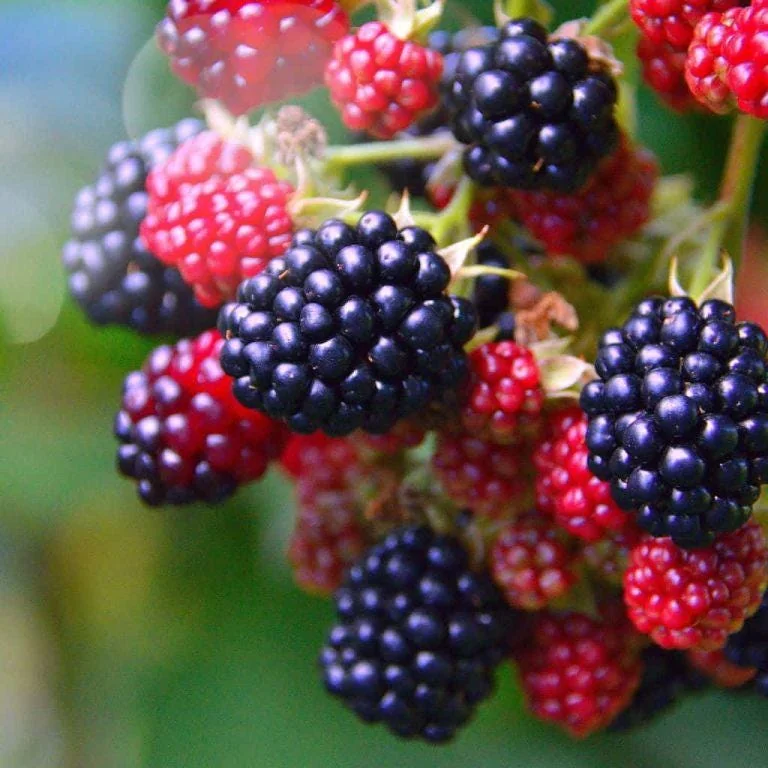
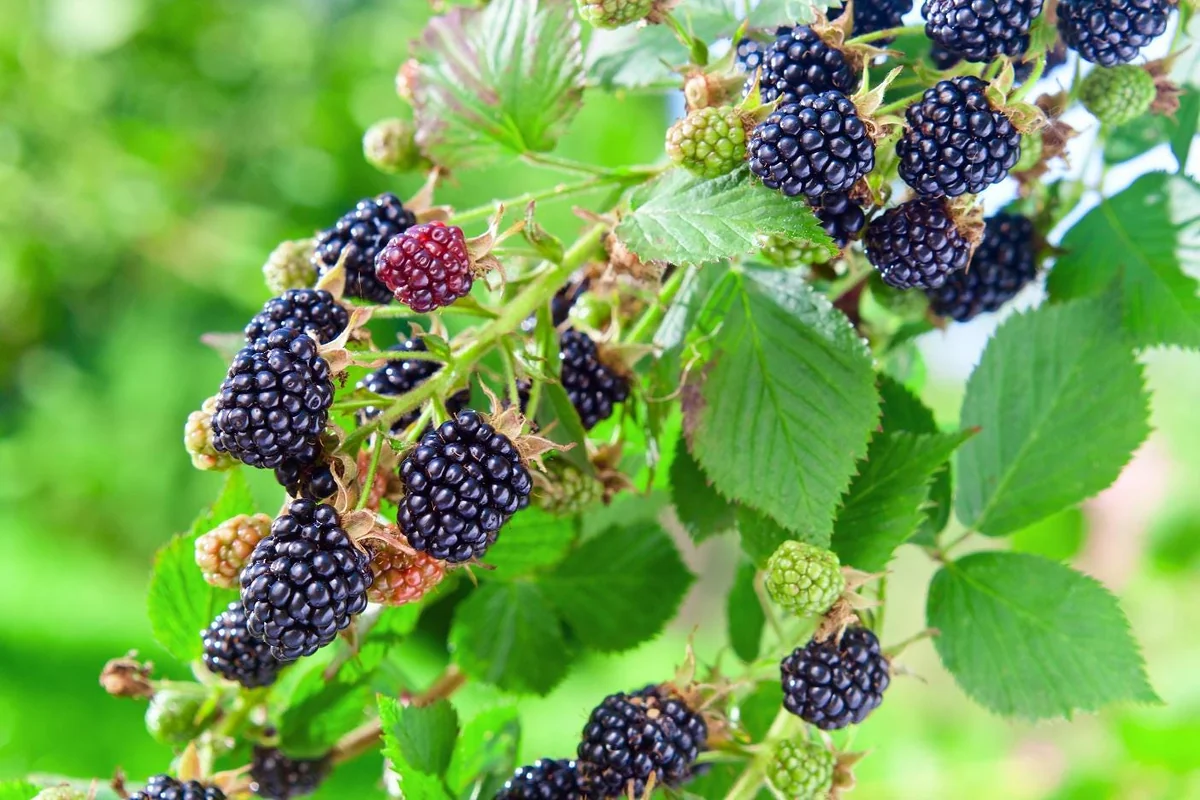
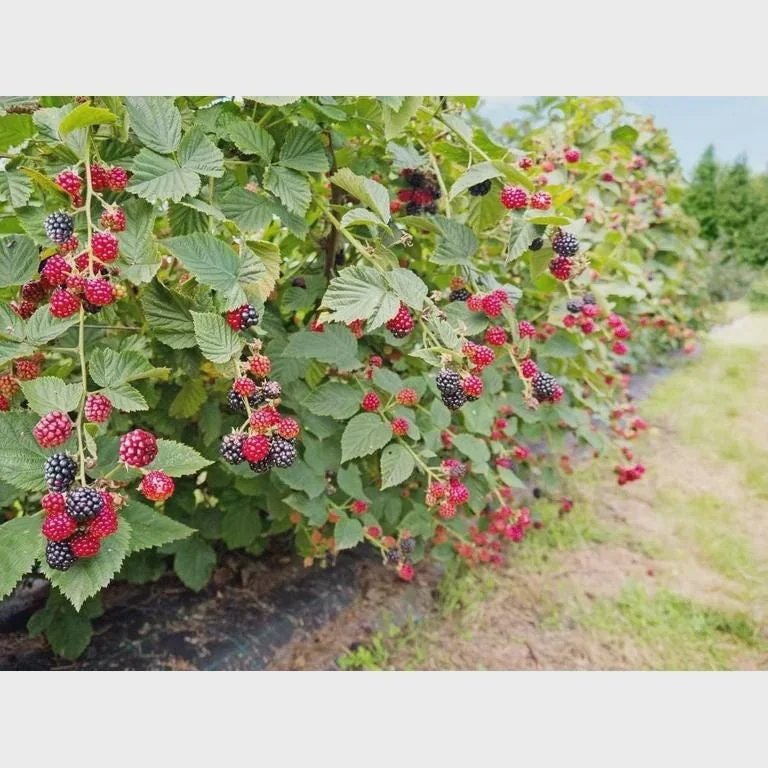
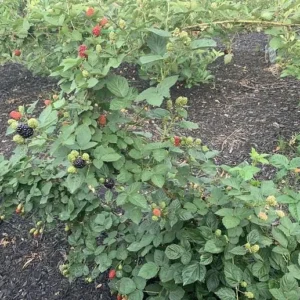
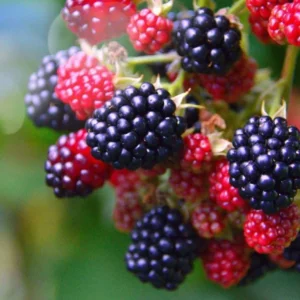
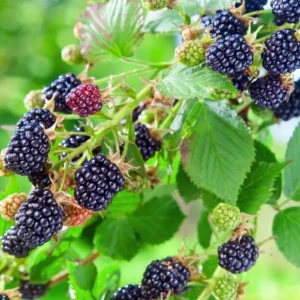
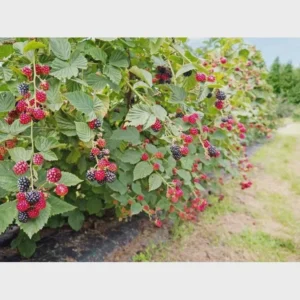
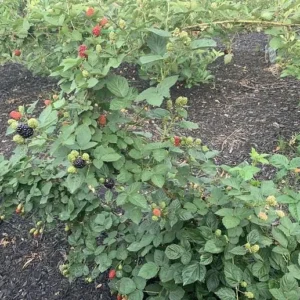
5 Osage Blackberry Starter Plug – Thornless Berry Live Plant – Early Ripening
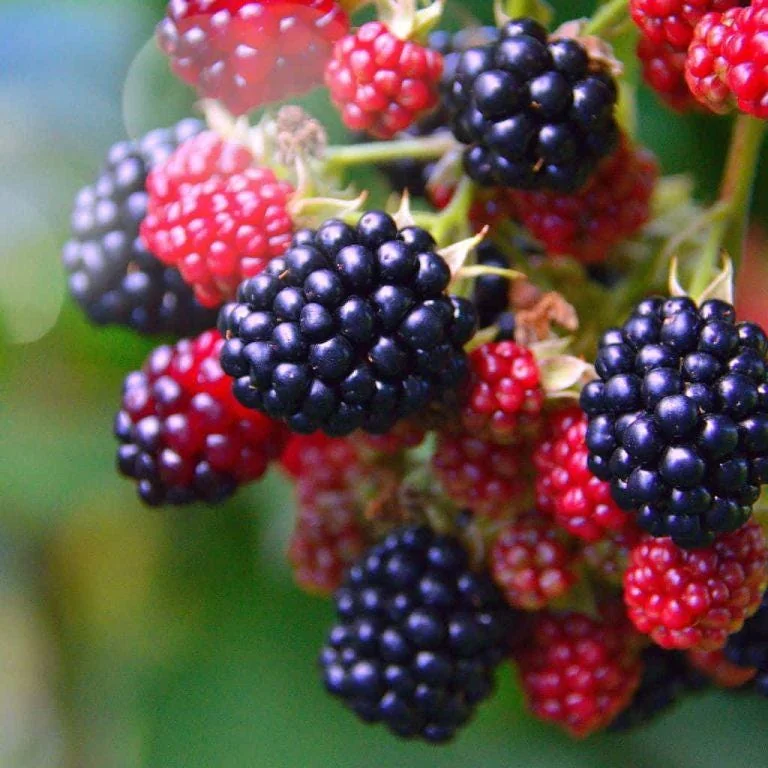
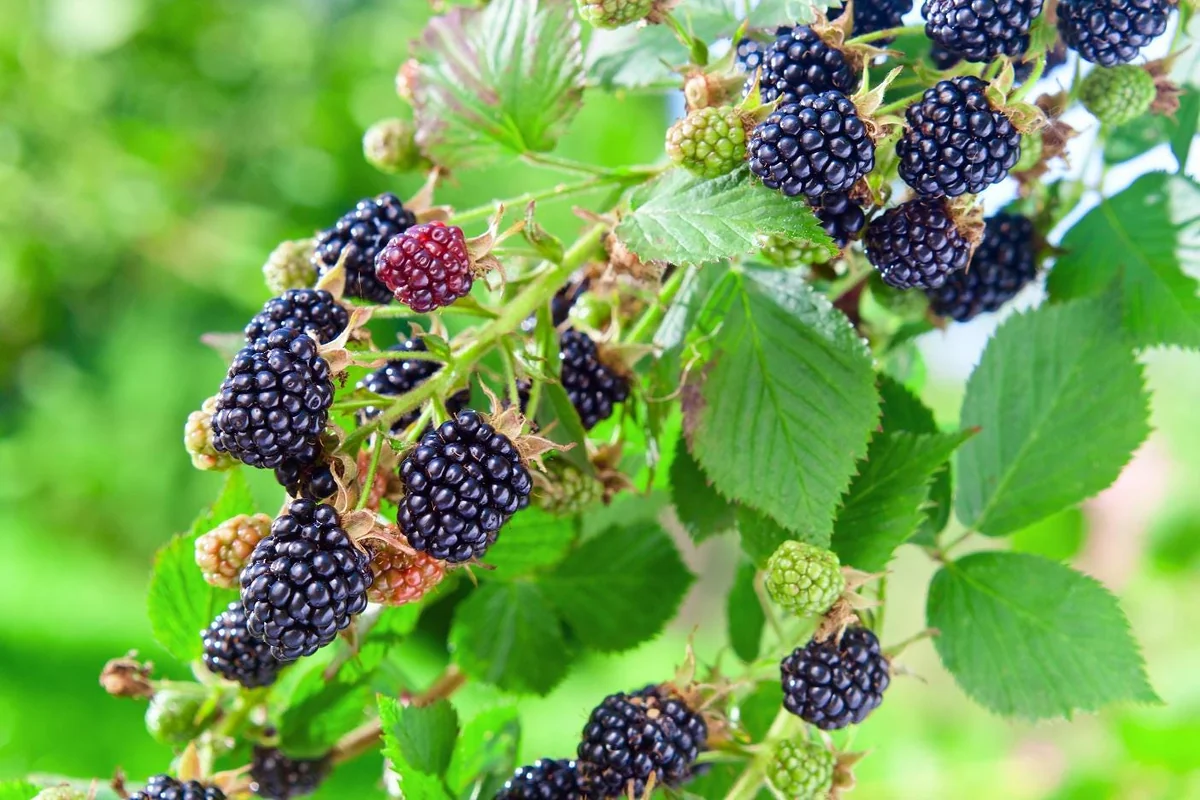
Cultivate your own sweet and juicy berries with this pack of 5 Osage blackberry starter plugs. Known for being thornless and early-ripening, these plants produce high yields of exceptional quality fruit. Perfect for home gardens, bringing delicious fresh blackberries to your table.
Original price was: $80.00.$64.00Current price is: $64.00.

With our Alive & Thrive Guarantee, we’ve got your back for the first 30 days! If you have any concerns about your plants, just reach out to us. Our team is here to help answer your questions and guide you in selecting the best plants for your garden, climate, and unique preferences. We're excited to help you create the garden of your dreams!
Estimated arrival
Mar 31
Apr 05 - Apr 07
Apr 10 - Apr 14
Product Details
-
USDA Hardiness Zone
USDA Zones 6-9 -
Soil type
Well-draining, slightly acidic to neutral soil -
Sunlight Exposure
Full sun (6-8+ hours daily) -
Expected Planting Period
Early spring or early fall
Overview
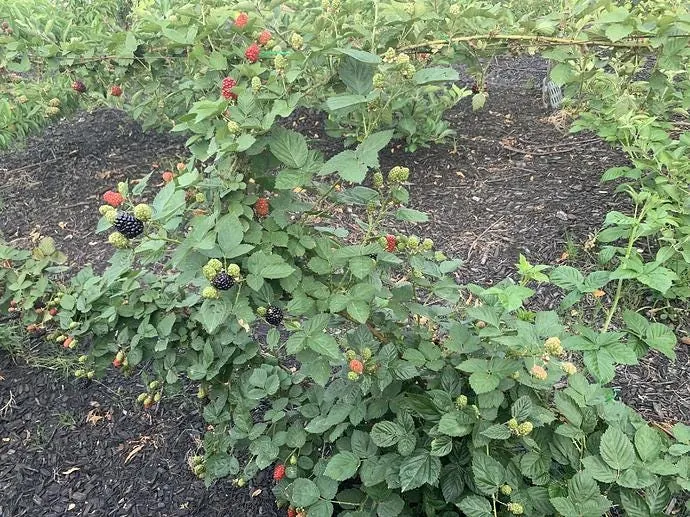
Bring the joy of fresh, homegrown berries to your garden with the Osage blackberry starter plug. This remarkable variety, developed by the University of Arkansas, is celebrated for its thornless canes, making harvesting a pleasure. Each order includes 5 Osage blackberry starter plugs, ready to establish themselves in your garden and provide bountiful harvests. The ‘Osage’ blackberry is a floricane-fruiting plant, meaning it produces fruit on second-year canes, ensuring a consistent and reliable yield year after year. Its semi-erect growth habit makes it relatively easy to manage and integrate into various garden designs. Gardeners seeking a high-quality, productive blackberry will find the Rubus Osage an excellent choice. It’s an early-ripening variety, allowing you to enjoy fresh berries sooner in the season compared to many other types. The ease of care combined with its generous output makes this an ideal addition for both novice and experienced growers.
Key Benefits
The Osage blackberry starter plug offers numerous advantages for the home gardener, ensuring a rewarding growing experience and a delicious harvest. These benefits make it a standout choice for anyone looking to cultivate their own berries:
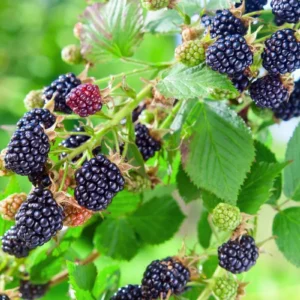
- Thornless Canes: One of the most significant benefits is the complete absence of thorns, which makes pruning, training, and especially harvesting the berries a much more enjoyable and pain-free experience. This feature is particularly appealing for families with children or those who prefer gardening without constant worry of scratches.
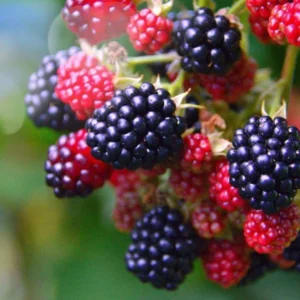
- Exceptional Flavor Profile: The ‘Osage’ blackberry is renowned for its sweet, rich flavor. The berries are juicy and have a pleasant texture, making them perfect for fresh eating, desserts, jams, jellies, and pies.
- Early Ripening: This variety matures early in the season, allowing you to enjoy fresh blackberries sooner than many other cultivars. This extended harvest period is a great advantage for gardeners eager to taste their homegrown fruit.
- High Yield Potential: Despite producing medium-sized berries, the Osage blackberry plant is a prolific producer, offering a large yield of fruit from each plant. This ensures you’ll have plenty of berries to share or preserve.
- Good Shelf Life: The berries from the ‘Osage’ blackberry have a good post-harvest shelf life, meaning they will remain fresh for longer after picking, which is beneficial for storage and transport.
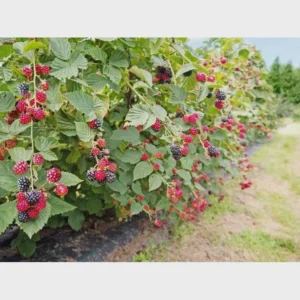
- Semi-Erect Growth Habit: The semi-erect nature of the plant means it requires some support but is easier to manage and less sprawling than fully trailing varieties, making it suitable for various garden sizes and trellising methods.
- Disease Resistance: While specific disease resistance can vary by region, the ‘Osage’ generally exhibits good vigor and resilience, contributing to a healthier and more productive plant.
Plant Care & Growing Tips
Caring for your Osage blackberry starter plug is straightforward, and with proper attention, you’ll be rewarded with an abundance of delicious fruit. Blackberries thrive in full sun, meaning they need at least 6-8 hours of direct sunlight per day to produce the best fruit. Choose a location in your garden that receives ample sun throughout the day. Well-draining soil is crucial for blackberry plants; they prefer a slightly acidic to neutral pH (6.0-7.0). Amend heavy clay soils with organic matter like compost to improve drainage and fertility. If your soil is sandy, incorporating compost will help retain moisture and nutrients. Ensure the planting area is free of perennial weeds, as these can compete with your young plants for resources.
When planting your Rubus Osage starter plugs, space them about 2-3 feet apart in rows that are 6-8 feet apart to allow for growth and air circulation. Water thoroughly after planting. Consistent moisture is vital during the growing season, especially when the plants are flowering and fruiting. Aim for about 1 inch of water per week, either from rainfall or irrigation. Avoid overhead watering if possible to reduce the risk of fungal diseases; drip irrigation or soaker hoses are ideal. Fertilize in early spring with a balanced slow-release fertilizer or a granular fertilizer formulated for berries. Pruning is essential for floricane varieties like ‘Osage’. In late winter or early spring, remove all dead, damaged, or weak canes. After harvest, prune back the canes that produced fruit (floricanes) as they will not produce again. Leave the new canes (primocanes) to grow, as these will produce fruit next year. This maintenance helps ensure a healthy, productive plant and manages the plant’s size. The ‘Osage’ blackberry is generally hardy in USDA zones 6-9, but it’s always good to check local recommendations. Protecting plants with mulch can help regulate soil temperature and moisture, and provide some winter protection in colder zones.
Size & Details
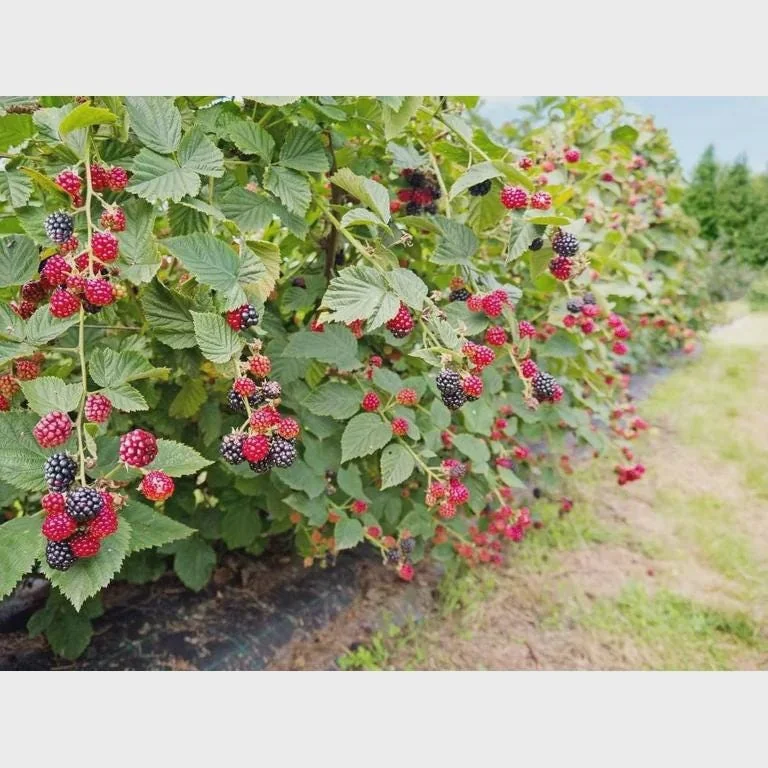
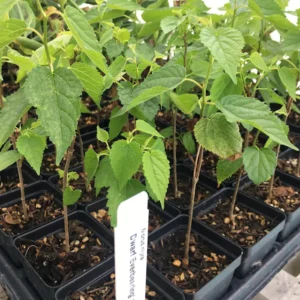
Each order contains 5 Osage blackberry starter plugs, which are young, actively growing plants, typically 3-6 inches tall, with a developed root system ready for transplanting. These starter plugs are ideal for establishing a new blackberry patch, offering a cost-effective way to grow multiple plants. The ‘Osage’ blackberry is a semi-erect cultivar, meaning it grows upright but may benefit from trellising or support as it matures and bears fruit. Mature plants can reach heights of 5-6 feet with a spread of 3-4 feet, depending on pruning and growing conditions. The plant is floricane-fruiting, with fruit developing on second-year canes. Expect the first significant harvest in the second year after planting. The berries are medium-sized, firm, and have an excellent sugar-to-acid ratio, contributing to their sweet flavor. This variety is known for its early ripening season, typically yielding fruit in late spring to early summer, providing a fresh bounty before many other blackberry types.
Frequently Asked Questions
- Q: How big will the Osage blackberry plant get? A: A mature Osage blackberry plant typically grows to about 5-6 feet tall and 3-4 feet wide. Its semi-erect growth habit makes it manageable, though some support or trellising is beneficial, especially when laden with fruit.
- Q: Is this an indoor or outdoor plant? A: The Osage blackberry starter plug is an outdoor plant, best suited for garden beds or large containers where it can receive ample sunlight and space to grow. It is not suitable for indoor cultivation.
- Q: How much sunlight does an Osage blackberry need? A: For optimal fruit production and plant health, the ‘Osage’ blackberry requires full sun, meaning at least 6-8 hours of direct sunlight per day.
- Q: Is this plant easy to care for? A: Yes, the Osage blackberry plant is considered relatively easy to care for, especially due to its thornless canes. It requires consistent watering, annual pruning, and good sun exposure to thrive.
- Q: What condition will the starter plugs arrive in? A: Your 5 Osage blackberry starter plugs will arrive as live, actively growing plants with a healthy root system, carefully packaged to ensure their safe transit and readiness for planting.
- Q: When is the best time to plant Osage blackberry starter plugs? A: The best time to plant thornless blackberry plant starter plugs is in early spring after the last frost, or in early fall in milder climates, allowing them to establish before extreme temperatures.
- Q: What USDA Hardiness Zones are suitable for Osage blackberries? A: The ‘Osage’ blackberry is typically hardy in USDA Zones 6-9. Providing winter protection in the lower end of this range can be beneficial.
- Q: Can I grow the Osage blackberry in a container? A: Yes, you can grow the early ripening blackberry in a large container (20-gallon or larger) with good drainage, though in-ground planting is generally preferred for maximum yield and ease of care.
- Q: How long until I get fruit from these starter plugs? A: As a floricane-fruiting variety, the ‘Osage’ blackberry will produce its first significant crop in the second year after planting. You might see a small amount of fruit in the first year, but the main harvest begins in year two.
- Q: What type of soil is best for Osage blackberries? A: Rubus Osage thrives in well-draining soil with a pH between 6.0 and 7.0. Amending the soil with organic matter will improve its structure and fertility.
Related products
-20%
Original price was: $32.00.$25.60Current price is: $25.60.
-50%
Original price was: $39.98.$19.99Current price is: $19.99.
-20%
Original price was: $60.00.$48.00Current price is: $48.00.
-20%
Original price was: $36.00.$28.80Current price is: $28.80.
-20%
Original price was: $66.00.$52.80Current price is: $52.80.
-20%
Original price was: $31.98.$25.58Current price is: $25.58.
-20%
Original price was: $36.00.$28.80Current price is: $28.80.
PLANTING & CARE

Growing Glencoe Raspberry: A Complete Guide for Gardeners
If you’re looking to add something unique to your garden, look no further than the
31
Mar
Mar

The Comprehensive Guide to Growing Bay Leaf Plants for a Flavorful Garden
Imagine stepping into your garden, greeted by the earthy aroma of fresh bay leaves, their
09
Feb
Feb

How to Make Comfrey Tea: The Ultimate Organic Plant Food
Growing an organic garden can be surprisingly expensive, especially when most store-bought fertilizers come in
02
Feb
Feb

True Comfrey: 7 Essential Tips Before You Plant This Herb
A staple in permaculture practices across the US, True Comfrey easily earns its reputation as
27
Jan
Jan

7 Heart-Shaped Plants for a Lasting Valentine’s Gift
If you’ve ever bought a bouquet of roses for Valentine’s Day, you know they are
26
Jan
Jan

Best Types of Ivy Plant for Houses: How to Choose the Perfect Ones for Your Home
Are you a garden lover looking to introduce some greenery into your home? Maybe you’ve
14
Nov
Nov

When to Harvest Garlic (Especially Fall-Planted Garlic)
TIMING IS EVERYTHING, they say – and for garlic, that truth hits with surprising accuracy.
13
Nov
Nov

11 of the Best Sweet Potato Varieties to Grow for Your Garden
If you’ve ever tried growing sweet potatoes, you know that picking the right variety can
12
Nov
Nov