5 Purple Tommy Mango Cuttings Scions for Grafting – Fruit Tree Live Plant


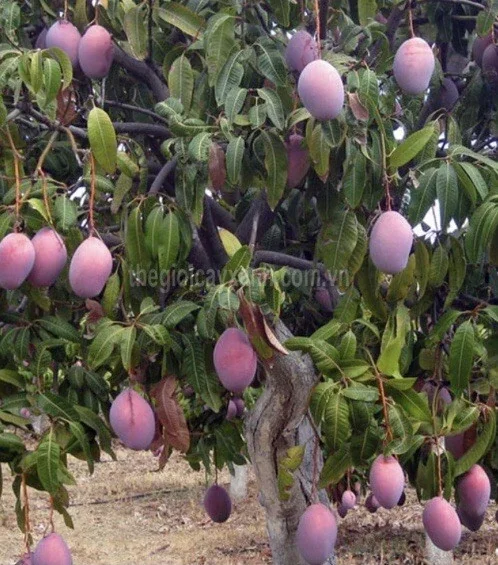
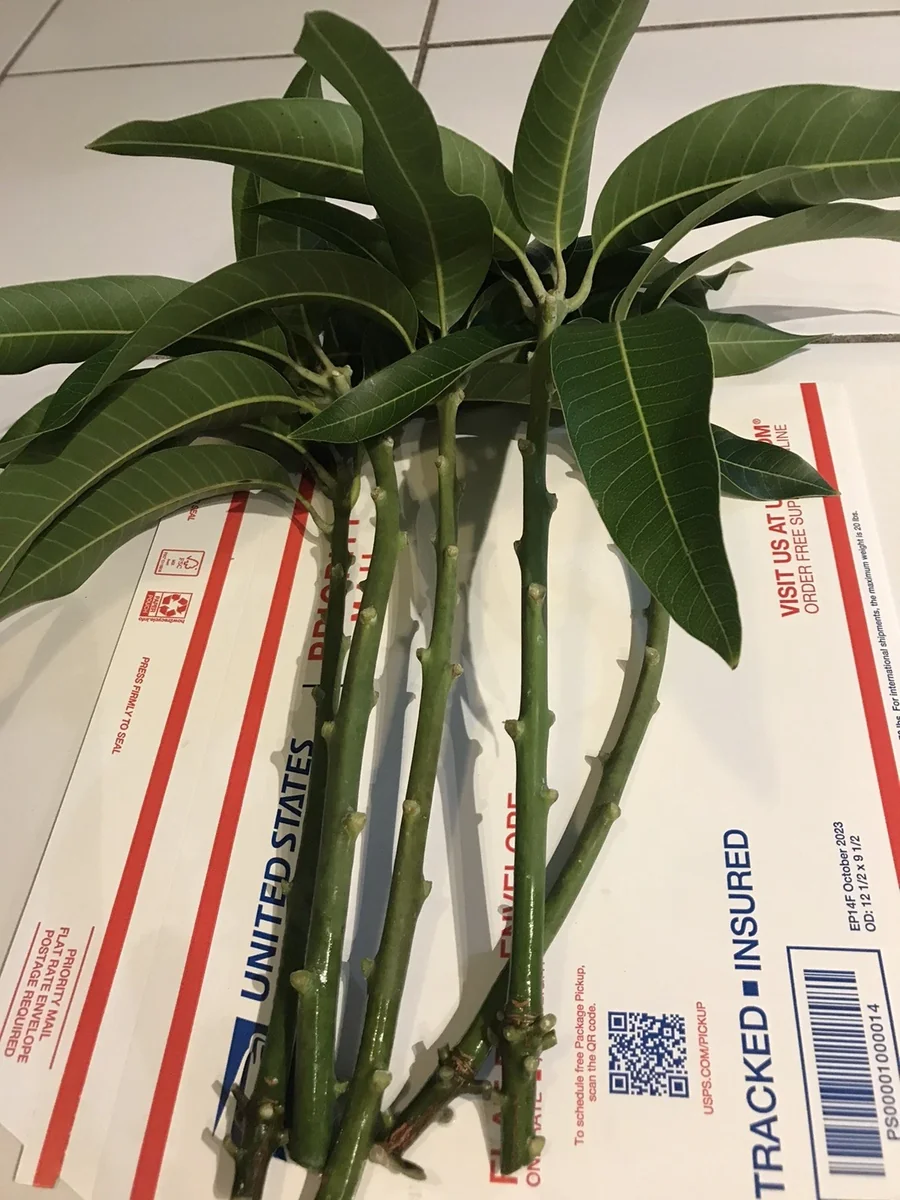
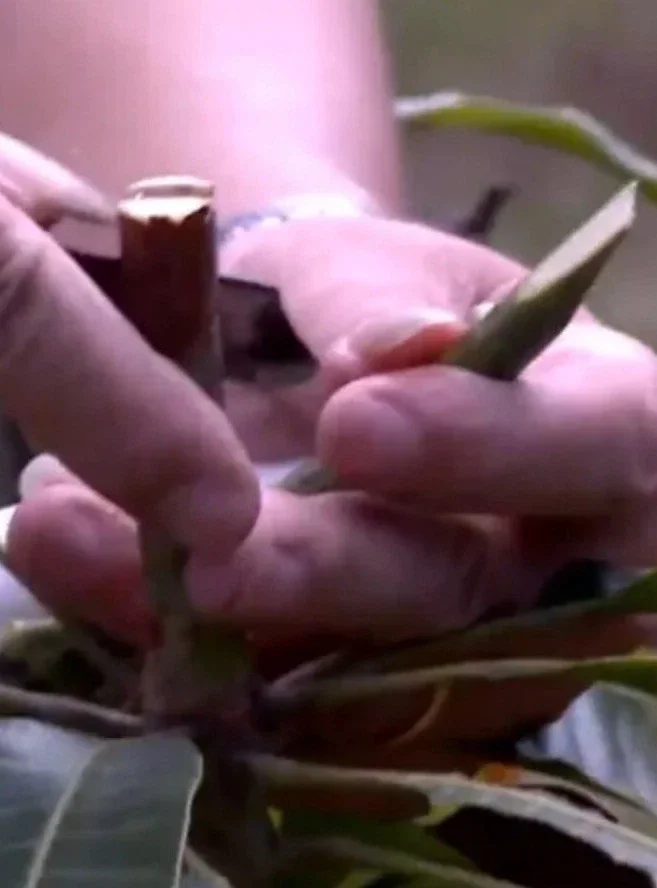
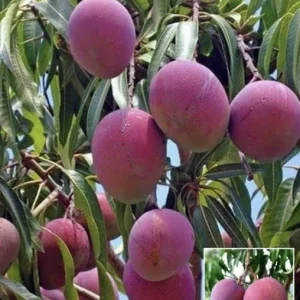
5 Purple Tommy Mango Cuttings Scions for Grafting – Fruit Tree Live Plant
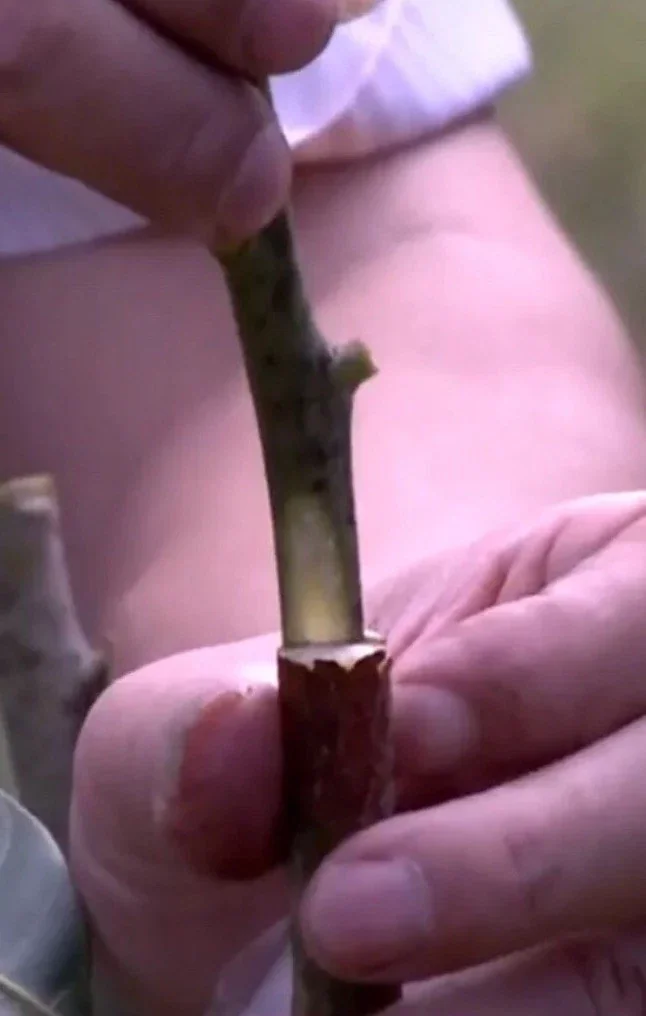
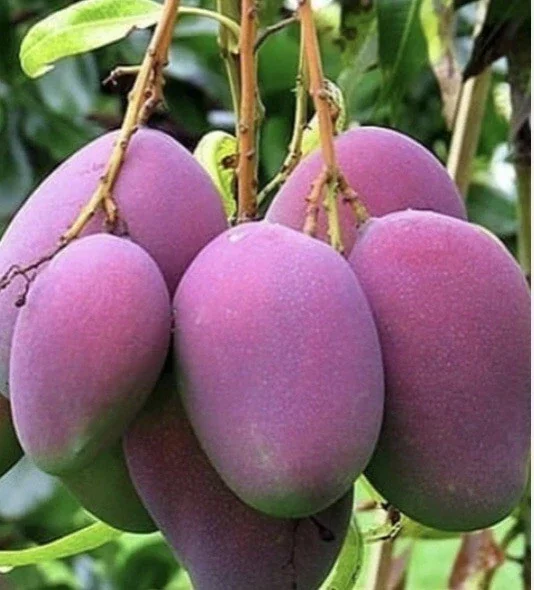
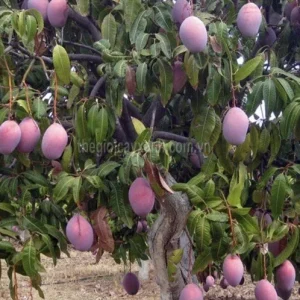
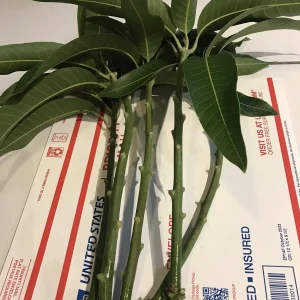
Cultivate your own delicious mangoes with these purple Tommy mango cuttings. Each pack contains 5 high-quality scions perfect for grafting, allowing you to establish new edible mango tree varieties in your garden. These cuttings are suitable for outdoor growing in warm climates.
$36.00

With our Alive & Thrive Guarantee, we’ve got your back for the first 30 days! If you have any concerns about your plants, just reach out to us. Our team is here to help answer your questions and guide you in selecting the best plants for your garden, climate, and unique preferences. We're excited to help you create the garden of your dreams!
Estimated arrival
Apr 07
Apr 12 - Apr 14
Apr 17 - Apr 21

Product Details
-
USDA Hardiness Zone
9 - 11 -
Soil type
Well-draining, slightly acidic to neutral soil -
Sunlight Exposure
Full Sun -
Expected Planting Period
Spring to Summer (for grafting)
Overview
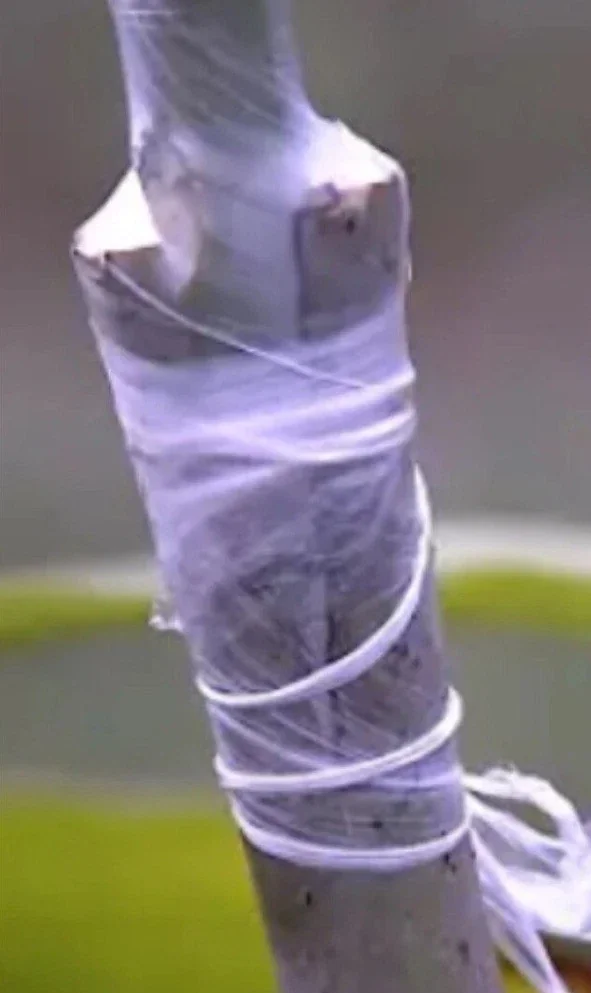
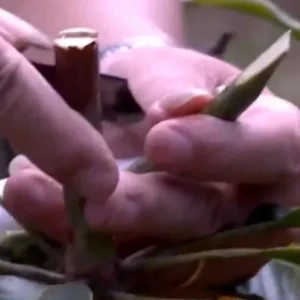
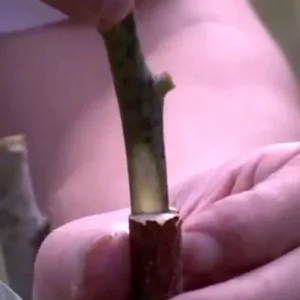
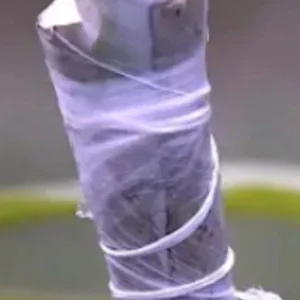
Embark on your journey to growing lush, fruit-bearing mango trees with this selection of purple Tommy mango cuttings. These premium scions are specifically prepared for grafting, offering an excellent opportunity for gardeners and enthusiasts to propagate their own mango varieties. Grafting allows you to combine the vigorous rootstock of one mango tree with the desirable fruiting characteristics of the ‘Tommy Atkins’ mango, known for its vibrant purple skin and delicious fruit. Each order includes 5 healthy cuttings, providing multiple chances for successful grafting and the establishment of new, productive mango scions for grafting. Whether you’re an experienced grafter or looking to learn, these cuttings are a fantastic starting point for expanding your tropical fruit collection. Create a thriving orchard or a single majestic specimen that yields delectable mangoes for years to come.
Key Benefits
These mango cuttings offer numerous advantages for the dedicated gardener:
- High Success Rate Potential: When grafted correctly, these scions can lead to robust, fruit-producing trees, allowing you to successfully grow mango trees from cuttings.
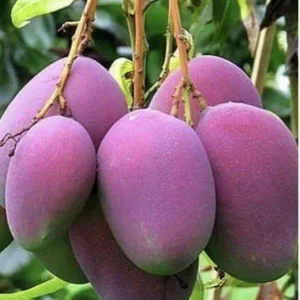
- Desirable Fruit Characteristics: The ‘Tommy Atkins’ mango is celebrated for its firm, sweet, and moderately fibrous flesh, making it a popular choice for fresh eating and culinary uses.
- Early Fruiting: Grafted trees typically bear fruit much sooner than trees grown from seed, often within 2-3 years.
- Disease Resistance: Grafting onto a strong rootstock can enhance the overall health and disease resistance of your new edible mango tree.
- Space Efficiency: Grafting allows for the creation of multi-variety trees, maximizing fruit production in smaller spaces.
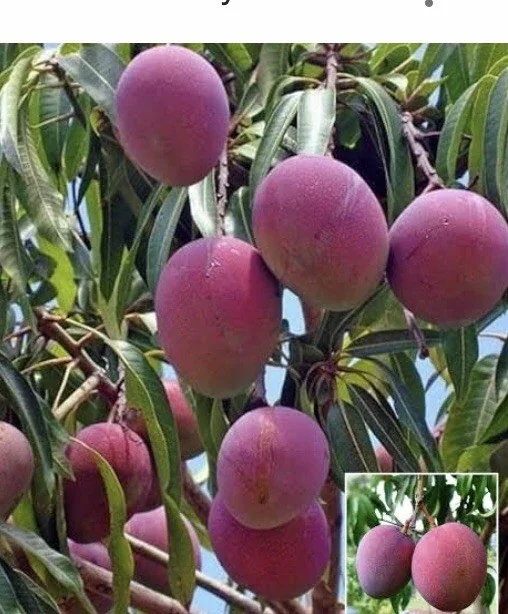
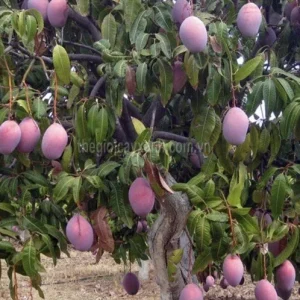
- Vibrant Appearance: Enjoy the unique aesthetic of mangoes with a distinctive purple hue as they ripen.
- Year-Round Interest: Mango trees provide beautiful foliage and, eventually, a bounty of fruit, making them a captivating addition to any outdoor landscape.
Plant Care & Growing Tips
To successfully graft and cultivate your purple Tommy mango cuttings, attention to specific environmental factors and care routines is crucial. Mango trees thrive in warm, tropical, or subtropical climates, typically within USDA Hardiness Zones 9-11. They require abundant sunlight; ideally, choose a location that receives at least 6-8 hours of direct full sun daily. When it comes to soil, a well-draining, slightly acidic to neutral soil (pH 6.0-7.0) is preferred. Amend heavy clay soils with organic matter like compost or perlite to improve drainage and aeration. Once your graft takes and the plant begins to establish, consistent watering is important, especially during dry periods and fruit development. However, avoid waterlogging, as this can lead to root rot. Allow the top few inches of soil to dry out between waterings.
Fertilization should begin once the grafted plant shows signs of active growth. Use a balanced fertilizer during the growing season, adjusting to a higher phosphorus and potassium formula as the tree matures and prepares to flower and fruit. Protect young grafted trees from strong winds and frost, as they are more vulnerable. Pruning is essential for shaping the tree, promoting air circulation, and enhancing fruit production. Remove any suckers that emerge from below the graft union to ensure the desired ‘Tommy Atkins’ variety thrives. Keep an eye out for common mango pests and diseases, and address them promptly with appropriate organic or chemical treatments to maintain a healthy Tommy Atkins mango plant. With proper care, your grafted trees will flourish and provide a bountiful harvest.
Size & Details
This offering includes 5 individual purple Tommy mango cuttings, also known as scions, specifically cut and prepared for grafting. Each scion is typically 6-8 inches in length, with 2-4 healthy nodes, ensuring a good surface area for successful union with a compatible rootstock. These cuttings are intended for outdoor cultivation in suitable climates, particularly those with a USDA Hardiness Zone of 9-11. They are shipped as dormant or semi-dormant cuttings to minimize stress during transit and optimize their readiness for grafting upon arrival. The ‘Tommy Atkins’ mango is known for being a vigorous grower once established, developing into a medium to large fruit tree, typically reaching heights of 15-20 feet, though size can be managed with pruning. Expect your grafted tree to begin producing fruit within a few years, offering a rewarding experience for those who grow mango trees from cuttings.
Frequently Asked Questions
- Q: How large will my grafted mango tree get? A: A grafted Tommy Atkins mango plant can grow to be a medium to large tree, typically reaching 15-20 feet tall, but its size can be effectively managed through regular pruning.
- Q: What is the best time to graft these mango scions? A: The best time for grafting mangoes is typically during the warm, dry season when the rootstock is actively growing, often in late spring or early summer, but this can vary by climate.
- Q: What kind of rootstock should I use for these cuttings? A: A healthy, vigorous mango seedling or established mango tree of a compatible variety is ideal as a rootstock for these mango scions for grafting.
- Q: How much sunlight do these mango trees need? A: Mango trees, once established from these purple Tommy mango cuttings, require at least 6-8 hours of direct full sunlight per day to thrive and produce fruit.
- Q: Are these mangoes sweet and edible? A: Yes, the ‘Tommy Atkins’ mango is a popular and delicious variety, known for its sweet, firm, and moderately fibrous flesh, making it an excellent edible mango tree.
- Q: What USDA Hardiness Zones are suitable for growing these mango trees? A: These mango trees are best suited for USDA Hardiness Zones 9-11, where they can be grown outdoors year-round.
- Q: What condition will the cuttings arrive in? A: The purple Tommy mango cuttings will arrive as fresh, healthy scions, carefully packaged to ensure their viability for grafting.
- Q: How long does it take for a grafted mango tree to bear fruit? A: Grafted mango trees generally begin to bear fruit much sooner than seed-grown trees, often within 2-3 years after successful grafting.
- Q: Can these cuttings be rooted directly without grafting? A: While it is possible to attempt to root mango cuttings directly, grafting offers a significantly higher success rate and faster establishment for a productive tree.
- Q: What are the watering requirements for a young grafted mango tree? A: Young grafted mango trees require consistent moisture, especially during dry periods. Water deeply when the top few inches of soil are dry, but ensure good drainage to prevent root rot.
Related products
-10%
Original price was: $23.99.$21.59Current price is: $21.59.
-10%
Original price was: $80.99.$72.89Current price is: $72.89.

PLANTING & CARE
Growing Glencoe Raspberry: A Complete Guide for Gardeners
If you’re looking to add something unique to your garden, look no further than the
31
Mar
Mar

The Comprehensive Guide to Growing Bay Leaf Plants for a Flavorful Garden
Imagine stepping into your garden, greeted by the earthy aroma of fresh bay leaves, their
09
Feb
Feb

How to Make Comfrey Tea: The Ultimate Organic Plant Food
Growing an organic garden can be surprisingly expensive, especially when most store-bought fertilizers come in
02
Feb
Feb

True Comfrey: 7 Essential Tips Before You Plant This Herb
A staple in permaculture practices across the US, True Comfrey easily earns its reputation as
27
Jan
Jan

7 Heart-Shaped Plants for a Lasting Valentine’s Gift
If you’ve ever bought a bouquet of roses for Valentine’s Day, you know they are
26
Jan
Jan

Best Types of Ivy Plant for Houses: How to Choose the Perfect Ones for Your Home
Are you a garden lover looking to introduce some greenery into your home? Maybe you’ve
14
Nov
Nov

When to Harvest Garlic (Especially Fall-Planted Garlic)
TIMING IS EVERYTHING, they say – and for garlic, that truth hits with surprising accuracy.
13
Nov
Nov

11 of the Best Sweet Potato Varieties to Grow for Your Garden
If you’ve ever tried growing sweet potatoes, you know that picking the right variety can
12
Nov
Nov