5 Queen Anne’s Lace Bare Root Plants – Perennial Wildflower – Daucus Carota
-20%
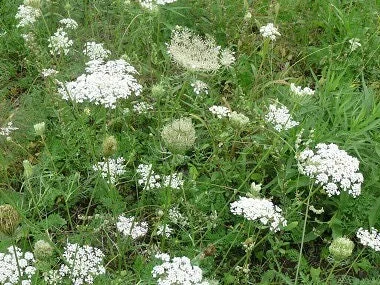
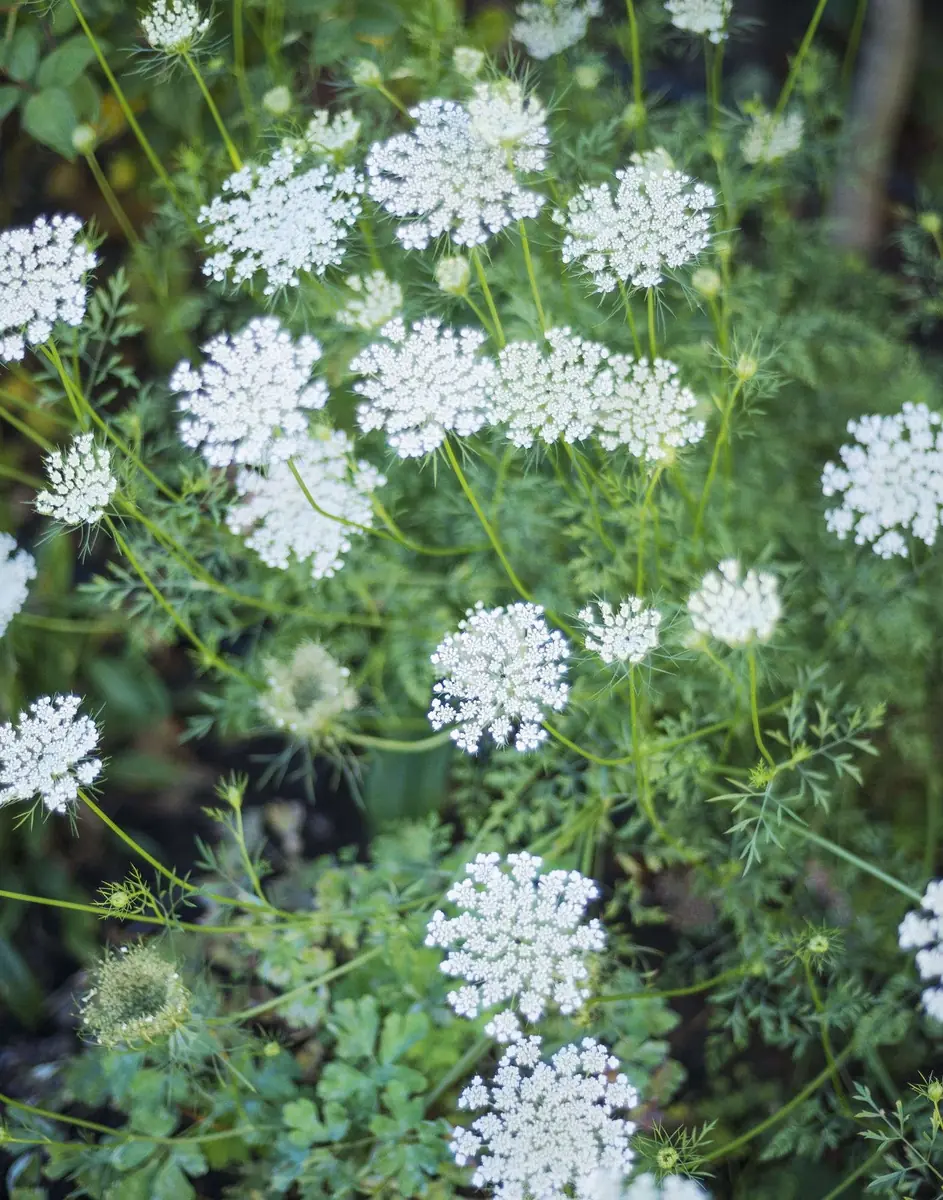
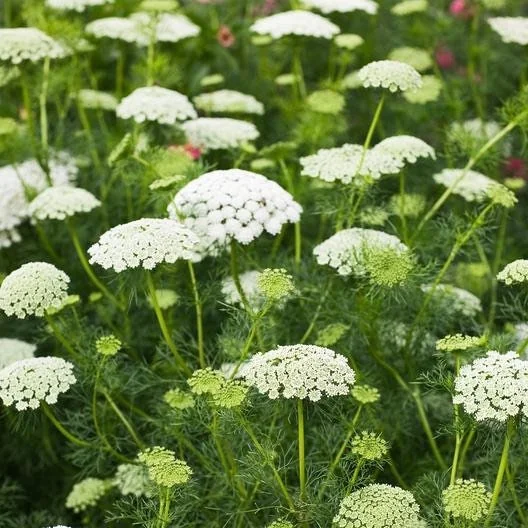
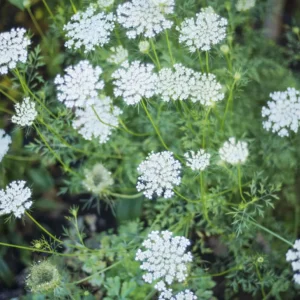
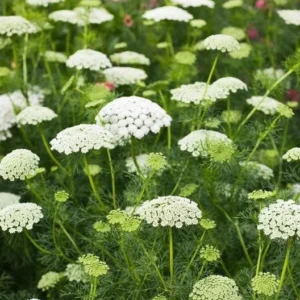
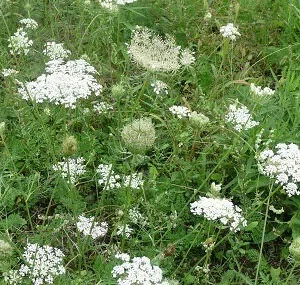
5 Queen Anne’s Lace Bare Root Plants – Perennial Wildflower – Daucus Carota
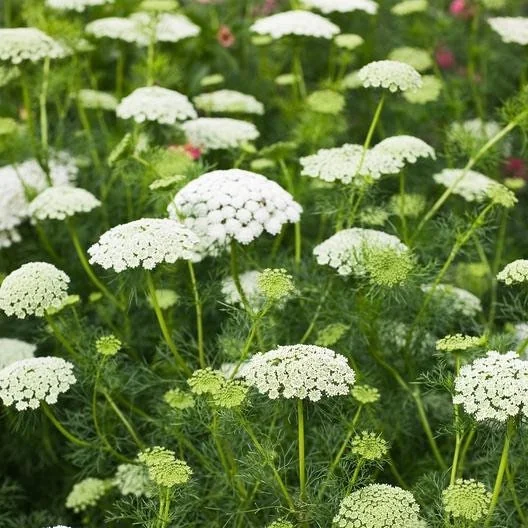
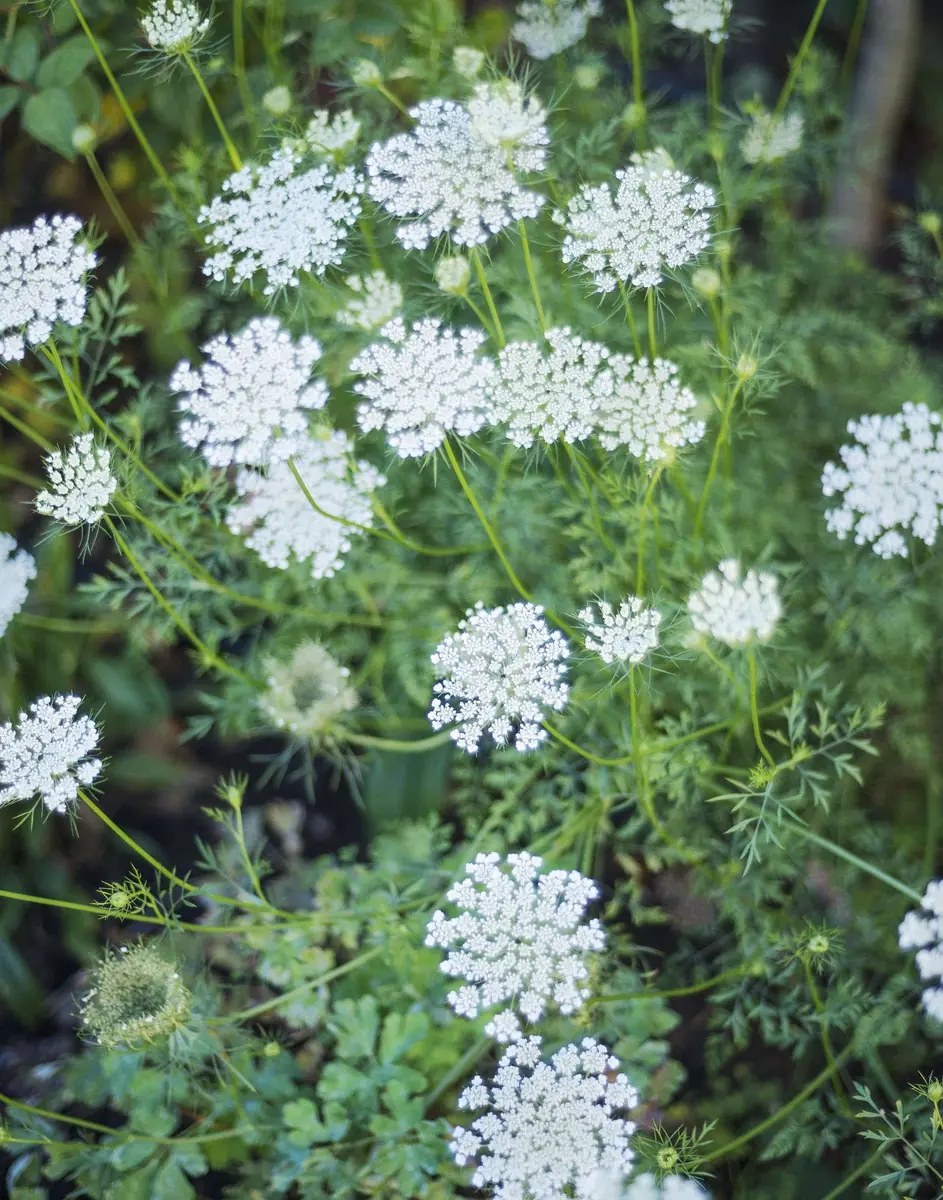
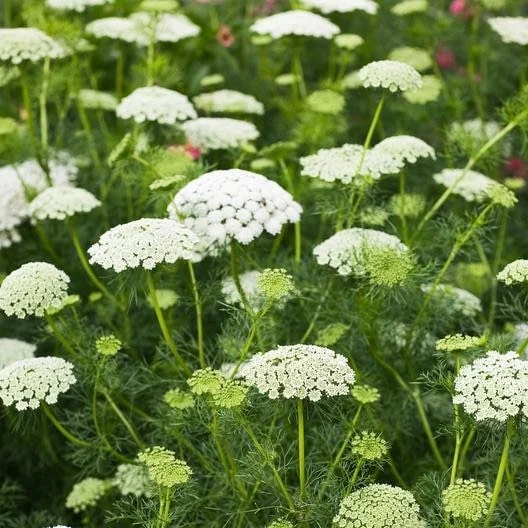
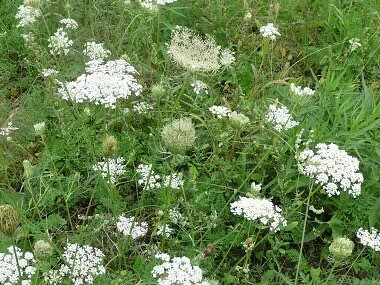
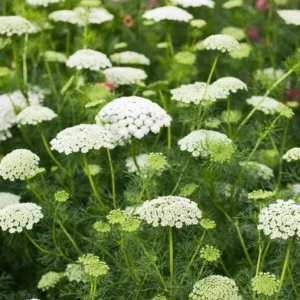
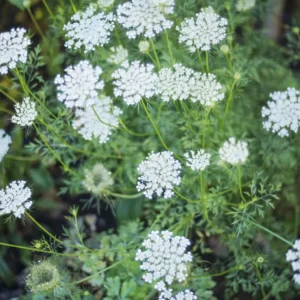
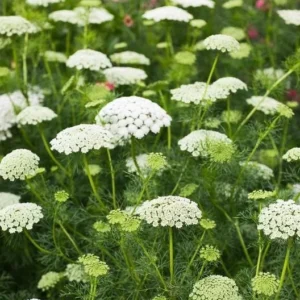
Receive 5 Queen Anne’s Lace bare root plants, perfect for creating a beautiful wildflower garden. These perennial wildflowers (Daucus Carota) are known for their delicate, lace-like blooms and are easy to establish in various outdoor settings. Enjoy their natural charm and potential as a medicinal herb plant.
Original price was: $31.98.$25.58Current price is: $25.58.

With our Alive & Thrive Guarantee, we’ve got your back for the first 30 days! If you have any concerns about your plants, just reach out to us. Our team is here to help answer your questions and guide you in selecting the best plants for your garden, climate, and unique preferences. We're excited to help you create the garden of your dreams!
Estimated arrival
Mar 31
Apr 05 - Apr 07
Apr 10 - Apr 14


Product Details
-
USDA Hardiness Zone
USDA zones 3-9 -
Soil type
Well-draining soil -
Sunlight Exposure
Full sun to partial shade -
Expected Planting Period
Spring or Fall
Overview
Transform your garden into a haven of natural beauty with our 5 Queen Anne’s Lace bare root plants. This offering includes five healthy bare roots of Queen Anne’s Lace, scientifically known as Daucus Carota. Often recognized for its delicate, white, lace-like flower clusters, this biennial or short-lived perennial wildflower is a beloved addition to cottage gardens, naturalized areas, and pollinator-friendly landscapes. Each Queen Anne’s Lace bare root is carefully harvested per order to ensure optimal freshness and viability upon arrival. Also known as wild carrot, it’s a versatile and resilient plant, bringing a touch of rustic elegance to any outdoor space. Plant these roots to enjoy a season of charming blooms and attract beneficial insects to your garden.
Our organically grown Daucus Carota plant roots are ready for planting directly into your garden. They are an excellent choice for gardeners seeking low-maintenance yet impactful floral displays. The robust nature of these perennial wildflowers makes them suitable for various climates and soil conditions, establishing quickly and providing beautiful foliage and flowers. With proper care, these plants will flourish, offering a picturesque display reminiscent of a tranquil meadow. Discover the joy of growing this classic wildflower and its many benefits.
Key Benefits
Growing Queen Anne’s Lace bare root plants offers numerous advantages for both your garden and the local ecosystem. These plants are not only beautiful but also contribute to a healthier environment.
- Aesthetic Appeal: The intricate, flat-topped clusters of white flowers create a stunning visual impact, adding a touch of rustic elegance and softness to garden beds, borders, and naturalized areas. They are excellent for cutting and creating beautiful flower arrangements.
- Pollinator Attraction: Queen Anne’s Lace is a magnet for a wide array of beneficial insects, including bees, butterflies, and predatory wasps, which help to naturally control garden pests and improve overall garden health.
- Low Maintenance: Once established, these perennial wildflowers are remarkably resilient and require minimal ongoing care. They are drought-tolerant and can thrive in less-than-ideal soil conditions, making them perfect for busy gardeners.
- Erosion Control: Their strong root systems can help stabilize soil on slopes and in areas prone to erosion, making them a practical choice for challenging landscapes.
- Medicinal and Culinary Uses: Historically, parts of the Daucus Carota plant have been used in traditional medicine, and the roots are the wild ancestor of the domesticated carrot. Some also consider it a medicinal herb plant.
- Naturalized Landscapes: Ideal for creating a wild, meadow-like aesthetic, they blend seamlessly into natural landscapes and provide continuous bloom throughout the summer months.
- Organic Growth: Our plants are organically grown, ensuring you receive healthy, chemical-free roots that are safe for your garden and the environment.
Plant Care & Growing Tips
Caring for your Queen Anne’s Lace bare root plants is relatively straightforward, as these wildflowers are known for their hardiness. For optimal growth, select a location that receives full sun to partial shade, meaning at least 6 hours of direct sunlight per day. While they can tolerate some shade, more sun generally leads to more robust flowering. Ensure the soil is well-draining, as Queen Anne’s Lace does not like to sit in waterlogged conditions. They are adaptable to a range of soil types, including sandy, loamy, or clay soils, but prefer slightly alkaline conditions.
When planting your Daucus Carota plant bare roots, dig a hole large enough to accommodate the roots without bending them. Place the root in the hole with the crown (where the stem meets the root) at soil level, then backfill with soil and water thoroughly. Initial watering is crucial to help establish the roots. Once established, these perennial wildflowers are quite drought-tolerant and will only need supplemental watering during extended dry periods. Fertilization is generally not necessary in average garden soil, as they thrive on lean conditions. Deadheading spent flowers can encourage more blooms and prevent excessive self-seeding. Monitor for common garden pests, though Queen Anne’s Lace is generally resistant. Learning how to grow Queen Anne’s Lace successfully involves providing adequate sunlight and well-drained soil.
Size & Details
Each order includes 5 Queen Anne’s Lace bare root plants. These bare roots are dormant, living plant material without soil, carefully prepared for shipping to ensure they reach you in excellent condition. Upon planting, these perennial wildflowers typically grow to a height of 2 to 4 feet (60-120 cm) with a spread of about 1 to 2 feet (30-60 cm), forming a bushy mound of finely dissected foliage topped with their characteristic white blooms. The first year primarily sees foliage growth, with flowering occurring in the second year for biennial varieties. The roots are harvested fresh per order and shipped promptly to maintain their vitality. With proper planting and care, you can expect these plants to establish and begin producing their beautiful flowers during the growing season. This makes learning how to grow Queen Anne’s Lace a rewarding experience.
Frequently Asked Questions
- Q: How big does this plant get? A: Queen Anne’s Lace typically grows to a height of 2 to 4 feet (60-120 cm) with a spread of 1 to 2 feet (30-60 cm) once fully mature, creating a lovely presence in the garden.
- Q: What condition will the bare roots arrive in? A: You will receive 5 Queen Anne’s Lace bare root plants that are freshly harvested and shipped dormant, ensuring they are in optimal condition for planting and establishment in your garden.
- Q: How much sunlight does Queen Anne’s Lace need? A: These perennial wildflowers thrive in full sun to partial shade, ideally receiving at least 6 hours of direct sunlight daily for the best flowering performance.
- Q: Is this plant easy to care for? A: Yes, Queen Anne’s Lace is known for being very easy to care for. Once established, it is drought-tolerant and requires minimal attention, making it suitable for beginners and experienced gardeners alike.
- Q: When is the best time to plant these bare roots? A: The best time to plant Queen Anne’s Lace bare root plants is in the spring after the last frost, or in the fall before the ground freezes, allowing them to establish their root system.
- Q: Can I use Queen Anne’s Lace for medicinal purposes? A: While historically used as a medicinal herb plant, it’s crucial to consult with a healthcare professional before using any plant for medicinal purposes. Always ensure correct plant identification.
- Q: Will it survive winter in my zone? A: Queen Anne’s Lace is generally hardy and can survive winters in most temperate climates. It often acts as a biennial, producing foliage the first year and flowering the second, then self-seeding.
- Q: What kind of soil does the Daucus Carota plant prefer? A: The Daucus Carota plant is adaptable but prefers well-draining soil. It can grow in sandy, loamy, or clay soils, and thrives in conditions that are not overly rich.
- Q: Is it an indoor or outdoor plant? A: Queen Anne’s Lace is primarily an outdoor plant, best suited for garden beds, meadows, and naturalized areas where it can receive ample sunlight and space to grow.
- Q: How long until it blooms? A: If planted in spring, biennial types of perennial wildflowers will typically establish foliage in the first year and produce their beautiful lace-like blooms in the second year.
Related products
-30%
Original price was: $63.98.$44.78Current price is: $44.78.
-10%
Original price was: $23.99.$21.59Current price is: $21.59.
-20%
Original price was: $27.98.$22.38Current price is: $22.38.
-75%
Original price was: $59.98.$15.00Current price is: $15.00.
-30%
Original price was: $63.98.$44.78Current price is: $44.78.
-10%
Original price was: $11.99.$10.79Current price is: $10.79.
-30%
Original price was: $63.98.$44.78Current price is: $44.78.
PLANTING & CARE

Growing Glencoe Raspberry: A Complete Guide for Gardeners
If you’re looking to add something unique to your garden, look no further than the
31
Mar
Mar

The Comprehensive Guide to Growing Bay Leaf Plants for a Flavorful Garden
Imagine stepping into your garden, greeted by the earthy aroma of fresh bay leaves, their
09
Feb
Feb

How to Make Comfrey Tea: The Ultimate Organic Plant Food
Growing an organic garden can be surprisingly expensive, especially when most store-bought fertilizers come in
02
Feb
Feb

True Comfrey: 7 Essential Tips Before You Plant This Herb
A staple in permaculture practices across the US, True Comfrey easily earns its reputation as
27
Jan
Jan

7 Heart-Shaped Plants for a Lasting Valentine’s Gift
If you’ve ever bought a bouquet of roses for Valentine’s Day, you know they are
26
Jan
Jan

Best Types of Ivy Plant for Houses: How to Choose the Perfect Ones for Your Home
Are you a garden lover looking to introduce some greenery into your home? Maybe you’ve
14
Nov
Nov

When to Harvest Garlic (Especially Fall-Planted Garlic)
TIMING IS EVERYTHING, they say – and for garlic, that truth hits with surprising accuracy.
13
Nov
Nov

11 of the Best Sweet Potato Varieties to Grow for Your Garden
If you’ve ever tried growing sweet potatoes, you know that picking the right variety can
12
Nov
Nov