-
×
 Philodendron Micans Live Plant - 4 inch Potted Houseplant - Velvet Trailing Foliage
1 × $50.00
Philodendron Micans Live Plant - 4 inch Potted Houseplant - Velvet Trailing Foliage
1 × $50.00 -
×
 Yukon Gold True Potato Seeds - 50 Organic Yellow Mix Potato Seeds for Planting
1 × $19.98
Yukon Gold True Potato Seeds - 50 Organic Yellow Mix Potato Seeds for Planting
1 × $19.98 -
×
20 Organic Sugar Apple Seeds – Annona Squamosa Tropical Fruit Seeds – Outdoor
1 × $11.98
-
×
Sambac Jasmine Live Plant – 12 inch Tall – 3 inch Pot – Fragrant Flowering Shrub
1 × $55.98
-
×
10 Hay Scented Fern Bare Roots - Dennstaedtia punctilobula Perennial Plant
1 × $32.00
-
×
Black Cherry Tree – Prunus serotina – Live Plant – Up to 2 ft Tall – Outdoor
1 × $70.00
-
×
Granny Smith Apple Tree – Live Plant – 2.5 ft Tall – Outdoor
1 × $70.00
-
×
Sambac Jasmine Live Plant – Fragrant Flowering Plant – 8-inch Tall – 3-inch Pot – Indoor/Outdoor
1 × $46.18
-
×
10 Carolina Sapphire Cypress Live Plant - Tall Evergreen Blue, 4-6" Bare Root Starter
1 × $72.00
-
×
Unique Hexagonal Pattern Cactus Live Plant – Rare Succulent – 2 Inch Diameter – Indoor
1 × $24.50
-
×
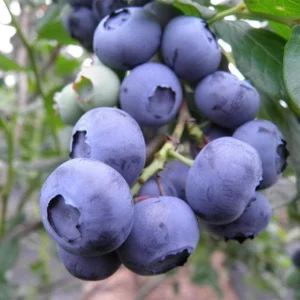
Snow Chaser Blueberry Live Plant - Southern Highbush - Early Ripening - Low Chill
1 × $28.80
-
×
Long Leaf Cilantro Seeds (Recao) - 100 Seed Pack for Herb Gardens
1 × $16.00
-
×
Philodendron Pink Princess Live Plant – Tropical Indoor Starter Plant
1 × $16.30
-
×
Vietnamese Fig Tree Live Plant – Fruit Bearing – 1-2 ft Tall – Gallon Pot – Outdoor
1 × $44.09
-
×
Crimson Seedless Grape Vine Live Plant - 2.5 ft Tall, 3 Years Old, Outdoor
1 × $89.50
-
×
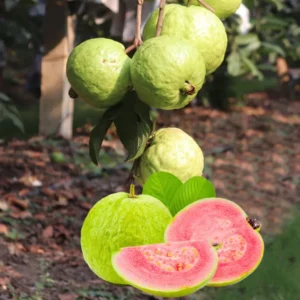
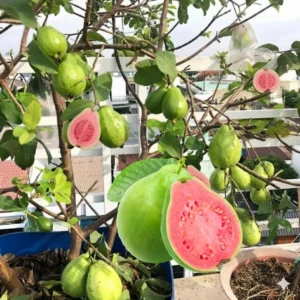
Sweet Pink Guava Tree Live Plant, Tropical Fruit, Fragrant, Starter Size 5-9" Tall, Outdoor
1 × $19.99
-
×
10 Dwarf Cavendish Banana Plant Plugs - Cold Hardy Tropical Fruit Tree - Live Bare Root
1 × $112.00
-
×
Bald Cypress Tree – Live plant – 4 ft Tall – Outdoor
1 × $70.00
-
×
Light Pink Christmas Cactus Live Plant – 4-6" Tall, 2" Pot – Indoor
1 × $33.58
-
×
Pink Thanksgiving Cactus Live Plant – Zygocactus – 4 inch Pot – Indoor Succulent
1 × $55.98
-
×
Bay Leaf Live Plant – 5-8 Inch Tall – 4 Inch Pot – Indoor/Outdoor Herb
1 × $20.99
-
×
Tiger Lily Live Starter Plant - Double Orange, 2-Pack, 4 Inch Pot, 4-6 Inch Tall
1 × $21.59
-
×
Dragonfruit Plant Live - Vietnamese White Variety - 2 Rooted Stems - Easy Beginner
1 × $24.00
-
×
Pink Thanksgiving Cactus Live Plant – Zygocactus – 4 inch Pot – Indoor Succulent
1 × $55.98
-
×
Boba Tea Plant Trellis Pick - 3D Printed Plant Support for Houseplants, Silk Purple, 7.8 Inches Tall
1 × $33.90
-
×
Caladium White Mix Flower Bulbs - Value Pack (6 Bulbs) Size #2
2 × $12.94
-
×
Live cherry plum tree – Cherry Plum – Live plant – Up to 3 ft tall – Outdoor
1 × $80.38
-
×
Tradescantia Pink Furry Live Plant - Fuzzy Trailing Houseplant for Indoor Display
1 × $9.78
-
×
Vigoro Replacement Liners – Garden Accessory – 2 Pack – Indoor/Outdoor
1 × $31.50
-
×
Roselle Seeds – Asian Sour Leaf, Red Sorrel, Florida Cranberry – 25+ Seeds – Perennial
1 × $5.98
-
×
Ranunculus Flower Bulbs 15 Pastel Corms - Buttercup Peony Rose Type
1 × $31.98
-
×
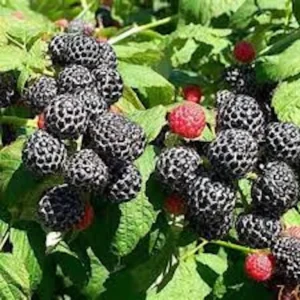
1 Columbia Star Blackberry Starter Plug - Thornless Rubus Live Plant, High-Yielding
1 × $28.80
-
×
Pink Ranunculus Corms - 20 Flower Bulbs - Peony Rose Garden Plants
1 × $35.98
-
×
Arabian Jasmine Live Plant - Grand Duke - 8" Tall in 3.5" Pot - Fragrant Indoor/Outdoor
2 × $55.98
-
×
3 Snow Chaser Blueberry Live Plants - Southern Highbush, Early Ripening
2 × $48.00
-
×
Cactus Seed Mix - DIY Cacti Garden Kit - Min. 25 Seeds
1 × $6.74
-
×
Philodendron Pink Princess Live Plant - Black Cherry Variegation, Starter
1 × $15.68
-
×
False Indigo Live Plant – Baptisia – Outdoor – Seedling – Blue
2 × $28.00
-
×
10 Lady Fern Bare Root Plants - Athyrium Filix-Femina Woodland Perennial
1 × $27.18
-
×
Red Camellia Live Plant – 4" Pot – 6-12 Inches Tall – Outdoor Shrub
1 × $27.99
-
×
Purple Passionfruit Live Plant - 4-6" Tall - Passiflora edulis Vine
1 × $20.74
-
×
50 Christmas Fern Bare Root Plants - Polystichum Acrostichoides - Perennial
2 × $80.00
-
×
Crested Aeonium Maybach Live Plant – Rare Colorful Succulent – 4.5 inch – Indoor Gift
1 × $82.00
-
×
Jacaranda Live Starter Plant, Blue Jacaranda Tree, 6-8 Inch Tall, 3 Inch Pot
1 × $21.59
-
×
Mini Rose Red Live Plant – 6" Height – 3" Pot – Indoor & Outdoor Flowering Perennial
1 × $44.78
-
×
Yellow Daylily Bulbs - 3 Bare Root Daylilies for Planting - Outdoor Flower
1 × $27.99
-
×
2 Salvia 'Ballerina Pink' Live Perennial Plants - Full Sun, Pink Flowers
2 × $15.00
-
×
Swedish Ivy Creeping Charlie Live Plant – Plectranthus – Indoor Starter Plant
1 × $13.00
-
×
Shasta Daisy Luna Live Plant – 4-8" Tall – Perennial Flower – Outdoor
1 × $7.74
-
×
Rambutan Live Plant (Nephelium lappaceum) - Tropical Fruit Tree 2-3 ft
1 × $142.20
-
×
Swamp Rose Mallow Live Plant - Hardy Hibiscus, Pink Flowers, Outdoor
1 × $31.50
-
×
Organic Potato Seed Tubers Mix - Purple, Red, Yukon, Russet - 2 Pounds for Planting
1 × $25.98
-
×
3 Florida Rose Rabbiteye Blueberry Live Plant - Pink Fruit, Zones 6b-9a
1 × $52.80
-
×
4 Large Organic Transylvanian Garlic Bulbs - Softneck, Long Storage, for Planting
1 × $39.98
-
×
Philodendron White Princess Live Plant - Variegated Houseplant Starter
1 × $12.60
-
×
Incense Cedar Live Tree Seedling - Calocedrus decurrens - Small 1-1.5 Year Old Plant
2 × $17.98
-
×
Winsap Apple Tree – Live plant – 2.5 ft tall – Outdoor
1 × $70.00
-
×
Fuchsia Gartenmeister Live Plant - 2-4" Starter - Coral-Orange Flowers
1 × $9.04
-
×
Pink Bougainvillea Live Plant – Flowering Perennial Vine – Starter 6-8 Inches
1 × $27.99
-
×
Macodes Petola Jewel Orchid Starter Plant - Live Houseplant for Indoor Display
1 × $19.36
-
×
Golden Loquat Live Plant Starter - 4-8 Inch Loquat Tree for Indoor/Outdoor Growing
1 × $33.29
-
×
Set of 2 Meyer Lemon Trees Live Plants, 2-4 Inch Tall, 4" Pot, Indoor/Outdoor Citrus
1 × $36.99
-
×
Fishbone Cactus Live Plant – 6-inch Height – 2-inch Pot – Indoor Houseplant
1 × $34.98
-
×
10 Allstar Junebearing Strawberry Plant Fragaria ananassa - Sweet Berries
2 × $27.20
-
×
Dogwood Tree – Live Plant – 2 Ft Tall – Outdoor – White Flowers
1 × $40.00
-
×
Begonia Rex Maculata 'Angel Wing' Live Plant – Potted Houseplant Indoor
1 × $49.99
-
×
Adenium Desert Rose Vulcanus Bare Root Plant - Exotic Succulent
1 × $100.00
-
×
1 Goji Berry Live Plant Lycium barbarum - Fruit Starter Bush
1 × $25.60
-
×
Spearmint Live Plant - 4-inch Pot - Fragrant Culinary Herb - Indoor/Outdoor
1 × $41.98
-
×
Short Needle Pine – Live Plant – 10 Inches Tall – Outdoor
1 × $9.00
-
×
Pink Mandevilla Starter Plants - Set of 2 Tropical Vines, 4-6" Tall, Live Plant
1 × $16.99
-
×
Big Zac Tomato Seeds – 25 Organic Heirloom Competition XL Size Vegetable Seeds for Garden
1 × $8.50
-
×
Witch Hazel Live Plant - Hamamelis virginiana - Well-Rooted - Deciduous Shrub - USDA Zone 5
1 × $31.50
-
×
Egyptian Walking Onions - 5 Large Organic Bulbs - Multiplier Tree Onion - Perennial Heirloom
1 × $29.98
-
×
Honey Crisp Apple Tree – Live plant – 3 ft tall – Outdoor
1 × $70.00
-
×
 American Hazelnut Tree Seeds (Corylus americana) - 12+ Float Tested Seeds for Planting
1 × $11.98
American Hazelnut Tree Seeds (Corylus americana) - 12+ Float Tested Seeds for Planting
1 × $11.98 -
×
Natchez Crape Myrtle Live Plant – 1 Gallon Pot – White Flowers – Outdoor Shrub/Tree
1 × $77.90
-
×
Daylily Stella d'Oro – Live Plant – Well Rooted – Outdoor/Indoor
1 × $9.50
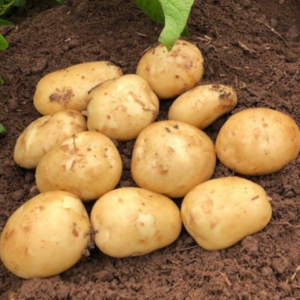 Yukon Gold True Potato Seeds - 50 Organic Yellow Mix Potato Seeds for Planting
 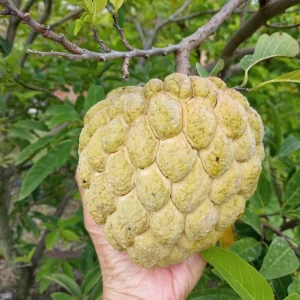 20 Organic Sugar Apple Seeds – Annona Squamosa Tropical Fruit Seeds – Outdoor
 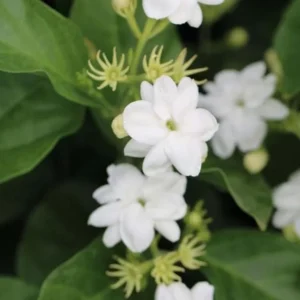 Sambac Jasmine Live Plant – 12 inch Tall – 3 inch Pot – Fragrant Flowering Shrub
 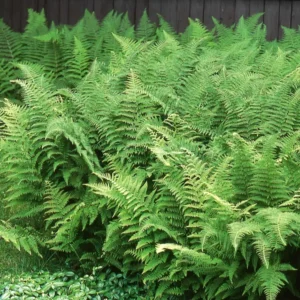 10 Hay Scented Fern Bare Roots - Dennstaedtia punctilobula Perennial Plant
 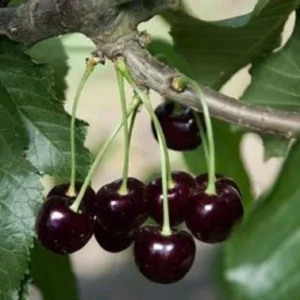 Black Cherry Tree – Prunus serotina – Live Plant – Up to 2 ft Tall – Outdoor
 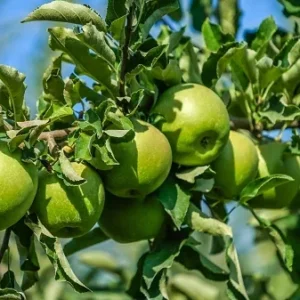 Granny Smith Apple Tree – Live Plant – 2.5 ft Tall – Outdoor
 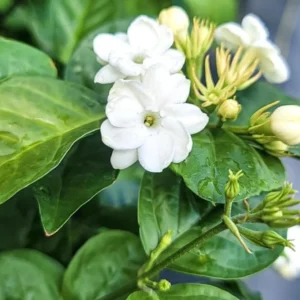 Sambac Jasmine Live Plant – Fragrant Flowering Plant – 8-inch Tall – 3-inch Pot – Indoor/Outdoor
 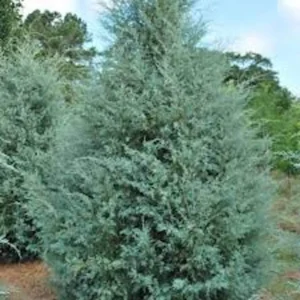 10 Carolina Sapphire Cypress Live Plant - Tall Evergreen Blue, 4-6" Bare Root Starter
 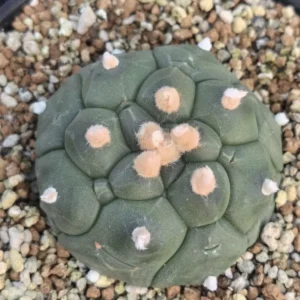 Unique Hexagonal Pattern Cactus Live Plant – Rare Succulent – 2 Inch Diameter – Indoor
 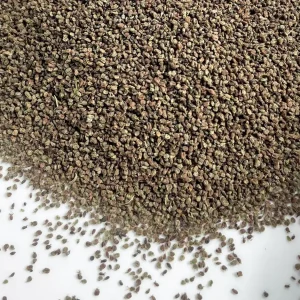 Long Leaf Cilantro Seeds (Recao) - 100 Seed Pack for Herb Gardens
 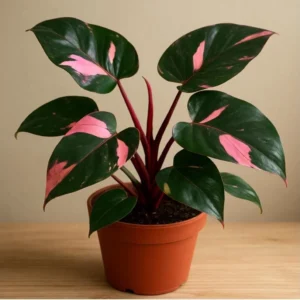 Philodendron Pink Princess Live Plant – Tropical Indoor Starter Plant
 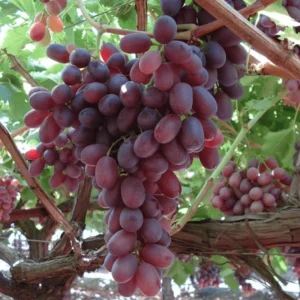 Crimson Seedless Grape Vine Live Plant - 2.5 ft Tall, 3 Years Old, Outdoor
 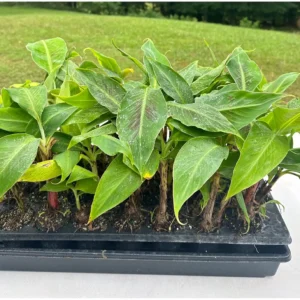 10 Dwarf Cavendish Banana Plant Plugs - Cold Hardy Tropical Fruit Tree - Live Bare Root
 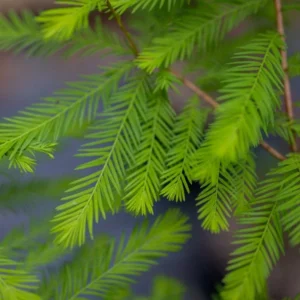 Bald Cypress Tree – Live plant – 4 ft Tall – Outdoor
 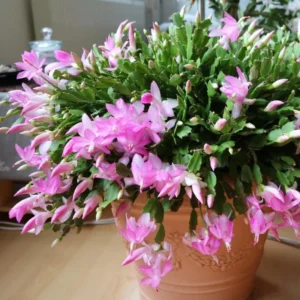 Light Pink Christmas Cactus Live Plant – 4-6" Tall, 2" Pot – Indoor
 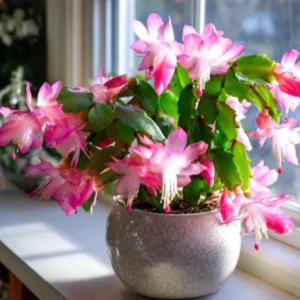 Pink Thanksgiving Cactus Live Plant – Zygocactus – 4 inch Pot – Indoor Succulent
 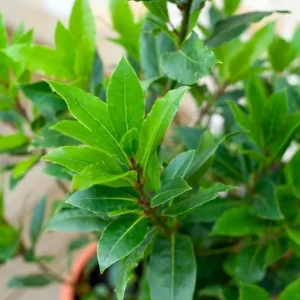 Bay Leaf Live Plant – 5-8 Inch Tall – 4 Inch Pot – Indoor/Outdoor Herb
 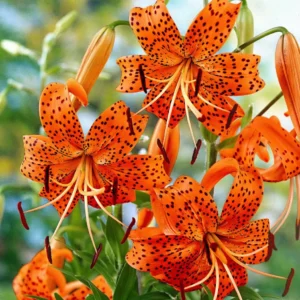 Tiger Lily Live Starter Plant - Double Orange, 2-Pack, 4 Inch Pot, 4-6 Inch Tall
 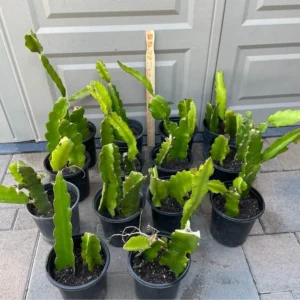 Dragonfruit Plant Live - Vietnamese White Variety - 2 Rooted Stems - Easy Beginner
 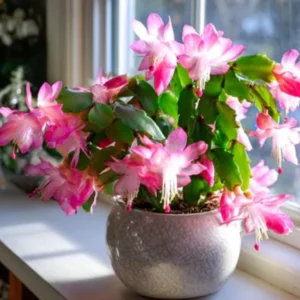 Pink Thanksgiving Cactus Live Plant – Zygocactus – 4 inch Pot – Indoor Succulent
  Boba Tea Plant Trellis Pick - 3D Printed Plant Support for Houseplants, Silk Purple, 7.8 Inches Tall
 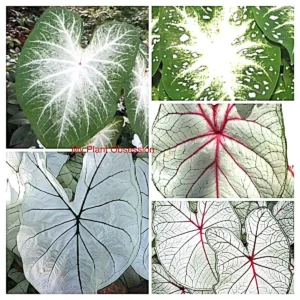 Caladium White Mix Flower Bulbs - Value Pack (6 Bulbs) Size #2
 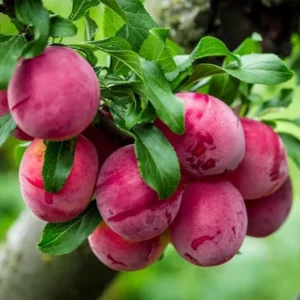 Live cherry plum tree – Cherry Plum – Live plant – Up to 3 ft tall – Outdoor
 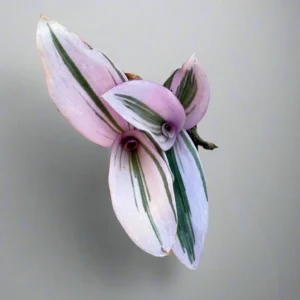 Tradescantia Pink Furry Live Plant - Fuzzy Trailing Houseplant for Indoor Display
 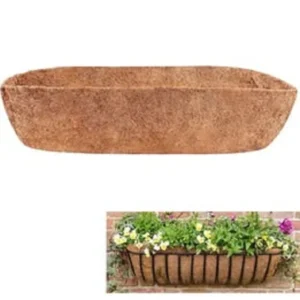 Vigoro Replacement Liners – Garden Accessory – 2 Pack – Indoor/Outdoor
 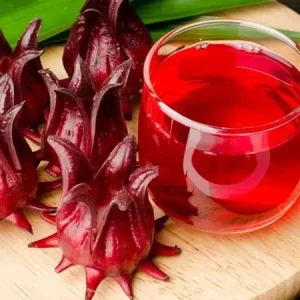 Roselle Seeds – Asian Sour Leaf, Red Sorrel, Florida Cranberry – 25+ Seeds – Perennial
 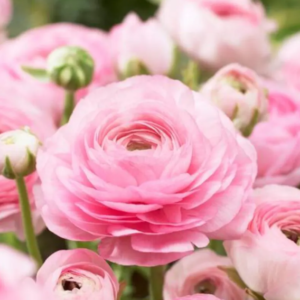 Ranunculus Flower Bulbs 15 Pastel Corms - Buttercup Peony Rose Type
 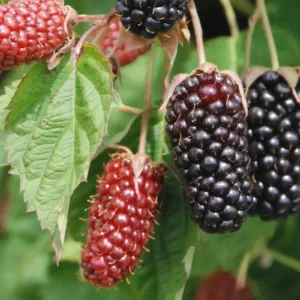 1 Columbia Star Blackberry Starter Plug - Thornless Rubus Live Plant, High-Yielding
 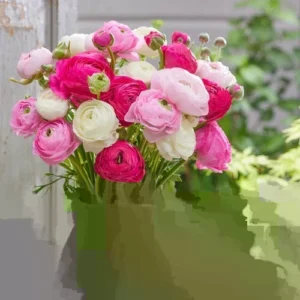 Pink Ranunculus Corms - 20 Flower Bulbs - Peony Rose Garden Plants
 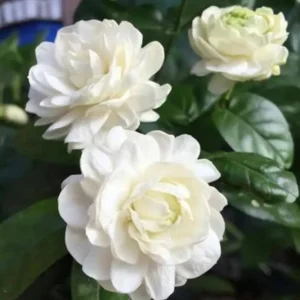 Arabian Jasmine Live Plant - Grand Duke - 8" Tall in 3.5" Pot - Fragrant Indoor/Outdoor
 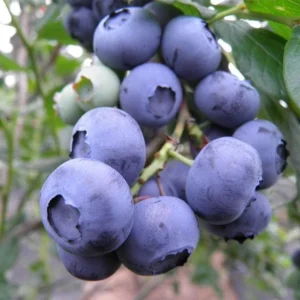 3 Snow Chaser Blueberry Live Plants - Southern Highbush, Early Ripening
 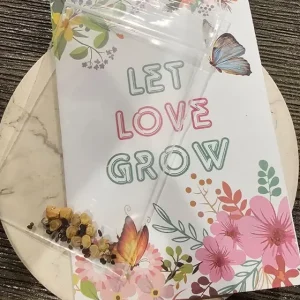 Cactus Seed Mix - DIY Cacti Garden Kit - Min. 25 Seeds
 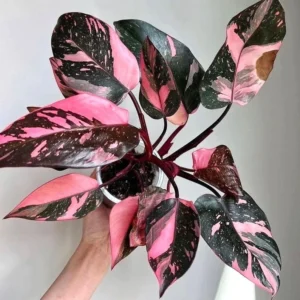 Philodendron Pink Princess Live Plant - Black Cherry Variegation, Starter
 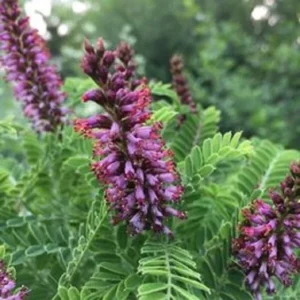 False Indigo Live Plant – Baptisia – Outdoor – Seedling – Blue
  10 Lady Fern Bare Root Plants - Athyrium Filix-Femina Woodland Perennial
 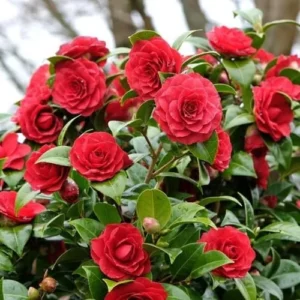 Red Camellia Live Plant – 4" Pot – 6-12 Inches Tall – Outdoor Shrub
 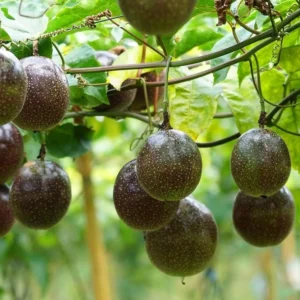 Purple Passionfruit Live Plant - 4-6" Tall - Passiflora edulis Vine
 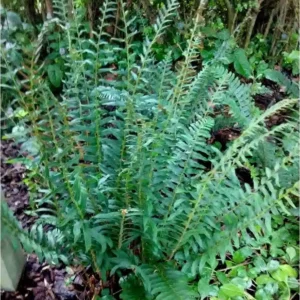 50 Christmas Fern Bare Root Plants - Polystichum Acrostichoides - Perennial
 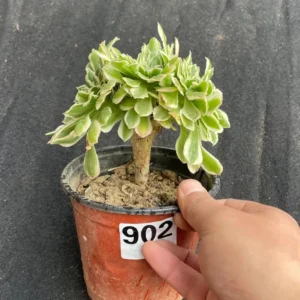 Crested Aeonium Maybach Live Plant – Rare Colorful Succulent – 4.5 inch – Indoor Gift
 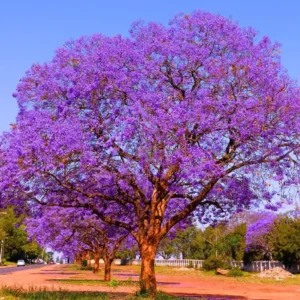 Jacaranda Live Starter Plant, Blue Jacaranda Tree, 6-8 Inch Tall, 3 Inch Pot
 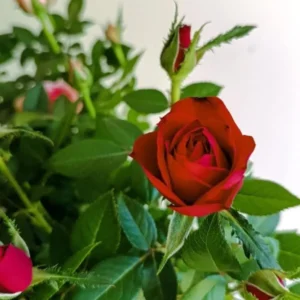 Mini Rose Red Live Plant – 6" Height – 3" Pot – Indoor & Outdoor Flowering Perennial
 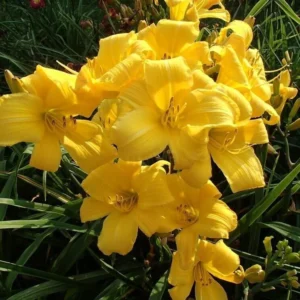 Yellow Daylily Bulbs - 3 Bare Root Daylilies for Planting - Outdoor Flower
 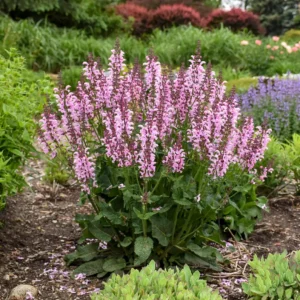 2 Salvia 'Ballerina Pink' Live Perennial Plants - Full Sun, Pink Flowers
 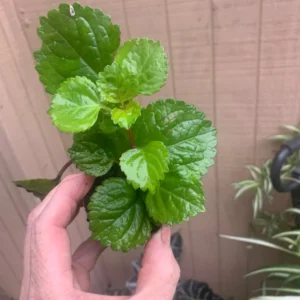 Swedish Ivy Creeping Charlie Live Plant – Plectranthus – Indoor Starter Plant
 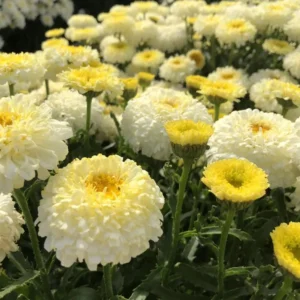 Shasta Daisy Luna Live Plant – 4-8" Tall – Perennial Flower – Outdoor
 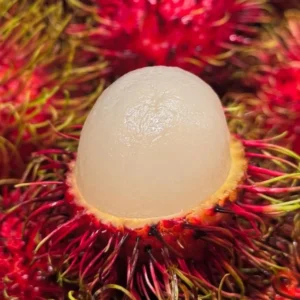 Rambutan Live Plant (Nephelium lappaceum) - Tropical Fruit Tree 2-3 ft
 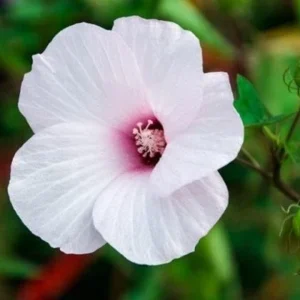 Swamp Rose Mallow Live Plant - Hardy Hibiscus, Pink Flowers, Outdoor
 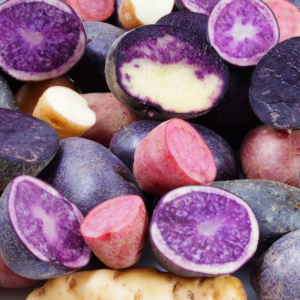 Organic Potato Seed Tubers Mix - Purple, Red, Yukon, Russet - 2 Pounds for Planting
 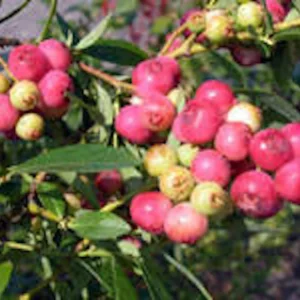 3 Florida Rose Rabbiteye Blueberry Live Plant - Pink Fruit, Zones 6b-9a
 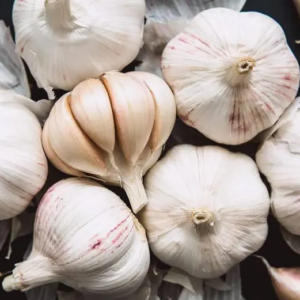 4 Large Organic Transylvanian Garlic Bulbs - Softneck, Long Storage, for Planting
 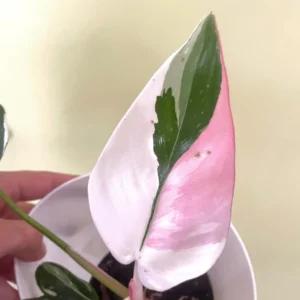 Philodendron White Princess Live Plant - Variegated Houseplant Starter
 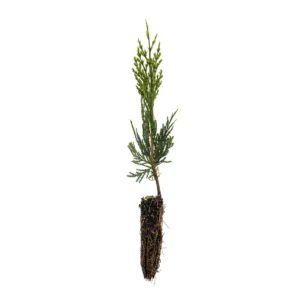 Incense Cedar Live Tree Seedling - Calocedrus decurrens - Small 1-1.5 Year Old Plant
 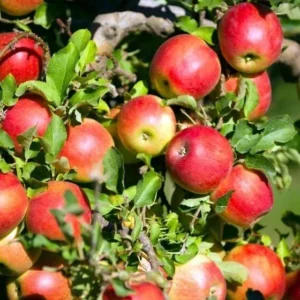 Winsap Apple Tree – Live plant – 2.5 ft tall – Outdoor
 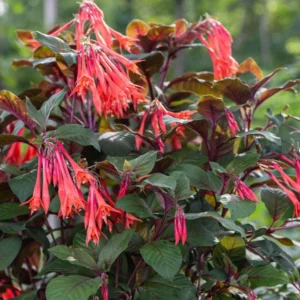 Fuchsia Gartenmeister Live Plant - 2-4" Starter - Coral-Orange Flowers
 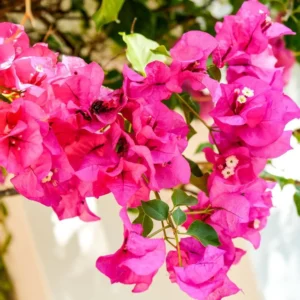 Pink Bougainvillea Live Plant – Flowering Perennial Vine – Starter 6-8 Inches
 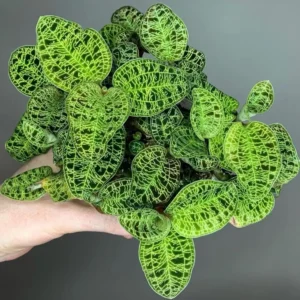 Macodes Petola Jewel Orchid Starter Plant - Live Houseplant for Indoor Display
 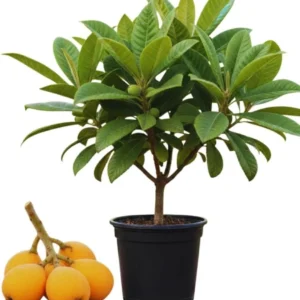 Golden Loquat Live Plant Starter - 4-8 Inch Loquat Tree for Indoor/Outdoor Growing
 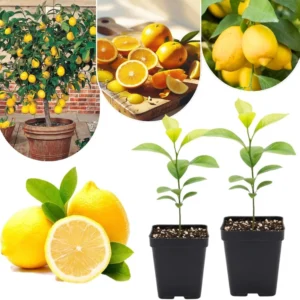 Set of 2 Meyer Lemon Trees Live Plants, 2-4 Inch Tall, 4" Pot, Indoor/Outdoor Citrus
 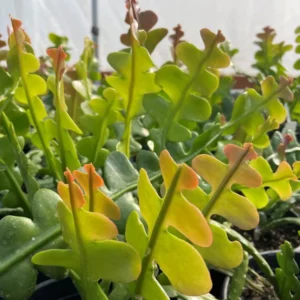 Fishbone Cactus Live Plant – 6-inch Height – 2-inch Pot – Indoor Houseplant
 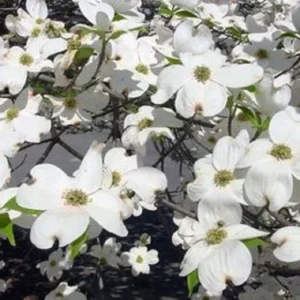 Dogwood Tree – Live Plant – 2 Ft Tall – Outdoor – White Flowers
 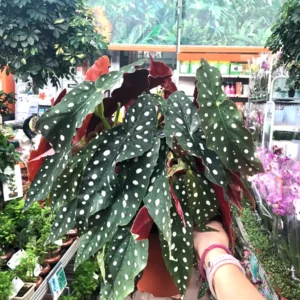 Begonia Rex Maculata 'Angel Wing' Live Plant – Potted Houseplant Indoor
 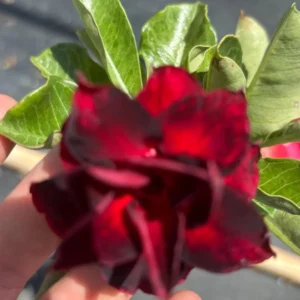 Adenium Desert Rose Vulcanus Bare Root Plant - Exotic Succulent
 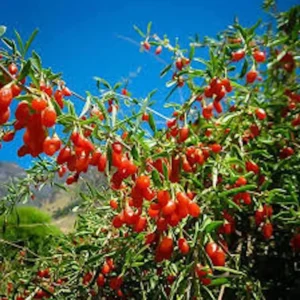 1 Goji Berry Live Plant Lycium barbarum - Fruit Starter Bush
 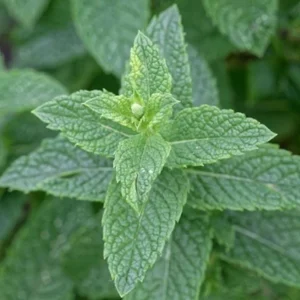 Spearmint Live Plant - 4-inch Pot - Fragrant Culinary Herb - Indoor/Outdoor
 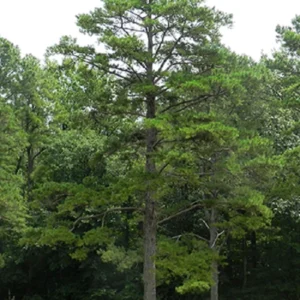 Short Needle Pine – Live Plant – 10 Inches Tall – Outdoor
 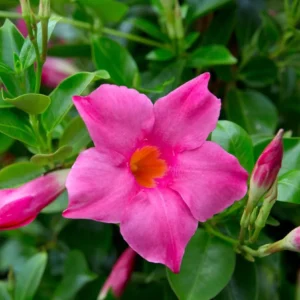 Pink Mandevilla Starter Plants - Set of 2 Tropical Vines, 4-6" Tall, Live Plant
 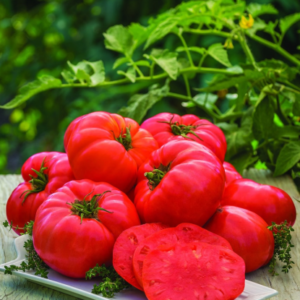 Big Zac Tomato Seeds – 25 Organic Heirloom Competition XL Size Vegetable Seeds for Garden
  Witch Hazel Live Plant - Hamamelis virginiana - Well-Rooted - Deciduous Shrub - USDA Zone 5
 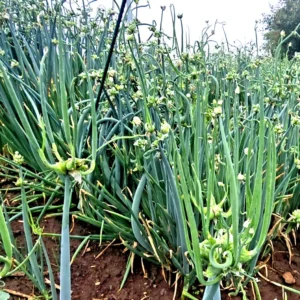 Egyptian Walking Onions - 5 Large Organic Bulbs - Multiplier Tree Onion - Perennial Heirloom
 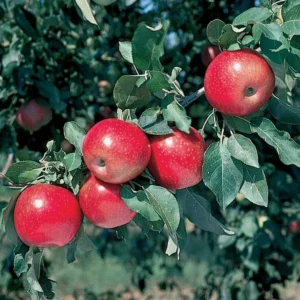 Honey Crisp Apple Tree – Live plant – 3 ft tall – Outdoor
  American Hazelnut Tree Seeds (Corylus americana) - 12+ Float Tested Seeds for Planting
 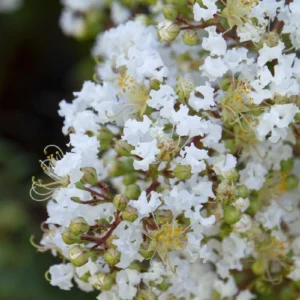 Natchez Crape Myrtle Live Plant – 1 Gallon Pot – White Flowers – Outdoor Shrub/Tree
 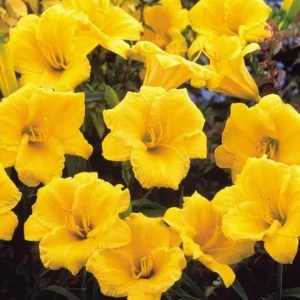 Daylily Stella d'Oro – Live Plant – Well Rooted – Outdoor/Indoor
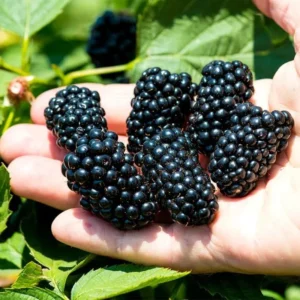
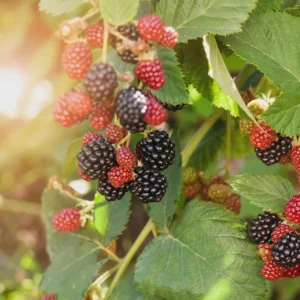
 5 Thornless Blackberry Live Plants – High Yield Fruit Bush for Garden, Zones 5-9
-20%
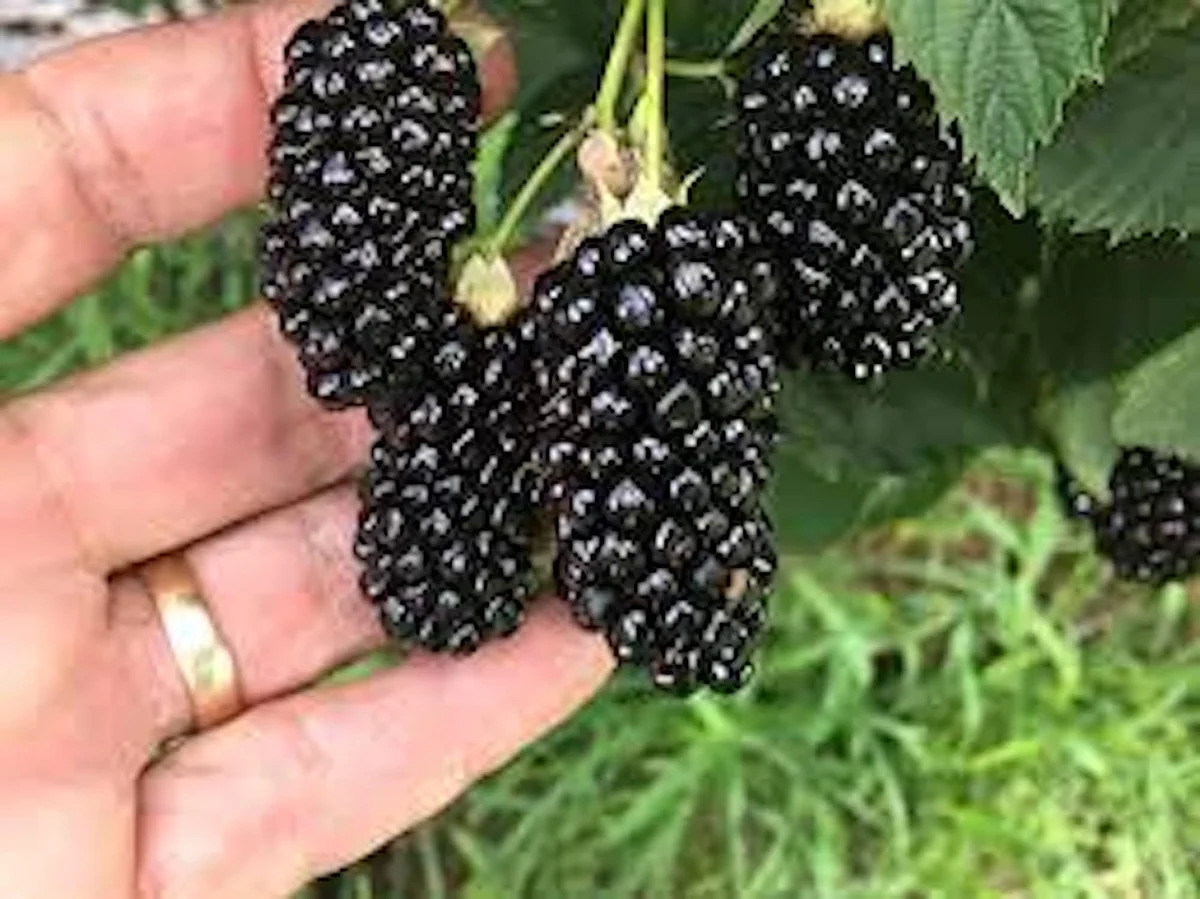
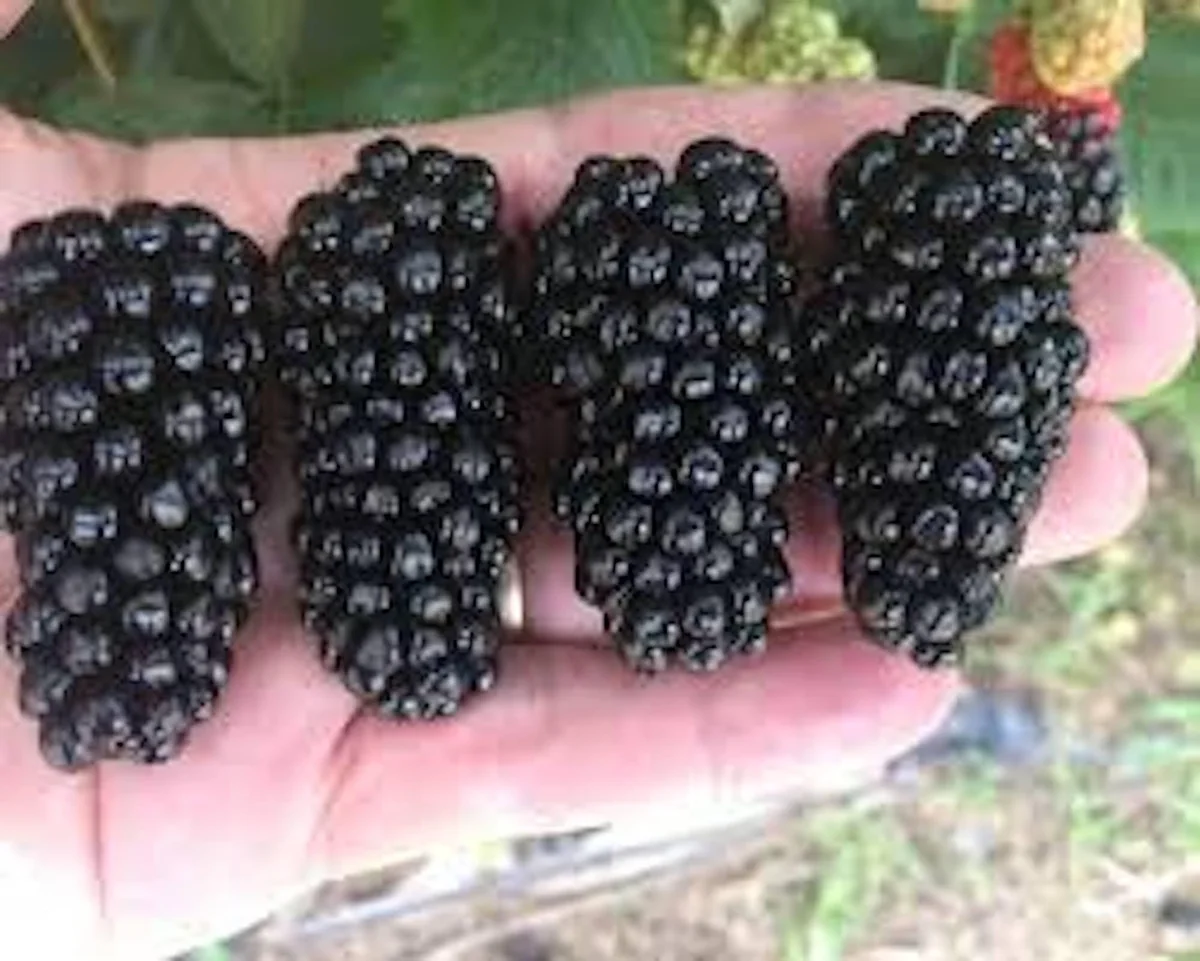
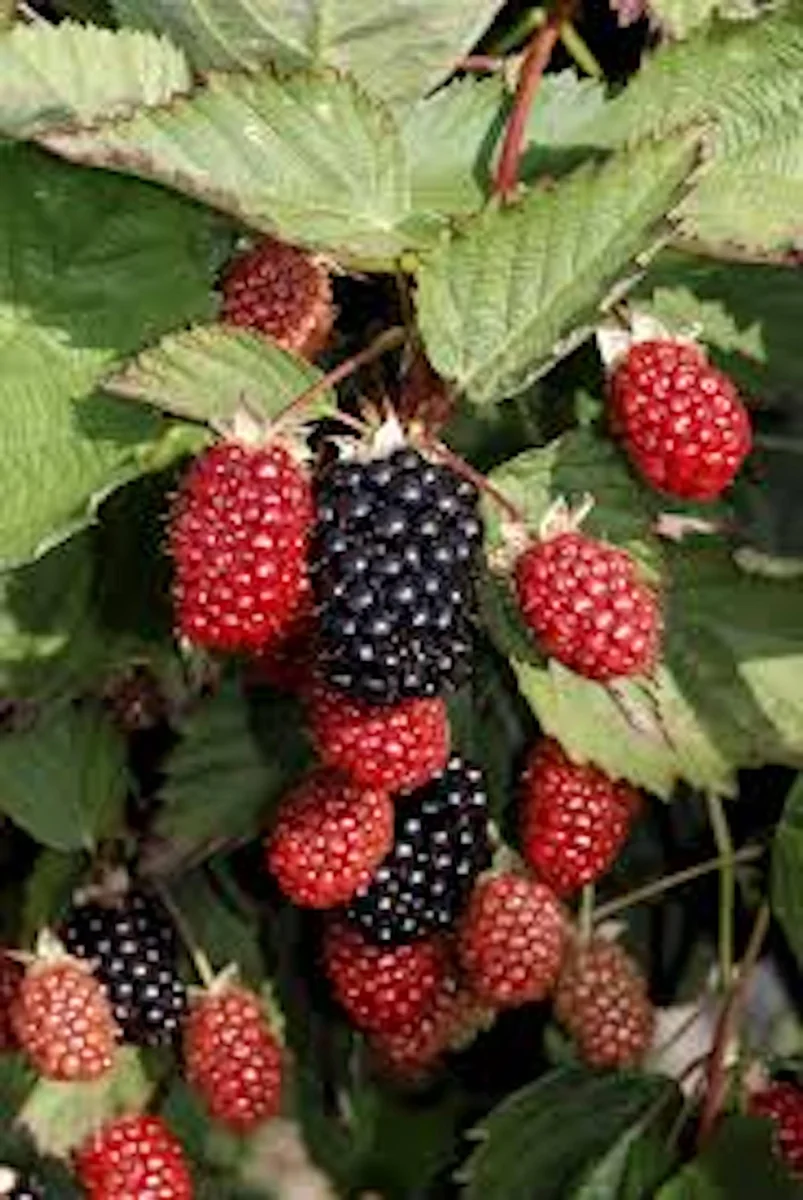
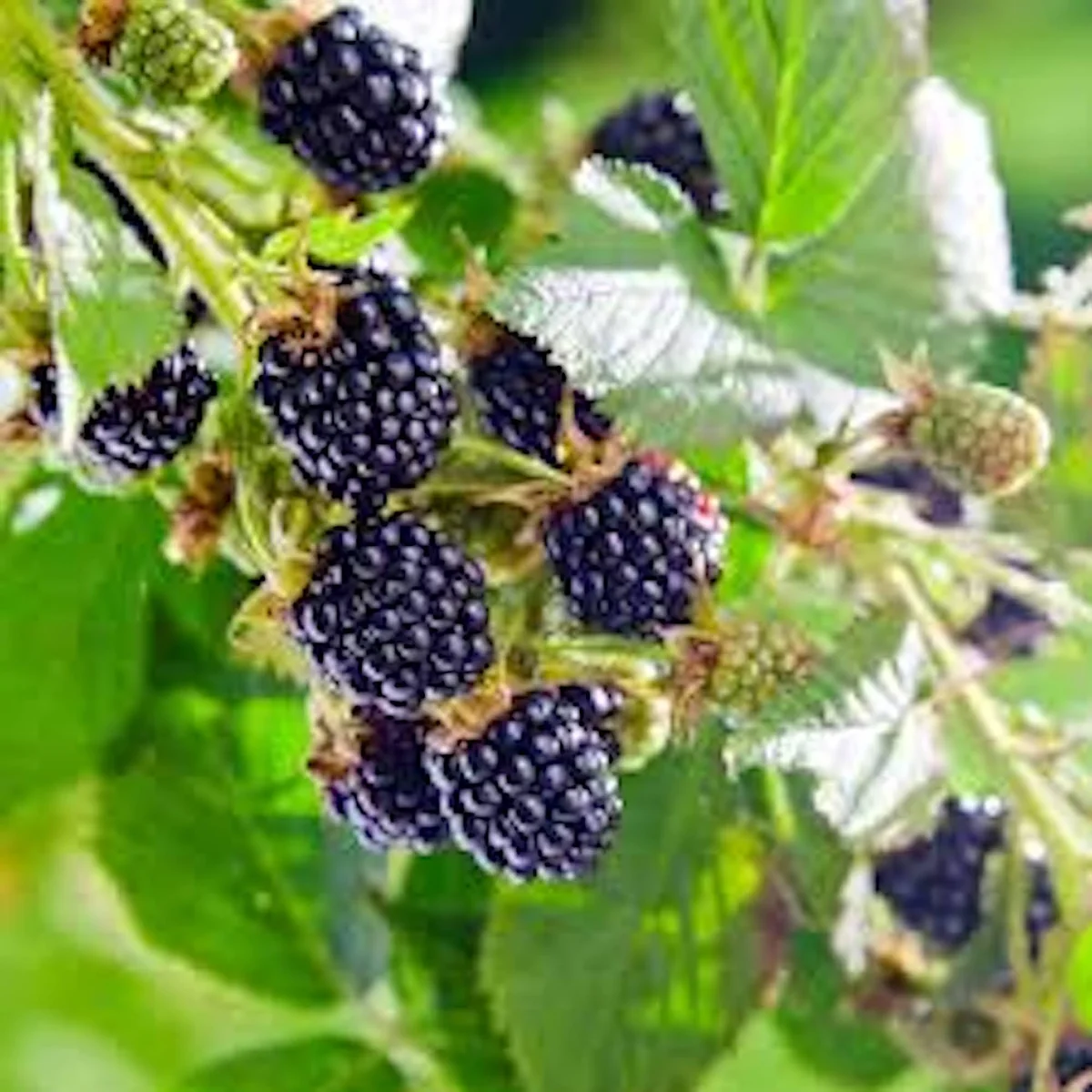
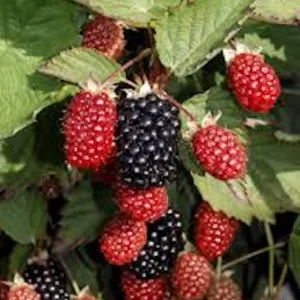
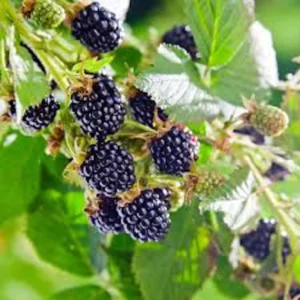
5 Thornless Blackberry Live Plants – High Yield Fruit Bush for Garden, Zones 5-9
Cultivate your own sweet harvest with this set of 5 thornless blackberry live plant starters. These high-yield bushes are perfect for home gardens, offering delicious fruit and easy maintenance. Enjoy fresh blackberries from your backyard!
Original price was: $80.00.$64.00Current price is: $64.00.

With our Alive & Thrive Guarantee, we’ve got your back for the first 30 days! If you have any concerns about your plants, just reach out to us. Our team is here to help answer your questions and guide you in selecting the best plants for your garden, climate, and unique preferences. We're excited to help you create the garden of your dreams!
Estimated arrival
Apr 09
Apr 14 - Apr 16
Apr 19 - Apr 23
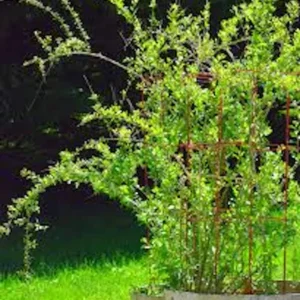
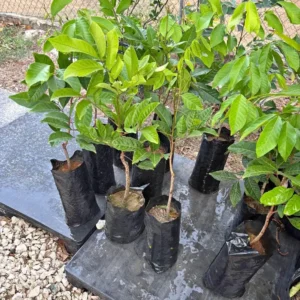
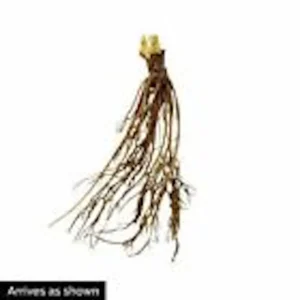
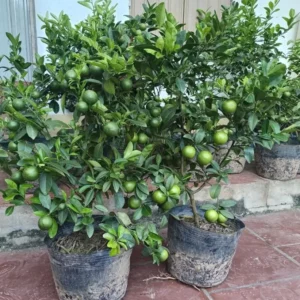
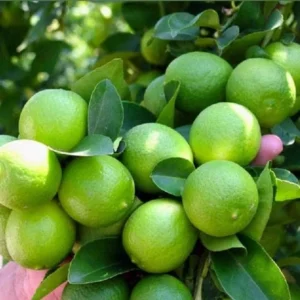
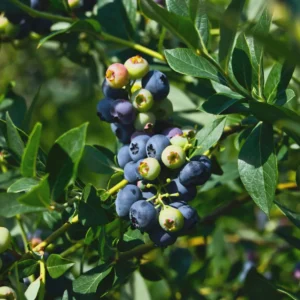
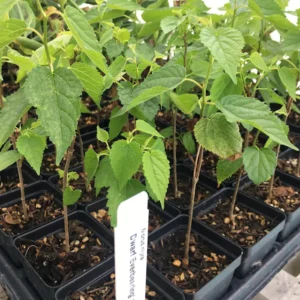
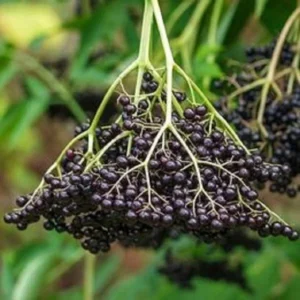
Product Details
-
USDA Hardiness Zone
5-9 -
Soil type
Well-draining, loamy soil -
Sunlight Exposure
Full sun -
Expected Planting Period
Early spring
Overview
Bring the joy of fresh, homegrown fruit to your garden with this offering of 5 thornless blackberry live plant starters. These robust plants are an excellent choice for both novice and experienced gardeners seeking a bountiful harvest without the hassle of thorns. Known for their vigorous growth and high yield, these particular varieties are designed to thrive in a range of climates, producing an abundance of succulent berries. Each plant is carefully cultivated to ensure a strong start in your garden, promising many seasons of delicious fruit. This collection allows you to establish a productive blackberry patch, enhancing your garden’s beauty and your family’s table with rich, dark berries perfect for eating fresh, making pies, jams, or smoothies.
These perennial shrubs, scientifically known as Rubus fruticosus, are celebrated for their ease of care and generous production. The thornless nature makes harvesting a pleasurable experience, free from scratches and pricks. With the potential for each plant to yield 10-15 pounds of fruit per growing season, these thornless blackberry live plant specimens represent a fantastic investment for any fruit enthusiast. They develop stiff, short canes that form an attractive hedgerow, adding an ornamental touch to your landscape while providing a continuous supply of healthy, antioxidant-rich berries. Prepare to enjoy a summer filled with sweet, juicy treats straight from your own backyard.
Key Benefits
Investing in these thornless blackberry live plant starters offers a multitude of advantages for your home garden and culinary endeavors. These plants are not only productive but also add significant aesthetic and practical value to any outdoor space.
- High Yielding: Each plant can produce an impressive 10 to 15 pounds of delicious fruit per growing season, ensuring a generous harvest for fresh eating, baking, and preserving.
- Thornless Variety: Enjoy hassle-free harvesting without the worry of painful pricks, making these plants ideal for families and accessible gardening.
- Self-Fertile: As a self-fertile specimen, a single plant can produce fruit on its own, eliminating the need for multiple plants for pollination, though planting in groups can increase yield.
- Winter Hardy: These robust shrubs are winter-hardy and thrive in USDA Zones 5-9, making them suitable for a wide range of climates across the United States.
- Beautiful Garden Addition: The lustrous deep green foliage and rich dark berries add a beautiful, vibrant color and texture to any garden or landscape design.
- Versatile Culinary Use: The sweet and juicy berries are perfect for fresh consumption, as well as for making jams, pies, smoothies, and other culinary delights.
- Easy to Grow: With straightforward care requirements, these thornless blackberry live plant bushes are an excellent choice for gardeners of all experience levels.
Plant Care & Growing Tips
To ensure your thornless blackberry live plant thrives and provides an abundant harvest, proper care and attention are essential. These plants are relatively low-maintenance but benefit greatly from a few key practices. Blackberries prefer a location that receives full sun, meaning at least 6-8 hours of direct sunlight per day. Adequate sunlight is crucial for fruit development and overall plant health. While they tolerate some partial shade, fruit production may be reduced. Ensure good air circulation around the plants to prevent fungal diseases.
When it comes to watering, consistent moisture is key, especially during fruiting periods. The soil should remain evenly moist but not waterlogged. Water deeply once or twice a week, more frequently during hot, dry spells. Well-draining soil is paramount; blackberries prefer a slightly acidic to neutral pH (5.5-7.0) and a rich, loamy soil amended with organic matter. Avoid heavy clay soils that retain too much water, as this can lead to root rot. These plants are winter-hardy in USDA Zones 5-9, meaning they can withstand cold temperatures within this range. In colder zones, consider providing winter protection or growing in containers that can be moved indoors.
Fertilize your blackberry plants in early spring with a balanced granular fertilizer or compost. Avoid over-fertilizing with nitrogen, which can lead to excessive foliage growth at the expense of fruit production. Pruning is vital for maintaining plant vigor and maximizing yield. Since these shrubs produce fruit on canes that grew the previous year (floricanes), prune out old, fruited canes at the ground level after harvest. Thin out weaker new canes (primocanes) to allow strong ones to develop for the following year’s crop. This practice, known as blackberry plant care, ensures continuous productivity and healthy growth. Watch for common pests like aphids and Japanese beetles, and treat promptly with organic pest control methods if necessary. With these growing tips, your big daddy blackberry plants will flourish.
Size & Details
This offering includes 5 thornless blackberry live plant starters, ready to be established in your garden. These are typically provided as young plants, often with roots wrapped damp for safe transit, ensuring they are in optimal condition for planting upon arrival. While initial size may vary, these plants are known for their vigorous growth once established. Each bush will develop stiff, short canes that can reach a mature height of approximately 3-5 feet and spread to a similar width, forming a dense and productive hedgerow. The growth habit of the rubus fruticosus thornless variety makes it an excellent choice for a garden border or a dedicated fruit patch.
These perennial shrubs will produce new growth (primocanes) in their first year, which will then bear fruit (floricanes) in their second year. Expect your first significant harvest in the second growing season after planting. The jumbo size of these plants, as referenced in some descriptions, indicates a healthy, well-developed root system designed for successful transplantation and rapid establishment. They are hardy and adaptable, thriving in a wide range of conditions within their recommended USDA zones. Properly cared for, these plants will provide many years of delicious, homegrown blackberries.
Frequently Asked Questions
- Q: How big does this thornless blackberry plant get? A: A mature thornless blackberry live plant typically grows to a height of 3-5 feet and can spread to a similar width, forming a productive bush or hedgerow. The growth can be managed with proper pruning.
- Q: Is this an indoor or outdoor plant? A: These blackberry plants are outdoor fruit-bearing shrubs. They require full sun and specific outdoor conditions to thrive and produce fruit.
- Q: How much sunlight does it need? A: For optimal fruit production, these plants require at least 6-8 hours of direct sunlight per day. Full sun exposure is crucial for developing sweet, abundant berries.
- Q: Is this plant easy to care for? A: Yes, these thornless blackberries are considered relatively easy to care for. With proper planting, watering, and annual pruning, they are a great choice for gardeners of all experience levels interested in growing thornless blackberries.
- Q: What condition will it arrive in? A: The plants are typically shipped as live starter plants, often with their roots carefully wrapped to maintain moisture during transit, ensuring they arrive healthy and ready for planting.
- Q: How long until it blooms and produces fruit? A: Blackberry plants typically produce new canes (primocanes) in their first year. These canes will then bear fruit (floricanes) in their second year. You can expect your first significant harvest in the second growing season after planting.
- Q: When is the best time to plant these big daddy blackberry plants? A: The best time to plant these blackberry starters is in early spring after the danger of hard frost has passed. This allows the plants ample time to establish their root system before the heat of summer.
- Q: Will it survive winter in my zone? A: These blackberry plants are winter-hardy and perform well in USDA Zones 5-9. If you are outside this range, you may need to provide additional winter protection.
- Q: What kind of soil is best for these plants? A: They prefer well-draining, loamy soil with a slightly acidic to neutral pH (5.5-7.0). Amending the soil with organic matter will promote healthy growth and fruit production.
- Q: How much fruit can I expect from each plant? A: Each mature big daddy blackberry plant can produce between 10 to 15 pounds of fruit per growing season, depending on growing conditions and care.
Related products
-20%
Original price was: $36.00.$28.80Current price is: $28.80.
-50%
Original price was: $39.98.$19.99Current price is: $19.99.
-20%
Original price was: $34.00.$27.20Current price is: $27.20.
-20%
Original price was: $34.00.$27.20Current price is: $27.20.
-20%
Original price was: $60.00.$48.00Current price is: $48.00.
-20%
Original price was: $36.00.$28.80Current price is: $28.80.
-10%
Original price was: $48.99.$44.09Current price is: $44.09.
-20%
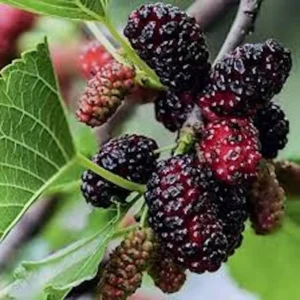
Original price was: $31.98.$25.58Current price is: $25.58.
PLANTING & CARE

Growing Glencoe Raspberry: A Complete Guide for Gardeners
If you’re looking to add something unique to your garden, look no further than the
31
Mar
Mar

The Comprehensive Guide to Growing Bay Leaf Plants for a Flavorful Garden
Imagine stepping into your garden, greeted by the earthy aroma of fresh bay leaves, their
09
Feb
Feb

How to Make Comfrey Tea: The Ultimate Organic Plant Food
Growing an organic garden can be surprisingly expensive, especially when most store-bought fertilizers come in
02
Feb
Feb

True Comfrey: 7 Essential Tips Before You Plant This Herb
A staple in permaculture practices across the US, True Comfrey easily earns its reputation as
27
Jan
Jan

7 Heart-Shaped Plants for a Lasting Valentine’s Gift
If you’ve ever bought a bouquet of roses for Valentine’s Day, you know they are
26
Jan
Jan

Best Types of Ivy Plant for Houses: How to Choose the Perfect Ones for Your Home
Are you a garden lover looking to introduce some greenery into your home? Maybe you’ve
14
Nov
Nov

When to Harvest Garlic (Especially Fall-Planted Garlic)
TIMING IS EVERYTHING, they say – and for garlic, that truth hits with surprising accuracy.
13
Nov
Nov

11 of the Best Sweet Potato Varieties to Grow for Your Garden
If you’ve ever tried growing sweet potatoes, you know that picking the right variety can
12
Nov
Nov