500+ Culantro Recao Seeds – Mexican Coriander Herb Seeds – Indoor/Outdoor
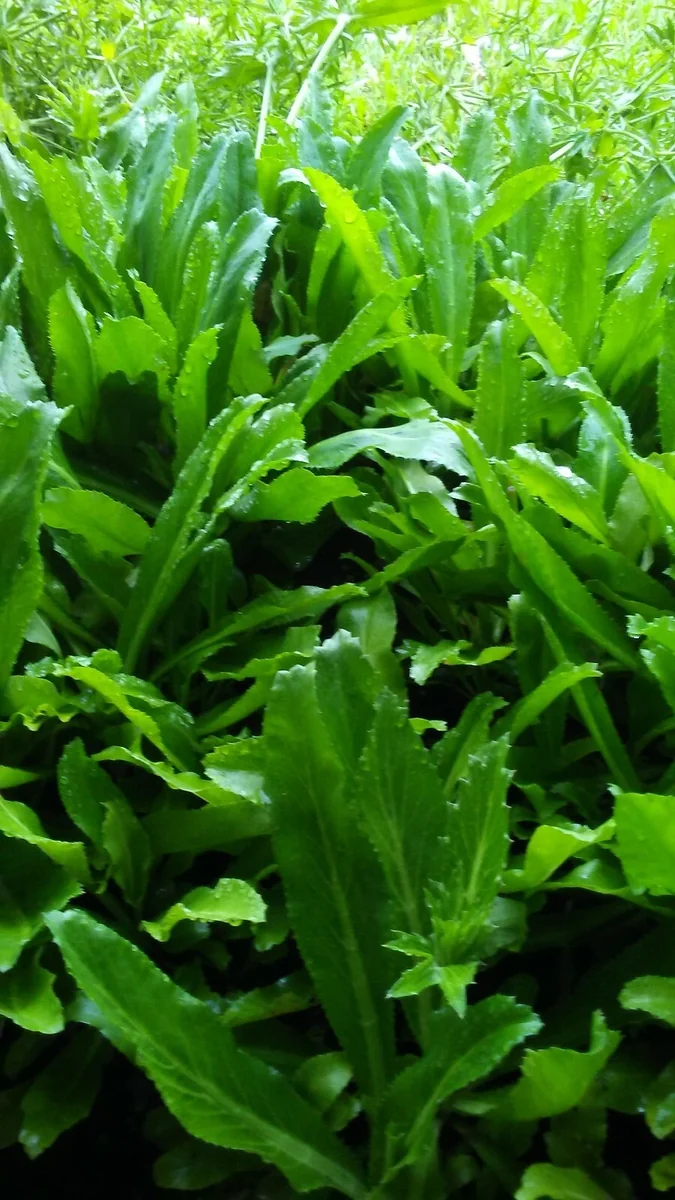
500+ Culantro Recao Seeds – Mexican Coriander Herb Seeds – Indoor/Outdoor
Cultivate your own aromatic herbs with these culantro recao seeds. Also known as Mexican Coriander or Recao, this herb is a staple in many cuisines. These eryngium foetidum seeds are suitable for both indoor and outdoor growing, providing fresh flavor right from your garden or kitchen.
$9.98

With our Alive & Thrive Guarantee, we’ve got your back for the first 30 days! If you have any concerns about your plants, just reach out to us. Our team is here to help answer your questions and guide you in selecting the best plants for your garden, climate, and unique preferences. We're excited to help you create the garden of your dreams!
Estimated arrival
Mar 31
Apr 05 - Apr 07
Apr 10 - Apr 14



Product Details
-
USDA Hardiness Zone
10 (30 to 40 °F) -
Soil type
Loam, Peat, Sand (Well-draining) -
Sunlight Exposure
Partial Shade, Full Sun, Medium Sun -
Expected Planting Period
Fall, Spring, Summer (Year-round indoors)
Overview
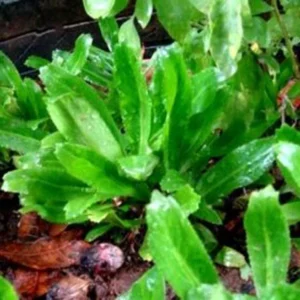
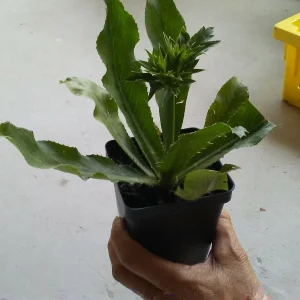
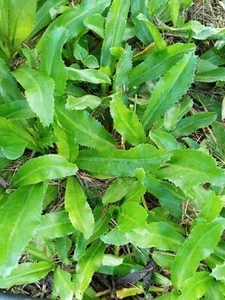
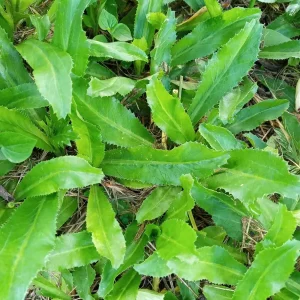
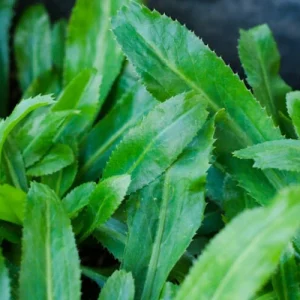
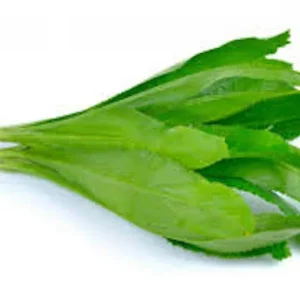
Embark on a culinary adventure by growing your own aromatic culantro recao seeds. Culantro, scientifically known as Eryngium foetidum, is a distinctive herb often referred to as Mexican Coriander or Recao. It boasts a much stronger and more pungent flavor than its cousin, cilantro, making it a highly prized ingredient in Caribbean, Latin American, and Asian dishes. These high-quality seeds allow you to cultivate this unique herb in your own garden or home, ensuring a fresh supply for all your culinary needs. Known for its long, serrated leaves and robust aroma, culantro recao seeds are a fantastic addition for any gardener looking to expand their herb collection with something truly special and flavorful, whether you’re an experienced green thumb or just starting your gardening journey.
Our culantro recao seeds are selected for their viability and promise a rewarding growing experience. Culantro is relatively easy to grow, adapting well to various conditions, making it an excellent choice for both novice and experienced gardeners. Its vibrant green foliage not only adds flavor to your meals but also brings a touch of lushness to your herb garden. With proper care, these seeds will germinate into healthy, productive plants that will provide you with a continuous harvest of this essential culinary herb. Discover the joy of growing your own fresh ingredients and elevate your cooking with the intense flavor of culantro.
Key Benefits
Growing your own culantro recao seeds offers a multitude of benefits, from enhancing your cooking to enriching your gardening experience. This versatile herb is a must-have for anyone who loves bold flavors and fresh ingredients.
- Intense Flavor: Culantro provides a powerful, distinctive aroma and taste that is often described as a more concentrated version of cilantro. It holds up well to cooking, making it ideal for stews, soups, and marinades where cilantro’s flavor might diminish.
- Culinary Versatility: A staple in Latin American, Caribbean, and Southeast Asian cuisines, culantro recao seeds allow you to grow an herb essential for dishes like sofrito, adobos, and various curries, bringing authentic flavors to your kitchen.
- Easy to Grow: These seeds are known for their ease of cultivation, thriving in a range of conditions. Whether you have a spacious outdoor garden or a small indoor pot, cultivating culantro recao seeds is a straightforward and rewarding process.
- Continuous Harvest: Once established, culantro plants can be harvested regularly. By snipping the outer leaves, you encourage new growth, providing you with a steady supply of fresh herbs throughout its growing season.
- Garden Aesthetic: The long, strap-like, deep green leaves of the culantro plant add a unique texture and vibrant color to your herb garden or container arrangements, making it both functional and decorative.
Plant Care & Growing Tips
Successfully growing culantro recao seeds requires attention to a few key environmental factors, which will help ensure a healthy and productive plant. Culantro thrives in conditions that mimic its tropical origin, but it is also adaptable to various climates with proper care. Understanding the needs of your recao plant care is crucial for a bountiful harvest.
For optimal growth, culantro prefers partial shade, especially in hotter climates. While it can tolerate full sun, too much intense sunlight can lead to bolting (going to seed prematurely) and a less flavorful foliage. Aim for 4-6 hours of morning sun with afternoon shade. The ideal soil for culantro recao seeds is well-draining, rich in organic matter, and has a neutral to slightly acidic pH (6.0-7.0). Loam, peat, and sand are all suitable components. Consistent moisture is key; culantro does not like to dry out completely. Water regularly, especially during dry spells, but avoid waterlogging, which can lead to root rot. Medium watering is generally recommended, ensuring the soil remains consistently damp but not soggy.
These plants are suitable for USDA Hardiness Zone 10 (30 to 40 °F) for outdoor perennial growth, but can be grown as annuals in cooler zones or indoors year-round. Fertilize lightly with a balanced liquid fertilizer every 2-4 weeks during the active growing season (spring and summer) to support lush foliage production. Common problems include pest infestations like aphids or spider mites, which can be managed with organic insecticidal soaps. Ensure good air circulation to prevent fungal diseases. With proper care, your mexican coriander seeds will yield a robust and flavorful herb.
Size & Details
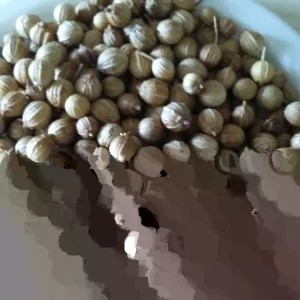
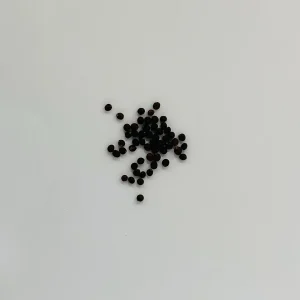
This offering includes 500+ premium culantro recao seeds, providing an ample quantity for multiple plantings or a large herb patch. Culantro plants typically grow to a height of 8 to 12 inches, with a spread of about 6 to 10 inches, forming a compact rosette of leaves. The growth rate is moderate, with leaves ready for harvest approximately 60-90 days after planting. These seeds are ideal for planting in garden beds, raised beds, or containers. They are suitable for both indoor and outdoor cultivation, making them a versatile choice for any gardener. The seeds are fresh for the new season, ensuring high germination rates and vigorous growth. Each plant will produce numerous green leaves, perfect for culinary use.
Frequently Asked Questions
- Q: How many culantro recao seeds are included in this pack? A: This pack contains 500+ high-quality culantro recao seeds, providing a generous supply for your gardening needs. This quantity allows for successive plantings or growing a larger patch of this delicious herb.
- Q: Is culantro difficult to grow from seed? A: No, culantro is generally considered easy to grow from seed. With consistent moisture, partial shade, and well-draining soil, these how to grow culantro seeds germinate reliably and develop into healthy plants, making it suitable for gardeners of all experience levels.
- Q: Can I grow culantro indoors? A: Yes, culantro can be successfully grown indoors. Ensure it receives adequate light, ideally near a bright window with partial shade, and maintain consistent soil moisture. Growing indoors allows you to enjoy fresh culantro year-round, regardless of your climate.
- Q: What is the best soil type for mexican coriander seeds? A: Culantro thrives in rich, well-draining soil with a neutral to slightly acidic pH. A mix of loam, peat, and sand is ideal, providing both nutrients and good drainage. Avoid heavy, compacted soils that can retain too much water.
- Q: How much sunlight does culantro need? A: Culantro prefers partial shade, especially in areas with hot afternoon sun. Too much direct, intense sunlight can cause the plant to bolt (go to seed prematurely). Aim for 4-6 hours of morning sun or filtered light throughout the day. This is crucial for optimal recao plant care.
- Q: When is the best time to plant culantro recao seeds? A: In tropical climates, culantro can be planted year-round. In temperate zones, it’s best to sow seeds after the last frost in spring, or start them indoors 6-8 weeks before transplanting outdoors. For continuous harvests, sow seeds every few weeks.
- Q: What USDA Hardiness Zones are suitable for culantro? A: Culantro is perennial in USDA Hardiness Zone 10 and above. In colder zones, it is typically grown as an annual. These conditions align with the recommended recao plant care guidelines.
- Q: How often should I water my culantro plants? A: Culantro requires consistent moisture. Water regularly to keep the soil evenly damp, but not waterlogged. Check the soil daily and water when the top inch feels slightly dry to the touch. Avoid letting the soil dry out completely between waterings.
- Q: Can culantro be used in cooking? A: Absolutely! Culantro is a culinary powerhouse, widely used in various cuisines for its strong, distinctive flavor. It’s perfect for stews, soups, rice dishes, and marinades, providing an authentic taste to many traditional recipes. It’s a key ingredient in many dishes where mexican coriander seeds are used.
- Q: What is the difference between culantro and cilantro? A: While both are in the same plant family and share similar flavor profiles, culantro has much larger, tougher leaves and a significantly stronger, more pungent flavor. It also tolerates heat better during cooking, making it ideal for dishes that require longer simmering.
Related products
-50%
Original price was: $32.00.$16.00Current price is: $16.00.

-50%
From Original price was: $64.00.$32.00Current price is: $32.00.
PLANTING & CARE

Growing Glencoe Raspberry: A Complete Guide for Gardeners
If you’re looking to add something unique to your garden, look no further than the
31
Mar
Mar

The Comprehensive Guide to Growing Bay Leaf Plants for a Flavorful Garden
Imagine stepping into your garden, greeted by the earthy aroma of fresh bay leaves, their
09
Feb
Feb

How to Make Comfrey Tea: The Ultimate Organic Plant Food
Growing an organic garden can be surprisingly expensive, especially when most store-bought fertilizers come in
02
Feb
Feb

True Comfrey: 7 Essential Tips Before You Plant This Herb
A staple in permaculture practices across the US, True Comfrey easily earns its reputation as
27
Jan
Jan

7 Heart-Shaped Plants for a Lasting Valentine’s Gift
If you’ve ever bought a bouquet of roses for Valentine’s Day, you know they are
26
Jan
Jan

Best Types of Ivy Plant for Houses: How to Choose the Perfect Ones for Your Home
Are you a garden lover looking to introduce some greenery into your home? Maybe you’ve
14
Nov
Nov

When to Harvest Garlic (Especially Fall-Planted Garlic)
TIMING IS EVERYTHING, they say – and for garlic, that truth hits with surprising accuracy.
13
Nov
Nov

11 of the Best Sweet Potato Varieties to Grow for Your Garden
If you’ve ever tried growing sweet potatoes, you know that picking the right variety can
12
Nov
Nov