500+ Culantro Seeds – Mexican Coriander (Ngò Gai) – Annual Herb Seeds

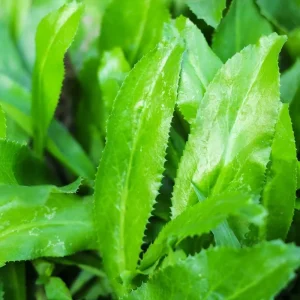

500+ Culantro Seeds – Mexican Coriander (Ngò Gai) – Annual Herb Seeds
Cultivate your own aromatic herbs with these culantro seeds. Also known as mexican coriander seeds, Ngò Gai, or Recao, these organic, non-GMO seeds will grow into vibrant green plants perfect for indoor or outdoor gardening. Add a distinctive flavor to your favorite dishes.
$9.98

With our Alive & Thrive Guarantee, we’ve got your back for the first 30 days! If you have any concerns about your plants, just reach out to us. Our team is here to help answer your questions and guide you in selecting the best plants for your garden, climate, and unique preferences. We're excited to help you create the garden of your dreams!
Estimated arrival
Mar 31
Apr 05 - Apr 07
Apr 10 - Apr 14



Product Details
-
USDA Hardiness Zone
USDA zones 9-11 (as an annual or tender perennial) -
Soil type
Loamy, well-draining soil -
Sunlight Exposure
Medium Sun / Partial Shade -
Expected Planting Period
Spring to early summer
Overview
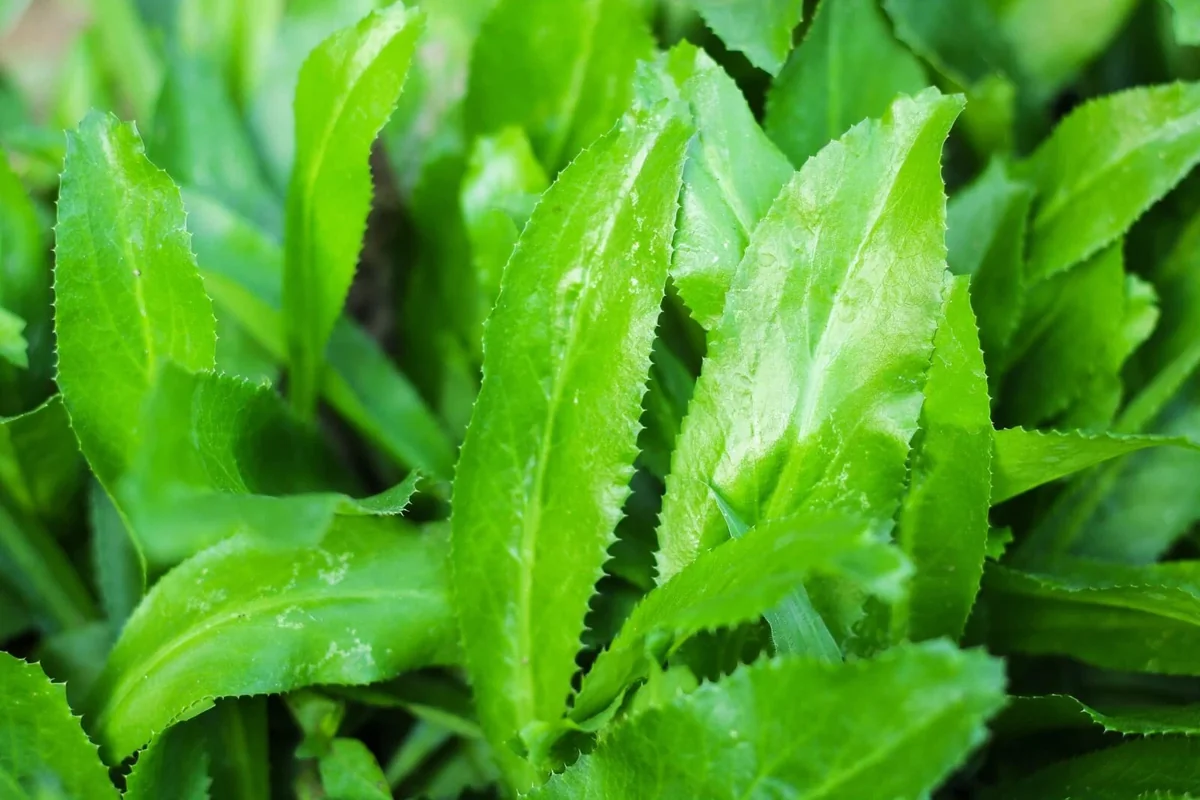
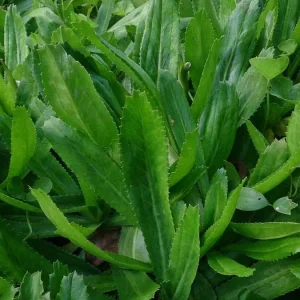
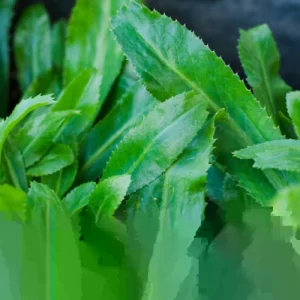
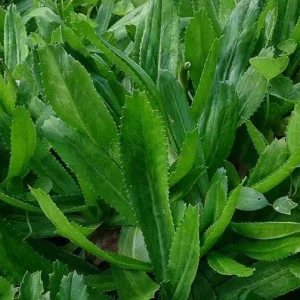
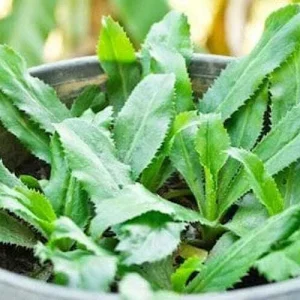
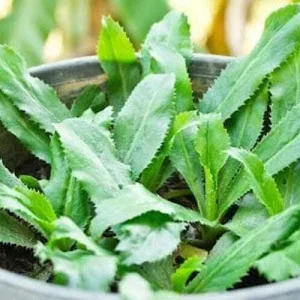
Discover the rich, pungent flavor of culantro seeds, an essential ingredient in many Latin American, Caribbean, and Asian cuisines. Often referred to as Mexican Coriander or Ngò Gai, Culantro (Eryngium foetidum) offers a stronger, more intense aroma and taste than traditional cilantro, making it a favorite among chefs and home cooks alike. These organic, non-GMO seeds provide an excellent opportunity to grow this versatile herb in your own garden or indoors. Whether you call it Recao, Shadow Beni, or simply Culantro, this annual herb is known for its long, serrated leaves and robust flavor profile, making it a valuable addition to any culinary herb collection. Growing culantro seeds is a rewarding experience, providing fresh, aromatic leaves ready to elevate your cooking.
Key Benefits
Growing your own Culantro from culantro seeds offers numerous advantages, from fresh culinary ingredients to aromatic garden appeal. This herb is not only easy to grow but also provides a unique flavor that is hard to replicate.
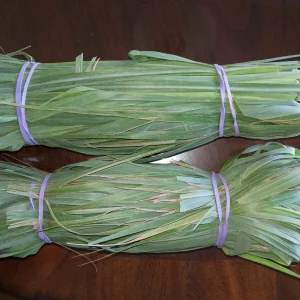
- Culinary Versatility: Culantro is a staple in many dishes, including soups, stews, and marinades. Its strong flavor holds up well to cooking, unlike cilantro, which often loses its potency when heated. Fresh leaves can be chopped and added to salsas, stir-fries, and curries for an authentic taste.
- Aromatic & Flavorful: Enjoy the distinct, robust aroma and flavor that sets Culantro apart. It has been described as a more potent version of cilantro, with earthy and citrusy undertones that enhance a wide range of recipes. Growing mexican coriander seeds ensures you have access to this unique herb.
- Organic & Non-GMO: These culantro seeds are organic and non-GMO, ensuring you grow healthy, natural plants without harmful chemicals. This commitment to quality means you can enjoy fresh, wholesome herbs from your garden.
- Indoor & Outdoor Growing: Adaptable to various environments, Culantro can be grown both indoors in pots or outdoors in garden beds. This flexibility allows gardeners in different climates and living situations to successfully cultivate this herb.
- Easy to Cultivate: With moderate cultivating difficulty, Culantro is suitable for both experienced gardeners and those looking to expand their herb-growing skills. The seeds germinate reliably, leading to healthy plants with proper care.
- Longer Shelf Life: Unlike its more delicate cousin, cilantro, Culantro leaves tend to last longer after harvesting, making it a convenient herb to have on hand for everyday cooking.
- Continuous Harvest: By succession planting your ngò gai seeds, you can ensure a continuous supply of fresh leaves throughout the growing season, maximizing your yield and enjoyment.
Plant Care & Growing Tips
Successfully growing Culantro from culantro seeds requires attention to its specific needs, ensuring a bountiful harvest of flavorful leaves. This herb thrives in conditions that mimic its tropical origins, but it is adaptable to various climates with proper care. For optimal growth, provide a well-draining soil mix rich in organic matter. Culantro prefers consistently moist soil but dislikes being waterlogged, so good drainage is crucial. A neutral soil pH is ideal for healthy development.
When it comes to sunlight, Culantro (Eryngium foetidum) performs best in partial shade, especially in hotter climates where direct afternoon sun can scorch its leaves. If growing indoors, place it near a window that receives bright, indirect light for several hours a day. In cooler regions, it can tolerate more sun. Watering should be light but regular, keeping the soil moist but not soggy. Fertilize sparingly with a balanced liquid fertilizer every 4-6 weeks during the growing season. The plant’s life cycle is annual, meaning it completes its growth within one season, but it can often self-seed, providing new plants for the following year. Keep an eye out for common pests like aphids and treat them with organic insecticidal soap if necessary. Proper care for your recao seeds will lead to thriving plants.
Size & Details
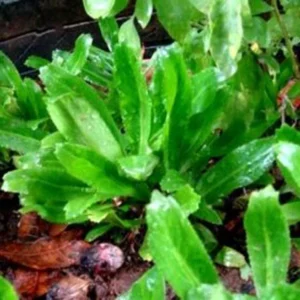
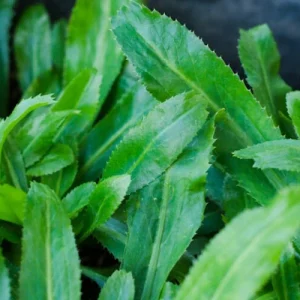
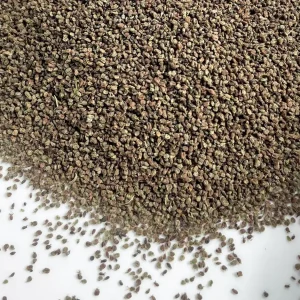
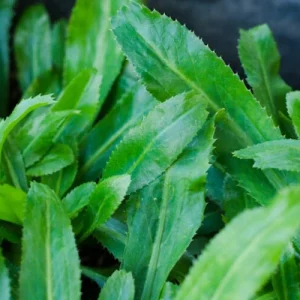
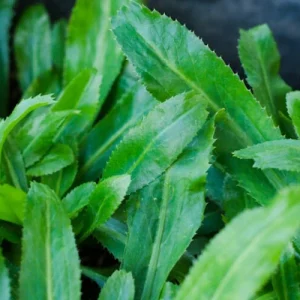
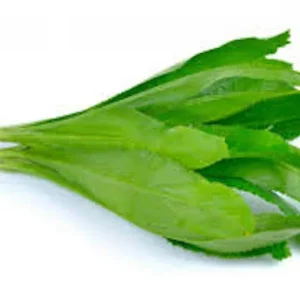
This offering includes 500+ premium culantro seeds, providing an ample supply for multiple planting cycles or larger garden projects. Culantro plants typically grow to a moderate size, reaching about 12-18 inches in height with a similar spread, making them suitable for both garden beds and containers. The leaves are characteristically long, narrow, and spiky, with a vibrant green color. These are annual plants, meaning they complete their life cycle within one growing season, though they can often self-seed in favorable conditions. Expect germination within 1-3 weeks, with harvestable leaves typically ready in 60-90 days from planting. The plants are fast-growing, ensuring you get fresh herbs quickly. The cultivating difficulty is moderate, offering a rewarding experience for gardeners.
Frequently Asked Questions
- Q: How big does this Culantro plant get? A: Culantro plants typically grow to about 12-18 inches tall and can spread similarly. They are a good size for both garden beds and containers, making them versatile for various growing spaces.
- Q: Is this an indoor or outdoor plant? A: Culantro is highly adaptable and can be grown successfully both indoors and outdoors. When grown indoors, ensure it receives bright, indirect light. Outdoors, it thrives in partial shade, especially in warmer climates.
- Q: How much sunlight does Culantro need? A: Culantro prefers medium sun or partial shade. In hot climates, protecting it from intense afternoon sun will prevent leaf scorching. If growing indoors, a bright window with indirect light is ideal.
- Q: Is this plant easy to care for? A: Culantro has a moderate cultivating difficulty. It requires consistent moisture and protection from harsh sun, but with attention to these needs, it’s a rewarding herb to grow for beginners and experienced gardeners alike.
- Q: What condition will the culantro seeds arrive in? A: The culantro seeds are organic, non-GMO, and from a fresh season, ensuring high viability for successful germination. They will arrive securely packaged to maintain their quality.
- Q: Can I use Culantro in cooking? A: Absolutely! Culantro, also known as Mexican Coriander or Ngò Gai, is a culinary powerhouse. Its strong, unique flavor is perfect for soups, stews, curries, salsas, and other dishes where you want a robust herbal note.
- Q: How long until I can harvest leaves from these eryngium foetidum seeds? A: You can typically begin harvesting Culantro leaves approximately 60-90 days after planting the eryngium foetidum seeds. Regular harvesting encourages more growth.
- Q: When is the best time to plant mexican coriander seeds? A: The best time to plant mexican coriander seeds is in spring to early summer, after the last frost. For indoor growing, you can start seeds year-round.
- Q: Will Culantro survive winter in my zone? A: Culantro is an annual plant, meaning it completes its life cycle in one season. It is not frost-tolerant. In colder climates, it will need to be replanted each year or brought indoors during winter.
- Q: What type of soil is best for Culantro? A: Culantro thrives in well-draining, loamy soil that is rich in organic matter. A neutral soil pH is preferred for optimal growth.
Related products


-50%
Original price was: $32.00.$16.00Current price is: $16.00.
-50%
Original price was: $32.00.$16.00Current price is: $16.00.
PLANTING & CARE
Growing Glencoe Raspberry: A Complete Guide for Gardeners
If you’re looking to add something unique to your garden, look no further than the
31
Mar
Mar

The Comprehensive Guide to Growing Bay Leaf Plants for a Flavorful Garden
Imagine stepping into your garden, greeted by the earthy aroma of fresh bay leaves, their
09
Feb
Feb

How to Make Comfrey Tea: The Ultimate Organic Plant Food
Growing an organic garden can be surprisingly expensive, especially when most store-bought fertilizers come in
02
Feb
Feb

True Comfrey: 7 Essential Tips Before You Plant This Herb
A staple in permaculture practices across the US, True Comfrey easily earns its reputation as
27
Jan
Jan

7 Heart-Shaped Plants for a Lasting Valentine’s Gift
If you’ve ever bought a bouquet of roses for Valentine’s Day, you know they are
26
Jan
Jan

Best Types of Ivy Plant for Houses: How to Choose the Perfect Ones for Your Home
Are you a garden lover looking to introduce some greenery into your home? Maybe you’ve
14
Nov
Nov

When to Harvest Garlic (Especially Fall-Planted Garlic)
TIMING IS EVERYTHING, they say – and for garlic, that truth hits with surprising accuracy.
13
Nov
Nov

11 of the Best Sweet Potato Varieties to Grow for Your Garden
If you’ve ever tried growing sweet potatoes, you know that picking the right variety can
12
Nov
Nov