6 inch Silver Satin Pothos Live Plant – Scindapsus Pictus Trailing Houseplant
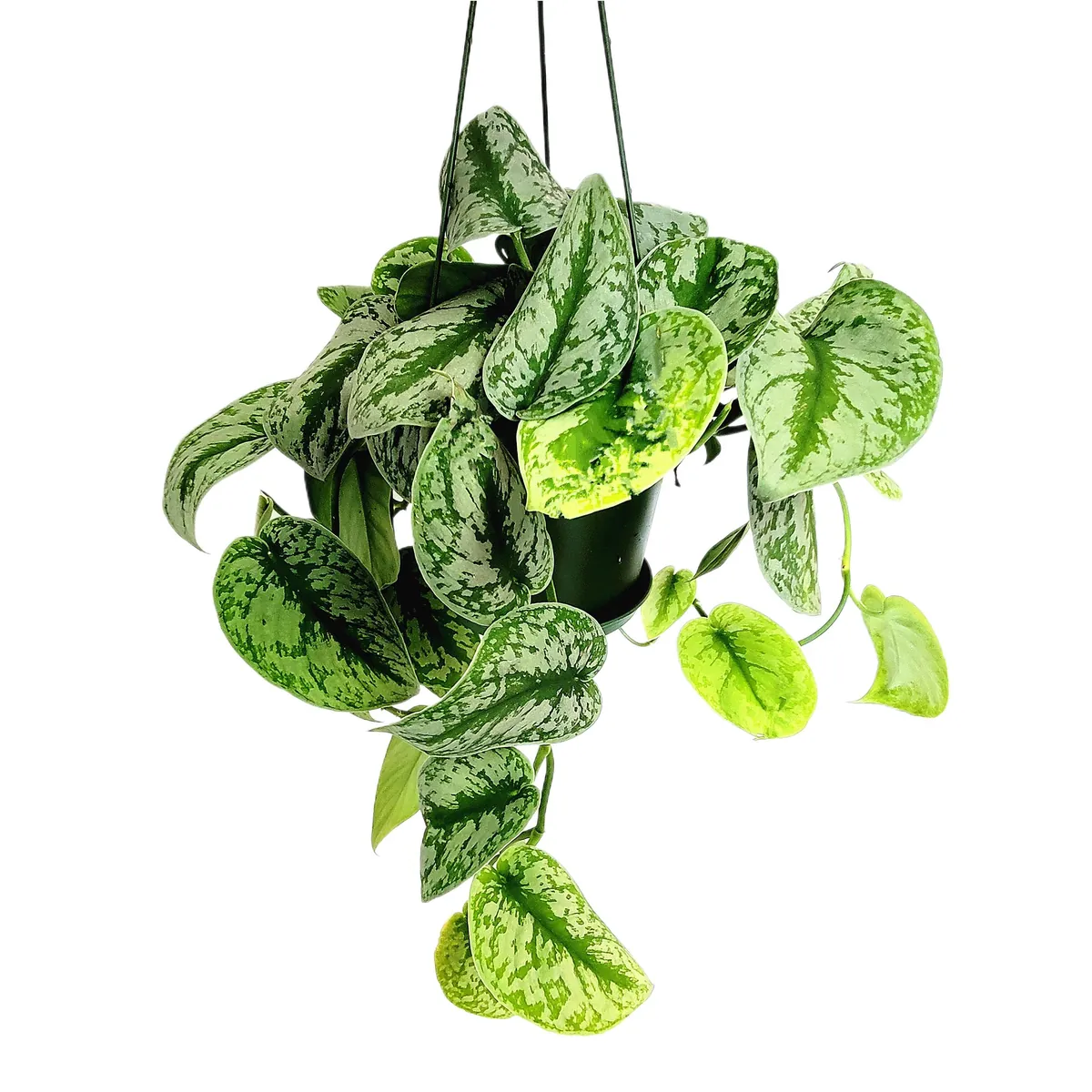
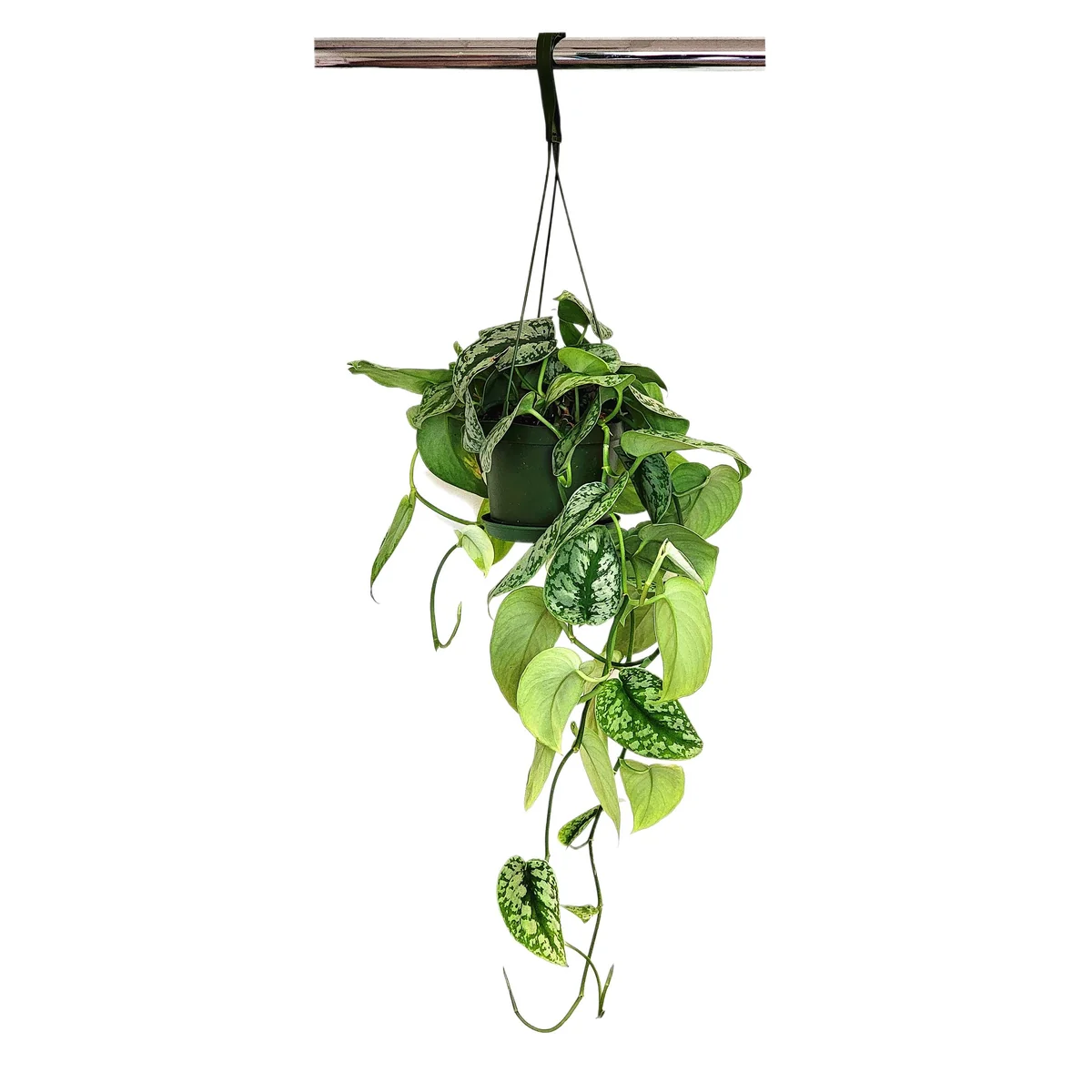
6 inch Silver Satin Pothos Live Plant – Scindapsus Pictus Trailing Houseplant
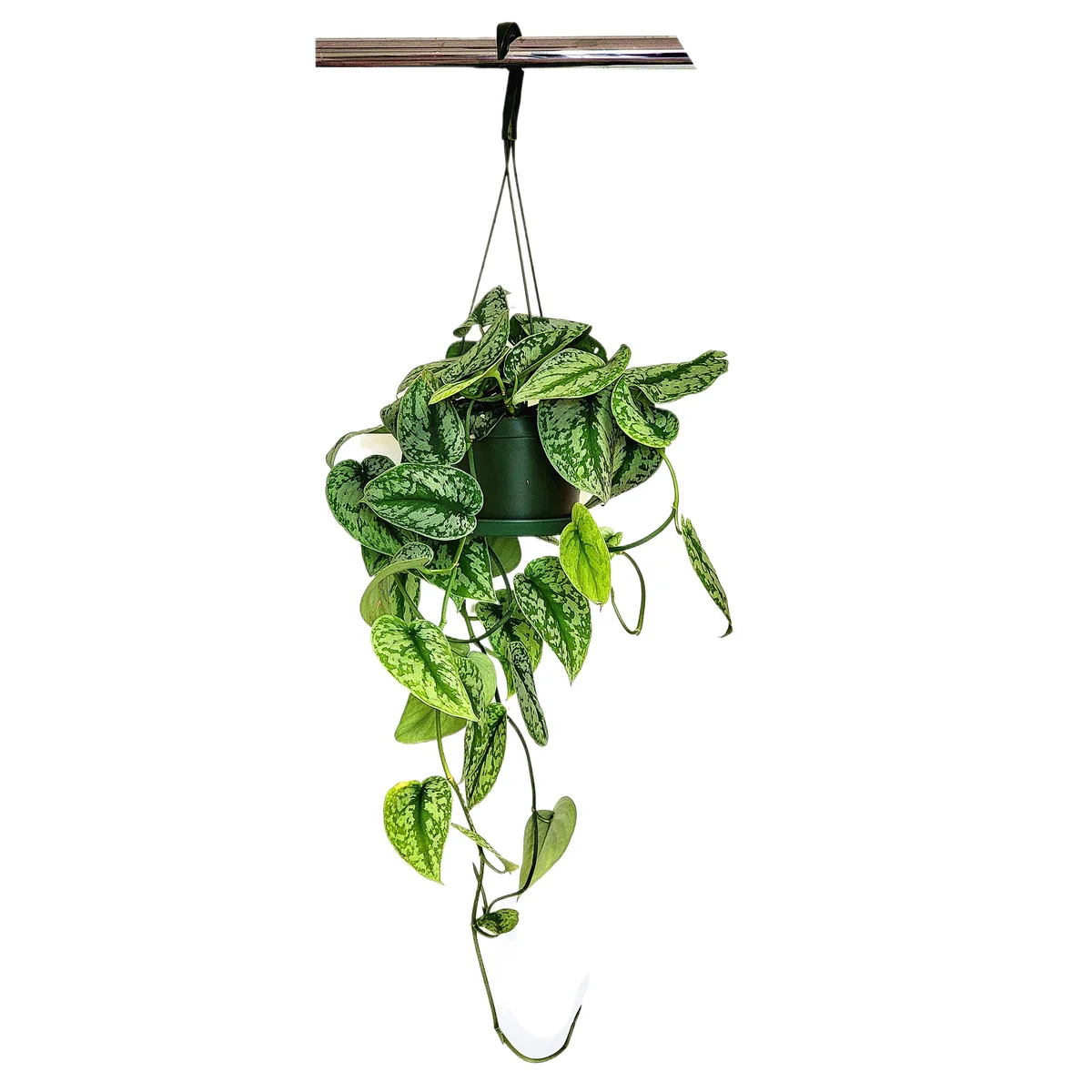
Discover the beauty of a silver satin pothos live plant, also known as Scindapsus pictus care. This stunning 6-inch trailing houseplant offers velvety, heart-shaped leaves with metallic silver variegation. An easy care houseplant, it’s perfect for adding elegance and purifying air indoors, making it an excellent choice for any home.
$57.98

With our Alive & Thrive Guarantee, we’ve got your back for the first 30 days! If you have any concerns about your plants, just reach out to us. Our team is here to help answer your questions and guide you in selecting the best plants for your garden, climate, and unique preferences. We're excited to help you create the garden of your dreams!
Estimated arrival
Mar 31
Apr 05 - Apr 07
Apr 10 - Apr 14


Product Details
-
USDA Hardiness Zone
year-round indoors (USDA zones 10-12 outdoors) -
Soil type
well-draining potting mix -
Sunlight Exposure
bright indirect light -
Expected Planting Period
year-round indoors
Overview
Introduce a touch of elegance and natural beauty into your home with the exquisite silver satin pothos live plant. Also known by its botanical name, Scindapsus pictus, this stunning specimen is revered for its unique foliage and relatively easy care. A true gem among indoor plants, the Silver Satin Pothos features velvety, heart-shaped leaves adorned with striking metallic silver splashes and speckles against a deep green background. This trailing beauty, often mistaken for a traditional pothos due to its similar growth habit and low-maintenance needs, offers a more refined aesthetic with its distinct satin-like texture and shimmering variegation. Each silver satin pothos live plant arrives in a professional 6-inch hanging basket, ready to display its lush, established vines. It’s an ideal choice for both seasoned plant enthusiasts and those new to indoor gardening, seeking a plant that combines exotic appearance with straightforward care requirements. Its ability to thrive in various indoor conditions makes it a versatile addition to any living space, bringing a vibrant, natural feel.
Key Benefits
The silver satin pothos live plant offers a multitude of benefits beyond its captivating appearance, making it a highly desirable addition to any indoor plant collection. Its unique characteristics contribute to both aesthetic appeal and a healthier home environment.
- Stunning Metallic Variegation: Each velvety, heart-shaped leaf displays unique silvery-white splashes and speckles against deep green, creating a shimmering, almost iridescent effect. The satin-like texture adds tactile interest that sets this plant apart from standard pothos varieties, making it a true conversation starter.
- Easy Care Champion: Despite its exotic appearance, the Scindapsus pictus care requirements are remarkably forgiving and low-maintenance. This makes it a perfect choice for intermediate beginners who desire something special without complicated demands. Its resilience and adaptability contribute to its popularity as an easy care houseplant.
- Compact & Elegant Trailing Habit: Unlike traditional pothos, Scindapsus pictus grows more slowly with larger, more dramatic leaves spaced along the vines. This creates a refined, less aggressive trailing display that is perfect for smaller spaces or hanging baskets, contributing to its charm as one of the best trailing houseplants.
- Low Light Tolerant: This plant thrives in medium to bright indirect light but adapts well to lower light conditions, making it ideal for offices, bathrooms, and rooms with limited natural light. The silver variegation remains visible even in medium light, ensuring its beauty is always on display.
- Air Purifying Benefits: Like its pothos cousins, the Silver Satin Pothos actively filters indoor air pollutants, contributing to healthier indoor air quality while adding sophisticated beauty to your space. This makes it not only a decorative piece but also one of the beneficial air purifying plants.
- Velvety Leaf Texture: The soft, almost suede-like texture of the leaves adds a unique sensory dimension that makes this plant particularly special and conversation-worthy. This tactile appeal enhances its overall exotic charm.
- Versatile Decor Piece: Its elegant trailing vines and distinctive foliage make it a versatile plant that can enhance various decor styles, from modern minimalist to bohemian chic. It looks splendid in hanging baskets, on shelves, or even trained to climb.
Plant Care & Growing Tips
Providing proper Scindapsus pictus care ensures your silver satin pothos live plant remains vibrant and healthy, showcasing its beautiful variegation. This plant is known for being an easy care houseplant, making it a great option for many indoor environments.
Light Requirements: Your Silver Satin Pothos prefers medium to bright indirect light, which significantly enhances its silvery variegation and encourages compact growth. While it tolerates lower light conditions, you may notice reduced variegation and slower growth. It’s crucial to avoid harsh direct sunlight, which can scorch the delicate leaves and fade the beautiful silver markings. East or north-facing windows are often ideal locations to provide the perfect balance of light. For optimal vibrancy, ensure it receives consistent, diffused light throughout the day. This careful consideration of light will ensure your silver satin pothos live plant thrives.
Watering Schedule: Allow the top 2-3 inches of soil to dry out completely between waterings, typically every 7-10 days depending on environmental conditions like humidity and temperature. Silver Satin Pothos is more drought-tolerant than moisture-loving and prefers to dry out slightly rather than being constantly wet. Overwatering is the most common cause of problems, leading to root rot. When in doubt, it’s always better to wait another day or two before watering. Ensure your pot has good drainage to prevent water from sitting at the bottom.
Humidity Needs: This plant appreciates moderate to higher humidity, ideally between 50-70%, which helps keep its velvety leaves looking their best and prevents browning edges. You can increase humidity by misting the foliage 2-3 times weekly, placing the plant near other plants to create a microclimate, or using a pebble tray filled with water. While it can adapt to average household humidity, providing extra moisture will help your air purifying plants thrive and maintain their lush appearance.
Temperature & Soil: Maintain consistent temperatures between 65-80°F (18-27°C). Protect your plant from cold drafts, temperatures below 60°F (15°C), and sudden temperature fluctuations. Keep it away from heating and cooling vents for optimal health. A well-draining potting mix is essential for this plant, ideally one that retains some moisture but doesn’t become waterlogged. A mix formulated for aroids or general houseplants with added perlite or bark works well. The plant is suitable for USDA zones 10-12 if grown outdoors, but it is predominantly cultivated as an indoor plant across all zones.
Fertilizing & Pruning: Feed monthly during spring and summer with a balanced liquid houseplant fertilizer diluted to half strength. Scindapsus pictus is a light feeder; over-fertilizing can damage the roots and reduce variegation. Reduce feeding to every 6-8 weeks during fall and winter. Prune back vines to encourage bushier growth and maintain your desired length. Silver Satin Pothos naturally produces larger leaves with more space between them than standard pothos. Wipe leaves gently with a damp cloth to remove dust and showcase the beautiful silvery variegation. For those interested in trailing houseplants, pruning can also help manage vine length and shape.
Size & Details
This silver satin pothos live plant is presented in a 6-inch hanging basket, showcasing a robust and well-established root system. The plant typically features lush, trailing vines, with individual leaves growing larger and more dramatic than those on traditional pothos varieties. While vine length and fullness may vary slightly due to the unique nature of live plants, each specimen is selected for its exceptional variegation and vigor. The plant has a moderate growth rate, creating an elegant trailing display without becoming overly aggressive. It ships as a fully rooted, mature plant, ready for immediate display upon arrival. Expect the vibrant silver variegation to develop beautifully as the plant matures in your home environment. This size is perfect for hanging or placing on a shelf, allowing its beautiful foliage to cascade gracefully.
Frequently Asked Questions
- Q: How big does this silver satin pothos live plant get? A: In optimal indoor conditions, the vines can trail several feet long, often reaching 3-6 feet. The leaves themselves are typically larger than standard pothos, ranging from 2-4 inches in length, creating a more dramatic visual impact.
- Q: What size pot does it come in? A: This silver satin pothos live plant is shipped in a professional 6-inch hanging basket, complete with hanging hardware, making it ready for immediate display in your home.
- Q: Is this an indoor or outdoor plant? A: The Silver Satin Pothos is primarily cultivated as an indoor houseplant in most climates. It can be grown outdoors in USDA Zones 10-12, but it thrives best as an indoor plant, especially given its specific humidity and temperature preferences.
- Q: How much sunlight does it need? A: It thrives in medium to bright indirect light. Direct harsh sunlight should be avoided as it can scorch the leaves and diminish the beautiful silver variegation. This makes it an ideal easy care houseplant for many indoor settings.
- Q: Is this plant easy to care for? A: Yes, the Silver Satin Pothos is considered an easy care houseplant, making it suitable for both beginners and experienced plant parents. Its resilience and adaptability to various indoor conditions contribute to its low-maintenance nature.
- Q: What condition will it arrive in? A: Your silver satin pothos live plant will arrive well-packaged in its 6-inch hanging basket with healthy, established roots. While minor cosmetic leaf damage can occasionally occur during transit, the plant is resilient and will recover.
- Q: Is it pet-safe? A: Like many plants in the Araceae family, Silver Satin Pothos (Scindapsus pictus) is considered toxic if ingested by pets due to calcium oxalate crystals. It’s best to keep it out of reach of curious pets.
- Q: Is it an air purifying plant? A: Yes, like other members of the Pothos family, the Silver Satin Pothos is known for its ability to help filter indoor air pollutants, contributing to a healthier indoor environment.
- Q: What are the main differences in Scindapsus pictus care compared to regular Pothos? A: While similar, Scindapsus pictus care involves slightly less frequent watering, a preference for higher humidity, and a slower, more compact growth habit with larger leaves. Its velvety texture and distinct variegation also set it apart.
- Q: Can I train this plant to climb? A: Absolutely! While it excels as a trailing houseplant in a hanging basket, its vines can also be trained to climb a moss pole or trellis, allowing for versatile display options and encouraging larger leaf development.
Related products
-30%
Original price was: $79.98.$55.98Current price is: $55.98.
-25%
Original price was: $16.80.$12.60Current price is: $12.60.
-5%

Original price was: $91.98.$87.38Current price is: $87.38.
-35%
Original price was: $29.80.$19.36Current price is: $19.36.
-25%
Original price was: $30.00.$22.50Current price is: $22.50.
-25%
Original price was: $20.90.$15.68Current price is: $15.68.
PLANTING & CARE

Growing Glencoe Raspberry: A Complete Guide for Gardeners
If you’re looking to add something unique to your garden, look no further than the
31
Mar
Mar

The Comprehensive Guide to Growing Bay Leaf Plants for a Flavorful Garden
Imagine stepping into your garden, greeted by the earthy aroma of fresh bay leaves, their
09
Feb
Feb

How to Make Comfrey Tea: The Ultimate Organic Plant Food
Growing an organic garden can be surprisingly expensive, especially when most store-bought fertilizers come in
02
Feb
Feb

True Comfrey: 7 Essential Tips Before You Plant This Herb
A staple in permaculture practices across the US, True Comfrey easily earns its reputation as
27
Jan
Jan

7 Heart-Shaped Plants for a Lasting Valentine’s Gift
If you’ve ever bought a bouquet of roses for Valentine’s Day, you know they are
26
Jan
Jan

Best Types of Ivy Plant for Houses: How to Choose the Perfect Ones for Your Home
Are you a garden lover looking to introduce some greenery into your home? Maybe you’ve
14
Nov
Nov

When to Harvest Garlic (Especially Fall-Planted Garlic)
TIMING IS EVERYTHING, they say – and for garlic, that truth hits with surprising accuracy.
13
Nov
Nov

11 of the Best Sweet Potato Varieties to Grow for Your Garden
If you’ve ever tried growing sweet potatoes, you know that picking the right variety can
12
Nov
Nov