8oz Sunchoke Tubers for Planting – Fresh Jerusalem Artichoke Bulbs, Outdoor Garden
-10%
8oz Sunchoke Tubers for Planting – Fresh Jerusalem Artichoke Bulbs, Outdoor Garden
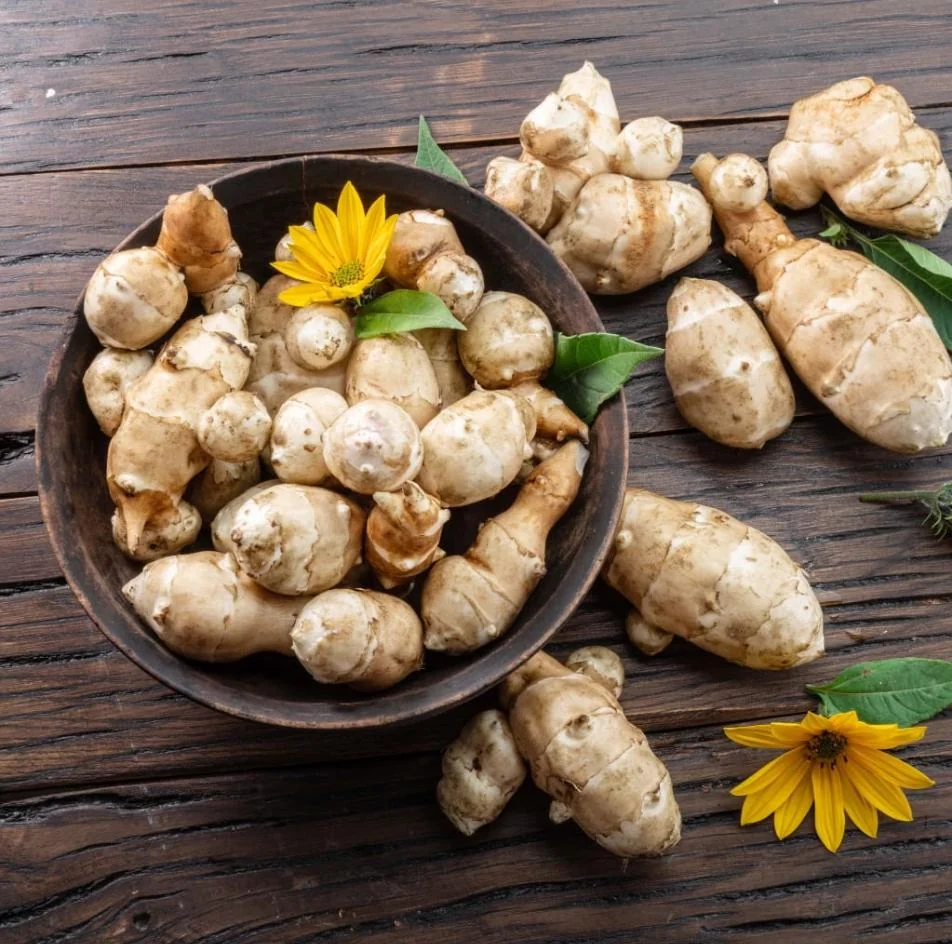
Cultivate your own delicious and nutritious harvest with these sunchoke tubers. Also known as jerusalem artichoke bulbs, these fresh tubers are perfect for planting sunchokes in your outdoor garden. Enjoy their versatile culinary uses and natural beauty.
Original price was: $19.99.$17.99Current price is: $17.99.

With our Alive & Thrive Guarantee, we’ve got your back for the first 30 days! If you have any concerns about your plants, just reach out to us. Our team is here to help answer your questions and guide you in selecting the best plants for your garden, climate, and unique preferences. We're excited to help you create the garden of your dreams!
Estimated arrival
Mar 31
Apr 05 - Apr 07
Apr 10 - Apr 14
Product Details
-
USDA Hardiness Zone
unknown -
Soil type
well-draining, fertile, loose soil -
Sunlight Exposure
full sun -
Expected Planting Period
early spring
Overview
Discover the joy of growing your own food with these fresh sunchoke tubers. Each order provides 8oz of premium quality tubers, ready for planting sunchokes in your garden. Also known as Jerusalem Artichokes or Helianthus tuberosus, these versatile plants are celebrated for their edible, nutty-flavored tubers and cheerful, sunflower-like blooms. They are a fantastic addition to any outdoor garden, offering both an attractive display and a delicious, healthy food source. These tubers are specifically selected to ensure robust growth and a successful harvest, making them suitable for both experienced gardeners and enthusiastic beginners looking to grow sunchokes.
Key Benefits
These incredible tubers offer a multitude of advantages for both your garden and your kitchen. From their ease of cultivation to their distinctive flavor, you’ll find many reasons to love sunchoke tubers:
- Easy to Grow: Sunchokes are remarkably resilient and adaptable, thriving in a variety of soil conditions and requiring minimal maintenance once established. They are an excellent choice for gardeners seeking a low-effort, high-reward crop.
- Nutritious Harvest: The tubers are a good source of dietary fiber, vitamins, and minerals, making them a healthy addition to your diet. They contain inulin, a prebiotic fiber beneficial for gut health.
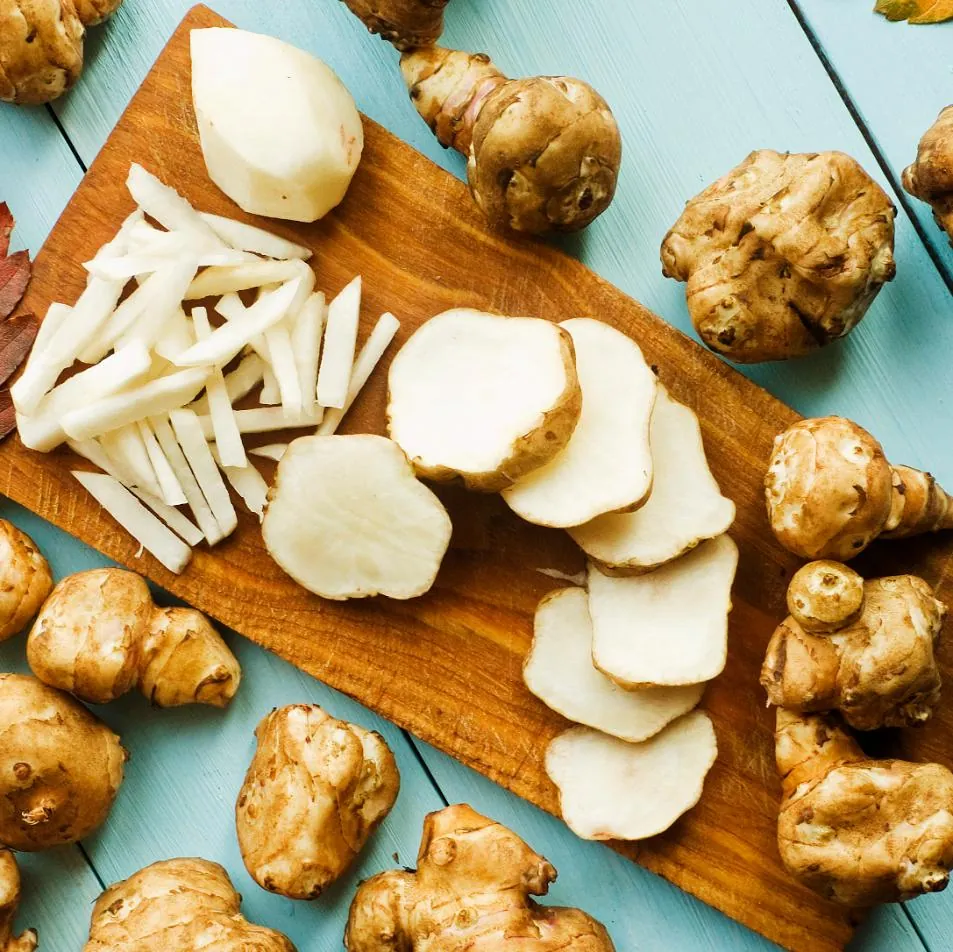
- Versatile Culinary Use: Enjoy the crisp, slightly sweet, and nutty flavor of jerusalem artichoke bulbs raw in salads, roasted, mashed, or added to soups and stews. Their unique taste enhances a wide range of dishes.
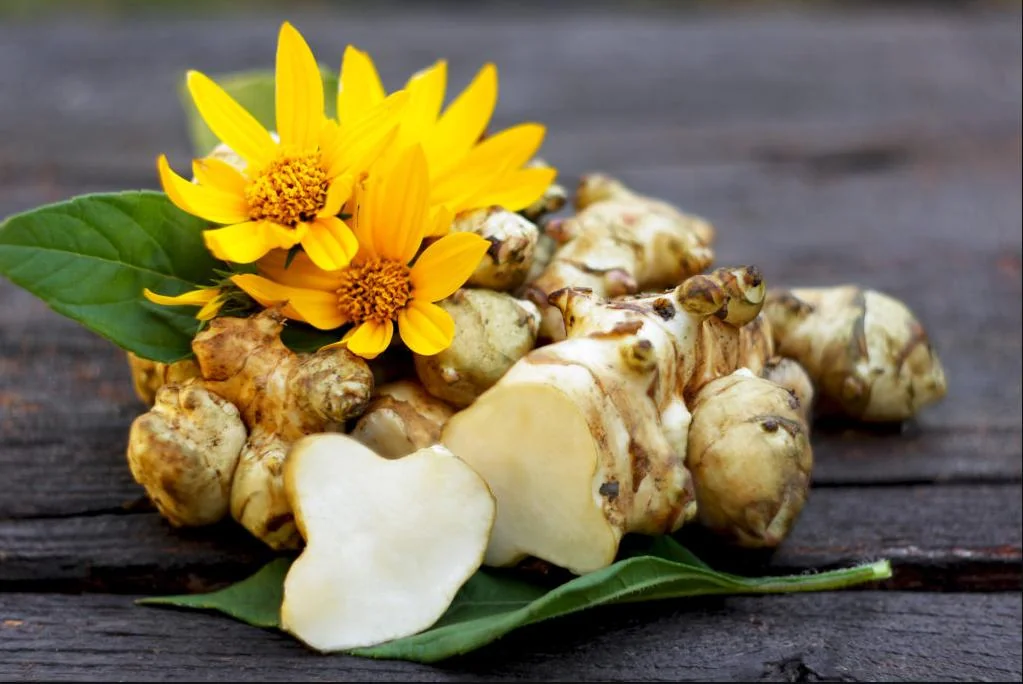
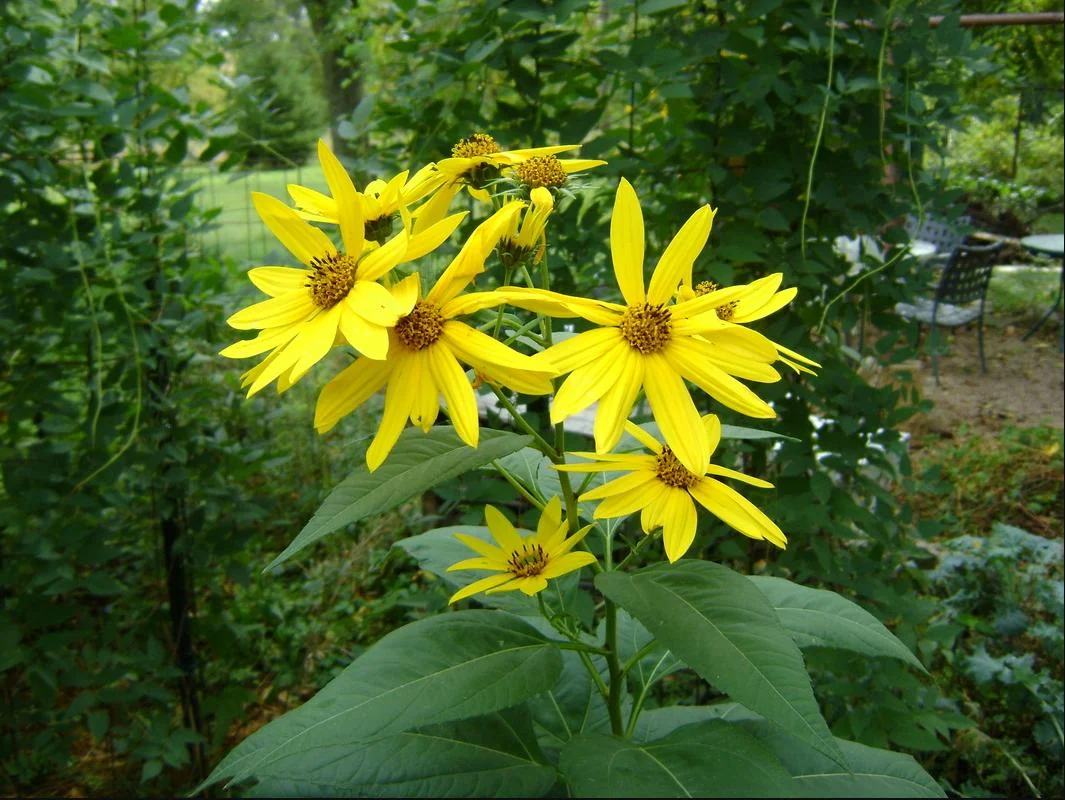
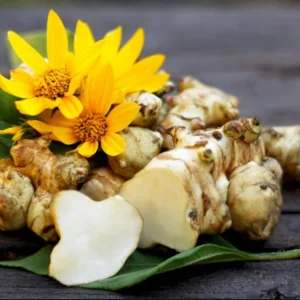
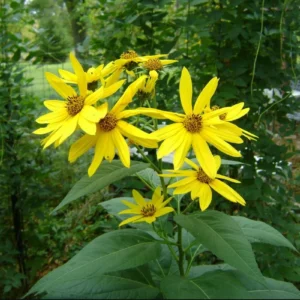
- Attractive Garden Addition: Beyond their edible tubers, the plants produce tall, sturdy stems topped with bright yellow, daisy-like flowers in late summer to fall, adding beauty to your landscape.
- Drought Tolerant: Once established, sunchokes are quite drought-tolerant, making them a sustainable choice for many gardens and reducing the need for constant watering.
- Cold Hardy: The tubers are very cold-hardy underground, allowing them to overwinter in many climates and provide an early spring harvest.
- Perennial Growth: Sunchokes are perennial, meaning they will return year after year from any tubers left in the ground, providing a continuous supply with little effort. This makes them ideal for establishing a long-term food source.
Plant Care & Growing Tips
Successful planting sunchokes begins with understanding their basic needs. These hardy plants are not overly demanding, but providing the right conditions will ensure a bountiful harvest of healthy tubers. Sunchokes prefer a location with full sun, meaning at least 6–8 hours of direct sunlight daily. While they can tolerate light partial shade, optimal tuber production occurs in sunnier spots. They are adaptable to various soil types but perform best in well-draining, fertile, and loose soil. An ideal soil pH range is 5.5–7.5. Avoid heavy, waterlogged soils, which can lead to tuber rot. When you first grow sunchokes, water them well after planting to help establish the roots. During their early growth phase, keep the soil moderately moist. Once established, sunchokes are remarkably drought-tolerant, often requiring little supplemental watering unless conditions are extremely dry. They thrive in cool to warm climates and are very cold-hardy, with tubers able to withstand freezing soil temperatures underground during winter. While they are resilient, consider mulching in colder zones to protect newly planted tubers. For best results, plant tubers 2-4 inches deep and 12-18 inches apart, allowing ample space for their vigorous growth.
Size & Details
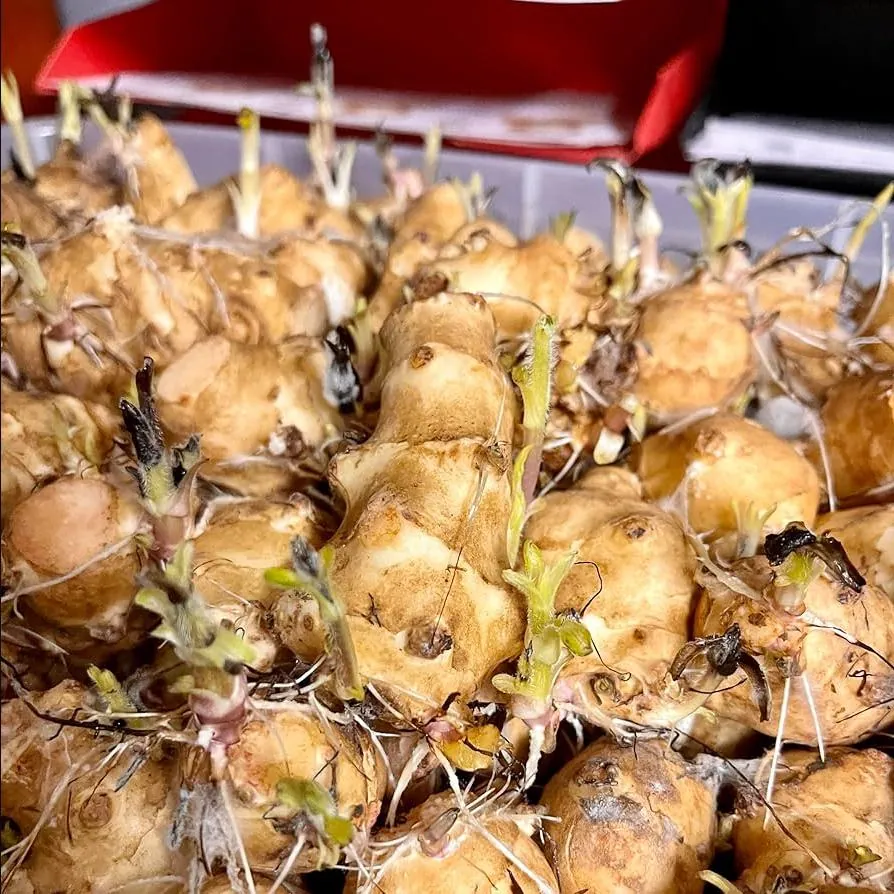
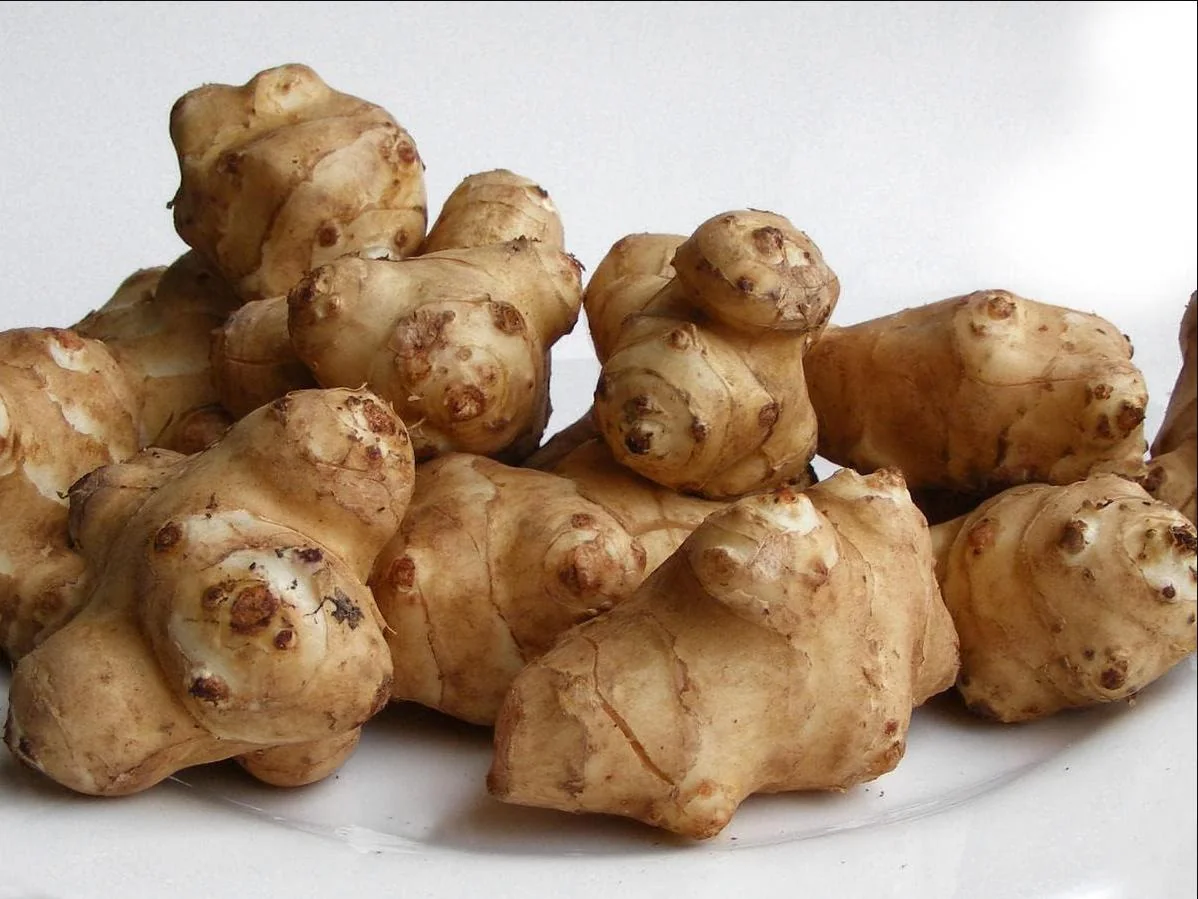
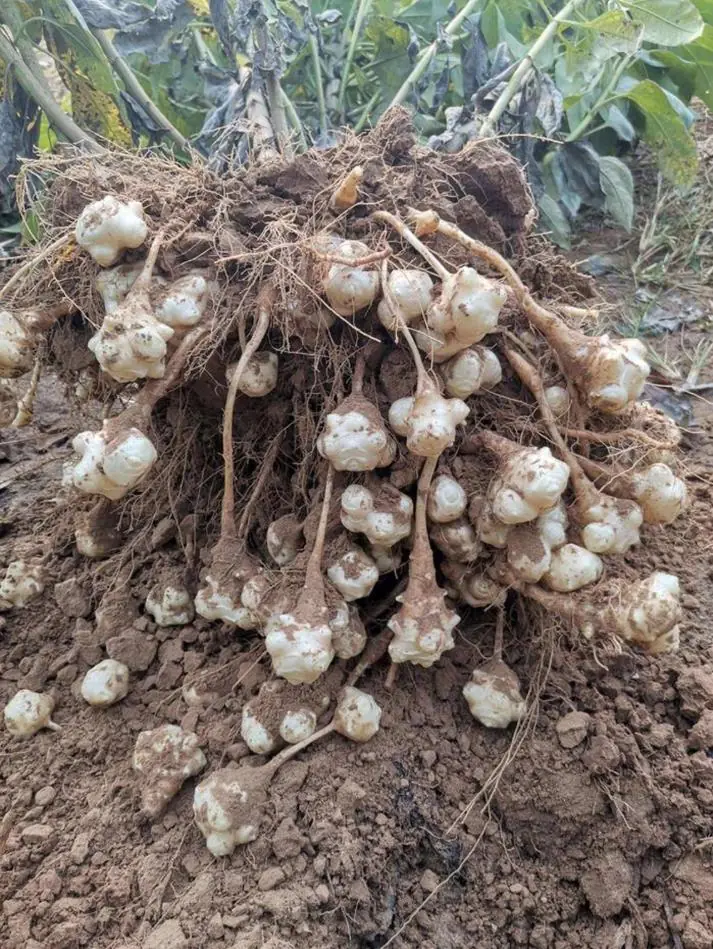
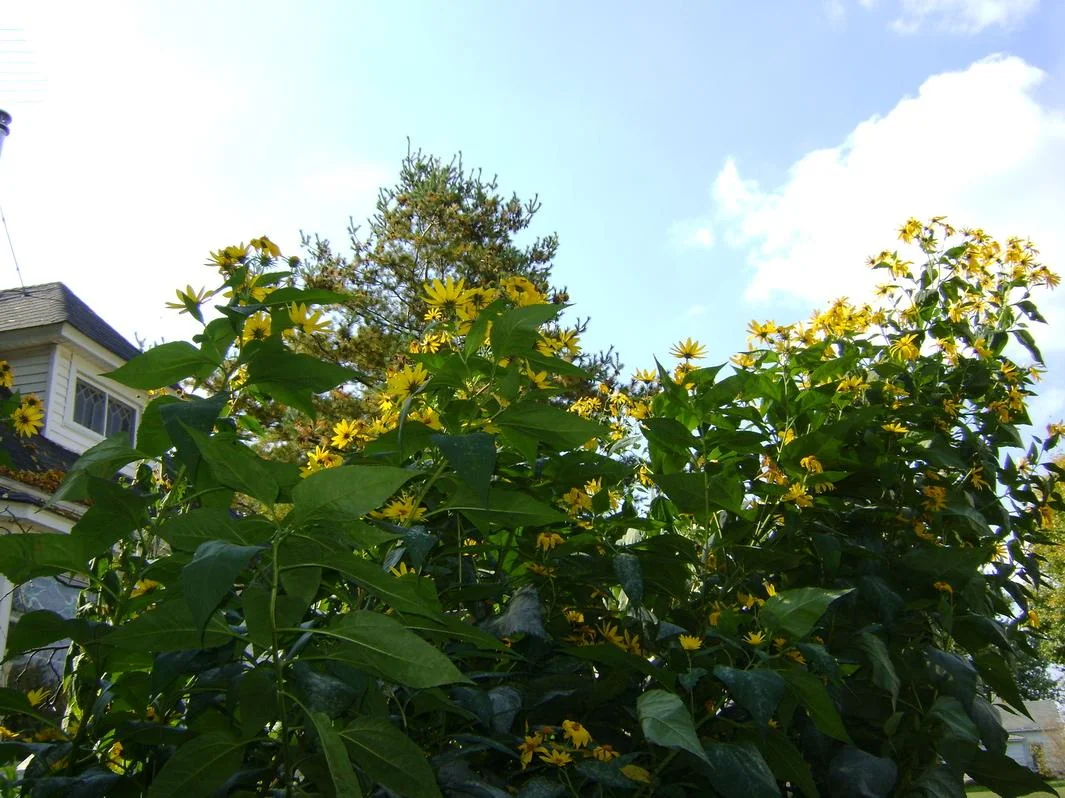
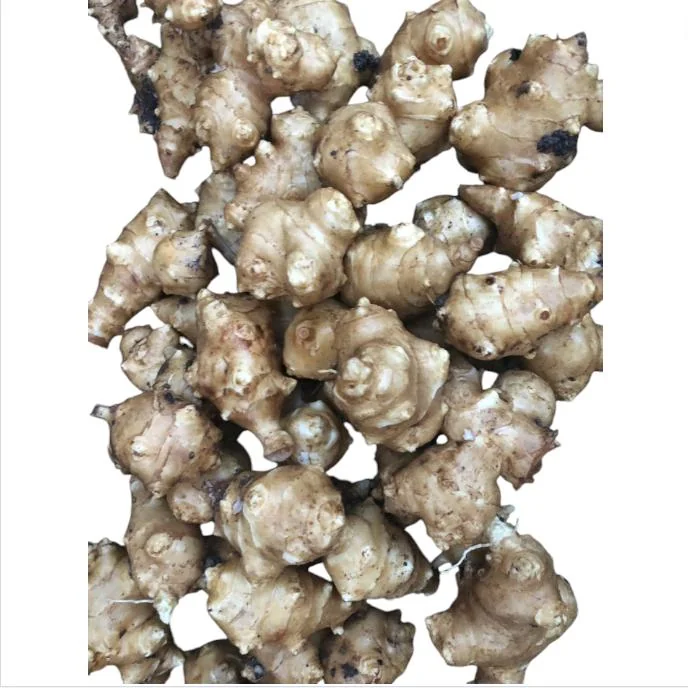
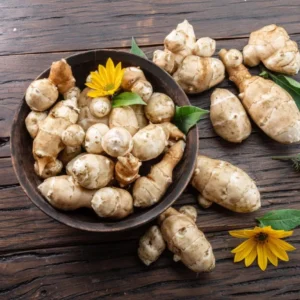
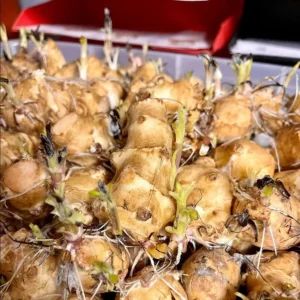
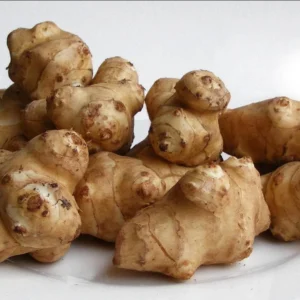
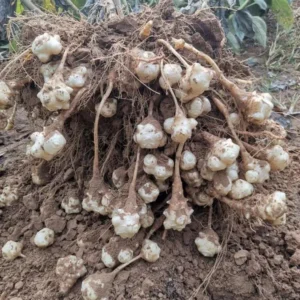
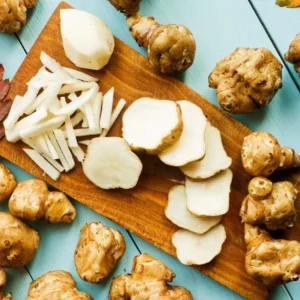
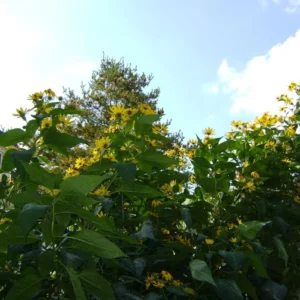
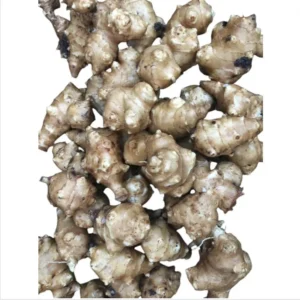
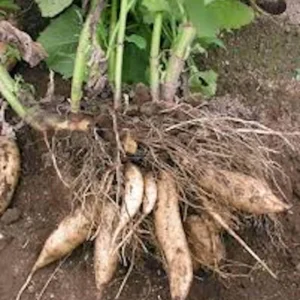
This offering includes 8oz of fresh sunchoke tubers, ready for planting. Each tuber is carefully selected to ensure viability and healthy growth in your garden. Sunchoke plants typically grow quite tall, often reaching heights of 5-10 feet, depending on growing conditions and variety. They form a dense clump with their upright stems. The tubers themselves vary in size and shape, generally resembling small, knobby potatoes. Expect a moderate to fast growth rate once planted. These tubers are shipped fresh and should be planted upon arrival or stored in a cool, dark, slightly humid place until planting time. You can anticipate a harvest in late fall, typically 120-150 days after planting, with the plants producing their signature edible tubers underground.
Frequently Asked Questions
- Q: How big do these sunchoke tubers get when mature? A: Sunchoke plants can grow quite tall, often reaching 5 to 10 feet in height, with the tubers themselves varying in size and shape, generally resembling small, irregular potatoes.
- Q: Is this an indoor or outdoor plant? A: Sunchokes are primarily an outdoor garden plant. They require ample space and sunlight to thrive and produce tubers effectively.
- Q: How much sunlight do these jerusalem artichoke bulbs need? A: These tubers require full sun, meaning at least 6-8 hours of direct sunlight per day, for optimal growth and tuber production. They can tolerate some partial shade but will yield less.
- Q: Is this plant easy to care for? A: Yes, planting sunchokes is considered very easy. They are hardy, adaptable, and relatively low-maintenance, making them suitable for beginner gardeners.
- Q: What condition will the tubers arrive in? A: You will receive 8oz of fresh, healthy sunchoke tubers, ready for planting. They are carefully packaged to ensure they arrive in excellent condition.
- Q: When is the best time to plant sunchoke tubers? A: The best time for planting sunchokes is in early spring, after the last frost, or in late fall in milder climates.
- Q: Will sunchokes survive winter in my zone? A: Yes, sunchoke tubers are very cold-hardy and can overwinter underground in many USDA zones, often returning the following spring.
- Q: Can I eat the tubers right away after receiving them? A: Yes, if you wish, these fresh tubers are edible upon arrival. However, they are primarily intended for planting to grow sunchokes and harvest your own crop.
- Q: What is the ideal soil for planting sunchokes? A: Sunchokes prefer well-draining, fertile, and loose soil with a pH between 5.5 and 7.5. They are adaptable but perform best in good quality soil.
- Q: How far apart should I plant the tubers? A: Plant individual tubers about 12-18 inches apart and 2-4 inches deep to give them enough space to grow and spread.
Related products
-20%
Original price was: $100.00.$80.00Current price is: $80.00.
-20%
Original price was: $48.00.$38.40Current price is: $38.40.
-25%
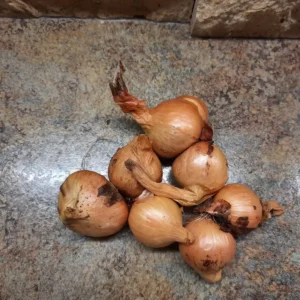
Original price was: $39.99.$29.90Current price is: $29.90.
-20%
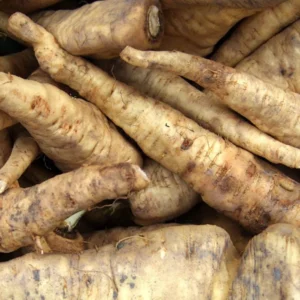

Original price was: $17.00.$13.60Current price is: $13.60.
-20%
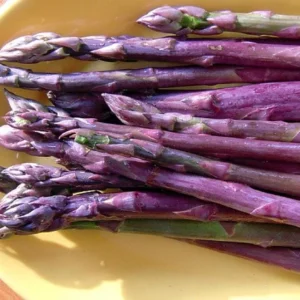
Original price was: $100.00.$80.00Current price is: $80.00.
-22%
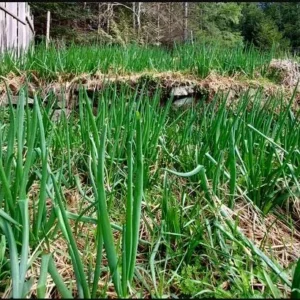
Original price was: $160.99.$125.99Current price is: $125.99.
-50%
Original price was: $37.99.$18.99Current price is: $18.99.
-20%
Original price was: $60.00.$48.00Current price is: $48.00.
PLANTING & CARE

The Comprehensive Guide to Growing Bay Leaf Plants for a Flavorful Garden
Imagine stepping into your garden, greeted by the earthy aroma of fresh bay leaves, their
09
Feb
Feb

How to Make Comfrey Tea: The Ultimate Organic Plant Food
Growing an organic garden can be surprisingly expensive, especially when most store-bought fertilizers come in
02
Feb
Feb

True Comfrey: 7 Essential Tips Before You Plant This Herb
A staple in permaculture practices across the US, True Comfrey easily earns its reputation as
27
Jan
Jan

7 Heart-Shaped Plants for a Lasting Valentine’s Gift
If you’ve ever bought a bouquet of roses for Valentine’s Day, you know they are
26
Jan
Jan

Best Types of Ivy Plant for Houses: How to Choose the Perfect Ones for Your Home
Are you a garden lover looking to introduce some greenery into your home? Maybe you’ve
14
Nov
Nov

When to Harvest Garlic (Especially Fall-Planted Garlic)
TIMING IS EVERYTHING, they say – and for garlic, that truth hits with surprising accuracy.
13
Nov
Nov

11 of the Best Sweet Potato Varieties to Grow for Your Garden
If you’ve ever tried growing sweet potatoes, you know that picking the right variety can
12
Nov
Nov
Pruning Bougainvillea for Winter
Bougainvillea vines are known for their dazzling display of magenta, orange, and fuchsia bracts that
05
Nov
Nov