Adromischus Cooperi Live Succulent Plant – Plover Eggs in 3 inch Pot
-27%
Adromischus Cooperi Live Succulent Plant – Plover Eggs in 3 inch Pot
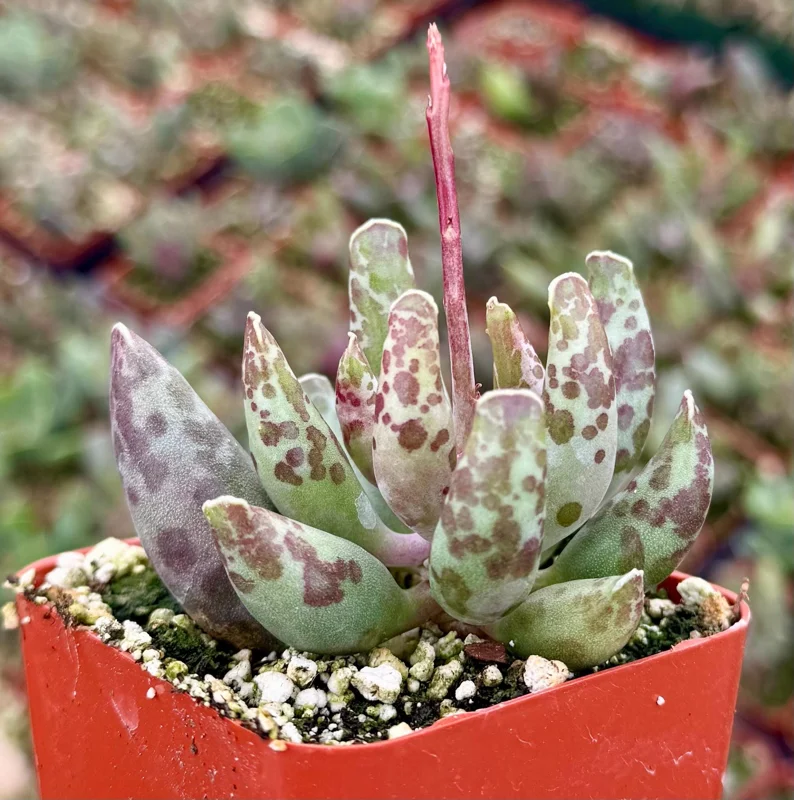
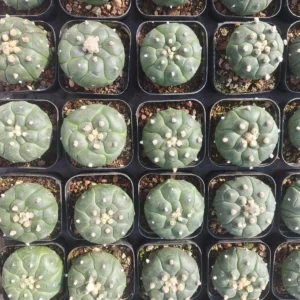
Bring home a charming Adromischus Cooperi live plant, commonly known as Plover Eggs succulent. This delightful succulent is perfect for brightening any indoor space with its unique, spotted foliage and compact size. It thrives with minimal care, making it an ideal choice for both novice and experienced plant enthusiasts.
Original price was: $21.98.$15.99Current price is: $15.99.

With our Alive & Thrive Guarantee, we’ve got your back for the first 30 days! If you have any concerns about your plants, just reach out to us. Our team is here to help answer your questions and guide you in selecting the best plants for your garden, climate, and unique preferences. We're excited to help you create the garden of your dreams!
Estimated arrival
Apr 13
Apr 18 - Apr 20
Apr 23 - Apr 27
Product Details
-
USDA Hardiness Zone
USDA zones 9-11 (outdoors), year-round indoors -
Soil type
Well-draining succulent or cactus mix -
Sunlight Exposure
Bright indirect light -
Expected Planting Period
Year-round indoors
Overview
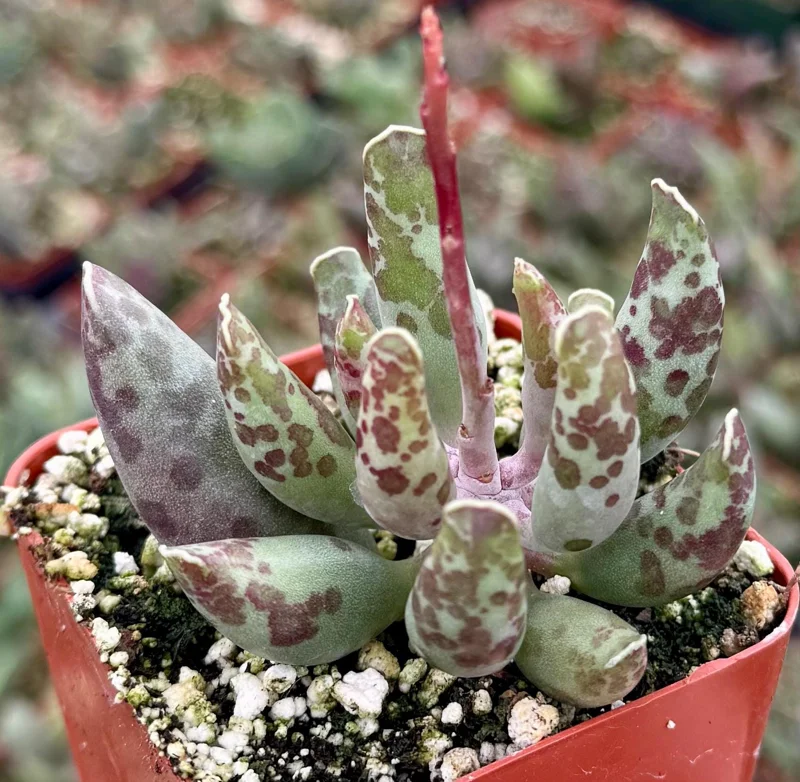
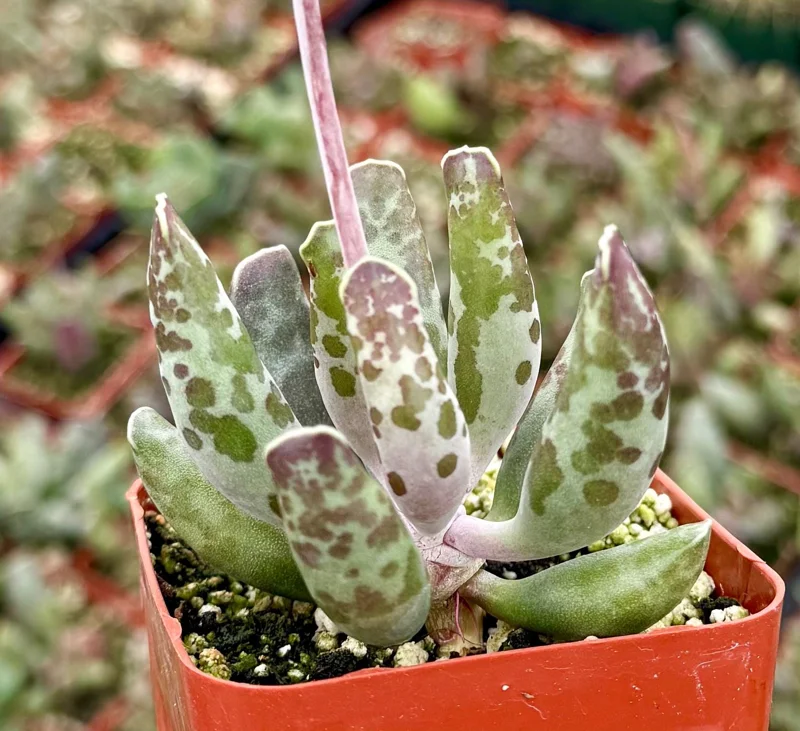
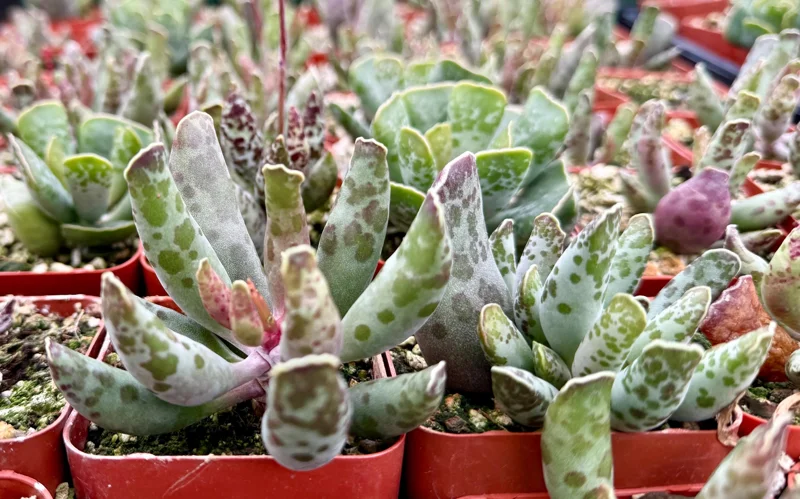
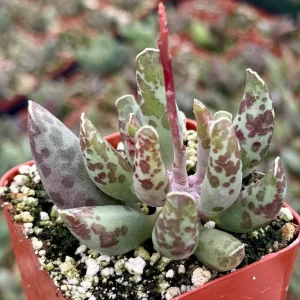
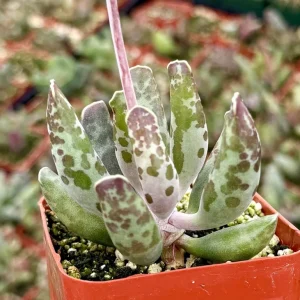
Introduce a touch of unique botanical charm to your home or office with the captivating Adromischus Cooperi live plant. Often affectionately known as the Plover Eggs succulent, this slow-growing and compact succulent is a true gem for any plant collection. Native to the arid landscapes of South Africa, Adromischus cooperi is celebrated for its distinctive appearance, featuring thick, fleshy, club-shaped leaves that are beautifully adorned with striking purple spots. These eye-catching markings give the plant its ‘Plover Eggs’ moniker, making it an instant conversation starter. Its small, manageable size makes it an excellent choice for container gardening, terrariums, or simply as a charming desk companion. This resilient succulent is relatively low-maintenance, requiring minimal fuss once established, perfectly suited for busy lifestyles or those new to plant care.
The allure of the Adromischus Cooperi live plant extends beyond its aesthetic appeal. It’s a robust and long-lived succulent that can bring years of enjoyment. Unlike many larger houseplants, its compact growth habit ensures it won’t outgrow its space quickly, making it ideal for smaller living areas or windowsills. The vibrant coloration and unique texture of its leaves provide a continuous visual interest, evolving slightly with changes in light and temperature. Whether you’re a seasoned succulent collector or just beginning your green thumb journey, this plant offers both beauty and ease, promising to be a rewarding addition to your indoor garden.
Key Benefits
The Adromischus Cooperi live plant offers a multitude of benefits that make it a highly desirable addition to any plant enthusiast’s collection. Its unique characteristics contribute to both aesthetic appeal and ease of care, ensuring a rewarding experience for its owner. The distinctive foliage alone makes it a standout specimen.
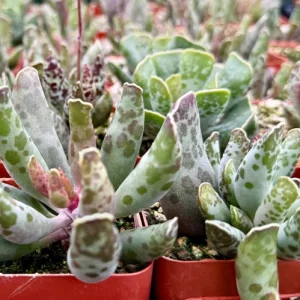
- Unique Ornamental Appeal: The most striking feature of the Plover Eggs succulent is its thick, club-shaped leaves marked with unique purple spots, resembling plover eggs. This distinct patterning adds an exotic and artistic touch to any indoor setting, making it a focal point.
- Compact Size for Small Spaces: This succulent remains relatively small and compact, typically reaching only a few inches in height. This makes it perfect for windowsills, desks, terrariums, or any small space where a touch of greenery is desired without overwhelming the area.
- Low Maintenance & Drought Tolerant: As with many succulents, Adromischus cooperi is incredibly forgiving. It requires minimal watering and thrives on neglect, making it an excellent choice for beginners or those with busy schedules who may not have a lot of time for plant care.
- Air Purification Qualities: While not as prominent as some larger plants, succulents like Adromischus Cooperi live plant contribute to improving indoor air quality by absorbing toxins and releasing oxygen, especially during the night.
- Resilient and Long-Lived: With proper care, this succulent is very hardy and can live for many years, becoming a long-term companion in your home. Its resilience makes it a great choice for those looking for a lasting plant.
- Easy to Propagate: For those interested in expanding their collection, the Adromischus Cooperi live plant is relatively easy to propagate from leaf cuttings, allowing you to share its beauty or create more plants for yourself.
- Adds Texture and Interest: The fleshy, somewhat bumpy texture of the leaves, combined with the contrasting purple spots, adds significant textural interest to plant arrangements and solo displays.
Plant Care & Growing Tips
Caring for your Adromischus Cooperi live plant, or Plover Eggs succulent, is straightforward, making it an ideal choice for both novice and experienced gardeners. The key to its success lies in replicating its native arid environment. Provide bright, indirect light for at least 6 hours a day. A south or west-facing window is often ideal, but ensure it’s protected from intense direct afternoon sun, which can scorch its delicate leaves. If the plant starts to stretch or its colors fade, it’s likely not getting enough light. Conversely, too much direct sun can cause the leaves to turn a dull brown or red, indicating stress. Good air circulation is also beneficial, especially in humid environments, to prevent fungal issues.
When it comes to watering, less is definitely more for this spotted succulent plant. Allow the soil to dry out completely between waterings, then water thoroughly until it drains from the bottom of the pot. During the active growing season (spring and summer), you might water every 2-4 weeks, reducing this significantly in fall and winter to perhaps once a month or even less. Overwatering is the most common cause of succulent demise, leading to root rot. The ideal soil for Adromischus Cooperi care is a well-draining succulent or cactus potting mix, often amended with perlite or pumice to enhance drainage. A pot with a drainage hole is absolutely essential. This plant prefers average room temperatures, typically between 65-80°F (18-27°C), and is not frost-tolerant. Fertilize sparingly, if at all, during the growing season with a diluted succulent fertilizer, no more than once a month. This small indoor succulent generally doesn’t require heavy feeding.
Common problems are usually linked to improper watering or light. If leaves become soft and mushy, it’s typically a sign of overwatering. If they shrivel and become crispy, it’s underwatering. Pests are rare but keep an eye out for mealybugs, which can be treated with rubbing alcohol. Repotting is only necessary every 2-3 years, or when the plant has outgrown its current container, always into a pot only slightly larger than its root ball. This comprehensive approach to Adromischus Cooperi care will ensure your plant thrives and displays its unique beauty for years to come.
Size & Details
This offering is for one Adromischus Cooperi live plant, also known as the Plover Eggs succulent, shipped in a 3 inch nursery pot. At the time of shipment, the plant typically measures approximately 2-4 inches in height and 2-3 inches in width, including the pot. This species is known for its compact growth habit, generally reaching a mature height of 4-6 inches and a similar spread, making it an ideal small indoor succulent. It is a slow-growing plant, meaning it will maintain its charming size for an extended period before requiring a larger pot. The plant will arrive healthy and well-rooted in its nursery container, ready to be placed in your preferred decorative pot or integrated into a succulent arrangement.
The distinctive club-shaped leaves, adorned with their characteristic purple spots, will be evident upon arrival, offering immediate ornamental value. While it may produce small, tubular flowers on slender stalks during its growing season, this plant is primarily admired for its unique foliage. Expected time to reach full maturity is several years, though it will continue to grow and develop its unique leaf patterns throughout its life. This potted succulent is perfect for adding a touch of natural artistry to any desk, shelf, or windowsill, requiring minimal space and effort to maintain its vibrant appearance.
Frequently Asked Questions
- Q: How big does this plant get? A: The Adromischus Cooperi live plant typically remains quite small and compact, usually reaching a mature height of about 4-6 inches and a similar spread. Its slow growth rate ensures it won’t quickly outgrow its space.
- Q: What size pot does it come in? A: This Plover Eggs succulent is shipped in a 3 inch nursery pot, providing a good starting point for its root development and allowing for easy transplanting into a decorative container.
- Q: Is this an indoor or outdoor plant? A: While it can thrive outdoors in very warm, arid climates, the Adromischus Cooperi live plant is primarily grown as an indoor succulent in most regions due to its sensitivity to cold. It makes an excellent houseplant.
- Q: How much sunlight does it need? A: It requires bright, indirect light for at least 6 hours a day. A spot near a south or west-facing window is often ideal, but protect it from harsh, direct afternoon sun which can burn its leaves.
- Q: Is this plant easy to care for? A: Yes, Adromischus Cooperi care is considered easy. It’s a low-maintenance succulent that thrives on neglect, making it suitable for beginners or those with busy schedules. The main thing is to avoid overwatering.
- Q: What condition will it arrive in? A: Your small indoor succulent will arrive healthy, well-rooted, and carefully packaged to ensure minimal stress during transit. It will be ready to thrive in its new home.
- Q: Is it shipped in soil? A: Yes, the Adromischus Cooperi live plant is shipped in its 3 inch nursery pot with appropriate well-draining soil, ensuring it has a stable environment upon arrival.
- Q: Can I use curry leaf in cooking? A: This is an Adromischus Cooperi live plant, a succulent, not a curry leaf plant. It is not intended for culinary use and should not be consumed.
- Q: Is it pet-safe? A: While generally considered non-toxic, it’s always best to keep plants out of reach of curious pets to prevent any potential upset stomachs or accidental damage to the plant.
- Q: When is the best time to plant? A: As an indoor plant, it can be planted or repotted any time of year. If growing outdoors in a suitable climate, spring is generally the best time.
- Q: What’s the minimum temperature it can tolerate? A: The Plover Eggs succulent is not frost-tolerant and prefers temperatures above 50°F (10°C). It should be protected from cold drafts and brought indoors if temperatures drop.
Related products
-39%
Original price was: $39.98.$24.50Current price is: $24.50.
-30%

Original price was: $85.98.$60.18Current price is: $60.18.

-40%

Original price was: $19.60.$11.76Current price is: $11.76.
-30%
Original price was: $79.98.$55.98Current price is: $55.98.
-30%
Original price was: $79.98.$55.98Current price is: $55.98.
PLANTING & CARE
Growing Glencoe Raspberry: A Complete Guide for Gardeners
If you’re looking to add something unique to your garden, look no further than the
31
Mar
Mar

The Comprehensive Guide to Growing Bay Leaf Plants for a Flavorful Garden
Imagine stepping into your garden, greeted by the earthy aroma of fresh bay leaves, their
09
Feb
Feb

How to Make Comfrey Tea: The Ultimate Organic Plant Food
Growing an organic garden can be surprisingly expensive, especially when most store-bought fertilizers come in
02
Feb
Feb

True Comfrey: 7 Essential Tips Before You Plant This Herb
A staple in permaculture practices across the US, True Comfrey easily earns its reputation as
27
Jan
Jan

7 Heart-Shaped Plants for a Lasting Valentine’s Gift
If you’ve ever bought a bouquet of roses for Valentine’s Day, you know they are
26
Jan
Jan

Best Types of Ivy Plant for Houses: How to Choose the Perfect Ones for Your Home
Are you a garden lover looking to introduce some greenery into your home? Maybe you’ve
14
Nov
Nov

When to Harvest Garlic (Especially Fall-Planted Garlic)
TIMING IS EVERYTHING, they say – and for garlic, that truth hits with surprising accuracy.
13
Nov
Nov

11 of the Best Sweet Potato Varieties to Grow for Your Garden
If you’ve ever tried growing sweet potatoes, you know that picking the right variety can
12
Nov
Nov