Air Plant Tillandsia Iona Live Plants Set of 3 – Indigo, Purple, Pink, 2-3 inch

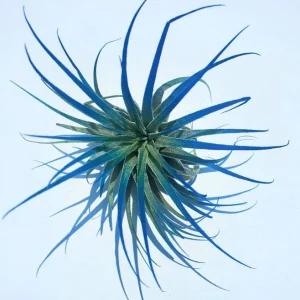
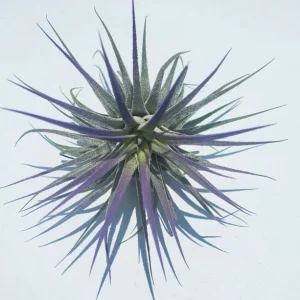
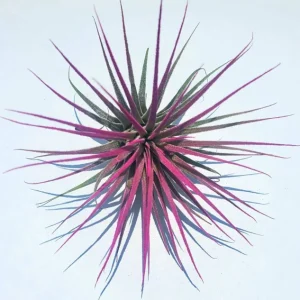

Air Plant Tillandsia Iona Live Plants Set of 3 – Indigo, Purple, Pink, 2-3 inch
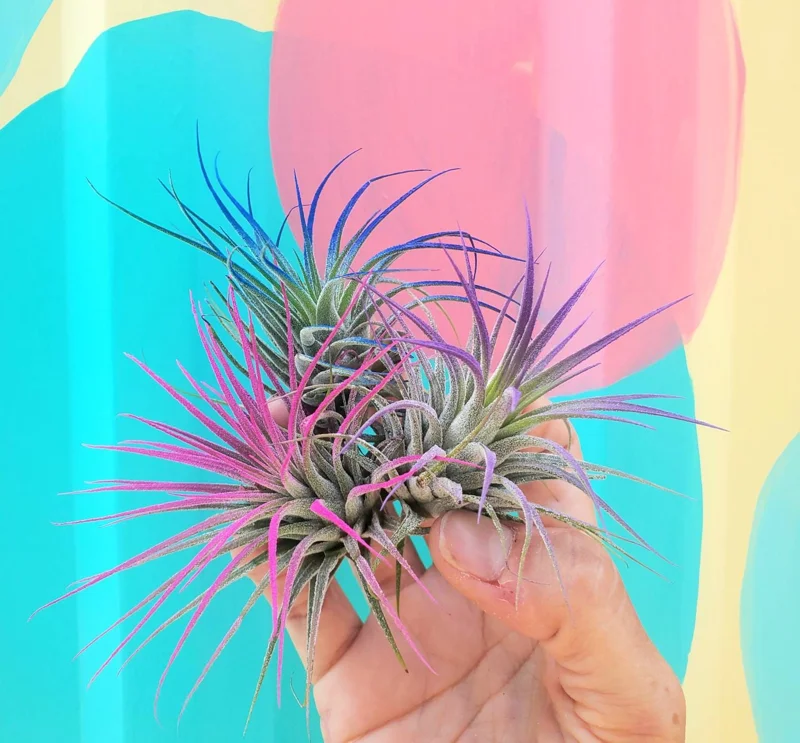
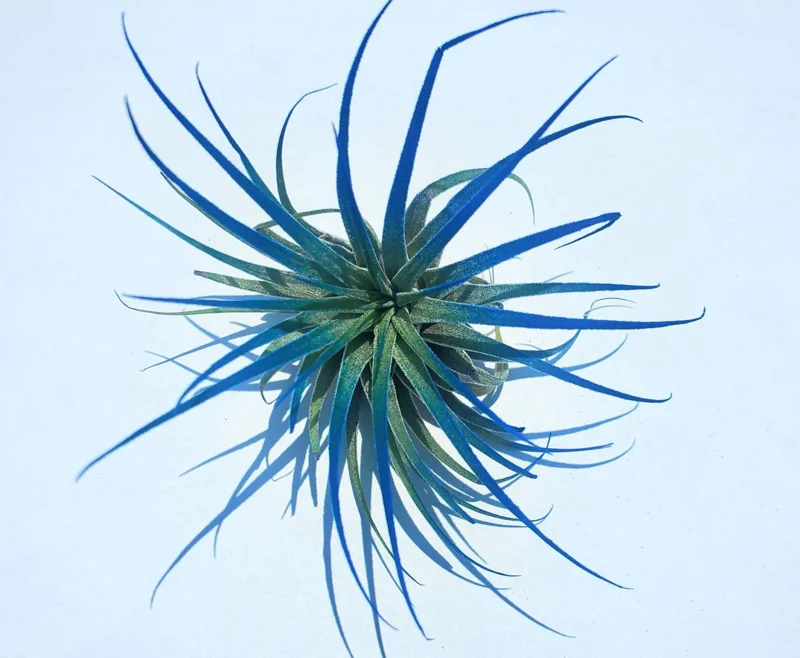
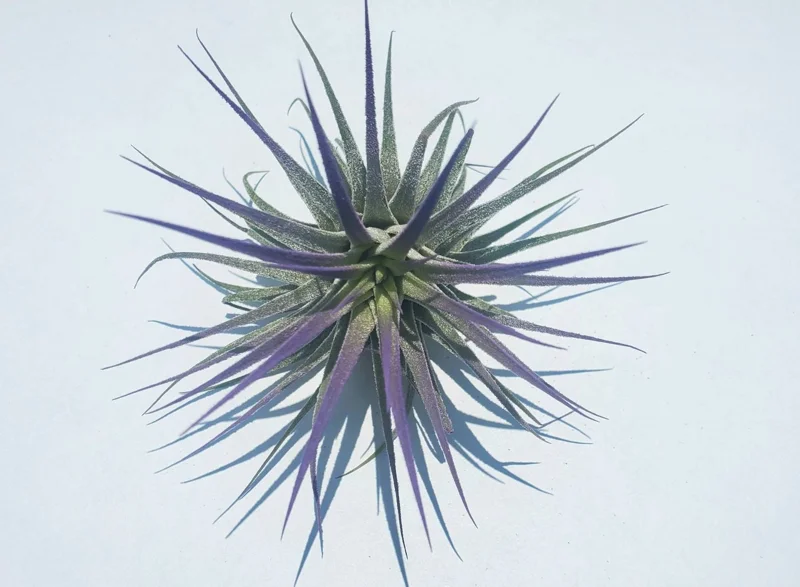
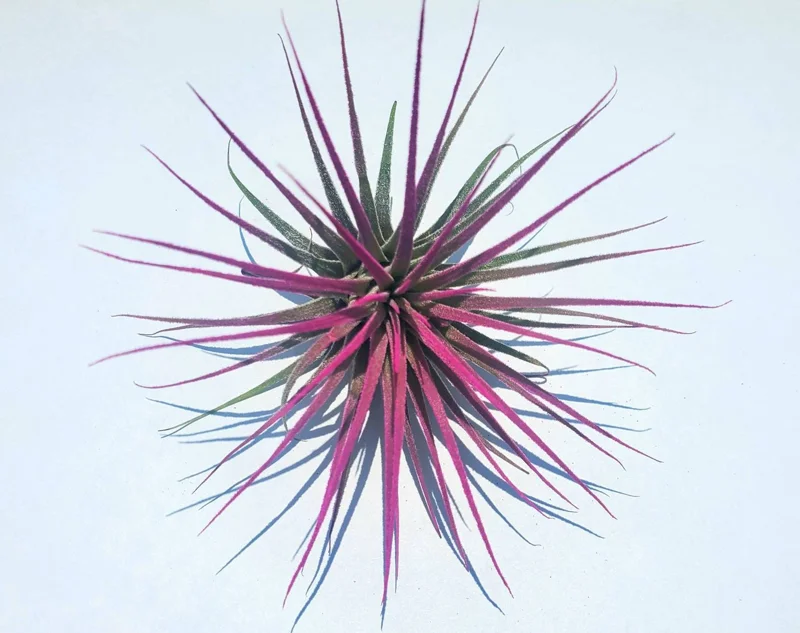
Enhance your home with a stunning Air Plant Tillandsia Iona set of 3. These live plants feature vibrant indigo, purple, and pink hues, perfect for adding a pop of color to any indoor space. Known for their low maintenance, they are ideal for both beginners and experienced plant enthusiasts.
$21.50

With our Alive & Thrive Guarantee, we’ve got your back for the first 30 days! If you have any concerns about your plants, just reach out to us. Our team is here to help answer your questions and guide you in selecting the best plants for your garden, climate, and unique preferences. We're excited to help you create the garden of your dreams!
Estimated arrival
Aug 21
Aug 26 - Aug 28
Aug 31 - Sep 04


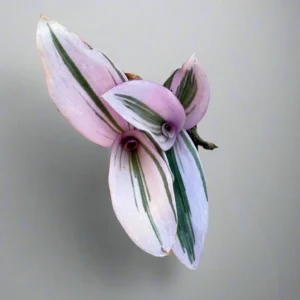
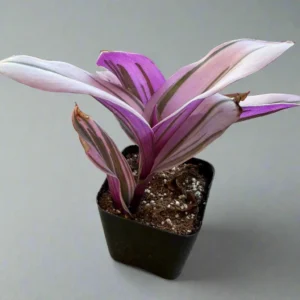
Product Details
-
USDA Hardiness Zone
unknown (best for indoor cultivation) -
Soil type
Not applicable (epiphytic, no soil needed) -
Sunlight Exposure
Bright indirect light -
Expected Planting Period
Year-round indoors
Overview
Introduce a splash of vibrant color and unique texture to your indoor plant collection with the Air Plant Tillandsia Iona set of 3. These captivating live plants, scientifically known as Tillandsia, are renowned for their striking appearance and ease of care. Unlike traditional potted plants, air plants don’t require soil, making them versatile and perfect for creative displays. This particular set includes three Tillandsia Iona plants, each showcasing a beautiful spectrum of colors, from indigo to purple and pink, achieved through a safe, organic enhancement process. These natural enhancements include vitamins, nutrients, and a bloom inducer, ensuring the color remains vibrant for 1-2 months or even longer. The Air Plant Tillandsia Iona is a hybrid of Tillandsia ionantha and Tillandsia schiedeana, known for its compact size and stunning transformations.
The Tillandsia Iona is an epiphytic plant, meaning it naturally grows on other plants, trees, or rocks, absorbing moisture and nutrients from the air. This makes them incredibly adaptable for various indoor environments. They are perfect for terrariums, decorative bowls, or mounted on driftwood. Each plant in this colorful air plants set is unique, typically arriving small, around 2-3 inches, and growing to a mature size of 3-4 inches. With proper care, your Iona air plants will not only maintain their enhanced colors but will also naturally blush red at maturity, eventually producing beautiful purple blooms. They are a delightful addition for anyone looking to buy air plants online and bring a touch of nature indoors without the fuss of extensive gardening.
Key Benefits
The Air Plant Tillandsia Iona offers numerous benefits, making it an excellent choice for both novice and seasoned plant lovers. Their unique growth habit and stunning appearance contribute to a refreshing indoor environment. This set of three provides ample opportunity for creative display and enjoyment.
- Aesthetic Appeal: The vibrant indigo, purple, and pink hues of these colorful air plants instantly brighten any room. Their unique forms and natural elegance make them perfect decorative accents for various settings, from modern minimalist to bohemian chic.
- Low Maintenance: As air plants, Tillandsia Iona requires minimal care. They don’t need soil, making them incredibly clean and easy to manage. A simple watering routine and adequate light are usually all they need to thrive, making them perfect for busy individuals.
- Versatile Decor: Their compact size and lack of soil allow for endless creative display options. Use them in terrariums, glass globes, on driftwood, in decorative bowls, or even as living jewelry. They are an ideal choice for unique interior design.
- Air Purification: Like many plants, air plants contribute to better indoor air quality by absorbing carbon dioxide and releasing oxygen, helping to create a healthier living space.
- Natural Color Transformation: Beyond their enhanced colors, these plants naturally change to a stunning red blush when nearing bloom, adding another layer of visual interest to your collection.
- Pet-Friendly: Tillandsia Iona is generally considered non-toxic to pets, offering peace of mind for pet owners who want to incorporate greenery into their homes.
- Educational Value: Observing the unique growth and life cycle of a Tillandsia, including its color changes and blooming, can be an engaging and educational experience for all ages.
Plant Care & Growing Tips
Caring for your Air Plant Tillandsia Iona is straightforward, making it an excellent choice for beginners interested in Tillandsia Iona care. These resilient plants thrive with consistent attention to their basic needs. The primary factors for success are proper watering, adequate light, and good air circulation. Remember that while these plants are enhanced with color, the core care principles remain the same for their long-term health.
Sunlight requirements: Tillandsia Iona thrives in bright, indirect light. Place them near a window with filtered sunlight, such as an east or north-facing window. Avoid direct, harsh sunlight, especially during peak afternoon hours, as this can scorch their leaves. If natural light is insufficient, they can also flourish under artificial grow lights for 10-12 hours a day. Good air circulation is also vital; avoid placing them in enclosed, stagnant spaces.
Watering schedule and soil moisture preferences: Since air plants don’t grow in soil, they absorb water through their leaves. The most common watering methods are misting and soaking. For misting, spray the plants 2-3 times a week, ensuring all surfaces are wet but not dripping. For soaking, submerge the entire plant in room-temperature water for 20-30 minutes once a week. After watering, gently shake off excess water and allow the plants to dry completely within 2-4 hours to prevent rot. Humidity levels in your home might influence watering frequency; in drier climates, more frequent watering may be needed. When you first receive your Air Plant Tillandsia Iona, it’s a good idea to give them a good soak.
Temperature range and USDA hardiness zone: These tropical plants prefer temperatures between 60-80°F (15-27°C). They are not frost-hardy and should be kept indoors in climates with cold winters. While typically grown indoors, if you live in a warm, humid climate, they can be placed outdoors in a shaded area during the warmer months. As they are generally grown indoors, USDA hardiness zones are less relevant, but they would thrive in zones 9-11 if grown outside year-round.
Fertilization schedule and type: Fertilize your indoor air plant decor monthly or bi-monthly during the growing season (spring and summer) using a specialized air plant fertilizer. Dilute the fertilizer to ¼ strength and either mist your plants with it or add it to their soaking water. Avoid using standard plant fertilizers, as they can be too strong and harmful to air plants.
Common problems and solutions: The most common issues with air plants are dehydration and rot. Dehydration is indicated by curled or crispy leaves, which can be remedied by more frequent or longer soaks. Rot is usually caused by insufficient drying time after watering, leading to mushy bases. Ensure good air circulation and allow plants to dry fully upside down after watering to prevent water from collecting in the base. If you notice any color bleeding during the first few waterings, this is normal and harmless, as the enhancement process is safe and not paint-based.
Size & Details
This offering includes a set of three vibrant Air Plant Tillandsia Iona live plants, each carefully selected for health and vitality. At the time of shipment, the plants will typically measure around 2-3 inches in height. With proper care and favorable growing conditions, these compact air plants are expected to reach a mature size of approximately 3-4 inches. The Tillandsia Iona is known for its relatively moderate growth rate, gradually expanding its foliage over time to achieve its full potential. Each plant in this collection is unique, and while they will be similar in size and form, slight variations may occur, adding to the natural charm of your colorful air plants collection.
The distinctive indigo, purple, and pink coloration is a result of an organic, plant-safe enhancement process, which also includes beneficial vitamins, nutrients, and a bloom inducer. This vibrant color is designed to last for a minimum of 1-2 months, often longer, before gradually fading. As the plants mature, especially with bright, indirect light, they will naturally begin to blush a striking red, signaling their readiness to produce beautiful purple blooms. These indoor air plant decor pieces are shipped as healthy, bare-root plants, ready for you to display creatively in your home or office. No pot or soil is needed, simplifying their setup and maintenance.
Frequently Asked Questions
- Q: How big do these Air Plant Tillandsia Iona get? A: These Air Plant Tillandsia Iona typically arrive at about 2-3 inches tall and will grow to a mature size of approximately 3-4 inches. Each plant’s growth can vary slightly based on care and environment.
- Q: Are the colors on these air plants natural? A: The vibrant indigo, purple, and pink colors are from an organic, plant-safe enhancement process that includes vitamins and nutrients. The plants will naturally blush red before blooming purple as they mature.
- Q: How often should I water my Air Plant Tillandsia Iona? A: Generally, you should soak your colorful air plants in room-temperature water for 20-30 minutes once a week, or mist them 2-3 times a week. Ensure they dry completely within 2-4 hours after watering to prevent rot.
- Q: Is this an indoor or outdoor plant? A: The Air Plant Tillandsia Iona is primarily an indoor plant, thriving in bright, indirect light. In warm, humid climates, they can be placed outdoors in a shaded area during the warmer months.
- Q: Is this plant easy to care for? Is it good for beginners? A: Yes, Tillandsia Iona air plants are known for being low-maintenance and are an excellent choice for beginners or those new to plant care. Their soil-free nature simplifies many aspects of typical plant care.
- Q: What condition will the air plants arrive in? A: Your buy air plants online purchase will arrive as healthy, bare-root live plants, carefully inspected to ensure they are in optimal health and ready to thrive in your home.
- Q: How long will the enhanced color last? A: The enhanced color on your Air Plant Tillandsia Iona is designed to last a minimum of 1-2 months, often longer, before gradually fading and allowing the plant’s natural coloration to emerge.
- Q: Can I use tap water for watering? A: Yes, tap water is generally fine if it’s not heavily chlorinated. If you have hard water or heavily chlorinated water, consider using filtered water or rainwater.
- Q: Do these air plants need soil? A: No, air plants are epiphytes and do not require soil. They absorb all their nutrients and moisture through their leaves, making them perfect for unique displays without traditional potting.
- Q: What should I do if the leaves start to curl or look dry? A: Curling or dry leaves typically indicate dehydration. Increase the frequency or duration of your soaks. A longer soak (up to an hour) or more frequent misting can help rehydrate the plant.
Related products
-36%
Original price was: $39.00.$25.00Current price is: $25.00.
-25%
Original price was: $30.00.$22.50Current price is: $22.50.
-30%
Original price was: $79.98.$55.98Current price is: $55.98.
PLANTING & CARE
How to Grow and Care Pequin Peppers
If you’re a chili enthusiast who loves a fiery kick in a small package, you
17
Aug
Aug
How to Grow Persian Silk Trees Easily in Your Garden
If you’re looking for a tree that brings a soft, tropical feel to your garden,
04
Aug
Aug
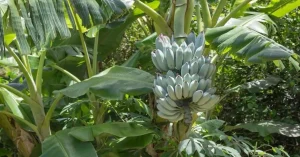
How to Grow Blue Java Banana Trees: A Beginner’s Guide
Have you ever heard of the Blue Java banana tree? If not, you’re in for
28
Jun
Jun
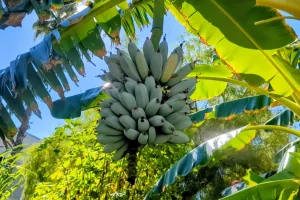
5 Common Blue Java Banana Tree Problems and How to Fix Them
Have you ever looked at your Blue Java banana tree (aka “ice cream banana”) and
19
Jun
Jun
Top 10 Plants for Father’s Day to Honor Dad This Father’s Day
Father’s Day is a special time to show your dad just how much he means
19
Jun
Jun
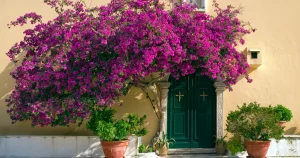
The Comprehensive Guide to Growing Bougainvillea for Colorful Blooms
Have you ever wanted your garden to be filled with brilliant color and tropical energy
19
Jun
Jun
How to Successfully Plant Bare Root Strawberries in Containers
Have you ever wondered about planting strawberries in containers, but aren’t sure where to begin?
11
Jun
Jun
Top 5 Easiest Ornamental Trees to Grow for Beginners
Ever feel overwhelmed by the idea of planting a tree in your yard? You’re not
11
Jun
Jun