Air Plant Tillandsia Pseudobaileyi Live Plant – Unique Indoor Tillandsia


Air Plant Tillandsia Pseudobaileyi Live Plant – Unique Indoor Tillandsia
Bring natural charm to your home with the unique Air Plant Tillandsia Pseudobaileyi. This stunning live air plant requires no soil, making it a versatile and low-maintenance choice for any interior. Perfect for beginners and experienced plant enthusiasts alike.
$8.00

With our Alive & Thrive Guarantee, we’ve got your back for the first 30 days! If you have any concerns about your plants, just reach out to us. Our team is here to help answer your questions and guide you in selecting the best plants for your garden, climate, and unique preferences. We're excited to help you create the garden of your dreams!
Estimated arrival
Aug 21
Aug 26 - Aug 28
Aug 31 - Sep 04
Product Details
-
USDA Hardiness Zone
unknown (indoor plant) -
Soil type
no soil required -
Sunlight Exposure
bright indirect light -
Expected Planting Period
year-round indoors
Overview
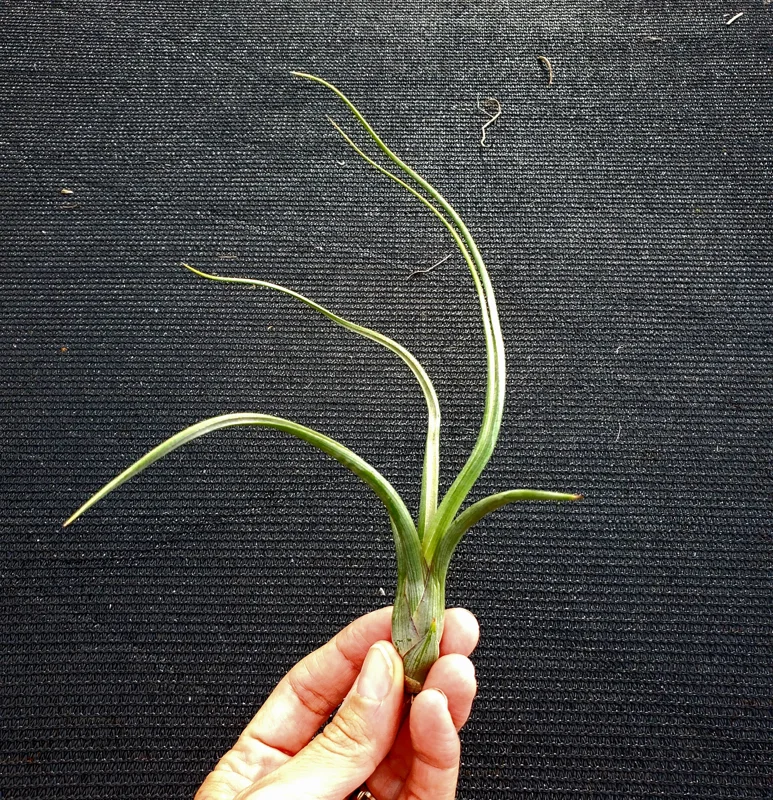
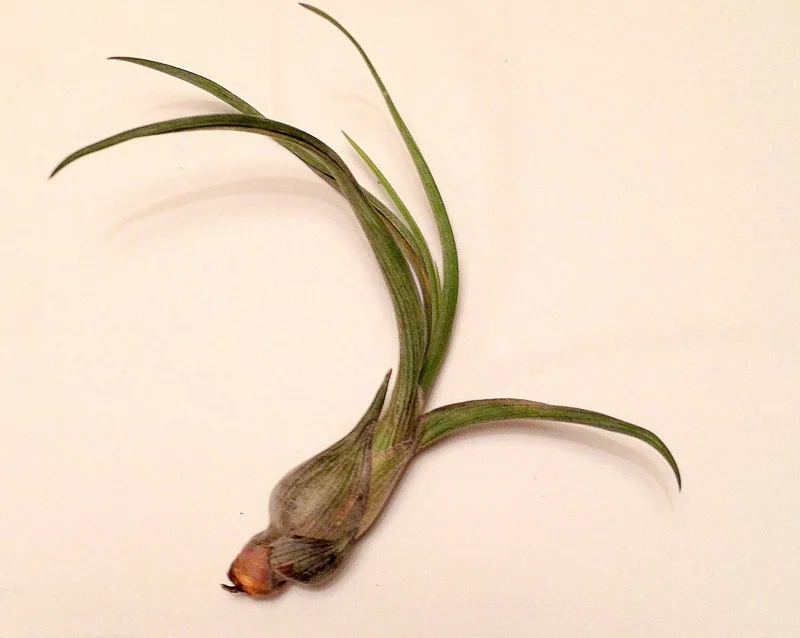
Introducing the captivating Air Plant Tillandsia Pseudobaileyi, a truly unique and fascinating addition to any plant collection. This particular species, often referred to as ‘Pseudobaileyi’ or sometimes mistakenly as ‘baylii’, is a distinctive form of Tillandsia known for its robust, bulbous base and graceful, arching leaves. As a live air plant, it thrives without soil, drawing all its necessary nutrients and moisture directly from the air and occasional watering. Its striking form and ease of care make it an ideal choice for both novice plant parents and seasoned collectors looking to expand their indoor botanic displays. Each Air Plant Tillandsia Pseudobaileyi specimen is a living sculpture, offering a touch of natural elegance and intrigue to terrariums, display shelves, or hanging arrangements. Experience the joy of growing an indoor air plant that is as resilient as it is beautiful.
Key Benefits
The Air Plant Tillandsia Pseudobaileyi offers numerous advantages, making it a popular choice for enhancing indoor environments. Its unique characteristics contribute to its appeal and ease of integration into various decor styles. This particular live air plant is not just a decorative item; it’s a living, breathing piece of nature that brings tranquility and beauty to your space.
- Low Maintenance: Unlike traditional potted plants, the Air Plant Tillandsia Pseudobaileyi requires no soil, significantly reducing the effort needed for care. Simply soak or mist regularly, and ensure good air circulation. This makes it an excellent option for busy individuals or those new to plant care.
- Versatile Decor: Its unique, sculptural form allows it to be displayed in a multitude of creative ways. From terrariums and wall mounts to decorative bowls, the Pseudobaileyi plant can adapt to various aesthetic settings, adding a touch of natural artistry.
- Air Purification: Like many plants, Tillandsias contribute to a healthier indoor environment by absorbing carbon dioxide and releasing oxygen, helping to refresh the air in your home or office.
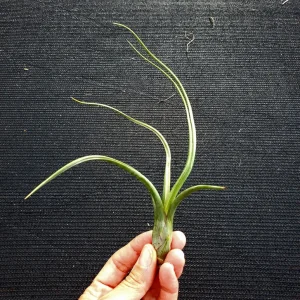
- Unique Appearance: The distinct bulbous base and elegant, often curly leaves of the Air Plant Tillandsia Pseudobaileyi make it a standout specimen, providing visual interest and a conversation starter. Each plant possesses its own unique character.
- Space-Saving: Due to its soil-free nature, this live air plant is perfect for small spaces, apartments, or offices where traditional potted plants might take up too much room. It can be hung, placed on small surfaces, or integrated into minimalist designs.
- Pet-Friendly: Tillandsias are generally considered non-toxic to pets, making the Air Plant Tillandsia Pseudobaileyi a safer choice for households with curious cats or dogs compared to some other houseplants.
Plant Care & Growing Tips
Caring for your Air Plant Tillandsia Pseudobaileyi is surprisingly simple once you understand its basic needs. As an epiphyte, it naturally grows on other plants or structures, drawing moisture and nutrients from the air. The key to successful Tillandsia care is providing adequate hydration and good air circulation. For watering, aim to soak your Pseudobaileyi plant in room-temperature water for 20-30 minutes once a week. After soaking, gently shake off excess water and allow the plant to dry completely in a well-ventilated area before returning it to its display spot. This drying period is crucial to prevent rot. In drier climates or during warmer months, you may need to mist your plant 2-3 times a week between soaks.
When it comes to light, the Air Plant Tillandsia Pseudobaileyi thrives in bright, indirect light. Avoid direct, intense sunlight, especially during the hottest parts of the day, as this can scorch the leaves. An east or north-facing window is often ideal, or a few feet away from a south or west-facing window. Good air circulation is paramount for the health of your live air plant; stagnant air can lead to rot. Ensure your plant is in an area with some air movement, but avoid placing it directly in front of a strong fan or air conditioning vent. Fertilization is not strictly necessary, but a diluted air plant-specific fertilizer can be used once a month during the growing season to encourage blooming and overall vigor. Maintain indoor temperatures between 60-80°F (15-27°C) for optimal growth. This indoor air plant is sensitive to freezing temperatures, so keep it away from cold drafts.
Size & Details
The Air Plant Tillandsia Pseudobaileyi typically grows to a moderate size, making it suitable for a variety of display options. While individual plants will vary, they usually reach a height of approximately 4-8 inches with a similar spread, forming a charming, compact specimen. The unique bulbous base can be several inches in diameter, from which a rosette of stiff, often curly, green leaves emerges. Each plant is shipped as a healthy, mature specimen, ready to be displayed and enjoyed immediately. As a live air plant, it will continue to grow and may eventually produce offsets, known as ‘pups’, which can be separated to propagate new plants. The time to bloom can vary, but with proper Tillandsia care, you can expect beautiful, often colorful inflorescences to emerge, adding another layer of beauty to this already stunning species.
Frequently Asked Questions
- Q: How big does the Air Plant Tillandsia Pseudobaileyi get? A: This air plant typically reaches a height of 4-8 inches, with a similar spread, making it a medium-sized specimen suitable for various displays.
- Q: Is this an indoor or outdoor plant? A: The Air Plant Tillandsia Pseudobaileyi is primarily an indoor air plant in most climates. It can be placed outdoors in shaded areas during warm, humid weather, but must be brought inside when temperatures drop below 50°F (10°C).
- Q: How much sunlight does it need? A: It thrives in bright, indirect light. Avoid direct, harsh sunlight which can burn its leaves. An east or north-facing window is usually ideal.
- Q: Is this plant easy to care for? A: Yes, the Air Plant Tillandsia Pseudobaileyi is considered relatively easy to care for, especially for its unique nature. The main requirements are consistent watering (soaking) and good air circulation.
- Q: What condition will the live air plant arrive in? A: Your live air plant will arrive as a healthy, vibrant specimen, carefully packaged to ensure its safe journey. It will be ready for display upon arrival.
- Q: How often should I water my Pseudobaileyi plant? A: A good rule of thumb is to soak your plant in water for 20-30 minutes once a week. In very dry environments, you might also mist it 2-3 times a week between soakings.
- Q: Does the Air Plant Tillandsia Pseudobaileyi need soil? A: No, this is an epiphyte, meaning it grows without soil. It absorbs nutrients and moisture directly from the air and through its leaves.
- Q: What is the best way to display this indoor air plant? A: It can be displayed in terrariums, on decorative stands, attached to driftwood, or nestled in small decorative bowls. Ensure good air flow around the plant.
- Q: Will my Air Plant Tillandsia Pseudobaileyi bloom? A: With proper Tillandsia care, your plant can bloom, producing a colorful inflorescence. The timing of blooms can vary based on growing conditions and the plant’s maturity.
- Q: Is this plant pet-safe? A: Yes, Tillandsias are generally considered non-toxic to pets, making the Air Plant Tillandsia Pseudobaileyi a safe choice for homes with animals.
Related products
-30%
Original price was: $25.98.$18.18Current price is: $18.18.
-25%
Original price was: $33.90.$25.42Current price is: $25.42.
-30%
Original price was: $129.98.$90.98Current price is: $90.98.
-30%
Original price was: $129.98.$90.98Current price is: $90.98.
-36%
Original price was: $39.00.$25.00Current price is: $25.00.
PLANTING & CARE
How to Grow and Care Pequin Peppers
If you’re a chili enthusiast who loves a fiery kick in a small package, you
17
Aug
Aug
How to Grow Persian Silk Trees Easily in Your Garden
If you’re looking for a tree that brings a soft, tropical feel to your garden,
04
Aug
Aug
How to Grow Blue Java Banana Trees: A Beginner’s Guide
Have you ever heard of the Blue Java banana tree? If not, you’re in for
28
Jun
Jun
5 Common Blue Java Banana Tree Problems and How to Fix Them
Have you ever looked at your Blue Java banana tree (aka “ice cream banana”) and
19
Jun
Jun
Top 10 Plants for Father’s Day to Honor Dad This Father’s Day
Father’s Day is a special time to show your dad just how much he means
19
Jun
Jun

The Comprehensive Guide to Growing Bougainvillea for Colorful Blooms
Have you ever wanted your garden to be filled with brilliant color and tropical energy
19
Jun
Jun
How to Successfully Plant Bare Root Strawberries in Containers
Have you ever wondered about planting strawberries in containers, but aren’t sure where to begin?
11
Jun
Jun
Top 5 Easiest Ornamental Trees to Grow for Beginners
Ever feel overwhelmed by the idea of planting a tree in your yard? You’re not
11
Jun
Jun