Akebia Quinata Chocolate Vine Live Plant – Perennial Vine – 2.5 Inch Pot – Outdoor
-50%
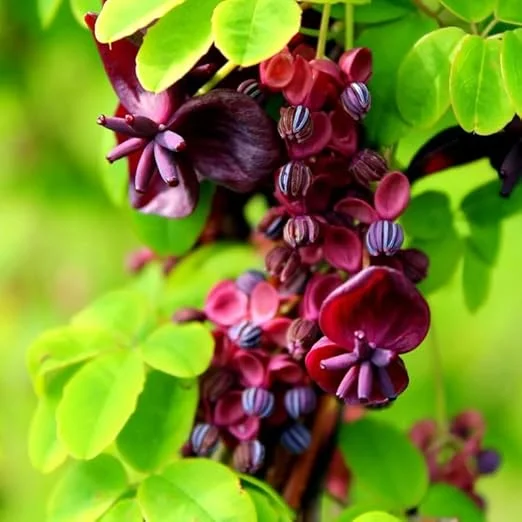
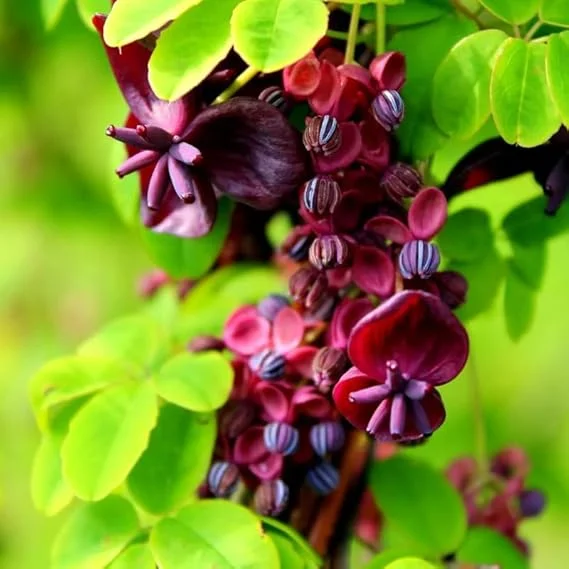
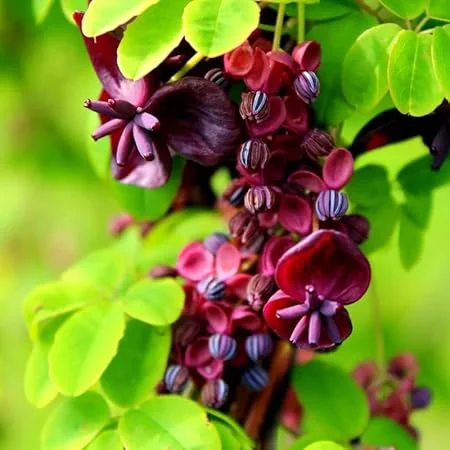
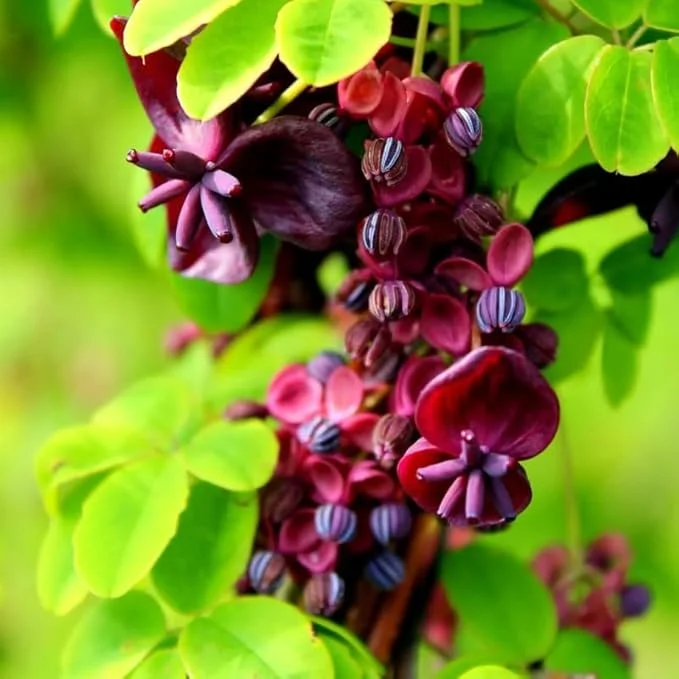
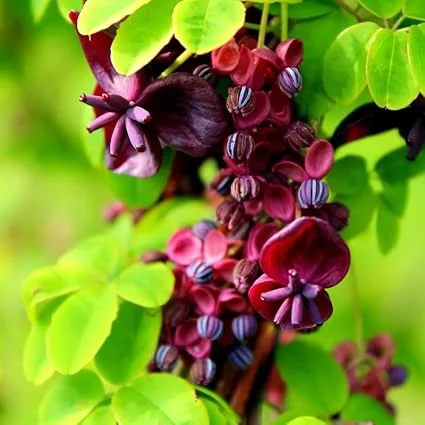
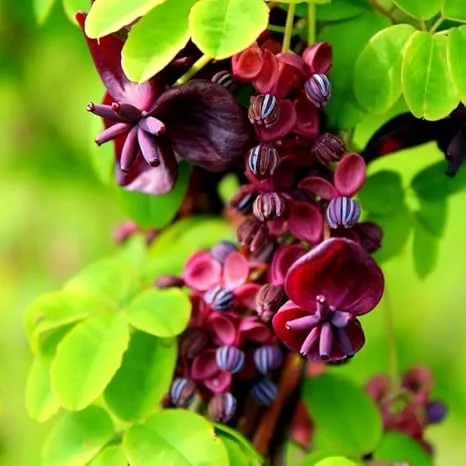
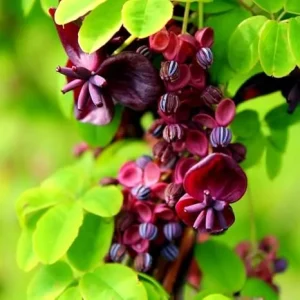
Akebia Quinata Chocolate Vine Live Plant – Perennial Vine – 2.5 Inch Pot – Outdoor
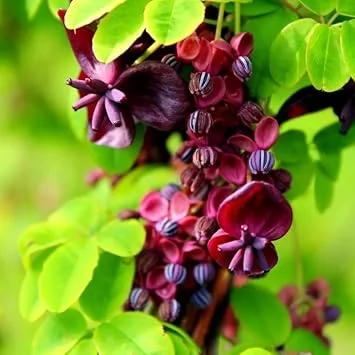
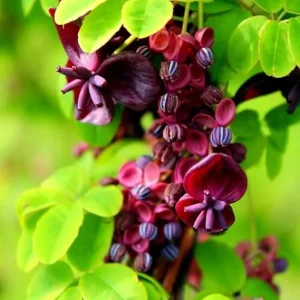
Bring the unique beauty of the chocolate vine live plant to your garden. This vigorous akebia quinata care perennial vine is known for its fragrant, chocolate-scented flowers and attractive foliage. Ideal for trellises, fences, or ground cover, it thrives in USDA zones 4-8. Comes in a 2.5 inch pot, ready for planting to establish a stunning display.
Original price was: $69.98.$34.99Current price is: $34.99.

With our Alive & Thrive Guarantee, we’ve got your back for the first 30 days! If you have any concerns about your plants, just reach out to us. Our team is here to help answer your questions and guide you in selecting the best plants for your garden, climate, and unique preferences. We're excited to help you create the garden of your dreams!
Estimated arrival
Apr 13
Apr 18 - Apr 20
Apr 23 - Apr 27
Product Details
-
USDA Hardiness Zone
USDA zones 4 to 8 -
Soil type
Well-drained soil -
Sunlight Exposure
Full sun to partial sun -
Expected Planting Period
Spring to early fall
Overview
Introducing the captivating chocolate vine live plant (Akebia quinata), a vigorous and ornamental perennial vine that adds unique charm to any garden. Known for its distinctive chocolate-scented flowers, this plant is a true conversation starter. Originating from East Asia, the Akebia quinata, often simply called Chocolate Vine, is a fast-growing plant that can quickly cover arbors, pergolas, fences, or even serve as an attractive groundcover. This particular offering is a healthy, established live plant, cultivated in a 2.5-inch nursery pot, ensuring a robust start in your garden. Its lush foliage and intriguing blooms make it a favored choice for gardeners seeking something out of the ordinary.
The chocolate vine live plant is highly adaptable and relatively easy to care for, making it suitable for both experienced gardeners and those new to cultivating flowering vines. It’s a deciduous to semi-evergreen vine, depending on your climate, providing interest for much of the year. Beyond its aromatic flowers, the Akebia quinata also produces edible, sausage-shaped fruits in warmer climates, adding another layer of appeal. If you’re looking to create a visually stunning and fragrant landscape feature, the growing akebia quinata is an excellent choice that promises to transform your outdoor space.
Key Benefits
The chocolate vine live plant offers a multitude of benefits, making it a valuable addition to diverse garden settings. Its vigorous growth and unique features contribute significantly to landscape aesthetics and ecological health.
- Unique Fragrance: Enjoy the delightful, subtle chocolate-like scent emitted by its small, brownish-purple flowers, particularly noticeable in spring. This unusual aroma sets it apart from many other flowering vines.
- Rapid Growth & Coverage: As a fast-growing perennial vine, it quickly establishes itself and provides excellent coverage for fences, walls, arbors, and pergolas, creating lush green screens or shaded areas efficiently.
- Attractive Foliage: The distinctive palmate leaves, typically composed of five oval leaflets, offer an elegant texture and color that remains appealing throughout the growing season, often turning bronze in cooler temperatures.
- Edible Fruit Production: In suitable climates and with proper pollination, the Akebia quinata can produce intriguing, sausage-shaped, purplish fruits that are edible and have a sweet, melon-like pulp, adding an unusual culinary element to your garden.
- Low Maintenance: Once established, the chocolate vine live plant is remarkably resilient and requires minimal intervention, tolerating a range of soil conditions and exhibiting good drought resistance. This makes akebia quinata care relatively straightforward.
- Versatile Landscaping Use: Whether you need a climbing plant to adorn a structure, a dense groundcover to suppress weeds, or an accent plant for its unique flowers and fruit, this perennial vine offers great versatility in garden design.
- Hardy Perennial: This robust vine is a hardy perennial, typically thriving in USDA hardiness zones 4 to 8, ensuring it returns year after year with proper winter protection in colder regions.
Plant Care & Growing Tips
Proper akebia quinata care will ensure your chocolate vine live plant flourishes and provides years of beauty. This hardy vine is fairly adaptable but performs best with certain conditions. For sunlight, the Akebia quinata prefers partial to full sun. In regions with hot summers, some afternoon shade can be beneficial to prevent leaf scorch, while in cooler climates, full sun will encourage more vigorous growth and potentially more flowers and fruit. Aim for at least 4-6 hours of direct sunlight per day. It’s a perennial vine for garden that appreciates consistent light.
When it comes to watering, the Chocolate Vine has moderate moisture needs. Keep the soil consistently moist, especially during its establishment period in the first year. Once mature, it becomes more drought-tolerant, but regular watering during dry spells will promote healthier growth and better flowering. Avoid waterlogging, as this can lead to root rot. The ideal soil type is well-drained, fertile soil. It tolerates a range of soil pH levels but thrives in slightly acidic to neutral conditions. Incorporating organic matter at planting time can improve soil structure and fertility, supporting robust chocolate vine planting.
This chocolate vine live plant is cold hardy, thriving in USDA hardiness zones 4 to 8. In colder zones, mulching around the base can provide extra winter protection. Fertilization is generally not heavily required for this vigorous grower. A balanced slow-release fertilizer in early spring can boost growth, but avoid over-fertilizing, which can lead to excessive foliage at the expense of flowers. Pruning is essential to manage its vigorous growth and shape. Prune in late winter or early spring before new growth begins, removing any dead or weak stems and controlling its size and spread. This is a key aspect of effective growing akebia quinata.
Size & Details
This offering is for one healthy chocolate vine live plant, Akebia quinata, supplied in a 2.5-inch nursery pot. The plant is well-rooted and ready for transplanting into your garden or a larger container. At the time of shipment, the plant’s height typically ranges from 4 to 8 inches, featuring established foliage and a robust root system, ensuring a strong start. The perennial vine for garden is expected to grow rapidly once planted, reaching mature lengths of 15 to 30 feet or more, depending on growing conditions and support structures. Its vigorous nature means it can quickly cover large areas.
The Akebia quinata has a moderate to fast growth rate, often putting on several feet of growth in a single season. Expected blooming period typically occurs in early to mid-spring, with the possibility of a second flush in the fall in some climates. The unique, small, brownish-purple flowers will emerge, giving off their signature chocolate-like scent. The plant will be shipped securely, ensuring it arrives in optimal condition, ready for your successful chocolate vine planting.
Frequently Asked Questions
- Q: How big does this chocolate vine live plant get? A: The chocolate vine live plant is a vigorous grower and can reach lengths of 15 to 30 feet or more, depending on the growing conditions and the support structure provided. Regular pruning can help manage its size.
- Q: What size pot does it come in? A: This chocolate vine live plant is shipped in a 2.5-inch nursery pot, providing a healthy root system ready for transplanting.
- Q: Is this an indoor or outdoor plant? A: The Akebia quinata is primarily an outdoor perennial vine for garden use, thriving in USDA hardiness zones 4 to 8. It is not typically grown as an indoor houseplant due to its vigorous growth and light requirements.
- Q: How much sunlight does it need for optimal akebia quinata care? A: This plant prefers partial to full sun, meaning at least 4-6 hours of direct sunlight daily. In very hot climates, some afternoon shade can be beneficial to prevent leaf burn.
- Q: Is this plant easy to care for? A: Yes, the chocolate vine live plant is considered relatively easy to care for. Once established, it is quite resilient and tolerant of various conditions, making akebia quinata care suitable for gardeners of all experience levels.
- Q: What condition will it arrive in? A: Your chocolate vine live plant will arrive as a healthy, live plant in a 2.5-inch pot, carefully packaged to ensure its safe journey and ready for planting.
- Q: How long until it blooms? A: The chocolate vine live plant typically begins blooming in early to mid-spring, usually within the first one to two years after planting, once it has established itself in your garden.
- Q: When is the best time for chocolate vine planting? A: The best time for chocolate vine planting is in spring or early fall, allowing the plant to establish its root system before extreme summer heat or winter cold.
- Q: Will it survive winter in my zone? A: The Akebia quinata is hardy in USDA zones 4 to 8. In zone 4, it may die back to the ground in winter but will typically regrow from the roots in spring. In warmer zones, it may retain some foliage.
- Q: Does this plant produce edible fruit? A: Yes, in suitable climates and with proper pollination, the chocolate vine live plant can produce edible, sausage-shaped fruits with a sweet, jelly-like pulp.
Related products
-20%

Original price was: $36.00.$28.80Current price is: $28.80.
-20%

Original price was: $70.00.$56.00Current price is: $56.00.
-50%
Original price was: $85.98.$42.99Current price is: $42.99.
-67%
Original price was: $62.22.$20.74Current price is: $20.74.
-10%
Original price was: $19.99.$17.99Current price is: $17.99.
-67%
Original price was: $66.72.$22.24Current price is: $22.24.
PLANTING & CARE

Growing Glencoe Raspberry: A Complete Guide for Gardeners
If you’re looking to add something unique to your garden, look no further than the
31
Mar
Mar

The Comprehensive Guide to Growing Bay Leaf Plants for a Flavorful Garden
Imagine stepping into your garden, greeted by the earthy aroma of fresh bay leaves, their
09
Feb
Feb

How to Make Comfrey Tea: The Ultimate Organic Plant Food
Growing an organic garden can be surprisingly expensive, especially when most store-bought fertilizers come in
02
Feb
Feb

True Comfrey: 7 Essential Tips Before You Plant This Herb
A staple in permaculture practices across the US, True Comfrey easily earns its reputation as
27
Jan
Jan

7 Heart-Shaped Plants for a Lasting Valentine’s Gift
If you’ve ever bought a bouquet of roses for Valentine’s Day, you know they are
26
Jan
Jan

Best Types of Ivy Plant for Houses: How to Choose the Perfect Ones for Your Home
Are you a garden lover looking to introduce some greenery into your home? Maybe you’ve
14
Nov
Nov

When to Harvest Garlic (Especially Fall-Planted Garlic)
TIMING IS EVERYTHING, they say – and for garlic, that truth hits with surprising accuracy.
13
Nov
Nov

11 of the Best Sweet Potato Varieties to Grow for Your Garden
If you’ve ever tried growing sweet potatoes, you know that picking the right variety can
12
Nov
Nov