Allium Chinense Bulbs – Rakkyo Japanese Scallion – 3 Roots Herbal Plant
-50%
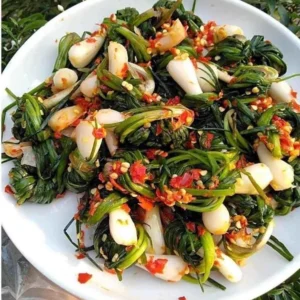
Allium Chinense Bulbs – Rakkyo Japanese Scallion – 3 Roots Herbal Plant
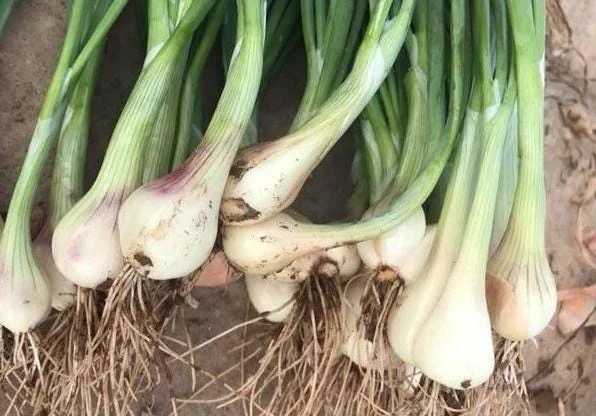
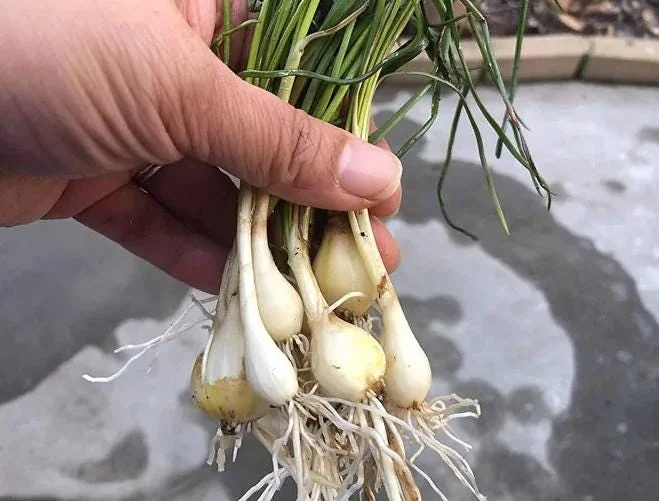
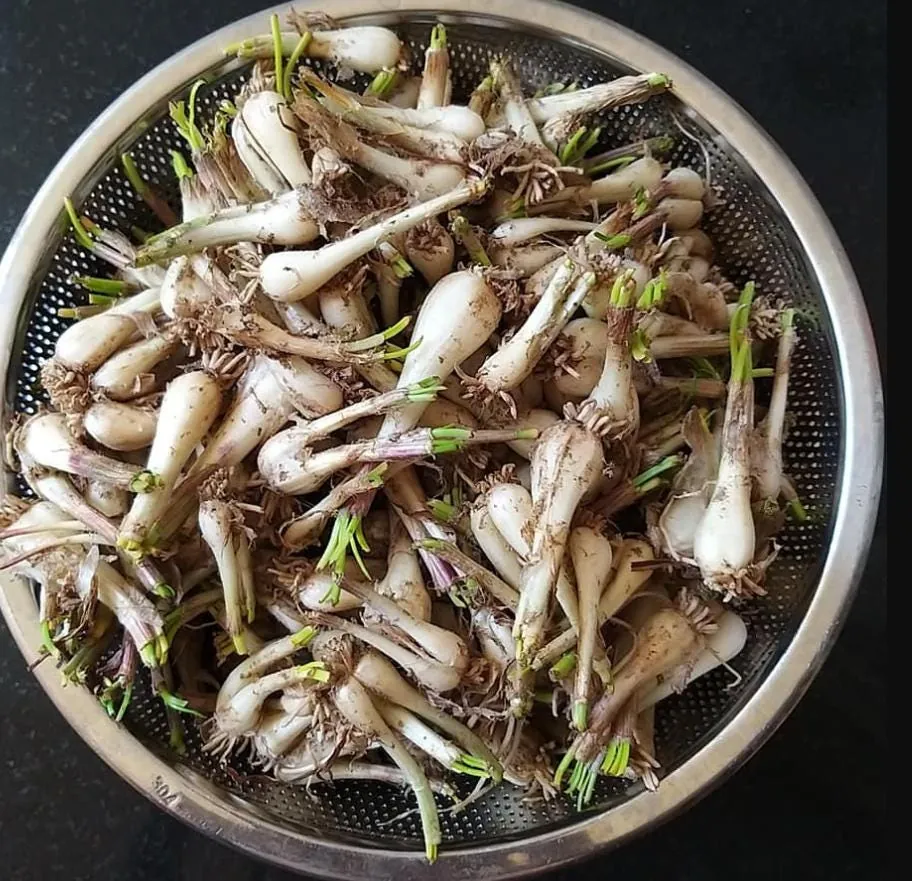
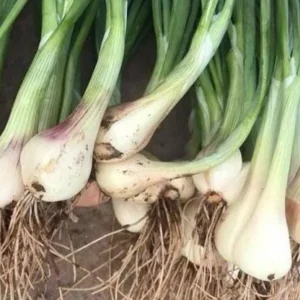
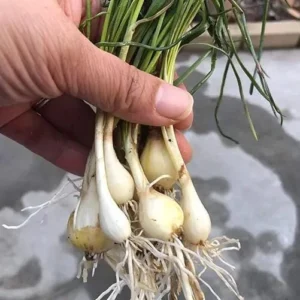
Cultivate your own flavorful allium chinense bulbs, commonly known as Rakkyo Japanese Scallion. These versatile bulbs grow into attractive plants with edible parts, ideal for culinary gardens. Enjoy their small, shallot-like bulbs and grass-like leaves.
Original price was: $19.96.$9.98Current price is: $9.98.

With our Alive & Thrive Guarantee, we’ve got your back for the first 30 days! If you have any concerns about your plants, just reach out to us. Our team is here to help answer your questions and guide you in selecting the best plants for your garden, climate, and unique preferences. We're excited to help you create the garden of your dreams!
Estimated arrival
Apr 02
Apr 07 - Apr 09
Apr 12 - Apr 16
Product Details
-
USDA Hardiness Zone
USDA zones 6-9 -
Soil type
Well-draining, fertile soil -
Sunlight Exposure
Full sun to partial shade -
Expected Planting Period
Late summer to early fall
Overview
Bring the unique flavor and charm of allium chinense bulbs to your garden. Commonly known as Rakkyo or Japanese Scallion, these perennial herbaceous plants are cherished for their small, pearly white to purple bulbs and delicate grass-like foliage. Our allium chinense bulbs offer a delightful addition to both ornamental and edible landscapes, providing a subtle onion-garlic flavor that can enhance a variety of dishes. Originating from East Asia, this plant is also known as Cu Kieu Hue in some regions, highlighting its widespread appeal and traditional uses. Whether you’re an experienced gardener or just starting, growing rakkyo japanese scallion is a rewarding experience, yielding both beauty and delicious ingredients.
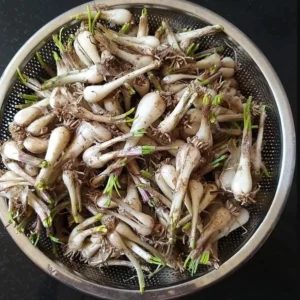
These particular bulbs are sourced as 3 roots, providing a robust start to your cultivation. The allium chinense bulbs are easy to establish and will quickly develop into mature plants, ready for harvest. Their distinctive appearance and culinary versatility make them a must-have for anyone interested in growing unique edible plants. Experience the joy of harvesting fresh herbal plant bulbs right from your backyard, bringing exotic flavors to your kitchen.
Key Benefits
Growing allium chinense bulbs offers a multitude of benefits, from enhancing your culinary creations to adding aesthetic appeal to your garden. These robust plants are an excellent choice for gardeners seeking both utility and beauty.
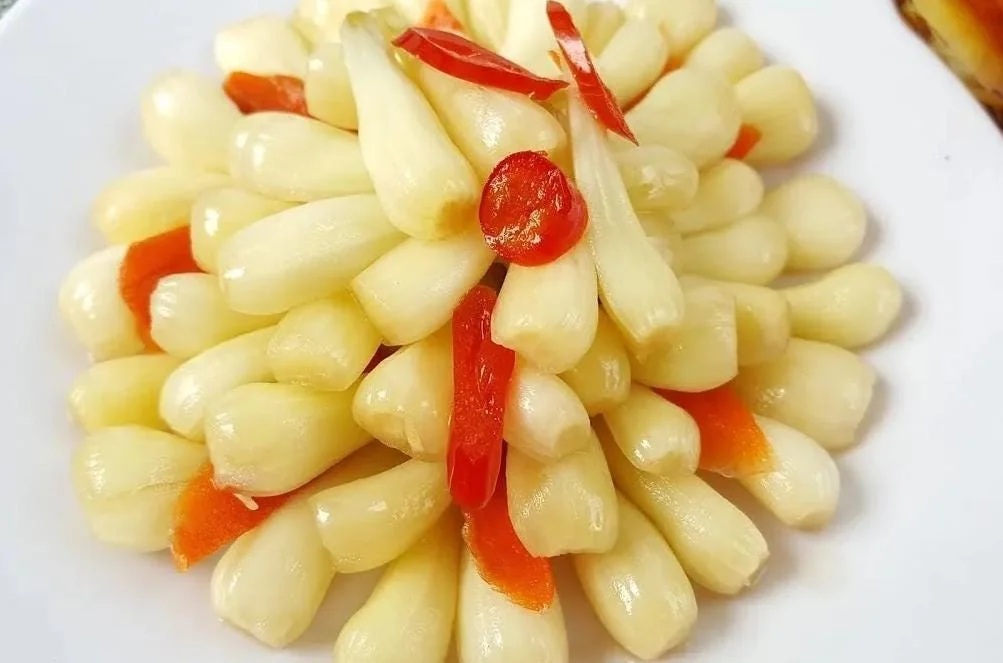
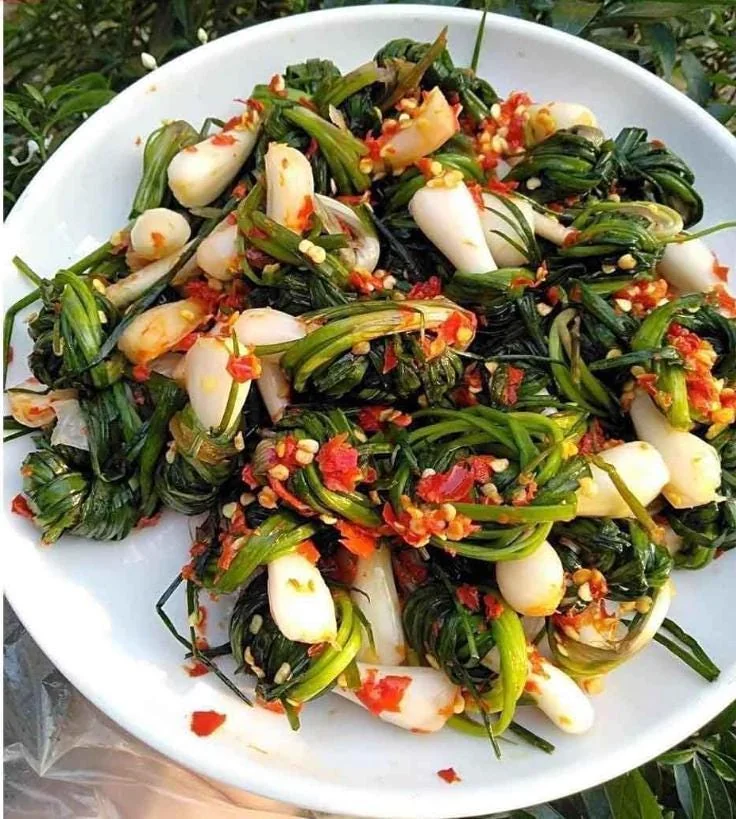
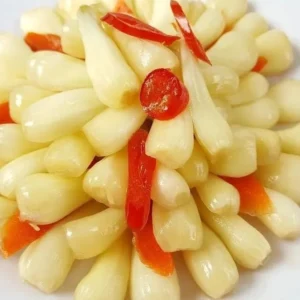
- Culinary Versatility: The small, crisp bulbs of rakkyo japanese scallion are highly prized in Asian cuisine. They can be pickled, stir-fried, or used fresh in salads, offering a mild, sweet onion-garlic flavor. The young leaves are also edible, similar to chives.
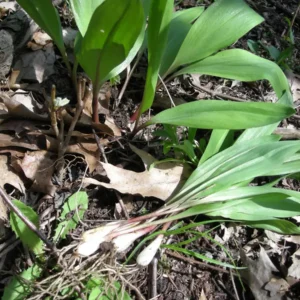
- Attractive Foliage: The hollow, grass-like green leaves provide an attractive texture in the garden, resembling delicate scallions. They maintain their vibrant color throughout the growing season, adding visual interest.
- Low Maintenance: Once established, allium chinense bulbs are remarkably easy to care for, requiring minimal attention. They are relatively pest-resistant and tolerant of various soil conditions, making them ideal for busy gardeners.
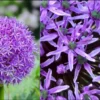
- Beautiful Blooms: In late summer to early fall, these plants produce spherical clusters of small, star-shaped white or light purple flowers. These delicate blooms are not only pretty but also attract pollinators to your garden.
- Perennial Growth: As a perennial, cu kieu hue plant will return year after year, providing a continuous supply of delicious bulbs and leaves without the need for replanting annually. This makes them a sustainable and cost-effective garden choice.
- Herbal Plant Benefits: Beyond their culinary uses, alliums are known for potential health benefits. Incorporating these herbal plant bulbs into your diet can contribute to overall wellness.
- Garden Aesthetics: Their upright growth habit and delicate flowers make them suitable for borders, rock gardens, or container planting, adding a unique touch to your garden design.
Plant Care & Growing Tips
Caring for your allium chinense bulbs is straightforward, ensuring a bountiful harvest and beautiful garden display. These resilient plants thrive with basic attention and the right growing conditions.
Sunlight Requirements: Rakkyo japanese scallion prefers full sun to partial shade. Aim for at least 6 hours of direct sunlight per day for optimal bulb development and flowering. In hotter climates, some afternoon shade can prevent scorching of the leaves. For indoor cultivation, place them in a south-facing window or under grow lights to ensure adequate light exposure.
Watering Schedule and Soil Moisture: Water regularly, especially during dry spells, to keep the soil consistently moist but never waterlogged. Allow the top inch of soil to dry out between waterings. Overwatering can lead to bulb rot, so good drainage is crucial. Reduce watering as the plant enters dormancy after flowering.
Soil Type and Drainage Requirements: These allium chinense bulbs thrive in well-draining, fertile soil with a pH between 6.0 and 7.0. A sandy loam enriched with organic matter is ideal. If you have heavy clay soil, amend it with compost and sand to improve drainage. Good drainage is paramount to prevent bulb diseases.
Temperature Range and USDA Hardiness Zone: Cu kieu hue plant is generally hardy in USDA Zones 6-9. They can tolerate light frosts but may require protection in colder zones. In regions with harsh winters, consider mulching or growing them in containers that can be moved indoors. They prefer moderate temperatures for growth, typically between 60-75°F (15-24°C).
Fertilization Schedule and Type: Fertilize lightly in early spring with a balanced, all-purpose granular fertilizer or a slow-release organic fertilizer. Avoid excessive nitrogen, which can promote leafy growth at the expense of bulb development. A liquid feed every 4-6 weeks during the growing season can also be beneficial for these herbal plant bulbs.
Common Problems and Solutions: Alliums are generally pest-resistant. However, watch out for onion thrips or allium leaf miner. Treat with organic insecticides like neem oil if necessary. Fungal diseases like white rot can occur in poorly drained soil; ensure proper soil conditions to prevent this. Good air circulation also helps prevent fungal issues.
Size & Details
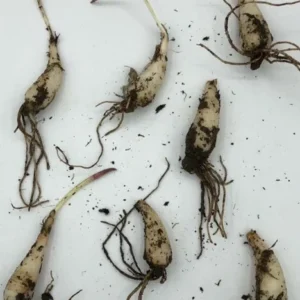
Our offering includes 3 allium chinense bulbs (roots), providing a strong foundation for establishing these delightful plants in your garden. Each bulb is carefully selected to ensure viability and healthy growth. These plants typically grow to a height of 12-18 inches (30-45 cm) with a spread of about 6-10 inches (15-25 cm), forming attractive clumps over time. The small, shallot-like bulbs are usually 0.5 to 1 inch (1.2-2.5 cm) in diameter when mature, perfect for culinary use.
These rakkyo japanese scallion bulbs are shipped in a dormant state, ready for planting upon arrival. They typically take 2-3 months to establish and start producing harvestable leaves, with bulbs maturing by late summer or early autumn. Expect flowering to occur in late summer to early fall, adding a delicate beauty to your garden. With proper care, your edible allium plants will multiply, allowing for future harvests and expansion of your growing area.
Frequently Asked Questions
- Q: How big does this plant get? A: Allium chinense bulbs typically grow to a height of 12-18 inches (30-45 cm) with a spread of 6-10 inches (15-25 cm). The bulbs themselves are small, usually 0.5 to 1 inch in diameter.
- Q: Is this an indoor or outdoor plant? A: Rakkyo can be grown both indoors and outdoors. Outdoors, they thrive in USDA Zones 6-9. Indoors, they can be grown year-round with adequate sunlight and proper care, making them a versatile edible allium.
- Q: How much sunlight does it need? A: For best results, rakkyo japanese scallion needs at least 6 hours of direct sunlight per day. It can tolerate partial shade, especially in hotter climates, but full sun encourages better bulb development.
- Q: Is this plant easy to care for? A: Yes, allium chinense bulbs are considered relatively easy to care for. They are low-maintenance once established, making them suitable for beginner gardeners and those with busy schedules.
- Q: What condition will it arrive in? A: Your allium chinense bulbs will arrive as 3 roots in a dormant or semi-dormant state, ready for planting. They are carefully packaged to ensure they reach you in optimal condition for successful growth.
- Q: Can I use rakkyo japanese scallion in cooking? A: Absolutely! The bulbs are a culinary delicacy, often pickled, stir-fried, or used fresh. The young leaves can also be harvested and used like chives, offering a mild onion-garlic flavor.
- Q: How long until it blooms? A: After planting, allium chinense bulbs typically bloom in late summer to early fall, usually a few months after being established. The flowers are small, white or light purple, and appear in spherical clusters.
- Q: What’s the minimum temperature it can survive? A: These herbal plant bulbs are hardy in USDA Zones 6-9, meaning they can survive temperatures down to about -10°F to 0°F (-23°C to -18°C) with proper mulching. In colder zones, they are best grown in containers and brought indoors for winter.
- Q: What kind of soil is best for cu kieu hue plant? A: Cu kieu hue plant thrives in well-draining, fertile soil. A sandy loam enriched with organic matter is ideal. Good drainage is crucial to prevent bulb rot.
- Q: When is the best time to plant these bulbs? A: The best time to plant allium chinense bulbs is in late summer or early fall, allowing them to establish roots before winter. In warmer climates, they can also be planted in early spring.
Related products
-50%
Original price was: $75.96.$37.98Current price is: $37.98.
-35%
Original price was: $19.90.$12.94Current price is: $12.94.
-50%
Original price was: $79.96.$39.98Current price is: $39.98.
-50%
Original price was: $87.96.$43.98Current price is: $43.98.
-50%

Original price was: $121.98.$60.99Current price is: $60.99.
-60%
Original price was: $69.99.$27.99Current price is: $27.99.
-50%

Original price was: $79.96.$39.98Current price is: $39.98.
PLANTING & CARE
Growing Glencoe Raspberry: A Complete Guide for Gardeners
If you’re looking to add something unique to your garden, look no further than the
31
Mar
Mar

The Comprehensive Guide to Growing Bay Leaf Plants for a Flavorful Garden
Imagine stepping into your garden, greeted by the earthy aroma of fresh bay leaves, their
09
Feb
Feb

How to Make Comfrey Tea: The Ultimate Organic Plant Food
Growing an organic garden can be surprisingly expensive, especially when most store-bought fertilizers come in
02
Feb
Feb

True Comfrey: 7 Essential Tips Before You Plant This Herb
A staple in permaculture practices across the US, True Comfrey easily earns its reputation as
27
Jan
Jan

7 Heart-Shaped Plants for a Lasting Valentine’s Gift
If you’ve ever bought a bouquet of roses for Valentine’s Day, you know they are
26
Jan
Jan

Best Types of Ivy Plant for Houses: How to Choose the Perfect Ones for Your Home
Are you a garden lover looking to introduce some greenery into your home? Maybe you’ve
14
Nov
Nov

When to Harvest Garlic (Especially Fall-Planted Garlic)
TIMING IS EVERYTHING, they say – and for garlic, that truth hits with surprising accuracy.
13
Nov
Nov

11 of the Best Sweet Potato Varieties to Grow for Your Garden
If you’ve ever tried growing sweet potatoes, you know that picking the right variety can
12
Nov
Nov