American Bittersweet Vine – Celastrus scandens – 2 Bare Roots – Outdoor Climbing Plant
-50%
American Bittersweet Vine – Celastrus scandens – 2 Bare Roots – Outdoor Climbing Plant
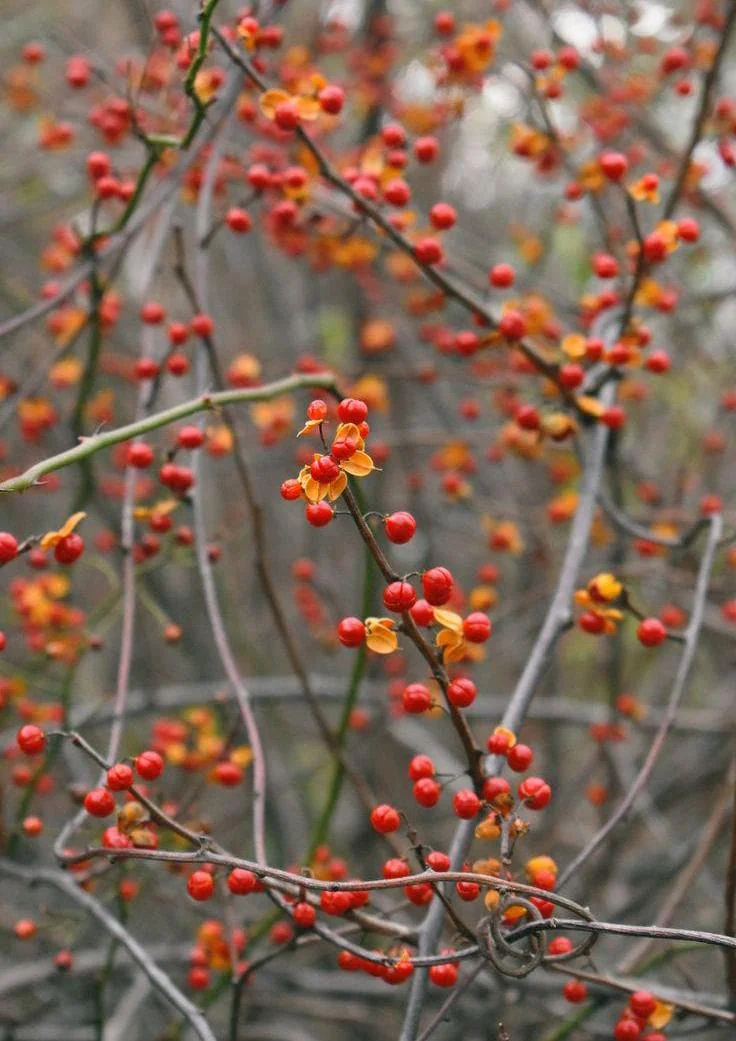
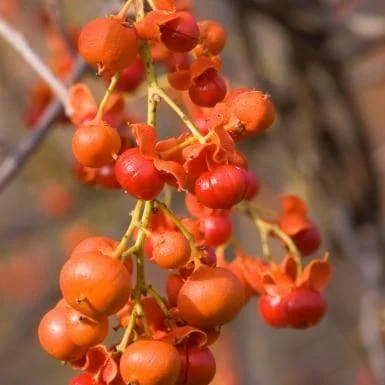
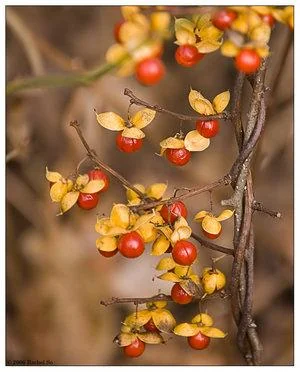
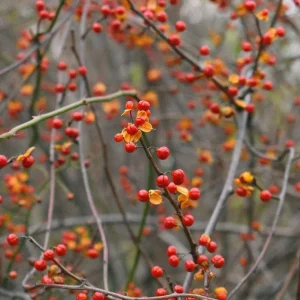
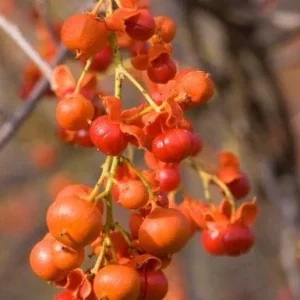
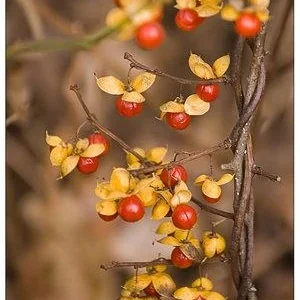
Cultivate a beautiful, native American bittersweet bare root vine (Celastrus scandens) in your garden. This hardy climbing plant offers stunning yellow-orange fruit with showy red seeds in autumn, perfect for seasonal decor and wildlife. You will receive 2 bare roots, ready for planting.
From Original price was: $143.92.$71.96Current price is: $71.96.

With our Alive & Thrive Guarantee, we’ve got your back for the first 30 days! If you have any concerns about your plants, just reach out to us. Our team is here to help answer your questions and guide you in selecting the best plants for your garden, climate, and unique preferences. We're excited to help you create the garden of your dreams!
Estimated arrival
Mar 24
Mar 29 - Mar 31
Apr 03 - Apr 07





Product Details
-
USDA Hardiness Zone
USDA zones 3-8 -
Soil type
Well-draining soil -
Sunlight Exposure
Full sun -
Expected Planting Period
Early spring or fall
Overview
Bring the beauty of a native landscape to your garden with the American bittersweet bare root vine (Celastrus scandens). This deciduous, woody climbing vine is celebrated for its remarkable autumn display, featuring clusters of vibrant yellow-orange capsules that split open to reveal bright scarlet-red seeds. Unlike its invasive Oriental counterpart, Celastrus scandens plant is a responsible and beneficial addition to North American ecosystems, providing food and shelter for local wildlife. Our offering includes 2 bare roots, providing an excellent start for establishing these vigorous and charming plants in your outdoor space. Known for its robust growth and captivating seasonal interest, this vine is a fantastic choice for trellises, fences, or naturalizing areas, ensuring a spectacular show each fall.
The American bittersweet bare root is an ideal choice for gardeners looking to add vertical interest and a splash of color to their fall and winter landscapes. Its twining habit allows it to gracefully ascend various supports, creating a lush green canopy during the growing season before transforming into a cascade of brilliant fruit. For successful fruiting, both male and female plants are necessary, and these bare roots offer a great opportunity to establish a thriving population. Enjoy the natural elegance and ecological benefits that this beautiful native vine brings to any garden setting.
Key Benefits
The American bittersweet bare root offers numerous advantages for any gardener, making it a standout choice for landscaping:
- Stunning Autumn Display: The primary appeal of this vine is its vibrant yellow-orange fruit with striking scarlet-red seeds, which provide exceptional visual interest from late summer through winter, perfect for seasonal decorations.
- Native Plant Benefits: As a native species, Celastrus scandens plant supports local wildlife, providing food for birds and other creatures, contributing to a healthy ecosystem.
- Vigorous Climbing Habit: This robust vine is an excellent choice for covering fences, trellises, arbors, or walls, offering dense foliage during summer and a beautiful fruiting display in cooler months.
- Drought Tolerance: Once established, growing bittersweet is relatively drought-tolerant, requiring less frequent watering compared to many other garden plants.
- Low Maintenance: With proper initial care, this vine is quite hardy and requires minimal ongoing maintenance, making it suitable for busy gardeners.
- Erosion Control: Its extensive root system can help stabilize soil on slopes or embankments, preventing erosion.
- Distinctive Foliage: The alternate, oval-shaped, dark green leaves turn a lovely yellow in the fall, adding another layer of seasonal beauty.
Plant Care & Growing Tips
Caring for your American bittersweet bare root involves understanding its specific needs to ensure robust growth and abundant fruiting. This hardy vine thrives in full sun, meaning at least six hours of direct sunlight per day is ideal for the best fruit production. While it can tolerate partial shade, fruiting may be less prolific. When planting your Celastrus scandens plant bare roots, choose a location with well-draining soil. It is adaptable to various soil types, including sandy, loamy, and clay, but consistently wet or waterlogged conditions should be avoided.
After planting, water regularly to keep the soil consistently moist until the plant is established. Once established, it becomes more tolerant of drier conditions, though occasional deep watering during prolonged dry spells will be beneficial. Pruning is best done in early spring to shape the vine and remove any dead or weak growth. For optimal fruiting, remember that bittersweet vines are dioecious, meaning individual plants are either male or female. To ensure a harvest of those beautiful berries, you will need at least one male plant for every few female plants. If you’re growing bittersweet for its fruit, planting multiple bare roots increases your chances of having both sexes. Ensure you provide a sturdy support structure for this vigorous native climbing vine to twine around as it grows.
Size & Details
This offering includes 2 bare roots of American bittersweet bare root (Celastrus scandens). These bare roots are dormant and ready for planting, offering an economical and effective way to establish this beautiful vine. Once established, the Celastrus scandens plant is a fast-growing vine, typically reaching heights of 15 to 20 feet, though it can extend up to 30 feet or more with adequate support. Its spread can be considerable, often reaching 5 to 10 feet wide, creating a dense and attractive cover. The vigorous growth habit means it will quickly establish itself in your garden, providing a lush green backdrop in summer and a spectacular display of fruit in autumn.
The fruit, which is the main ornamental feature, appears in late summer and persists through winter, providing continuous interest. The plant typically begins to produce fruit a few years after planting. These bare roots are shipped dormant, making them easy to handle and plant upon arrival. They are a resilient choice for adding a beautiful and ecologically beneficial native climbing vine to your landscape.
Frequently Asked Questions
- Q: How big does American bittersweet bare root get? A: This vigorous vine can grow quite large, typically reaching 15 to 20 feet in height, but can extend to 30 feet or more with strong support. Its spread can be 5 to 10 feet.
- Q: Is this an indoor or outdoor plant? A: The Celastrus scandens plant is an outdoor plant, best suited for gardens and landscapes where it can climb and thrive in natural conditions.
- Q: How much sunlight does growing bittersweet need? A: For the best growth and fruit production, American bittersweet prefers full sun, meaning at least 6 hours of direct sunlight daily. It can tolerate partial shade but may fruit less.
- Q: Is this plant easy to care for? A: Yes, once established, American bittersweet is considered a low-maintenance plant. It is hardy and relatively drought-tolerant, making it suitable for gardeners of varying experience levels.
- Q: What condition will the bare roots arrive in? A: The American bittersweet bare root will arrive dormant, which is typical for bare root plants. They will be ready for planting and will begin to sprout once conditions are favorable.
- Q: How long until it produces fruit? A: American bittersweet typically begins to produce fruit a few years after planting. Remember you’ll need both male and female plants for fruiting.
- Q: Will this native climbing vine survive winter in my zone? A: American bittersweet is very cold hardy, typically thriving in USDA hardiness zones 3 through 8, making it suitable for a wide range of climates.
- Q: What kind of soil is best for American bittersweet vine care? A: It prefers well-draining soil and is adaptable to various soil types, including sandy, loamy, and clay. Avoid consistently waterlogged conditions.
- Q: Do I need more than one plant for fruit? A: Yes, American bittersweet is dioecious, meaning you need both a male and a female plant to produce the showy fruit. Planting multiple bare roots increases your chances of getting both sexes.
- Q: When is the best time to plant Celastrus scandens plant bare roots? A: The best time to plant bare roots is in early spring, after the last frost, or in the fall before the ground freezes.
| Size | 12-18'', 18-24'', 2-3', 6-12'' |
|---|
Related products
-30%

Original price was: $39.99.$27.99Current price is: $27.99.
-67%
Original price was: $62.22.$20.74Current price is: $20.74.
-50%


Original price was: $81.98.$40.99Current price is: $40.99.
-67%
Original price was: $59.97.$19.99Current price is: $19.99.
-50%
Original price was: $179.00.$89.50Current price is: $89.50.
-10%
Original price was: $19.99.$17.99Current price is: $17.99.
-75%
From Original price was: $79.96.$19.99Current price is: $19.99.
-67%
Original price was: $50.97.$16.99Current price is: $16.99.
PLANTING & CARE

The Comprehensive Guide to Growing Bay Leaf Plants for a Flavorful Garden
Imagine stepping into your garden, greeted by the earthy aroma of fresh bay leaves, their
09
Feb
Feb

How to Make Comfrey Tea: The Ultimate Organic Plant Food
Growing an organic garden can be surprisingly expensive, especially when most store-bought fertilizers come in
02
Feb
Feb

True Comfrey: 7 Essential Tips Before You Plant This Herb
A staple in permaculture practices across the US, True Comfrey easily earns its reputation as
27
Jan
Jan

7 Heart-Shaped Plants for a Lasting Valentine’s Gift
If you’ve ever bought a bouquet of roses for Valentine’s Day, you know they are
26
Jan
Jan

Best Types of Ivy Plant for Houses: How to Choose the Perfect Ones for Your Home
Are you a garden lover looking to introduce some greenery into your home? Maybe you’ve
14
Nov
Nov

When to Harvest Garlic (Especially Fall-Planted Garlic)
TIMING IS EVERYTHING, they say – and for garlic, that truth hits with surprising accuracy.
13
Nov
Nov

11 of the Best Sweet Potato Varieties to Grow for Your Garden
If you’ve ever tried growing sweet potatoes, you know that picking the right variety can
12
Nov
Nov
Pruning Bougainvillea for Winter
Bougainvillea vines are known for their dazzling display of magenta, orange, and fuchsia bracts that
05
Nov
Nov