American Black Elderberry Seeds – 50 Heirloom Sambucus Canadensis for Gardens & Wildlife
-59%
American Black Elderberry Seeds – 50 Heirloom Sambucus Canadensis for Gardens & Wildlife
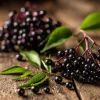
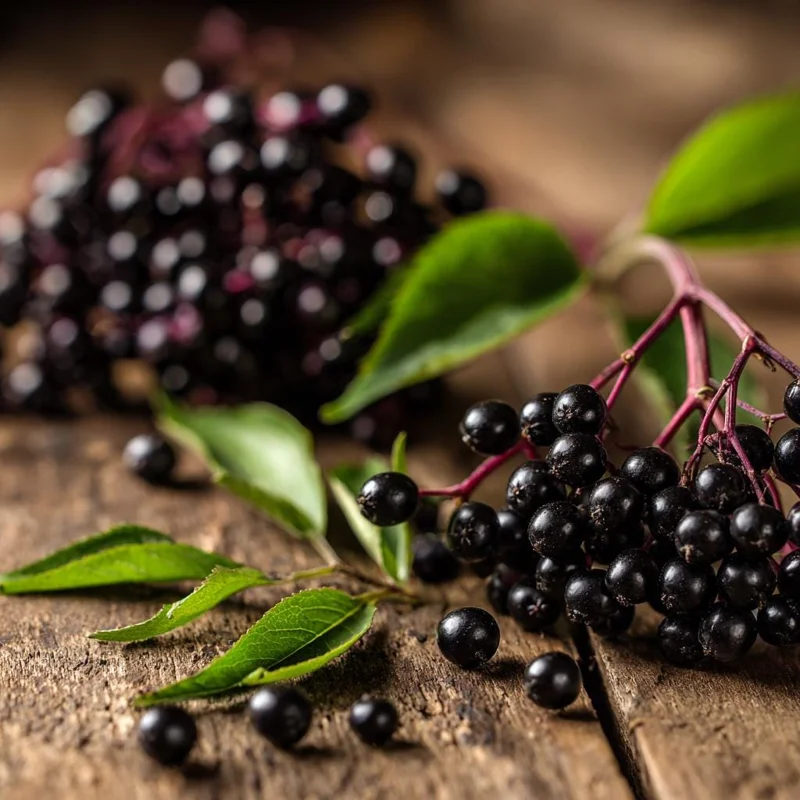
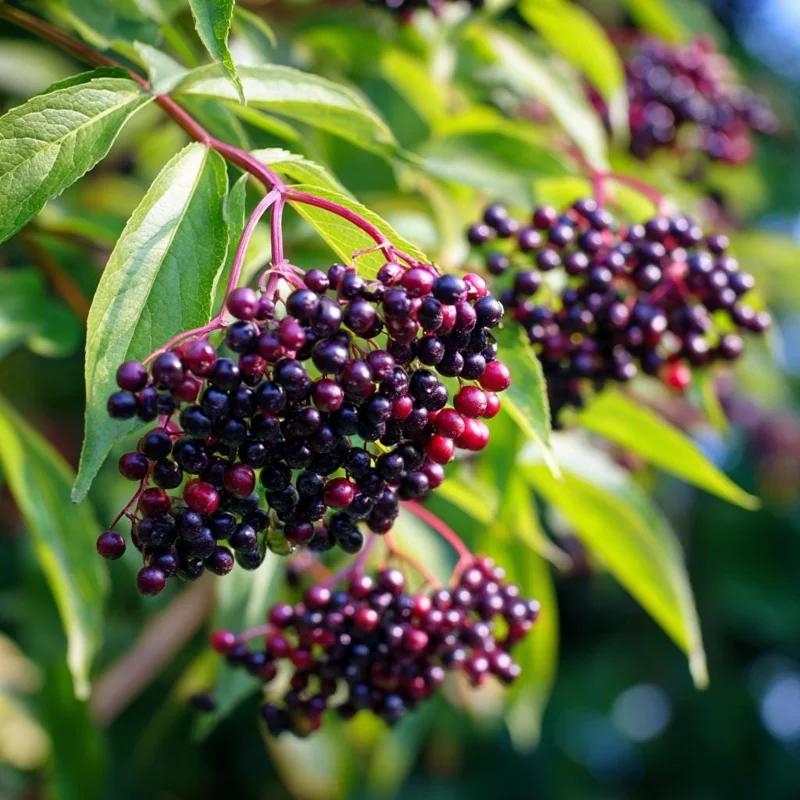
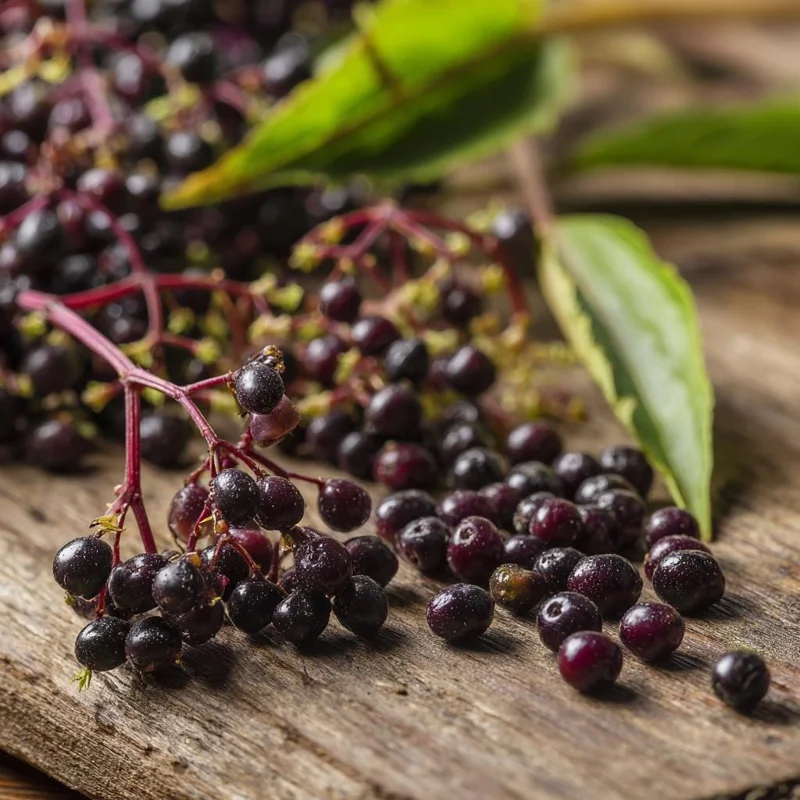
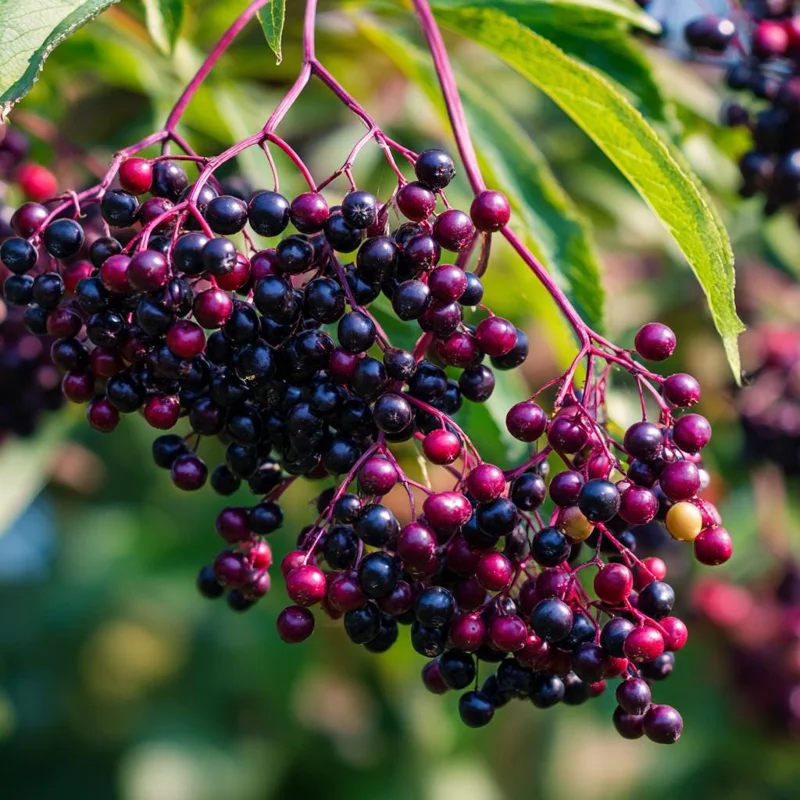
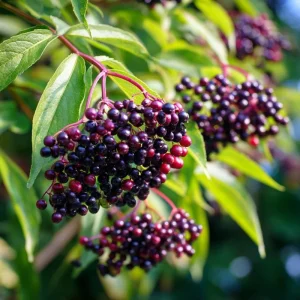
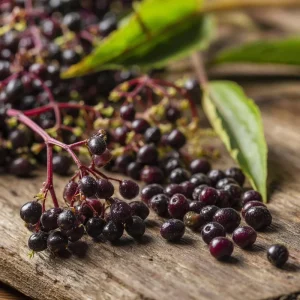
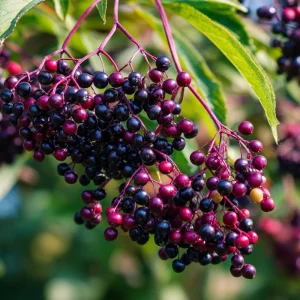
Cultivate your own American Black Elderberry seeds with this pack of 50 heirloom Sambucus canadensis. These seeds produce hardy shrubs known for their fragrant flowers and abundant dark purple berries, ideal for attracting wildlife and making delicious homemade syrups and teas.
Original price was: $33.99.$13.99Current price is: $13.99.

With our Alive & Thrive Guarantee, we’ve got your back for the first 30 days! If you have any concerns about your plants, just reach out to us. Our team is here to help answer your questions and guide you in selecting the best plants for your garden, climate, and unique preferences. We're excited to help you create the garden of your dreams!
Estimated arrival
Apr 12
Apr 17 - Apr 19
Apr 22 - Apr 26



Product Details
-
USDA Hardiness Zone
USDA Zones 3-9 -
Soil type
Moist, well-draining soil -
Sunlight Exposure
Full sun to partial shade -
Expected Planting Period
Late winter to early spring (after stratification)
Overview
Embark on a rewarding gardening journey with our premium pack of American Black Elderberry seeds. Each pack contains 50 heirloom Sambucus canadensis seeds, offering you the opportunity to cultivate this versatile and robust native shrub in your own garden or landscape. The American Black Elderberry seeds are perfect for those looking to add a touch of natural beauty and ecological value to their outdoor spaces. This fast-growing plant is celebrated for its clusters of fragrant white flowers in late spring, which mature into abundant dark purple berries by mid-summer. Beyond its aesthetic appeal, this plant is a cornerstone for local ecosystems, attracting a variety of pollinators and wildlife, including birds and beneficial insects, making it an excellent choice for a biodiverse garden. These heirloom seeds ensure genetic purity and resilience, allowing you to grow a plant that has been cherished for generations for its beauty and utility.
The Sambucus canadensis, commonly known as American Black Elderberry seeds, is a deciduous shrub that can reach heights of 5-12 feet, thriving in a wide range of climates (USDA Zones 3-9). Its adaptability makes it a popular choice for various gardening styles, from formal gardens to wilder, naturalized landscapes and food forests. The berries produced are not only a treat for wildlife but are also highly valued for their traditional use in culinary and wellness applications, such as homemade syrups, jams, pies, and teas. Growing heirloom elderberry seeds allows you to connect with nature and enjoy the fruits of your labor, providing a sustainable source for these nutrient-rich berries right from your backyard. This plant offers a continuous cycle of beauty and bounty throughout the growing season.
Key Benefits
Cultivating American Black Elderberry seeds offers a multitude of advantages for both your garden and your lifestyle. These hardy plants are not only beautiful but also highly functional, providing benefits that span from ecological support to personal well-being. Adding Sambucus canadensis seeds to your garden is an investment in both beauty and sustainability.
- Attracts Pollinators and Wildlife: The fragrant white flowers are a magnet for bees, butterflies, and other essential pollinators, contributing to a vibrant and healthy garden ecosystem. The dark berries provide a crucial food source for various bird species, enhancing biodiversity.
- Culinary Versatility: The abundant dark purple berries are perfect for making a wide array of delicious homemade treats, including elderberry syrups, jams, jellies, pies, and wines. These provide a fresh, local ingredient for your kitchen.
- Supports Wellness: Historically, elderberries have been valued for their natural wellness properties. Growing your own ensures a fresh supply for traditional remedies and healthful recipes directly from your garden.
- Hardy and Adaptable: American Black Elderberry seeds grow into robust shrubs that are remarkably cold-hardy and thrive in a broad range of soil types and light conditions, making them suitable for many regions and garden designs.
- Low Maintenance: Once established, elderberry shrubs are relatively low-maintenance, requiring minimal care to flourish. This makes them an excellent choice for both experienced and novice gardeners.
- Fast Growing: These shrubs establish quickly, providing a rapid return on your planting efforts with beautiful foliage, flowers, and berries within a few seasons.
- Enhances Landscape Appeal: With their attractive foliage, showy flower clusters, and vibrant berries, elderberry plants add significant visual interest and seasonal beauty to any garden or naturalized area.
Plant Care & Growing Tips
Growing American Black Elderberry seeds successfully requires a bit of patience and adherence to specific care instructions, particularly regarding germination. Elderberry seeds exhibit dormancy and require a period of cold stratification to break this dormancy and encourage germination. To begin, mix your heirloom elderberry seeds with a moist medium like sand or peat moss in a sealed plastic bag or container. Refrigerate this mixture for 60 to 90 days at temperatures between 35-40°F (1-4°C). This mimics the natural winter conditions the seeds would experience outdoors, preparing them for spring germination. After stratification, sow the seeds shallowly, about ⅛–¼ inch deep, in a moist seed-starting mix. Germination can be slow and irregular, often taking several weeks to several months, so consistent moisture and warmth are key during this phase. Ensure good air circulation to prevent fungal issues.
Once your Sambucus canadensis seeds have germinated and seedlings develop a few sets of true leaves and strong root systems, transplant them into individual pots. Provide them with a sheltered environment until they are robust enough to be moved outdoors. Plant them in a location that receives full sun to partial shade, ideally at least six hours of direct sunlight daily for optimal fruit production. Elderberries prefer moist, well-drained soil that is rich in organic matter. While adaptable, they perform best in slightly acidic to neutral soils. Water regularly, especially during dry spells and during the plant’s establishment phase, ensuring the soil remains consistently moist but not waterlogged. Mulching around the base of the plants helps retain soil moisture, suppress weeds, and regulate soil temperature, promoting vigorous growth. Provide adequate spacing between plants, typically 6-10 feet apart, to allow for proper air circulation and growth as they mature into large shrubs.
Pruning is essential for maintaining the health and productivity of your elderberry shrubs. In late winter or early spring, before new growth begins, prune out any dead, damaged, or weak canes. You can also remove older, less productive canes (typically those 3-4 years old) to encourage new, vigorous growth and better fruit yield. Elderberries are generally pest and disease resistant, but monitoring for common garden issues is always recommended. Harvest berries when they are fully ripe, deep purple, and slightly soft to the touch. Unripe berries can be toxic, so ensure they are completely mature before consumption. With proper care, your elderberry plant for wildlife will provide years of beauty, delicious berries, and ecological benefits.
Size & Details
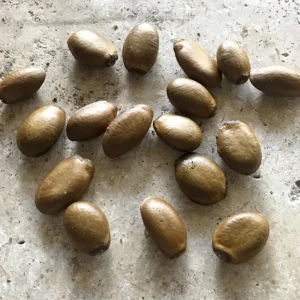
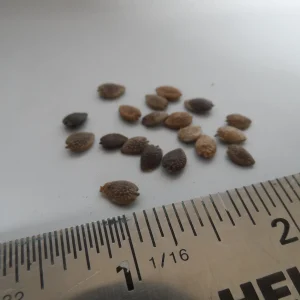
This package contains 50 American Black Elderberry seeds (Sambucus canadensis), providing a generous quantity to start your elderberry patch. These heirloom seeds are selected for their genetic integrity, ensuring you grow a true-to-type variety. Once established, the elderberry shrub typically grows to a mature height of 5 to 12 feet (1.5 to 3.7 meters) with a similar spread, forming a dense, multi-stemmed bush. The growth rate is considered fast, often reaching significant size within a few years under ideal conditions. Flowers usually appear in late spring to early summer, followed by berry production in mid to late summer.
The seeds are shipped in a protective packet, ready for cold stratification and planting. While the initial germination and seedling growth can be slow and variable, mature plants are vigorous and long-lived. The final size of your elderberry plant for wildlife will depend on growing conditions, climate, and pruning practices, but expect a substantial, productive shrub. This offering is for seeds only, allowing you to experience the full lifecycle of cultivating elderberries from the very beginning.
Frequently Asked Questions
- Q: How big does an American Black Elderberry plant get? A: An American Black Elderberry shrub typically grows to a height of 5 to 12 feet (1.5 to 3.7 meters) with a similar spread. Its size can be managed with regular pruning to suit your garden space.
- Q: What is cold stratification and why is it necessary for these seeds? A: Cold stratification is a process of exposing seeds to cold, moist conditions to break dormancy and prepare them for germination. It mimics natural winter conditions and is crucial for successful germination of American Black Elderberry seeds.
- Q: How much sunlight does an elderberry plant need? A: Elderberry plants thrive in full sun to partial shade, ideally receiving at least 6 hours of direct sunlight per day. More sun generally leads to better fruit production.
- Q: Is this plant easy to care for? Is it good for beginners? A: Once established, elderberry plants are relatively low-maintenance. The initial seed stratification and germination process requires patience, but growing an elderberry plant for wildlife from seed can be a rewarding project for beginners willing to follow instructions.
- Q: What condition will the seeds arrive in? A: The Sambucus canadensis seeds will arrive dry and carefully packaged in a protective packet, ready for your cold stratification process and subsequent planting.
- Q: When is the best time to plant these elderberry seeds? A: After the required 60-90 day cold stratification period, sow the seeds indoors in late winter or early spring. Once the risk of frost has passed, and seedlings are strong, they can be transplanted outdoors.
- Q: Will an elderberry plant survive winter in my zone? A: American Black Elderberry (Sambucus canadensis) is very cold-hardy and thrives in USDA Zones 3-9, making it suitable for a wide range of climates across the United States.
- Q: Can I use the berries from these plants? A: Yes, the dark purple berries are traditionally used for culinary purposes like making syrups, jams, and teas. Ensure berries are fully ripe and dark purple before consumption, as unripe berries can be toxic.
- Q: How long does it take for elderberry seeds to germinate? A: Germination of heirloom elderberry seeds can be slow and irregular, often taking several weeks to months even after proper cold stratification. Patience is key.
- Q: What kind of soil do elderberries prefer? A: Elderberries prefer moist, well-drained soil rich in organic matter. They are adaptable but perform best in slightly acidic to neutral soil pH.
Related products
-50%
From Original price was: $96.00.$48.00Current price is: $48.00.
-50%
Original price was: $48.00.$24.00Current price is: $24.00.
-50%
From Original price was: $64.00.$32.00Current price is: $32.00.
-50%
Original price was: $28.00.$14.00Current price is: $14.00.
-50%
Original price was: $32.00.$16.00Current price is: $16.00.
PLANTING & CARE
Growing Glencoe Raspberry: A Complete Guide for Gardeners
If you’re looking to add something unique to your garden, look no further than the
31
Mar
Mar

The Comprehensive Guide to Growing Bay Leaf Plants for a Flavorful Garden
Imagine stepping into your garden, greeted by the earthy aroma of fresh bay leaves, their
09
Feb
Feb

How to Make Comfrey Tea: The Ultimate Organic Plant Food
Growing an organic garden can be surprisingly expensive, especially when most store-bought fertilizers come in
02
Feb
Feb

True Comfrey: 7 Essential Tips Before You Plant This Herb
A staple in permaculture practices across the US, True Comfrey easily earns its reputation as
27
Jan
Jan

7 Heart-Shaped Plants for a Lasting Valentine’s Gift
If you’ve ever bought a bouquet of roses for Valentine’s Day, you know they are
26
Jan
Jan

Best Types of Ivy Plant for Houses: How to Choose the Perfect Ones for Your Home
Are you a garden lover looking to introduce some greenery into your home? Maybe you’ve
14
Nov
Nov

When to Harvest Garlic (Especially Fall-Planted Garlic)
TIMING IS EVERYTHING, they say – and for garlic, that truth hits with surprising accuracy.
13
Nov
Nov

11 of the Best Sweet Potato Varieties to Grow for Your Garden
If you’ve ever tried growing sweet potatoes, you know that picking the right variety can
12
Nov
Nov