American Hazelnut Tree – 12-24in Tall Native Bare Root Plant
-20%
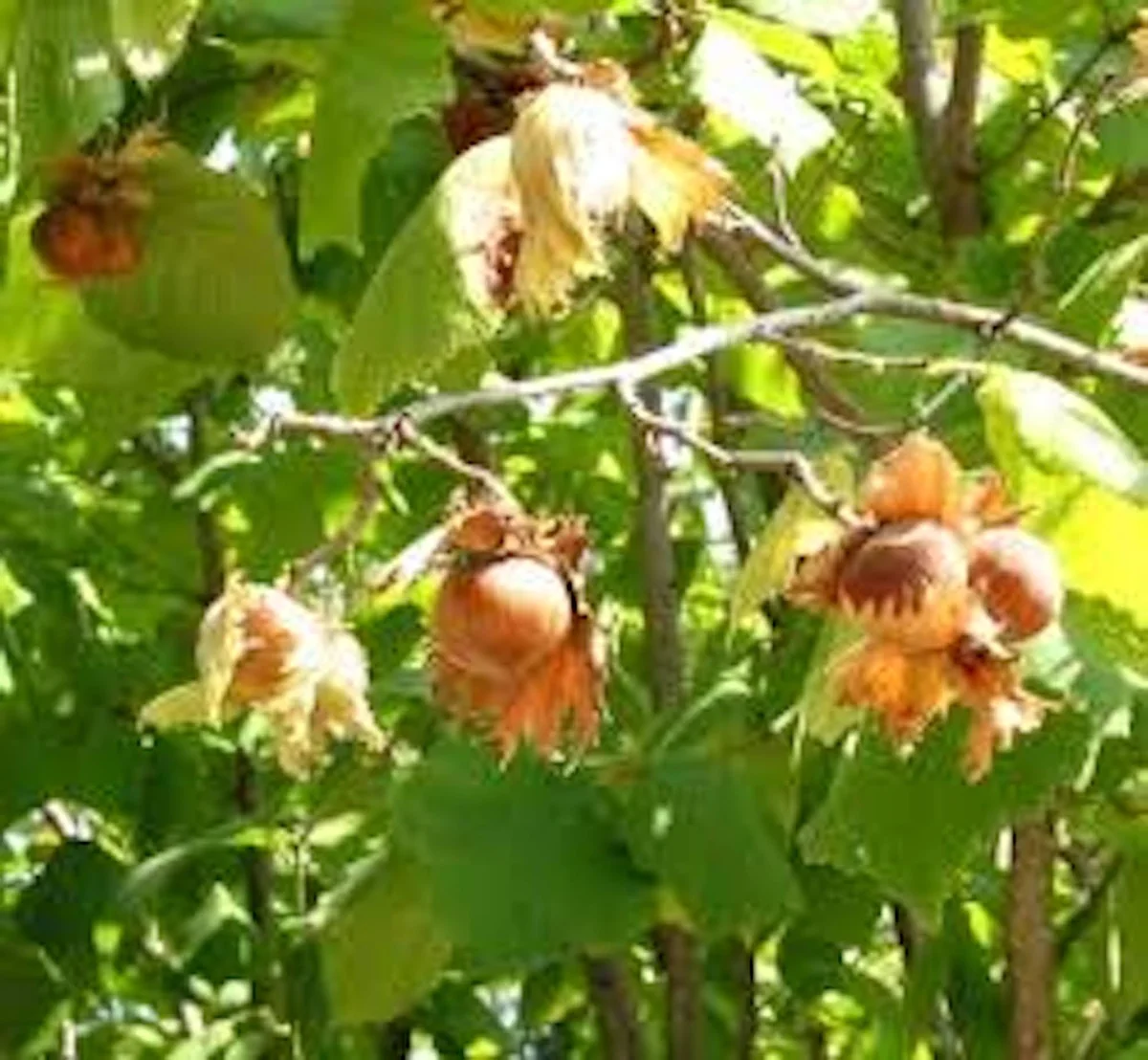
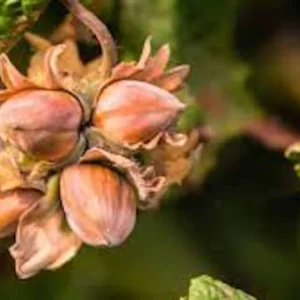

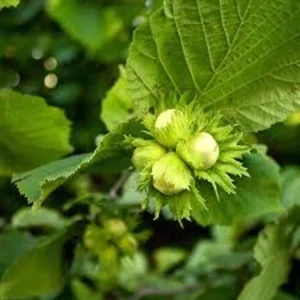
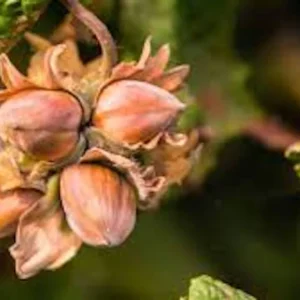
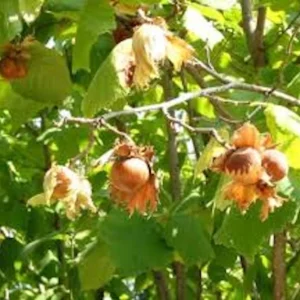
American Hazelnut Tree – 12-24in Tall Native Bare Root Plant
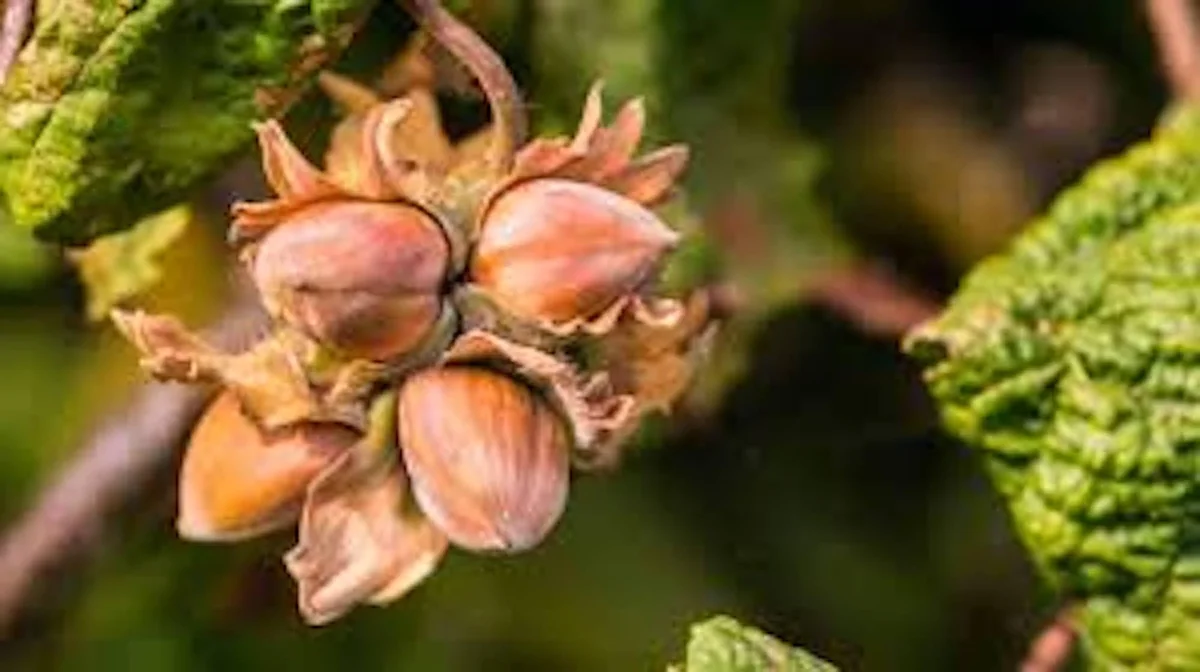
Cultivate the versatile American Hazelnut Tree (Corylus americana), a native bare root tree perfect for edible nuts and ornamental landscaping. This hardy, low-maintenance plant grows 12-24 inches tall, offering excellent wildlife value and thriving in various conditions.
Original price was: $34.00.$27.20Current price is: $27.20.

With our Alive & Thrive Guarantee, we’ve got your back for the first 30 days! If you have any concerns about your plants, just reach out to us. Our team is here to help answer your questions and guide you in selecting the best plants for your garden, climate, and unique preferences. We're excited to help you create the garden of your dreams!
Estimated arrival
Apr 09
Apr 14 - Apr 16
Apr 19 - Apr 23



Product Details
-
USDA Hardiness Zone
USDA Zones 4-8 -
Soil type
Well-draining, loamy soil -
Sunlight Exposure
Full sun to partial shade -
Expected Planting Period
Late winter to early spring
Overview
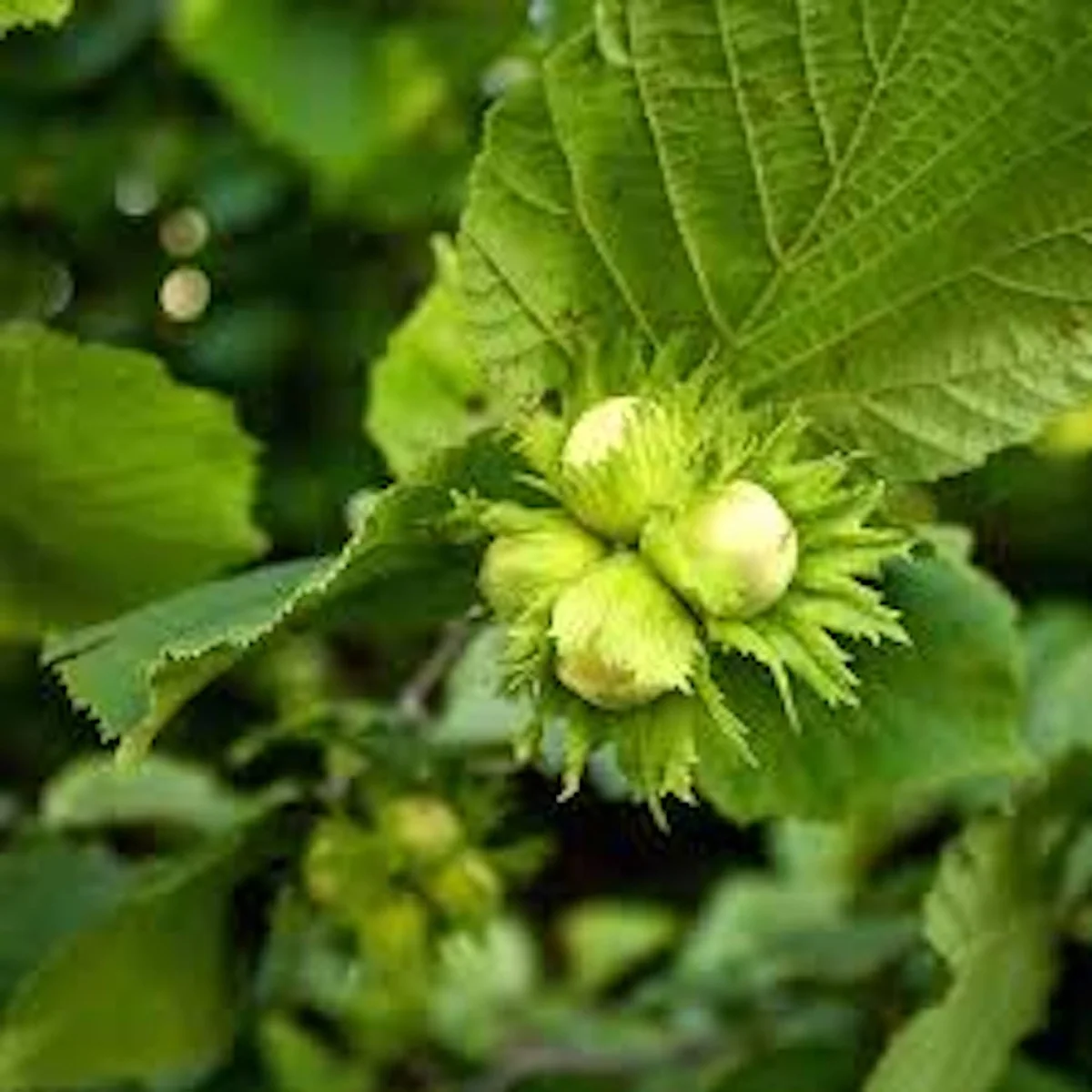
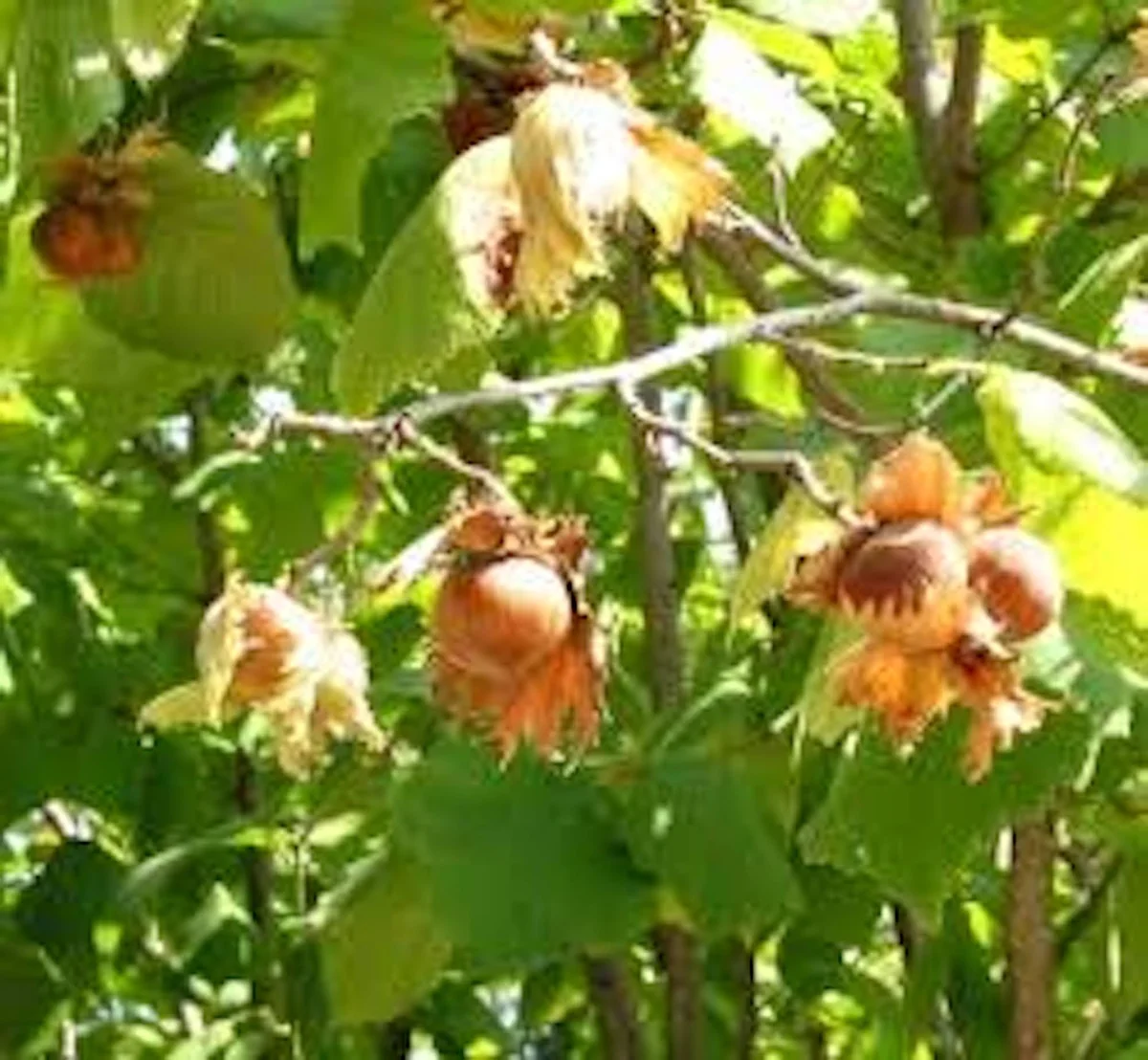
Discover the charm and utility of the American Hazelnut Tree (Corylus americana), a remarkable native deciduous shrub that brings both beauty and bounty to any landscape. This offering is for a 12-24 inch tall native bare root tree, ready to establish itself in your garden. Known for its delectable, nutrient-rich hazelnuts, this hardy plant is an exceptional choice for both ornamental purposes and edible nut production. Beyond its culinary appeal, the American Hazelnut provides significant ecological benefits, including excellent wildlife value, attracting birds and small mammals, and promoting biodiversity in your outdoor space. Its robust nature and low-maintenance growth make it an ideal selection for gardeners of all experience levels.
Originating from North America, the American Hazelnut Tree is incredibly adaptable, thriving in a wide range of soil types and environmental conditions. Whether you’re looking to create a naturalized area, a productive orchard, or simply add a resilient and sustainable plant to your home garden, this tree delivers. It’s a versatile and environmentally conscious choice that contributes to local ecosystems while providing a rewarding harvest of nuts.
Key Benefits
The American Hazelnut Tree offers a multitude of advantages for your garden and local environment. Its presence enhances biodiversity and provides a sustainable food source.
- Edible Nut Production: Enjoy a harvest of delicious, nutrient-rich hazelnuts, perfect for snacking, baking, or culinary creations. This tree is a fantastic addition for those interested in growing their own food.
- Wildlife Attraction: Provides essential food and shelter for various wildlife, including birds, squirrels, and other small mammals, enhancing the ecological value of your property. The nuts are a vital food source.
- Low Maintenance: Once established, the American Hazelnut is remarkably easy to care for, requiring minimal attention. This makes it an ideal choice for busy gardeners or those new to planting trees.
- Hardy and Resilient: Tolerates a wide range of soil types, from dry to moist, and hardy in USDA zones 4-8. This resilience ensures it can thrive in diverse landscapes and climates.
- Native Plant: As a native species, it is well-adapted to local conditions, requiring less water and fewer interventions than non-native alternatives, contributing to a healthier ecosystem.
- Compact Size: Typically growing 8-12 feet tall, this tree is perfect for smaller gardens, hedgerows, or as an attractive ornamental shrub with the added benefit of edible nuts.
- Erosion Control: Its strong root system helps stabilize soil, making it useful in areas prone to erosion, further contributing to a sustainable landscape.
Plant Care & Growing Tips
Caring for your American Hazelnut Tree is straightforward, ensuring a healthy and productive plant for years to come. This hardy native prefers full sun to partial shade, meaning it will thrive with at least 4-6 hours of direct sunlight per day. While adaptable, consistent sunlight will result in better nut production. When planting your native bare root tree, ensure the site has good drainage, as hazelnut trees do not like excessively wet feet. Dig a hole wide enough to accommodate the roots spread out, and plant at the same depth it was growing in the nursery.
The American Hazelnut is tolerant of a wide range of soil types, from sandy to clay, but performs best in well-draining, loamy soil with a pH between 6.0 and 7.0. During its first year, consistent watering is crucial to help the tree establish its root system. Once established, it is relatively drought-tolerant, though supplemental watering during prolonged dry spells will benefit nut development. Fertilize sparingly in early spring with a balanced, slow-release fertilizer if soil nutrients are poor. Pruning is generally minimal, focusing on removing dead or crossing branches to maintain good air circulation and shape. Keep an eye out for common pests and diseases, though native plants often exhibit greater resistance. Protecting young plants from deer or rabbit browsing may be necessary.
Size & Details
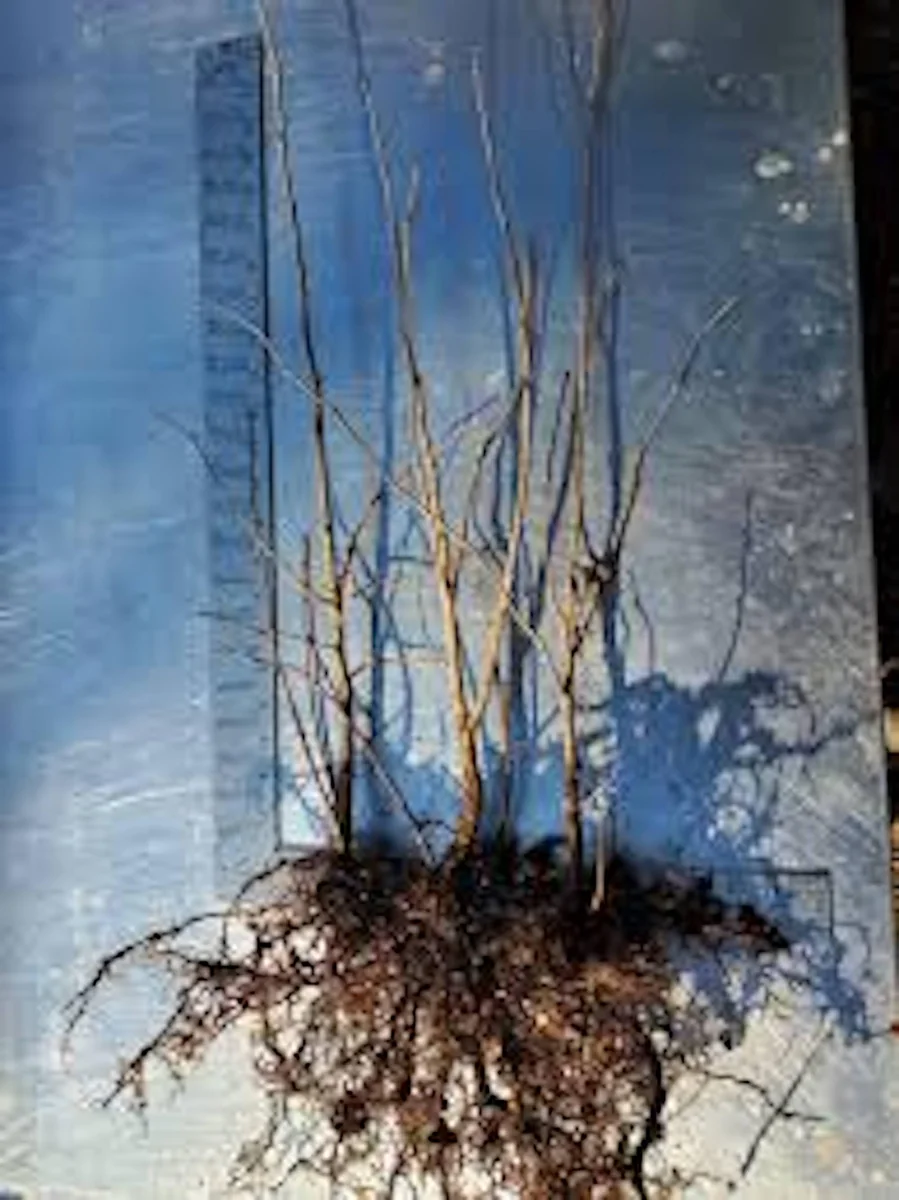
This offering includes one American Hazelnut Tree, provided as a native bare root tree. The plant measures approximately 12-24 inches in height upon arrival, making it an ideal size for planting and establishing quickly. American Hazelnut trees typically mature to a height of 8-12 feet tall and can spread up to 10 feet wide, forming a dense, multi-stemmed shrub. Its compact size makes it suitable for various garden designs, including hedgerows, woodland borders, or as a specimen plant. This tree is known for its moderate to fast growth rate, allowing you to enjoy its benefits relatively quickly. The bare root form ensures the plant’s energy is focused on root development once planted, leading to robust growth. Expect the first nuts to appear within 2-5 years after planting, with increasing yields as the tree matures. This Corylus americana is a long-lived plant, providing years of beauty and harvest.
Frequently Asked Questions
- Q: How big will my American Hazelnut Tree get? A: The American Hazelnut Tree typically grows 8-12 feet tall and can spread up to 10 feet wide, forming a multi-stemmed shrub. Its compact size makes it versatile for various garden settings.
- Q: What are the sunlight requirements for this native bare root tree? A: American Hazelnut trees prefer full sun to partial shade, meaning they need at least 4-6 hours of direct sunlight daily for optimal growth and nut production.
- Q: Is the American Hazelnut Tree easy to care for? A: Yes, the American Hazelnut Tree is known for its low-maintenance nature. Once established, it requires minimal care, making it suitable for gardeners of all experience levels.
- Q: What condition will the American Hazelnut Tree arrive in? A: This product is a native bare root tree, meaning it will arrive without soil around its roots, in a dormant state. This is a common and effective way to ship deciduous plants.
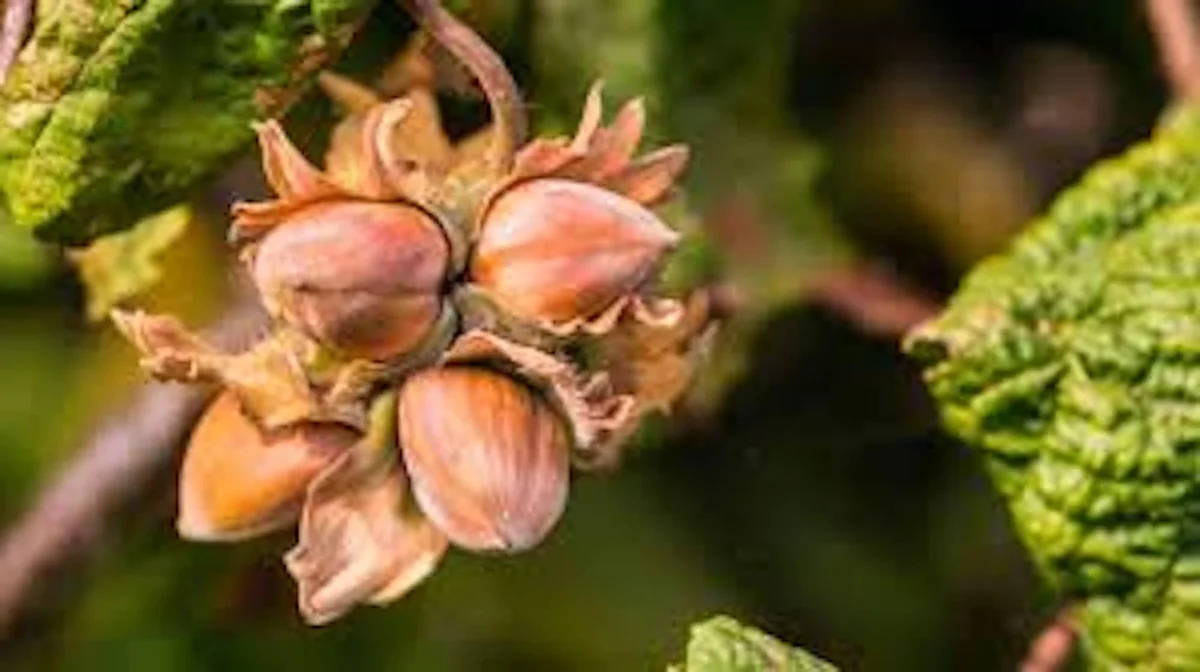
- Q: Can I use the hazelnuts from this tree for eating? A: Absolutely! The Corylus americana produces delicious, edible hazelnuts that are perfect for snacking, baking, or other culinary uses.
- Q: When is the best time to plant an American Hazelnut Tree? A: Bare root trees are best planted in late winter or early spring, before the tree breaks dormancy. This allows the roots to establish before the stress of summer heat.
- Q: Will this tree survive winter in my climate? A: The American Hazelnut Tree is very hardy and thrives in USDA zones 4-8, making it suitable for a wide range of climates across the US.
- Q: Does the American Hazelnut Tree need a pollinator? A: While some hazelnut varieties are self-fertile, planting at least two American Hazelnut trees will significantly increase nut production due to cross-pollination.
- Q: What kind of soil does Corylus americana prefer? A: It tolerates a wide range of soil types but prefers well-draining, loamy soil. It can adapt to both dry and moist conditions.
- Q: How long until my American Hazelnut Tree produces nuts? A: You can typically expect your American Hazelnut Tree to begin producing nuts within 2-5 years after planting, with production increasing as the tree matures.
Related products
-20%
Original price was: $36.00.$28.80Current price is: $28.80.
-10%
Original price was: $36.99.$33.29Current price is: $33.29.
PLANTING & CARE
Growing Glencoe Raspberry: A Complete Guide for Gardeners
If you’re looking to add something unique to your garden, look no further than the
31
Mar
Mar

The Comprehensive Guide to Growing Bay Leaf Plants for a Flavorful Garden
Imagine stepping into your garden, greeted by the earthy aroma of fresh bay leaves, their
09
Feb
Feb

How to Make Comfrey Tea: The Ultimate Organic Plant Food
Growing an organic garden can be surprisingly expensive, especially when most store-bought fertilizers come in
02
Feb
Feb

True Comfrey: 7 Essential Tips Before You Plant This Herb
A staple in permaculture practices across the US, True Comfrey easily earns its reputation as
27
Jan
Jan

7 Heart-Shaped Plants for a Lasting Valentine’s Gift
If you’ve ever bought a bouquet of roses for Valentine’s Day, you know they are
26
Jan
Jan

Best Types of Ivy Plant for Houses: How to Choose the Perfect Ones for Your Home
Are you a garden lover looking to introduce some greenery into your home? Maybe you’ve
14
Nov
Nov

When to Harvest Garlic (Especially Fall-Planted Garlic)
TIMING IS EVERYTHING, they say – and for garlic, that truth hits with surprising accuracy.
13
Nov
Nov

11 of the Best Sweet Potato Varieties to Grow for Your Garden
If you’ve ever tried growing sweet potatoes, you know that picking the right variety can
12
Nov
Nov