American Persimmon Live Plant – Cold Hardy Fruit Tree – 4 inch Pot
-30%
American Persimmon Live Plant – Cold Hardy Fruit Tree – 4 inch Pot
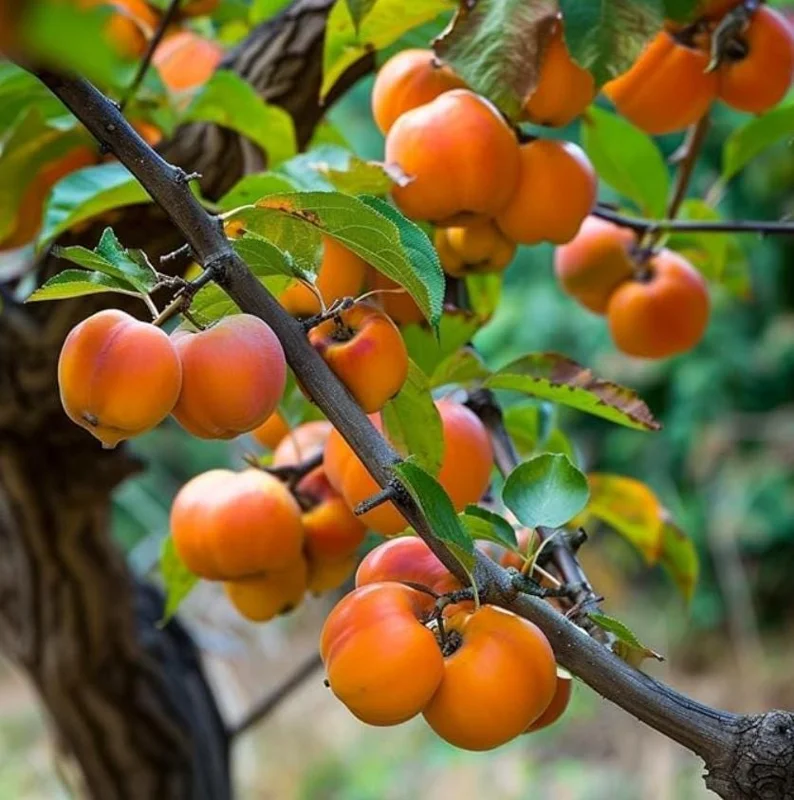
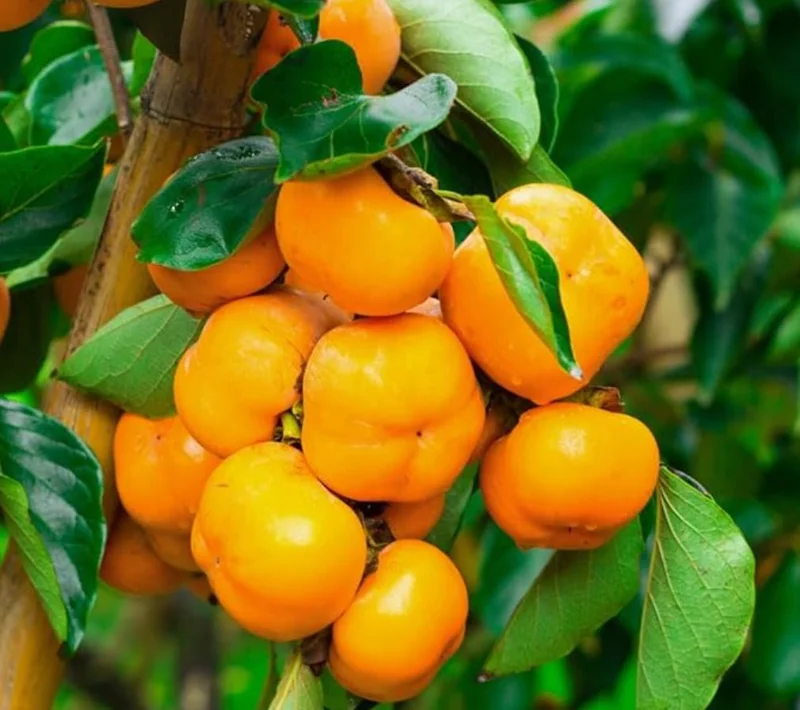
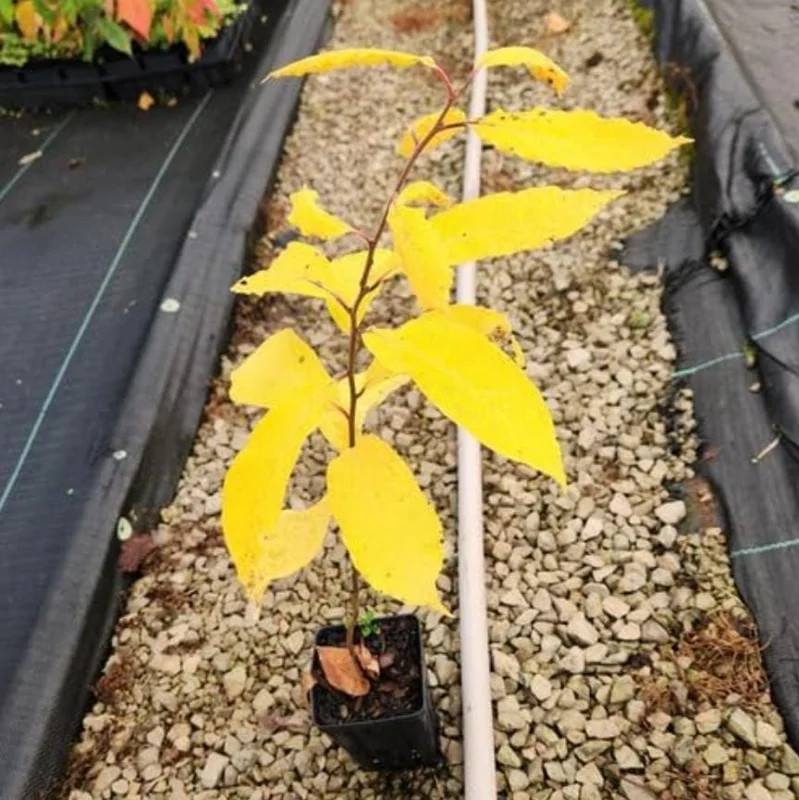
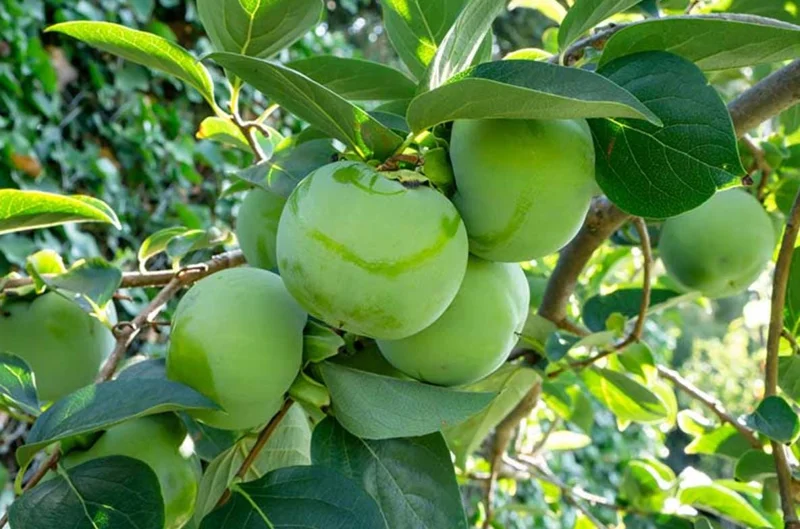
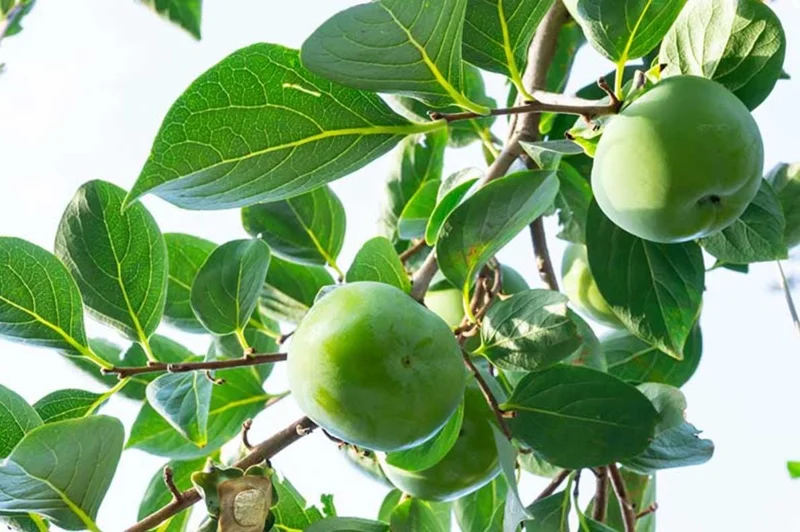
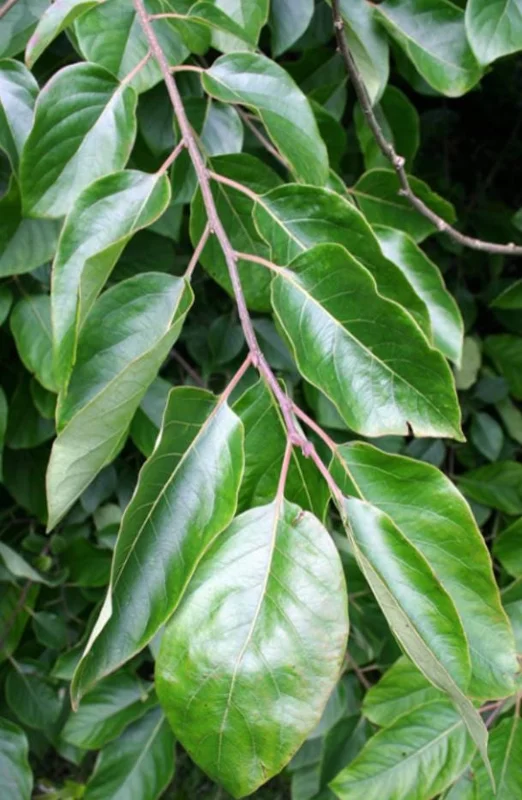
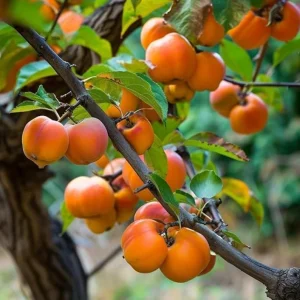
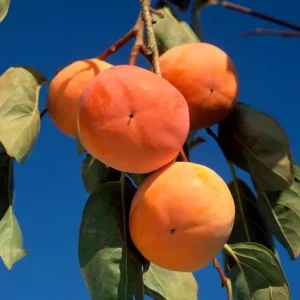
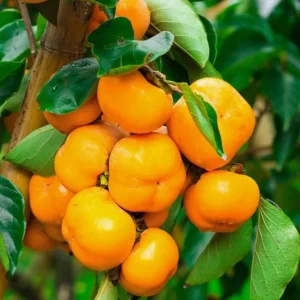
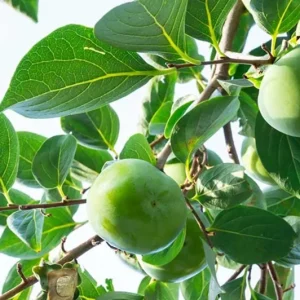
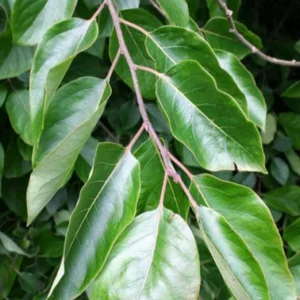
Bring home an American Persimmon live plant, a cold hardy fruit tree perfect for your garden. This deciduous tree yields sweet, edible fruit and boasts beautiful fall foliage, making it a valuable addition to any landscape. Shipped in a 4-inch nursery pot.
Original price was: $43.98.$30.78Current price is: $30.78.

With our Alive & Thrive Guarantee, we’ve got your back for the first 30 days! If you have any concerns about your plants, just reach out to us. Our team is here to help answer your questions and guide you in selecting the best plants for your garden, climate, and unique preferences. We're excited to help you create the garden of your dreams!
Estimated arrival
Apr 01
Apr 06 - Apr 08
Apr 11 - Apr 15
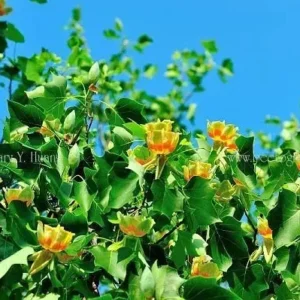
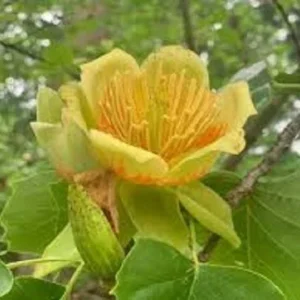
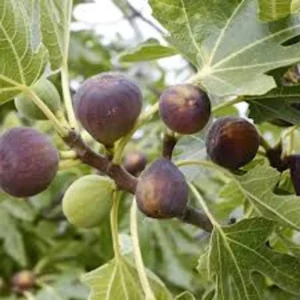
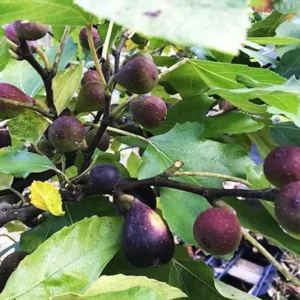
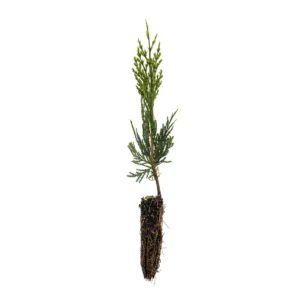
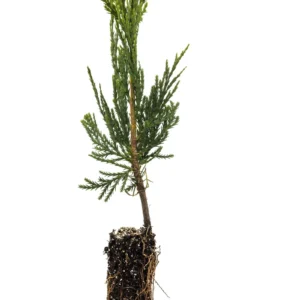
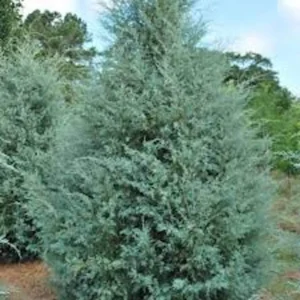
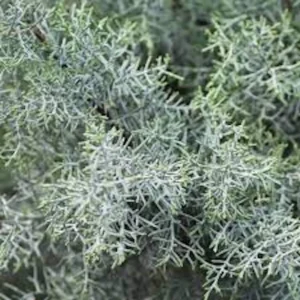
Product Details
-
USDA Hardiness Zone
USDA Zones 4-9 -
Soil type
Well-draining soil, adaptable to various types -
Sunlight Exposure
Full sun (6-8+ hours daily) -
Expected Planting Period
Spring to early fall
Overview
Cultivate your own delicious bounty with the American Persimmon live plant. This remarkable native fruit tree, scientifically known as Diospyros virginiana, is celebrated for its exceptional cold hardiness and adaptability, making it a fantastic choice for gardeners across a wide range of climates. Known for its sweet, flavorful fruit and striking fall foliage, the American Persimmon live plant is not only a productive addition to your edible landscape but also an ornamental one. It’s an easy-to-grow, highly adaptable species that contributes beauty and biodiversity to any garden setting, attracting wildlife while providing a delightful harvest. This live specimen arrives ready to plant, offering you a head start on growing your own persimmon tree.
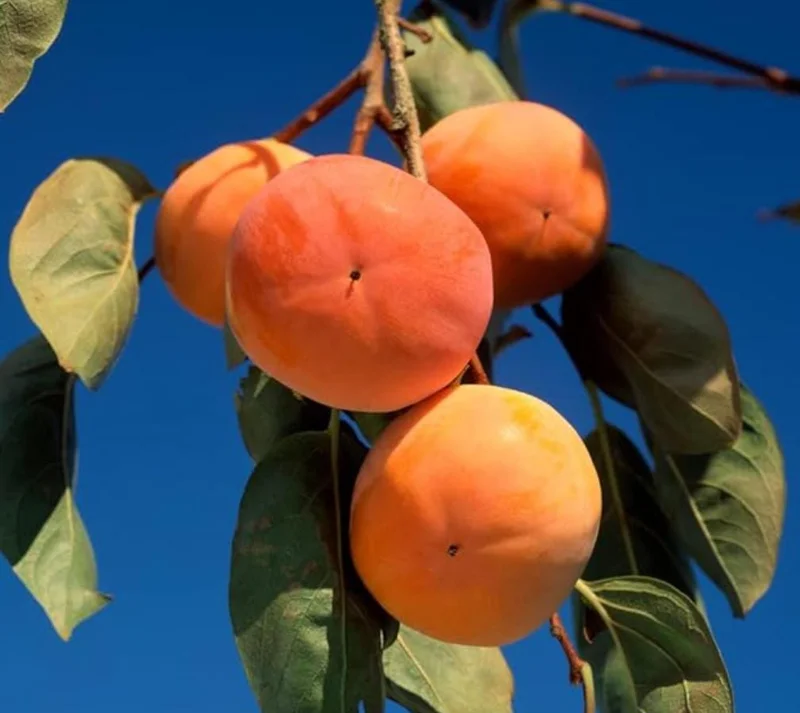
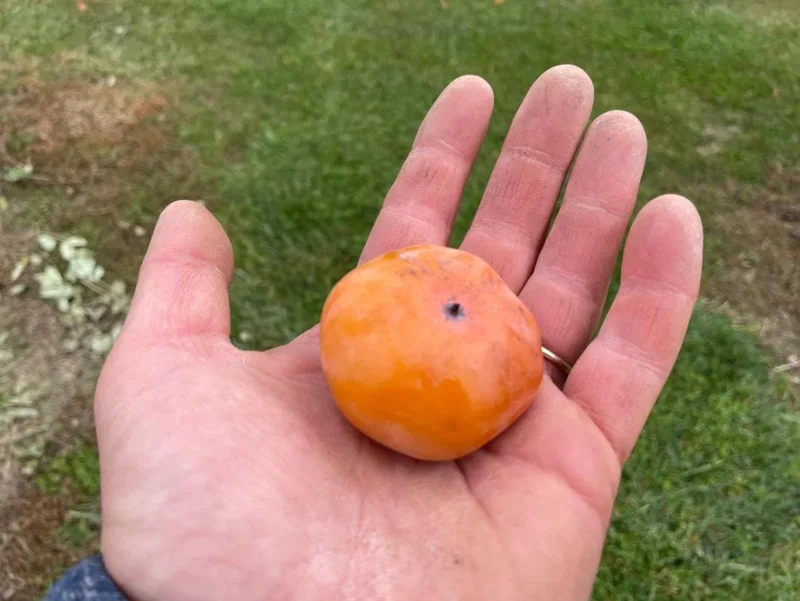
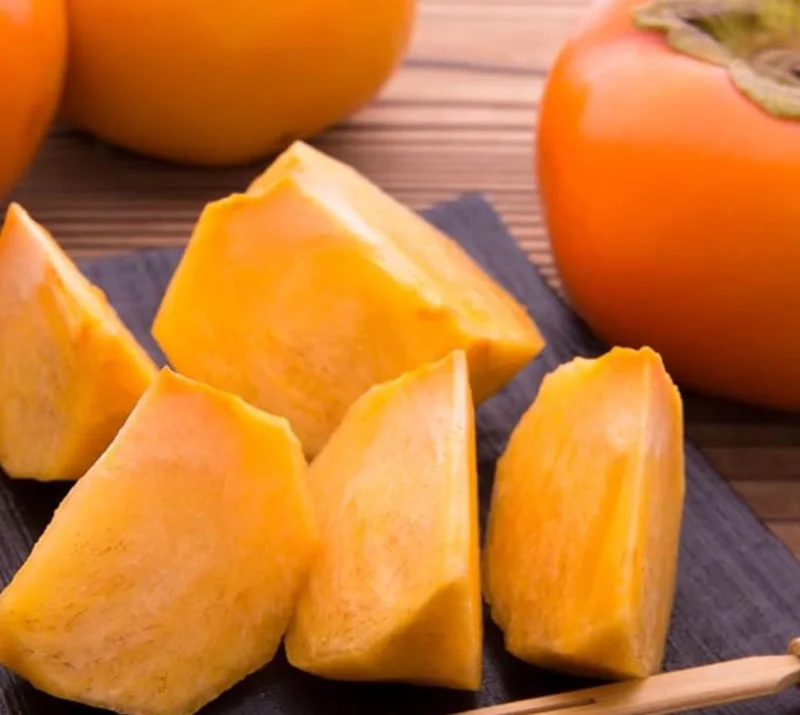
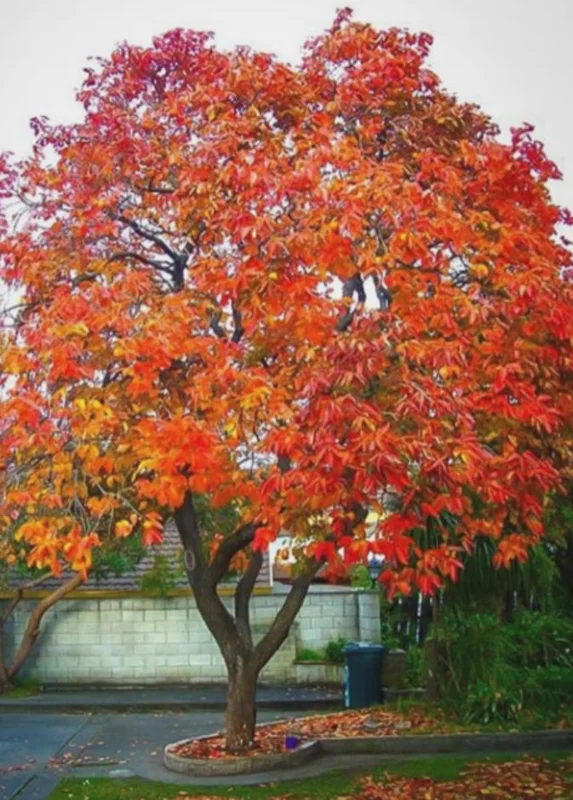
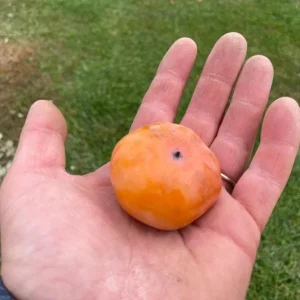
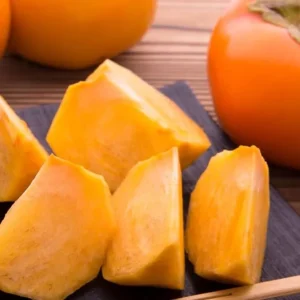
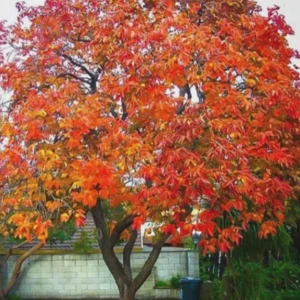
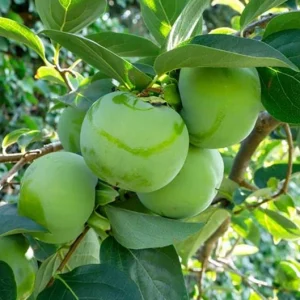
The American Persimmon live plant is a deciduous tree that produces small, orange fruits in the fall. These fruits are incredibly rich and sweet when fully ripe, perfect for fresh eating, baking, or preserves. Beyond its delicious yield, this tree is prized for its attractive shape and the vibrant reddish-orange hues of its leaves in autumn. It’s tolerant of a wide spectrum of soil types, which simplifies its cultivation and ensures it can thrive in various garden conditions. Whether you’re establishing a home orchard, creating a wildlife-friendly garden, or enhancing a naturalized landscape, this cold hardy fruit tree is an excellent investment.
Key Benefits
Adding an American Persimmon live plant to your garden offers numerous advantages, from its aesthetic appeal to its delicious yields and ecological benefits. This versatile tree provides a rewarding experience for any gardener.
- Produces Delicious, Edible Fruit: Enjoy a seasonal harvest of sweet, rich, orange persimmons in the fall. These fruits are perfect for eating fresh, baking into pies and breads, or making preserves once they are fully ripe.
- Exceptional Cold Hardiness: As a cold hardy fruit tree, the American Persimmon can withstand colder temperatures and a variety of climates, making it suitable for many USDA growing zones where other fruit trees might struggle.
- Beautiful Ornamental Value: Beyond its fruit, the tree provides significant aesthetic appeal with its attractive form and stunning fall foliage. Its leaves transform into vibrant shades of orange and red, adding spectacular color to your autumn landscape.
- Adaptable and Easy to Grow: This native species is highly adaptable to different soil conditions and requires minimal specialized care once established, making it an excellent choice for both experienced and novice gardeners looking for an edible persimmon tree.
- Attracts Wildlife: The fruits are a favorite food source for various wildlife, including birds, deer, and other small mammals, making it a beneficial addition for creating a biodiverse and wildlife-friendly garden.
- Supports an Edible Landscape: Integrate this productive tree into your food forest or home orchard, contributing to a sustainable and self-sufficient edible landscape.
- Long-Term Garden Investment: A well-cared-for American Persimmon live plant can provide decades of fruit and beauty, making it a lasting and rewarding addition to your property.
Plant Care & Growing Tips
Caring for your American Persimmon live plant is straightforward, especially given its natural hardiness and adaptability. To ensure your edible persimmon tree thrives and produces abundant fruit, consider the following guidelines. This native fruit tree prefers a location with full sun, meaning at least 6-8 hours of direct sunlight per day. While it can tolerate partial shade, fruit production will be maximized in sunnier spots. Ensure good air circulation around the tree to prevent fungal issues.
When it comes to watering, young trees require consistent moisture, especially during dry spells, to help establish a strong root system. Once established, the American Persimmon live plant is quite drought-tolerant, but regular watering during prolonged dry periods will benefit fruit development. It prefers well-draining soil but is adaptable to a wide range of soil types, including sandy, loamy, and clay soils. A slightly acidic to neutral pH (6.0-7.0) is ideal. Amending heavy clay soils with organic matter can improve drainage and aeration. This persimmon tree care includes an optimal pH for nutrient absorption.
The cold hardy fruit tree is robust and generally pest and disease resistant. It is hardy in USDA zones 4-9. Fertilize young trees in early spring with a balanced, slow-release fertilizer. Established trees may not need regular fertilization if the soil is fertile, but a light application every few years can boost vigor and fruit production. Pruning should focus on removing dead, damaged, or crossing branches, and shaping the tree for good structure and air circulation. Dormant pruning in late winter is typically best. Keep an eye out for common issues like leaf spot, though these are usually minor for this resilient species.
Size & Details
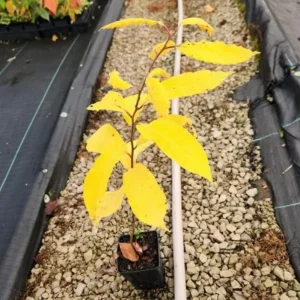
This American Persimmon live plant is shipped in a 4-inch nursery pot, providing a healthy start for your garden. At the time of shipping, the plant’s height will vary depending on the season and growth stage, typically ranging from 6 to 18 inches tall. This deciduous tree has a moderate growth rate, eventually reaching a mature height of 30-60 feet with a spread of 20-35 feet, forming a rounded canopy. The plant will be well-rooted and ready for transplanting into a larger container or directly into your garden upon arrival.
The time to maturity for fruit production can vary, but typically an edible persimmon tree grown from this size plant can begin bearing fruit within 3-5 years, with significant harvests beginning around 5-10 years. It is important to note that American Persimmon trees can be dioecious (male and female flowers on separate trees), so planting more than one tree may be necessary for optimal fruit set, although some varieties are self-pollinating or can produce fruit parthenocarpically. This particular native fruit tree is a live plant, not bare root, ensuring a smoother transition to its new home.
Frequently Asked Questions
- Q: How big does this American Persimmon live plant get? A: This American Persimmon live plant is shipped in a 4-inch pot. At maturity, these trees typically reach heights of 30-60 feet with a spread of 20-35 feet, developing a broad, rounded canopy.
- Q: Is this an indoor or outdoor plant? A: The American Persimmon is primarily an outdoor plant. It is a cold hardy fruit tree that needs significant space to grow and thrives in full sun conditions in a garden or orchard setting.
- Q: How much sunlight does my persimmon tree need? A: For optimal growth and fruit production, your edible persimmon tree requires full sun exposure, meaning at least 6-8 hours of direct sunlight per day. It can tolerate partial shade, but fruit yield may be reduced.
- Q: What condition will the plant arrive in? A: Your American Persimmon live plant will arrive well-packaged in a 4-inch nursery pot, with its root system intact. As a deciduous plant, if ordered during colder months, it may be dormant with few or no leaves, which is completely normal and healthy.
- Q: Is this plant easy to care for? A: Yes, the American Persimmon live plant is considered relatively easy to care for. It’s adaptable to various soil types and is quite drought-tolerant once established, making persimmon tree care manageable for most gardeners.
- Q: When is the best time to plant an American Persimmon? A: The best time to plant your native fruit tree is in the spring or early fall, allowing the plant sufficient time to establish its root system before extreme weather conditions.
- Q: Will it survive winter in my zone? A: The American Persimmon is a very cold hardy fruit tree, typically thriving in USDA Hardiness Zones 4 through 9, making it suitable for a wide range of climates with cold winters.
- Q: How long until this tree produces fruit? A: An American Persimmon live plant typically begins to bear fruit within 3-5 years of planting, with more substantial harvests occurring as the tree matures, usually around 5-10 years.
- Q: Does this tree require another tree for pollination? A: American Persimmons can be dioecious, meaning male and female flowers are on separate trees. For reliable fruit production, it’s often recommended to plant at least two trees, or ensure a known pollinator is nearby, unless you have a self-pollinating variety.
Related products
PLANTING & CARE
Growing Glencoe Raspberry: A Complete Guide for Gardeners
If you’re looking to add something unique to your garden, look no further than the
31
Mar
Mar

The Comprehensive Guide to Growing Bay Leaf Plants for a Flavorful Garden
Imagine stepping into your garden, greeted by the earthy aroma of fresh bay leaves, their
09
Feb
Feb

How to Make Comfrey Tea: The Ultimate Organic Plant Food
Growing an organic garden can be surprisingly expensive, especially when most store-bought fertilizers come in
02
Feb
Feb

True Comfrey: 7 Essential Tips Before You Plant This Herb
A staple in permaculture practices across the US, True Comfrey easily earns its reputation as
27
Jan
Jan

7 Heart-Shaped Plants for a Lasting Valentine’s Gift
If you’ve ever bought a bouquet of roses for Valentine’s Day, you know they are
26
Jan
Jan

Best Types of Ivy Plant for Houses: How to Choose the Perfect Ones for Your Home
Are you a garden lover looking to introduce some greenery into your home? Maybe you’ve
14
Nov
Nov

When to Harvest Garlic (Especially Fall-Planted Garlic)
TIMING IS EVERYTHING, they say – and for garlic, that truth hits with surprising accuracy.
13
Nov
Nov

11 of the Best Sweet Potato Varieties to Grow for Your Garden
If you’ve ever tried growing sweet potatoes, you know that picking the right variety can
12
Nov
Nov