
Amla Indian Gooseberry Tree – Phyllanthus emblica Live Plant 3ft Tall



Amla Indian Gooseberry Tree – Phyllanthus emblica Live Plant 3ft Tall
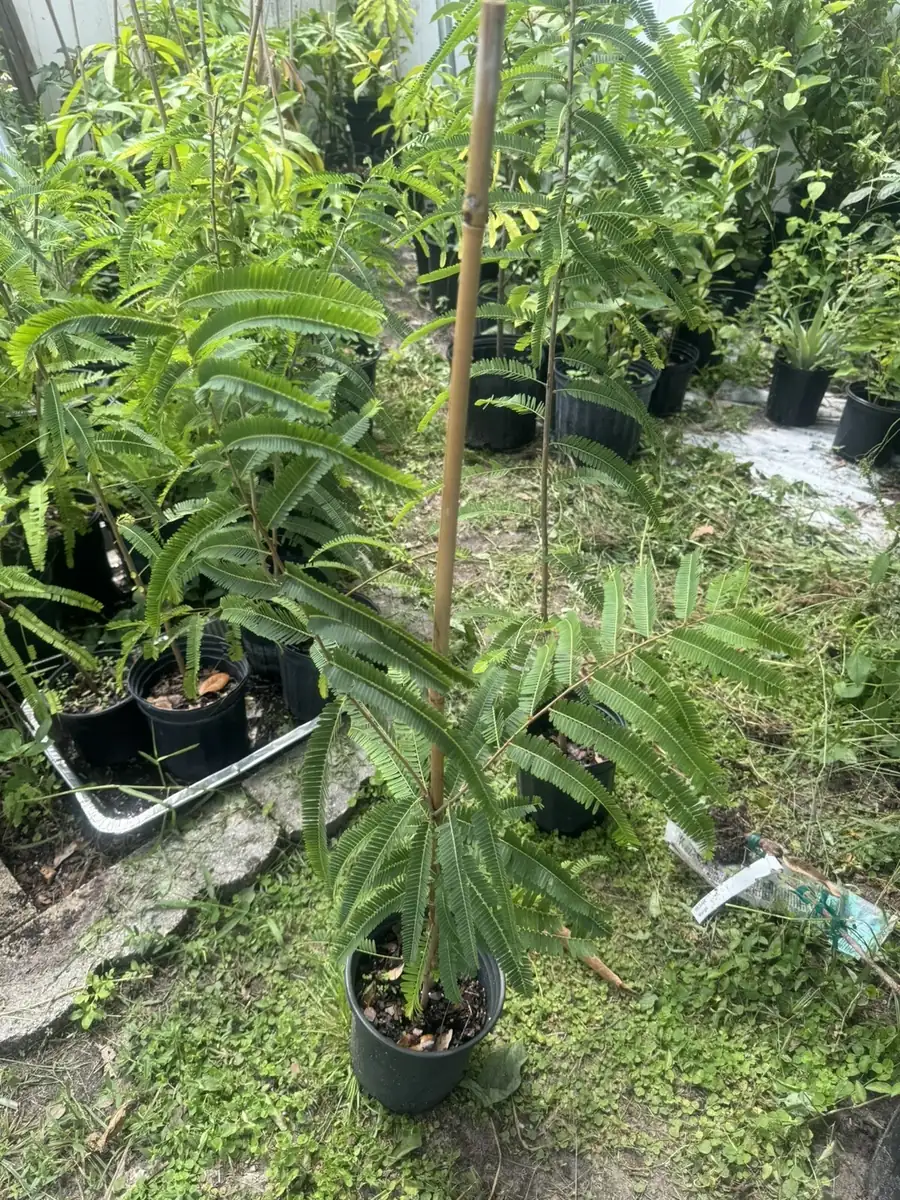
Bring home a healthy Amla Indian Gooseberry live plant, also known as Phyllanthus emblica tree, standing at 3ft tall. This tropical fruit tree is cherished for its nutritious, tart fruits and adds an exotic touch to your garden or patio. Easy to grow in suitable climates, it’s a rewarding addition for fruit enthusiasts.
$110.00

With our Alive & Thrive Guarantee, we’ve got your back for the first 30 days! If you have any concerns about your plants, just reach out to us. Our team is here to help answer your questions and guide you in selecting the best plants for your garden, climate, and unique preferences. We're excited to help you create the garden of your dreams!
Estimated arrival
Apr 03
Apr 08 - Apr 10
Apr 13 - Apr 17


Product Details
-
USDA Hardiness Zone
USDA zones 9-11 -
Soil type
Well-draining, fertile soil -
Sunlight Exposure
Full sun -
Expected Planting Period
Spring to early summer
Overview
Cultivate your own superfood with this vibrant Amla Indian Gooseberry live plant. Standing at a robust 3 feet tall, this specimen of Phyllanthus emblica, commonly known as Indian Gooseberry, is ready to thrive in your garden or a spacious container. The Amla tree is highly prized in traditional medicine and culinary practices for its distinctively tart and nutritious fruits. This particular Phyllanthus emblica tree offers an exciting opportunity for home gardeners to grow Amla at home, providing a fresh supply of this beneficial fruit. Its lush foliage and potential for fruit production make it a beautiful and productive addition to any landscape.
The Amla Indian Gooseberry live plant is a deciduous tree native to India, known for its small, round, greenish-yellow fruits. These fruits are celebrated for their high vitamin C content and antioxidant properties. Growing your own Amla tree ensures you have access to fresh, organic fruits, perfect for juicing, making preserves, or enjoying raw. This 3ft tree provides a head start, establishing quicker than smaller plants or seedlings, bringing you closer to a bountiful harvest.
Key Benefits
The Amla Indian Gooseberry live plant offers a multitude of benefits, from its ornamental value to its health-boosting fruits, making it a truly exceptional choice for any plant enthusiast.
- Nutrient-Rich Fruits: The primary benefit is the production of Amla fruits, renowned for their exceptionally high vitamin C content. These tart fruits are also packed with antioxidants, fiber, and other essential nutrients, contributing to overall well-being.
- Ornamental Appeal: Beyond its fruit, the Amla tree boasts attractive foliage and a graceful growth habit, making it a beautiful focal point in a garden or as a patio plant.
- Medicinal Properties: Amla, or Phyllanthus emblica tree, has been a staple in Ayurvedic medicine for centuries, believed to support immunity, digestion, and skin health. Growing your own allows for fresh access to these benefits.
- Sustainable Gardening: Cultivating your own fruit trees like the Amla Indian Gooseberry live plant promotes sustainable living and provides a sense of accomplishment from harvesting your own produce, allowing you to grow Amla at home.
- Unique Flavor Profile: The distinctive tart and slightly astringent taste of Amla fruits is unique, adding an exotic flavor to juices, smoothies, and culinary creations.
- Adaptable Growth: While preferring tropical and subtropical climates, with proper care, this tree can be successfully grown in containers in cooler regions, allowing you to enjoy its benefits regardless of your local climate.
Plant Care & Growing Tips
To ensure your Amla Indian Gooseberry live plant thrives, understanding its specific care requirements is crucial. This tropical tree prefers a warm, humid environment, mimicking its native habitat. For optimal growth and fruit production, select a location that receives full sun, meaning at least 6-8 hours of direct sunlight daily. If growing indoors or in a greenhouse, ensure it gets ample bright light. Adequate sunlight is key for a healthy Amla fruit tree.
Watering should be consistent, especially during dry periods and when the plant is young. The goal is to keep the soil moist but never waterlogged. Good drainage is paramount to prevent root rot. Allow the top inch or two of soil to dry out slightly between waterings. As for soil, the Phyllanthus emblica tree prefers well-draining, fertile soil with a slightly acidic to neutral pH. A mix of garden soil, compost, and sand or perlite can provide an ideal growing medium. Fertilize regularly during the growing season (spring and summer) with a balanced, slow-release fertilizer or an organic fruit tree fertilizer to support vigorous growth and fruit development. Pruning can be done to maintain shape, size, and encourage better air circulation and fruit yield. Protecting the tree from strong winds and extremely cold temperatures is also important, especially for young plants. Learning about Indian Gooseberry tree care will lead to a healthier plant.
Size & Details
This Amla Indian Gooseberry live plant is approximately 3 feet tall, offering a significant head start for gardeners. It is shipped as a live plant, typically in a nursery pot, ready for transplanting into a larger container or directly into the ground, depending on your climate and space. The growth rate of the Amla tree is considered moderate, and with proper care, it can reach mature heights of 20-30 feet in ideal conditions, though it can be kept smaller through pruning in containers. Expect the tree to begin producing fruit within a few years of planting, offering a rewarding yield of the unique Amla berries. The exact pot size may vary but will be adequate for the plant’s current height, ensuring a smooth transition to its new home. This Amla fruit tree is a valuable addition for both its beauty and its productivity.
Frequently Asked Questions
- Q: How big does this plant get? A: This Amla Indian Gooseberry live plant is 3 feet tall upon arrival. In optimal conditions, Amla trees can reach heights of 20-30 feet, but they can be maintained at a smaller size with regular pruning, especially when grown in containers.
- Q: Is this an indoor or outdoor plant? A: The Phyllanthus emblica tree is a tropical plant and prefers outdoor conditions in USDA Zones 9-11. In cooler climates, it can be grown outdoors during warm months and brought indoors or into a greenhouse for winter protection.
- Q: How much sunlight does it need? A: Amla trees require full sun, meaning at least 6-8 hours of direct sunlight per day, to produce the best fruit yields. Ensure it receives bright light if kept indoors.
- Q: Is this plant easy to care for? A: The Amla tree is considered moderately easy to care for, especially once established. Consistent watering, adequate sunlight, and proper soil drainage are key to successful Indian Gooseberry tree care.
- Q: What condition will it arrive in? A: Your Amla tree will arrive as a healthy, live plant, carefully packaged in a nursery pot to ensure its safe transit and readiness for planting.
- Q: Can I use Amla fruit in cooking? A: Absolutely! Amla fruits are widely used in Indian cuisine for making pickles, chutneys, and preserves. They are also popular in juices and smoothies due to their tart flavor. This is why many want to grow Amla at home.
- Q: When is the best time to plant? A: The best time to plant your Amla fruit tree is in the spring or early summer, after the last threat of frost has passed, allowing it ample time to establish before cooler weather.
- Q: Will it survive winter in my zone? A: Amla trees are cold-sensitive. If you live outside USDA Zones 9-11, you will need to provide winter protection, either by bringing the plant indoors or using frost protection methods.
- Q: What type of soil does it prefer? A: This tree thrives in well-draining, fertile soil that is slightly acidic to neutral. A good quality potting mix enriched with compost is ideal for container growing.
- Q: How long until it produces fruit? A: With proper care, your 3ft Amla Indian Gooseberry live plant can start producing fruit within 2-3 years, offering a delightful harvest.
Related products
-20%
Original price was: $90.00.$72.00Current price is: $72.00.
PLANTING & CARE

Growing Glencoe Raspberry: A Complete Guide for Gardeners
If you’re looking to add something unique to your garden, look no further than the
31
Mar
Mar

The Comprehensive Guide to Growing Bay Leaf Plants for a Flavorful Garden
Imagine stepping into your garden, greeted by the earthy aroma of fresh bay leaves, their
09
Feb
Feb

How to Make Comfrey Tea: The Ultimate Organic Plant Food
Growing an organic garden can be surprisingly expensive, especially when most store-bought fertilizers come in
02
Feb
Feb

True Comfrey: 7 Essential Tips Before You Plant This Herb
A staple in permaculture practices across the US, True Comfrey easily earns its reputation as
27
Jan
Jan

7 Heart-Shaped Plants for a Lasting Valentine’s Gift
If you’ve ever bought a bouquet of roses for Valentine’s Day, you know they are
26
Jan
Jan

Best Types of Ivy Plant for Houses: How to Choose the Perfect Ones for Your Home
Are you a garden lover looking to introduce some greenery into your home? Maybe you’ve
14
Nov
Nov

When to Harvest Garlic (Especially Fall-Planted Garlic)
TIMING IS EVERYTHING, they say – and for garlic, that truth hits with surprising accuracy.
13
Nov
Nov

11 of the Best Sweet Potato Varieties to Grow for Your Garden
If you’ve ever tried growing sweet potatoes, you know that picking the right variety can
12
Nov
Nov

