Ananas Florida Special Gold Pineapple Starter Plant – Live Tropical Fruit Plant
-35%
Ananas Florida Special Gold Pineapple Starter Plant – Live Tropical Fruit Plant
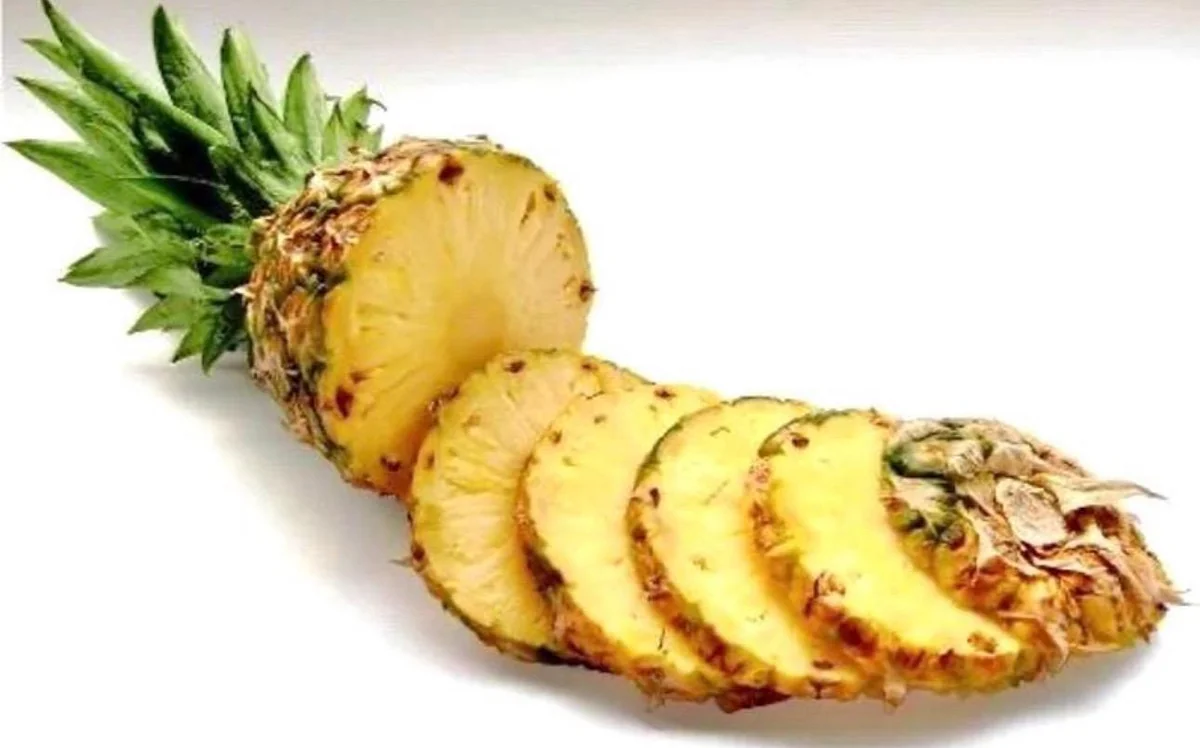
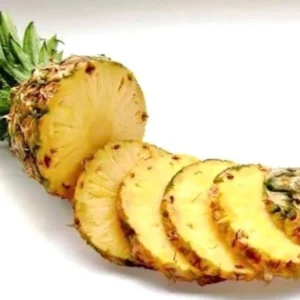
Cultivate your own exotic fruit with the Ananas Florida Special live plant. This beautiful Gold Pineapple starter is a tropical delight, perfect for growing indoors or in warm outdoor climates. Enjoy fresh, sweet pineapples right from your home!
Original price was: $28.42.$18.48Current price is: $18.48.

With our Alive & Thrive Guarantee, we’ve got your back for the first 30 days! If you have any concerns about your plants, just reach out to us. Our team is here to help answer your questions and guide you in selecting the best plants for your garden, climate, and unique preferences. We're excited to help you create the garden of your dreams!
Estimated arrival
Apr 01
Apr 06 - Apr 08
Apr 11 - Apr 15
Product Details
-
USDA Hardiness Zone
USDA zones 10-11 (outdoors) or indoors year-round -
Soil type
Well-draining, slightly acidic potting mix -
Sunlight Exposure
Full sun (6-8+ hours direct light) -
Expected Planting Period
Year-round indoors, spring to summer outdoors
Overview
Bring a taste of the tropics to your home with the Ananas Florida Special live plant. This unique and desirable variety, often referred to as the Gold Pineapple starter, is a fantastic choice for anyone looking to grow their own exotic fruit. Known scientifically as Ananas comosus ‘Florida Special’, this plant produces medium-sized, exceptionally sweet, and juicy golden pineapples. Unlike store-bought pineapples, home-grown varieties offer a superior flavor and freshness that is truly unparalleled. Whether you’re an experienced gardener or a curious beginner, cultivating your own pineapple is a rewarding experience, transforming your space into a mini-tropical oasis. This starter plant provides a head start on growing your very own delicious fruit.
The Ananas Florida Special live plant is not just about the fruit; it’s also a stunning ornamental plant. Its spiky, architectural foliage adds a tropical flair to any setting, making it a beautiful addition to your patio, sunroom, or as an indoor houseplant. With proper care, you can expect this plant to thrive and eventually yield its prized golden fruit, allowing you to enjoy the satisfaction of harvesting your own tropical bounty. Discover the joy of growing an Ananas Comosus Florida Special and elevate your gardening experience.
Key Benefits
Growing the Ananas Florida Special live plant offers a multitude of benefits, from its aesthetic appeal to the delicious fruit it yields. This tropical gem is a fantastic addition to any plant collection.
- Fresh, Delicious Fruit: Enjoy the superior taste of fresh, home-grown golden pineapples. The ‘Florida Special’ variety is renowned for its exceptional sweetness and juicy texture, far surpassing store-bought options. Growing your own Gold Pineapple starter ensures peak ripeness and flavor.
- Exotic Ornamental Appeal: With its striking, spiky foliage, this plant adds a vibrant, tropical touch to your home or garden. It serves as a beautiful decorative element even before it produces fruit, enhancing any space.
- Rewarding Growing Experience: Cultivating your own tropical fruit from a tropical fruit plant is incredibly satisfying. Witnessing the growth and eventual fruiting process is a unique and educational journey for gardeners of all levels.
- Conversation Starter: A pineapple plant growing in your home or garden is sure to capture attention and spark conversations. It’s an unusual and fascinating plant that stands out.
- Adaptable Growth: While a tropical plant, with the right conditions, it can be grown indoors in cooler climates, making it accessible to a wider range of gardeners who want to grow pineapple at home.
- Potential for Multiple Fruits: Once mature, the plant can produce a main fruit and also develop ‘slips’ or ‘suckers’ that can be propagated to grow even more pineapple plants, expanding your tropical collection.
Plant Care & Growing Tips
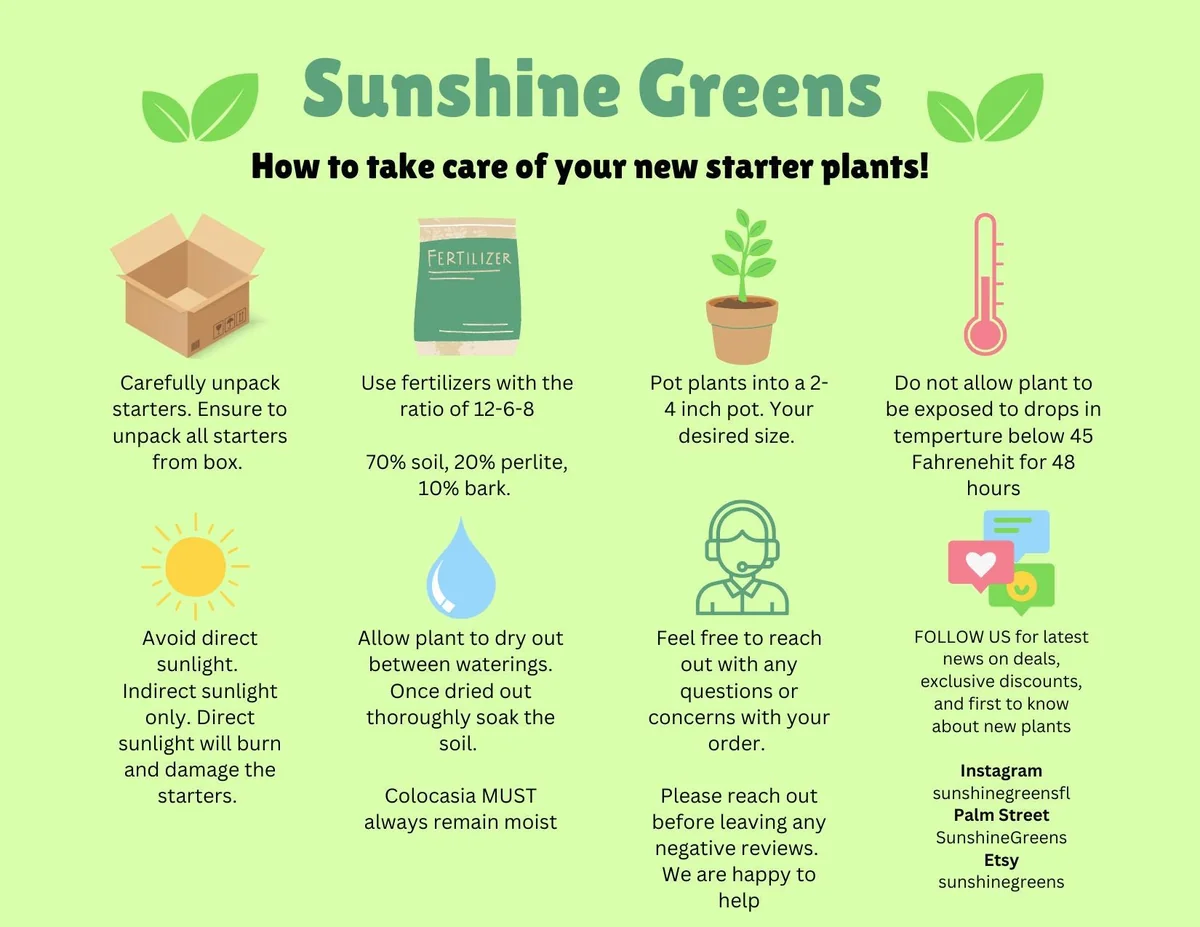
Caring for your Ananas Florida Special live plant is relatively straightforward, especially if you understand its tropical needs. Providing the right environment will ensure a healthy plant and a bountiful harvest. This Gold Pineapple starter thrives in specific conditions that mimic its native habitat.
Sunlight: Pineapple plants require ample sunlight to produce fruit. Aim for at least 6-8 hours of direct sunlight per day. If growing indoors, place your plant in the brightest south-facing window or under a grow light. In very hot climates, some afternoon shade can prevent scorching, but generally, more sun equals sweeter fruit. When you grow pineapple at home, light is paramount.
Watering: Water thoroughly when the top 1-2 inches of soil feel dry. Allow the soil to dry out slightly between waterings to prevent root rot. Pineapple plants are somewhat drought-tolerant due to their succulent-like leaves, but consistent moisture is best for fruit production. Reduce watering in cooler months. Ensure good drainage to prevent waterlogging, which can be detrimental to your tropical fruit plant.
Soil & Fertilization: Use a well-draining, slightly acidic potting mix (pH 4.5-6.5). A mix designed for cacti, succulents, or bromeliads often works well. Fertilize every 2-4 weeks during the growing season (spring and summer) with a balanced liquid fertilizer diluted to half strength. You can also use a slow-release granular fertilizer. Avoid fertilizing in fall and winter. The right soil and nutrients are crucial for the health of your Ananas Comosus Florida Special.
Temperature & Humidity: These are tropical plants, so they prefer warm temperatures between 65-95°F (18-35°C). Protect them from frost, as they are not cold-hardy. If growing outdoors in a non-tropical climate, bring them indoors when temperatures drop below 50°F (10°C). They appreciate high humidity, which can be provided by misting, using a pebble tray, or placing a humidifier nearby, especially indoors.
Size & Details
This offering is for one Ananas Florida Special live plant, provided as a healthy starter plant. It typically ships in a nursery pot, ready for you to transplant into a larger container or a suitable garden spot. The exact size will vary depending on growth stage, but starter plants are usually 4-8 inches tall with established root systems. The ‘Florida Special’ variety is known for producing medium-sized pineapples, typically weighing between 2-4 pounds when mature. Growth rate is moderate, with fruit production generally occurring 18-24 months after planting, depending on growing conditions. The plant itself can reach a height of 2-3 feet and a similar spread at maturity. The vibrant green, spiky leaves provide an attractive display even before the fruit develops, making it a beautiful and productive tropical fruit plant for your collection.
Frequently Asked Questions
- Q: How big does this plant get and what size pot does it come in? A: The Ananas Florida Special live plant can grow up to 2-3 feet tall and wide at maturity. It typically ships as a starter plant in a small nursery pot, ready for you to transfer to a larger container, such as a 5-10 gallon pot, to allow for optimal root development and fruit production.
- Q: Is this an indoor or outdoor plant? How much sunlight does it need? A: This is a tropical plant that thrives outdoors in USDA Zones 10-11. In cooler climates, it can be grown as an indoor plant or brought indoors during colder months. It requires at least 6-8 hours of direct sunlight daily to produce fruit, so place it in a very bright location.
- Q: Is this plant easy to care for? Is it good for beginners? A: Yes, the Gold Pineapple starter is relatively easy to care for, making it suitable for beginners who can provide adequate sunlight and warmth. Consistent watering and occasional feeding are key, but it’s generally a low-maintenance tropical fruit plant.
- Q: What condition will the Ananas Florida Special live plant arrive in? A: Your Ananas Florida Special live plant will arrive as a healthy starter plant, carefully packaged to ensure its safe journey. It will have an established root system and vigorous foliage, ready for planting and continued growth.
- Q: How long until it blooms and produces fruit? A: With optimal conditions, you can expect your Gold Pineapple starter to begin blooming and producing fruit within 18-24 months from the time of planting. Patience is a virtue when you grow pineapple at home!
- Q: What’s the minimum temperature this plant can tolerate? A: As a tropical plant, the Ananas Florida Special live plant is sensitive to cold. It should not be exposed to temperatures below 50°F (10°C) for extended periods. If you live in a colder climate, bring your plant indoors before the first frost.
- Q: Is the ‘Florida Special’ variety known for good flavor? A: Absolutely! The Ananas Comosus Florida Special is highly prized for its exceptionally sweet, juicy, and aromatic golden fruit. It’s often considered superior in flavor to many commercially available pineapple varieties.
- Q: Can I propagate more plants from this one? A: Yes, mature pineapple plants, including the ‘Florida Special’, often produce ‘slips’ (small plantlets at the base of the fruit) and ‘suckers’ (plantlets from the base of the main stem) that can be removed and rooted to grow new pineapple plants.
Related products
-5%
Original price was: $91.98.$87.38Current price is: $87.38.
-25%
Original price was: $20.90.$15.68Current price is: $15.68.
-25%
Original price was: $16.80.$12.60Current price is: $12.60.
-30%
Original price was: $129.98.$90.98Current price is: $90.98.
-25%
Original price was: $33.90.$25.42Current price is: $25.42.
PLANTING & CARE

Growing Glencoe Raspberry: A Complete Guide for Gardeners
If you’re looking to add something unique to your garden, look no further than the
31
Mar
Mar

The Comprehensive Guide to Growing Bay Leaf Plants for a Flavorful Garden
Imagine stepping into your garden, greeted by the earthy aroma of fresh bay leaves, their
09
Feb
Feb

How to Make Comfrey Tea: The Ultimate Organic Plant Food
Growing an organic garden can be surprisingly expensive, especially when most store-bought fertilizers come in
02
Feb
Feb

True Comfrey: 7 Essential Tips Before You Plant This Herb
A staple in permaculture practices across the US, True Comfrey easily earns its reputation as
27
Jan
Jan

7 Heart-Shaped Plants for a Lasting Valentine’s Gift
If you’ve ever bought a bouquet of roses for Valentine’s Day, you know they are
26
Jan
Jan

Best Types of Ivy Plant for Houses: How to Choose the Perfect Ones for Your Home
Are you a garden lover looking to introduce some greenery into your home? Maybe you’ve
14
Nov
Nov

When to Harvest Garlic (Especially Fall-Planted Garlic)
TIMING IS EVERYTHING, they say – and for garlic, that truth hits with surprising accuracy.
13
Nov
Nov

11 of the Best Sweet Potato Varieties to Grow for Your Garden
If you’ve ever tried growing sweet potatoes, you know that picking the right variety can
12
Nov
Nov