Arabica Coffee Plant Live – 6 inch Pot – Indoor Coffee Tree
-50%
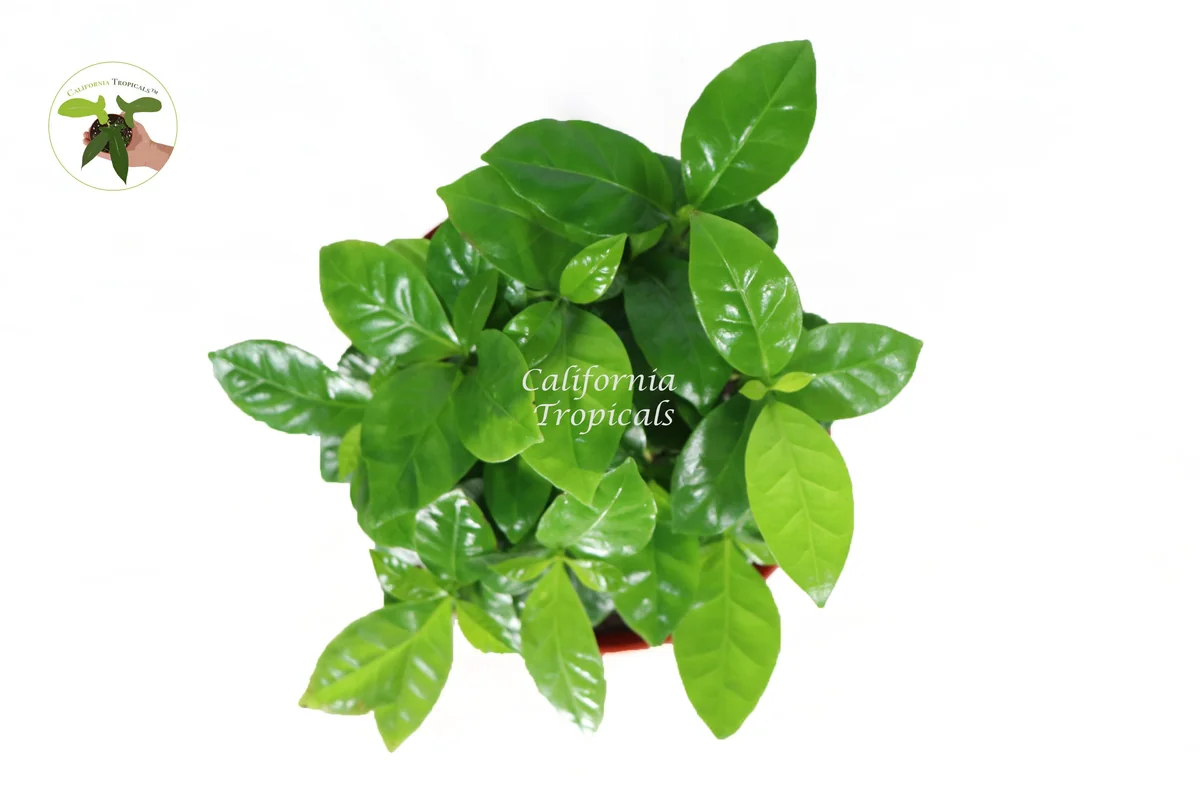
Arabica Coffee Plant Live – 6 inch Pot – Indoor Coffee Tree
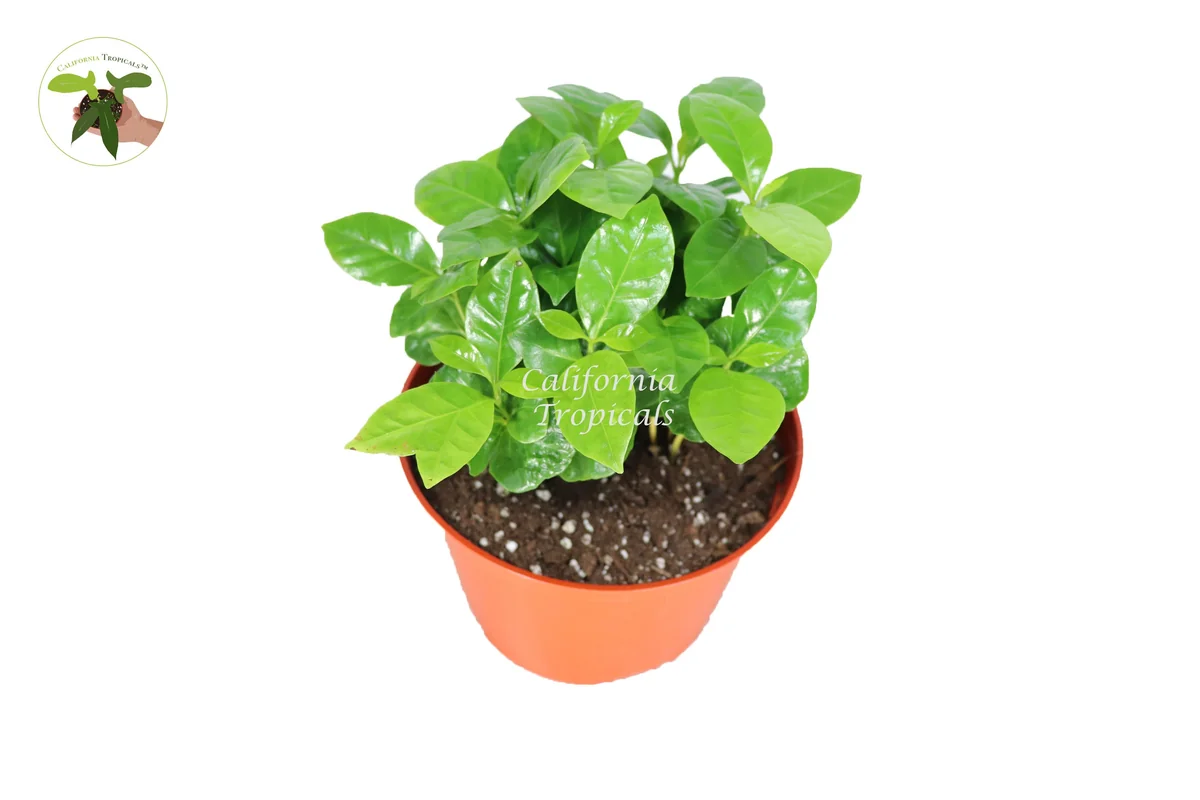
Cultivate your own coffee with a vibrant arabica coffee plant live. This 6-inch potted specimen is ideal for indoor environments, bringing a touch of the tropics and the potential for homegrown coffee beans to your home. Enjoy lush green foliage and a unique conversation piece.
Original price was: $79.96.$39.98Current price is: $39.98.

With our Alive & Thrive Guarantee, we’ve got your back for the first 30 days! If you have any concerns about your plants, just reach out to us. Our team is here to help answer your questions and guide you in selecting the best plants for your garden, climate, and unique preferences. We're excited to help you create the garden of your dreams!
Estimated arrival
Mar 31
Apr 05 - Apr 07
Apr 10 - Apr 14
Product Details
-
USDA Hardiness Zone
USDA zones 10-11 (outdoors), suitable for all zones indoors -
Soil type
Well-draining, slightly acidic potting mix -
Sunlight Exposure
Bright, indirect light -
Expected Planting Period
Year-round indoors
Overview
Discover the joy of growing your own coffee with this exquisite arabica coffee plant live. Originating from the highlands of Ethiopia, the Arabica coffee plant (Coffea arabica) is renowned for producing the world’s most popular coffee beans. This beautiful live plant, arriving in a 6-inch pot, offers a unique opportunity to cultivate a tropical specimen right in your home. Perfect for plant enthusiasts and coffee lovers alike, it features glossy, deep green leaves and, with proper care, will eventually produce fragrant white flowers followed by small green berries that ripen to a vibrant red, containing the precious coffee beans. Growing your own coffee beans at home is a rewarding experience, transforming your living space into a lush, productive oasis.
This particular arabica coffee plant live is a robust and healthy specimen, carefully nurtured to thrive in an indoor setting. It’s an excellent choice for adding a touch of exotic greenery and a fascinating botanical project to your collection. The plant is shipped in its pot, ensuring minimal transplant shock and a smooth transition to its new environment. Its compact size makes it suitable for various living spaces, from sunny windowsills to bright office desks, allowing anyone to embark on the journey of growing coffee.
Key Benefits
Bringing an arabica coffee plant live into your home offers a multitude of benefits beyond just the potential for homegrown coffee:
- Aesthetic Appeal: The glossy, dark green leaves provide a lush, tropical look that enhances any indoor decor. Its vibrant foliage creates a calming and natural atmosphere, making it a beautiful focal point in any room.
- Air Purification: Like many houseplants, the Arabica coffee plant contributes to healthier indoor air quality by absorbing common pollutants and releasing oxygen, promoting a fresher and more invigorating environment.
- Educational Experience: Growing an arabica coffee tree from its leafy stage to producing berries offers a fascinating educational journey. It’s a wonderful opportunity to learn about the coffee production cycle firsthand, from plant to bean.
- Potential for Homegrown Coffee: With patience and proper care, this plant can produce its own coffee cherries, allowing you to harvest, process, and roast your very own coffee beans for a truly unique and satisfying brew.
- Low Maintenance: While it enjoys specific conditions, the Arabica coffee plant is relatively easy to care for once its needs are understood, making it suitable for both experienced gardeners and those new to houseplants.
- Unique Conversation Starter: An arabica coffee plant live is not a common houseplant, making it a distinctive and interesting addition that is sure to spark conversation among guests.
- Stress Reduction: Tending to plants has been shown to reduce stress and improve overall well-being. The simple act of caring for your coffee plant can be a therapeutic and enjoyable hobby.
Plant Care & Growing Tips
Caring for your arabica coffee plant live involves understanding its natural habitat and replicating those conditions as closely as possible indoors. These plants thrive in environments that mimic their tropical origins, requiring consistent attention to light, water, and humidity. For optimal growth, provide bright, indirect light. Direct, harsh sunlight can scorch the leaves, so a north or east-facing window is often ideal. If placed near a south or west-facing window, ensure it’s protected by a sheer curtain or set back a few feet to avoid intense sun exposure. Insufficient light can lead to leggy growth and fewer flowers or berries.
Watering is crucial for a healthy coffee plant indoor. Keep the soil consistently moist but never waterlogged. Allow the top inch of soil to dry out slightly before watering again. Overwatering can lead to root rot, while underwatering will cause the leaves to droop and turn brown. Good drainage is essential, so ensure your pot has drainage holes. Humidity is another key factor; coffee plants prefer high humidity. You can increase humidity by misting the leaves regularly, placing the pot on a pebble tray with water, or using a humidifier, especially during dry winter months. The ideal temperature range for an Arabica coffee plant is between 65-75°F (18-24°C), avoiding temperatures below 55°F (13°C).
For soil, a well-draining, slightly acidic potting mix is best. A mix formulated for tropical plants or an all-purpose potting mix amended with perlite or peat moss works well. Fertilize your arabica coffee tree every 2-4 weeks during the growing season (spring and summer) with a balanced liquid fertilizer diluted to half strength. Reduce feeding in fall and winter. Common pests include spider mites and mealybugs; inspect your plant regularly and treat any infestations promptly with insecticidal soap. Pruning can be done to maintain shape and encourage bushier growth, typically in late winter or early spring.
Size & Details
This arabica coffee plant live arrives as a healthy, established specimen in a 6-inch nursery pot, providing a robust start for your indoor gardening adventure. The plant typically stands between 10 to 14 inches tall from the base of the pot to the top of its foliage upon arrival, though exact dimensions may vary slightly depending on individual plant growth. Arabica coffee plants are known for their moderate growth rate, and with proper care, they can reach heights of 3 to 6 feet indoors over several years, though they can be pruned to maintain a more compact size. The plant is shipped securely in its current pot, ensuring it is not bare-rooted and can acclimate smoothly to its new home. Expect vibrant green foliage and a strong root system, ready to thrive in your care. While flowering and fruiting can take 3-5 years from planting, the reward of growing coffee beans at home is well worth the wait.
Frequently Asked Questions
- Q: How big does this plant get? A: This arabica coffee plant live typically arrives around 10-14 inches tall in its 6-inch pot. Indoors, with proper care, it can eventually reach heights of 3-6 feet, but it can be pruned to maintain a smaller, more manageable size.
- Q: Is this an indoor or outdoor plant? A: While coffee plants can grow outdoors in very warm, tropical climates (USDA zones 10-11), this coffee plant indoor is specifically cultivated and best suited for indoor environments in most regions, protected from cold temperatures.
- Q: How much sunlight does it need? A: The arabica coffee plant live thrives in bright, indirect light. Avoid direct, intense sunlight which can scorch its leaves. A spot near a north or east-facing window is often ideal.
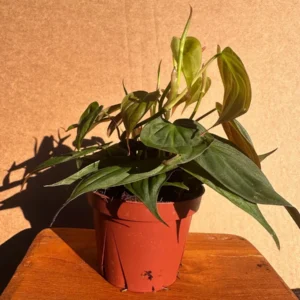
- Q: What condition will it arrive in? A: Your plant will arrive as a healthy, live specimen, carefully packaged in its 6-inch nursery pot. It will be well-rooted and representative of the plant pictured, ready for your care.
- Q: Is this plant easy to care for? A: Yes, the Arabica coffee plant is considered relatively easy to care for, making it suitable for beginners and experienced plant parents alike. Key factors for success are consistent watering, bright indirect light, and adequate humidity.
- Q: How long until it blooms or produces coffee beans? A: An arabica coffee tree typically takes 3-5 years to mature enough to produce flowers and then coffee cherries. Patience is key for enjoying homegrown coffee beans.
- Q: What’s the best soil for a coffee plant? A: For optimal growth, use a well-draining, slightly acidic potting mix. A blend designed for tropical plants or an all-purpose mix amended with perlite or peat moss works well.
- Q: Will it survive winter in my zone? A: As an indoor plant, your coffee plant care should focus on maintaining warm temperatures (above 55°F/13°C) and consistent humidity, regardless of your outdoor USDA zone. It will not tolerate cold temperatures.
- Q: Can I use the coffee beans from this plant? A: Yes, with proper cultivation and processing (harvesting, drying, roasting), the beans from your Arabica coffee plant can be used to make your own coffee.
- Q: Is this plant pet-safe? A: Please note that coffee plants contain caffeine and other compounds that can be toxic if ingested by pets. It’s best to keep your arabica coffee plant live out of reach of curious animals.
Related products
-25%
Original price was: $30.00.$22.50Current price is: $22.50.
-30%
Original price was: $129.98.$90.98Current price is: $90.98.
-25%
Original price was: $23.80.$17.84Current price is: $17.84.
-30%
Original price was: $25.98.$18.18Current price is: $18.18.
PLANTING & CARE

The Comprehensive Guide to Growing Bay Leaf Plants for a Flavorful Garden
Imagine stepping into your garden, greeted by the earthy aroma of fresh bay leaves, their
09
Feb
Feb

How to Make Comfrey Tea: The Ultimate Organic Plant Food
Growing an organic garden can be surprisingly expensive, especially when most store-bought fertilizers come in
02
Feb
Feb

True Comfrey: 7 Essential Tips Before You Plant This Herb
A staple in permaculture practices across the US, True Comfrey easily earns its reputation as
27
Jan
Jan

7 Heart-Shaped Plants for a Lasting Valentine’s Gift
If you’ve ever bought a bouquet of roses for Valentine’s Day, you know they are
26
Jan
Jan

Best Types of Ivy Plant for Houses: How to Choose the Perfect Ones for Your Home
Are you a garden lover looking to introduce some greenery into your home? Maybe you’ve
14
Nov
Nov

When to Harvest Garlic (Especially Fall-Planted Garlic)
TIMING IS EVERYTHING, they say – and for garlic, that truth hits with surprising accuracy.
13
Nov
Nov

11 of the Best Sweet Potato Varieties to Grow for Your Garden
If you’ve ever tried growing sweet potatoes, you know that picking the right variety can
12
Nov
Nov
Pruning Bougainvillea for Winter
Bougainvillea vines are known for their dazzling display of magenta, orange, and fuchsia bracts that
05
Nov
Nov