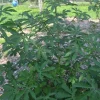
Ashwagandha Live Plant – Indian Ginseng Herb, Rare Heirloom
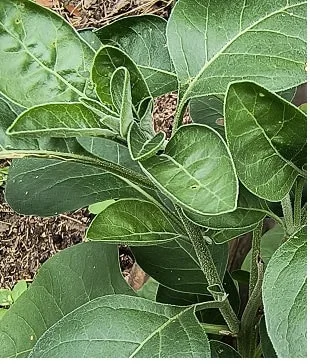
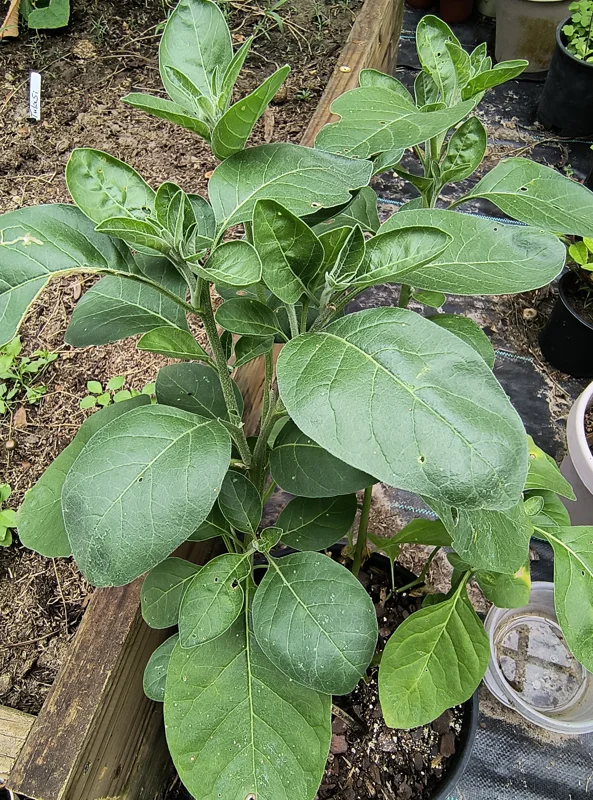
Ashwagandha Live Plant – Indian Ginseng Herb, Rare Heirloom
Cultivate your own wellness with an ashwagandha live plant. Also known as Indian Ginseng plant, this rare heirloom herb is prized for its adaptogenic benefits and distinctive growth. Perfect for both indoor and outdoor cultivation in suitable climates.
$33.96

With our Alive & Thrive Guarantee, we’ve got your back for the first 30 days! If you have any concerns about your plants, just reach out to us. Our team is here to help answer your questions and guide you in selecting the best plants for your garden, climate, and unique preferences. We're excited to help you create the garden of your dreams!
Estimated arrival
Mar 31
Apr 05 - Apr 07
Apr 10 - Apr 14
Product Details
-
USDA Hardiness Zone
USDA zones 9–11 (as perennial, otherwise annual) -
Soil type
Well-draining sandy loam -
Sunlight Exposure
Full sun to partial shade -
Expected Planting Period
Spring to early summer (outdoors), year-round (indoors)
Overview
Discover the ancient power of the ashwagandha live plant, a revered herb often called Indian Ginseng plant. This particular offering features a live, healthy specimen of the Ashwagandha (Withania somnifera), ready to thrive in your home or garden. Ashwagandha is an adaptogenic herb, meaning it helps the body adapt to various stressors. Originating from India and parts of Africa, this plant has been a cornerstone of Ayurvedic medicine for centuries, known for its potential to support overall well-being. Growing your own heirloom ashwagandha allows you to connect directly with nature’s pharmacy, providing fresh leaves and roots for your personal use. It’s a fascinating and rewarding plant for any herb enthusiast or those interested in traditional remedies.
Our ashwagandha live plant is an heirloom variety, ensuring genetic purity and robust growth. It’s a wonderful addition to any herb garden, container collection, or even as an indoor plant in cooler climates. With its relatively easy care requirements, even novice gardeners can successfully grow ashwagandha and enjoy its many benefits. This plant will arrive carefully packaged, ready for transplanting and nurturing in its new home.
Key Benefits
Growing an ashwagandha live plant offers a multitude of advantages, from its aesthetic appeal to its profound wellness properties. Here are some of the key benefits you can expect from cultivating this remarkable herb:
-
Traditional Wellness Support: Ashwagandha, or Indian Ginseng plant, is widely recognized in Ayurveda for its adaptogenic qualities. It is believed to help the body manage stress and maintain balance, contributing to a sense of calm and overall vitality.
-
Fresh Herbal Source: Having a live plant means you have a fresh and readily available source of Ashwagandha leaves and roots. You can use them for teas, tinctures, or other preparations, ensuring the highest quality and potency.
-
Garden or Indoor Beauty: The Ashwagandha plant features attractive oval leaves and produces small, bell-shaped flowers followed by orange-red berries encased in a papery calyx. It adds a unique, exotic touch to your garden beds or as a potted specimen indoors.
-
Educational Experience: Cultivating an heirloom ashwagandha provides an engaging hands-on experience, teaching you about traditional medicinal plants and sustainable gardening practices. It’s a great conversation starter and a rewarding project.
-
Relatively Low Maintenance: Once established, the ashwagandha live plant is quite resilient and doesn’t demand constant attention. It can tolerate a range of conditions, making it suitable for various gardening skill levels.
-
Air Purification: Like many living plants, Ashwagandha contributes to a healthier indoor environment by converting carbon dioxide into oxygen and potentially filtering out some airborne toxins, enhancing the air quality around you.
-
Sustainable Sourcing: By choosing to grow ashwagandha yourself, you ensure a sustainable and ethical source for this valuable herb, reducing reliance on wild harvesting or commercially grown products.
Plant Care & Growing Tips
To successfully cultivate your ashwagandha live plant, understanding its specific care requirements is essential. This plant thrives in conditions that mimic its native subtropical environment, but it can be adapted to various settings with proper attention. The key to a healthy Indian Ginseng plant lies in providing adequate sunlight, appropriate watering, and well-draining soil.
For sunlight, Ashwagandha prefers full sun to partial shade. Aim for at least 6-8 hours of direct sunlight per day if grown outdoors. If growing indoors, place it near a south-facing window or under a grow light to ensure it receives sufficient light. In very hot climates, some afternoon shade can be beneficial to prevent leaf scorch. When it comes to watering, Ashwagandha is somewhat drought-tolerant once established but prefers consistent moisture. Water thoroughly when the top inch or two of soil feels dry to the touch. Avoid overwatering, as this can lead to root rot. Good drainage is crucial. The ideal soil type is a well-draining sandy loam with a pH between 7.5 and 8.0. If planting in a pot, use a high-quality potting mix amended with sand or perlite to improve drainage. For outdoor planting, ensure your soil is not heavy clay; amend with organic matter and sand if necessary.
Ashwagandha is typically grown as an annual in cooler climates but can be a perennial in warmer USDA Zones 9-11. It prefers warm temperatures and is sensitive to frost. If you live in a colder zone, you can grow it in containers and bring it indoors before the first frost. Fertilize sparingly; Ashwagandha does not require heavy feeding. A balanced organic fertilizer applied once or twice during the growing season is usually sufficient. Watch out for common pests like aphids or spider mites, especially on indoor plants. Treat with neem oil or insecticidal soap if necessary. Allowing your ashwagandha live plant to establish a strong root system is key to its long-term health and productivity, especially if you plan to harvest the roots. With these tips, you’ll be able to successfully grow ashwagandha and enjoy its presence.
Size & Details
Your ashwagandha live plant will arrive as a young, healthy specimen, typically ranging from 4 to 8 inches in height, ready for transplanting into a larger pot or your garden. While exact dimensions may vary, Ashwagandha plants generally grow to a height of 1 to 2 feet and spread about 1 to 1.5 feet wide when mature. The plant ships in a nursery pot, ensuring its root system is intact and protected during transit. This heirloom ashwagandha variety is known for its robust growth habit and is expected to reach maturity within one growing season, typically 5-7 months, at which point its roots can be harvested. The plant produces small, green-yellow flowers, followed by distinctive orange-red berries encased in a papery calyx, which adds visual interest. It’s a relatively fast-growing herb, making it a rewarding plant to cultivate from a young stage.
Frequently Asked Questions
-
Q: How big does this ashwagandha live plant get? A: A: When mature, the ashwagandha live plant typically reaches a height of 1 to 2 feet and spreads about 1 to 1.5 feet wide. Its size can be influenced by growing conditions and pot size.
-
Q: Is this an indoor or outdoor plant? A: Ashwagandha can be grown both indoors and outdoors. It thrives outdoors in warm climates (USDA Zones 9-11) as a perennial, but it can be grown as an annual or brought indoors during winter in colder regions.
-
Q: How much sunlight does the Indian Ginseng plant need? A: This plant prefers full sun, ideally receiving 6-8 hours of direct sunlight per day. If grown indoors, a bright, south-facing window or supplemental grow light is recommended.
-
Q: Is this plant easy to care for? A: Yes, the ashwagandha live plant is considered relatively easy to care for, especially once established. It requires well-draining soil, consistent watering, and plenty of sunlight, making it suitable for beginners.
-
Q: What condition will it arrive in? A: Your heirloom ashwagandha plant will arrive as a healthy, young live specimen, carefully packaged in a nursery pot to protect its roots and foliage during shipping.
-
Q: Can I use ashwagandha leaves and roots? A: Yes, both the leaves and roots of the ashwagandha live plant are traditionally used. The roots are most commonly harvested for their adaptogenic properties, typically after 5-7 months of growth.
-
Q: When is the best time to plant Ashwagandha? A: The best time to plant Ashwagandha is in spring after the last danger of frost has passed, or any time indoors if you are growing it as a potted houseplant.
-
Q: What kind of soil is best for grow ashwagandha? A: Ashwagandha prefers well-draining, sandy loam soil. If planting in a container, use a good quality potting mix amended with sand or perlite to ensure excellent drainage and prevent waterlogging.
-
Q: Is this Indian Ginseng plant drought-tolerant? A: While it can tolerate some drought once established, Ashwagandha prefers consistent moisture. It’s best to water when the top inch or two of soil feels dry to the touch to promote healthy growth.
-
Q: Will this ashwagandha live plant produce berries? A: Yes, if provided with adequate light and care, your Ashwagandha plant will produce small, bell-shaped flowers followed by distinctive orange-red berries encased in a papery calyx.
Related products
-10%
Original price was: $75.00.$67.50Current price is: $67.50.
-30%
Original price was: $67.98.$47.58Current price is: $47.58.
-10%
Original price was: $23.99.$21.59Current price is: $21.59.
-20%
Original price was: $35.00.$28.00Current price is: $28.00.
-67%
Original price was: $39.72.$13.24Current price is: $13.24.
-67%
Original price was: $75.72.$25.24Current price is: $25.24.
-10%
Original price was: $65.00.$58.50Current price is: $58.50.
-20%
From Original price was: $22.00.$17.60Current price is: $17.60.
PLANTING & CARE

Growing Glencoe Raspberry: A Complete Guide for Gardeners
If you’re looking to add something unique to your garden, look no further than the
31
Mar
Mar

The Comprehensive Guide to Growing Bay Leaf Plants for a Flavorful Garden
Imagine stepping into your garden, greeted by the earthy aroma of fresh bay leaves, their
09
Feb
Feb

How to Make Comfrey Tea: The Ultimate Organic Plant Food
Growing an organic garden can be surprisingly expensive, especially when most store-bought fertilizers come in
02
Feb
Feb

True Comfrey: 7 Essential Tips Before You Plant This Herb
A staple in permaculture practices across the US, True Comfrey easily earns its reputation as
27
Jan
Jan

7 Heart-Shaped Plants for a Lasting Valentine’s Gift
If you’ve ever bought a bouquet of roses for Valentine’s Day, you know they are
26
Jan
Jan

Best Types of Ivy Plant for Houses: How to Choose the Perfect Ones for Your Home
Are you a garden lover looking to introduce some greenery into your home? Maybe you’ve
14
Nov
Nov

When to Harvest Garlic (Especially Fall-Planted Garlic)
TIMING IS EVERYTHING, they say – and for garlic, that truth hits with surprising accuracy.
13
Nov
Nov

11 of the Best Sweet Potato Varieties to Grow for Your Garden
If you’ve ever tried growing sweet potatoes, you know that picking the right variety can
12
Nov
Nov