Barbados Cherry Tree Live Plant – Acerola Cherry Starter 4-6″ Tall – Healthy Soil Root
-50%
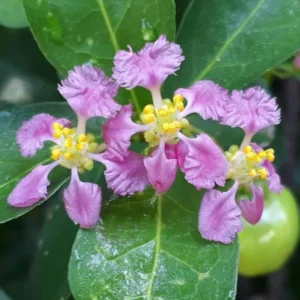
Barbados Cherry Tree Live Plant – Acerola Cherry Starter 4-6″ Tall – Healthy Soil Root
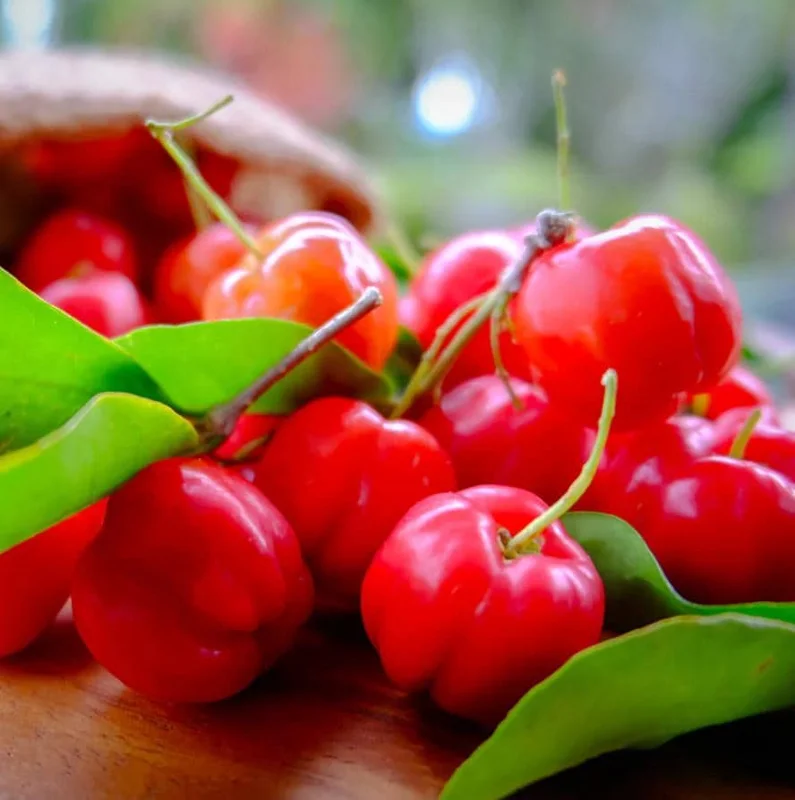
Cultivate your own healthy and productive Barbados Cherry live plant. This 4-6 inch tall Acerola Cherry tree care starter plant arrives with a robust soil root ball, ready for easy planting. Enjoy delicious, vitamin C-rich fruit from your garden.
Original price was: $47.98.$23.99Current price is: $23.99.

With our Alive & Thrive Guarantee, we’ve got your back for the first 30 days! If you have any concerns about your plants, just reach out to us. Our team is here to help answer your questions and guide you in selecting the best plants for your garden, climate, and unique preferences. We're excited to help you create the garden of your dreams!
Estimated arrival
Apr 08
Apr 13 - Apr 15
Apr 18 - Apr 22
Product Details
-
USDA Hardiness Zone
USDA zones 9–11 outdoors, 4-11 in containers -
Soil type
Well-drained soil -
Sunlight Exposure
Full sun -
Expected Planting Period
Spring to early summer
Overview
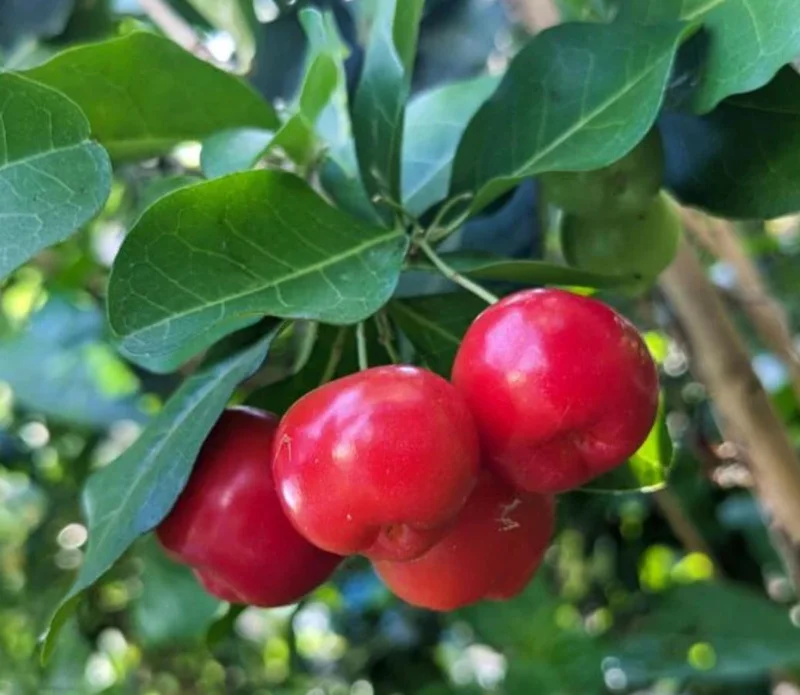
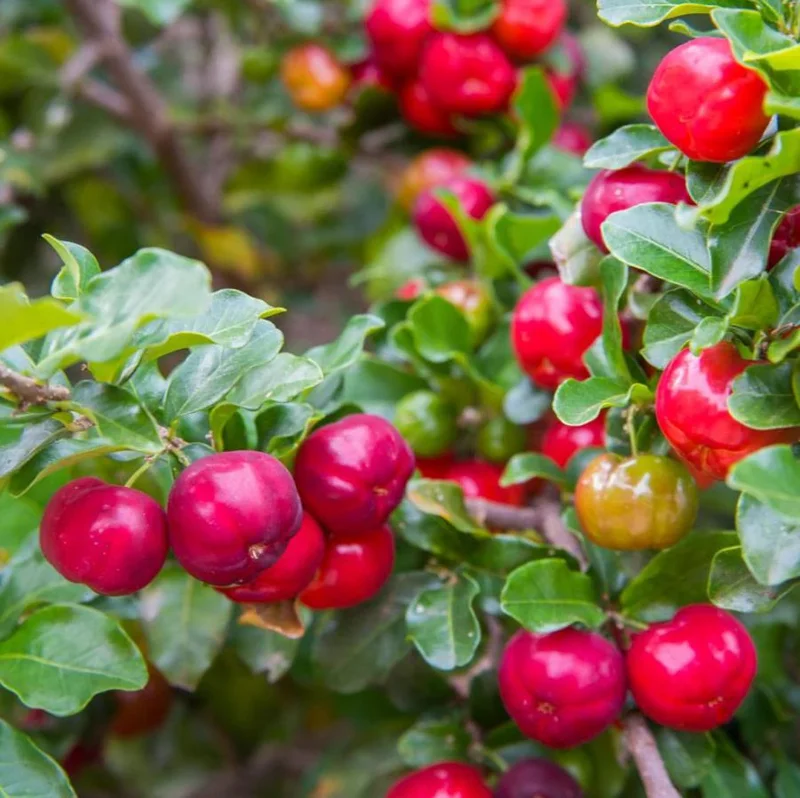
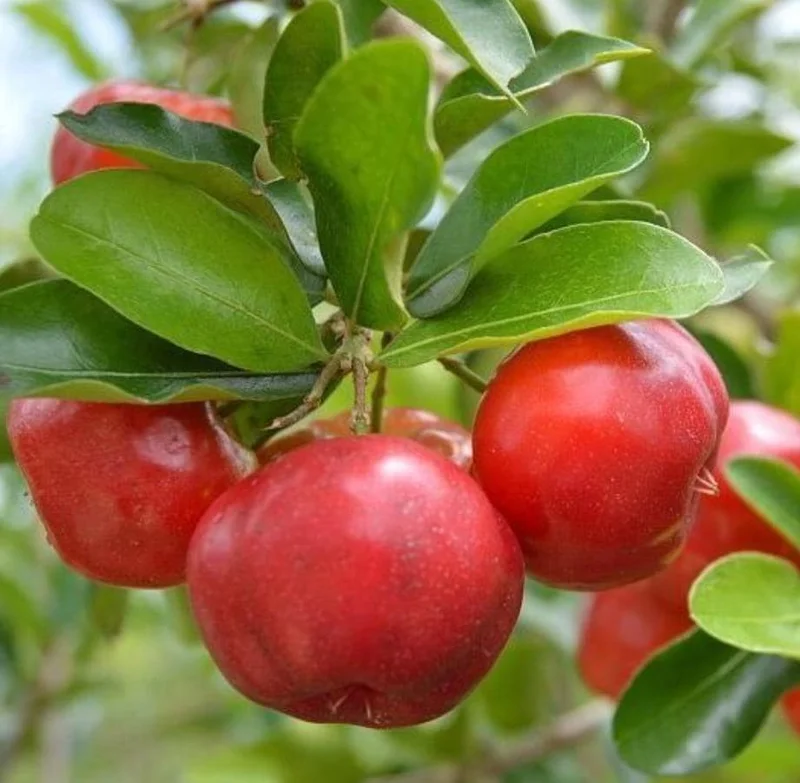
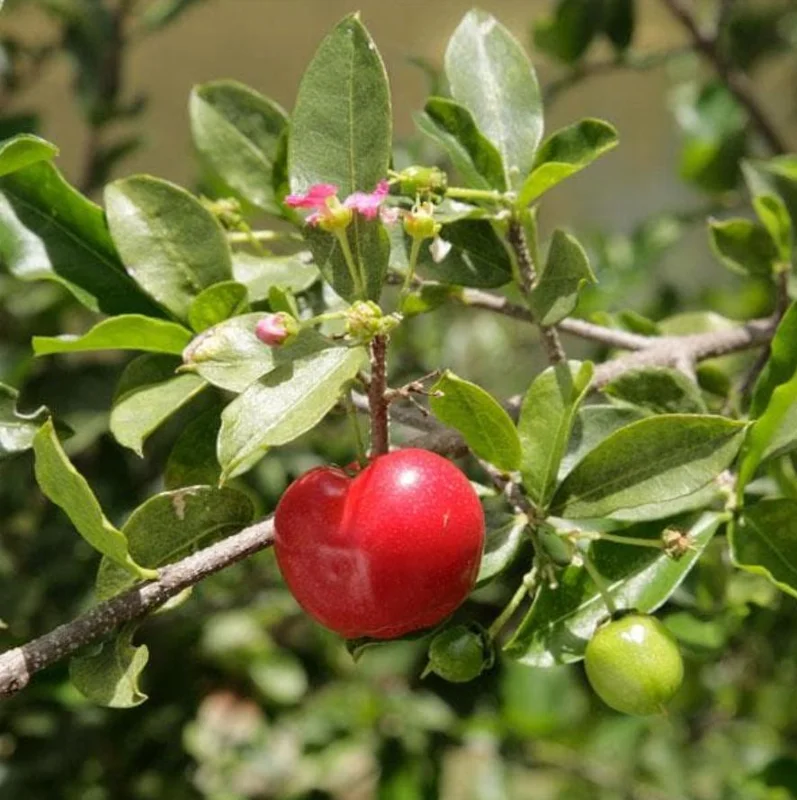
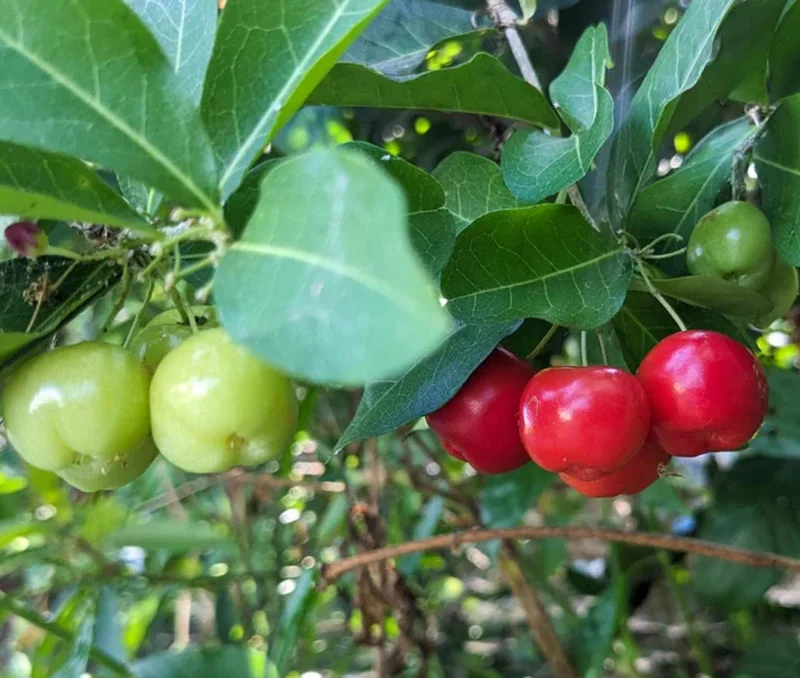
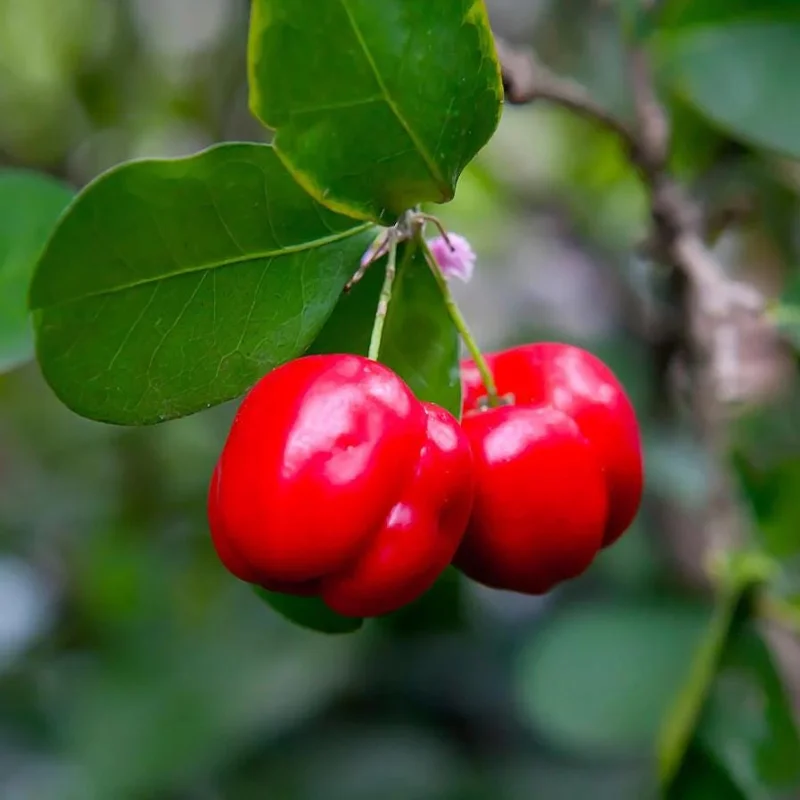
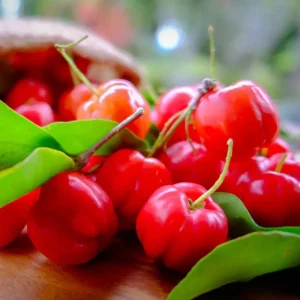
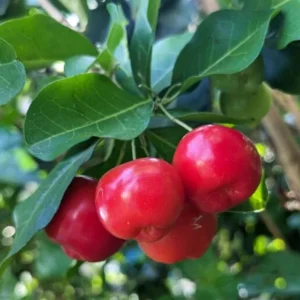
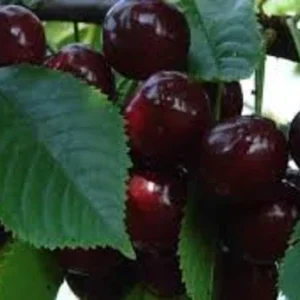
Embark on a rewarding gardening journey with this vibrant Barbados Cherry live plant, also widely known as the Acerola Cherry (Malpighia emarginata). This fast-growing, densely branched shrub or small tree is celebrated for its bright red, juicy cherries that are exceptionally high in vitamin C. Our starter plant, approximately 4-6 inches tall, is delivered with a healthy soil root ball, ensuring it’s ready to thrive in its new home. The Barbados Cherry live plant is a self-fertile variety, meaning you can enjoy fruit from a single tree, though cultivating another nearby can significantly boost your yield. Perfect for edible landscapes and nutrient-rich harvests, this tropical gem is a fantastic addition to any garden.
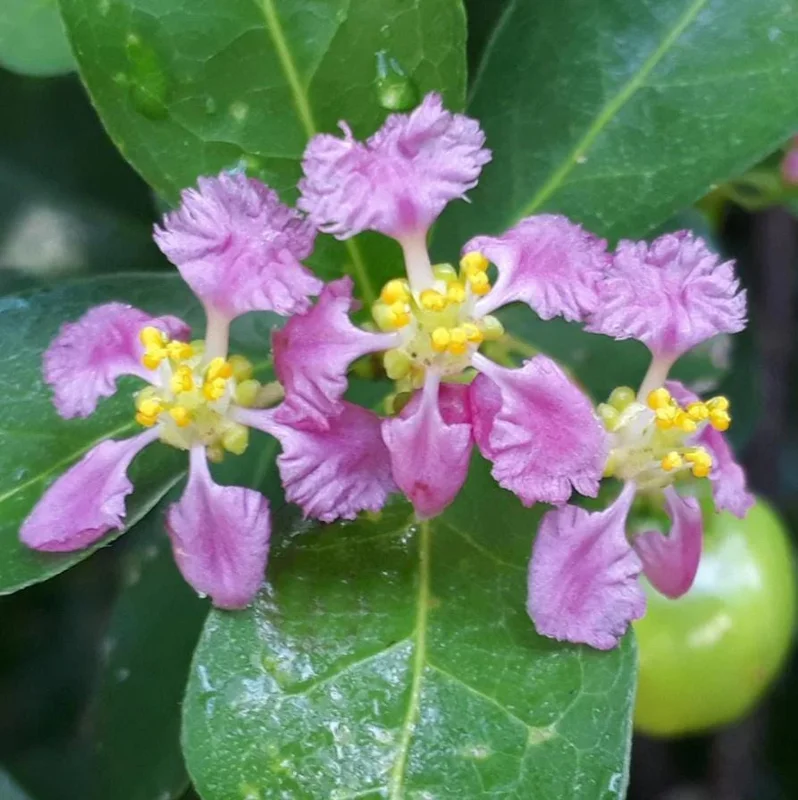
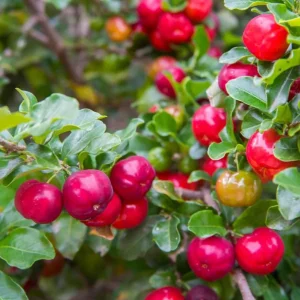
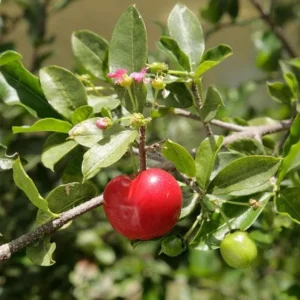
The Malpighia emarginata plant is not just productive but also ornamental, featuring shiny evergreen leaves and delicate pale pink to rose-colored flowers. These beautiful blooms appear from spring through summer into fall, preceding multiple crops of fruit throughout the year. If you’re looking to grow a unique fruit tree that offers both beauty and exceptional nutritional value, this Barbados Cherry live plant is an excellent choice.
Key Benefits
Bringing a Barbados Cherry live plant into your garden offers a multitude of advantages, from its delicious fruit to its attractive appearance:
- Exceptional Nutritional Value: The fruit of the Barbados Cherry live plant is renowned for its extraordinarily high vitamin C content, often providing the daily adult requirement in just one cherry. It’s also rich in antioxidants, making it a powerful health booster.
- Abundant Fruit Production: This plant is a prolific producer, yielding 3 to 5 crops of cherries from May to November, with peak harvest in summer. Enjoy a continuous supply of fresh, tart-sweet fruit.
- Attractive Evergreen Foliage: The glossy, evergreen leaves provide year-round beauty, while the pale pink to rose-colored flowers add a delicate charm to your garden from spring through fall.
- Versatile Growing Options: Thrives outdoors in USDA zones 9–11 and can be successfully grown in containers on patios in zones 4–11 with proper care, making it adaptable to various climates and spaces.
- Self-Fertile & Easy to Grow: The Malpighia emarginata plant is self-fertile, producing fruit even with a single tree. It’s relatively low maintenance, making it suitable for gardeners of all experience levels who want to grow Barbados Cherry.
- Fast Growing: This species is known for its rapid growth, allowing you to enjoy mature plants and fruit sooner.
- Culinary and Health Uses: The cherries are perfect for fresh eating, juices, jams, and desserts, providing a healthful and delicious ingredient directly from your garden. Many seek to grow Barbados Cherry for its health benefits.
Plant Care & Growing Tips
Caring for your Barbados Cherry live plant is straightforward, allowing you to enjoy its bountiful harvests with relative ease. This tropical plant thrives in conditions that mimic its native environment. It requires full sun exposure, meaning at least 6-8 hours of direct sunlight per day to ensure optimal growth and fruit production. When planting, choose a location with well-drained soil. If planting in a container, use a high-quality potting mix that allows for good drainage. Proper drainage is crucial to prevent root rot, a common issue for many fruit-bearing plants.
Consistent watering is vital, especially during dry periods and when the plant is establishing itself. Keep the soil consistently moist but never waterlogged. Once established, the Barbados Cherry can tolerate short periods of drought but will perform best with regular hydration. Fertilize your Barbados Cherry live plant with a balanced slow-release fertilizer or an organic fruit tree fertilizer during the growing season (spring through fall). Pruning can be done to shape the plant, encourage a central trunk if desired, and remove any dead or diseased branches. This also helps improve air circulation and fruit accessibility. For those interested in Acerola Cherry tree care, understanding these basic needs will lead to a thriving plant.
The Malpighia emarginata plant is resilient, but protecting it from extreme cold is essential in cooler zones. If growing in a container in zones below 9, bring it indoors during winter or provide adequate protection. With proper Acerola Cherry tree care, your plant will reward you with years of delicious, vitamin C-packed fruit. Regularly inspect your plant for any signs of pests or diseases, and address them promptly to maintain its health and vigor. Many find that to successfully grow Barbados Cherry, attention to these details makes all the difference.
Size & Details
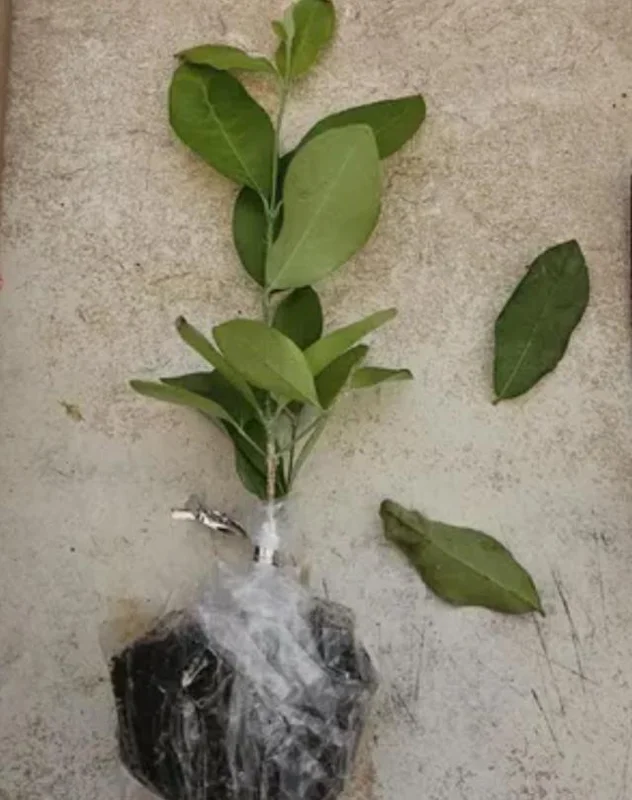
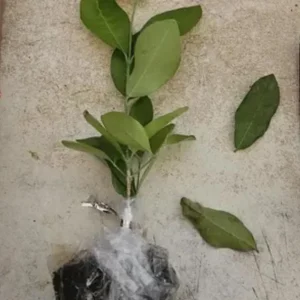
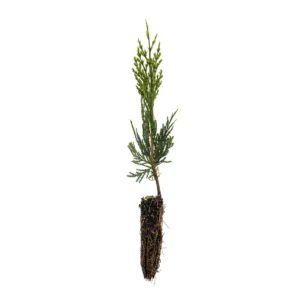
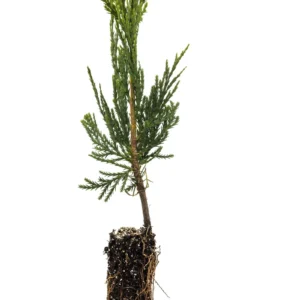
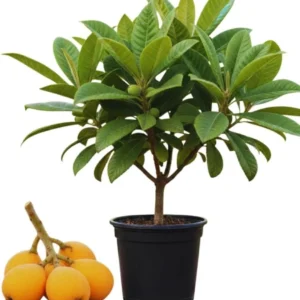
You will receive one healthy Barbados Cherry live plant starter, approximately 4-6 inches tall. Each plant is shipped with a robust, healthy soil root ball, carefully packed to ensure moisture retention and protection during transit. This ensures your plant arrives ready for immediate planting and minimizes transplant shock. Please note that no pot is included with the shipment, allowing you the flexibility to choose your preferred container or planting location.
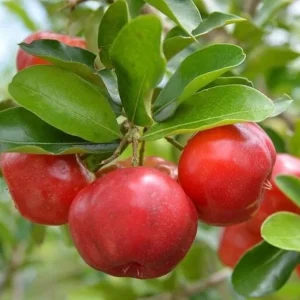
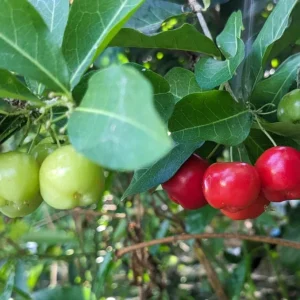
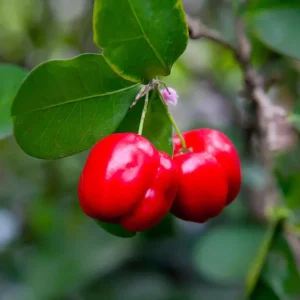
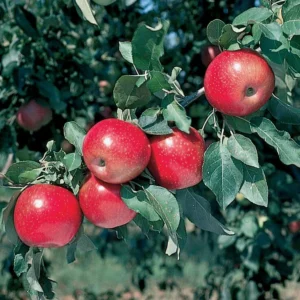
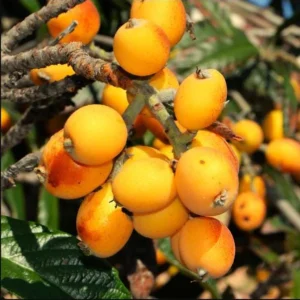
Mature Barbados Cherry live plant specimens can reach an impressive height of 10 to 12 feet with a spread of 10 to 15 feet when grown outdoors in ideal conditions. When grown in containers, their size can be managed through pruning. This fast-growing variety begins to produce fruit relatively quickly, often within 1-2 years under optimal care, allowing you to enjoy fresh cherries sooner. The fruit itself is about an inch in diameter, round with thin skin, and offers a tart to mildly sweet flavor profile depending on the specific variety and ripeness. Our plants are cultivated to help you successfully grow Barbados Cherry and enjoy its many benefits.
Frequently Asked Questions
- Q: How big will my Barbados Cherry live plant get? A: A mature Barbados Cherry live plant can reach 10 to 12 feet tall with a spread of 10 to 15 feet when grown outdoors. Its size can be managed with pruning, especially if grown in a container.
- Q: What condition will the plant arrive in? A: Your Barbados Cherry live plant will arrive as a healthy starter plant, approximately 4-6 inches tall, with a well-established soil root ball, carefully packed to ensure its vitality during shipping.
- Q: Is this an indoor or outdoor plant? A: The Malpighia emarginata plant thrives outdoors in USDA zones 9–11. It can also be grown successfully in containers indoors or on patios in zones 4–11, provided it receives adequate sunlight and protection from cold.
- Q: How much sunlight does a Barbados Cherry need? A: This plant requires full sun, meaning at least 6-8 hours of direct sunlight per day, for optimal growth and fruit production.
- Q: Is the Barbados Cherry plant easy to care for? A: Yes, with proper Acerola Cherry tree care regarding sunlight, watering, and well-drained soil, it is considered relatively easy to care for and is suitable for most gardeners.
- Q: How long until my Barbados Cherry live plant produces fruit? A: Under ideal growing conditions, your Barbados Cherry live plant can begin producing fruit within 1-2 years after planting.
- Q: Can I grow Barbados Cherry in a pot? A: Absolutely! The Barbados Cherry live plant adapts well to container growing, especially in cooler climates (zones 4-8) where it can be moved indoors during winter.
- Q: What are the nutritional benefits of Barbados Cherries? A: Barbados Cherries are exceptionally rich in vitamin C, often providing the daily adult requirement in a single fruit, and also contain beneficial antioxidants. This is a key reason many choose to grow Barbados Cherry.
- Q: When is the best time to plant a Barbados Cherry? A: The best time to plant your Barbados Cherry live plant is in spring or early summer, after the last threat of frost, allowing it ample time to establish before cooler weather.
- Q: Do I need more than one Barbados Cherry plant for fruit? A: While the plant is self-fertile and will produce fruit with just one tree, planting a second Malpighia emarginata plant nearby can significantly increase fruit yield.
Related products
-50%
Original price was: $73.98.$36.99Current price is: $36.99.
PLANTING & CARE

Growing Glencoe Raspberry: A Complete Guide for Gardeners
If you’re looking to add something unique to your garden, look no further than the
31
Mar
Mar

The Comprehensive Guide to Growing Bay Leaf Plants for a Flavorful Garden
Imagine stepping into your garden, greeted by the earthy aroma of fresh bay leaves, their
09
Feb
Feb

How to Make Comfrey Tea: The Ultimate Organic Plant Food
Growing an organic garden can be surprisingly expensive, especially when most store-bought fertilizers come in
02
Feb
Feb

True Comfrey: 7 Essential Tips Before You Plant This Herb
A staple in permaculture practices across the US, True Comfrey easily earns its reputation as
27
Jan
Jan

7 Heart-Shaped Plants for a Lasting Valentine’s Gift
If you’ve ever bought a bouquet of roses for Valentine’s Day, you know they are
26
Jan
Jan

Best Types of Ivy Plant for Houses: How to Choose the Perfect Ones for Your Home
Are you a garden lover looking to introduce some greenery into your home? Maybe you’ve
14
Nov
Nov

When to Harvest Garlic (Especially Fall-Planted Garlic)
TIMING IS EVERYTHING, they say – and for garlic, that truth hits with surprising accuracy.
13
Nov
Nov

11 of the Best Sweet Potato Varieties to Grow for Your Garden
If you’ve ever tried growing sweet potatoes, you know that picking the right variety can
12
Nov
Nov