Bay Laurel Live Plant – Laurus Nobilis, 2-3 Feet Tall in 3 Gallon Pot
-50%
Bay Laurel Live Plant – Laurus Nobilis, 2-3 Feet Tall in 3 Gallon Pot
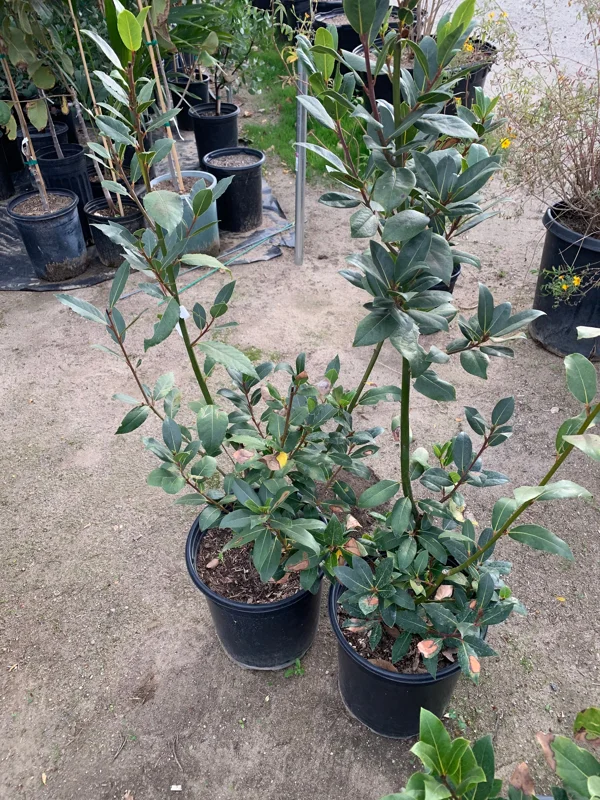
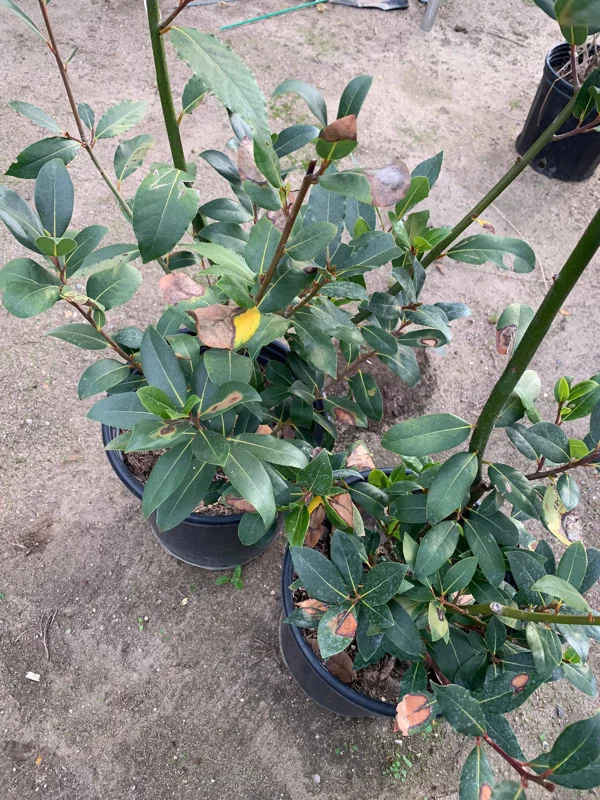
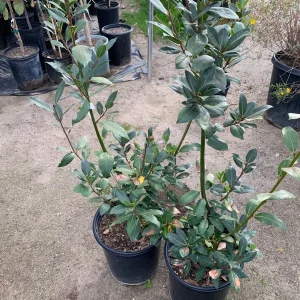
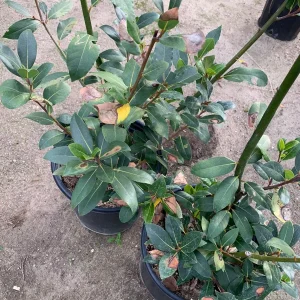
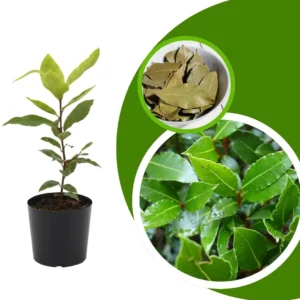
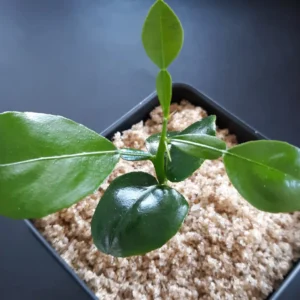
Cultivate your own aromatic leaves with this beautiful bay laurel live plant. Standing 2 to 3 feet tall in a 3 gallon pot, this Laurus Nobilis plant is ready to thrive in your garden or as a patio accent. Enjoy fresh bay leaves for cooking and its elegant evergreen foliage.
Original price was: $355.96.$177.98Current price is: $177.98.

With our Alive & Thrive Guarantee, we’ve got your back for the first 30 days! If you have any concerns about your plants, just reach out to us. Our team is here to help answer your questions and guide you in selecting the best plants for your garden, climate, and unique preferences. We're excited to help you create the garden of your dreams!
Estimated arrival
Apr 12
Apr 17 - Apr 19
Apr 22 - Apr 26
Product Details
-
USDA Hardiness Zone
USDA Zones 8-10 (can be overwintered indoors in colder zones) -
Soil type
Well-draining potting or garden soil -
Sunlight Exposure
Full sun to partial shade -
Expected Planting Period
Year-round indoors; Spring to early summer outdoors
Overview
Introduce the timeless elegance and culinary versatility of the bay laurel live plant to your home or garden. This offering features a vibrant Laurus Nobilis plant, a true evergreen shrub or small tree renowned for its glossy, aromatic leaves. Known commonly as Sweet Bay or Bay Tree, this specimen is not just a beautiful ornamental; it’s also a highly prized herb in kitchens worldwide. Our bay laurel live plant arrives healthy and established, ready to bring its unique fragrance and flavor to your daily life. Whether you’re an avid gardener or a culinary enthusiast, this plant provides both aesthetic appeal and practical utility, making it a valuable addition to any space.
The bay laurel live plant is a classic choice for those seeking a plant that offers year-round greenery and a constant supply of fresh bay leaves. Unlike dried bay leaves, fresh leaves from your own Laurus Nobilis plant impart a more nuanced and intense flavor to stews, soups, sauces, and roasts. This particular plant stands at an impressive 2 to 3 feet tall and comes securely rooted in a 3 gallon pot, ensuring a strong start in its new environment. It’s an excellent choice for container gardening, allowing you to move it indoors during colder months if you live outside its hardiness zone, making it a versatile and rewarding plant to grow.
Key Benefits
Growing your own bay laurel live plant offers a multitude of advantages, from enhancing your culinary creations to beautifying your living space. This resilient and attractive plant is a worthwhile investment for any plant lover.
- Fresh Culinary Herb: Enjoy a continuous supply of fresh, aromatic bay leaves directly from your garden. These leaves are superior to dried varieties, adding a richer, more complex flavor to your cooking. The presence of a culinary bay leaf plant means you’ll always have this essential ingredient on hand.
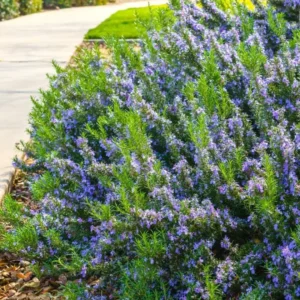
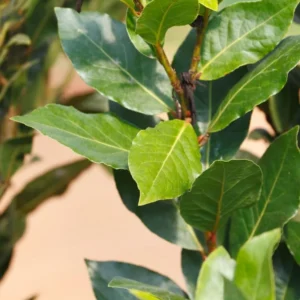
- Evergreen Beauty: The glossy, dark green foliage of the Laurus Nobilis plant provides year-round visual interest and a sophisticated touch to patios, gardens, or indoor spaces. Its dense growth habit makes it an excellent choice for a living screen or specimen plant.
- Fragrant Foliage: The leaves release a pleasant, spicy aroma when crushed, which can naturally deter pests and add a refreshing scent to your home or garden. This natural fragrance contributes to a more enjoyable outdoor or indoor environment.
- Low Maintenance: Once established, the bay laurel is a relatively low-maintenance plant. It tolerates various soil conditions and is quite drought-tolerant, making it suitable for busy gardeners or those new to plant care.
- Versatile Growth: This bay leaf tree for sale can be grown as a shrub, a small tree, or even pruned into a formal topiary, adapting well to different garden designs and space constraints. It thrives in containers, making it easy to manage.
- Pest and Disease Resistant: Bay laurel is generally resistant to most common pests and diseases, ensuring a healthy and robust plant with minimal intervention. This natural hardiness contributes to its ease of care.
- Symbolic Significance: Historically, bay laurel has been a symbol of victory, honor, and achievement, adding a touch of ancient prestige to your landscape. This rich history makes growing bay laurel indoors or out even more special.
Plant Care & Growing Tips
Caring for your bay laurel live plant is straightforward, and with the right conditions, it will thrive for many years. This resilient plant adapts well to various environments, but optimal care will ensure the most vigorous growth and aromatic leaves. For successful growing bay laurel indoors or out, pay attention to its light, water, and soil requirements.
Sunlight Requirements: Bay laurel prefers full sun to partial shade. In hotter climates, some afternoon shade can protect the leaves from scorching. If grown indoors, place your Laurus Nobilis plant in a bright location, ideally near a south-facing window, ensuring it receives at least 4-6 hours of direct sunlight daily. Rotate the pot occasionally to encourage even growth.
Watering Schedule and Soil Moisture: Water thoroughly when the top inch of soil feels dry to the touch. Allow the soil to dry out slightly between waterings to prevent root rot. Bay laurel does not like consistently wet feet. Reduce watering frequency during winter months, especially for container-grown plants. When considering a bay leaf tree for sale, remember that consistent, moderate watering is key.
Soil Type and Drainage Requirements: This plant thrives in well-draining soil with a slightly acidic to neutral pH (6.0-7.0). A good quality potting mix amended with some perlite or sand is ideal for container growing. For in-ground planting, ensure the soil is not heavy clay; amend with compost to improve drainage and fertility. Good drainage is crucial to prevent waterlogging, which can be detrimental to the health of your bay laurel live plant.
Temperature Range and USDA Hardiness Zone: Bay laurel is hardy in USDA Zones 8-10. In these zones, it can be grown outdoors year-round. In colder climates, it’s best to grow your culinary bay leaf plant in a container and bring it indoors before the first frost, or provide winter protection. It tolerates temperatures down to about 20°F (-6°C) but prefers warmer conditions. Protect from harsh winter winds.
Fertilization Schedule and Type: Fertilize your bay laurel in spring with a balanced, slow-release granular fertilizer or a liquid fertilizer diluted to half strength. For container plants, fertilize every 4-6 weeks during the growing season (spring through summer). Avoid over-fertilizing, which can burn the roots. A healthy feeding regimen will support the lush growth of your Laurus Nobilis plant.
Pruning: Prune in late spring or early summer to maintain shape, size, and encourage bushier growth. You can also harvest leaves as needed for culinary use throughout the year. Remove any dead, damaged, or crossing branches to improve air circulation and plant health. Regular pruning is essential for maintaining the desired form of your bay laurel live plant.
Size & Details
This offering is for one robust bay laurel live plant, specifically a Laurus Nobilis plant, which arrives established and ready to thrive. The plant currently stands approximately 2 to 3 feet tall from the base of the pot to the top of its foliage, providing a substantial presence upon arrival. It is securely rooted in a durable 3 gallon pot, providing ample space for its root system to continue developing. The bay laurel is a moderately fast grower, typically adding 1-2 feet of height per year under optimal conditions when planted in the ground, eventually reaching mature heights of 10-20 feet if untrimmed. When grown in a container, its size can be easily managed through regular pruning, making it ideal for patios or indoor settings. You’ll receive a healthy, actively growing culinary bay leaf plant, carefully packaged to ensure its safe journey to your home.
Frequently Asked Questions
- Q: How big does this bay laurel live plant get? A: This plant is currently 2 to 3 feet tall in a 3 gallon pot. In the ground, it can eventually reach 10-20 feet tall, but its size can be easily managed with pruning, especially when grown in a container.
- Q: Is this an indoor or outdoor plant? A: The Laurus Nobilis plant is versatile. It can be grown outdoors year-round in USDA Zones 8-10. In colder climates, it’s best to grow it in a container and bring it indoors during winter to protect it from frost, making it suitable for growing bay laurel indoors.
- Q: How much sunlight does the bay leaf tree for sale need? A: Bay laurel thrives in full sun to partial shade. If grown indoors, provide it with at least 4-6 hours of direct sunlight daily, ideally from a south-facing window.
- Q: What condition will the culinary bay leaf plant arrive in? A: Your bay laurel will arrive as a healthy, actively growing live plant, securely rooted in its 3 gallon nursery pot. It will be carefully packaged to minimize stress during transit.
- Q: Can I use the leaves from this plant in cooking? A: Yes, this is the true culinary bay laurel (Laurus Nobilis). Its leaves are perfect for adding flavor to stews, soups, sauces, and other dishes. Always use fresh leaves from your own plant for the best flavor.
- Q: How often should I water my bay laurel live plant? A: Water when the top inch of soil feels dry to the touch. Allow the soil to dry out slightly between waterings to prevent root rot. Reduce watering in winter.
- Q: Is this plant easy to care for? A: Yes, bay laurel is considered a relatively low-maintenance plant once established. It’s quite forgiving and tolerant of various conditions, making it a good choice for both beginner and experienced gardeners.
- Q: What kind of soil does this Laurus Nobilis plant prefer? A: It prefers well-draining soil with a slightly acidic to neutral pH. A good quality potting mix for containers or amended garden soil with compost will work well.
- Q: When is the best time to prune my bay laurel? A: The best time to prune your bay laurel live plant is in late spring or early summer to maintain its shape and encourage new growth. You can also harvest leaves as needed throughout the year.
- Q: Is the bay leaf tree for sale pet-safe? A: While culinary bay leaves are generally safe for human consumption, they can cause mild gastrointestinal upset in pets if consumed in large quantities. It’s always best to keep plants away from pets if you have concerns.
Related products
-30%
Original price was: $99.98.$69.98Current price is: $69.98.
-50%
Original price was: $107.96.$53.98Current price is: $53.98.
-48%
Original price was: $39.99.$20.99Current price is: $20.99.
-30%
Original price was: $59.98.$41.98Current price is: $41.98.
-30%
Original price was: $59.98.$41.98Current price is: $41.98.
-10%

Original price was: $11.99.$10.79Current price is: $10.79.
-50%
Original price was: $79.96.$39.98Current price is: $39.98.
-10%
Original price was: $65.00.$58.50Current price is: $58.50.
PLANTING & CARE

Growing Glencoe Raspberry: A Complete Guide for Gardeners
If you’re looking to add something unique to your garden, look no further than the
31
Mar
Mar

The Comprehensive Guide to Growing Bay Leaf Plants for a Flavorful Garden
Imagine stepping into your garden, greeted by the earthy aroma of fresh bay leaves, their
09
Feb
Feb

How to Make Comfrey Tea: The Ultimate Organic Plant Food
Growing an organic garden can be surprisingly expensive, especially when most store-bought fertilizers come in
02
Feb
Feb

True Comfrey: 7 Essential Tips Before You Plant This Herb
A staple in permaculture practices across the US, True Comfrey easily earns its reputation as
27
Jan
Jan

7 Heart-Shaped Plants for a Lasting Valentine’s Gift
If you’ve ever bought a bouquet of roses for Valentine’s Day, you know they are
26
Jan
Jan

Best Types of Ivy Plant for Houses: How to Choose the Perfect Ones for Your Home
Are you a garden lover looking to introduce some greenery into your home? Maybe you’ve
14
Nov
Nov

When to Harvest Garlic (Especially Fall-Planted Garlic)
TIMING IS EVERYTHING, they say – and for garlic, that truth hits with surprising accuracy.
13
Nov
Nov

11 of the Best Sweet Potato Varieties to Grow for Your Garden
If you’ve ever tried growing sweet potatoes, you know that picking the right variety can
12
Nov
Nov