Bay Laurel Live Plant – Laurus Nobilis Sweet Bay Tree – Edible Evergreen – 6 inch Plug
-50%
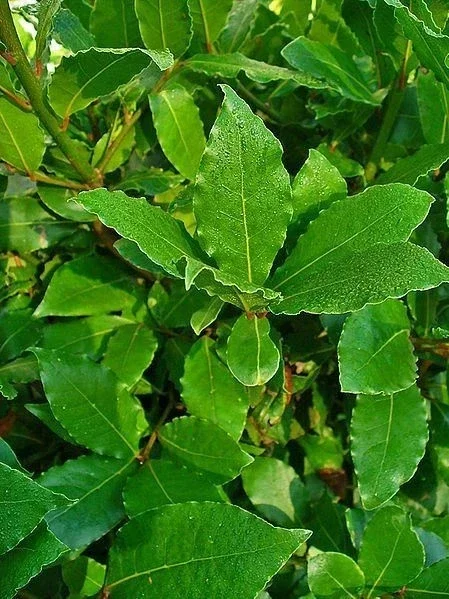
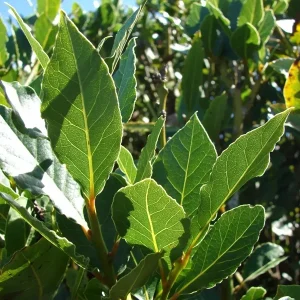
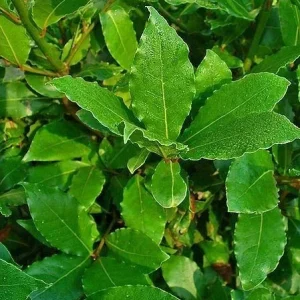
Bay Laurel Live Plant – Laurus Nobilis Sweet Bay Tree – Edible Evergreen – 6 inch Plug
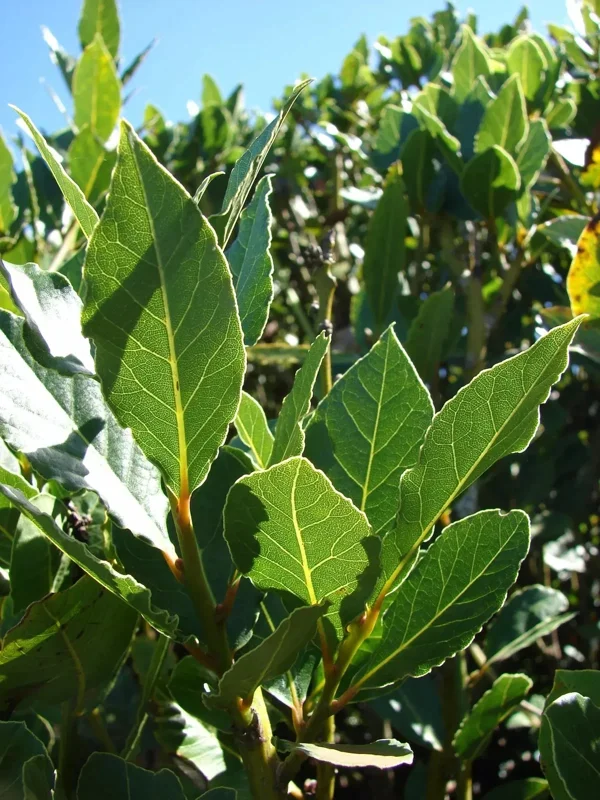
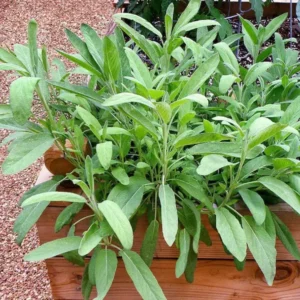
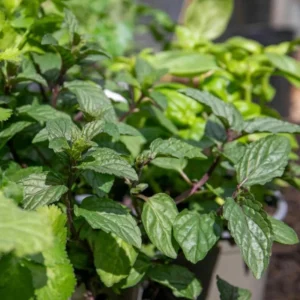
Cultivate your own fresh herbs with this versatile bay laurel live plant (Laurus nobilis), also known as sweet bay plant. This evergreen perennial offers fragrant, edible leaves perfect for culinary dishes. Suitable for both indoor and outdoor growth, it’s a wonderful addition to any garden or kitchen.
Original price was: $58.76.$29.38Current price is: $29.38.

With our Alive & Thrive Guarantee, we’ve got your back for the first 30 days! If you have any concerns about your plants, just reach out to us. Our team is here to help answer your questions and guide you in selecting the best plants for your garden, climate, and unique preferences. We're excited to help you create the garden of your dreams!
Estimated arrival
Apr 02
Apr 07 - Apr 09
Apr 12 - Apr 16
Product Details
-
USDA Hardiness Zone
7 (0 to 10 °F) and Up -
Soil type
Peat, Loam, Clay -
Sunlight Exposure
Low Sun, Full Sun -
Expected Planting Period
Year-round indoors, Spring to early Summer outdoors
Overview
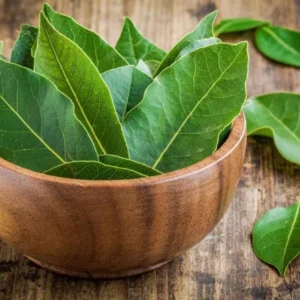
Bring the delightful aroma and flavor of fresh bay leaves right into your home or garden with this beautiful bay laurel live plant. Scientifically known as Laurus nobilis, this versatile evergreen is also commonly referred to as Bay Leaf Tree or Sweet Bay. Originating from the Mediterranean region, the Laurus nobilis tree is cherished globally for its glossy, aromatic foliage, which is a staple in many culinary traditions. This live plant arrives as a seedling or plant plug, ready for you to nurture and watch grow into a magnificent specimen. Whether you’re an experienced gardener or just starting, this bay laurel live plant offers a rewarding growing experience and a constant supply of fresh, flavorful leaves for your cooking.
The bay laurel live plant is renowned not only for its practical uses but also for its ornamental appeal. Its upright growth habit and dense, evergreen foliage make it an attractive feature in containers on patios, as a hedge, or as a standalone specimen in your landscape. This particular offering is a plant plug, measuring approximately 6 inches in height and 3 inches in width, making it an ideal starter for establishing your own sweet bay plant. It’s a robust and adaptable plant, capable of thriving in a range of conditions, making it an excellent choice for a wide variety of gardeners looking for an edible bay leaf source.
Key Benefits
The bay laurel live plant offers a multitude of benefits, from enhancing your culinary endeavors to beautifying your living spaces. Its aromatic leaves are a must-have for any home chef, providing a distinct, earthy flavor to soups, stews, and sauces. Beyond the kitchen, this plant contributes to a healthier and more pleasant environment with its natural charm.
- Culinary Excellence: Enjoy an endless supply of fresh, aromatic edible bay leaf for your cooking. The leaves can be used fresh or dried to impart a rich, savory flavor to a wide array of dishes, elevating your culinary creations.
- Evergreen Beauty: The glossy, dark green foliage of the Laurus nobilis tree provides year-round visual interest and elegance, making it a perfect decorative plant for both indoor and outdoor settings.
- Air Purification: Like many houseplants, the sweet bay plant contributes to improved air quality by absorbing toxins and releasing oxygen, fostering a healthier indoor environment.
- Aromatic Fragrance: The leaves emit a pleasant, subtle fragrance, which can naturally freshen your home or garden space, especially when brushed or crushed.
- Versatile Growth: This bay laurel live plant can be grown as a bush, trained into a small tree, or kept compact in a container, allowing for flexible placement and landscaping options.
- Low Maintenance: Once established, Bay Laurel is relatively easy to care for, requiring moderate watering and occasional feeding, making it suitable for gardeners of all skill levels.
- Pet and Child Safe: The plant is generally considered safe for households with pets and children, allowing you to enjoy its benefits without undue worry.
Plant Care & Growing Tips
Caring for your bay laurel live plant is straightforward, ensuring it thrives and provides you with fragrant leaves for years to come. This robust plant prefers a location with moderate sunlight, ideally low sun to full sun. If growing indoors, place it near a window where it can receive several hours of bright, indirect light daily. When grown outdoors, it will flourish in a spot that gets morning sun and some afternoon shade, particularly in hotter climates, to prevent leaf scorch. The USDA Hardiness Zone for this plant is 7 (0 to 10 °F) and up, indicating its resilience to cooler temperatures, though protection is recommended in colder zones.
Watering should be medium and consistent. The bay laurel live plant prefers its soil to be consistently moist but not waterlogged. Allow the top inch of soil to dry out before watering again. Overwatering can lead to root rot, so proper drainage is crucial. The ideal soil type is a well-draining mix containing peat, loam, and clay, with a neutral pH. Fertilize your Laurus nobilis tree every 2-4 weeks during the growing season (spring and summer) with a balanced liquid fertilizer. Reduce feeding in fall and winter when growth slows. Pruning can be done to maintain shape and size, and to encourage bushier growth, making it a perfect indoor or indoor outdoor bay tree.
While generally resilient, keep an eye out for common pests like scale and mealybugs. These can be treated with insecticidal soap or neem oil. Ensure good air circulation, especially for indoor plants, to prevent fungal issues. With proper care, your sweet bay plant will grow into a thriving, productive herb. This edible bay leaf source is a joy to cultivate, providing both beauty and utility. Remember that consistent care will help your bay laurel live plant flourish, whether it’s kept as a potted specimen or integrated into your garden landscape.
Size & Details
This offering is for one bay laurel live plant, specifically a plant plug. Each plug measures approximately 6 inches in height and 3 inches in width, making it a compact yet robust starter plant for your garden or indoor collection. The plant features vibrant green, evergreen foliage, contributing to its year-round appeal. It is shipped as a plant plug, which means it has a well-developed root system but may not be in a decorative pot, allowing you to choose the perfect container or planting location upon arrival. The Laurus nobilis tree has an upright growth habit and a medium growth rate, typically reaching mature heights of 10-20 feet if planted in the ground, but can be maintained at a smaller, more manageable size through regular pruning, especially when grown in pots as an indoor outdoor bay tree.
The sweet bay plant is suitable for both indoor and outdoor environments, adaptable to various climates from dry to temperate and cold, within its specified USDA hardiness zones. Its edible leaves are a key feature, providing a fresh source of bay leaves. This particular bay laurel live plant is ready for planting upon arrival and will benefit from being transplanted into a larger pot or directly into the garden. With proper care, you can expect this plant to establish quickly and begin producing its fragrant foliage, offering a continuous supply of edible bay leaf for your kitchen.
Frequently Asked Questions
- Q: How big does this plant get? A: This bay laurel live plant is a plant plug, approximately 6 inches tall. When mature, a Laurus nobilis tree can reach 10-20 feet tall outdoors, but can be kept smaller with pruning in containers.
- Q: Is this an indoor or outdoor plant? A: This bay laurel live plant is versatile and can thrive both indoors and outdoors. It is an excellent indoor outdoor bay tree, enjoying bright light indoors and partial to full sun outdoors.
- Q: How much sunlight does it need? A: The sweet bay plant prefers low sun to full sun. Indoors, aim for a bright window. Outdoors, morning sun with afternoon shade is ideal, especially in warmer climates.
- Q: Is this plant easy to care for? A: Yes, the bay laurel live plant is considered medium maintenance. It requires consistent watering and well-draining soil but is generally resilient once established.
- Q: What condition will it arrive in? A: Your bay laurel live plant will arrive as a healthy plant plug with a developed root system, ready for you to plant.
- Q: Can I use the leaves in cooking? A: Absolutely! The leaves from this edible bay leaf plant are perfect for culinary use, adding a distinct flavor to various dishes.
- Q: What USDA Hardiness Zone is this plant suitable for? A: This Laurus nobilis tree is suitable for USDA Hardiness Zones 7 (0 to 10 °F) and up.
- Q: Is the bay laurel plant pet-safe? A: Yes, the sweet bay plant is generally considered pet-safe and child-safe.
- Q: What type of soil does it prefer? A: This bay laurel live plant thrives in well-draining soil, ideally a mix of peat, loam, and clay with a neutral pH.
- Q: When is the best time to plant? A: Since it’s a plant plug, you can plant it anytime indoors. If planting outdoors, spring to early summer is generally ideal after the last frost.
Related products
-67%
Original price was: $75.72.$25.24Current price is: $25.24.
-30%
Original price was: $59.98.$41.98Current price is: $41.98.
-20%
Original price was: $35.00.$28.00Current price is: $28.00.
-10%
Original price was: $65.00.$58.50Current price is: $58.50.
-50%
Original price was: $59.96.$29.98Current price is: $29.98.
-67%
From Original price was: $35.22.$11.74Current price is: $11.74.
-30%
Original price was: $67.98.$47.58Current price is: $47.58.
-10%
Original price was: $23.99.$21.59Current price is: $21.59.
PLANTING & CARE
Growing Glencoe Raspberry: A Complete Guide for Gardeners
If you’re looking to add something unique to your garden, look no further than the
31
Mar
Mar

The Comprehensive Guide to Growing Bay Leaf Plants for a Flavorful Garden
Imagine stepping into your garden, greeted by the earthy aroma of fresh bay leaves, their
09
Feb
Feb

How to Make Comfrey Tea: The Ultimate Organic Plant Food
Growing an organic garden can be surprisingly expensive, especially when most store-bought fertilizers come in
02
Feb
Feb

True Comfrey: 7 Essential Tips Before You Plant This Herb
A staple in permaculture practices across the US, True Comfrey easily earns its reputation as
27
Jan
Jan

7 Heart-Shaped Plants for a Lasting Valentine’s Gift
If you’ve ever bought a bouquet of roses for Valentine’s Day, you know they are
26
Jan
Jan

Best Types of Ivy Plant for Houses: How to Choose the Perfect Ones for Your Home
Are you a garden lover looking to introduce some greenery into your home? Maybe you’ve
14
Nov
Nov

When to Harvest Garlic (Especially Fall-Planted Garlic)
TIMING IS EVERYTHING, they say – and for garlic, that truth hits with surprising accuracy.
13
Nov
Nov

11 of the Best Sweet Potato Varieties to Grow for Your Garden
If you’ve ever tried growing sweet potatoes, you know that picking the right variety can
12
Nov
Nov