Bay Laurel Live Plant, Sweet Bay Laurus Nobilis, 4″ Pot, Indoor/Outdoor
-50%
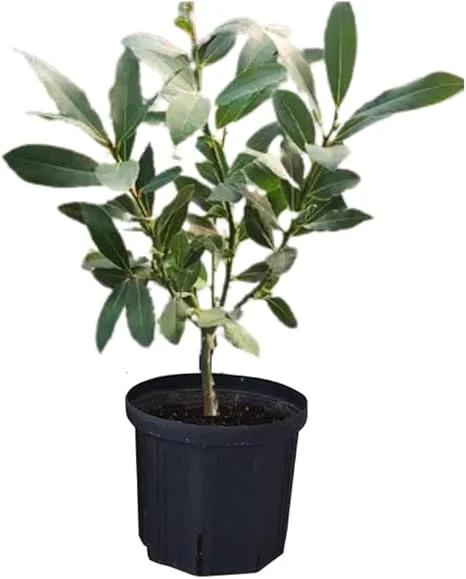
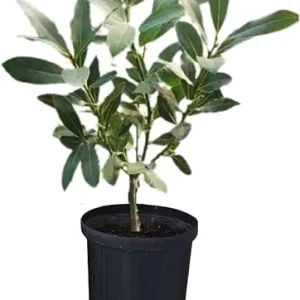
Bay Laurel Live Plant, Sweet Bay Laurus Nobilis, 4″ Pot, Indoor/Outdoor
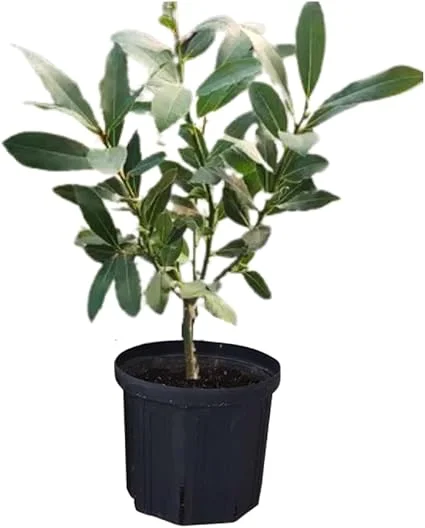
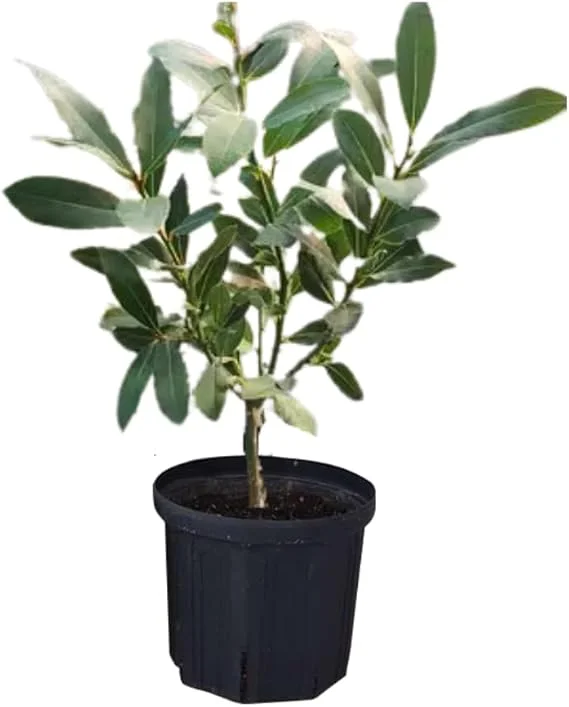
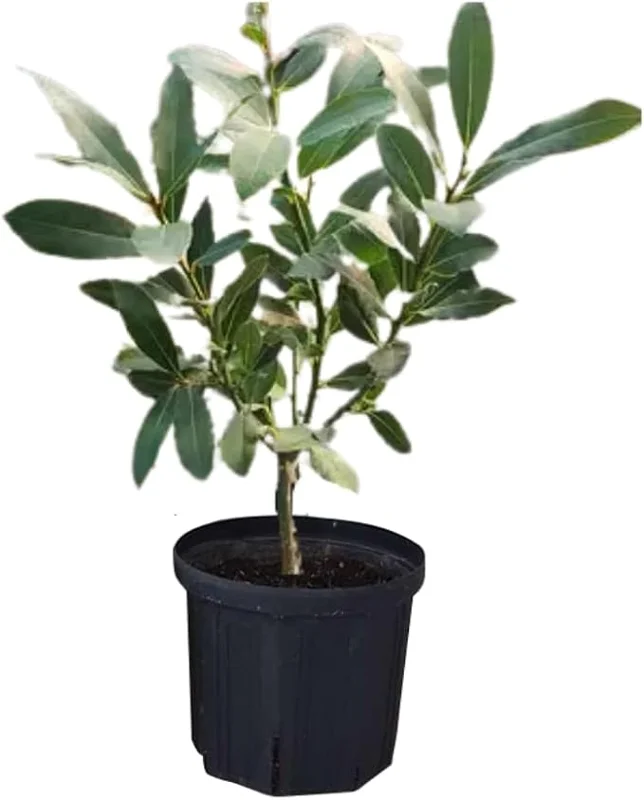
Bring the timeless elegance and culinary versatility of a bay laurel live plant into your home or garden. This 1-year-old sweet bay plant (Laurus Nobilis) comes in a 4-inch pot, ready to thrive both indoors and outdoors. Known for its aromatic leaves, this low-maintenance plant is a must-have for any enthusiast.
Original price was: $39.98.$19.99Current price is: $19.99.

With our Alive & Thrive Guarantee, we’ve got your back for the first 30 days! If you have any concerns about your plants, just reach out to us. Our team is here to help answer your questions and guide you in selecting the best plants for your garden, climate, and unique preferences. We're excited to help you create the garden of your dreams!
Estimated arrival
Mar 28
Apr 02 - Apr 04
Apr 07 - Apr 11
Product Details
-
USDA Hardiness Zone
USDA zones 8-10 -
Soil type
Well-drained soil -
Sunlight Exposure
Full Sun -
Expected Planting Period
Year-round indoors; Spring to early fall outdoors
Overview
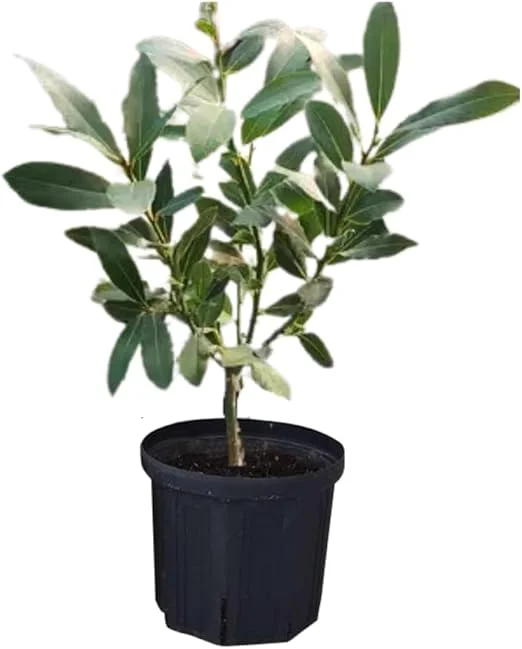
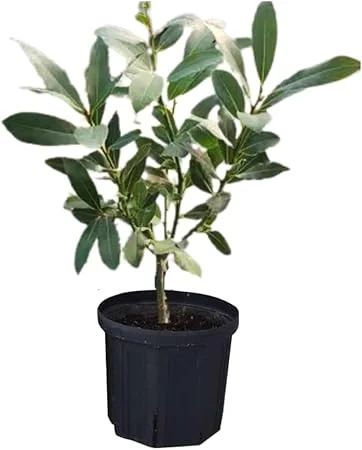
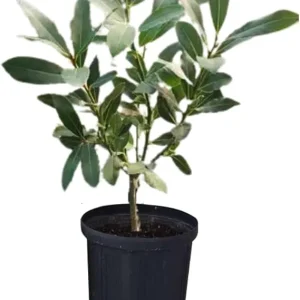
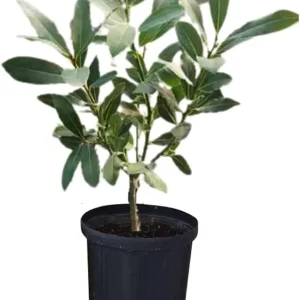
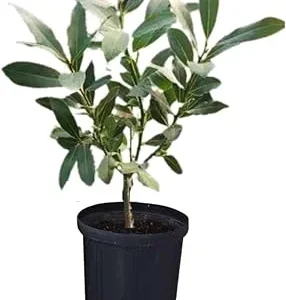
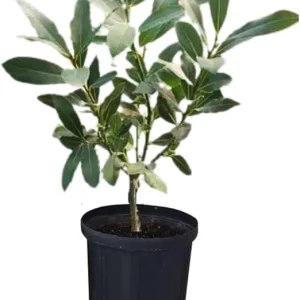
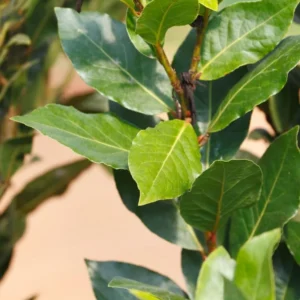
Introduce the classic aroma and rich flavor of the Mediterranean to your home or garden with this exquisite bay laurel live plant. This beautiful specimen, also known as sweet bay plant or Laurus Nobilis, is a 1-year-old plant shipped in a 4-inch pot, standing approximately 8 to 10 inches tall. Perfect for both culinary use and ornamental display, the bay laurel is a versatile evergreen that adds a touch of sophistication to any setting. Its glossy, dark green leaves are a staple in many cuisines, offering a distinctive flavor to soups, stews, and sauces. Beyond its practical applications, this bay laurel live plant is a resilient and attractive addition, whether gracing your kitchen windowsill or becoming a focal point in your outdoor landscape.
Cultivating your own bay leaves ensures a fresh supply of this essential herb. This particular laurus nobilis plant is selected for its robust health and readiness to grow, making it an ideal choice for both novice and experienced gardeners. Its compact size when young allows for easy integration into various spaces, transitioning effortlessly from an indoor potted plant to an outdoor garden shrub in suitable climates. Experience the joy of growing your own aromatic herbs with this exceptional bay laurel.
Key Benefits
Owning a bay laurel live plant offers a multitude of advantages, from enhancing your culinary endeavors to beautifying your living space. This versatile plant is not only a practical addition but also a visually appealing one, providing year-round greenery and a pleasant fragrance. Here are some of the key benefits you’ll enjoy with your new sweet bay plant:
- Culinary Excellence: Fresh bay leaves from your own plant provide a more intense and nuanced flavor than dried store-bought varieties, elevating your cooking with their distinctive aromatic and slightly bitter notes.
- Year-Round Beauty: As an evergreen, the bay laurel live plant maintains its lush, glossy green foliage throughout the year, offering continuous visual appeal in any season, whether indoors or out.
- Aromatic Presence: The leaves release a subtle, pleasant aroma, especially when brushed or crushed, contributing to a fresh and invigorating atmosphere in your home or garden.
- Low Maintenance: This resilient plant is known for its relatively easy care requirements, making it suitable for gardeners of all skill levels. With proper sunlight and watering, it thrives with minimal fuss.
- Versatile Placement: Adaptable to various environments, the laurus nobilis plant can be grown in pots indoors, adding a touch of greenery to your kitchen or living area, or planted directly in the ground in warmer climates.
- Natural Air Freshener: Beyond its culinary uses, the natural fragrance of the bay laurel can subtly refresh your indoor spaces, providing a natural alternative to artificial air fresheners.
- Potential for Topiary: With its dense growth habit, the bay laurel can be pruned and shaped into attractive topiary forms, adding an elegant structural element to your garden or patio.
Plant Care & Growing Tips
Caring for your bay laurel live plant is straightforward, especially when you understand its basic needs. This Mediterranean native thrives when its environmental conditions mimic its natural habitat. For optimal growth, proper sunlight, watering, and soil are crucial for your sweet bay plant.
Sunlight Exposure: Bay laurel plants prefer full sun, meaning at least 6 hours of direct sunlight per day. When grown indoors, place your plant near a south-facing window where it can receive ample light. If kept outdoors, choose a location that gets morning sun and some afternoon shade in extremely hot climates to prevent leaf scorch. Regular rotation of indoor plants will ensure even growth and prevent the plant from leaning towards the light source.
Watering & Soil: The laurus nobilis plant thrives in well-drained soil. Overwatering is a common issue, so allow the top inch or two of soil to dry out completely between waterings. When watering, do so thoroughly until water drains from the bottom of the pot. Avoid letting the pot sit in standing water. For potting, a high-quality potting mix designed for herbs or general container plants is ideal, ensuring good drainage. If planting outdoors, amend heavy clay soils with organic matter to improve drainage.
Temperature & Hardiness: Bay laurel is hardy in USDA zones 8-10. In colder zones, it’s best to grow your bay laurel live plant in a container so it can be brought indoors during the winter months. Protect it from frost, as cold temperatures can severely damage the foliage and even kill the plant. When indoors, keep it away from cold drafts and sudden temperature fluctuations. Regular pruning can help maintain its shape and encourage bushier growth. Understanding bay leaf tree care involves recognizing these environmental factors to ensure a healthy, productive plant for years to come.
Size & Details
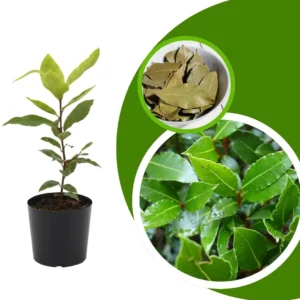
This offering includes one healthy bay laurel live plant, approximately 1 year old, and shipped in a 4-inch nursery pot. The plant typically stands between 8 to 10 inches tall from the base of the pot to the tip of its foliage, providing a well-established young plant ready for continued growth. The 4-inch pot size is ideal for immediate placement on a windowsill, desk, or as a starter in a larger decorative container. Bay laurels are moderate growers, and with proper care, this plant can eventually reach heights of 10-20 feet in ideal outdoor conditions, though it can be kept much smaller through regular pruning when grown in containers. When you receive your sweet bay plant, it will be carefully packaged to ensure its safe arrival, ready to be introduced to its new home. Expect a robust root system and vibrant green leaves, indicative of a healthy specimen poised for growth.
Frequently Asked Questions
- Q: How big does this plant get? A: This bay laurel live plant is approximately 8-10 inches tall in a 4-inch pot. With proper care, it can grow into a large shrub or small tree, reaching 10-20 feet outdoors, but it can be maintained at a smaller size (2-6 feet) with regular pruning when grown in containers.
- Q: What size pot does it come in? A: Your sweet bay plant will arrive in a 4-inch diameter nursery pot, providing a good starting point for its development. You may wish to repot it into a slightly larger container after it acclimates.
- Q: Is this an indoor or outdoor plant? A: The laurus nobilis plant is versatile and can thrive both indoors and outdoors. In USDA zones 8-10, it can be planted directly in the ground. In colder zones, it should be grown in a pot and brought indoors during winter.
- Q: How much sunlight does it need? A: Bay laurel prefers full sun, ideally receiving at least 6 hours of direct sunlight daily. If growing indoors, place it near a bright, south-facing window. For outdoor plants, ensure it gets ample sunlight but protect from intense afternoon sun in very hot climates.
- Q: Is this plant easy to care for? A: Yes, the bay laurel live plant is considered relatively low-maintenance. It requires consistent watering but dislikes soggy soil, and benefits from plenty of sunlight. It’s a good choice for both beginner and experienced gardeners.
- Q: What condition will it arrive in? A: Your plant will be carefully packaged to ensure a safe journey. It will arrive as a healthy, live plant with a well-developed root system in its 4-inch nursery pot, ready for planting or placement.
- Q: Can I use bay leaf in cooking? A: Absolutely! This is a culinary bay laurel (Laurus Nobilis), and its leaves are perfect for flavoring soups, stews, sauces, and roasts. Simply pluck fresh leaves as needed for your recipes.
- Q: Is it pet-safe? A: While bay laurel leaves are used in cooking, they can be toxic to pets if ingested in large quantities due to compounds like eugenol. It’s best to keep the plant out of reach of curious pets.
- Q: When is the best time to plant? A: If planting outdoors in suitable zones, spring or early fall are ideal. For indoor container growing, it can be planted year-round.
- Q: Will it survive winter in my zone? A: Bay laurel is hardy in USDA zones 8-10. If you live in a colder zone (7 or below), you will need to bring your plant indoors before the first frost and keep it in a cool, bright location until spring. Proper bay leaf tree care during winter is crucial.
Related products
-67%
From Original price was: $35.22.$11.74Current price is: $11.74.
-10%
Original price was: $65.00.$58.50Current price is: $58.50.
-67%
Original price was: $75.72.$25.24Current price is: $25.24.
-50%
Original price was: $79.96.$39.98Current price is: $39.98.
-30%
Original price was: $59.98.$41.98Current price is: $41.98.
-50%

Original price was: $47.96.$23.98Current price is: $23.98.
-50%

Original price was: $27.96.$13.98Current price is: $13.98.
-50%
Original price was: $53.98.$26.99Current price is: $26.99.
PLANTING & CARE

The Comprehensive Guide to Growing Bay Leaf Plants for a Flavorful Garden
Imagine stepping into your garden, greeted by the earthy aroma of fresh bay leaves, their
09
Feb
Feb

How to Make Comfrey Tea: The Ultimate Organic Plant Food
Growing an organic garden can be surprisingly expensive, especially when most store-bought fertilizers come in
02
Feb
Feb

True Comfrey: 7 Essential Tips Before You Plant This Herb
A staple in permaculture practices across the US, True Comfrey easily earns its reputation as
27
Jan
Jan

7 Heart-Shaped Plants for a Lasting Valentine’s Gift
If you’ve ever bought a bouquet of roses for Valentine’s Day, you know they are
26
Jan
Jan

Best Types of Ivy Plant for Houses: How to Choose the Perfect Ones for Your Home
Are you a garden lover looking to introduce some greenery into your home? Maybe you’ve
14
Nov
Nov

When to Harvest Garlic (Especially Fall-Planted Garlic)
TIMING IS EVERYTHING, they say – and for garlic, that truth hits with surprising accuracy.
13
Nov
Nov

11 of the Best Sweet Potato Varieties to Grow for Your Garden
If you’ve ever tried growing sweet potatoes, you know that picking the right variety can
12
Nov
Nov
Pruning Bougainvillea for Winter
Bougainvillea vines are known for their dazzling display of magenta, orange, and fuchsia bracts that
05
Nov
Nov