Bay Leaf Live Plant – Sweet Bay Tree Starter – 6-8 Inch Tall – 3 Inch Pot
-10%
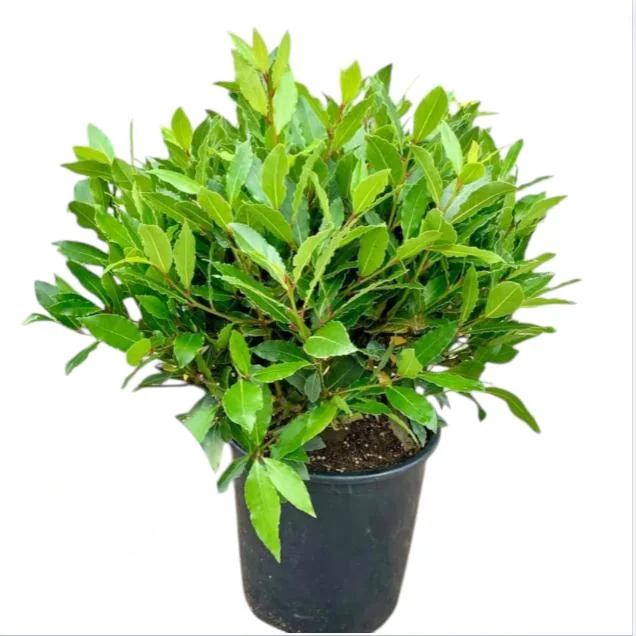
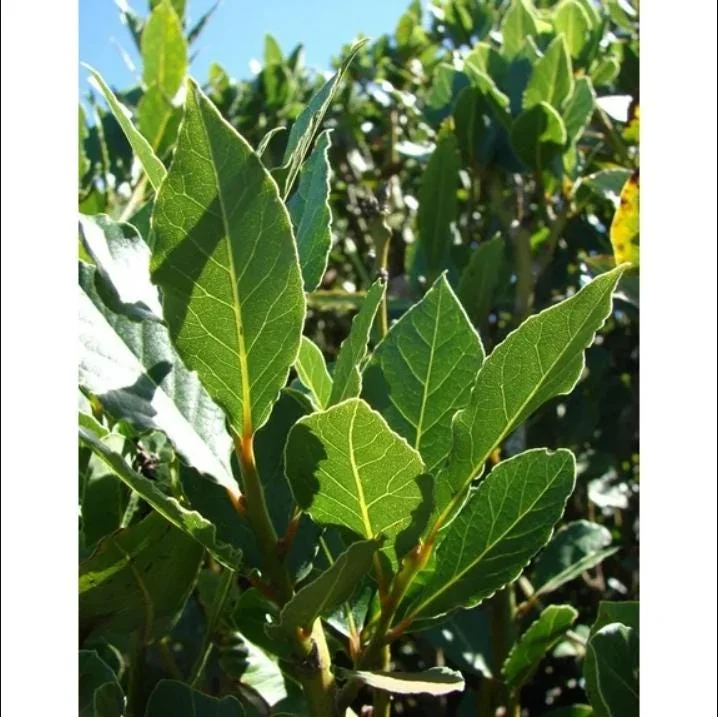
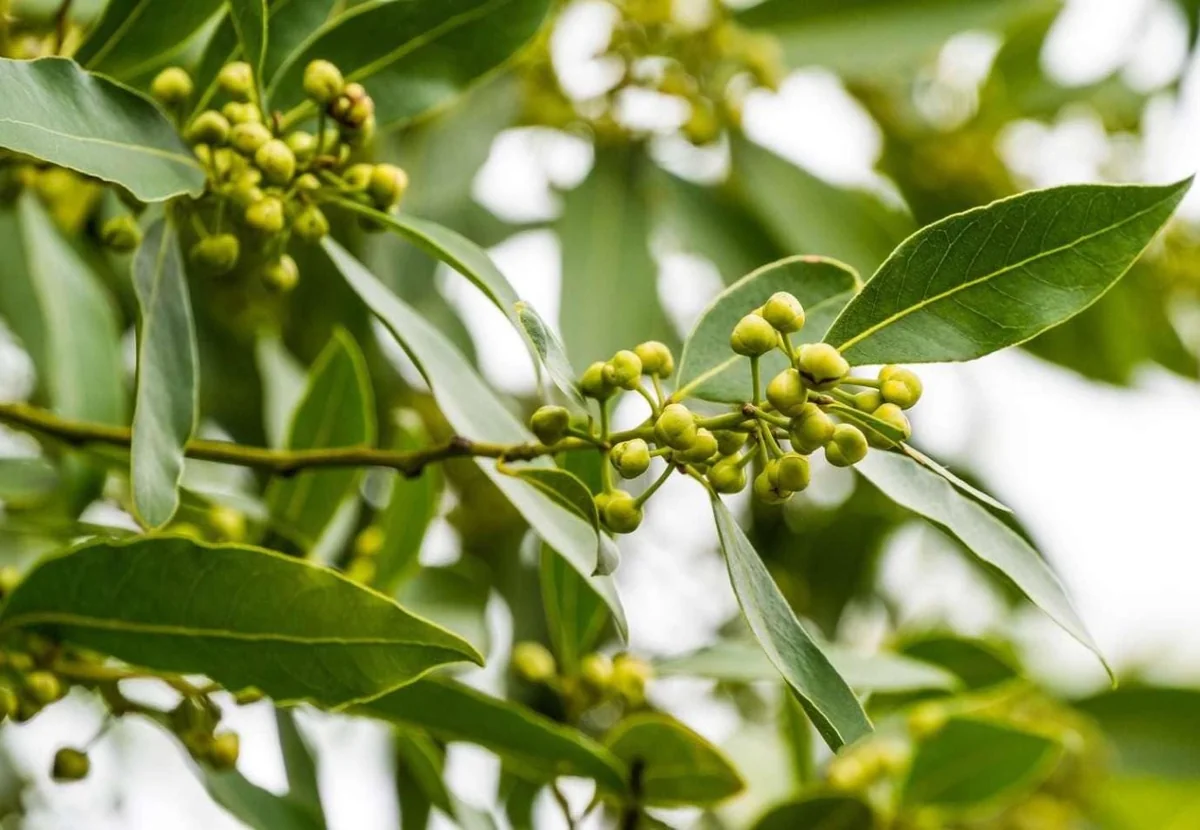
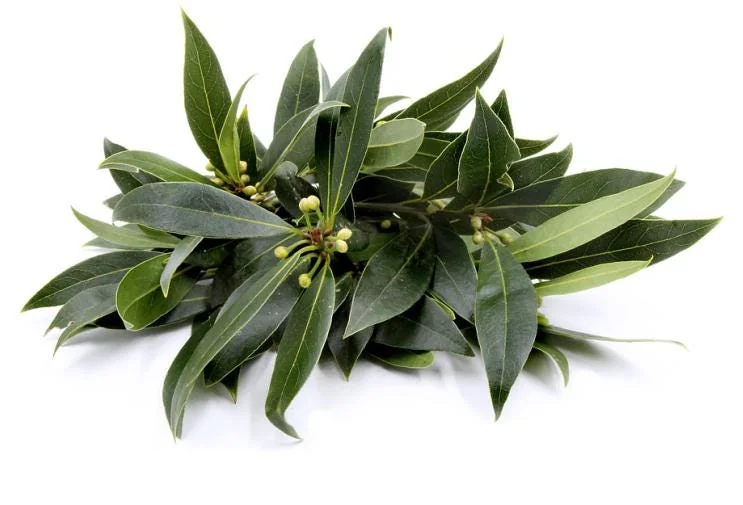
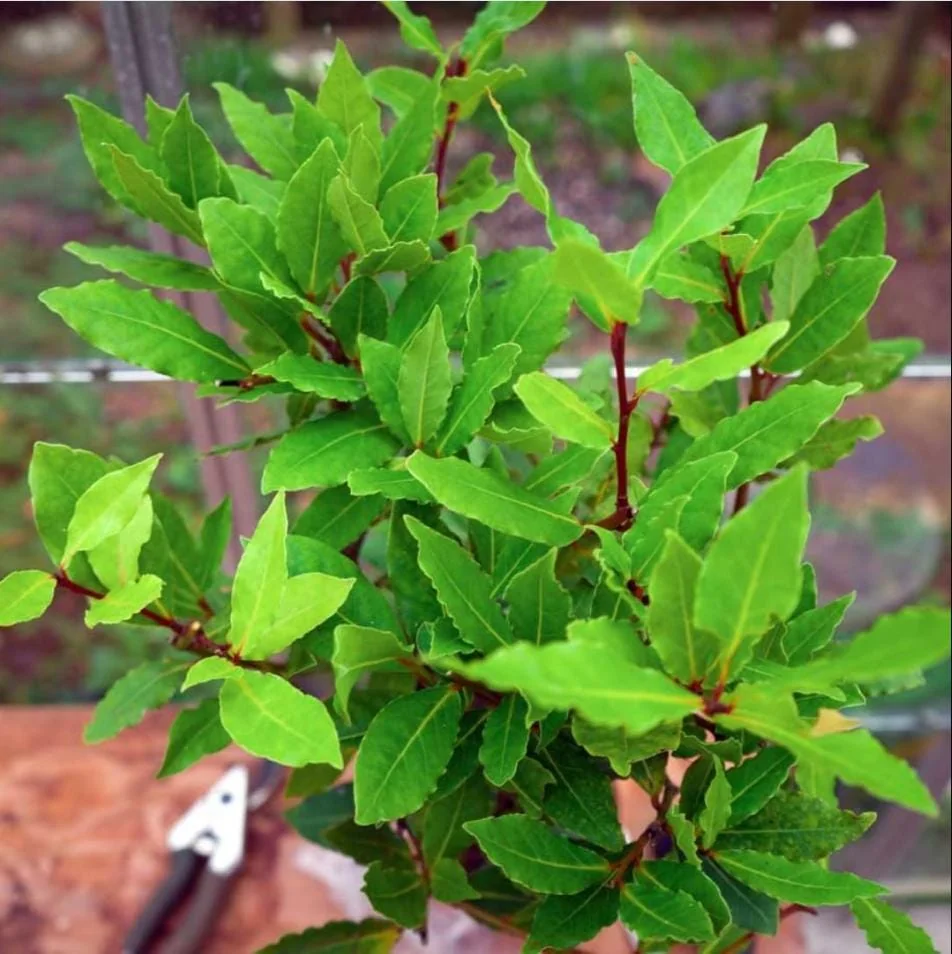
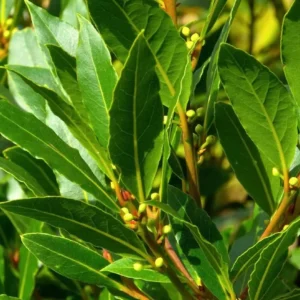
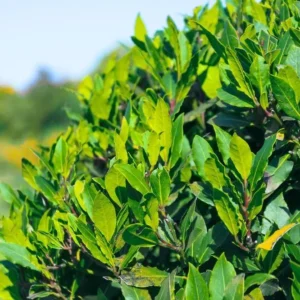
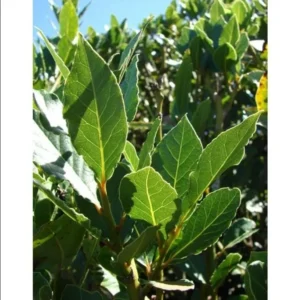
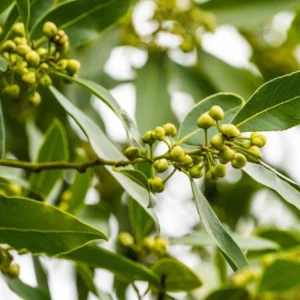
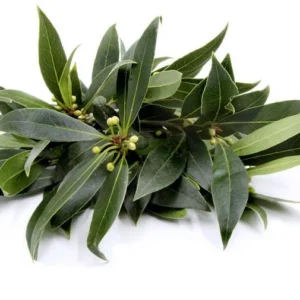
Bay Leaf Live Plant – Sweet Bay Tree Starter – 6-8 Inch Tall – 3 Inch Pot
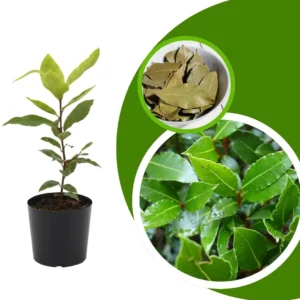
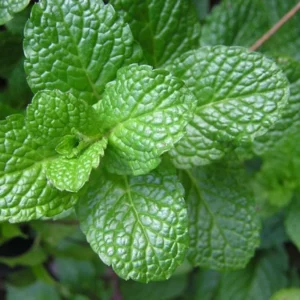
Bring the fresh flavor of the Mediterranean to your home with this healthy bay leaf live plant. This well-rooted sweet bay tree starter, 6 to 8 inches tall in a 3-inch pot, is ideal for both indoor cultivation and outdoor gardens. Enjoy its aromatic leaves for cooking and its elegant presence as an ornamental.
Original price was: $23.99.$21.59Current price is: $21.59.

With our Alive & Thrive Guarantee, we’ve got your back for the first 30 days! If you have any concerns about your plants, just reach out to us. Our team is here to help answer your questions and guide you in selecting the best plants for your garden, climate, and unique preferences. We're excited to help you create the garden of your dreams!
Estimated arrival
Mar 31
Apr 05 - Apr 07
Apr 10 - Apr 14
Product Details
-
USDA Hardiness Zone
USDA zones 8-10 (outdoors), or can be grown indoors -
Soil type
Well-draining loamy or sandy soil -
Sunlight Exposure
Full sun to partial shade -
Expected Planting Period
Year-round indoors; Spring to early summer outdoors
Overview
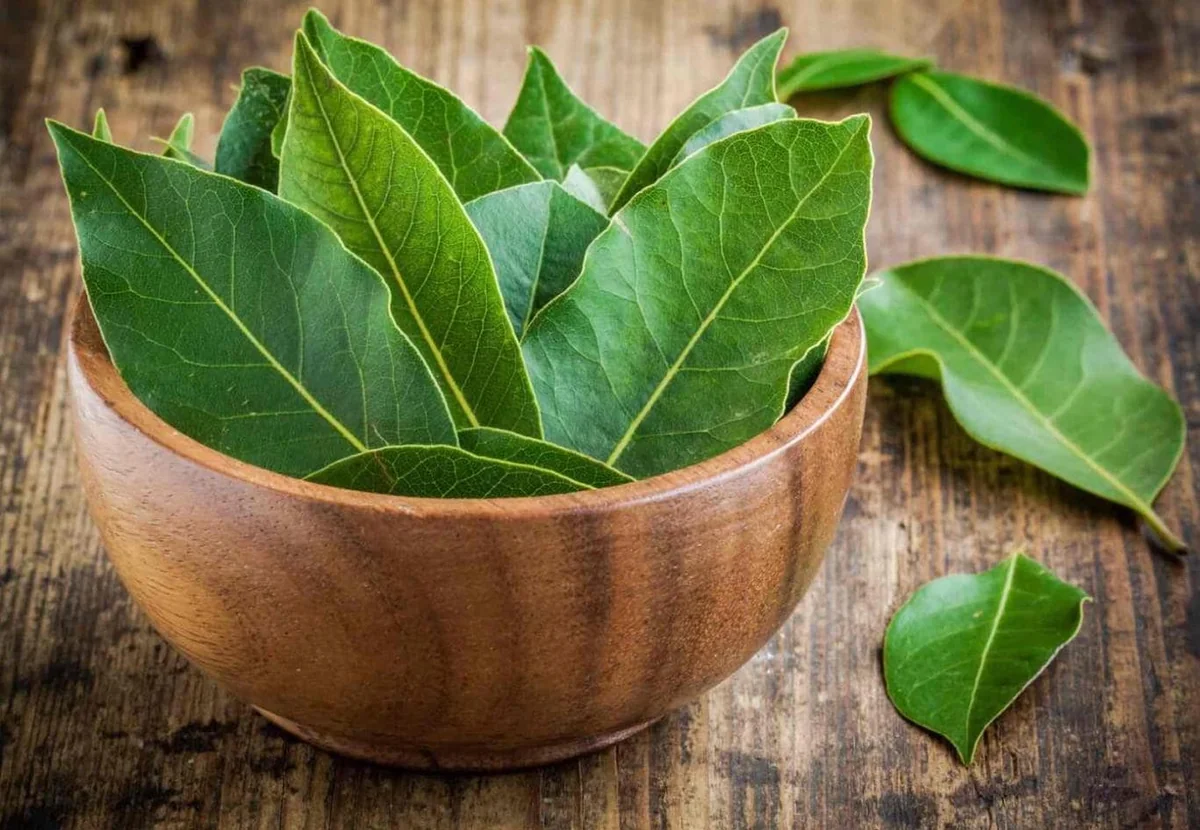
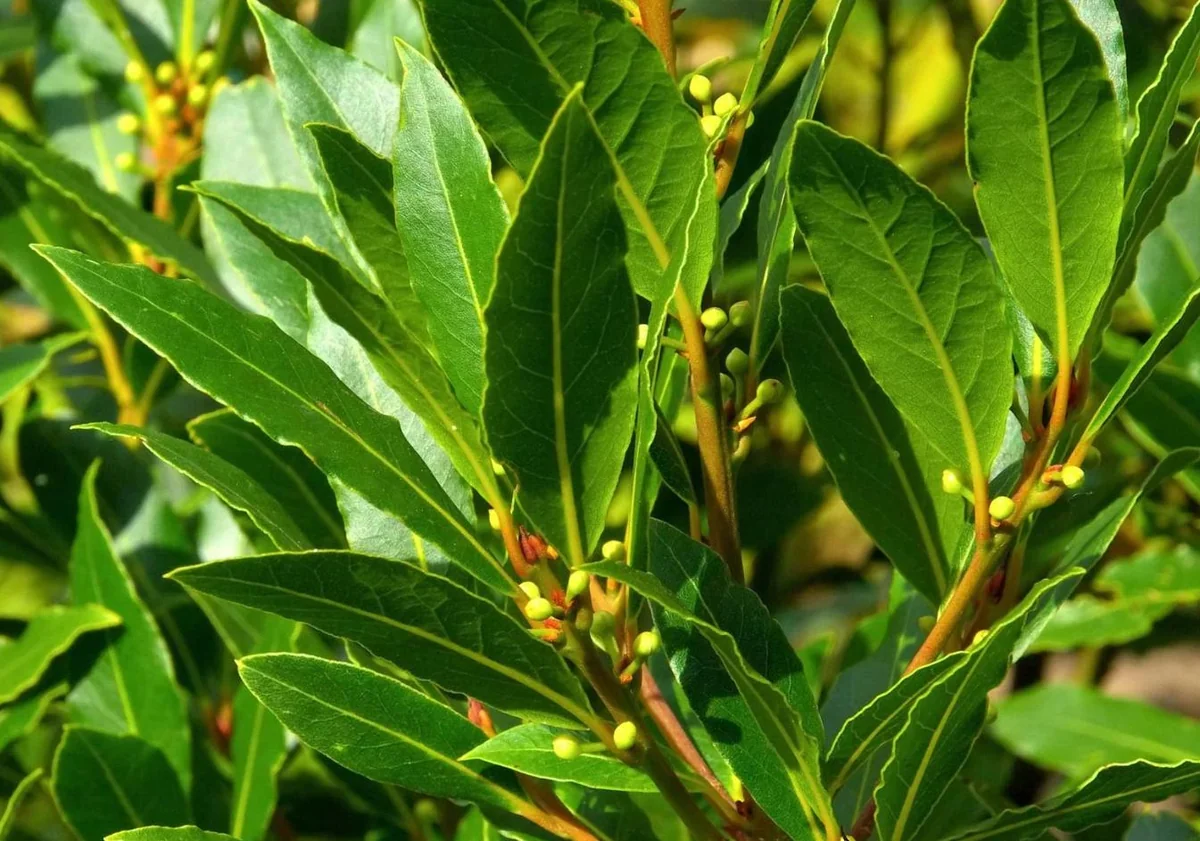
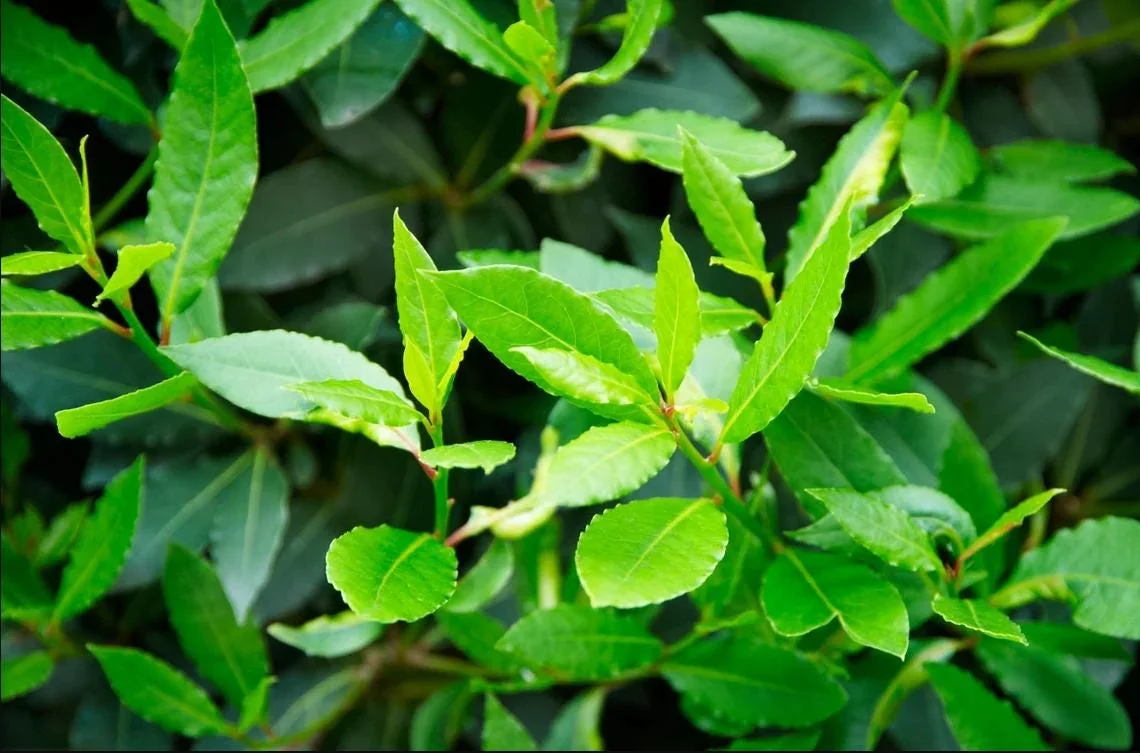
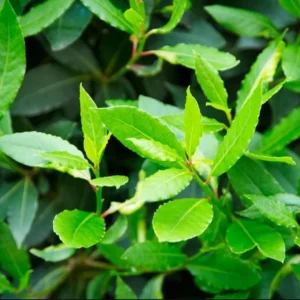
Discover the joy of growing your own aromatic herbs with this vibrant bay leaf live plant. Also known as Sweet Bay or Bay Laurel (Laurus nobilis), this starter plant is perfect for enthusiasts looking to add a touch of culinary sophistication and natural beauty to their home or garden. Each plant arrives well-rooted and ready for planting, measuring approximately 6 to 8 inches tall in a 3-inch nursery pot. The bay leaf plant is celebrated for its glossy, evergreen leaves that are essential in a wide variety of dishes, from soups and stews to marinades and sauces. Beyond its kitchen utility, the sweet bay tree also serves as an attractive ornamental shrub or small tree, offering a distinguished presence with minimal fuss. This young starter plant is an excellent way to begin your journey with one of the most beloved and versatile herbs.
Cultivating a bay leaf live plant allows you to have fresh, fragrant leaves at your fingertips, providing a depth of flavor that dried alternatives can’t match. This particular variety, Laurus nobilis, is the true culinary bay laurel, distinct from other plants sometimes mistakenly called ‘bay’. Its robust nature and adaptability make it a rewarding choice for gardeners of all experience levels. Whether you envision it gracing a sunny windowsill or becoming a stately addition to your outdoor landscape, this bay leaf live plant promises both practical benefits and aesthetic appeal.
Key Benefits
Embrace the many advantages of incorporating a bay leaf live plant into your home or garden. Its versatility and enduring charm make it a valuable addition to any collection:
-
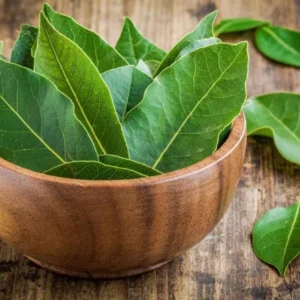
Culinary Excellence: Fresh bay leaves from your own plant offer a superior, more nuanced flavor than dried leaves, elevating the taste of your favorite recipes. They are indispensable for stews, soups, braises, and infusing oils.
-
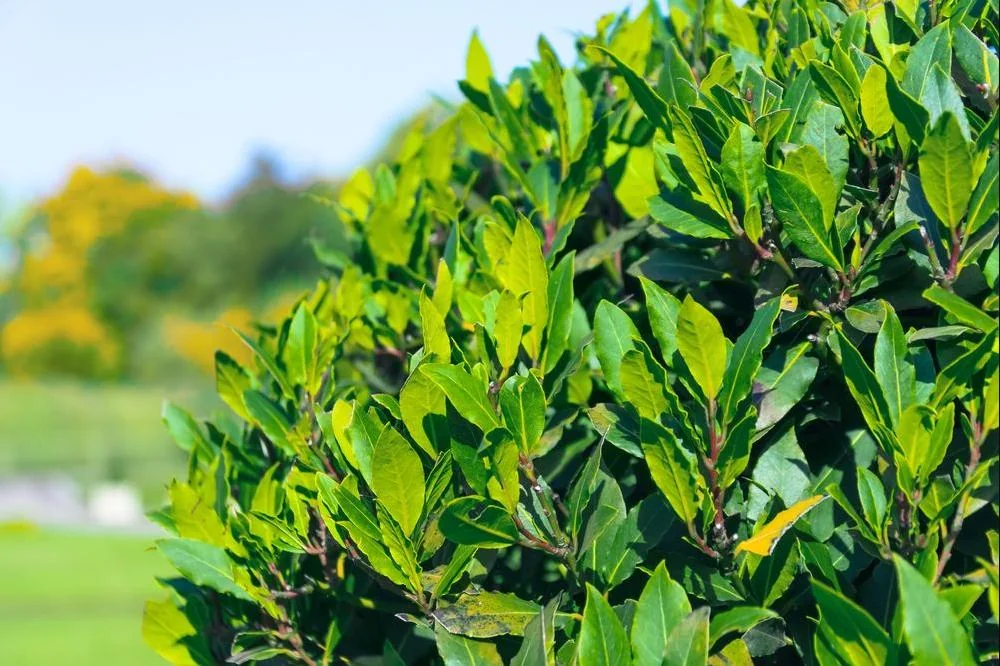
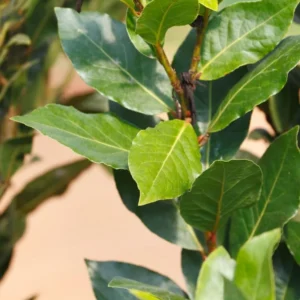
Ornamental Beauty: With its attractive, glossy green foliage, the sweet bay tree adds an elegant and classical touch to patios, balconies, or garden beds. It can be pruned into various shapes, including topiaries.
-
Aromatic Appeal: The leaves release a pleasant, subtle fragrance when bruised or cooked, contributing to a delightful sensory experience in your living space or kitchen.
-
Easy to Grow: This bay laurel plant is relatively low-maintenance once established, tolerant of various conditions, and suitable for both beginners and experienced gardeners.
-
Year-Round Harvest: As an evergreen, you can harvest fresh bay leaves throughout the year, ensuring a continuous supply for your culinary adventures.
-
Pest Deterrent: Some gardeners find that bay leaves can naturally deter certain common household pests when placed strategically.
Plant Care & Growing Tips
Caring for your bay leaf live plant is straightforward, ensuring a thriving and productive herb for years to come. For optimal growth, provide full sun to partial shade, aiming for 6–8 hours of sunlight daily. In hotter climates, especially during the peak of summer, young plants will benefit from light afternoon shade to prevent leaf scorch. If growing indoors, place your indoor bay plant near a south-facing window or under grow lights to ensure it receives adequate light.
The key to a healthy bay laurel plant lies in proper watering and soil. Ensure the plant is in well-draining soil, preferably a loamy or sandy mix with an ideal pH between 6.0 and 7.5. Avoid heavy, waterlogged soils, as these can lead to root rot. Water regularly while the plant is establishing, allowing the top inch of soil to dry out completely between waterings. Once established, bay laurel is quite drought-tolerant, but consistent moisture will encourage better leaf production. Fertilize sparingly, perhaps once or twice during the growing season (spring and summer) with a balanced liquid fertilizer.
Temperature management is crucial for the bay leaf live plant. It thrives in temperatures between 60–85°F (16–29°C). While mature plants can tolerate brief dips below freezing, it’s essential to protect them from temperatures below 30°F (-1°C), especially young starters. If you live in a colder climate, it’s best to grow your culinary herb plant in a container so it can be moved indoors during winter. Shelter it from strong, cold winds, which can damage foliage. Pruning can be done to maintain desired shape and size, and also encourages bushier growth, providing more leaves for harvest.
Size & Details
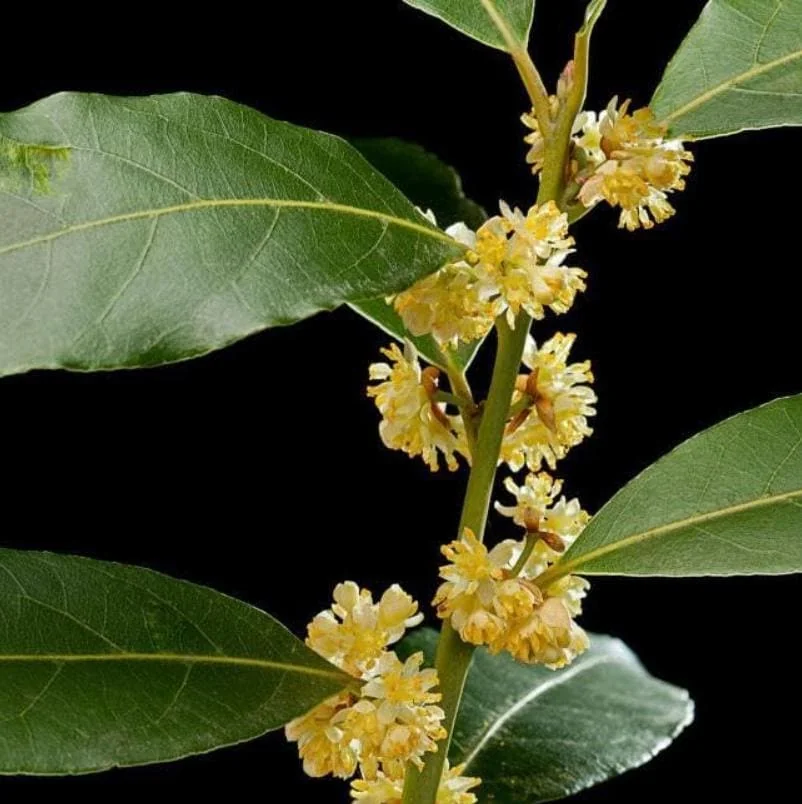
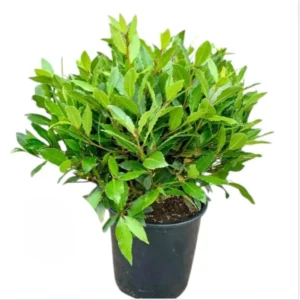
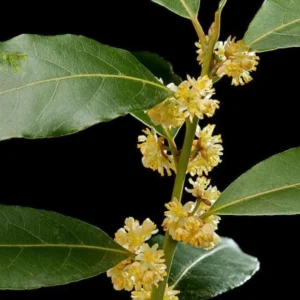
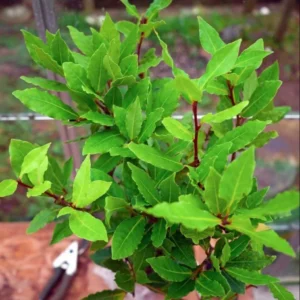
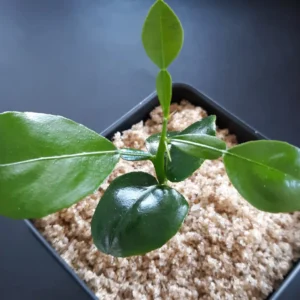
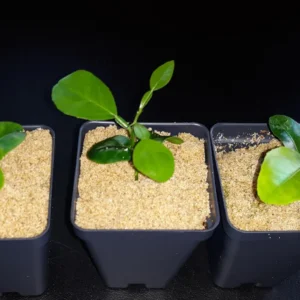
This offering is for one healthy bay leaf live plant, which will arrive as a young starter plant, well-rooted in a 3-inch nursery pot. The plant typically measures between 6 to 8 inches in height from the soil line. Expect a compact form suitable for initial growth on a windowsill or as a patio accent. As a relatively slow grower, the sweet bay tree will gradually mature, potentially reaching heights of 6-8 feet in containers or significantly taller in optimal outdoor conditions over many years. It is shipped without flowers, as young plants typically do not bloom. This ensures a robust start, allowing you to cultivate a strong, healthy plant ready to produce aromatic leaves.
The plant’s size makes it manageable for transplanting into a larger pot or directly into a garden bed, depending on your climate and growing intentions. Its evergreen nature means it retains its foliage year-round, providing continuous visual interest and a constant supply of leaves for culinary use. This indoor bay plant is perfect for those who appreciate fresh ingredients and the satisfaction of nurturing their own herbs from a starter size.
Frequently Asked Questions
-
Q: How big does this bay leaf live plant get? A: This starter plant is 6-8 inches tall. In a container, it can grow 6-8 feet tall over many years, and even larger if planted directly in the ground in suitable climates. Its ultimate size depends on growing conditions and pruning.
-
Q: Is this an indoor or outdoor plant? A: The sweet bay tree can be grown both indoors and outdoors. It thrives outdoors in warmer climates (USDA zones 8-10) and can be grown indoors as a potted plant in colder regions, provided it receives adequate light.
-
Q: How much sunlight does a bay laurel plant need? A: It prefers full sun to partial shade, ideally 6-8 hours of direct sunlight per day. If growing indoors, place it in a bright, sunny window.
-
Q: Is this plant easy to care for? A: Yes, the bay leaf live plant is considered relatively easy to care for. It’s drought-tolerant once established and doesn’t require extensive maintenance, making it suitable for beginners.
-
Q: What condition will the culinary herb plant arrive in? A: Your plant will arrive healthy and well-rooted in a 3-inch nursery pot, carefully packaged to ensure its safe journey to your home. It will be a young starter plant, as depicted in the listing’s later photos.
-
Q: Can I use the leaves from this plant for cooking? A: Absolutely! This is the true culinary bay laurel (Laurus nobilis), and its leaves are perfect for adding rich flavor to a variety of dishes. You can harvest leaves once the plant is established and growing well.
-
Q: When is the best time to plant this indoor bay plant? A: For outdoor planting, spring after the last frost is ideal. If growing indoors, it can be planted any time of year, provided you can meet its light and temperature requirements.
-
Q: What kind of soil does it prefer? A: The bay leaf live plant thrives in well-draining soil, ideally a loamy or sandy mix with a pH between 6.0 and 7.5. Good drainage is crucial to prevent root issues.
-
Q: Will it survive winter in my zone? A: Bay laurel is hardy in USDA zones 8-10. If you are in a colder zone, it’s best to grow it in a container and bring it indoors during winter to protect it from freezing temperatures.
Related products
-67%
Original price was: $75.72.$25.24Current price is: $25.24.
-50%
Original price was: $15.96.$7.98Current price is: $7.98.
-50%
Original price was: $79.96.$39.98Current price is: $39.98.
-20%
From Original price was: $22.00.$17.60Current price is: $17.60.
-67%
Original price was: $39.72.$13.24Current price is: $13.24.
-30%
Original price was: $99.98.$69.98Current price is: $69.98.
-67%
Original price was: $75.72.$25.24Current price is: $25.24.
PLANTING & CARE
Growing Glencoe Raspberry: A Complete Guide for Gardeners
If you’re looking to add something unique to your garden, look no further than the
31
Mar
Mar

The Comprehensive Guide to Growing Bay Leaf Plants for a Flavorful Garden
Imagine stepping into your garden, greeted by the earthy aroma of fresh bay leaves, their
09
Feb
Feb

How to Make Comfrey Tea: The Ultimate Organic Plant Food
Growing an organic garden can be surprisingly expensive, especially when most store-bought fertilizers come in
02
Feb
Feb

True Comfrey: 7 Essential Tips Before You Plant This Herb
A staple in permaculture practices across the US, True Comfrey easily earns its reputation as
27
Jan
Jan

7 Heart-Shaped Plants for a Lasting Valentine’s Gift
If you’ve ever bought a bouquet of roses for Valentine’s Day, you know they are
26
Jan
Jan

Best Types of Ivy Plant for Houses: How to Choose the Perfect Ones for Your Home
Are you a garden lover looking to introduce some greenery into your home? Maybe you’ve
14
Nov
Nov

When to Harvest Garlic (Especially Fall-Planted Garlic)
TIMING IS EVERYTHING, they say – and for garlic, that truth hits with surprising accuracy.
13
Nov
Nov

11 of the Best Sweet Potato Varieties to Grow for Your Garden
If you’ve ever tried growing sweet potatoes, you know that picking the right variety can
12
Nov
Nov