 Dwarf Mulberry Live Plant – Sweet Fruit Tree – Compact Variety – 5-9 Inch Tall
  2 Phenomenal Lavender Live Plants - Hardy Fragrant Herb, 5-7 inches
 Bay Leaf Tree Live Plant – 4-8 Inch Laurus Nobilis Sweet Bay Laurel
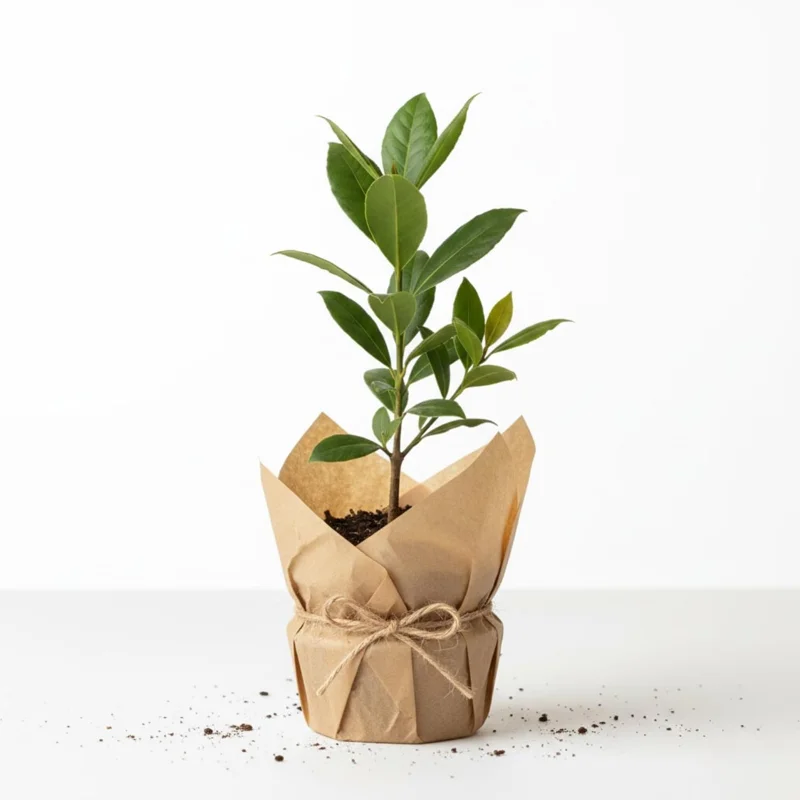
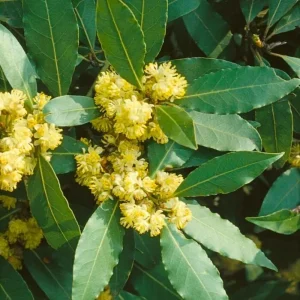
Bay Leaf Tree Live Plant – 4-8 Inch Laurus Nobilis Sweet Bay Laurel
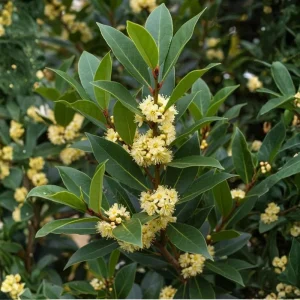
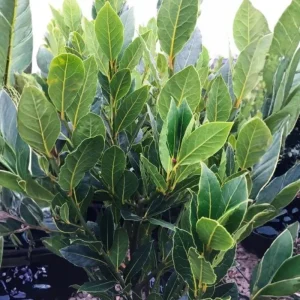
Bring the flavor of fresh bay leaves to your kitchen with this healthy bay leaf tree live plant. Standing 4-8 inches tall, this Laurus Nobilis plant, also known as sweet bay laurel, is well-rooted and ready for your garden or container. Ideal for both indoor and outdoor cultivation in USDA Zones 8-10, offering aromatic foliage for culinary use and ornamental beauty.
$22.99

With our Alive & Thrive Guarantee, we’ve got your back for the first 30 days! If you have any concerns about your plants, just reach out to us. Our team is here to help answer your questions and guide you in selecting the best plants for your garden, climate, and unique preferences. We're excited to help you create the garden of your dreams!
Estimated arrival
Feb 23
Feb 28 - Mar 02
Mar 05 - Mar 09

Product Details
-
USDA Hardiness Zone
8-10 -
Soil type
Well-draining potting mix -
Sunlight Exposure
Full Sun -
Expected Planting Period
Spring to early summer (year-round indoors)
Overview
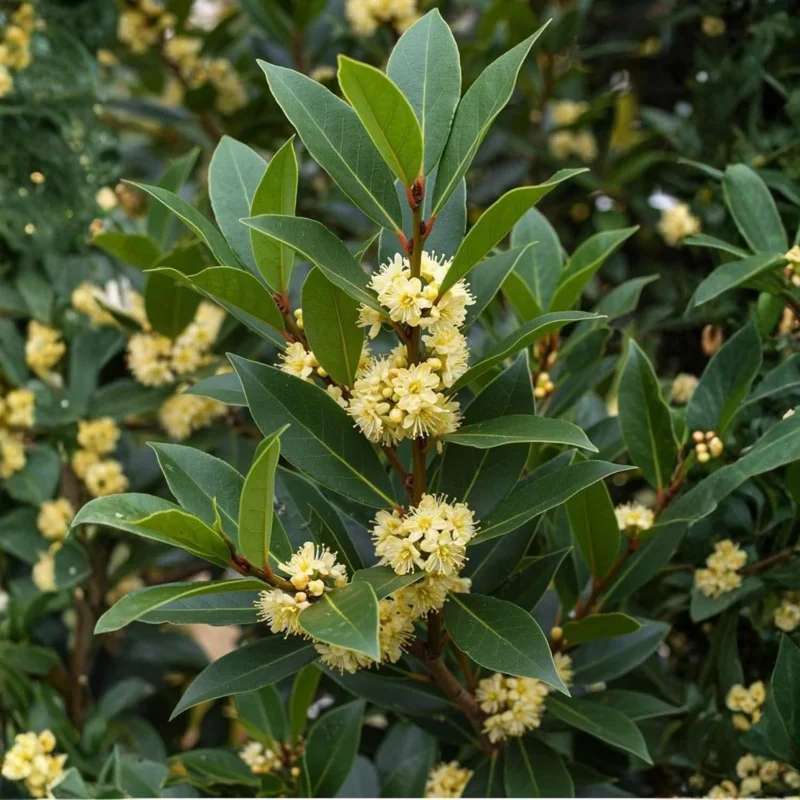
Discover the joy of growing your own aromatic herbs with our premium bay leaf tree live plant. This exquisite Laurus Nobilis plant, commonly known as sweet bay laurel, arrives at your doorstep as a healthy, well-rooted specimen, typically measuring 4-8 inches tall. Celebrated for its glossy, evergreen leaves and distinctive fragrance, the bay leaf tree is a versatile addition to any home or garden. Whether you’re a seasoned chef looking for fresh culinary ingredients or a gardening enthusiast seeking an elegant, low-maintenance shrub, this plant offers both beauty and utility. Originating from the Mediterranean, the Laurus Nobilis thrives in a variety of settings, bringing a touch of classic elegance and a bounty of flavor to your daily life. Its robust nature and attractive appearance make it a favorite for container gardening, herb gardens, and landscape accents.
This particular bay leaf tree live plant is approximately 8 months old, ensuring a strong start for its new environment. It’s carefully nurtured to develop a robust root system, allowing for a smooth transition to your chosen pot or garden bed. The evergreen foliage provides year-round interest and a continuous supply of fresh bay leaves for cooking, sachets, or decorative purposes. Embrace the Mediterranean charm and practical benefits of cultivating your own sweet bay laurel, a plant that truly enriches both your garden and your kitchen.
Key Benefits
A bay leaf tree live plant offers a multitude of advantages for both the home gardener and the culinary enthusiast. Its presence can significantly enhance your space and provide a constant source of fresh, flavorful leaves.
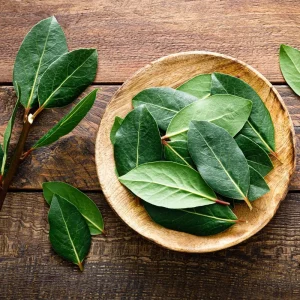
- Culinary Excellence: Fresh bay leaves from your own Laurus Nobilis plant impart a more vibrant and complex flavor to soups, stews, sauces, and roasts compared to dried varieties. Enjoy the satisfaction of harvesting your own ingredients.
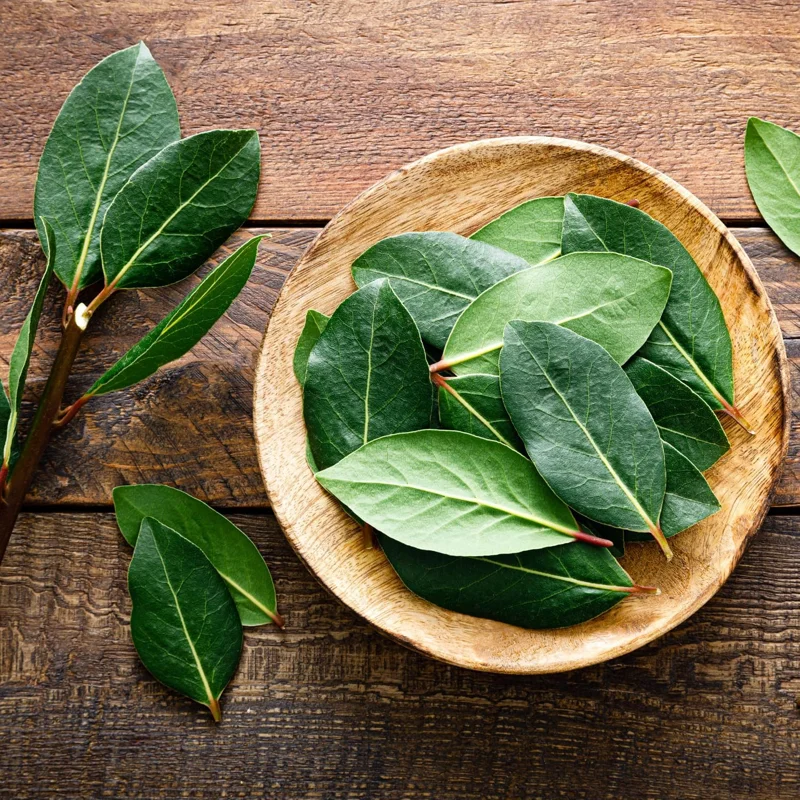
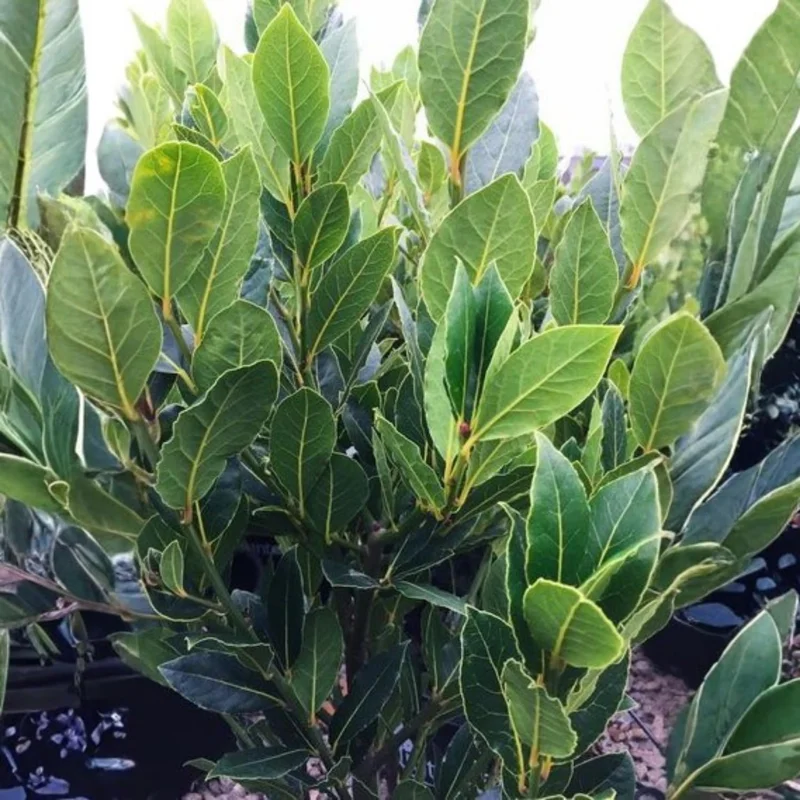
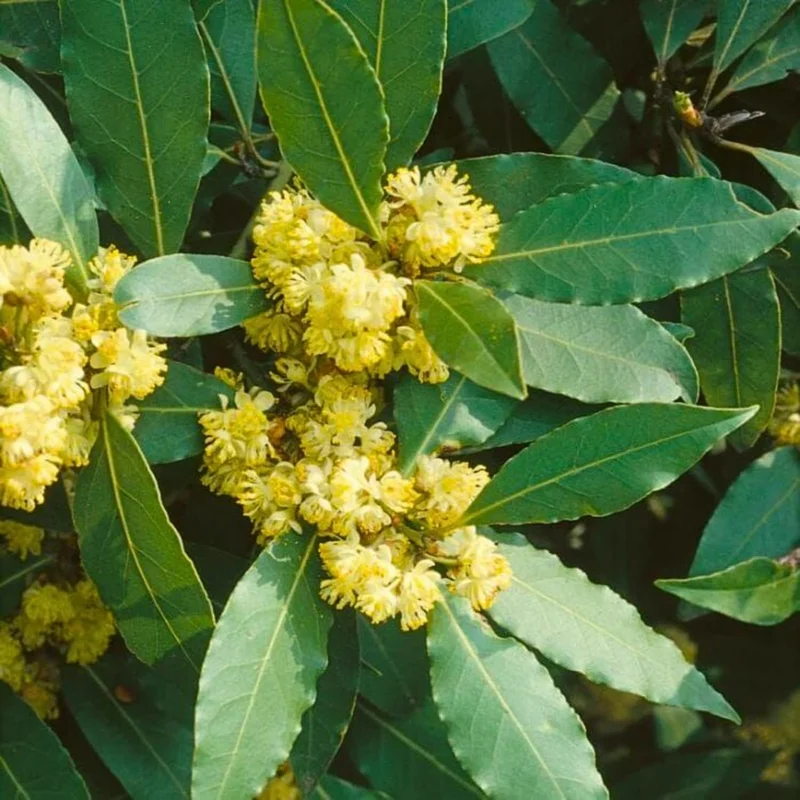
- Aromatic Beauty: The glossy, dark green leaves of the sweet bay laurel are not only visually appealing but also release a pleasant, subtly spicy fragrance when brushed or crushed, enhancing the sensory experience of your garden or home.
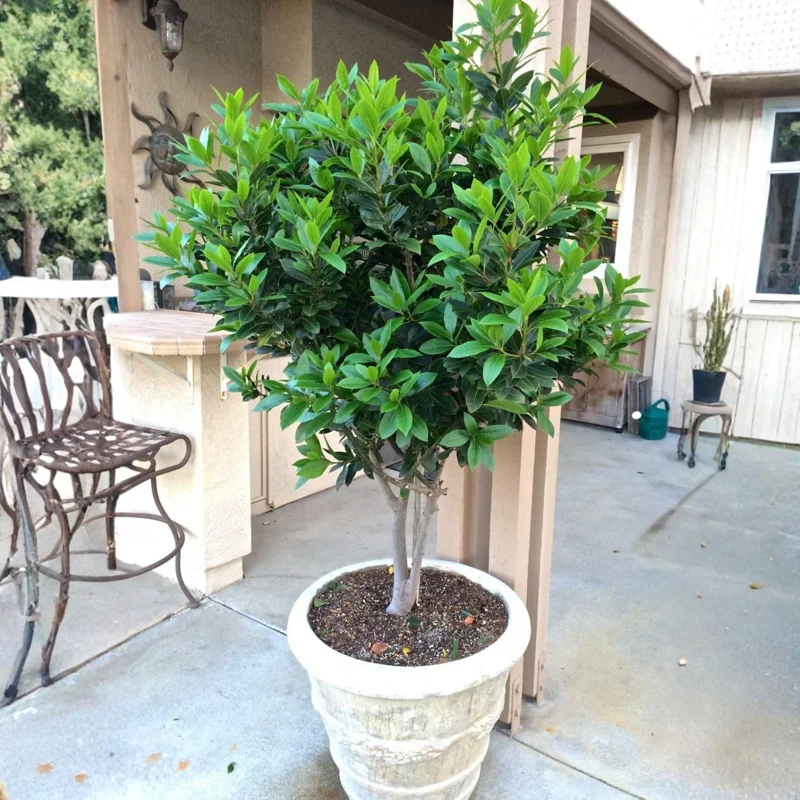
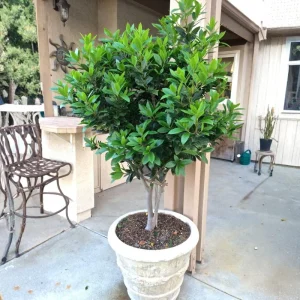
- Versatile Landscaping: This plant matures into a beautiful shrub or small tree, making it ideal for garden borders, privacy screens, or as an elegant specimen plant in a pot. It can be easily pruned to maintain a desired size and shape.
- Low Maintenance: Once established, the bay leaf tree live plant is relatively easy to care for, requiring moderate watering and thriving in full sun. Its hardy nature makes it suitable for various gardening skill levels.
- Year-Round Appeal: As an evergreen, the bay leaf tree maintains its verdant foliage throughout the year, providing continuous greenery and structure to your landscape even in colder months within its hardiness zones.
- Natural Pest Repellent: Some gardeners find that the strong aroma of bay leaves can naturally deter certain common garden pests, contributing to a healthier garden ecosystem.
- Air Purification: Like many plants, the Laurus Nobilis contributes to improved air quality by absorbing carbon dioxide and releasing oxygen, making your indoor or outdoor space fresher.
Plant Care & Growing Tips
Caring for your bay leaf tree live plant is straightforward, ensuring a thriving specimen that provides years of enjoyment and fresh leaves. This Laurus Nobilis plant prefers a location with ample sunlight. For optimal growth, aim for at least 6 hours of direct sunlight per day. If grown indoors, place it near a south-facing window or under grow lights. While it can tolerate some partial shade, too little light may result in slower growth and less dense foliage. The ideal temperature range for sweet bay laurel is between 60-75°F (15-24°C). It is hardy in USDA Zones 8-10, meaning it can withstand mild winters in these regions. In colder zones, it’s best grown in a container and brought indoors before the first frost.
Watering should be moderate and consistent. Allow the top inch or two of soil to dry out between waterings, then water thoroughly until it drains from the bottom of the pot. Avoid overwatering, as this can lead to root rot. Good drainage is crucial, so ensure your pot has drainage holes and use a well-draining potting mix. A slightly acidic to neutral soil pH (6.0-7.0) is preferred. Fertilize your bay leaf tree live plant with a balanced, slow-release granular fertilizer or a liquid feed every 2-4 weeks during the growing season (spring and summer). Reduce fertilization in fall and winter. Pruning can be done in late winter or early spring to maintain shape, size, and encourage bushier growth. Watch out for common pests like spider mites and scale insects; treat with horticultural oil or insecticidal soap if necessary. Proper bay leaf plant care will ensure a robust and productive tree.
Size & Details
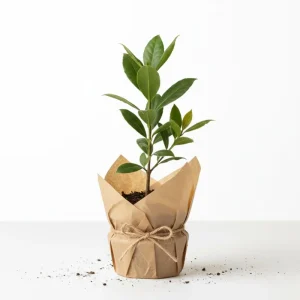
Your bay leaf tree live plant will arrive as a carefully cultivated specimen, typically measuring between 4 to 8 inches in height from the top of the soil. This young Laurus Nobilis plant is well-rooted in a nursery pot, ensuring a healthy start in your home or garden. While initially compact, the sweet bay laurel has the potential to mature into a substantial shrub or small tree, reaching heights of 3-6 feet when grown in optimal conditions and allowed to grow naturally. Its growth rate is moderate, allowing you to enjoy its development over time. When grown in containers, its size can be easily managed through regular pruning, making it adaptable to various spaces, from patios to kitchen windowsills.
The plant is approximately 8 months old upon shipment, indicating a strong, established root system ready for transplanting. It is shipped as a single unit, a live plant in its nursery pot, ready to be placed in your chosen permanent location. With proper bay leaf plant care, you can expect this hardy evergreen to continue growing and producing fragrant leaves for many years. The mature width can also vary depending on pruning, but typically ranges from 2-4 feet. This plant is a long-term investment in culinary delight and garden beauty.
Frequently Asked Questions
- Q: How big does this bay leaf tree live plant get? A: This particular plant will arrive 4-8 inches tall. With proper care, a mature Laurus Nobilis plant can reach heights of 3-6 feet, especially if grown in the ground. Its size can be controlled with regular pruning if grown in a container.
- Q: Is this an indoor or outdoor plant? A: The sweet bay laurel is versatile. It can be grown outdoors year-round in USDA Hardiness Zones 8-10. In colder climates, it is best grown in a container and brought indoors during the winter months.
- Q: How much sunlight does the bay leaf tree live plant need? A: This plant thrives in full sun, requiring at least 6 hours of direct sunlight per day. It can tolerate some partial shade, but ample sunlight promotes the best growth and leaf quality for your culinary herb plant.
- Q: Is this plant easy to care for? A: Yes, once established, the bay leaf tree is considered relatively low-maintenance. It requires moderate watering, good drainage, and protection from severe frost in colder zones. Basic bay leaf plant care is sufficient for its health.
- Q: What condition will the Laurus Nobilis plant arrive in? A: Your plant will arrive healthy and well-rooted in a nursery pot, carefully packaged to ensure its safe transit. It will be ready for immediate transplanting into its new home.
- Q: Can I use the leaves from this sweet bay laurel in cooking? A: Absolutely! The leaves from the Laurus Nobilis are edible and commonly used as a culinary herb. You can harvest fresh leaves directly from your plant to enhance the flavor of your dishes.
- Q: What’s the best time to plant or repot my bay leaf tree live plant? A: Spring or early summer is generally the best time to plant or repot, allowing the plant ample time to establish itself before extreme weather. However, container-grown plants can be repotted any time indoors.
- Q: What type of soil does this plant prefer? A: The bay leaf tree prefers well-draining soil with a slightly acidic to neutral pH. A good quality potting mix amended with some perlite or sand will provide the necessary drainage.
- Q: Will this bay leaf tree live plant survive winter in my zone? A: If you are in USDA Zones 8-10, it should survive winter outdoors. In zones colder than 8, it must be protected from frost or brought indoors during the winter months to ensure its survival.
- Q: How often should I water my culinary herb plant? A: Water when the top 1-2 inches of soil feel dry to the touch. Ensure the pot has drainage holes to prevent waterlogging, which can be detrimental to the plant’s roots.
Related products
-50%
Original price was: $53.98.$26.99Current price is: $26.99.
-10%
Original price was: $65.00.$58.50Current price is: $58.50.
-10%
Original price was: $11.99.$10.79Current price is: $10.79.
-50%
Original price was: $79.96.$39.98Current price is: $39.98.
-50%
Original price was: $27.96.$13.98Current price is: $13.98.
-67%
Original price was: $75.72.$25.24Current price is: $25.24.
-30%
Original price was: $57.98.$40.58Current price is: $40.58.
-30%
Original price was: $59.98.$41.98Current price is: $41.98.
PLANTING & CARE

The Comprehensive Guide to Growing Bay Leaf Plants for a Flavorful Garden
Imagine stepping into your garden, greeted by the earthy aroma of fresh bay leaves, their
09
Feb
Feb

How to Make Comfrey Tea: The Ultimate Organic Plant Food
Growing an organic garden can be surprisingly expensive, especially when most store-bought fertilizers come in
02
Feb
Feb

True Comfrey: 7 Essential Tips Before You Plant This Herb
A staple in permaculture practices across the US, True Comfrey easily earns its reputation as
27
Jan
Jan

7 Heart-Shaped Plants for a Lasting Valentine’s Gift
If you’ve ever bought a bouquet of roses for Valentine’s Day, you know they are
26
Jan
Jan

Best Types of Ivy Plant for Houses: How to Choose the Perfect Ones for Your Home
Are you a garden lover looking to introduce some greenery into your home? Maybe you’ve
14
Nov
Nov

When to Harvest Garlic (Especially Fall-Planted Garlic)
TIMING IS EVERYTHING, they say – and for garlic, that truth hits with surprising accuracy.
13
Nov
Nov

11 of the Best Sweet Potato Varieties to Grow for Your Garden
If you’ve ever tried growing sweet potatoes, you know that picking the right variety can
12
Nov
Nov
Pruning Bougainvillea for Winter
Bougainvillea vines are known for their dazzling display of magenta, orange, and fuchsia bracts that
05
Nov
Nov