Begonia Rex Maculata ‘Angel Wing’ Live Plant – Potted Houseplant Indoor
Begonia Rex Maculata ‘Angel Wing’ Live Plant – Potted Houseplant Indoor
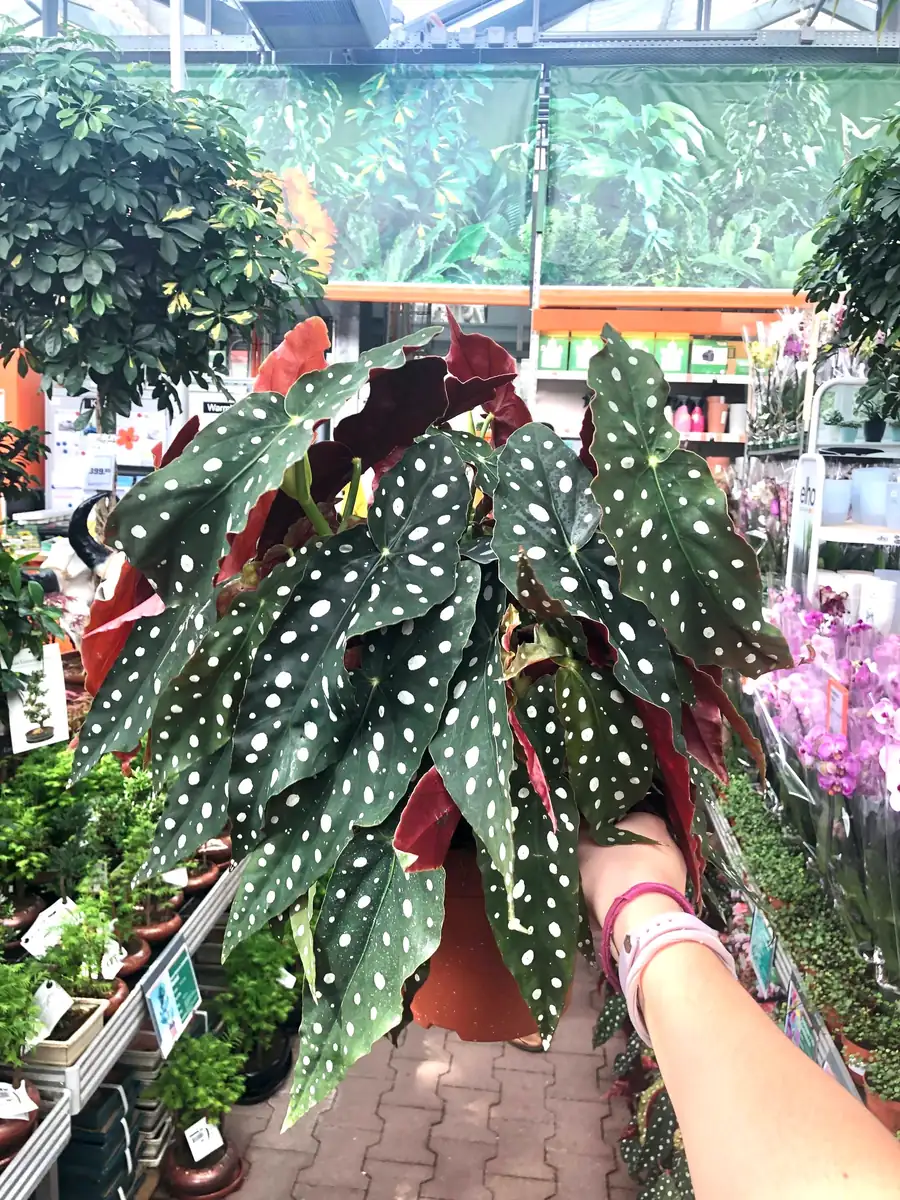
Enhance your indoor greenery with the captivating Begonia Rex Maculata ‘Angel Wing’ live plant. Known for its distinctive silver-spotted, wing-shaped leaves and red undersides, this spotted begonia houseplant is a true showstopper. It’s a relatively easy-care plant thriving in bright, indirect light, making it an excellent choice for both beginners and experienced plant enthusiasts looking for an eye-catching addition to their collection.
$49.99

With our Alive & Thrive Guarantee, we’ve got your back for the first 30 days! If you have any concerns about your plants, just reach out to us. Our team is here to help answer your questions and guide you in selecting the best plants for your garden, climate, and unique preferences. We're excited to help you create the garden of your dreams!
Estimated arrival
Mar 31
Apr 05 - Apr 07
Apr 10 - Apr 14




Product Details
-
USDA Hardiness Zone
year-round indoors (USDA zones 10-11 if outdoor) -
Soil type
well-draining potting mix -
Sunlight Exposure
bright indirect light -
Expected Planting Period
year-round indoors
Overview
Introducing the magnificent Begonia Rex Maculata ‘Angel Wing’ live plant, a true jewel for any indoor plant collection. This particular variety of Begonia, scientifically known as Begonia maculata, is celebrated for its dramatic foliage. Its common name, ‘Angel Wing’ Begonia, perfectly describes the shape of its leaves, which are long, somewhat narrow, and resemble an angel’s wing. The striking feature of this indoor begonia plant is its deeply olive-green leaves adorned with contrasting silvery-white or light green spots on the upper surface, while the undersides boast a rich, deep red hue. This combination creates a stunning visual display that can elevate the aesthetic of any room. As a popular spotted begonia houseplant, it brings a touch of tropical elegance and vibrant color to your home or office. Originating from Brazil, the Begonia maculata is a cane-stemmed begonia, meaning it grows upright with sturdy, bamboo-like stems. This Begonia Rex Maculata ‘Angel Wing’ live plant is a fantastic way to introduce unique textures and patterns into your botanical arrangements.
Key Benefits
The Begonia Rex Maculata ‘Angel Wing’ live plant offers numerous benefits, making it an excellent choice for plant lovers. Its unique appearance and relatively straightforward Angel Wing Begonia care requirements contribute to its widespread appeal.
- Stunning Visual Appeal: The most immediate benefit is its breathtaking beauty. The distinctive silver-spotted, dark green leaves with their deep red undersides make it an instant focal point in any room. It adds a sophisticated and exotic touch to your home decor.
- Air Purification: Like many houseplants, the Begonia Rex Maculata ‘Angel Wing’ live plant contributes to a healthier indoor environment by helping to filter airborne toxins and improve air quality, making your living space fresher and cleaner.
- Unique Foliage Texture: Beyond the striking colors, the texture and shape of the ‘Angel Wing’ leaves are incredibly unique. The elongated, pointed leaves provide an interesting contrast to more common rounded foliage plants, adding diversity to your plant collection.
- Relatively Low Maintenance: While it appreciates consistent care, this indoor begonia plant is not overly demanding. Once its basic needs for light, water, and humidity are met, it thrives with minimal fuss, making Angel Wing Begonia care manageable for most.
- Compact Growth Habit: This begonia typically maintains a manageable size, making it suitable for various spaces, from windowsills to shelves or tabletops. Its upright growth habit means it doesn’t take up excessive horizontal space.
- Conversation Starter: Its unusual and beautiful appearance is sure to attract attention and become a talking point among guests, allowing you to share your passion for unique plants.
- Tropical Ambiance: The vibrant foliage evokes a tropical feel, transforming your indoor space into a mini-jungle retreat, perfect for creating a relaxing and inviting atmosphere.
Plant Care & Growing Tips
Proper Angel Wing Begonia care is essential for ensuring your Begonia Rex Maculata ‘Angel Wing’ live plant thrives and maintains its vibrant foliage. This striking spotted begonia houseplant requires specific conditions to look its best. When considering sunlight, this plant prefers bright, indirect light. Avoid direct harsh sunlight, especially during the hottest parts of the day, as it can scorch the leaves and fade their vibrant colors. An east-facing window or a few feet away from a south or west-facing window is often ideal. Consistent moisture is key for this plant; water thoroughly when the top inch of soil feels dry to the touch. Ensure excellent drainage to prevent root rot, as begonias do not like sitting in soggy soil. Reduce watering slightly in winter when the plant’s growth slows down.
The ideal soil for your Begonia Rex Maculata ‘Angel Wing’ live plant is a well-draining, airy potting mix. A mix designed for aroids or a standard potting mix amended with perlite and orchid bark can provide the necessary aeration and drainage. This plant appreciates high humidity, mimicking its native tropical environment. You can increase humidity by placing the pot on a pebble tray with water, using a humidifier, or grouping it with other plants. Temperatures between 65-75°F (18-24°C) are perfect, and it’s sensitive to cold drafts, so keep it away from open windows during colder months. Fertilize your indoor begonia plant every 2-4 weeks during the growing season (spring and summer) with a balanced liquid fertilizer diluted to half strength. Reduce or stop fertilization in fall and winter.
Common issues include crispy leaves from low humidity or too much direct sun, and yellowing leaves from overwatering. Pruning can help maintain shape and encourage bushier growth; simply snip off leggy stems above a node. Keep an eye out for common pests like spider mites or mealybugs, and treat promptly with insecticidal soap if spotted. Providing the right conditions will ensure your Begonia Maculata starter grows into a lush, eye-catching specimen.
Size & Details
This offering is for a Begonia Rex Maculata ‘Angel Wing’ live plant, provided as a healthy starter plant. The exact size will vary as each plant is unique, but starter plants are typically well-rooted and ready for transplanting into a slightly larger pot upon arrival. Expect the plant to have several established leaves characteristic of the ‘Angel Wing’ variety. Once established and given proper care, this indoor begonia plant can grow to an impressive size, often reaching 2-3 feet tall and equally wide, though it can be kept more compact with pruning. It has a moderate growth rate, allowing you to enjoy its development over time. Your Begonia Maculata starter will be shipped in a nursery pot, carefully packaged to ensure its safe arrival, ready to be acclimated to its new home.
Frequently Asked Questions
- Q: How big does this plant get? A: A Begonia Rex Maculata ‘Angel Wing’ live plant typically grows to about 2-3 feet tall and wide indoors, but its size can be managed with regular pruning to maintain your desired dimensions.
- Q: What size pot does it come in? A: This Begonia Maculata starter plant will arrive in a small nursery pot, ready for you to transplant it into a slightly larger container of your choice.
- Q: Is this an indoor or outdoor plant? A: The Begonia Rex Maculata ‘Angel Wing’ live plant is primarily grown as an indoor houseplant due to its sensitivity to cold. It can be moved outdoors in warm, humid conditions during summer but should be brought inside before temperatures drop.
- Q: How much sunlight does it need? A: This spotted begonia houseplant thrives in bright, indirect light. Avoid direct sun exposure, which can scorch its leaves. A location near an east-facing window or a shaded spot near a south or west-facing window is ideal.
- Q: Is this plant easy to care for? A: With consistent watering and appropriate lighting, Angel Wing Begonia care is relatively straightforward. It’s considered a moderate-care plant, suitable for those with some houseplant experience or beginners willing to learn.
- Q: What condition will it arrive in? A: Your Begonia Rex Maculata ‘Angel Wing’ live plant will arrive carefully packaged to minimize stress during transit, ensuring it reaches you in good health and ready to thrive.
- Q: Is it pet-safe? A: No, most begonias, including the ‘Angel Wing’ variety, are considered toxic to pets if ingested. It’s best to keep this plant out of reach of curious animals.
- Q: How often should I water my indoor begonia plant? A: Water your indoor begonia plant when the top inch of soil feels dry to the touch. Ensure good drainage and avoid letting the plant sit in standing water to prevent root rot.
- Q: Does this plant flower? A: Yes, the Begonia Rex Maculata ‘Angel Wing’ live plant can produce delicate clusters of pink or white flowers, typically appearing in late winter to spring, though it is primarily grown for its stunning foliage.
- Q: What’s the minimum temperature it can tolerate? A: This tropical begonia prefers temperatures above 60°F (15°C) and can be damaged if exposed to temperatures below 50°F (10°C).
Related products
-35%
Original price was: $37.24.$24.20Current price is: $24.20.
-35%
Original price was: $29.80.$19.36Current price is: $19.36.
-25%
Original price was: $16.80.$12.60Current price is: $12.60.
-5%
Original price was: $91.98.$87.38Current price is: $87.38.
-50%
Original price was: $39.98.$19.98Current price is: $19.98.
PLANTING & CARE

Growing Glencoe Raspberry: A Complete Guide for Gardeners
If you’re looking to add something unique to your garden, look no further than the
31
Mar
Mar

The Comprehensive Guide to Growing Bay Leaf Plants for a Flavorful Garden
Imagine stepping into your garden, greeted by the earthy aroma of fresh bay leaves, their
09
Feb
Feb

How to Make Comfrey Tea: The Ultimate Organic Plant Food
Growing an organic garden can be surprisingly expensive, especially when most store-bought fertilizers come in
02
Feb
Feb

True Comfrey: 7 Essential Tips Before You Plant This Herb
A staple in permaculture practices across the US, True Comfrey easily earns its reputation as
27
Jan
Jan

7 Heart-Shaped Plants for a Lasting Valentine’s Gift
If you’ve ever bought a bouquet of roses for Valentine’s Day, you know they are
26
Jan
Jan

Best Types of Ivy Plant for Houses: How to Choose the Perfect Ones for Your Home
Are you a garden lover looking to introduce some greenery into your home? Maybe you’ve
14
Nov
Nov

When to Harvest Garlic (Especially Fall-Planted Garlic)
TIMING IS EVERYTHING, they say – and for garlic, that truth hits with surprising accuracy.
13
Nov
Nov

11 of the Best Sweet Potato Varieties to Grow for Your Garden
If you’ve ever tried growing sweet potatoes, you know that picking the right variety can
12
Nov
Nov