Belle of Georgia Peach Tree Bare-root – Sweet Freestone Peaches
Belle of Georgia Peach Tree Bare-root – Sweet Freestone Peaches
Cultivate your own orchard with the Belle of Georgia peach tree bare-root. This hardy and self-pollinating variety produces large, creamy white, freestone peaches with a sweet, juicy flavor, ideal for fresh eating, baking, or canning.
$53.50

With our Alive & Thrive Guarantee, we’ve got your back for the first 30 days! If you have any concerns about your plants, just reach out to us. Our team is here to help answer your questions and guide you in selecting the best plants for your garden, climate, and unique preferences. We're excited to help you create the garden of your dreams!
Estimated arrival
Apr 12
Apr 17 - Apr 19
Apr 22 - Apr 26
Product Details
-
USDA Hardiness Zone
USDA zones 5–8 -
Soil type
Well-draining loamy soil -
Sunlight Exposure
Full sun -
Expected Planting Period
Late winter to early spring
Overview
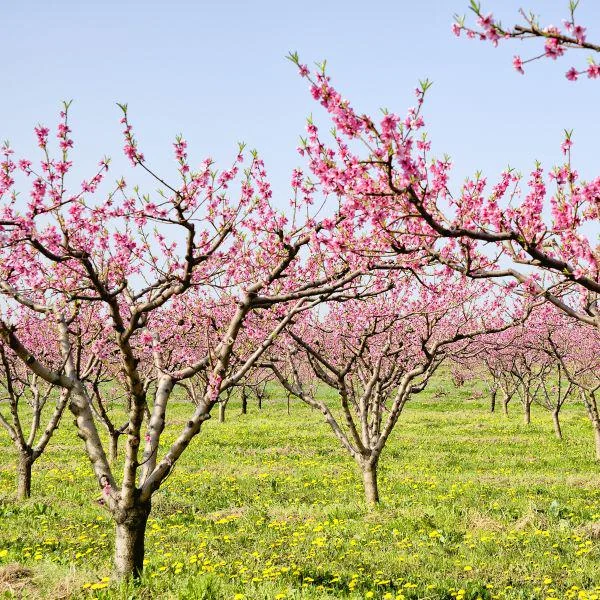
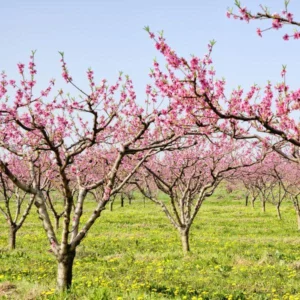
Bring the joy of homegrown fruit to your garden with the Belle of Georgia peach tree bare-root. This classic and highly sought-after peach variety is known for its exceptional fruit quality and robust growth. The Belle of Georgia peach tree is a rounded tree adorned with dark green leaves that transition to a beautiful yellow in the fall. In spring, it bursts with showy pink to red flowers, heralding the arrival of its magnificent fruit. This tree is a fantastic choice for home gardeners looking for a reliable and productive freestone peach tree that delivers delicious results year after year. Its adaptability to various climates and self-pollinating nature make it a popular and rewarding addition to any landscape.
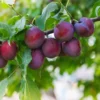
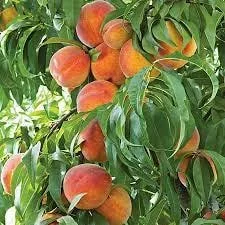
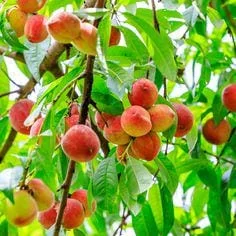
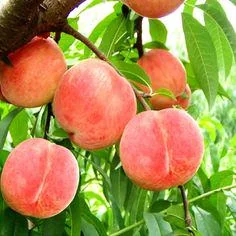
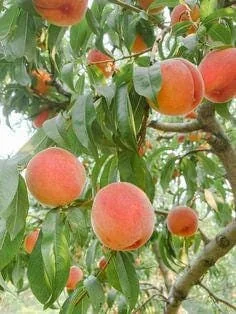
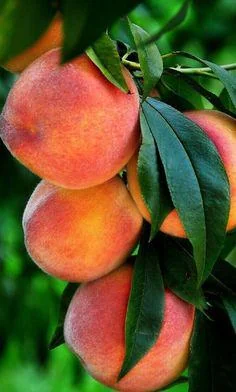
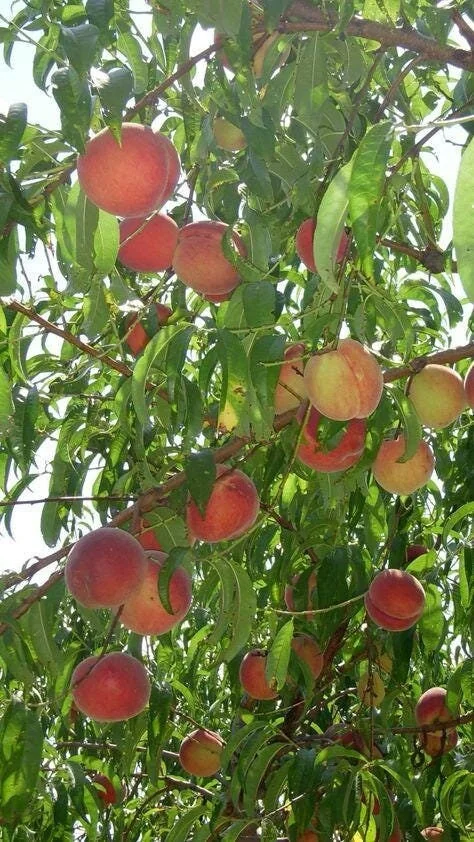
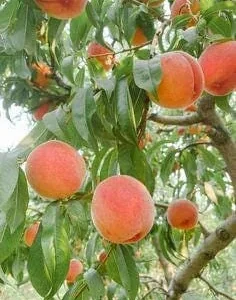
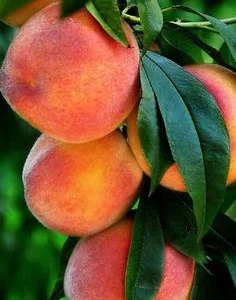
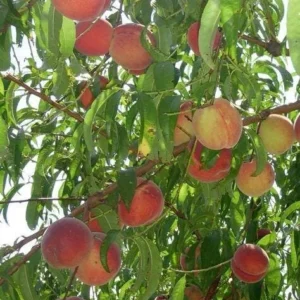
The Belle of Georgia peach tree bare-root matures to produce large, creamy white peaches with distinctive red cheeks in late summer. These peaches are not only visually appealing but also offer a firm, sweet, and incredibly juicy flesh, making them a favorite for a multitude of culinary applications. Whether you’re an experienced grower or just starting your fruit tree journey, this tree offers a rewarding experience with bountiful harvests of premium quality peaches.
Key Benefits
The Belle of Georgia peach tree bare-root offers numerous advantages for the home gardener, making it a standout choice among fruit trees. Its combination of beauty, productivity, and ease of care provides a truly rewarding experience:
- Exceptional Fruit Quality: Produces large, delicious freestone peaches with creamy white, sweet, and juicy flesh, perfect for fresh eating, baking, or canning. This makes it a versatile ingredient for any kitchen.
- Beautiful Ornamental Value: Features showy pink to red spring blossoms and attractive dark green foliage that turns yellow in fall, adding significant aesthetic appeal to your garden throughout the seasons.
- Self-Pollinating: While planting multiple trees can increase yield, the Belle of Georgia peach tree bare-root is self-fertile, meaning it can produce fruit on its own, simplifying the planting process.
- Hardy and Adaptable: Thrives in USDA hardiness zones 5–8, demonstrating good resilience and making it suitable for a wide range of climates. This characteristic makes it a truly hardy peach tree.
- Freestone Variety: The pit easily separates from the flesh, making the peaches very convenient for processing and eating without hassle.
- Generous Harvests: With proper care, this tree yields abundant crops of high-quality fruit, ensuring you have plenty of peaches to enjoy and share.
- Versatile Culinary Use: The firm, sweet, and juicy peaches are excellent for eating fresh, baking into pies and cobblers, or preserving through canning, offering endless culinary possibilities. This is truly a desirable white flesh peach tree.
Plant Care & Growing Tips
Caring for your Belle of Georgia peach tree bare-root involves a few key practices to ensure a healthy tree and abundant harvests. Upon arrival, soak the bare roots in water for a few hours before planting. Choose a site with full sun exposure, ideally receiving at least 6-8 hours of direct sunlight daily. Good air circulation is also beneficial to prevent fungal diseases. Dig a hole wide enough to accommodate the spread of the roots without bending them, and deep enough so that the graft union (the slightly swollen area on the trunk) is a few inches above the soil line. Backfill with native soil, gently tamping down to remove air pockets, and water thoroughly to settle the soil.
The Belle of Georgia peach tree bare-root thrives in well-draining soil. While it can tolerate a range of soil types, a loamy soil amended with organic matter is ideal. Regular watering is crucial, especially during the first few years after planting and during dry spells. Aim for consistent moisture, but avoid waterlogging. Fertilize in early spring with a balanced fertilizer formulated for fruit trees. Pruning is essential for both tree health and fruit production. In the first dormant season after planting, establish a strong central leader and scaffold branches. After the first crop, prune annually to remove about a third of the fruited wood, thin out crowded branches, and maintain an open canopy. This encourages better air circulation and sunlight penetration, which are vital for fruit development and disease prevention. Monitoring for common peach tree pests and diseases and addressing them promptly will contribute to a robust and productive self-pollinating peach tree.
Size & Details
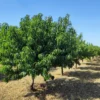
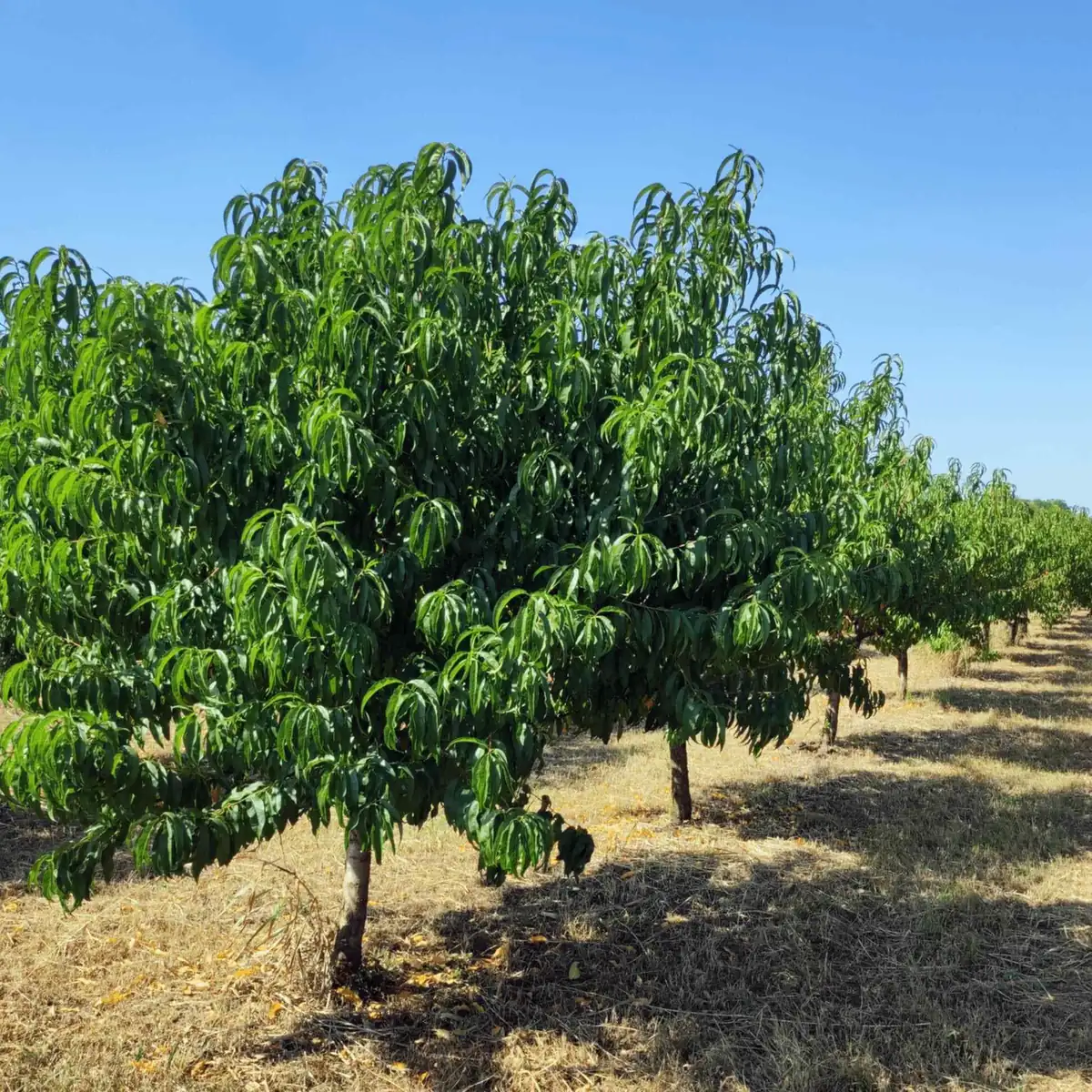
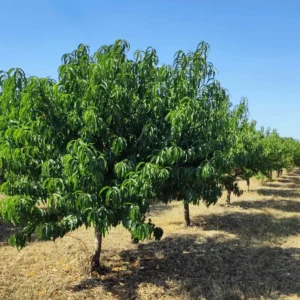
The Belle of Georgia peach tree bare-root is typically supplied as a dormant, young tree with its roots exposed, ready for planting. When mature, this impressive fruit tree can reach a height of 18–25 feet and spread equally wide, forming a rounded canopy. Its substantial size makes it a prominent feature in any home orchard or large garden. The tree is known for its vigorous growth, and with proper care, it will begin to bear fruit within a few years of planting. The peaches themselves are large, typically maturing in late summer, offering a generous yield that can be enjoyed fresh, baked, or canned. This white flesh peach tree offers both beauty and bounty.
This freestone peach tree is well-suited for USDA hardiness zones 5–8, indicating its resilience to a broad range of temperatures. Its adaptability ensures that many gardeners across the US can successfully grow this productive fruit tree. The bare-root form allows for cost-effective shipping and excellent establishment once planted appropriately in its new home. Ensure ample space for its mature size to allow for optimal growth and fruit production, making it a valuable long-term investment for a truly hardy peach tree.
Frequently Asked Questions
- Q: How big does the Belle of Georgia peach tree bare-root get? A: The Belle of Georgia peach tree bare-root can grow to be 18–25 feet tall and equally wide at maturity, forming a beautiful, rounded canopy. Ensure you provide ample space for its growth.
- Q: Is this an indoor or outdoor plant? A: The Belle of Georgia peach tree bare-root is an outdoor fruit tree designed to be planted directly in the ground, thriving in garden and orchard settings. It requires full sun and sufficient space.
- Q: How much sunlight does it need? A: This peach tree requires full sun, meaning at least 6-8 hours of direct sunlight per day, for optimal growth and fruit production.
- Q: Is the Belle of Georgia peach tree bare-root easy to care for? A: While peach trees require regular watering, fertilizing, and annual pruning, the Belle of Georgia is a relatively robust and self-pollinating variety, making it a good choice for gardeners willing to commit to basic fruit tree care.
- Q: What condition will the bare-root tree arrive in? A: Your Belle of Georgia peach tree bare-root will arrive dormant, with its roots carefully packed to retain moisture. It will not have leaves, as this is the ideal state for planting to minimize transplant shock.
- Q: When is the best time to plant a freestone peach tree bare-root? A: The best time to plant a bare-root peach tree is in late winter or early spring, while the tree is still dormant, before new growth begins.
- Q: How long until it produces peaches? A: A young Belle of Georgia peach tree bare-root typically begins to produce fruit within 2-4 years after planting, with larger harvests as the tree matures.
- Q: Will this hardy peach tree survive winter in my zone? A: The Belle of Georgia peach tree is hardy in USDA zones 5–8, meaning it is well-suited to survive the winter temperatures within these regions.
- Q: Is this a self-pollinating peach tree? A: Yes, the Belle of Georgia peach tree is self-pollinating, meaning it can produce fruit with just one tree. However, planting another peach tree nearby can often lead to even larger yields.
- Q: What makes this a white flesh peach tree? A: The Belle of Georgia is known for its signature creamy white flesh, often with a slight red tinge around the pit, which distinguishes it from yellow-fleshed peach varieties.
Related products
-10%
Original price was: $23.99.$21.59Current price is: $21.59.
-10%
Original price was: $80.99.$72.89Current price is: $72.89.

-50%
Original price was: $73.98.$36.99Current price is: $36.99.

PLANTING & CARE

Growing Glencoe Raspberry: A Complete Guide for Gardeners
If you’re looking to add something unique to your garden, look no further than the
31
Mar
Mar

The Comprehensive Guide to Growing Bay Leaf Plants for a Flavorful Garden
Imagine stepping into your garden, greeted by the earthy aroma of fresh bay leaves, their
09
Feb
Feb

How to Make Comfrey Tea: The Ultimate Organic Plant Food
Growing an organic garden can be surprisingly expensive, especially when most store-bought fertilizers come in
02
Feb
Feb

True Comfrey: 7 Essential Tips Before You Plant This Herb
A staple in permaculture practices across the US, True Comfrey easily earns its reputation as
27
Jan
Jan

7 Heart-Shaped Plants for a Lasting Valentine’s Gift
If you’ve ever bought a bouquet of roses for Valentine’s Day, you know they are
26
Jan
Jan

Best Types of Ivy Plant for Houses: How to Choose the Perfect Ones for Your Home
Are you a garden lover looking to introduce some greenery into your home? Maybe you’ve
14
Nov
Nov

When to Harvest Garlic (Especially Fall-Planted Garlic)
TIMING IS EVERYTHING, they say – and for garlic, that truth hits with surprising accuracy.
13
Nov
Nov

11 of the Best Sweet Potato Varieties to Grow for Your Garden
If you’ve ever tried growing sweet potatoes, you know that picking the right variety can
12
Nov
Nov