Big Time Blue Lavender Live Plant – 4″ Pot – Lavandula x intermedia – Fragrant Perennial
-81%
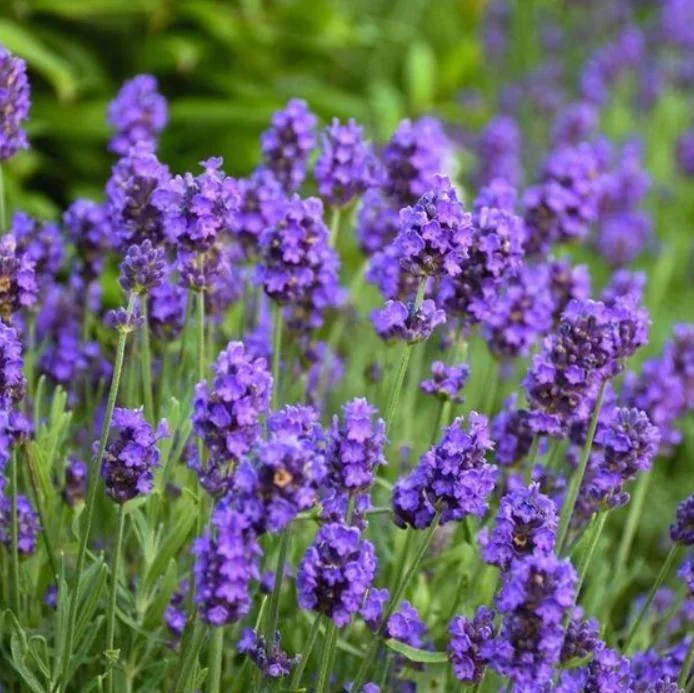
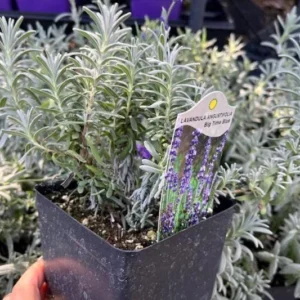
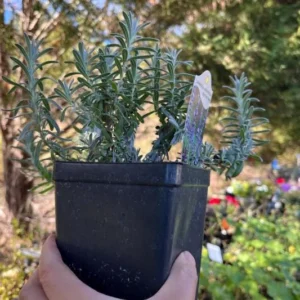
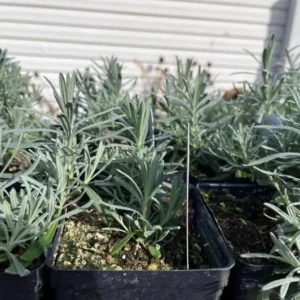
Big Time Blue Lavender Live Plant – 4″ Pot – Lavandula x intermedia – Fragrant Perennial
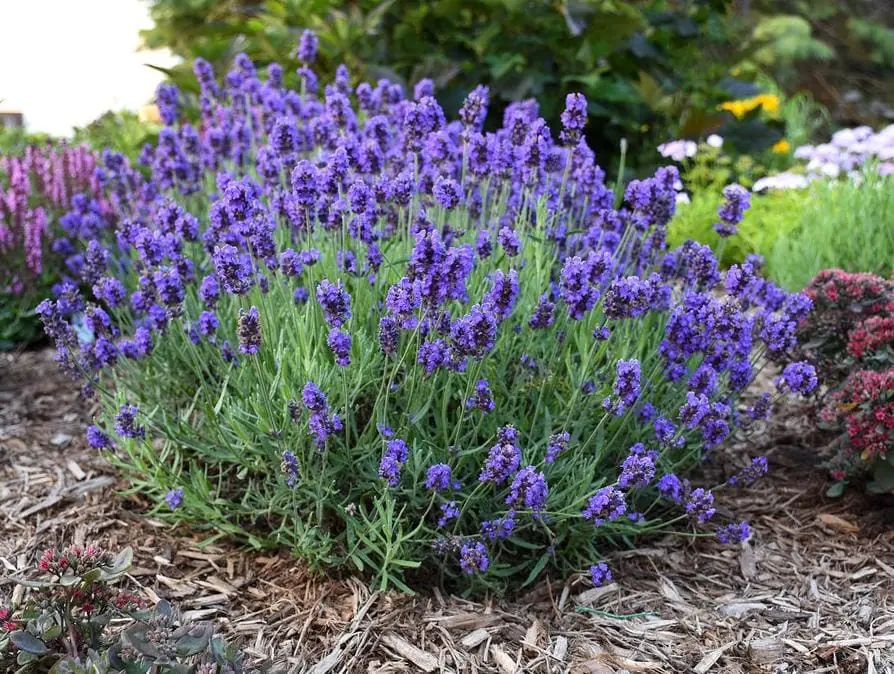
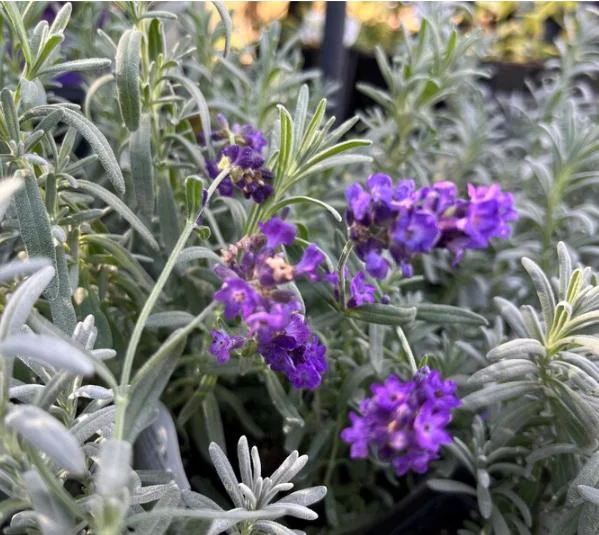
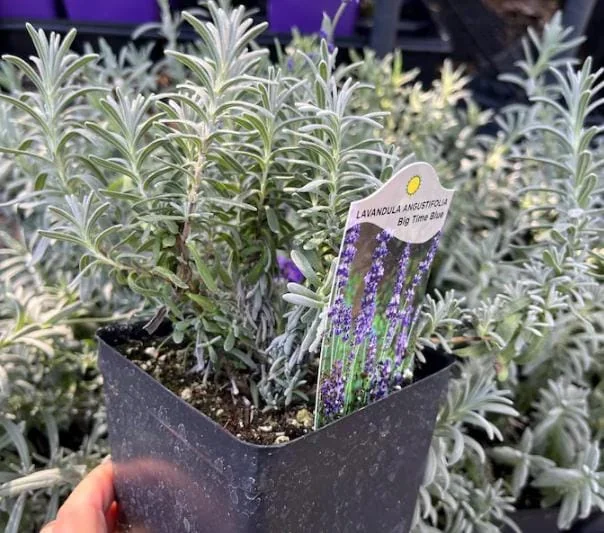
Bring home a Big Time Blue Lavender live plant in a 4-inch pot. This vigorous fragrant lavender plant (Lavandula x intermedia) features rich blue-purple blooms and a classic scent, ideal for garden beds, borders, and containers. Attracts pollinators and is drought-tolerant once established, making it a perfect addition to any garden.
Original price was: $80.97.$15.54Current price is: $15.54.

With our Alive & Thrive Guarantee, we’ve got your back for the first 30 days! If you have any concerns about your plants, just reach out to us. Our team is here to help answer your questions and guide you in selecting the best plants for your garden, climate, and unique preferences. We're excited to help you create the garden of your dreams!
Estimated arrival
Apr 03
Apr 08 - Apr 10
Apr 13 - Apr 17
Product Details
-
USDA Hardiness Zone
USDA zones 5–9 -
Soil type
Well-drained, sandy or loamy soil -
Sunlight Exposure
Full sun (6–8 hours daily) -
Expected Planting Period
Spring or fall
Overview
Introduce delightful fragrance and vibrant color to your outdoor spaces with the Big Time Blue Lavender live plant. This particular variety, known scientifically as Lavandula x intermedia, is celebrated for its robust growth and abundant, vivid blue-purple flowers that bloom profusely throughout the season. As a hybrid lavender, it combines the best characteristics of its parent species, offering a strong, classic lavender scent that is both soothing and invigorating. Perfect for creating aromatic landscapes, enhancing garden borders, or adding charm to patio containers, this fragrant lavender plant is a versatile and rewarding choice for any gardener. Its striking appearance and intoxicating aroma make it a focal point in any setting.
The Big Time Blue Lavender live plant is not just a treat for the senses; it’s also a powerhouse for attracting beneficial insects. Bees and other pollinators are drawn to its nectar-rich blooms, contributing to a healthier garden ecosystem. This ease of growth, combined with its drought-tolerant nature once established, makes it an excellent option for both novice and experienced gardeners seeking a beautiful yet low-maintenance perennial herb.
Key Benefits
The Big Time Blue Lavender live plant offers a multitude of advantages, making it a highly desirable addition to various garden styles and personal preferences:
- Aromatic Appeal: Produces a strong, classic lavender scent that can calm the senses and enhance the ambiance of your garden or home. The fragrance is perfect for culinary uses, potpourri, or simply enjoying outdoors.
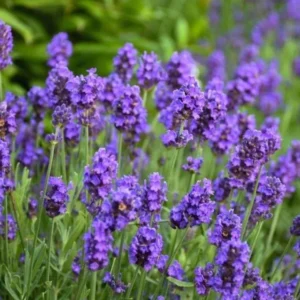
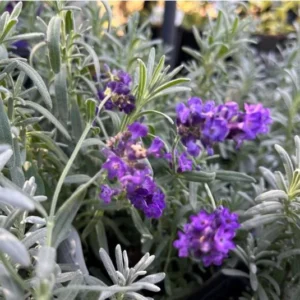
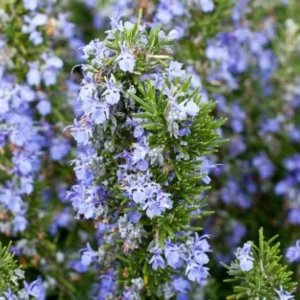
- Vibrant Blooms: Features abundant, rich blue-purple flowers on long spikes, providing continuous color and visual interest from late spring through summer. These blooms are excellent for cutting and drying.
- Pollinator Magnet: Highly attractive to bees, butterflies, and other beneficial pollinators, supporting local ecosystems and encouraging biodiversity in your garden. This makes it an ideal pollinator garden plant.
- Drought Tolerance: Once established, this lavender variety is remarkably drought-tolerant, requiring minimal watering and making it suitable for xeriscaping or water-wise gardens.
- Low Maintenance: Known for its vigorous growth and resilience, this plant is relatively easy to care for, thriving with basic attention and making lavender plant care straightforward.
- Versatile Use: Ideal for a variety of landscaping applications, including garden beds, borders, rock gardens, herb gardens, and containers. Its compact size also makes it suitable for smaller spaces.
- Deer and Rabbit Resistant: The strong scent and flavor of lavender tend to deter deer and rabbits, protecting your garden from common pests.
Plant Care & Growing Tips
Caring for your Big Time Blue Lavender live plant is straightforward, ensuring a beautiful display year after year. This perennial thrives in conditions that mimic its Mediterranean origins. For optimal growth and prolific flowering, ensure your plant receives full sun exposure, meaning at least 6-8 hours of direct sunlight daily. Good air circulation is also beneficial to prevent fungal issues. When considering lavender plant care, proper soil and watering are paramount. Lavender prefers well-drained, sandy or loamy soil. It’s crucial to avoid heavy, clay soils that retain too much moisture, as this can lead to root rot. If your soil is heavy, amend it with grit or sand to improve drainage. This plant also prefers slightly alkaline conditions, so a soil pH between 6.5 and 7.5 is ideal.
Watering requirements for the Big Time Blue Lavender live plant are moderate. Water regularly after planting until the plant is well-established. Once mature, it becomes highly drought-tolerant, only needing supplemental watering during prolonged dry spells. Overwatering is a common mistake and should be avoided. Fertilization is generally not necessary, as lavender thrives in nutrient-poor soils. If your soil is extremely poor, a light application of a balanced, slow-release fertilizer in early spring can be beneficial, but avoid high-nitrogen fertilizers which can promote foliage growth at the expense of flowers. Pruning is essential for maintaining a compact shape and encouraging new blooms. Prune lightly after the first flush of flowers to encourage a second bloom, and a more substantial pruning in early spring to remove old woody growth and promote fresh growth. This helps to keep your Lavandula x intermedia healthy and vibrant.
The Big Time Blue Lavender live plant thrives in USDA zones 5–9, meaning it can tolerate a range of winter temperatures. In colder zones, consider providing winter protection or growing it in containers that can be moved indoors. Common problems are rare but can include root rot from overwatering or fungal diseases in humid conditions. Ensuring good drainage and air circulation is the best preventative measure. This attention to detail in lavender plant care will ensure your plant flourishes.
Size & Details
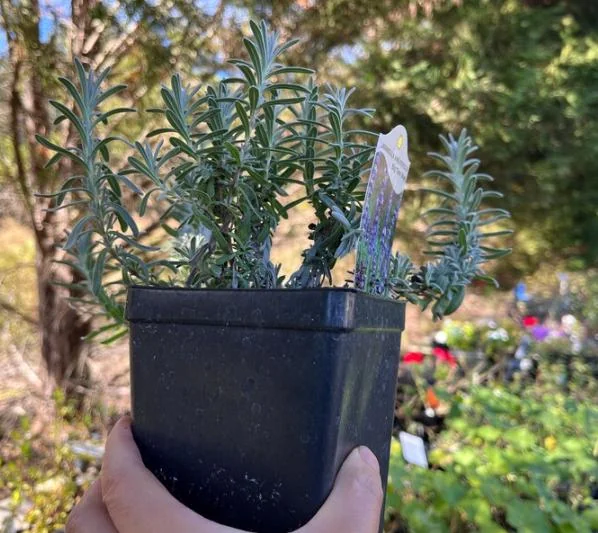
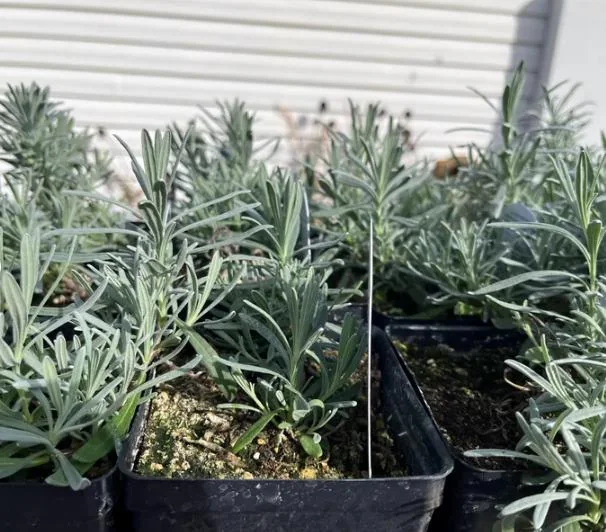
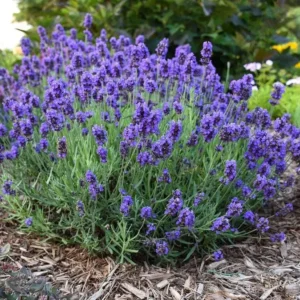
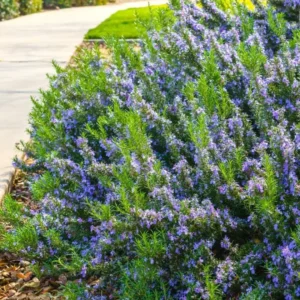
Your Big Time Blue Lavender live plant will arrive as a healthy young starter plant, ready for transplanting. It is shipped in a 4-inch pot, providing a robust root system to ensure successful establishment in your garden or container. While the initial plant is young, this vigorous hybrid lavender is known for its rapid growth. Expect it to mature into a substantial perennial, typically reaching a height of 18-24 inches and a similar spread. The long flower spikes contribute to its overall stature and visual impact. With proper care, you can anticipate abundant blossoms and a strong, classic lavender scent throughout the growing season.
This fragrant lavender plant is a perennial flowering herb that establishes quickly. It’s best planted in spring or fall, spaced 18–24 inches apart to allow for its mature size. The plant will develop into a beautiful, bushy specimen, perfect for creating impactful displays in garden beds, borders, or large containers. Its ease of growth and impressive display make it a rewarding addition to any landscape.
Frequently Asked Questions
- Q: How big does this plant get? A: The Big Time Blue Lavender live plant typically grows to a mature height of 18-24 inches with a similar spread, creating a full and bushy appearance in your garden.
- Q: What size pot does it come in? A: This lavender plant is shipped as a healthy young starter plant in a 4-inch pot, ready for you to transplant into its permanent location.
- Q: Is this an indoor or outdoor plant? A: This Lavandula x intermedia is primarily an outdoor plant, thriving in full sun in garden beds, borders, or outdoor containers. It can be brought indoors during winter in colder climates.
- Q: How much sunlight does it need? A: For best growth and abundant flowering, the Big Time Blue Lavender live plant requires full sun exposure, meaning 6-8 hours of direct sunlight each day.
- Q: Is this plant easy to care for? A: Yes, this lavender variety is considered easy to grow and maintain, suitable for both beginner and experienced gardeners, especially once established due to its drought tolerance. Good lavender plant care involves proper sun and well-draining soil.
- Q: What condition will it arrive in? A: Your plant will arrive carefully packed as a young, healthy starter plant. Some minor leaf damage or yellowing during transit is normal and purely cosmetic; the plant will recover quickly.
- Q: When is the best time to plant? A: The ideal times to plant your Big Time Blue Lavender live plant are in spring or fall, allowing it to establish its root system before extreme temperatures.
- Q: Can I use this lavender for culinary purposes? A: Yes, Lavandula x intermedia varieties are often used for their strong fragrance and can be used in culinary applications, though Lavandula angustifolia (English Lavender) is generally preferred for taste.
- Q: Is it pet-safe? A: Lavender is generally considered mildly toxic to pets if ingested in large quantities. It’s best to keep pets from consuming the foliage.
- Q: Will it survive winter in my zone? A: This fragrant lavender plant is hardy in USDA zones 5–9. In zone 5, it will benefit from winter protection, such as mulching, to help it survive colder temperatures.
Related products
-67%
From Original price was: $35.22.$11.74Current price is: $11.74.
-50%
Original price was: $79.96.$39.98Current price is: $39.98.
-30%
Original price was: $67.98.$47.58Current price is: $47.58.
-50%
Original price was: $27.96.$13.98Current price is: $13.98.
-30%
Original price was: $59.98.$41.98Current price is: $41.98.
-50%
Original price was: $107.96.$53.98Current price is: $53.98.
-67%
Original price was: $39.72.$13.24Current price is: $13.24.
-67%
Original price was: $75.72.$25.24Current price is: $25.24.
PLANTING & CARE
Growing Glencoe Raspberry: A Complete Guide for Gardeners
If you’re looking to add something unique to your garden, look no further than the
31
Mar
Mar

The Comprehensive Guide to Growing Bay Leaf Plants for a Flavorful Garden
Imagine stepping into your garden, greeted by the earthy aroma of fresh bay leaves, their
09
Feb
Feb

How to Make Comfrey Tea: The Ultimate Organic Plant Food
Growing an organic garden can be surprisingly expensive, especially when most store-bought fertilizers come in
02
Feb
Feb

True Comfrey: 7 Essential Tips Before You Plant This Herb
A staple in permaculture practices across the US, True Comfrey easily earns its reputation as
27
Jan
Jan

7 Heart-Shaped Plants for a Lasting Valentine’s Gift
If you’ve ever bought a bouquet of roses for Valentine’s Day, you know they are
26
Jan
Jan

Best Types of Ivy Plant for Houses: How to Choose the Perfect Ones for Your Home
Are you a garden lover looking to introduce some greenery into your home? Maybe you’ve
14
Nov
Nov

When to Harvest Garlic (Especially Fall-Planted Garlic)
TIMING IS EVERYTHING, they say – and for garlic, that truth hits with surprising accuracy.
13
Nov
Nov

11 of the Best Sweet Potato Varieties to Grow for Your Garden
If you’ve ever tried growing sweet potatoes, you know that picking the right variety can
12
Nov
Nov