Big Yellow Rambutan Live Fruit Tree (2-3ft) – Tropical Nephelium lappaceum Plant
-10%
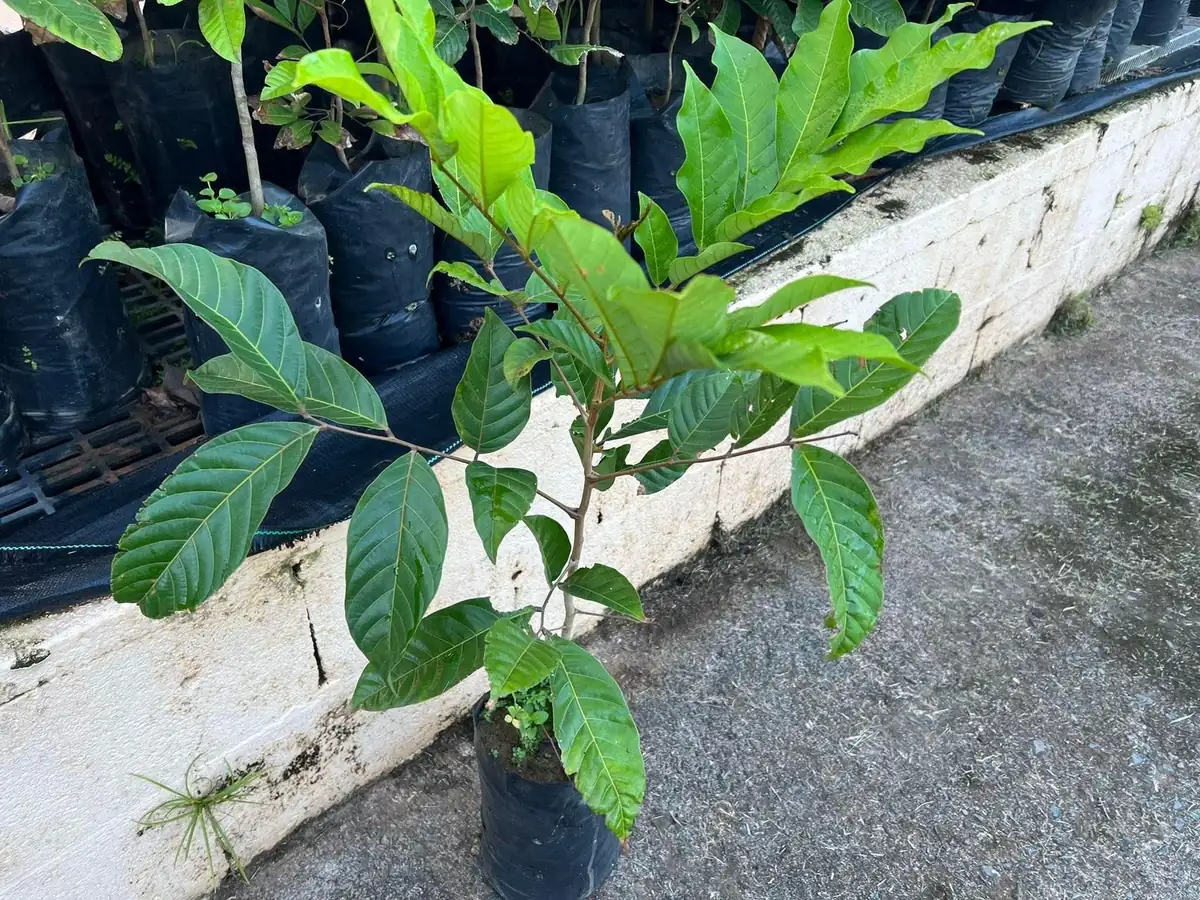
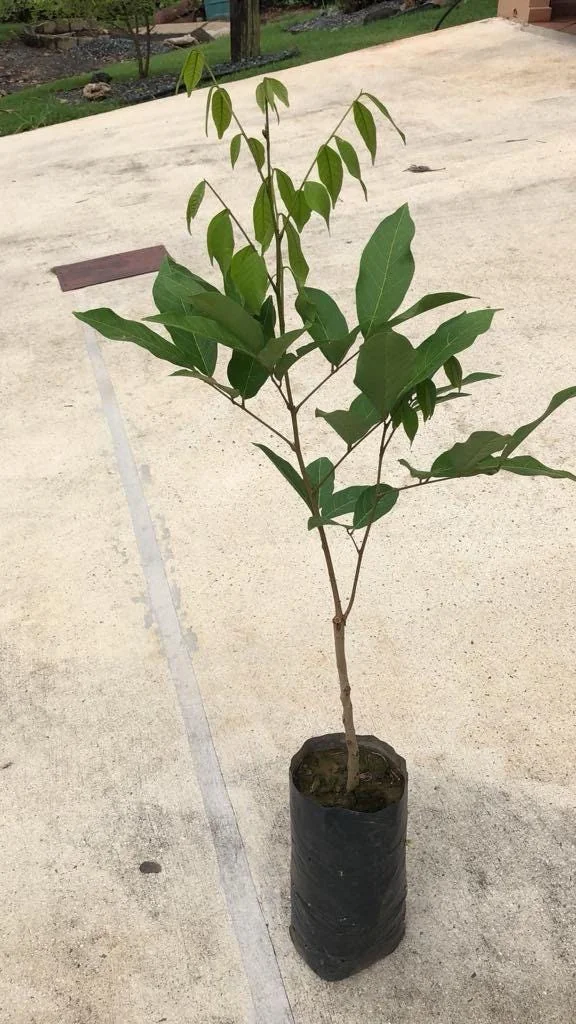
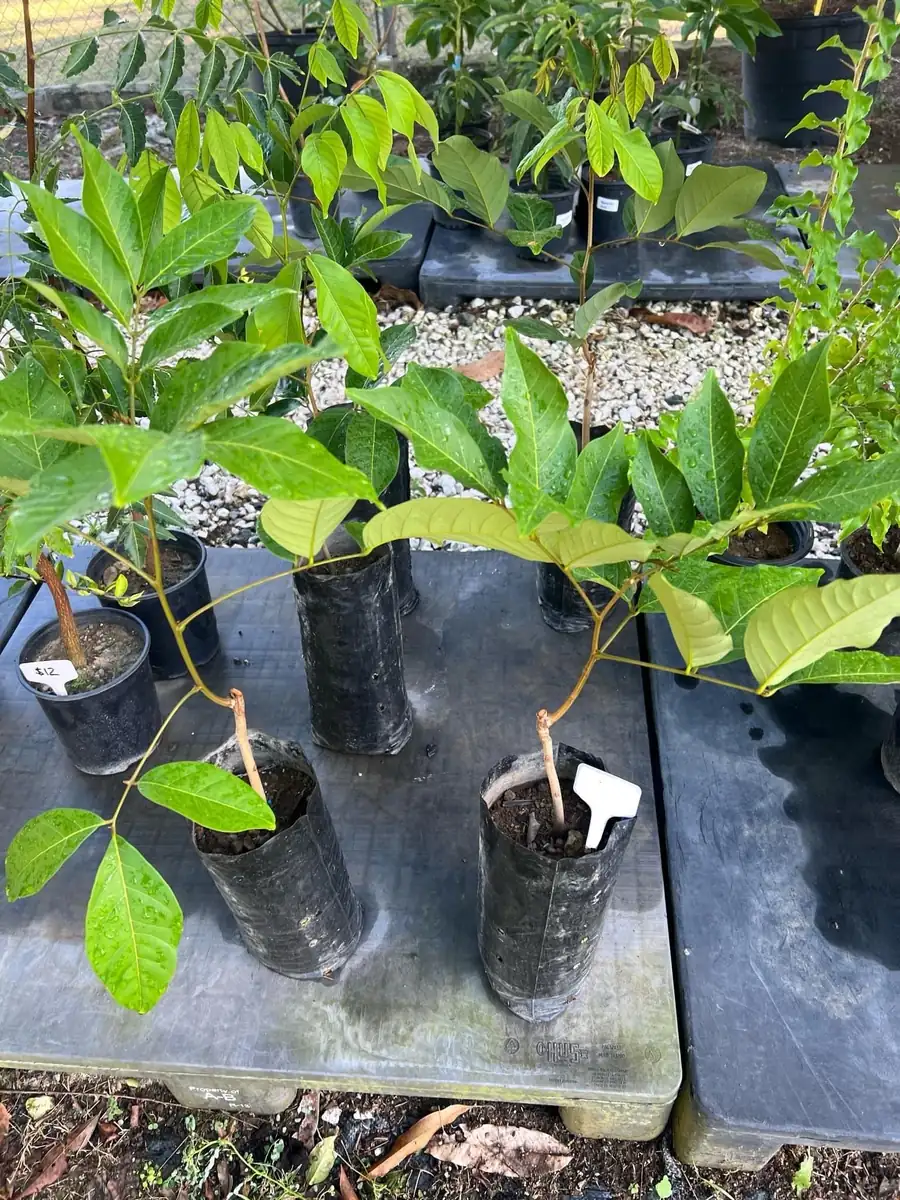
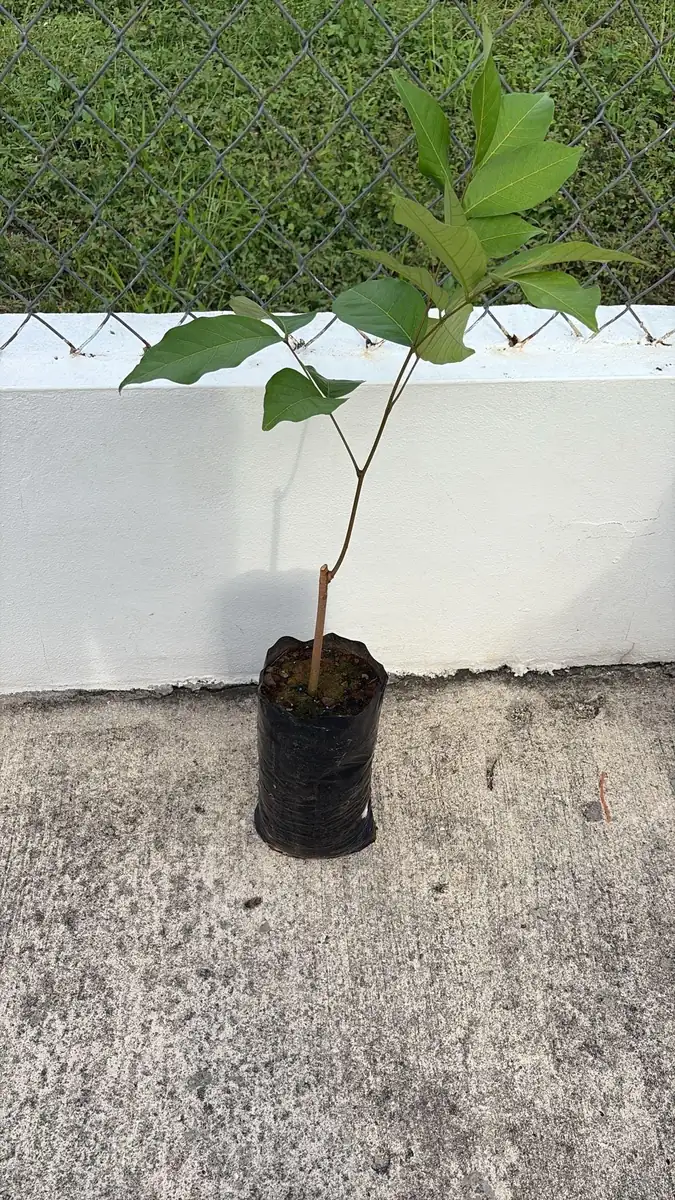
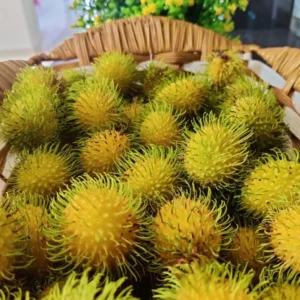
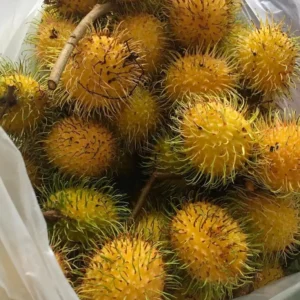
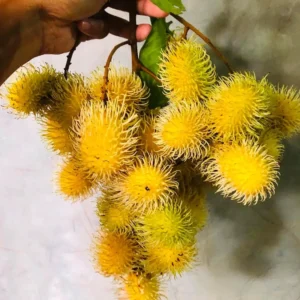
Big Yellow Rambutan Live Fruit Tree (2-3ft) – Tropical Nephelium lappaceum Plant
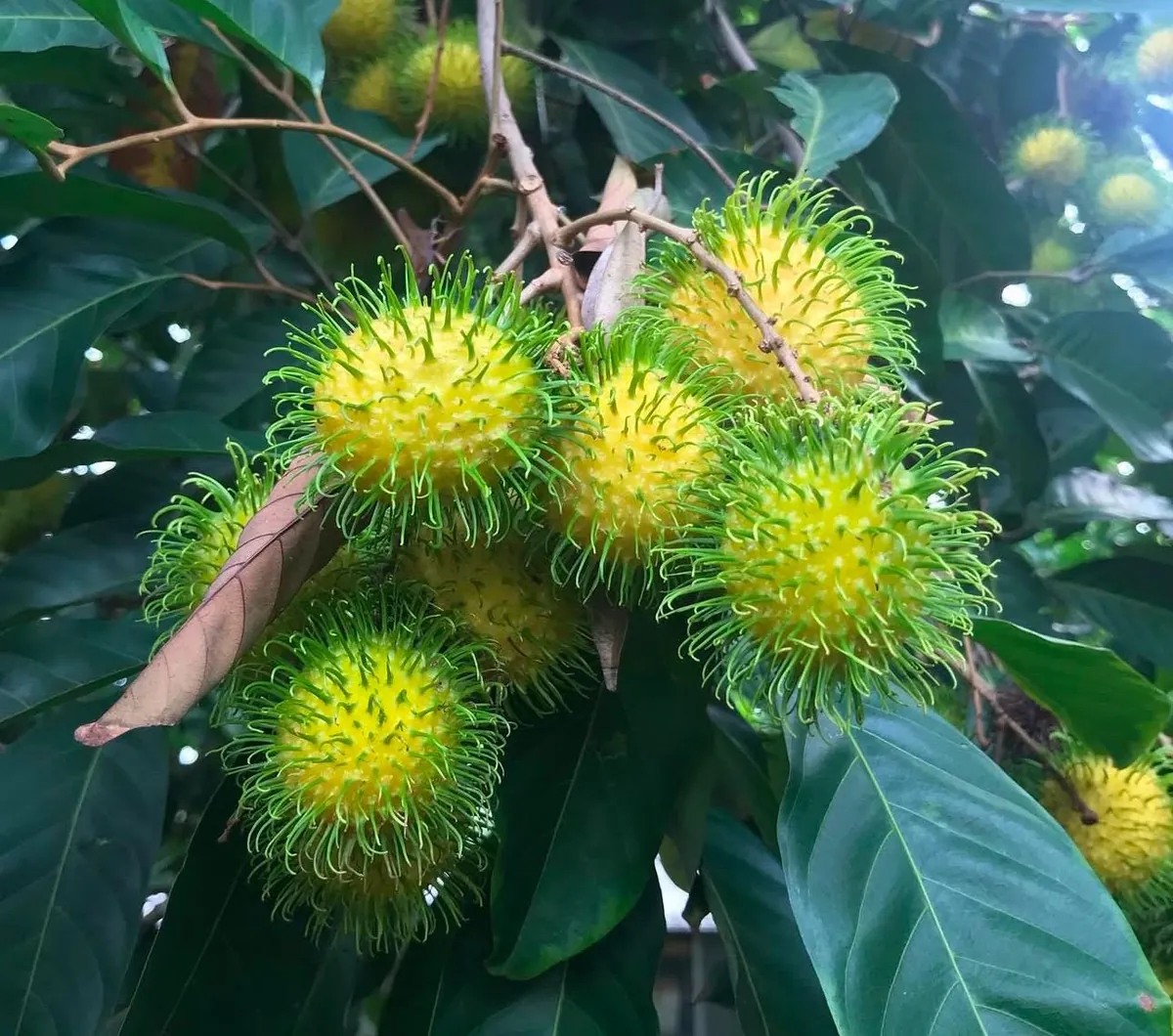
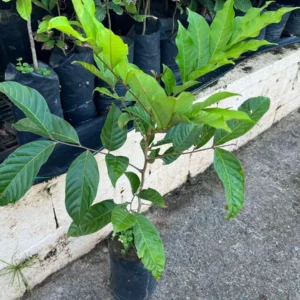
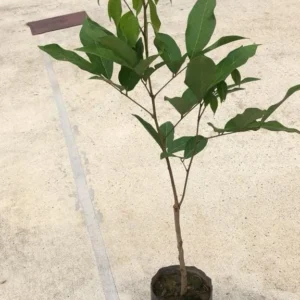
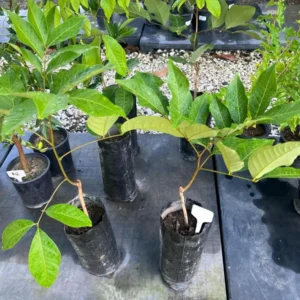
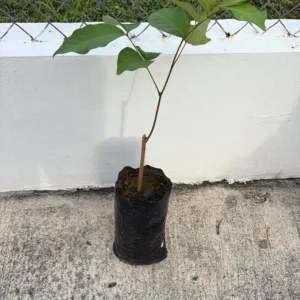
Cultivate your own exotic harvest with a Big Yellow Rambutan live plant. This Nephelium lappaceum plant arrives as a healthy 2-3ft tree, ready for planting in your garden or a large container. Enjoy the unique, sweet flavor of fresh rambutan fruit right from your home.
Original price was: $158.00.$142.20Current price is: $142.20.

With our Alive & Thrive Guarantee, we’ve got your back for the first 30 days! If you have any concerns about your plants, just reach out to us. Our team is here to help answer your questions and guide you in selecting the best plants for your garden, climate, and unique preferences. We're excited to help you create the garden of your dreams!
Estimated arrival
Apr 01
Apr 06 - Apr 08
Apr 11 - Apr 15
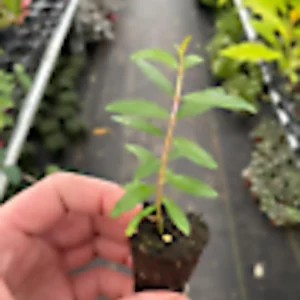
Product Details
-
USDA Hardiness Zone
USDA Zones 10-11 -
Soil type
Rich, well-draining, slightly acidic soil -
Sunlight Exposure
Full sun (6-8 hours direct light) -
Expected Planting Period
Year-round in tropical climates; spring to early summer in containers
Overview
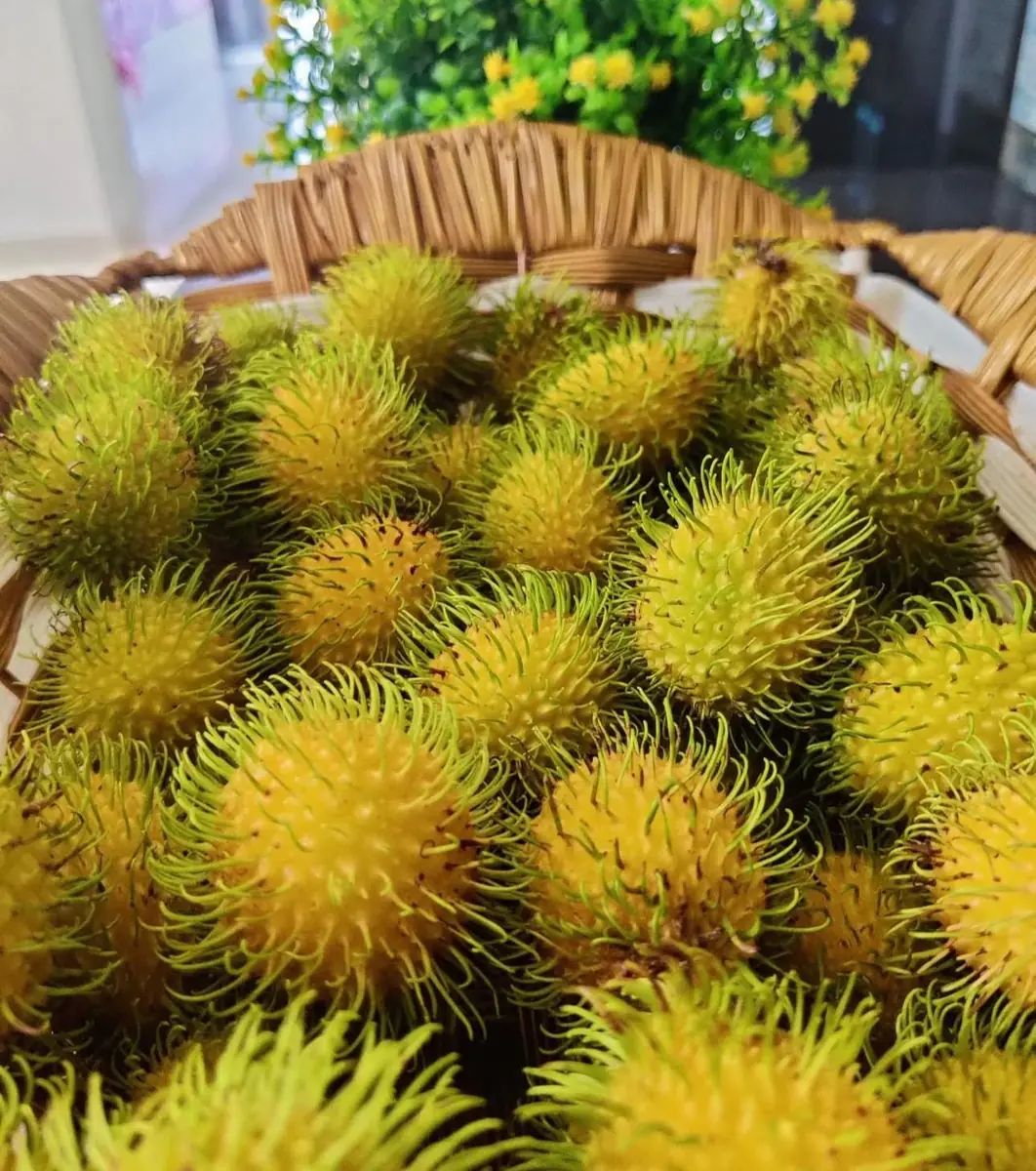
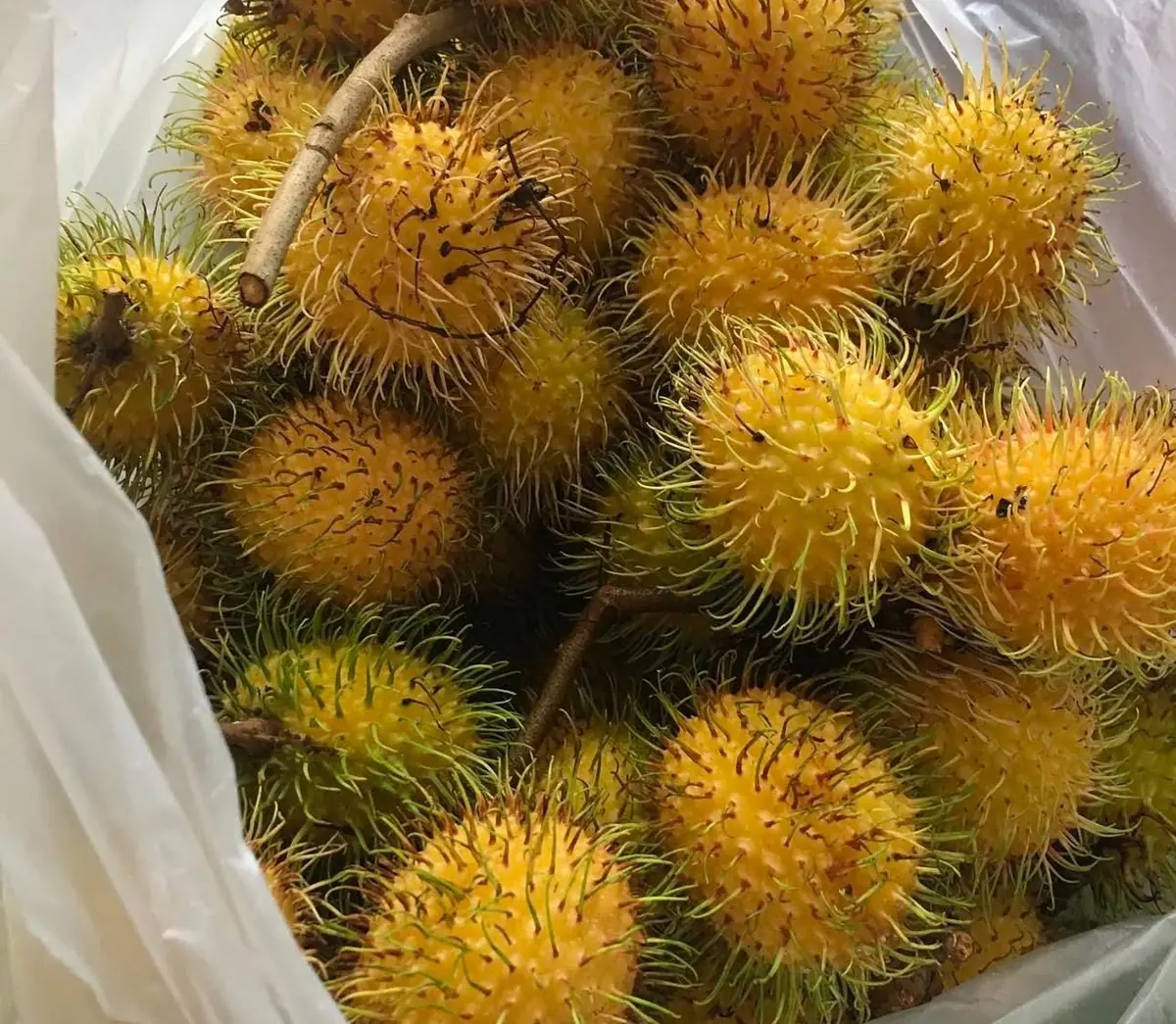
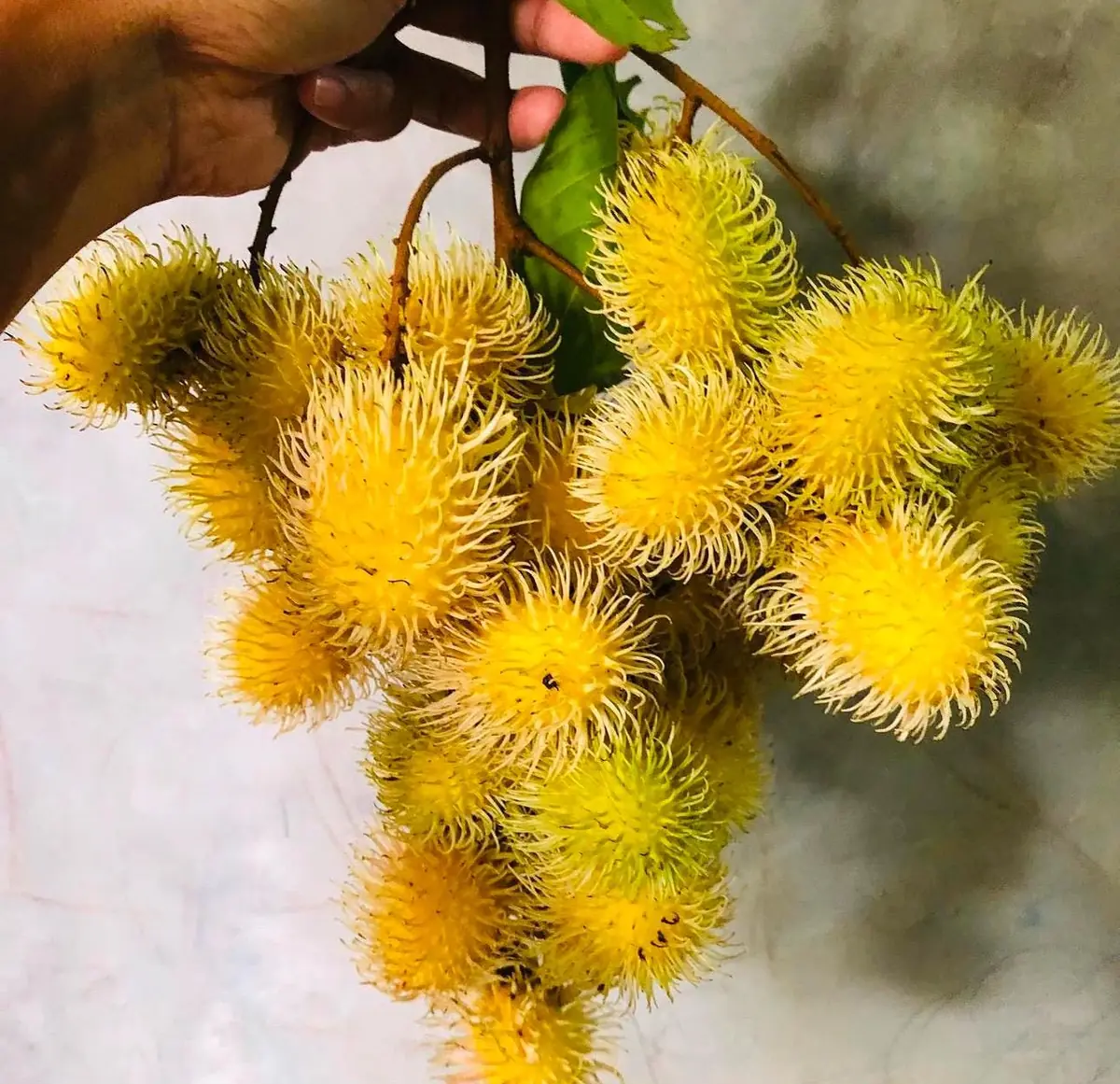
Embark on an exciting horticultural journey with the Big Yellow Rambutan live plant. This exquisite tropical fruit tree, scientifically known as Nephelium lappaceum, offers the unique opportunity to grow one of the most beloved exotic fruits right in your own garden or patio. Our healthy, vibrant 2-3ft rambutan plant is carefully cultivated to ensure it thrives in its new environment, promising a future of sweet, juicy harvests. The ‘Big Yellow’ variety is celebrated for its large, appealing yellow-skinned fruits that are as delicious as they are beautiful. Growing your own rambutan provides fresh, organic fruit and adds a stunning ornamental element to any landscape.
The rambutan fruit tree is native to Southeast Asia and is closely related to lychee and longan. It’s known for its distinctive hairy exterior, which, when peeled, reveals translucent, sweet, and slightly acidic flesh. This particular Nephelium lappaceum plant is an excellent choice for enthusiasts looking to expand their tropical fruit collection or simply enjoy the novelty and flavor of homegrown rambutan. With proper care, this live plant will mature into a productive tree, enriching your culinary experiences and providing a conversation piece for years to come.
Key Benefits
The Big Yellow Rambutan live plant offers a multitude of benefits beyond just its delicious fruit. Bringing this tropical gem into your home or garden provides both aesthetic appeal and a rewarding gardening experience. Here are some of the key advantages:
- Exotic Fruit Production: Enjoy the unparalleled taste of fresh, homegrown rambutan. The ‘Big Yellow’ variety produces large, sweet, and juicy fruits, far superior in flavor to store-bought options. This tropical fruit tree allows you to savor the unique qualities of this exotic delicacy at its peak freshness.
- Ornamental Garden Addition: Beyond its fruit, the Nephelium lappaceum plant is a beautiful addition to any landscape. Its lush, evergreen foliage and mature size create a striking visual presence, adding a touch of the tropics to your garden or patio.
- Rewarding Gardening Experience: Cultivating a rambutan fruit tree from a young plant to a fruit-bearing specimen is incredibly satisfying. It connects you with nature and provides a tangible reward for your care and effort, fostering a deeper appreciation for tropical horticulture.
- Unique Culinary Ingredient: Fresh rambutan can be enjoyed on its own, added to fruit salads, desserts, or used in various culinary creations. Having a steady supply of this unique fruit opens up a world of gastronomic possibilities.
- Sustainable Living: Growing your own fruit reduces your carbon footprint and provides a sustainable source of healthy food. This Big Yellow Rambutan live plant contributes to a more self-sufficient lifestyle.
- Educational Opportunity: For families, growing a tropical fruit tree like rambutan can be an excellent educational tool, teaching about plant life cycles, tropical ecosystems, and the origins of exotic foods.
Plant Care & Growing Tips
Caring for your Big Yellow Rambutan live plant requires attention to its specific tropical needs, but with the right environment, it will flourish. Rambutan trees thrive in warm, humid climates. They prefer a location with full sun, meaning at least 6-8 hours of direct sunlight per day. If growing indoors or in a greenhouse, ensure it receives ample bright light, possibly supplemented with grow lights during shorter days. Protection from strong winds is also beneficial, especially for young trees.
Watering is crucial for the Nephelium lappaceum plant. Keep the soil consistently moist but never waterlogged. Young trees require more frequent watering, especially during dry periods. As the tree matures, its root system will become more established, but regular watering is still necessary for optimal fruit production. The ideal soil type is rich, well-draining, and slightly acidic (pH 6.0-6.5). Amending heavy clay soils with organic matter or sand can improve drainage. For potted plants, use a high-quality tropical potting mix.
Fertilize your rambutan fruit tree regularly, especially during its growing season. A balanced fertilizer with micronutrients is recommended. Young trees can be fertilized every 2-3 months, while mature, fruit-bearing trees may benefit from more frequent applications, particularly before and during flowering and fruiting. Protect your tree from cold temperatures; rambutan is sensitive to frost and prolonged cool weather. If you live in a region with cold winters, growing rambutan in a large container that can be moved indoors or into a sheltered area is advisable. Monitor for common pests like aphids or scale insects and treat them with appropriate organic or chemical controls if necessary. Regular pruning helps maintain the tree’s shape and encourages better fruit production.
Size & Details
This offering is for a healthy Big Yellow Rambutan live plant, typically standing between 2-3ft tall from the base of the root ball to the top of the foliage. Each Nephelium lappaceum plant is carefully selected and prepared for shipment to ensure its vitality upon arrival. The tree is supplied in a nursery pot, ready for transplanting into a larger container or directly into your garden, depending on your climate and growing preferences. While growth rates can vary based on environmental conditions and care, a well-tended rambutan fruit tree can grow several feet per year, eventually reaching a mature height of 20-30 feet in ideal tropical conditions. For container growing, regular pruning will help manage its size. Expect this tropical fruit tree to begin bearing fruit within 3-5 years under optimal conditions, providing you with a bountiful harvest of delicious rambutan.
Frequently Asked Questions
- Q: How big does this plant get? A: This Big Yellow Rambutan live plant is currently 2-3ft tall. In ideal tropical conditions, a mature rambutan tree can reach heights of 20-30 feet, though its size can be managed with pruning, especially when grown in containers.
- Q: Is this an indoor or outdoor plant? A: The Nephelium lappaceum plant is a tropical species that thrives outdoors in USDA Zones 10-11. In cooler climates, it can be grown in a large pot and brought indoors or into a greenhouse during colder months.
- Q: How much sunlight does it need? A: A rambutan fruit tree requires full sun, meaning at least 6-8 hours of direct sunlight per day, for optimal growth and fruit production. Ensure it receives bright, consistent light.
- Q: Is this plant easy to care for? A: While tropical plants require specific conditions, caring for a Big Yellow Rambutan live plant is manageable for intermediate gardeners. Providing consistent warmth, humidity, sunlight, and well-draining soil are key to its success.
- Q: What condition will it arrive in? A: Your tropical fruit tree will arrive as a healthy, live plant in a nursery pot, carefully packaged to minimize stress during transit. It will be ready for immediate planting or repotting upon arrival.
- Q: How long until it blooms and fruits? A: Under ideal growing conditions, a Nephelium lappaceum plant typically begins to bloom and produce fruit within 3-5 years from planting. Patience and consistent care will lead to a rewarding harvest.
- Q: What’s the best soil for growing rambutan? A: Rambutan thrives in rich, well-draining soil with a slightly acidic pH (6.0-6.5). For potted plants, a high-quality tropical potting mix is recommended to ensure proper drainage and nutrient availability for your growing rambutan.
- Q: Can I grow this rambutan fruit tree in a pot? A: Yes, the Big Yellow Rambutan live plant can be successfully grown in a large container, especially in regions outside its ideal climate zone. Choose a pot with good drainage and be prepared to repot as the tree grows.
- Q: What are the watering requirements for this plant? A: Keep the soil consistently moist but not waterlogged. Water deeply when the top inch of soil feels dry. Reduce watering slightly during cooler, dormant periods.
- Q: How often should I fertilize my rambutan plant? A: Fertilize young plants every 2-3 months with a balanced tropical fertilizer. Mature, fruit-bearing trees may benefit from more frequent feeding, especially before and during flowering and fruiting cycles.
Related products
-20%
Original price was: $36.00.$28.80Current price is: $28.80.
-49%
Original price was: $59.38.$29.99Current price is: $29.99.
-20%
Original price was: $80.00.$64.00Current price is: $64.00.
-10%
Original price was: $89.99.$80.99Current price is: $80.99.
-20%
Original price was: $32.00.$25.60Current price is: $25.60.
-10%
Original price was: $28.99.$26.09Current price is: $26.09.
-20%
Original price was: $60.00.$48.00Current price is: $48.00.
-20%
Original price was: $60.00.$48.00Current price is: $48.00.
PLANTING & CARE

Growing Glencoe Raspberry: A Complete Guide for Gardeners
If you’re looking to add something unique to your garden, look no further than the
31
Mar
Mar

The Comprehensive Guide to Growing Bay Leaf Plants for a Flavorful Garden
Imagine stepping into your garden, greeted by the earthy aroma of fresh bay leaves, their
09
Feb
Feb

How to Make Comfrey Tea: The Ultimate Organic Plant Food
Growing an organic garden can be surprisingly expensive, especially when most store-bought fertilizers come in
02
Feb
Feb

True Comfrey: 7 Essential Tips Before You Plant This Herb
A staple in permaculture practices across the US, True Comfrey easily earns its reputation as
27
Jan
Jan

7 Heart-Shaped Plants for a Lasting Valentine’s Gift
If you’ve ever bought a bouquet of roses for Valentine’s Day, you know they are
26
Jan
Jan

Best Types of Ivy Plant for Houses: How to Choose the Perfect Ones for Your Home
Are you a garden lover looking to introduce some greenery into your home? Maybe you’ve
14
Nov
Nov

When to Harvest Garlic (Especially Fall-Planted Garlic)
TIMING IS EVERYTHING, they say – and for garlic, that truth hits with surprising accuracy.
13
Nov
Nov

11 of the Best Sweet Potato Varieties to Grow for Your Garden
If you’ve ever tried growing sweet potatoes, you know that picking the right variety can
12
Nov
Nov