Bird of Paradise Live Plant – Tropical Houseplant, 6-8 inch, Indoor/Outdoor, Orange
-50%
Bird of Paradise Live Plant – Tropical Houseplant, 6-8 inch, Indoor/Outdoor, Orange
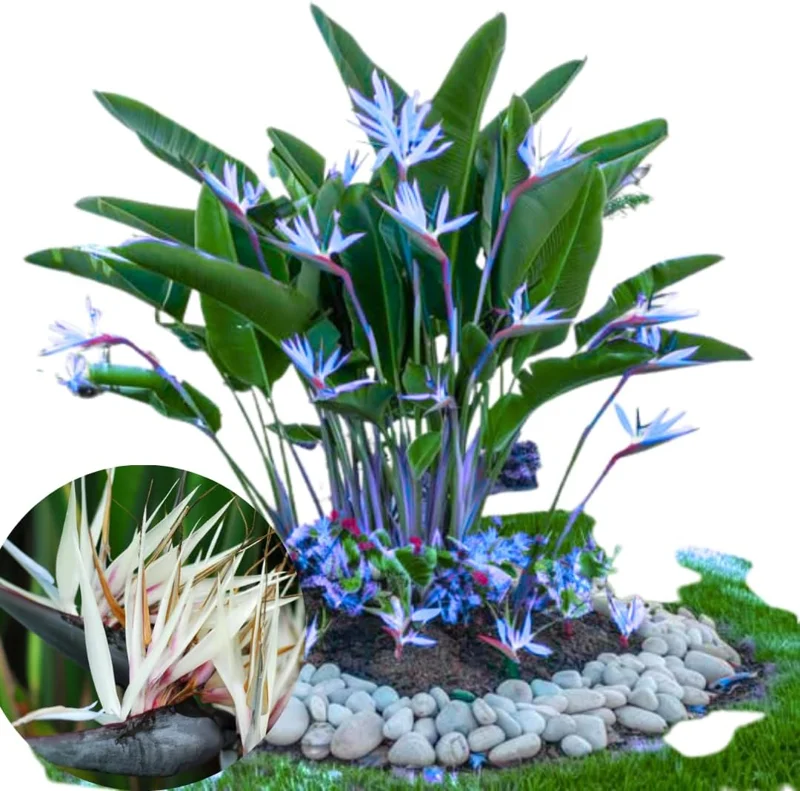
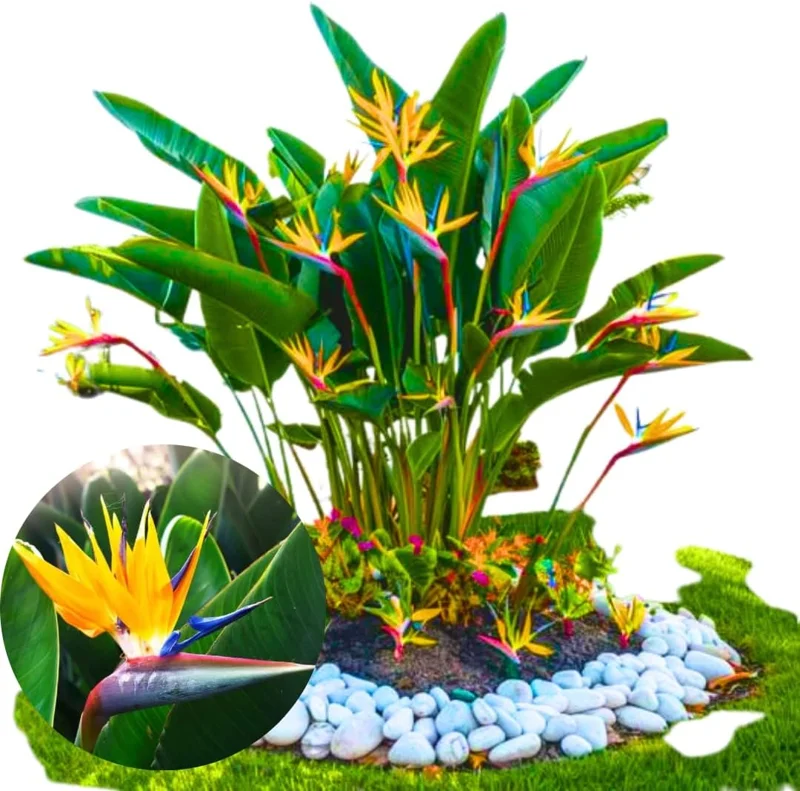
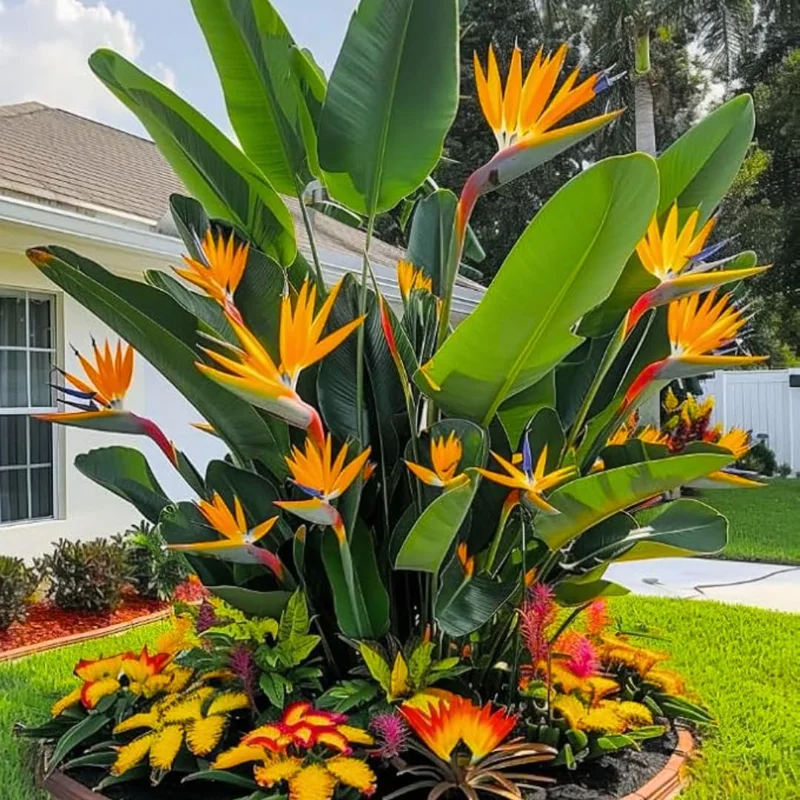
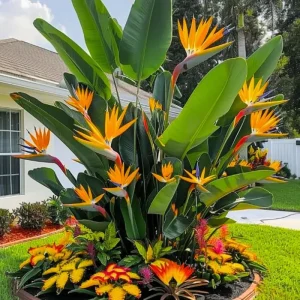
Bring exotic beauty to your home or garden with this vibrant bird of paradise live plant. Standing 6-8 inches tall, this tropical perennial boasts stunning orange bird-like blooms and large, banana-like leaves, perfect for creating a lush, tropical ambiance both indoors and out in warmer climates.
From Original price was: $39.98.$19.99Current price is: $19.99.

With our Alive & Thrive Guarantee, we’ve got your back for the first 30 days! If you have any concerns about your plants, just reach out to us. Our team is here to help answer your questions and guide you in selecting the best plants for your garden, climate, and unique preferences. We're excited to help you create the garden of your dreams!
Estimated arrival
Apr 10
Apr 15 - Apr 17
Apr 20 - Apr 24
Product Details
-
USDA Hardiness Zone
USDA Zones 9-11 -
Soil type
Well-draining, rich potting mix -
Sunlight Exposure
Full Sun -
Expected Planting Period
Year-round indoors; Spring to early summer outdoors
Overview
Introduce a touch of the tropics to your living space with this magnificent bird of paradise live plant. Known botanically as Strelitzia reginae, this iconic tropical perennial is celebrated for its spectacular, crane-like flowers that strikingly resemble a bird in flight, showcasing vibrant shades of orange and blue. This live houseplant arrives at a manageable size of 6-8 inches, making it an ideal choice for both aspiring and experienced plant enthusiasts looking to enhance their home or garden with an exotic flowering plant. Its lush, banana-like leaves provide a verdant backdrop, ensuring year-round visual interest even when not in bloom. Whether you’re seeking a captivating centerpiece for your indoor decor or a dramatic addition to your outdoor landscape in suitable climates, the bird of paradise live plant offers unparalleled beauty and a distinct tropical flair.
Cultivating this plant is a rewarding experience, as it brings a unique architectural element and a burst of color wherever it’s placed. Its robust nature makes it a relatively low-maintenance option for those who appreciate grandeur without excessive fuss. The strelitzia reginae care requirements are straightforward, making it accessible for a wide range of gardeners. Prepare to be enchanted by its vibrant display and the serene, tropical atmosphere it creates.
Key Benefits
The bird of paradise live plant offers a multitude of benefits, making it a highly sought-after addition to any plant collection. Its striking appearance is just one of the many advantages it brings:
- Stunning Visual Impact: The plant’s unique, bird-like orange and blue flowers are an absolute showstopper, guaranteed to capture attention and become a focal point in any room or garden. Its large, glossy green leaves add to its dramatic appeal.
- Tropical Ambiance: Instantly transforms any space into a tropical oasis, evoking feelings of relaxation and exotic getaways. This tropical houseplant is perfect for creating a lush, vibrant atmosphere.
- Versatile Placement: Suitable for both indoor cultivation as a striking houseplant and outdoor planting in warmer USDA Zones (9-11), offering flexibility in how you choose to display its beauty.
- Long-Lasting Blooms: When mature, Bird of Paradise plants produce long-lasting flowers that can be enjoyed for weeks, providing continuous color and beauty. They are also excellent for cut flower arrangements.
- Relatively Low Maintenance: Once established, the bird of paradise live plant is surprisingly resilient and forgiving, requiring consistent care but not constant attention, making it suitable for busy individuals.
- Air Purifying Qualities: Like many houseplants, it contributes to improved indoor air quality by absorbing common toxins and releasing oxygen, promoting a healthier living environment.
- Conversation Starter: Its exotic and distinctive appearance makes it an instant conversation piece, perfect for impressing guests and adding character to your home.
Plant Care & Growing Tips
Caring for your bird of paradise live plant is a straightforward process that will reward you with stunning blooms and lush foliage. This tropical beauty thrives with consistent attention to its specific needs. For optimal growth, provide ample sunlight. The Bird of Paradise prefers full sun, meaning at least 6 hours of direct sunlight per day. If grown indoors, place it near a south or west-facing window where it can receive bright, unfiltered light. Outdoors, ensure it’s in a location that gets plenty of sun while being protected from the harshest afternoon rays in extremely hot climates. Proper strelitzia reginae care ensures a healthy and vibrant plant.
Watering is crucial for this exotic flowering plant. Keep the soil consistently moist but never waterlogged. Allow the top inch or two of soil to dry out between waterings. Overwatering can lead to root rot, so ensure good drainage. During the growing season (spring and summer), you’ll likely need to water more frequently. Reduce watering in the fall and winter when the plant’s growth slows. The ideal soil for a Bird of Paradise is a well-draining, rich potting mix. A slightly acidic to neutral pH (6.0-7.0) is preferred. Fertilize every 2-4 weeks during the growing season with a balanced liquid fertilizer. This plant is hardy in USDA Zones 9-11, making it suitable for outdoor planting in these regions. In colder zones, it must be brought indoors before the first frost. Common problems include yellowing leaves (often due to overwatering or nutrient deficiency) and browning leaf tips (due to low humidity or inconsistent watering). Ensuring consistent moisture and humidity will help keep your bird of paradise indoor plant thriving.
Size & Details
This bird of paradise live plant typically arrives as a young, robust specimen, standing approximately 6-8 inches tall from the base of the plant to the top of its foliage. It is shipped as a rooted plant, often in a nursery pot, ready for transplanting into a larger container or directly into your garden if you reside in a suitable climate. While compact at arrival, these plants are known for their vigorous growth and can eventually reach impressive heights of 5-6 feet tall and equally wide when mature, especially when planted outdoors. The large, paddle-shaped leaves can grow up to 18 inches long, contributing to its dramatic, tropical appearance. Expect the first blooms to appear once the plant is mature, typically between 3-5 years old, though this can vary depending on growing conditions and care.
The plant’s growth rate is moderate, allowing you to enjoy its various stages of development. It will gradually fill out its space with lush foliage before producing its iconic orange and blue flowers. This specimen is perfect for starting your own tropical collection or adding to an existing one. Its manageable initial size makes it easy to handle and acclimate to its new environment, whether as a vibrant tropical houseplant or a striking outdoor feature.
Frequently Asked Questions
- Q: How big does this plant get? A: This bird of paradise live plant arrives at 6-8 inches tall. When mature, it can reach impressive heights of 5-6 feet tall and spread equally wide, especially when grown outdoors in ideal conditions.
- Q: What size pot does it come in? A: The plant typically ships in a standard nursery pot, usually a 2.5-4 inch container, to ensure its roots are protected during transit and ready for you to re-pot upon arrival.
- Q: Is this an indoor or outdoor plant? A: This is a versatile plant that can be grown both indoors as a stunning tropical houseplant or outdoors in USDA Hardiness Zones 9-11. In colder climates, it must be brought indoors during winter.
- Q: How much sunlight does it need? A: The Bird of Paradise thrives in full sun, requiring at least 6 hours of direct sunlight daily for optimal growth and flowering. Indoors, place it in your brightest window.
- Q: Is this plant easy to care for? A: While it has specific needs for light and water, the bird of paradise live plant is considered relatively easy to care for once its basic requirements are met, making it suitable for intermediate gardeners. Consistent strelitzia reginae care is key.
- Q: What condition will it arrive in? A: Your plant will arrive healthy and carefully packaged, ready to be unboxed and given immediate care. Some minor leaf yellowing from transit is normal and quickly resolved with proper care.
- Q: How long until it blooms? A: Bird of Paradise plants typically begin to bloom once they reach maturity, which can take anywhere from 3 to 5 years from a young plant. Patience will be rewarded with spectacular flowers.
- Q: Will it survive winter in my zone? A: This plant is cold-sensitive. If you are outside of USDA Zones 9-11, your exotic flowering plant will need to be protected from frost and brought indoors during the colder months.
- Q: What’s the minimum temperature it can tolerate? A: The Bird of Paradise prefers temperatures above 50°F (10°C). Exposure to temperatures below freezing can cause significant damage or even kill the plant.
- Q: Is the Bird of Paradise plant toxic to pets? A: Yes, the Bird of Paradise plant is considered mildly toxic to pets if ingested. It’s best to keep it out of reach of curious animals.
| Color | Orange, White, Yellow |
|---|
Related products
-35%
Original price was: $37.24.$24.20Current price is: $24.20.
-25%
Original price was: $16.80.$12.60Current price is: $12.60.
-35%
Original price was: $29.80.$19.36Current price is: $19.36.
-30%
Original price was: $13.98.$9.78Current price is: $9.78.
-25%
Original price was: $20.90.$15.68Current price is: $15.68.
PLANTING & CARE

Growing Glencoe Raspberry: A Complete Guide for Gardeners
If you’re looking to add something unique to your garden, look no further than the
31
Mar
Mar

The Comprehensive Guide to Growing Bay Leaf Plants for a Flavorful Garden
Imagine stepping into your garden, greeted by the earthy aroma of fresh bay leaves, their
09
Feb
Feb

How to Make Comfrey Tea: The Ultimate Organic Plant Food
Growing an organic garden can be surprisingly expensive, especially when most store-bought fertilizers come in
02
Feb
Feb

True Comfrey: 7 Essential Tips Before You Plant This Herb
A staple in permaculture practices across the US, True Comfrey easily earns its reputation as
27
Jan
Jan

7 Heart-Shaped Plants for a Lasting Valentine’s Gift
If you’ve ever bought a bouquet of roses for Valentine’s Day, you know they are
26
Jan
Jan

Best Types of Ivy Plant for Houses: How to Choose the Perfect Ones for Your Home
Are you a garden lover looking to introduce some greenery into your home? Maybe you’ve
14
Nov
Nov

When to Harvest Garlic (Especially Fall-Planted Garlic)
TIMING IS EVERYTHING, they say – and for garlic, that truth hits with surprising accuracy.
13
Nov
Nov

11 of the Best Sweet Potato Varieties to Grow for Your Garden
If you’ve ever tried growing sweet potatoes, you know that picking the right variety can
12
Nov
Nov