Black Eyed Susan Seeds – Heirloom Perennial Non-GMO Flower Rudbeckia
-50%
Black Eyed Susan Seeds – Heirloom Perennial Non-GMO Flower Rudbeckia
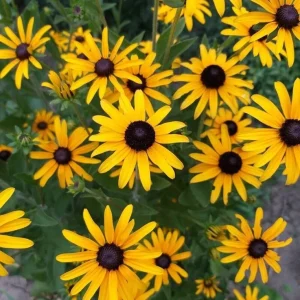
Cultivate a vibrant garden with black eyed susan seeds. These heirloom garden seeds produce stunning perennial flowers, perfect for adding a splash of black and yellow to your outdoor space. Enjoy the beauty of rudbeckia hirta seeds that are non-GMO and easy to grow.
Original price was: $8.52.$4.26Current price is: $4.26.

With our Alive & Thrive Guarantee, we’ve got your back for the first 30 days! If you have any concerns about your plants, just reach out to us. Our team is here to help answer your questions and guide you in selecting the best plants for your garden, climate, and unique preferences. We're excited to help you create the garden of your dreams!
Estimated arrival
Apr 03
Apr 08 - Apr 10
Apr 13 - Apr 17

Product Details
-
USDA Hardiness Zone
2-11 -
Soil type
Well-draining soil -
Sunlight Exposure
Full Sun -
Expected Planting Period
Late Fall to Early Spring
Overview
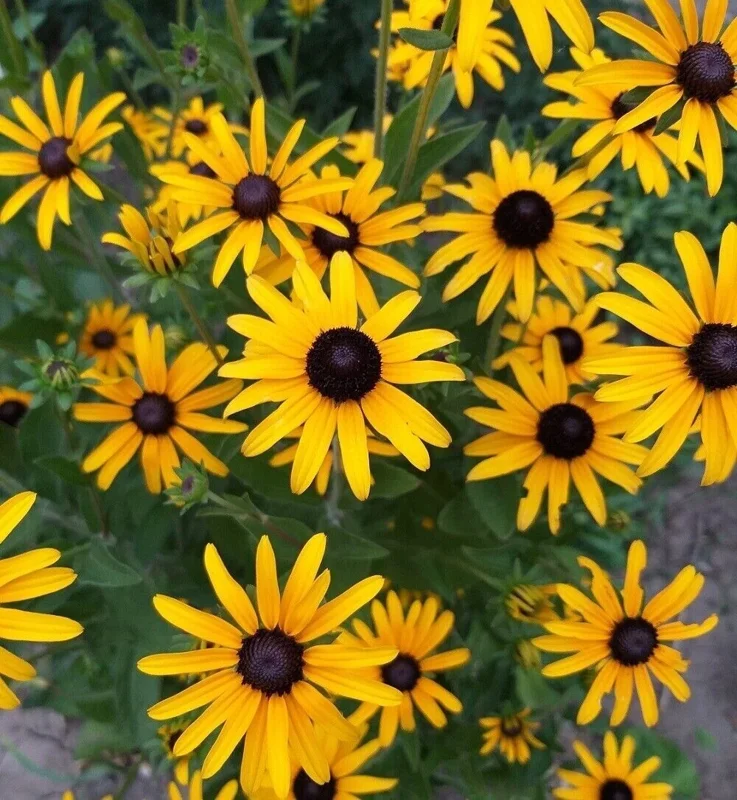
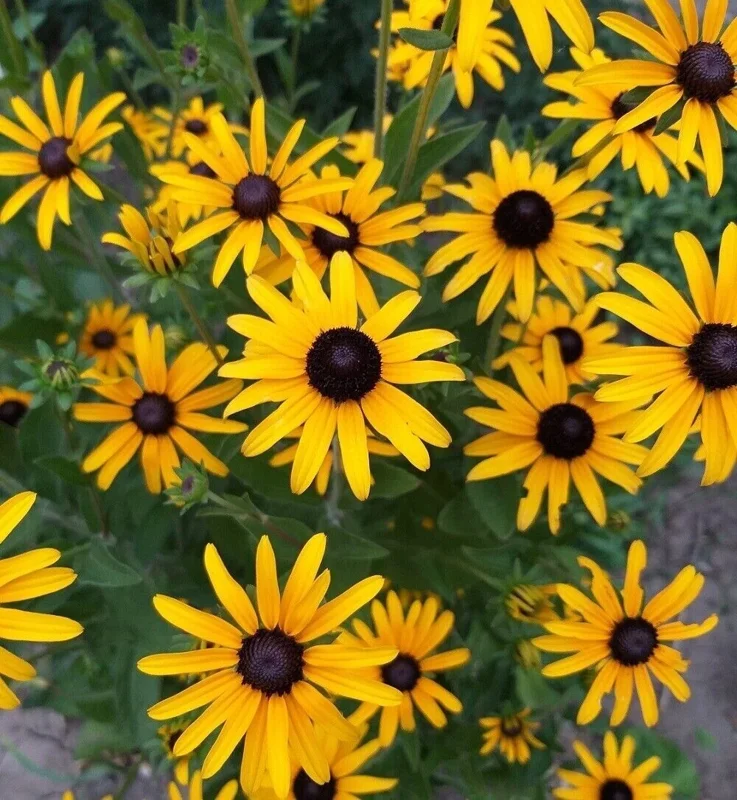
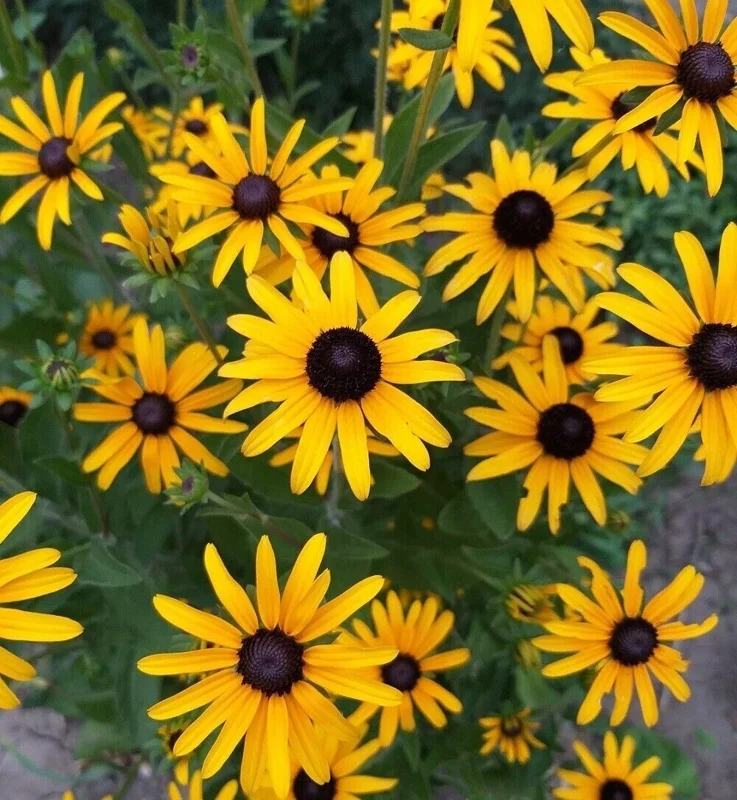
Transform your garden into a beacon of sunshine with our premium black eyed susan seeds. These exceptional heirloom garden seeds offer the promise of robust, cheerful blooms that return year after year, making them a cornerstone for any perennial garden. Known botanically as Rudbeckia hirta, the Black Eyed Susan is a classic American wildflower cherished for its striking golden-yellow petals surrounding a dark brown or black central cone. Our collection provides high-quality rudbeckia hirta seeds, ensuring you receive a product ready to flourish. These are not just any seeds; they are non-gmo flower seeds, meaning you can plant with confidence, knowing you are nurturing nature in its purest form. Ideal for gardeners seeking both beauty and resilience, these perennial flower seeds are a fantastic choice for creating stunning visual impact and attracting pollinators to your landscape.
Key Benefits
Planting black eyed susan seeds brings a multitude of advantages to your garden and local ecosystem. These resilient flowers offer continuous beauty and contribute positively to biodiversity.
- Long-Lasting Blooms: Enjoy a prolonged flowering season from summer through fall, providing vibrant color when many other plants begin to fade. The cheerful yellow petals and dark centers create a captivating display that brightens any garden space.
- Attracts Pollinators: Black Eyed Susans are a magnet for bees, butterflies, and other beneficial insects, supporting local ecosystems and encouraging biodiversity in your garden. Watching these creatures interact with your rudbeckia hirta seeds will bring joy.
- Low Maintenance: Once established, these perennial flowers are exceptionally easy to care for, requiring minimal attention. They are drought-tolerant and adaptable to various soil conditions, making them perfect for busy gardeners.
- Heirloom Quality: Our heirloom garden seeds ensure genetic purity and robust growth, producing strong plants with consistent characteristics. You can save seeds from your own plants for future generations of blooms.
- Non-GMO Assurance: Cultivate your garden with peace of mind, knowing these are non-gmo flower seeds. This commitment to natural gardening supports healthy plant growth and a sustainable environment.
- Versatile Garden Use: Perfect for borders, mass plantings, wildflower meadows, or cutting gardens. Their sturdy stems and long vase life make them excellent for fresh floral arrangements. These perennial flower seeds add structure and beauty wherever they are planted.
- Deer Resistant: Generally, deer tend to avoid Black Eyed Susans, making them a great option for gardens where deer browse can be an issue.
Plant Care & Growing Tips
Growing beautiful Black Eyed Susans from black eyed susan seeds is a rewarding experience, and with the right care, your garden will flourish. These hardy perennials are known for their adaptability, but providing optimal conditions will ensure the most vigorous growth and abundant blooms. For successful germination and establishment of your rudbeckia hirta seeds, stratify them by refrigerating for 4-6 weeks before planting, or sow them outdoors in late fall or early spring. Once planted, ensure the seeds are lightly covered with soil, about 1/8 inch deep, and kept consistently moist until germination, which typically occurs within 7-30 days.
Black Eyed Susans thrive in full sun, meaning they require at least 6-8 hours of direct sunlight per day to produce their characteristic vibrant blooms. They prefer well-draining soil and are tolerant of a range of soil types, including clay, loam, and sandy soils, as long as drainage is adequate. They are highly adaptable to USDA Hardiness Zone 2 (-50 to -40 °F) and warmer zones. While established plants are drought-tolerant, consistent watering during dry spells will promote healthier growth and more prolific flowering. Fertilization is generally not necessary, especially in rich soil, but a balanced, slow-release fertilizer can be applied in spring if your soil is poor. Deadheading spent blooms will encourage more flowers and prevent excessive self-seeding. Monitor for common pests like aphids and powdery mildew, treating with organic solutions if necessary. With these simple tips, your perennial flower seeds will yield a stunning display.
Size & Details
Our black eyed susan seeds are carefully selected to ensure high germination rates and robust plant development. Each packet contains a generous quantity of seeds, allowing for ample planting across your garden beds or containers. Once mature, Black Eyed Susan plants typically reach a height of 2 to 3 feet, with a spread of about 1 to 2 feet, forming attractive clumps that fill garden spaces beautifully. The flowers themselves boast a diameter of 2-3 inches, featuring striking yellow petals and a distinctive dark brown central cone. These non-gmo flower seeds are ideal for creating a naturalized look or for adding structured beauty to borders. Plants grown from these heirloom garden seeds typically begin flowering in early summer and continue through the fall, providing months of continuous color and attracting beneficial pollinators. The seeds are shipped in a protective packet, ready for planting according to the season and your local climate.
Frequently Asked Questions
- Q: How big do these Black Eyed Susan plants get? A: Once mature, plants grown from these black eyed susan seeds typically reach a height of 2 to 3 feet and spread about 1 to 2 feet wide, forming attractive, bushy clumps in your garden.
- Q: Are these an indoor or outdoor plant? A: Black Eyed Susans are primarily outdoor plants, thriving in garden beds, borders, and wildflower meadows. They require ample sunlight and space to grow to their full potential.
- Q: How much sunlight do these seeds need to grow? A: For optimal growth and prolific blooming, Black Eyed Susans require full sun, meaning at least 6-8 hours of direct sunlight per day. Adequate light is crucial for these perennial flower seeds.
- Q: Is this plant easy to care for? A: Yes, Black Eyed Susans are renowned for being very easy to care for. Once established, they are drought-tolerant and require minimal maintenance, making them an excellent choice for both beginner and experienced gardeners.
- Q: When is the best time to plant Black Eyed Susan seeds? A: You can sow rudbeckia hirta seeds directly outdoors in late fall or early spring. For indoor starting, begin 6-8 weeks before the last frost date, after a period of cold stratification.
- Q: Will these flowers attract pollinators? A: Absolutely! Black Eyed Susans are highly attractive to a variety of pollinators, including bees, butterflies, and other beneficial insects, making them a wonderful addition to a pollinator-friendly garden.
- Q: What kind of soil is best for Black Eyed Susans? A: These flowers prefer well-draining soil but are adaptable to various soil types, including sandy, loamy, or clay soils. Good drainage is key to preventing root rot.
- Q: Are these Black Eyed Susan seeds non-GMO? A: Yes, our black eyed susan seeds are certified non-gmo flower seeds, ensuring you are planting natural, unaltered genetics in your garden.
- Q: How long until Black Eyed Susans bloom from seeds? A: Black Eyed Susans typically bloom in their first year from seed if planted early enough in the spring, with flowering usually starting in mid-summer and continuing into the fall.
- Q: What USDA Hardiness Zone are these suitable for? A: These heirloom garden seeds are suitable for USDA Hardiness Zones 2 through 11, demonstrating their wide adaptability to various climates across the United States.
Related products
-50%
Original price was: $23.96.$11.98Current price is: $11.98.
-50%
Original price was: $7.98.$3.98Current price is: $3.98.
-50%
Original price was: $23.96.$11.98Current price is: $11.98.
-50%
Original price was: $23.96.$11.98Current price is: $11.98.
-50%
Original price was: $23.96.$11.98Current price is: $11.98.
-50%
Original price was: $23.96.$11.98Current price is: $11.98.
-50%

Original price was: $23.96.$11.98Current price is: $11.98.
-50%
Original price was: $95.96.$47.98Current price is: $47.98.
PLANTING & CARE
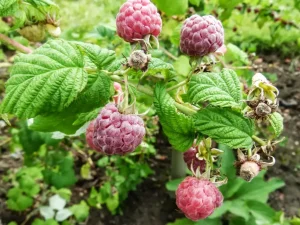
Growing Glencoe Raspberry: A Complete Guide for Gardeners
If you’re looking to add something unique to your garden, look no further than the
31
Mar
Mar

The Comprehensive Guide to Growing Bay Leaf Plants for a Flavorful Garden
Imagine stepping into your garden, greeted by the earthy aroma of fresh bay leaves, their
09
Feb
Feb

How to Make Comfrey Tea: The Ultimate Organic Plant Food
Growing an organic garden can be surprisingly expensive, especially when most store-bought fertilizers come in
02
Feb
Feb

True Comfrey: 7 Essential Tips Before You Plant This Herb
A staple in permaculture practices across the US, True Comfrey easily earns its reputation as
27
Jan
Jan

7 Heart-Shaped Plants for a Lasting Valentine’s Gift
If you’ve ever bought a bouquet of roses for Valentine’s Day, you know they are
26
Jan
Jan

Best Types of Ivy Plant for Houses: How to Choose the Perfect Ones for Your Home
Are you a garden lover looking to introduce some greenery into your home? Maybe you’ve
14
Nov
Nov

When to Harvest Garlic (Especially Fall-Planted Garlic)
TIMING IS EVERYTHING, they say – and for garlic, that truth hits with surprising accuracy.
13
Nov
Nov

11 of the Best Sweet Potato Varieties to Grow for Your Garden
If you’ve ever tried growing sweet potatoes, you know that picking the right variety can
12
Nov
Nov