Black Huckleberry Bushes Live Plant Set – 2 Pack, 4-6 Inches Tall, Sweet Berries, Dormant
-50%
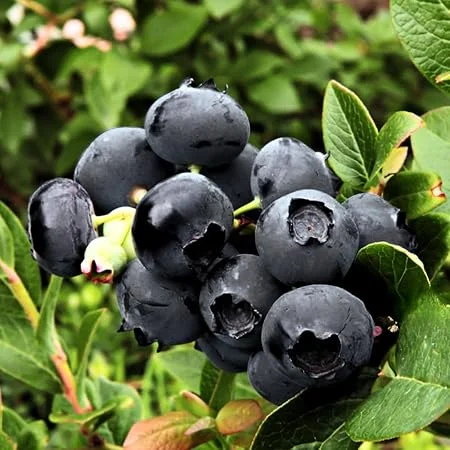
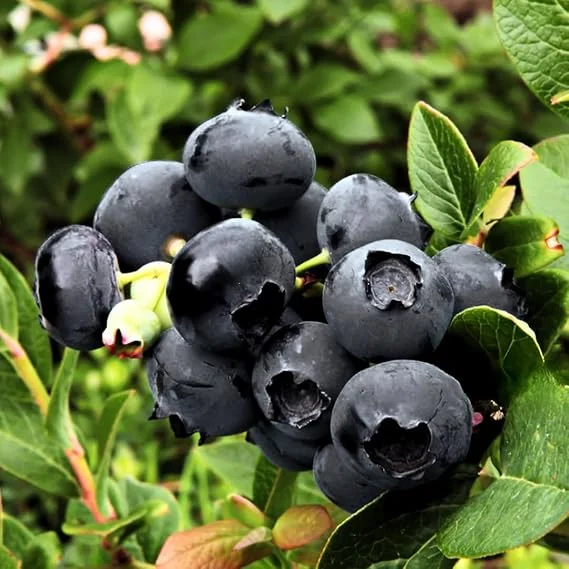
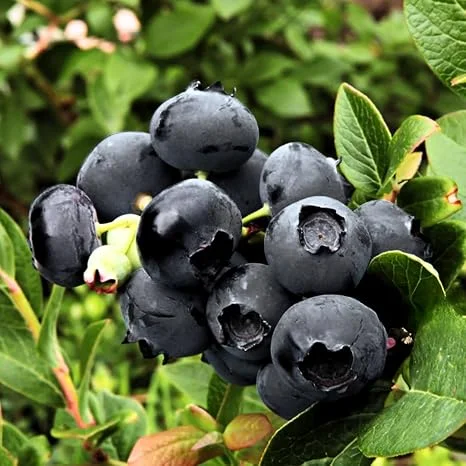
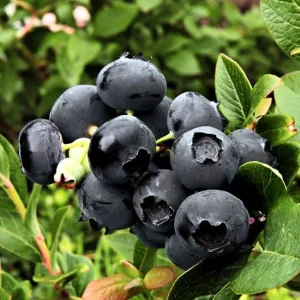
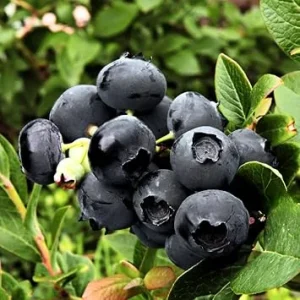
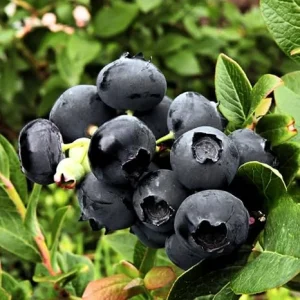
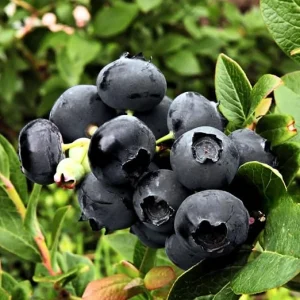
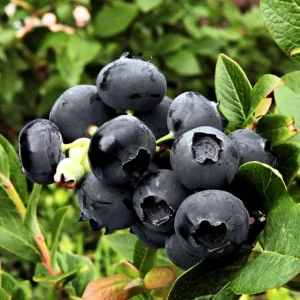
Black Huckleberry Bushes Live Plant Set – 2 Pack, 4-6 Inches Tall, Sweet Berries, Dormant
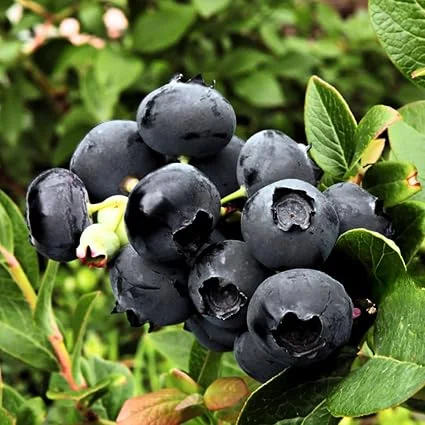
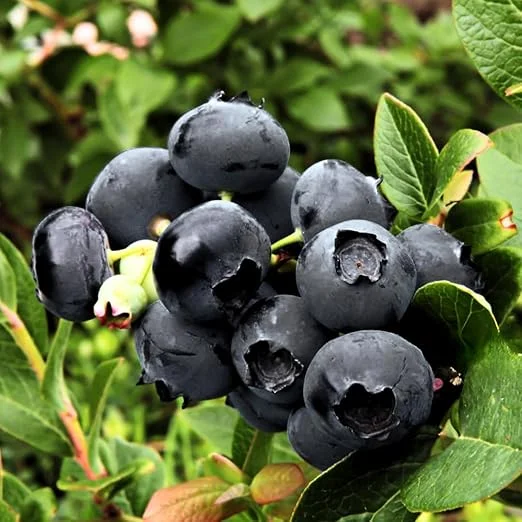
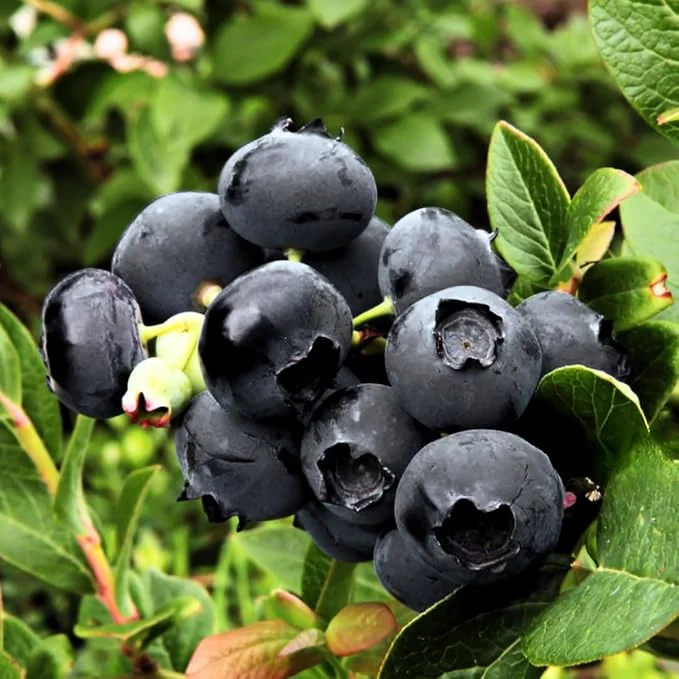
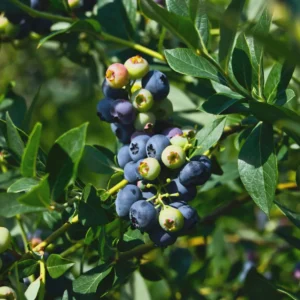
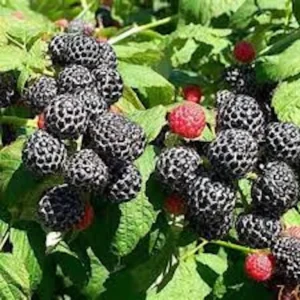
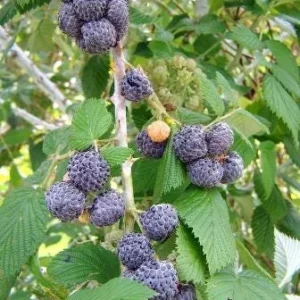
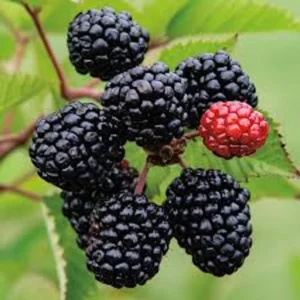
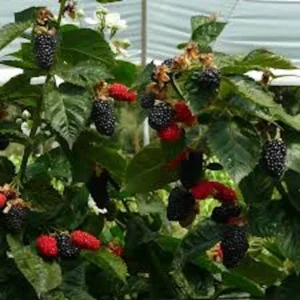
Cultivate delicious, blueberry-like fruits with this set of two black huckleberry live plant specimens. Each plant is 4-6 inches tall, well-rooted, and ready for planting in your garden or a container. These sweet huckleberry bushes are low maintenance and will provide years of bountiful harvests for fresh eating or preserves.
Original price was: $51.98.$25.99Current price is: $25.99.

With our Alive & Thrive Guarantee, we’ve got your back for the first 30 days! If you have any concerns about your plants, just reach out to us. Our team is here to help answer your questions and guide you in selecting the best plants for your garden, climate, and unique preferences. We're excited to help you create the garden of your dreams!
Estimated arrival
Mar 22
Mar 27 - Mar 29
Apr 01 - Apr 05
Product Details
-
USDA Hardiness Zone
8-11 -
Soil type
Acidic, well-draining, rich in organic matter -
Sunlight Exposure
Partial shade to full sun -
Expected Planting Period
Early spring to fall
Overview
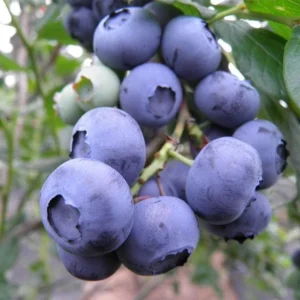
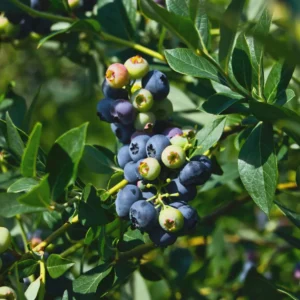
Introduce the delightful flavor of homegrown berries to your garden with this set of two black huckleberry live plant specimens. Known for their sweet, dark fruits that resemble blueberries, huckleberries are a cherished addition to any edible landscape. These well-rooted plants arrive dormant, ready to establish themselves and provide a rewarding harvest for years to come. Growing sweet huckleberry bushes is a wonderful way to enjoy fresh, organic produce right from your backyard. Our plants are carefully nurtured to ensure they are healthy and prepared for their new home, making them an excellent choice for both novice and experienced gardeners seeking to cultivate unique fruit-bearing shrubs.
The huckleberry, often mistaken for a blueberry, offers a distinct, slightly tarter flavor profile beloved by many. This particular variety is ideal for those looking to add a resilient and productive fruiting shrub. Whether you’re planning a dedicated berry patch or simply want to enhance your existing garden with a touch of natural sweetness, these black huckleberry live plant specimens are an exceptional choice. They are robust, adaptable, and promise to bring a burst of flavor to your table once established.
Key Benefits
Adding black huckleberry live plant to your garden offers numerous advantages, from fresh fruit to aesthetic appeal. These plants are a fantastic investment for any home gardener.
- Abundant Sweet Fruit: Enjoy a consistent supply of delicious, dark huckleberries perfect for eating fresh, baking, or making jams and jellies. The flavor is often described as richer and more aromatic than blueberries.
- Low Maintenance & Resilient: Once established, these sweet huckleberry bushes require minimal care, making them an excellent choice for busy gardeners. They are known for their hardiness and ability to thrive in various conditions.
- Long-Lived Shrub: Though slow-growing initially, huckleberry bushes are incredibly long-lived and will be productive for many years, providing a sustainable source of fruit.
- Versatile Planting Options: These bushes are suitable for both in-ground planting in garden beds and container gardening, allowing flexibility for different garden sizes and styles.
- Attractive Foliage: Beyond their fruit, huckleberry plants offer attractive green foliage that can add an appealing texture to your landscape throughout the growing season.
- Wildlife Attraction: The berries are a natural food source for local wildlife, attracting birds and other beneficial creatures to your garden, enhancing biodiversity.
- Drought Tolerance: Once mature, huckleberries show good drought tolerance, reducing the need for constant watering compared to some other fruit-bearing plants.
Plant Care & Growing Tips
Proper care is essential for ensuring your black huckleberry live plant thrives and produces abundant fruit. Understanding their specific needs will lead to a successful harvest. Huckleberries generally prefer conditions similar to blueberries, but with slight variations.
For optimal growth, your sweet huckleberry bushes require specific sunlight exposure. While the input suggests full shade, huckleberries generally prefer partial shade to full sun, especially in cooler climates. In hotter regions, some afternoon shade is beneficial to prevent scorching. Aim for at least 4-6 hours of direct sunlight daily for the best fruit production. When it comes to watering, keep the soil consistently moist but never waterlogged. Huckleberries appreciate regular watering, especially during dry spells and when the fruits are developing. A good layer of mulch can help retain soil moisture and regulate temperature.
The ideal soil for growing huckleberries is acidic, well-draining, and rich in organic matter. A pH between 4.5 and 5.5 is generally preferred. You can amend your soil with peat moss, compost, or pine bark to achieve the desired acidity and improve drainage. These plants are typically hardy in USDA Zones 8-11, making them suitable for many temperate to warm climates. Fertilize sparingly with an acid-loving plant fertilizer in early spring, following package directions. Pruning should be done in late winter or early spring to remove dead or weak branches and encourage new growth. For those wondering about huckleberry plant care, remember that consistency in soil acidity and moisture is key to success. Watch out for common pests like aphids and address them with organic insecticides or horticultural oil if necessary.
Size & Details
This offering includes two individual black huckleberry live plant specimens, each carefully grown and supplied in a 3-inch pot. At the time of shipping, the plants typically measure between 4-6 inches tall, providing a healthy start for your garden. They are well-rooted and arrive in a dormant state, which is ideal for transplanting and encourages robust spring growth. These plants are slow-growing initially but will mature into productive blueberry like shrubs, rewarding your patience with delicious fruit. Expect the plants to begin producing fruit within 2-3 years, with yields increasing as they establish and grow larger. The compact size upon arrival makes them easy to handle and plant.
Frequently Asked Questions
- Q: How big do these huckleberry plants get? A: While these black huckleberry live plant specimens arrive at 4-6 inches tall, they can eventually reach a mature height of 3-6 feet and a similar spread, depending on growing conditions and variety. They are considered medium-sized shrubs.
- Q: Is this an indoor or outdoor plant? A: These sweet huckleberry bushes are primarily outdoor plants, thriving in garden beds or large containers on patios. They require outdoor conditions for proper growth and fruit production, though they can be overwintered indoors in very cold climates.
- Q: How much sunlight does it need? A: Huckleberries generally perform best in partial shade to full sun, ideally receiving 4-6 hours of direct sunlight daily. In hot climates, providing some afternoon shade can prevent stress and improve fruit quality.
- Q: Is this plant easy to care for? A: Yes, once established, these blueberry like shrubs are considered low-maintenance. Their main requirements are acidic, well-draining soil and consistent moisture. They are quite resilient.
- Q: What condition will it arrive in? A: Your black huckleberry live plant specimens will arrive dormant, well-rooted in 3-inch pots, and carefully packaged to ensure their health during transit. Dormancy is a natural and healthy state for many perennial plants during shipping.
- Q: How long until it produces fruit? A: You can typically expect your sweet huckleberry bushes to begin producing fruit within 2-3 years after planting, with full production reached in about 4-5 years as the plant matures.
- Q: Will it survive winter in my zone? A: These huckleberry plants are hardy in USDA Zones 8-11. If you live outside these zones, you may need to provide winter protection or grow them in containers that can be moved indoors. This is key for successful growing huckleberries.
- Q: What type of soil is best for huckleberries? A: Huckleberries prefer acidic, well-draining soil rich in organic matter. A soil pH between 4.5 and 5.5 is ideal. Amending with peat moss or compost can help achieve this.
- Q: Are huckleberries similar to blueberries? A: Yes, huckleberries are often compared to blueberries due to their appearance and growth habit. They are both members of the Ericaceae family, and while similar, huckleberries tend to have a slightly different, often more intense flavor profile. This makes them excellent blueberry like shrubs.
- Q: What is the best time to plant huckleberry bushes? A: The best time for growing huckleberries is typically in early spring or fall, allowing the plants to establish their root systems before extreme summer heat or winter cold.
Related products
-10%
Original price was: $89.99.$80.99Current price is: $80.99.
-20%
Original price was: $34.00.$27.20Current price is: $27.20.
-10%
Original price was: $48.99.$44.09Current price is: $44.09.
-10%
Original price was: $158.00.$142.20Current price is: $142.20.
-20%
Original price was: $60.00.$48.00Current price is: $48.00.
-20%
Original price was: $56.00.$44.80Current price is: $44.80.
PLANTING & CARE

The Comprehensive Guide to Growing Bay Leaf Plants for a Flavorful Garden
Imagine stepping into your garden, greeted by the earthy aroma of fresh bay leaves, their
09
Feb
Feb

How to Make Comfrey Tea: The Ultimate Organic Plant Food
Growing an organic garden can be surprisingly expensive, especially when most store-bought fertilizers come in
02
Feb
Feb

True Comfrey: 7 Essential Tips Before You Plant This Herb
A staple in permaculture practices across the US, True Comfrey easily earns its reputation as
27
Jan
Jan

7 Heart-Shaped Plants for a Lasting Valentine’s Gift
If you’ve ever bought a bouquet of roses for Valentine’s Day, you know they are
26
Jan
Jan

Best Types of Ivy Plant for Houses: How to Choose the Perfect Ones for Your Home
Are you a garden lover looking to introduce some greenery into your home? Maybe you’ve
14
Nov
Nov

When to Harvest Garlic (Especially Fall-Planted Garlic)
TIMING IS EVERYTHING, they say – and for garlic, that truth hits with surprising accuracy.
13
Nov
Nov

11 of the Best Sweet Potato Varieties to Grow for Your Garden
If you’ve ever tried growing sweet potatoes, you know that picking the right variety can
12
Nov
Nov
Pruning Bougainvillea for Winter
Bougainvillea vines are known for their dazzling display of magenta, orange, and fuchsia bracts that
05
Nov
Nov