Black Oregon Truffle Mushroom Spores Mycelium – Dry Seeds for Cultivation
-50%
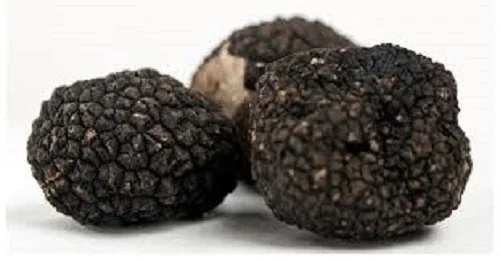
Black Oregon Truffle Mushroom Spores Mycelium – Dry Seeds for Cultivation
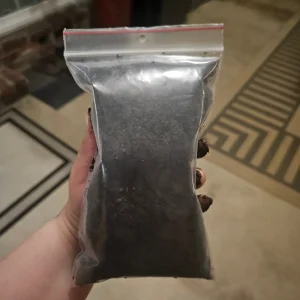
Begin your journey into gourmet mushroom cultivation with Black Oregon Truffle mushroom spores. This spawn/mycelium is provided on dry seeds, offering an accessible way to cultivate the prized Oregon truffle. Ideal for enthusiasts looking to grow their own delicious truffles.
Original price was: $44.00.$22.00Current price is: $22.00.

With our Alive & Thrive Guarantee, we’ve got your back for the first 30 days! If you have any concerns about your plants, just reach out to us. Our team is here to help answer your questions and guide you in selecting the best plants for your garden, climate, and unique preferences. We're excited to help you create the garden of your dreams!
Estimated arrival
Mar 31
Apr 05 - Apr 07
Apr 10 - Apr 14
Product Details
-
USDA Hardiness Zone
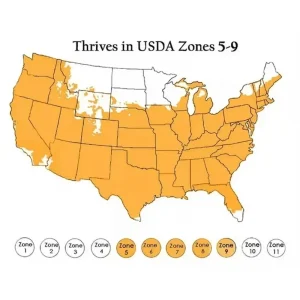
USDA Zones 7-9 -
Soil type
Well-draining, alkaline soil (pH 7.5-8.3) -
Sunlight Exposure
Full sun to partial shade for host trees -
Expected Planting Period
Year-round (for inoculation), Spring for host tree planting
Overview
Embark on the rewarding experience of cultivating your own gourmet fungi with our premium Black Oregon Truffle mushroom spores. This product provides high-quality spawn and mycelium, carefully cultivated on dry seeds, making it an excellent starting point for both novice and experienced mushroom growers. The Black Oregon Truffle (Tuber melanosporum, though often locally referring to Tuber oregonense or Tuber gibbosum) is a highly sought-after delicacy, known for its intense aroma and earthy flavor, making it a valuable addition to any culinary garden. Our dry seed formulation ensures viability and ease of handling, setting you up for success in your truffle cultivation project.
Truffle cultivation is a unique branch of mycology, focusing on mycorrhizal fungi that form symbiotic relationships with tree roots. While challenging, the rewards of growing your own Oregon truffle cultivation are immense, offering fresh, aromatic truffles directly from your garden. These spores are prepared to integrate with host trees, typically oaks or hazelnuts, to initiate truffle production over time. Experience the satisfaction of harvesting your own black truffles, transforming your garden into a source of culinary luxury.
Key Benefits
Cultivating Black Oregon Truffle mushroom spores offers several compelling benefits, enriching both your gardening experience and your culinary endeavors:
- Gourmet Delicacy Access: Enjoy the rare and expensive Black Oregon Truffle fresh from your own garden. These truffles are prized by chefs globally for their unique flavor profile and intense aroma, elevating any dish they grace. Growing them yourself provides an unparalleled freshness and quality.
- Rewarding Cultivation Project: Engage in the fascinating and rewarding process of truffle cultivation. It’s a long-term project that deepens your understanding of mycology and symbiotic plant relationships, offering a unique gardening challenge.
- High-Quality Mycelium: Our spawn is developed from robust truffle spawn dry seeds, ensuring a strong foundation for mycelial growth. This careful preparation maximizes the chances of successful colonization of host tree roots, which is crucial for truffle production.
- Sustainable Practice: By learning to grow black truffles, you contribute to sustainable food practices and reduce your reliance on wild-harvested truffles, which can be inconsistent in supply and quality.
- Educational Experience: This cultivation kit offers a hands-on learning experience about fungi, soil biology, and forest ecosystems. It’s an excellent way to connect with nature and understand the intricate processes that lead to such prized harvests.
- Potential for Future Harvests: Once established, a truffle orchard can produce harvests for many years, offering a continuous source of gourmet truffles. The initial effort to establish the truffle-producing symbiosis can lead to long-term rewards.
- Enhanced Garden Biodiversity: Introducing truffle mycelium seeds can enhance the biodiversity of your garden or woodland area, fostering a healthier and more complex ecosystem around the host trees.
Plant Care & Growing Tips
Cultivating Black Oregon Truffle mushroom spores requires patience and specific environmental conditions to ensure successful establishment and eventual truffle production. The most crucial aspect of growing truffles is establishing a mycorrhizal relationship between the truffle mycelium and the roots of a suitable host tree, typically oak or hazelnut. These spores are provided on dry seeds, designed to inoculate the roots of young host trees. For optimal results, ensure your host trees are healthy and well-established before inoculation.
Regarding soil, truffles prefer well-draining, alkaline soil with a pH between 7.5 and 8.3. It’s essential to perform a soil test to confirm these parameters and amend your soil if necessary using lime or other pH-adjusting agents. Truffles also require consistent moisture, particularly during the summer months when they are developing, but they are highly susceptible to waterlogging. Therefore, good drainage is paramount. The ideal climate for Oregon truffle cultivation includes warm summers and cold, but not freezing, winters. The USDA hardiness zones typically range from 7 to 9 for these specific truffles, but local microclimates can also play a significant role. Protection from extreme temperatures and strong winds is beneficial for young host trees.
Sunlight requirements for the host trees are generally full sun to partial shade, meaning at least 6 hours of direct sunlight per day. Fertilization should be minimal and focused on maintaining soil health rather than vigorous tree growth, as excessive nitrates can inhibit truffle development. Avoid broad-spectrum fungicides, as these will kill the beneficial truffle mycelium. Regular monitoring for pests and diseases on your host trees is important, but always choose organic and non-mycorrhizal-damaging solutions. Patience is key when you grow black truffles; it can take several years for the first truffles to appear after inoculation.
Size & Details
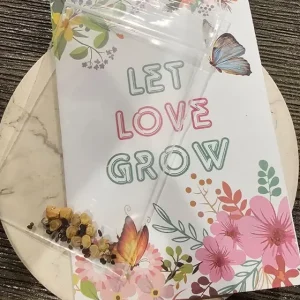
This product contains viable Black Oregon Truffle mushroom spores and mycelium, presented on dry seeds. The quantity provided is sufficient for inoculating several young host trees, typically 1-5 trees depending on their size and your cultivation method. The dry seeds serve as a convenient carrier for the mycelium, allowing for easy distribution and greater viability during transport and storage. While the mycelium itself is microscopic, the seeds provide a tangible and manageable medium for application. Truffles are typically harvested underground, usually 3-7 years after successful inoculation of host trees, with yields increasing as the truffle orchard matures. The size and weight of individual truffles can vary, but mature Oregon truffle specimens can range from pea-sized to golf ball-sized or larger, weighing anywhere from a few grams to over an ounce. The success of cultivating truffle mycelium seeds relies heavily on proper site selection, soil preparation, and consistent care for the inoculated host trees.
Frequently Asked Questions
- Q: How big does this truffle grow? A: Black Oregon Truffles typically range in size from a pea to a golf ball, though larger specimens can occasionally be found. Their size depends on environmental conditions and the maturity of the mycelial network.
- Q: Is this an indoor or outdoor cultivation kit? A: Black Oregon Truffle mushroom spores are intended for outdoor cultivation, requiring a symbiotic relationship with the roots of specific host trees like oak or hazelnut. They cannot be grown indoors in typical conditions.
- Q: How much sunlight do the host trees need? A: The host trees for truffle cultivation generally require full sun to partial shade, ideally receiving at least 6 hours of direct sunlight per day to thrive and support truffle growth.
- Q: Is this truffle cultivation difficult for beginners? A: Growing truffles can be challenging and requires patience, specific soil conditions, and a suitable climate. However, with careful research and adherence to guidelines, beginners can certainly undertake Oregon truffle cultivation as a rewarding long-term project.
- Q: What condition will the spores arrive in? A: The truffle spawn dry seeds will arrive in a dry, stable condition, ensuring the viability of the mycelium. Proper storage away from extreme temperatures and humidity is recommended until use.
- Q: How long until I can harvest truffles after planting? A: Truffles typically take 3 to 7 years to produce their first harvest after successful inoculation of host trees. The truffle patch will become more productive as it matures.
- Q: What USDA zones are suitable for growing Black Oregon Truffles? A: Black Oregon Truffle cultivation is generally successful in USDA hardiness zones 7-9, which offer the necessary climate conditions of warm summers and mild winters.
- Q: Can I use these spores to inoculate existing mature trees? A: While possible, inoculation is generally most successful with young, healthy host trees whose root systems are not yet extensively colonized by other fungi. This provides the best chance for the truffle mycelium seeds to establish effectively.
- Q: What kind of soil is best for truffle cultivation? A: Truffles prefer well-draining, alkaline soil with a pH between 7.5 and 8.3. It’s crucial to test your soil and amend it as needed to meet these specific requirements for successful growth.
- Q: How often should I water the host trees after inoculation? A: Consistent moisture is crucial, especially during dry periods and truffle development. However, avoid waterlogging. Regular, deep watering that allows for drainage is better than frequent shallow watering.
Related products
-50%
Original price was: $26.76.$13.38Current price is: $13.38.
-50%
Original price was: $32.00.$16.00Current price is: $16.00.
-50%
Original price was: $26.76.$13.38Current price is: $13.38.
-50%
Original price was: $22.48.$11.24Current price is: $11.24.
-50%
Original price was: $18.76.$9.38Current price is: $9.38.
-50%
Original price was: $23.96.$11.98Current price is: $11.98.
-50%
Original price was: $14.76.$7.38Current price is: $7.38.
PLANTING & CARE

Growing Glencoe Raspberry: A Complete Guide for Gardeners
If you’re looking to add something unique to your garden, look no further than the
31
Mar
Mar

The Comprehensive Guide to Growing Bay Leaf Plants for a Flavorful Garden
Imagine stepping into your garden, greeted by the earthy aroma of fresh bay leaves, their
09
Feb
Feb

How to Make Comfrey Tea: The Ultimate Organic Plant Food
Growing an organic garden can be surprisingly expensive, especially when most store-bought fertilizers come in
02
Feb
Feb

True Comfrey: 7 Essential Tips Before You Plant This Herb
A staple in permaculture practices across the US, True Comfrey easily earns its reputation as
27
Jan
Jan

7 Heart-Shaped Plants for a Lasting Valentine’s Gift
If you’ve ever bought a bouquet of roses for Valentine’s Day, you know they are
26
Jan
Jan

Best Types of Ivy Plant for Houses: How to Choose the Perfect Ones for Your Home
Are you a garden lover looking to introduce some greenery into your home? Maybe you’ve
14
Nov
Nov

When to Harvest Garlic (Especially Fall-Planted Garlic)
TIMING IS EVERYTHING, they say – and for garlic, that truth hits with surprising accuracy.
13
Nov
Nov

11 of the Best Sweet Potato Varieties to Grow for Your Garden
If you’ve ever tried growing sweet potatoes, you know that picking the right variety can
12
Nov
Nov