Black Pagoda Lipstick Live Plant – 4-6″ Tall – 2″ Pot – Aeschynanthus longicaulis – Indoor Houseplant
-50%
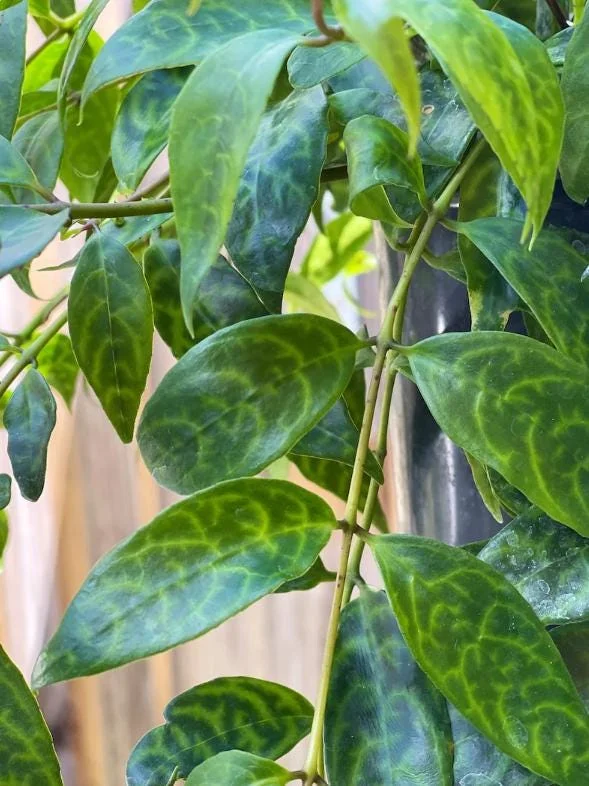
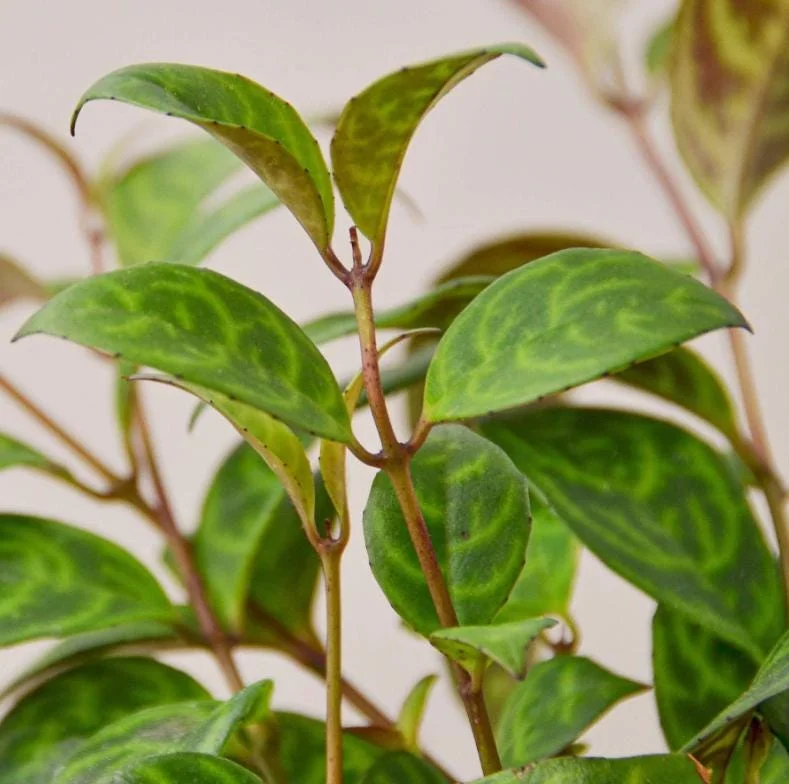
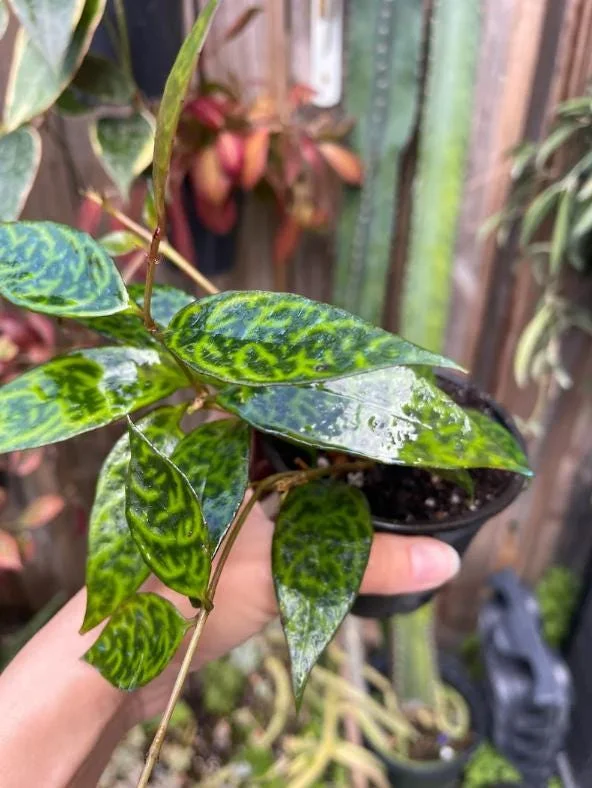
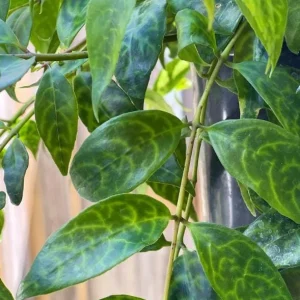
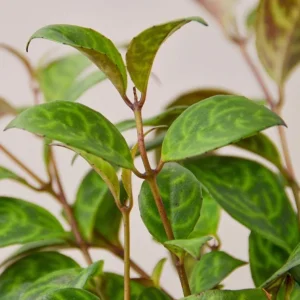
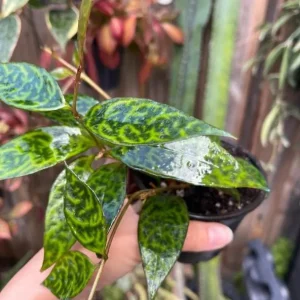
Black Pagoda Lipstick Live Plant – 4-6″ Tall – 2″ Pot – Aeschynanthus longicaulis – Indoor Houseplant
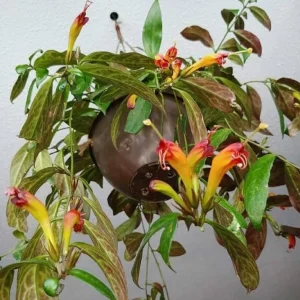
Enhance your indoor space with the captivating black pagoda lipstick plant. This aeschynanthus longicaulis features dramatic, patterned foliage and a beautiful cascading growth habit, making it an ideal trailing houseplant for hanging baskets or shelves.
Original price was: $34.48.$17.24Current price is: $17.24.

With our Alive & Thrive Guarantee, we’ve got your back for the first 30 days! If you have any concerns about your plants, just reach out to us. Our team is here to help answer your questions and guide you in selecting the best plants for your garden, climate, and unique preferences. We're excited to help you create the garden of your dreams!
Estimated arrival
Mar 31
Apr 05 - Apr 07
Apr 10 - Apr 14
Product Details
-
USDA Hardiness Zone
year-round indoors -
Soil type
well-draining potting mix (ideal for epiphytes) -
Sunlight Exposure
bright indirect light -
Expected Planting Period
year-round indoors
Overview
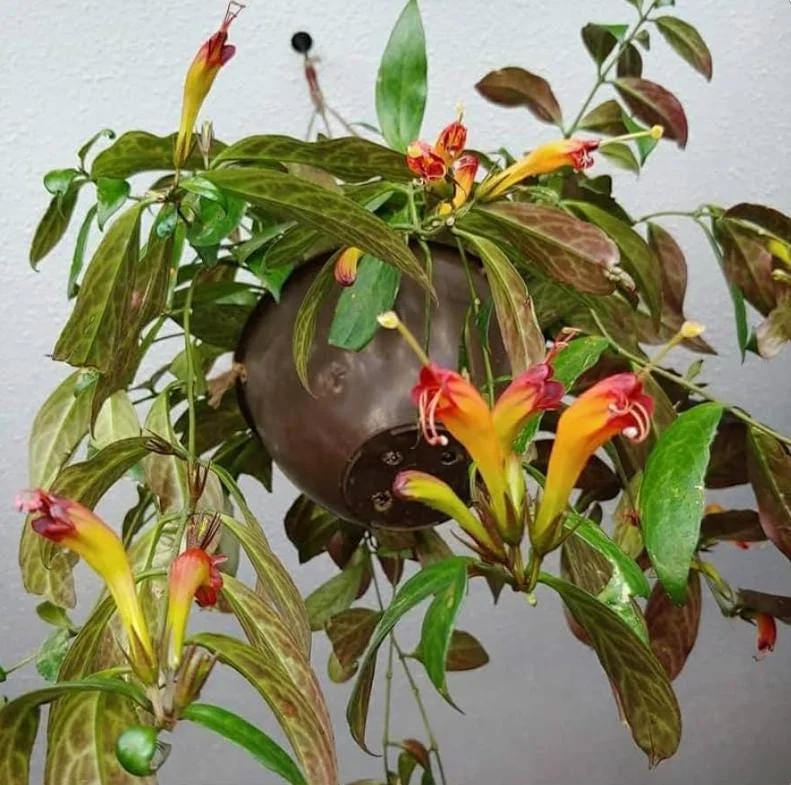
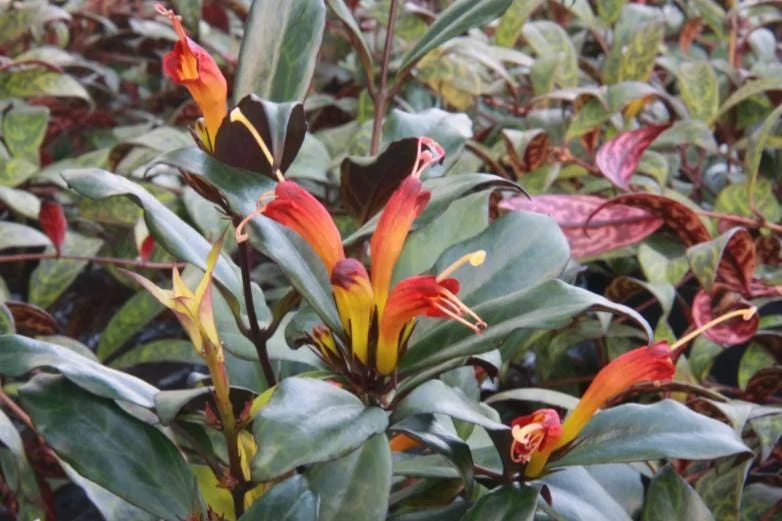
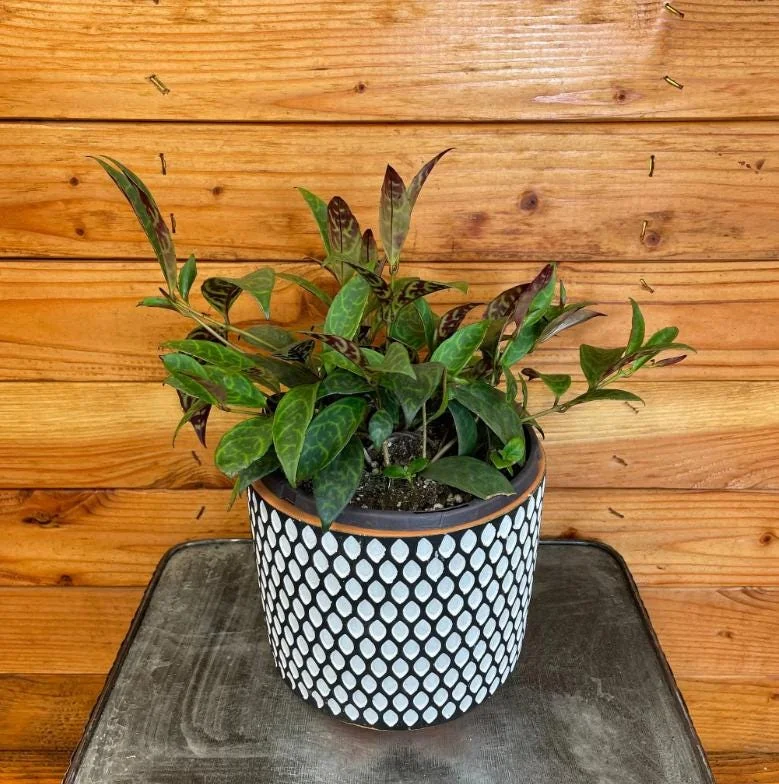
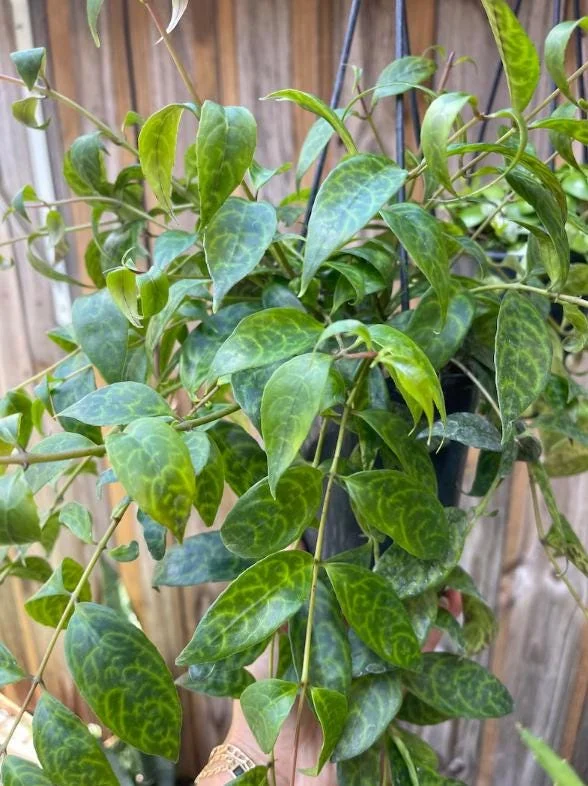
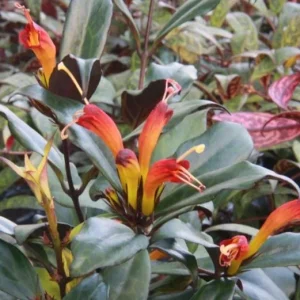
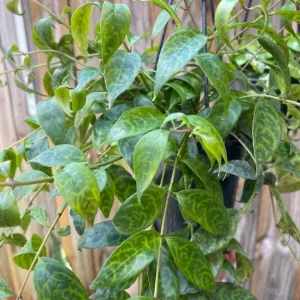
Bring an exotic touch to your home with the stunning black pagoda lipstick plant (Aeschynanthus longicaulis). This unique live houseplant is cherished for its dramatic, mosaic-patterned foliage and elegant cascading growth, making it a focal point in any indoor setting. As a young starter plant, it offers the joy of watching its development into a mature specimen. The leaves showcase bold dark-green markings on the underside, creating a truly distinctive appearance that elevates interior decor. When fully mature, the plant can produce fascinating tubular, ‘lipstick-like’ blooms, adding an extra layer of charm and intrigue. The aeschynanthus longicaulis is a tropical beauty that thrives indoors, offering a splash of vibrant greenery and unique texture.
This exotic indoor plant is not only visually appealing but also relatively easy to care for, making it suitable for both novice plant enthusiasts and seasoned collectors. Its natural trailing habit makes it perfect for a variety of displays, from hanging baskets to elevated shelves. The Black Pagoda Lipstick Plant is a fantastic choice for those looking to add a touch of the tropics and a conversation starter to their living spaces. Experience the beauty of this low-maintenance yet striking botanical wonder.
Key Benefits
The black pagoda lipstick plant offers numerous advantages for indoor gardeners, combining aesthetic appeal with ease of care. Its distinctive features make it a rewarding addition to any plant collection.
- Dramatic Patterned Foliage: The unique mosaic patterns on the leaves provide an exotic and sophisticated look, instantly enhancing your home decor. This plant stands out with its intricate leaf coloration.
- Elegant Trailing Growth: Its natural cascading habit makes it ideal for hanging baskets, shelves, or plant stands, allowing its foliage to gracefully drape and create a lush display. It’s a perfect trailing houseplant.
- Low Maintenance & Easy Care: Despite its exotic appearance, this plant is remarkably easy to grow and maintain, making it an excellent choice for beginners and busy individuals. Enjoy its beauty without extensive effort.
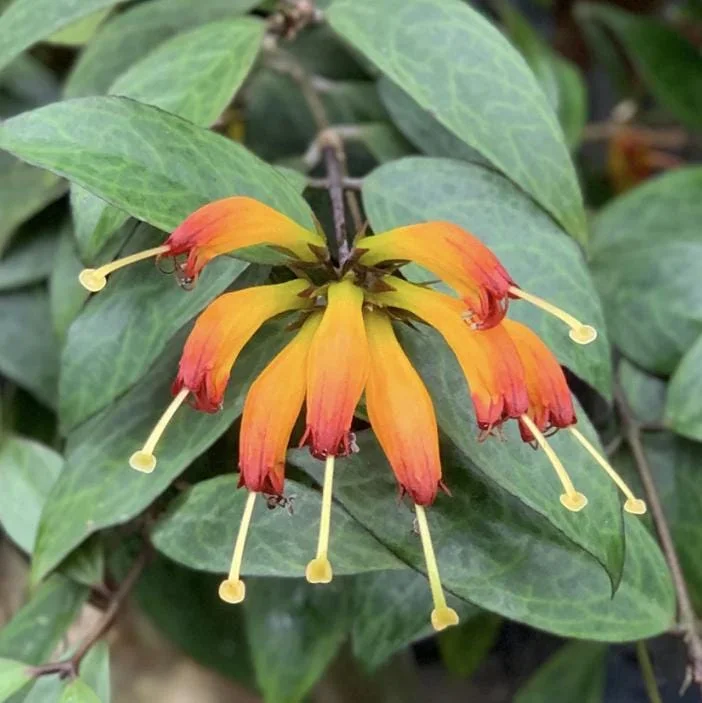
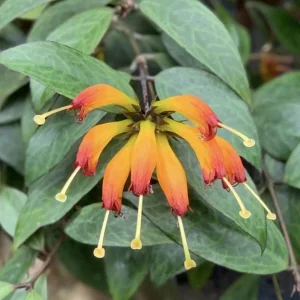
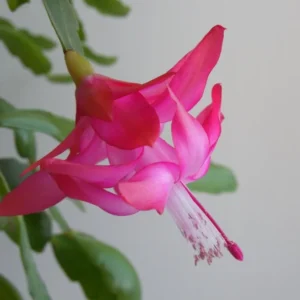
- Unique “Lipstick-like” Blooms: When mature, it produces vibrant, tubular flowers that emerge from dark calyces, resembling lipsticks, adding an unexpected pop of color and charm. These blooms are a true delight.
- Versatile Indoor Decor: Fits beautifully into various interior design styles, from modern minimalist to bohemian, adding a touch of tropical elegance wherever it’s placed. Adaptable to many indoor environments.
- Air-Purifying Qualities: Like many houseplants, the Aeschynanthus longicaulis contributes to a healthier indoor environment by helping to filter the air, though this is a secondary benefit to its ornamental value.
- Collector’s Item: For plant enthusiasts, the aeschynanthus longicaulis is a distinctive and sought-after variety, adding diversity and interest to a growing collection of rare and unique plants.
Plant Care & Growing Tips
Caring for your black pagoda lipstick plant is straightforward, ensuring it thrives and displays its beautiful foliage and potential blooms. Providing the right conditions will lead to a healthy and vibrant plant. This lipstick plant care guide will help you achieve success.
Light: Provide bright, indirect light. This means placing it near a window that receives ample light but avoids direct, harsh sunlight, especially during the hottest parts of the day, which can scorch its leaves. An east or north-facing window is often ideal, or a few feet back from a south or west-facing window. Insufficient light can lead to leggy growth and duller foliage patterns. For optimal coloration and growth, rotate the plant occasionally.
Watering: Keep the soil lightly moist, but never soggy. Allow the top inch of the soil to dry out completely between waterings. Overwatering can lead to root rot, which is detrimental to the plant’s health. Reduce watering slightly during the cooler, darker winter months when the plant’s growth slows down. Always use well-draining potting mix to prevent waterlogging.
Soil: The aeschynanthus longicaulis thrives in a well-draining potting mix. An ideal mix for epiphytes, such as one containing orchid bark, perlite, and peat moss, will provide the necessary aeration and drainage while retaining some moisture. Avoid heavy, compact soils that can suffocate the roots.
Temperature & Humidity: This tropical plant prefers warm indoor conditions, ideally between 65–80°F (18–27°C). Protect it from cold drafts and sudden temperature fluctuations. It also appreciates medium to high humidity. You can increase humidity by misting the leaves regularly, placing the pot on a pebble tray with water, or using a humidifier, especially in dry environments. This extra humidity will contribute to lush foliage and overall plant vigor.
Fertilization: Feed your black pagoda lipstick plant monthly during its active growing season (spring and summer) with a balanced liquid fertilizer diluted to half strength. Reduce or cease fertilization during the fall and winter months when the plant is dormant. Proper feeding supports vigorous growth and encourages blooming.
Size & Details
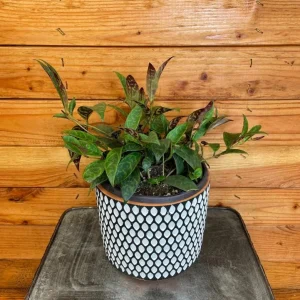
The black pagoda lipstick plant you receive is a young starter plant, typically measuring 4–6 inches tall from the base of the pot to the tip of the foliage. It comes pre-potted in a 2-inch nursery pot, providing a secure and established start for its journey to your home. This size is perfect for allowing you to witness its growth and development firsthand, transforming from a compact starter into a magnificent trailing houseplant. While specific growth rates vary based on environmental conditions, with proper care, it will gradually develop its characteristic cascading habit and impressive foliage. This plant is shipped securely in its nursery pot, ensuring it arrives ready for its new environment. Expect to see the full dramatic effect of its patterned leaves as it matures.
Frequently Asked Questions
- Q: How big does this plant get? A: As a starter, it’s 4-6 inches tall. With proper care, the black pagoda lipstick plant can develop long trailing stems, often reaching several feet in length, making it perfect for hanging displays.
- Q: What size pot does it come in? A: Your aeschynanthus longicaulis will arrive securely planted in a 2-inch nursery pot, ready for you to transplant into a slightly larger decorative pot once it’s settled.
- Q: Is this an indoor or outdoor plant? A: This is primarily an exotic indoor plant. It thrives in warm, humid indoor conditions and is not tolerant of cold temperatures, making it unsuitable for most outdoor climates year-round.
- Q: How much sunlight does it need? A: The black pagoda lipstick plant requires bright, indirect light. Avoid direct, harsh sunlight which can burn its leaves. Filtered light from an east or north-facing window is ideal.
- Q: Is this plant easy to care for? A: Yes, it is considered a low-maintenance plant, suitable for beginners. Consistent lipstick plant care involves proper watering, indirect light, and moderate humidity.
- Q: What condition will it arrive in? A: Your plant will be carefully packaged and shipped in its 2-inch pot. Minor cosmetic leaf imperfections due to transit are normal, but it will be a healthy, well-rooted young plant.
- Q: When can I expect it to bloom? A: The black pagoda lipstick plant typically blooms when mature, usually once it has established a good root system and trailing growth, which can take several months to a year or more from a starter size.
- Q: Is this plant pet-safe? A: While generally considered non-toxic, it’s always best to keep plants out of reach of curious pets to prevent any potential irritation or upset stomach.
- Q: What kind of soil is best for this plant? A: A well-draining potting mix, ideally one formulated for epiphytes or a mix containing components like orchid bark, perlite, and peat moss, is best for the aeschynanthus longicaulis.
- Q: How often should I water my black pagoda lipstick plant? A: Water when the top inch of soil feels dry to the touch. It prefers consistently moist, but not soggy, soil. Overwatering is a common issue, so always check soil moisture first.
Related products
-30%
Original price was: $129.98.$90.98Current price is: $90.98.


-30%
Original price was: $79.98.$55.98Current price is: $55.98.
PLANTING & CARE

The Comprehensive Guide to Growing Bay Leaf Plants for a Flavorful Garden
Imagine stepping into your garden, greeted by the earthy aroma of fresh bay leaves, their
09
Feb
Feb

How to Make Comfrey Tea: The Ultimate Organic Plant Food
Growing an organic garden can be surprisingly expensive, especially when most store-bought fertilizers come in
02
Feb
Feb

True Comfrey: 7 Essential Tips Before You Plant This Herb
A staple in permaculture practices across the US, True Comfrey easily earns its reputation as
27
Jan
Jan

7 Heart-Shaped Plants for a Lasting Valentine’s Gift
If you’ve ever bought a bouquet of roses for Valentine’s Day, you know they are
26
Jan
Jan

Best Types of Ivy Plant for Houses: How to Choose the Perfect Ones for Your Home
Are you a garden lover looking to introduce some greenery into your home? Maybe you’ve
14
Nov
Nov

When to Harvest Garlic (Especially Fall-Planted Garlic)
TIMING IS EVERYTHING, they say – and for garlic, that truth hits with surprising accuracy.
13
Nov
Nov

11 of the Best Sweet Potato Varieties to Grow for Your Garden
If you’ve ever tried growing sweet potatoes, you know that picking the right variety can
12
Nov
Nov
Pruning Bougainvillea for Winter
Bougainvillea vines are known for their dazzling display of magenta, orange, and fuchsia bracts that
05
Nov
Nov