Black Pagoda Lipstick Vine Live Plant – Aeschynanthus marmoratus – 2″ Pot Indoor
-50%
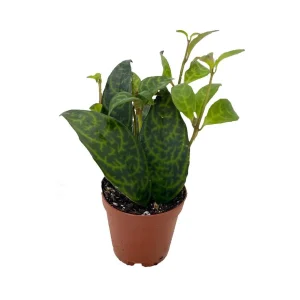
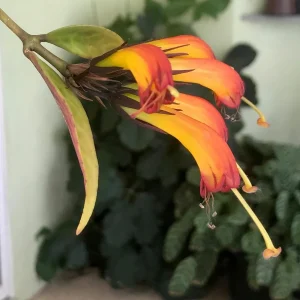
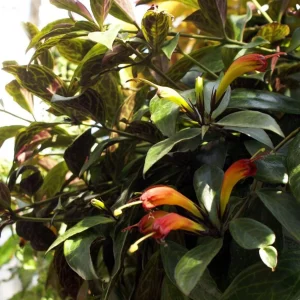
Black Pagoda Lipstick Vine Live Plant – Aeschynanthus marmoratus – 2″ Pot Indoor
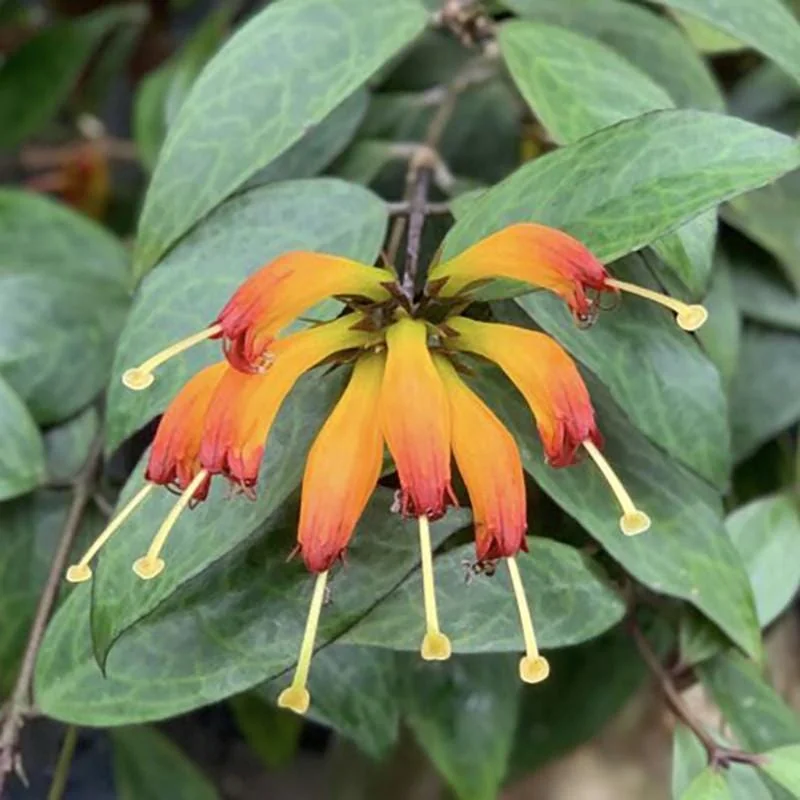
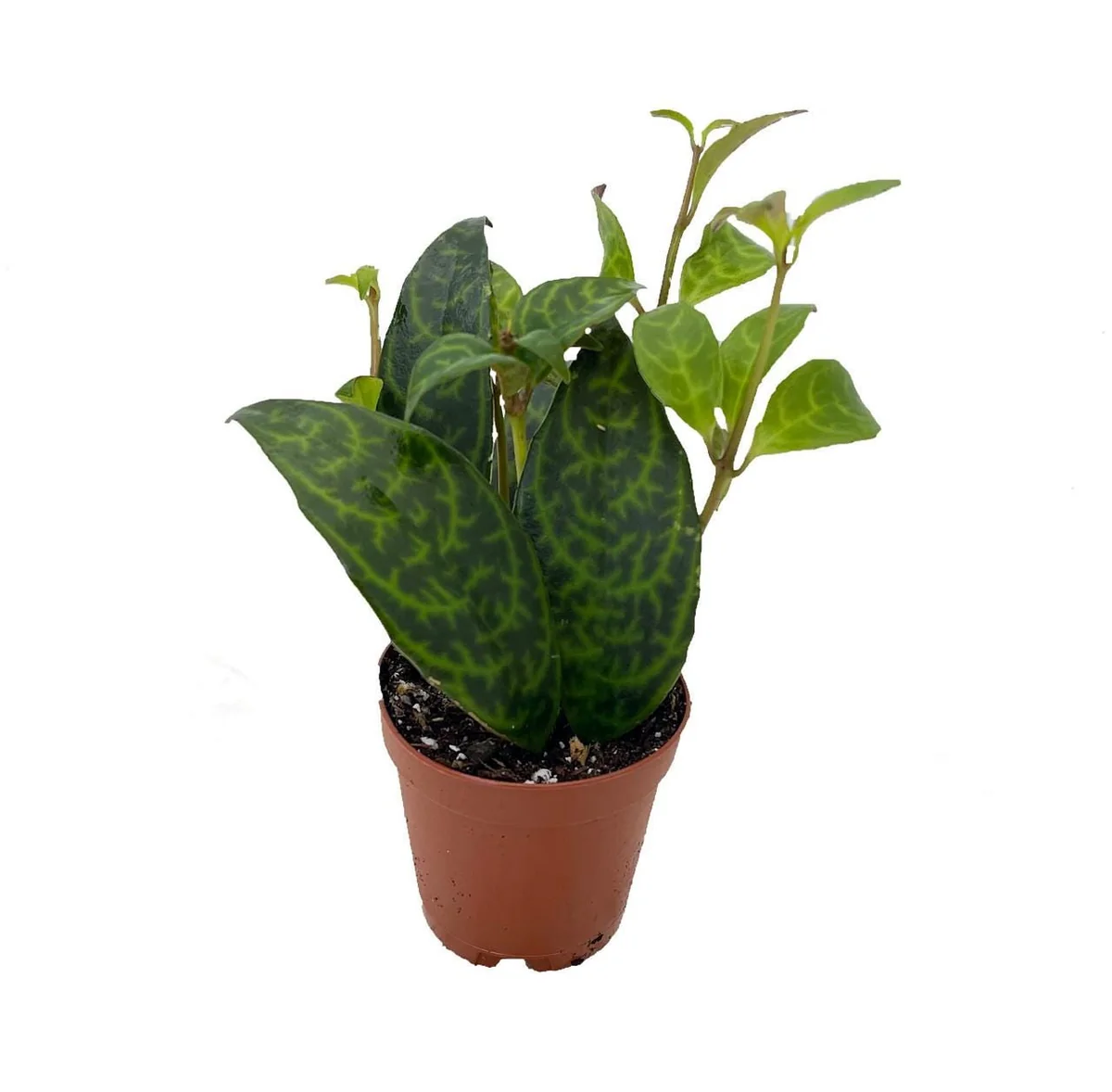
Bring home the exotic beauty of the black pagoda lipstick vine, an eye-catching lipstick vine houseplant. This 2-inch potted aeschynanthus marmoratus features unique maroon-veined green leaves and vibrant blooms, ideal for hanging displays. Enjoy its low-maintenance care and stunning foliage and flowers.
Original price was: $19.16.$9.58Current price is: $9.58.

With our Alive & Thrive Guarantee, we’ve got your back for the first 30 days! If you have any concerns about your plants, just reach out to us. Our team is here to help answer your questions and guide you in selecting the best plants for your garden, climate, and unique preferences. We're excited to help you create the garden of your dreams!
Estimated arrival
Apr 13
Apr 18 - Apr 20
Apr 23 - Apr 27
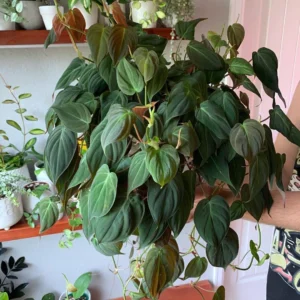
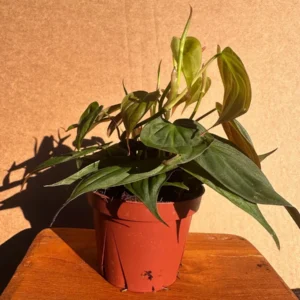
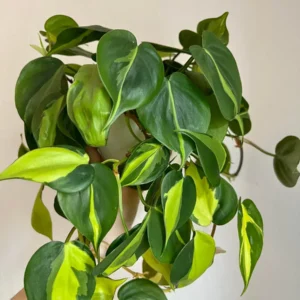
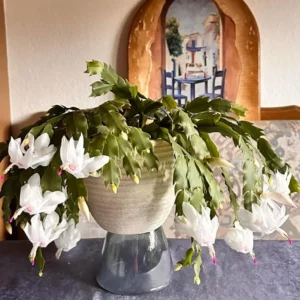


Product Details
-
USDA Hardiness Zone
USDA zones 10-11 (outdoors); year-round indoors -
Soil type
Well-draining potting mix -
Sunlight Exposure
Bright indirect light -
Expected Planting Period
Year-round indoors
Overview
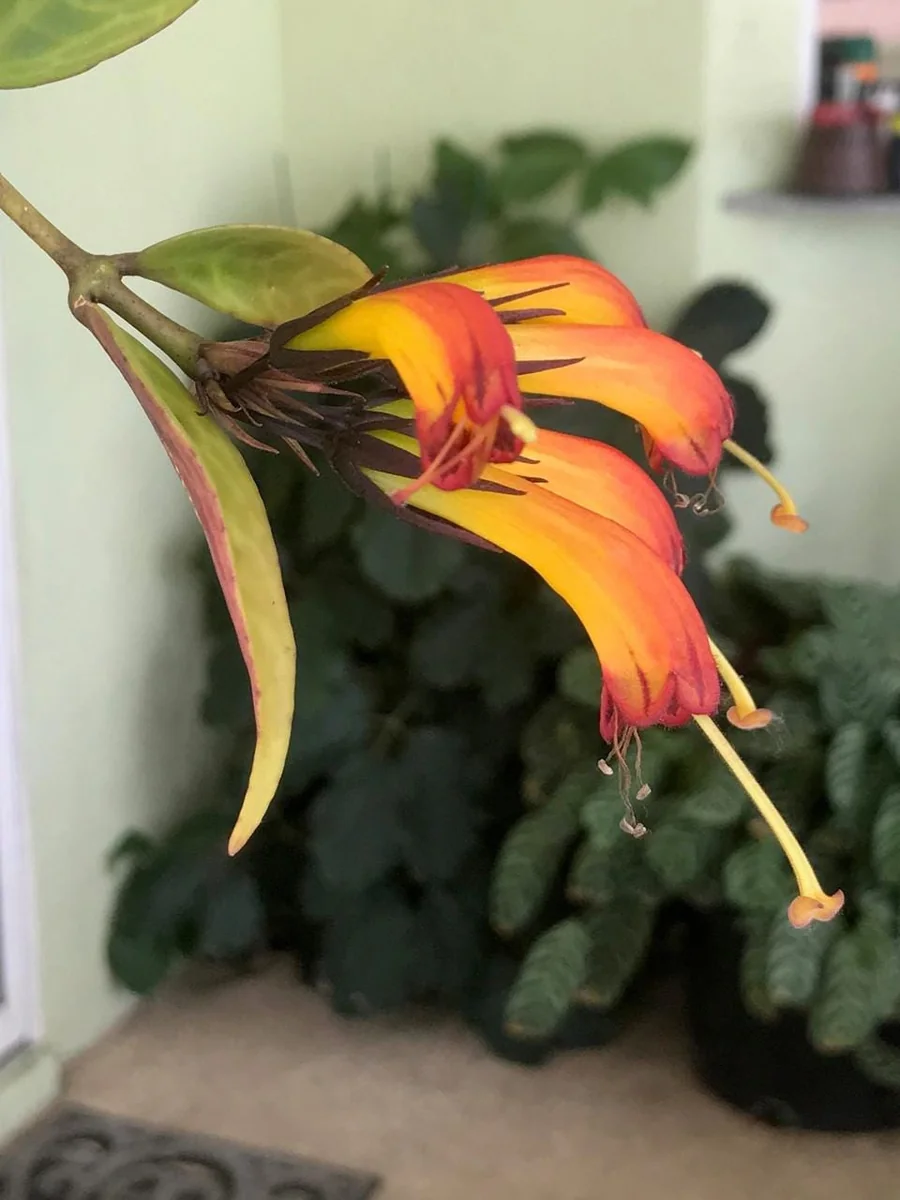
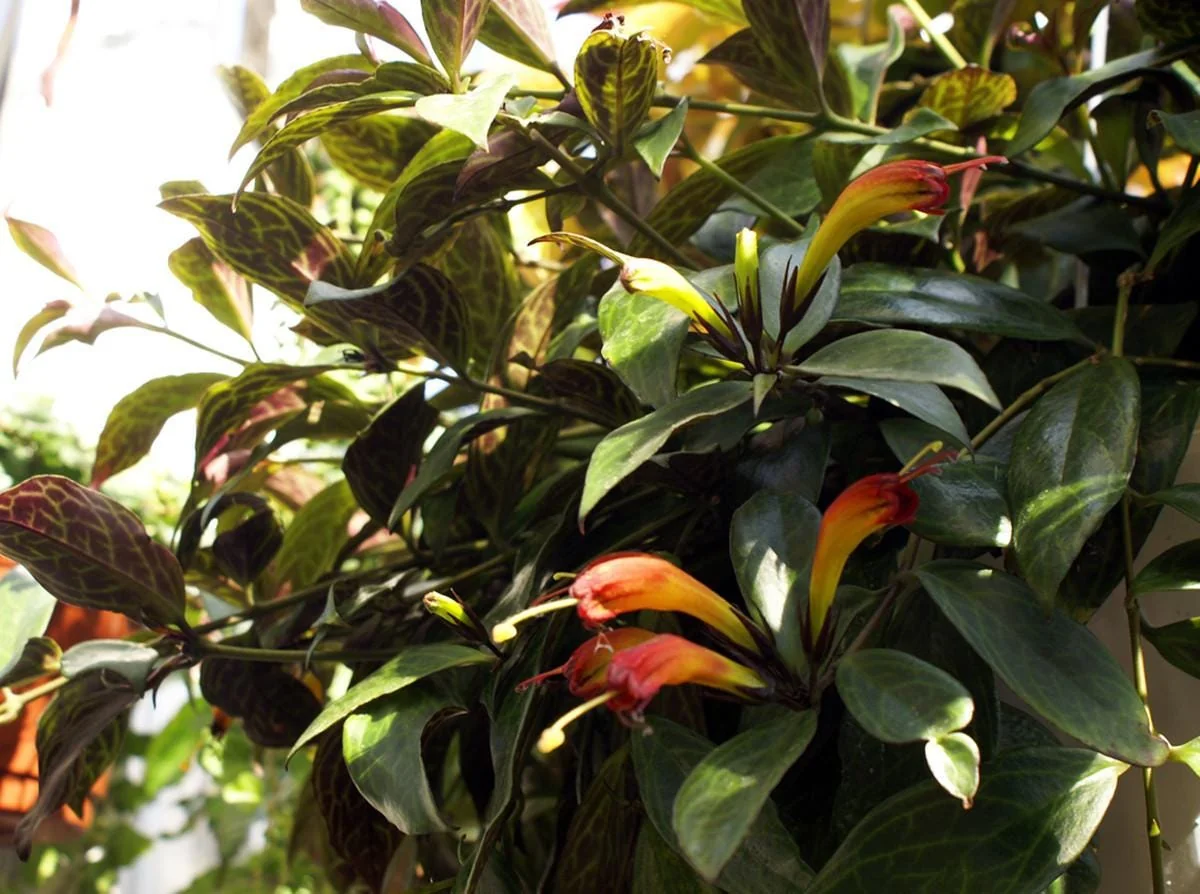
Experience the captivating beauty of the black pagoda lipstick vine, a truly remarkable live plant that adds a touch of the tropics to any indoor space. Known scientifically as Aeschynanthus marmoratus (or Aeschynanthus longicaulis), this plant is celebrated for its distinctive foliage and vibrant flowers. The black pagoda lipstick vine boasts glossy green leaves intricately marked with stunning maroon venation, creating a zebra-like pattern that is sure to draw attention. Beyond its striking leaves, this plant also produces bold, tubular blooms that emerge from dark calyces, resembling tubes of lipstick, hence its common name. Perfect for hanging baskets or elevated planters, this 2-inch potted specimen is ready to thrive in your home, offering continuous visual interest throughout the year. It’s a popular choice among plant enthusiasts for its unique aesthetic and relatively straightforward care requirements, making it an excellent addition for both novice and experienced plant parents.
The aeschynanthus marmoratus is an epiphyte in its natural habitat, meaning it grows on other plants rather than in soil, though it adapts beautifully to potted life indoors. Its ability to flower intermittently throughout the year, especially with adequate bright light, ensures a dynamic display of color and texture. If you’re looking for a plant that offers both gorgeous foliage and delightful blooms, the black pagoda lipstick vine is an unparalleled choice. Its vigorous growth and easy-care nature make it a rewarding plant to cultivate, transforming any corner of your home into a lush, tropical sanctuary.
Key Benefits
The black pagoda lipstick vine offers a multitude of benefits, making it a highly desirable houseplant. Its unique characteristics contribute to its popularity and appeal, providing both aesthetic pleasure and a fulfilling gardening experience. This plant stands out with its dual appeal of striking foliage and vibrant flowers, offering continuous visual interest.
- Unique Foliage Display: The Aeschynanthus marmoratus features glossy green leaves with distinct maroon venation, creating a captivating pattern that resembles a zebra. This striking coloration provides year-round visual interest, even when the plant is not in bloom. It’s a true conversation starter and an artistic addition to your plant collection, making the black pagoda lipstick vine a standout.
- Bold, Year-Round Blooms: While the foliage is impressive, the plant also produces eye-catching, tubular flowers that emerge from dark calyces. These ‘lipstick-like’ blooms can appear anytime throughout the year, especially under optimal conditions, adding splashes of vibrant color to your home.
- Ideal for Hanging Displays: With its trailing growth habit, the lipstick vine houseplant is perfectly suited for hanging baskets or plant hangers. Its cascading vines create a lush, abundant look, making it an excellent choice for adding vertical greenery and a jungle aesthetic to your living space.
- Relatively Low Maintenance: Despite its exotic appearance, the black pagoda lipstick vine is known for being a steady and relatively easy-to-care-for plant. It doesn’t demand constant attention, making it suitable for busy individuals or those new to houseplants.
- Air Purifying Qualities: Like many houseplants, the Aeschynanthus marmoratus contributes to a healthier indoor environment by helping to filter and purify the air, improving overall air quality in your home.
- Tropical Ambiance: Originating from the West Indies, this plant brings a touch of tropical elegance and a vibrant atmosphere to any room. Its lush appearance can help create a serene and refreshing indoor oasis.
- Versatile Placement: Whether in a bright living room, a humid bathroom, or a cozy bedroom, this zebra basket plant adapts well to various indoor settings, provided its basic light and humidity needs are met.
Plant Care & Growing Tips
Caring for your black pagoda lipstick vine, or aeschynanthus marmoratus, is a rewarding experience that requires understanding its specific needs to ensure vibrant growth and abundant blooms. This tropical beauty thrives with consistent attention to its environment. When it comes to lighting, the black pagoda lipstick vine prefers bright, indirect light. Avoid direct, harsh sunlight, especially during the hottest parts of the day, as this can scorch its delicate leaves. An east or west-facing window is often ideal, providing ample light without the intensity. Insufficient light can lead to sparse foliage and a lack of blooms, while too much sun can cause leaf discoloration. Increasing the brightness can also encourage faster growth and more frequent flowering.
Watering is crucial for this lipstick vine houseplant. The soil should be kept consistently moist but never soggy. Allow the top inch or two of soil to dry out slightly between waterings. Overwatering can lead to root rot, a common issue for many houseplants, so ensure good drainage. Like all plants from the tropics, lipstick plants suffer in low humidity. Aim for humidity levels above 50%. You can increase humidity by misting the leaves regularly, placing the pot on a pebble tray filled with water, or using a humidifier. Grouping plants together can also create a microclimate with higher humidity. The ideal temperature range for the black pagoda lipstick vine is between 65-80°F (18-27°C). Avoid sudden temperature fluctuations and cold drafts, which can stress the plant. Fertilize every 2-4 weeks during the growing season (spring and summer) with a balanced liquid fertilizer diluted to half strength. Reduce or stop fertilizing during fall and winter when growth naturally slows. Common problems include leaf drop due to overwatering or underwatering, and lack of blooms due to insufficient light or nutrients. Regularly inspect for pests like mealybugs or spider mites and treat promptly with an insecticidal soap.
Size & Details
This offering is for one black pagoda lipstick vine live plant, also known as aeschynanthus marmoratus, shipped in a 2-inch nursery pot. At the time of shipment, the plant typically measures 4-6 inches in height, including the pot, with a spread of approximately 3-5 inches. This compact size makes it perfect for immediate display on a desk, shelf, or as a starter plant for a hanging basket. The vigorous nature of the lipstick vine houseplant means it will quickly grow into a lush specimen. With proper care, its trailing vines can extend several feet, creating a beautiful cascading effect. Expect a moderate growth rate, with significant new growth appearing during the spring and summer months. The plant is well-rooted and established, ready to adapt to its new home. It will arrive carefully packaged to ensure its health and vitality during transit, ready for you to enjoy its unique foliage and potential for stunning blooms.
Frequently Asked Questions
- Q: How big does this 2″ potted black pagoda lipstick vine get? A: This 2-inch potted black pagoda lipstick vine is a starter plant. With proper care, its trailing vines can grow several feet long, making it ideal for hanging baskets. The foliage will become dense and lush over time, creating a beautiful cascading effect.
- Q: Is this an indoor or outdoor plant? A: The aeschynanthus marmoratus is primarily grown as an indoor houseplant in most climates. It thrives in warm, humid conditions typical of indoor environments. In USDA zones 10-11, it can be grown outdoors in a protected, shaded location.
- Q: How much sunlight does the lipstick vine need? A: This lipstick vine houseplant prefers bright, indirect light. Avoid direct afternoon sun, which can scorch its leaves. An east or west-facing window is usually ideal, providing ample brightness without harsh intensity.
- Q: Is this plant easy to care for? Is it good for beginners? A: Yes, the black pagoda lipstick vine is considered relatively easy to care for, making it a good choice for beginners. Its main requirements are consistent moisture, high humidity, and bright, indirect light.
- Q: What condition will the zebra basket plant arrive in? A: Your zebra basket plant will arrive as a healthy, well-established live plant in its 2-inch nursery pot. It will be carefully packaged to minimize stress during shipping, ensuring it reaches you in excellent condition, ready to thrive in your home.
- Q: How long until this lipstick plant blooms? A: With optimal care, including sufficient bright indirect light and consistent feeding, the lipstick plant care will encourage blooms throughout the year. Younger plants may take a few months to establish before their first flowering, but established plants can flower intermittently.
- Q: What type of soil does the black pagoda lipstick vine prefer? A: The black pagoda lipstick vine thrives in a well-draining, airy potting mix. A mix formulated for orchids or a general potting mix amended with perlite and orchid bark works well to ensure proper drainage and aeration, mimicking its epiphytic nature.
Related products
-35%

Original price was: $37.24.$24.20Current price is: $24.20.
-30%
Original price was: $25.98.$18.18Current price is: $18.18.
-25%
Original price was: $20.90.$15.68Current price is: $15.68.
-25%
Original price was: $20.90.$15.68Current price is: $15.68.
-35%
Original price was: $29.80.$19.36Current price is: $19.36.
-25%
Original price was: $23.00.$17.24Current price is: $17.24.
PLANTING & CARE
Growing Glencoe Raspberry: A Complete Guide for Gardeners
If you’re looking to add something unique to your garden, look no further than the
31
Mar
Mar

The Comprehensive Guide to Growing Bay Leaf Plants for a Flavorful Garden
Imagine stepping into your garden, greeted by the earthy aroma of fresh bay leaves, their
09
Feb
Feb

How to Make Comfrey Tea: The Ultimate Organic Plant Food
Growing an organic garden can be surprisingly expensive, especially when most store-bought fertilizers come in
02
Feb
Feb

True Comfrey: 7 Essential Tips Before You Plant This Herb
A staple in permaculture practices across the US, True Comfrey easily earns its reputation as
27
Jan
Jan

7 Heart-Shaped Plants for a Lasting Valentine’s Gift
If you’ve ever bought a bouquet of roses for Valentine’s Day, you know they are
26
Jan
Jan

Best Types of Ivy Plant for Houses: How to Choose the Perfect Ones for Your Home
Are you a garden lover looking to introduce some greenery into your home? Maybe you’ve
14
Nov
Nov

When to Harvest Garlic (Especially Fall-Planted Garlic)
TIMING IS EVERYTHING, they say – and for garlic, that truth hits with surprising accuracy.
13
Nov
Nov

11 of the Best Sweet Potato Varieties to Grow for Your Garden
If you’ve ever tried growing sweet potatoes, you know that picking the right variety can
12
Nov
Nov