Black Parrot Tulip Bulbs – Dark Purple Spring Flowers 18-20″ Tall Zone 2-8
-50%
Black Parrot Tulip Bulbs – Dark Purple Spring Flowers 18-20″ Tall Zone 2-8
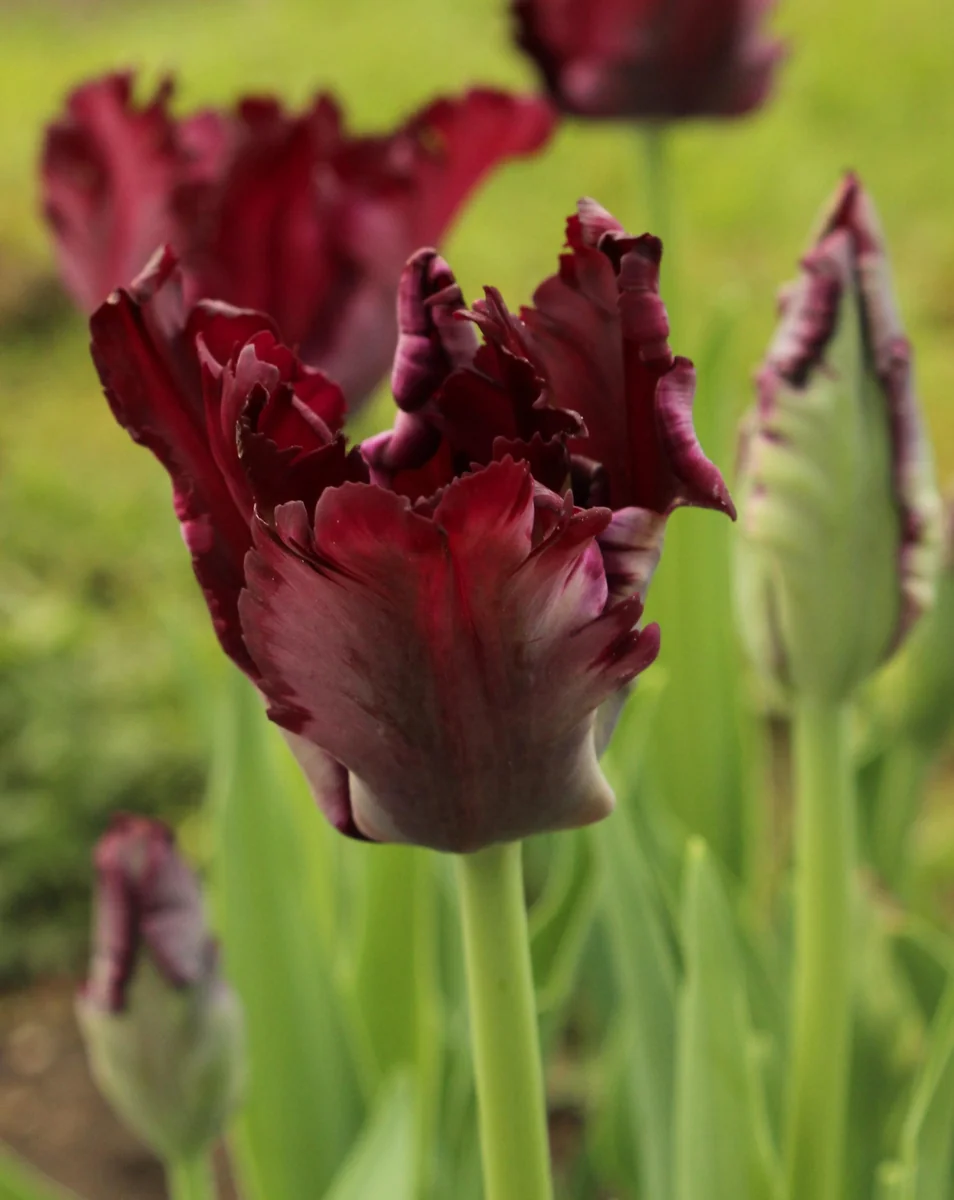
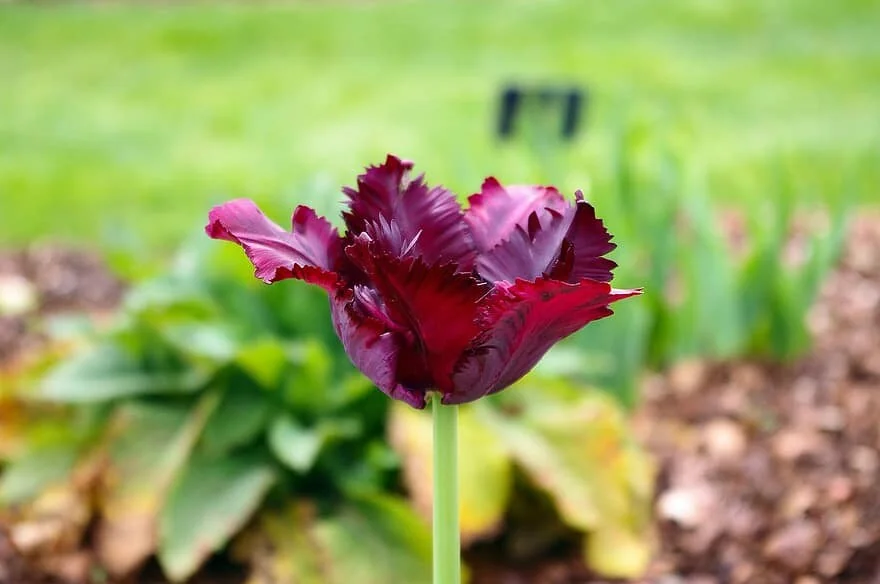
Plant black parrot tulip bulbs this fall for a dramatic spring display. These unique parrot tulips feature deep purple, almost black blooms with distinctive feather-like petals, growing 18-20 inches tall. Perfect for adding a striking contrast to paler colors in your garden, they thrive in full sun to partial shade and are suitable for parrot tulip care in USDA Zones 2-8.
From Original price was: $135.60.$67.80Current price is: $67.80.

With our Alive & Thrive Guarantee, we’ve got your back for the first 30 days! If you have any concerns about your plants, just reach out to us. Our team is here to help answer your questions and guide you in selecting the best plants for your garden, climate, and unique preferences. We're excited to help you create the garden of your dreams!
Estimated arrival
Apr 05
Apr 10 - Apr 12
Apr 15 - Apr 19




Product Details
-
USDA Hardiness Zone
2-8 -
Soil type
Well-draining soil -
Sunlight Exposure
Full sun or partial shade -
Expected Planting Period
Fall (October to December)
Overview
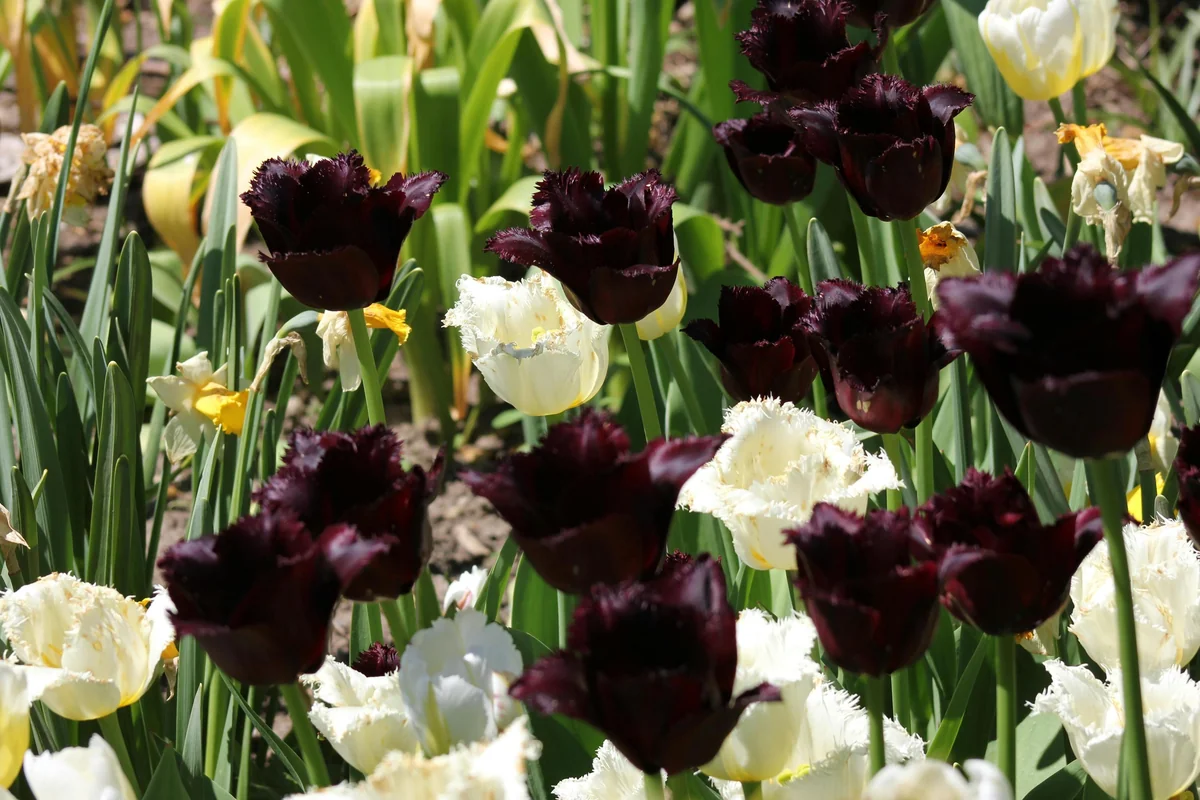
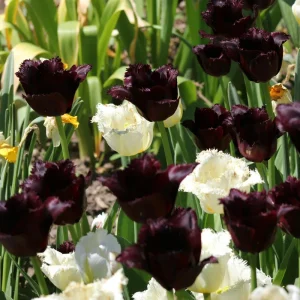
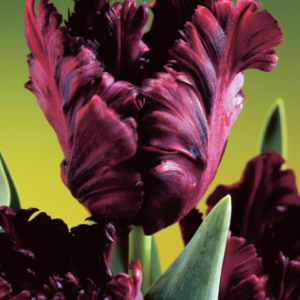
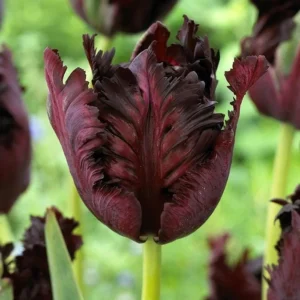
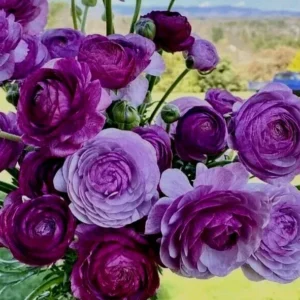
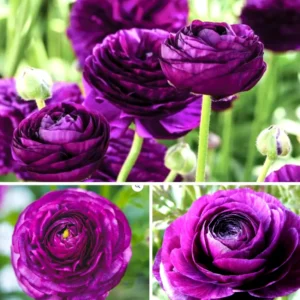
Introduce a touch of dramatic elegance to your spring garden with black parrot tulip bulbs. These extraordinary tulips, scientifically known as Tulipa ‘Black Parrot’, are celebrated for their unique, deeply ruffled, and fringed petals that resemble exotic bird feathers. The outer petals boast a rich, darkest purple hue, while the interior reveals an almost black coloration, creating a truly mesmerizing visual effect. These dark purple tulips are an exceptional choice for gardeners looking to make a bold statement, offering a striking contrast to lighter-colored blooms and adding a sophisticated, architectural element to flower beds, borders, and containers. Easy to grow and incredibly rewarding, these bulbs promise a spectacular display of late spring color that will captivate all who behold them.
Originating from a fascinating horticultural development involving Single Late Tulips, parrot tulips are known for their distinctive, often flamboyant, appearance. The ‘Black Parrot’ variety stands out with its intense coloration and intricate petal structure, making it a favorite among enthusiasts. When planted in the autumn, these tulip bulbs for spring will transform your garden into a vibrant showcase, providing long-lasting blooms that are also excellent for cutting and bringing indoors. Their robust nature and stunning visual appeal ensure they are a focal point in any garden design.
Key Benefits
The black parrot tulip bulbs offer a multitude of advantages for any gardener, from novice to expert, looking to enhance their outdoor space. Their unique characteristics and ease of cultivation make them a highly desirable choice.
- Dramatic Visual Impact: The deep, almost black-purple petals with their feathered edges create an unparalleled visual spectacle, providing a dramatic accent in any garden setting. These dark purple tulips are truly showstoppers.
- Unique Petal Structure: Unlike traditional tulips, the ‘Black Parrot’ features intricately ruffled and fringed petals, adding texture and an exotic flair that distinguishes it from other spring flowers. This contributes to their appeal as unique tulip varieties.
- Excellent for Cut Flowers: With their strong stems and long-lasting blooms, Black Parrot Tulips are superb for creating elegant floral arrangements, bringing the beauty of your garden indoors.
- Easy to Grow: These tulips are remarkably easy to cultivate, requiring minimal attention once planted. They are a perfect choice for gardeners seeking high impact with low effort, making parrot tulip care straightforward.
- Versatile Garden Use: Ideal for mass plantings, borders, containers, or as focal points, their striking color and form can elevate any garden design. They pair beautifully with both vibrant and pastel companions.
- Hardy and Resilient: Suitable for a wide range of climates, these bulbs are hardy in USDA Zones 2-8, ensuring reliable performance and beautiful blooms year after year when properly cared for.
- Long Blooming Period: Black Parrot Tulips typically bloom in late spring, extending the season of vibrant color in your garden and providing enjoyment for a longer duration.
Plant Care & Growing Tips
Successful cultivation of black parrot tulip bulbs begins with proper planting and ongoing care. These bulbs are relatively low-maintenance, making them a great choice for various garden styles. Plant your tulip bulbs for spring in the fall, typically from October to December, before the ground freezes. Even planting as late as Christmas can yield successful blooms in the following spring, as they require a short period of growth.
For optimal growth, choose a location that receives full sun to partial shade. Full sun exposure will encourage the richest colors in the blooms, while some afternoon shade can help extend the blooming period, particularly in warmer climates. The most crucial aspect of parrot tulip care is well-drained soil. Tulips are highly susceptible to rot in waterlogged conditions, so ensure your planting site has excellent drainage. Amend heavy clay soils with organic matter like compost or sand to improve porosity. Plant the bulbs approximately 6-8 inches deep and 4-6 inches apart, with the pointed end facing upwards. After planting, water thoroughly to settle the soil around the bulbs.
During their active growth period in spring, ensure the soil remains consistently moist but not waterlogged. Once the foliage begins to yellow and die back after flowering, reduce watering. Fertilization is generally not critical if planted in rich soil, but a balanced slow-release fertilizer can be applied in early spring as new growth emerges. Deadhead spent blooms to prevent seed formation, which can divert energy from the bulb. Allow the foliage to completely die back naturally before removing it, as this process allows the bulb to store energy for next year’s blooms. In colder zones (2-7), these tulips are reliably perennial, while in warmer zones (8 and above), they may perform better as annuals or require chilling to rebloom.
Size & Details
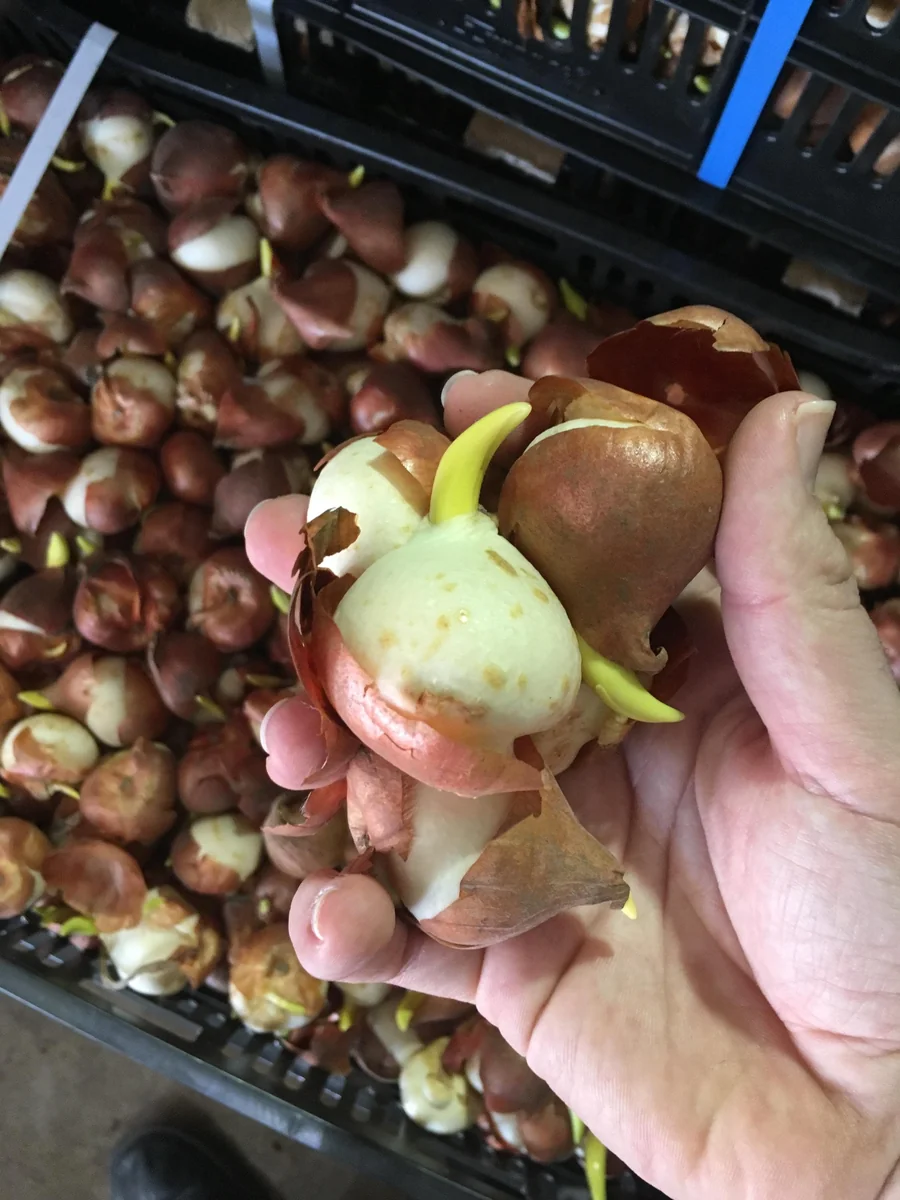
These black parrot tulip bulbs will produce magnificent flowers that typically reach a height of 18-20 inches (approximately 45-50 cm) when mature, making them an ideal choice for mid-height garden displays and stunning cut flower arrangements. The bulbs ship ready for fall planting, ensuring a vibrant spectacle of dark purple tulips in late spring. Each bulb is carefully selected to guarantee healthy growth and robust flowering. The growth rate is moderate, with foliage emerging in early spring and blooms typically appearing from late April through May, depending on your specific climate and planting time. These bulbs are designed to provide a spectacular show, adding significant visual interest and unique texture to your garden landscape.
Frequently Asked Questions
- Q: How tall do these black parrot tulip bulbs grow? A: These black parrot tulip bulbs typically produce flowers that grow to a height of 18-20 inches (45-50 cm), making them an excellent choice for a striking garden presence.
- Q: What is the ideal planting time for these tulip bulbs? A: The best time to plant these tulip bulbs for spring is in the fall, from October to December, allowing them sufficient time to establish roots before winter.
- Q: How much sunlight do these dark purple tulips need? A: For optimal growth and vibrant color, these tulips prefer full sun to partial shade. Full sun will bring out the richest hues, while some shade can prolong the bloom time.
- Q: Are these unique tulip varieties difficult to care for? A: No, parrot tulip care is relatively easy. They are considered one of the simpler bulbs to grow, requiring well-drained soil and appropriate sunlight.
- Q: What USDA hardiness zones are suitable for these bulbs? A: These black parrot tulip bulbs are hardy and thrive in USDA Zones 2-8, making them suitable for a wide range of climates across the US.
- Q: Can I grow these tulips in containers? A: Yes, these dark purple tulips are excellent for container planting. Ensure the container has good drainage holes and use a quality potting mix.
- Q: How far apart should I plant the bulbs? A: Plant the bulbs approximately 4-6 inches apart to give them enough space to grow and display their beautiful blooms.
- Q: What kind of soil is best for black parrot tulip bulbs? A: Well-drained soil is crucial for these tulips to prevent rot. Amending heavy soils with organic matter will help ensure proper root formation.
- Q: When can I expect these unique tulip varieties to bloom? A: You can anticipate these tulips to bloom in late spring, typically from late April to May, depending on your local climate conditions.
- Q: What should I do with the foliage after the tulips finish blooming? A: Allow the foliage to die back naturally. This process helps the bulb store energy for the next year’s blooms, which is vital for continued parrot tulip care.
| Amount | 10, 20, 30 |
|---|
Related products
-50%
Original price was: $19.96.$9.98Current price is: $9.98.
-50%

Original price was: $121.98.$60.99Current price is: $60.99.
-20%
Original price was: $174.00.$139.20Current price is: $139.20.
-50%
Original price was: $71.96.$35.98Current price is: $35.98.
-50%
Original price was: $63.96.$31.98Current price is: $31.98.
PLANTING & CARE

Growing Glencoe Raspberry: A Complete Guide for Gardeners
If you’re looking to add something unique to your garden, look no further than the
31
Mar
Mar

The Comprehensive Guide to Growing Bay Leaf Plants for a Flavorful Garden
Imagine stepping into your garden, greeted by the earthy aroma of fresh bay leaves, their
09
Feb
Feb

How to Make Comfrey Tea: The Ultimate Organic Plant Food
Growing an organic garden can be surprisingly expensive, especially when most store-bought fertilizers come in
02
Feb
Feb

True Comfrey: 7 Essential Tips Before You Plant This Herb
A staple in permaculture practices across the US, True Comfrey easily earns its reputation as
27
Jan
Jan

7 Heart-Shaped Plants for a Lasting Valentine’s Gift
If you’ve ever bought a bouquet of roses for Valentine’s Day, you know they are
26
Jan
Jan

Best Types of Ivy Plant for Houses: How to Choose the Perfect Ones for Your Home
Are you a garden lover looking to introduce some greenery into your home? Maybe you’ve
14
Nov
Nov

When to Harvest Garlic (Especially Fall-Planted Garlic)
TIMING IS EVERYTHING, they say – and for garlic, that truth hits with surprising accuracy.
13
Nov
Nov

11 of the Best Sweet Potato Varieties to Grow for Your Garden
If you’ve ever tried growing sweet potatoes, you know that picking the right variety can
12
Nov
Nov