Black Sapote Fruit Tree – 2 ft Tall Live Plant in 1 Gallon Pot
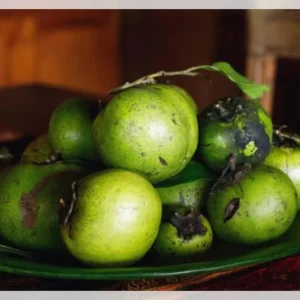
Black Sapote Fruit Tree – 2 ft Tall Live Plant in 1 Gallon Pot
Cultivate your own exotic dessert with this black sapote live plant. Known as the chocolate pudding fruit tree, this 2 ft tall specimen arrives in a 1 gallon pot, ready to thrive in suitable climates. Enjoy its unique, sweet, and creamy fruit.
$95.96

With our Alive & Thrive Guarantee, we’ve got your back for the first 30 days! If you have any concerns about your plants, just reach out to us. Our team is here to help answer your questions and guide you in selecting the best plants for your garden, climate, and unique preferences. We're excited to help you create the garden of your dreams!
Estimated arrival
Mar 31
Apr 05 - Apr 07
Apr 10 - Apr 14
Product Details
-
USDA Hardiness Zone
USDA zones 9-11 -
Soil type
well-draining, fertile soil -
Sunlight Exposure
full sun -
Expected Planting Period
year-round in tropical climates, spring to summer in others
Overview
Embark on an exciting horticultural journey with the incredible black sapote live plant, often celebrated as the chocolate pudding fruit tree. This exotic and highly sought-after plant, scientifically known as Diospyros nigra, is a true marvel for any fruit enthusiast or collector of unique edibles. Originating from Mexico and Central America, the black sapote is renowned for its luscious, dark brown pulp that genuinely tastes like sweet chocolate pudding, especially when fully ripe. Our offering is a healthy, vibrant 2 ft tall specimen, carefully cultivated and ready to establish itself in your garden or a spacious container. Growing your own black sapote live plant allows you to experience the unparalleled flavor and creamy texture of this unique fruit, free from artificial additives and ripened to perfection right in your own backyard. It’s an ideal choice for those looking to add a touch of the tropics and a genuinely gourmet experience to their home.
The Diospyros nigra is not only prized for its delicious fruit but also makes an attractive addition to tropical and subtropical landscapes with its glossy green foliage. It’s a relatively easy-to-grow tree for those in appropriate climates, offering both ornamental beauty and a bountiful harvest. Imagine harvesting your own ‘chocolate’ directly from a tree, a delightful conversation starter and a treat for the palate. This chocolate pudding fruit tree promises to be a rewarding investment, transforming your garden into a source of exotic delight and healthy, homegrown produce.
Key Benefits
Growing a black sapote live plant brings a host of unique advantages, making it a standout choice for both novice and experienced gardeners. Its exceptional fruit and robust nature contribute to its appeal:
- Unique Culinary Experience: The primary draw of the black sapote is its extraordinary fruit, which boasts a rich, creamy texture and a flavor eerily similar to chocolate pudding. It’s a healthy, natural alternative to processed desserts.
- Nutrient-Rich Fruit: Beyond its delicious taste, black sapote fruit is packed with essential vitamins and minerals, including Vitamin C, making it a healthy addition to your diet.
- Exotic Garden Addition: The tree itself is visually appealing, with attractive, dark green leaves that add a tropical ambiance to any garden or patio setting. It’s a great way to introduce diversity to your edible landscape.
- Rewarding Growth: Witnessing the development of this unique fruit from flower to ripe delicacy is incredibly satisfying. The chocolate pudding fruit tree offers a tangible connection to nature’s wonders.
- Adaptable to Containers: While it can grow into a large tree in the ground, the black sapote live plant adapts well to large containers, making it suitable for patios or colder climates where it can be moved indoors during winter.
- Conversation Starter: Its unusual fruit and intriguing name make the black sapote a fantastic topic of conversation among friends and family, showcasing your adventurous gardening spirit.
- Sustainability: By growing your own, you contribute to sustainable living, reducing reliance on store-bought produce and enjoying fresh, organic fruit.
Plant Care & Growing Tips
Caring for your black sapote live plant, or chocolate pudding fruit tree, is relatively straightforward, especially if you provide it with the right conditions. This tropical species thrives in warm, humid environments, making it ideal for USDA Zones 9-11 outdoors, or as a potted plant in colder regions. When selecting a location, choose a spot that receives full sun, meaning at least 6-8 hours of direct sunlight per day. Adequate sunlight is crucial for fruit production and overall plant health. For potted plants, ensure they are placed in the sunniest available location, ideally near a south-facing window or outdoors during warm months.
Watering is a critical aspect of black sapote care. The tree prefers consistently moist soil but dislikes being waterlogged. Water deeply when the top inch or two of soil feels dry to the touch. During hot, dry periods, this might mean watering several times a week. Reduce watering frequency in cooler months or when the plant is dormant. Good drainage is paramount; ensure your pot has drainage holes, and if planting in the ground, amend heavy clay soils with organic matter to improve permeability. Fertilize your diospyros nigra plant with a balanced, slow-release fertilizer designed for fruit trees, typically in spring and mid-summer. Follow package instructions for dosage, as over-fertilization can be detrimental. Protect young trees from strong winds, and consider mulching around the base to retain soil moisture and regulate temperature.
Pruning should be done to shape the tree, remove dead or diseased branches, and encourage air circulation within the canopy. The ideal time for pruning is after the main fruiting season. While generally robust, keep an eye out for common pests like aphids or scale insects. Address any infestations promptly with organic pest control methods or insecticidal soap. Providing consistent care will ensure your black sapote live plant grows into a strong, productive tree, yielding its delicious fruit for many years to come.
Size & Details
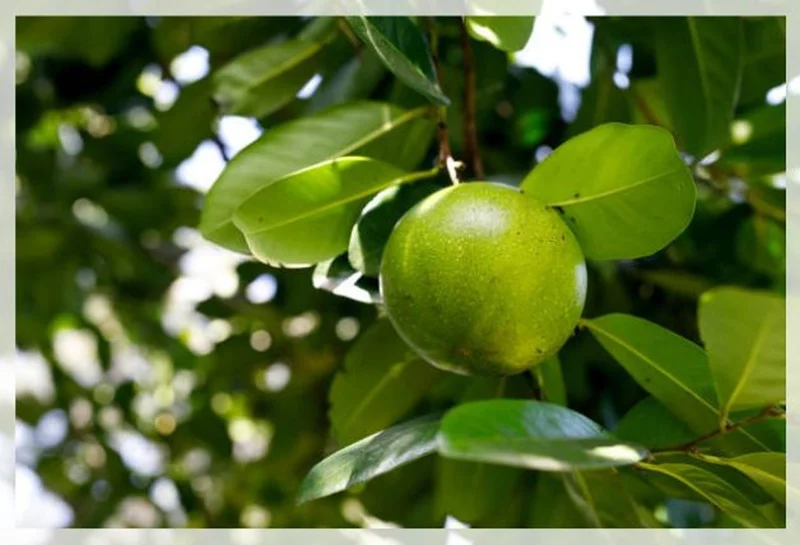
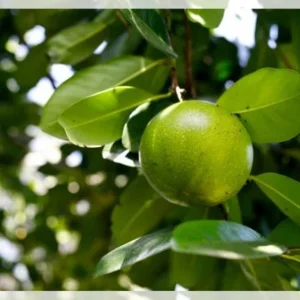
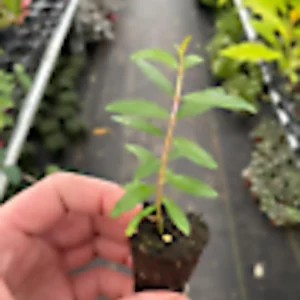
This offering is for a vibrant black sapote live plant, standing approximately 2 ft tall from the base of the pot. It is supplied in a standard 1 gallon nursery pot, providing ample space for its initial root development and healthy growth. The tree’s current size makes it manageable for shipping and easy to transplant into a larger container or directly into the ground upon arrival. Black sapote trees are known for their moderate to fast growth rate under ideal conditions, typically reaching heights of 20-30 feet in maturity when planted in the ground, though they can be kept smaller with regular pruning or by growing in large containers. The leaves are glossy, dark green, and elongated, contributing to its attractive tropical appearance.
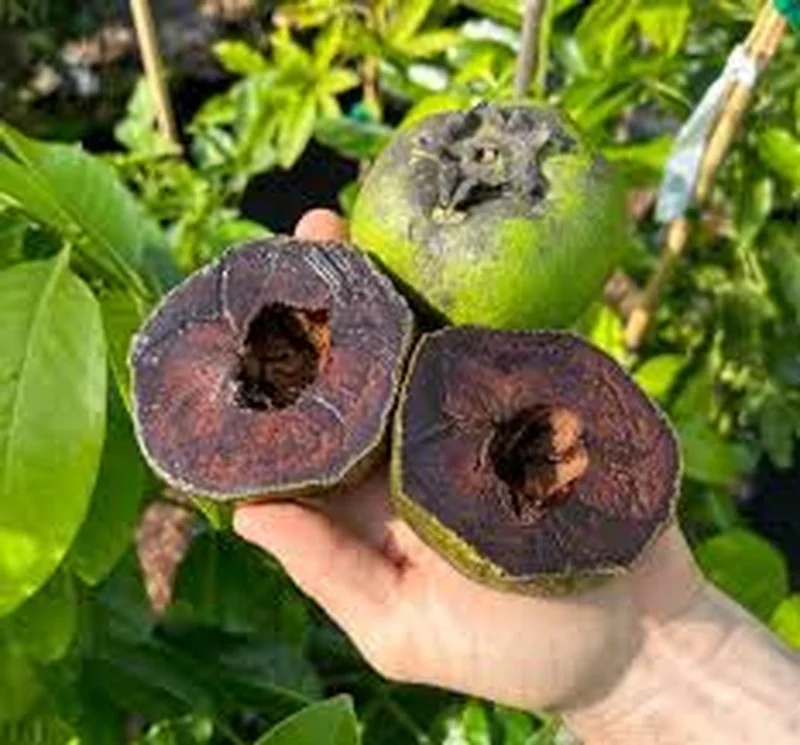
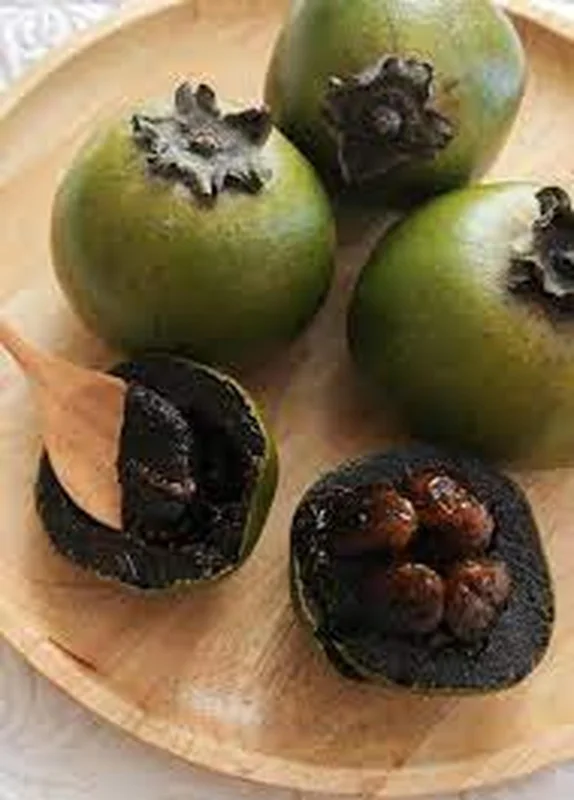
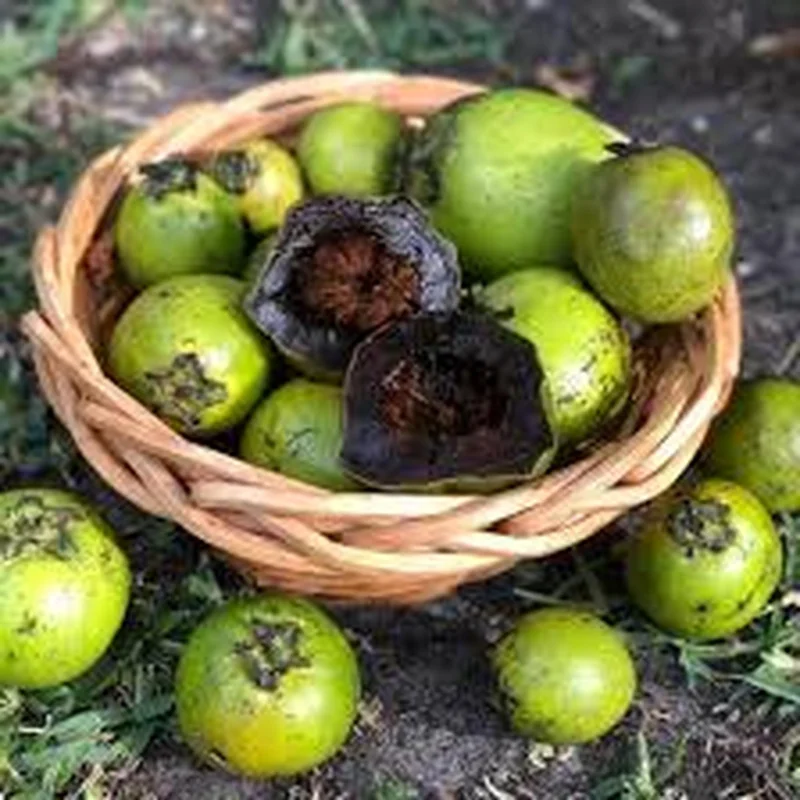
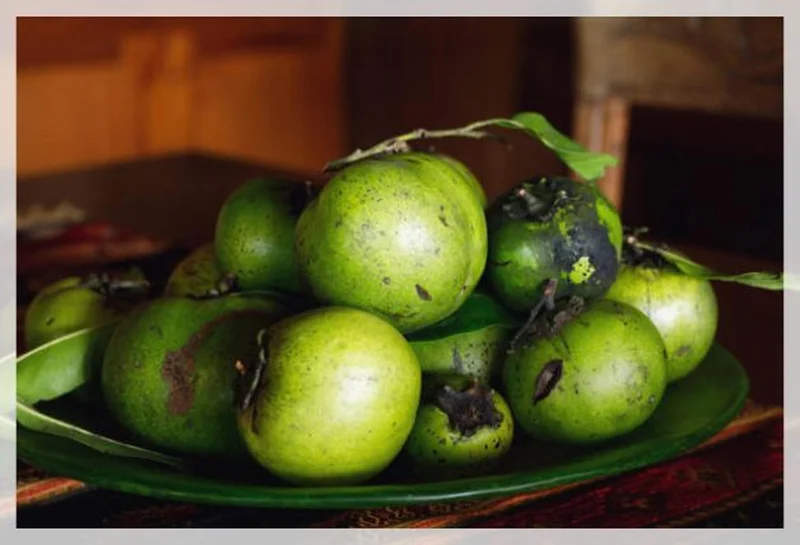
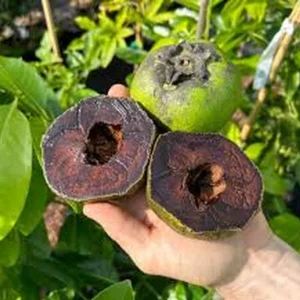
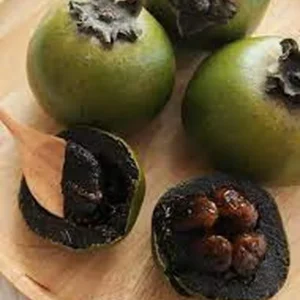
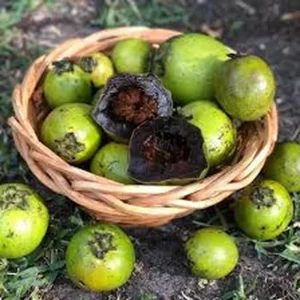
Expect your chocolate pudding fruit tree to begin fruiting within 3-5 years from planting, depending on growing conditions and care. The fruit is round to oblate, with a smooth, dark green skin that ripens to a duller, almost blackish-green when ready to harvest. The most exciting part is the interior: a soft, jet-black pulp that truly resembles chocolate pudding. This diospyros nigra plant is shipped as a live, actively growing specimen, carefully packaged to ensure its safe arrival. Upon receiving, unpack and water thoroughly, allowing it to acclimate to its new environment before transplanting.
Frequently Asked Questions
- Q: How big does this black sapote live plant get? A: This particular plant is 2 ft tall and comes in a 1 gallon pot. In the ground, black sapote trees can reach 20-30 feet tall, but they can be maintained at a smaller size with pruning or grown in large containers.
- Q: Is this an indoor or outdoor plant? A: The black sapote live plant is a tropical tree best suited for outdoor planting in USDA Zones 9-11. In colder climates, it can be grown in a large pot and brought indoors during the winter months.
- Q: How much sunlight does a chocolate pudding fruit tree need? A: A chocolate pudding fruit tree thrives in full sun, requiring at least 6-8 hours of direct sunlight per day to ensure optimal growth and fruit production.
- Q: What condition will the black sapote live plant arrive in? A: Your black sapote live plant will arrive as a healthy, actively growing specimen in its 1 gallon nursery pot, carefully packaged to minimize stress during transit. We recommend unpacking and watering upon arrival.
- Q: Is this plant easy to care for? A: For those in suitable climates, the diospyros nigra plant is considered relatively easy to care for, mainly requiring consistent watering, adequate sunlight, and occasional fertilization. It’s a good choice for gardeners looking for a unique tropical fruit.
- Q: How long until it starts producing fruit? A: Typically, a black sapote tree will begin to produce fruit within 3-5 years after planting, depending on its growing conditions and the care it receives.
- Q: What is the best soil for black sapote care? A: Black sapote prefers well-draining, fertile soil. If planting in a pot, use a high-quality potting mix. For in-ground planting, amend heavy soils with organic matter to improve drainage and nutrient content.
- Q: Can I use the fruit of the black sapote live plant in recipes? A: Absolutely! The fruit of the black sapote live plant is famously used in desserts, smoothies, and can be eaten fresh. Its chocolate-like flavor makes it a versatile and healthy ingredient.
- Q: What is the minimum temperature this tropical fruit tree can tolerate? A: The tropical fruit tree known as black sapote is sensitive to cold and should be protected from temperatures below freezing (32°F or 0°C). Established trees might tolerate brief dips to 28°F (-2°C) but prefer warmer climates.
- Q: Do I need more than one tree for fruit production? A: Black sapote trees are typically dioecious, meaning male and female flowers are on separate trees. However, some varieties are self-fertile. To ensure good fruit set, having at least two trees (one male, one female) or a known self-fertile variety is recommended.
Related products
-20%
Original price was: $80.00.$64.00Current price is: $64.00.
-20%
Original price was: $60.00.$48.00Current price is: $48.00.
-10%
Original price was: $23.99.$21.59Current price is: $21.59.
-20%
Original price was: $50.00.$40.00Current price is: $40.00.
-20%
Original price was: $32.00.$25.60Current price is: $25.60.
-20%
Original price was: $34.00.$27.20Current price is: $27.20.
-20%
Original price was: $36.00.$28.80Current price is: $28.80.
PLANTING & CARE

Growing Glencoe Raspberry: A Complete Guide for Gardeners
If you’re looking to add something unique to your garden, look no further than the
31
Mar
Mar

The Comprehensive Guide to Growing Bay Leaf Plants for a Flavorful Garden
Imagine stepping into your garden, greeted by the earthy aroma of fresh bay leaves, their
09
Feb
Feb

How to Make Comfrey Tea: The Ultimate Organic Plant Food
Growing an organic garden can be surprisingly expensive, especially when most store-bought fertilizers come in
02
Feb
Feb

True Comfrey: 7 Essential Tips Before You Plant This Herb
A staple in permaculture practices across the US, True Comfrey easily earns its reputation as
27
Jan
Jan

7 Heart-Shaped Plants for a Lasting Valentine’s Gift
If you’ve ever bought a bouquet of roses for Valentine’s Day, you know they are
26
Jan
Jan

Best Types of Ivy Plant for Houses: How to Choose the Perfect Ones for Your Home
Are you a garden lover looking to introduce some greenery into your home? Maybe you’ve
14
Nov
Nov

When to Harvest Garlic (Especially Fall-Planted Garlic)
TIMING IS EVERYTHING, they say – and for garlic, that truth hits with surprising accuracy.
13
Nov
Nov

11 of the Best Sweet Potato Varieties to Grow for Your Garden
If you’ve ever tried growing sweet potatoes, you know that picking the right variety can
12
Nov
Nov