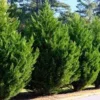
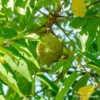
Black Walnut Tree Live Plant – Juglans nigra – 12-24in Tall Bare Root – Outdoor
-20%
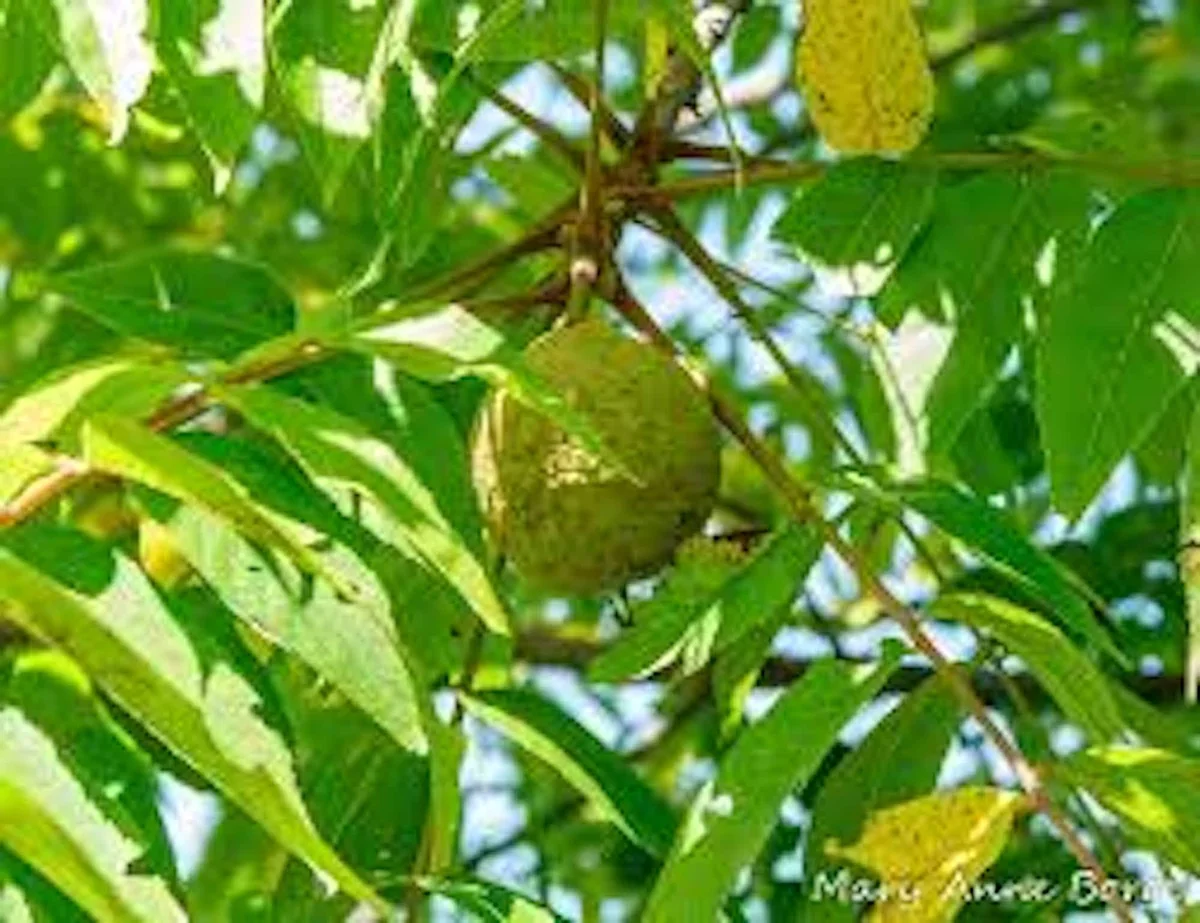


Black Walnut Tree Live Plant – Juglans nigra – 12-24in Tall Bare Root – Outdoor
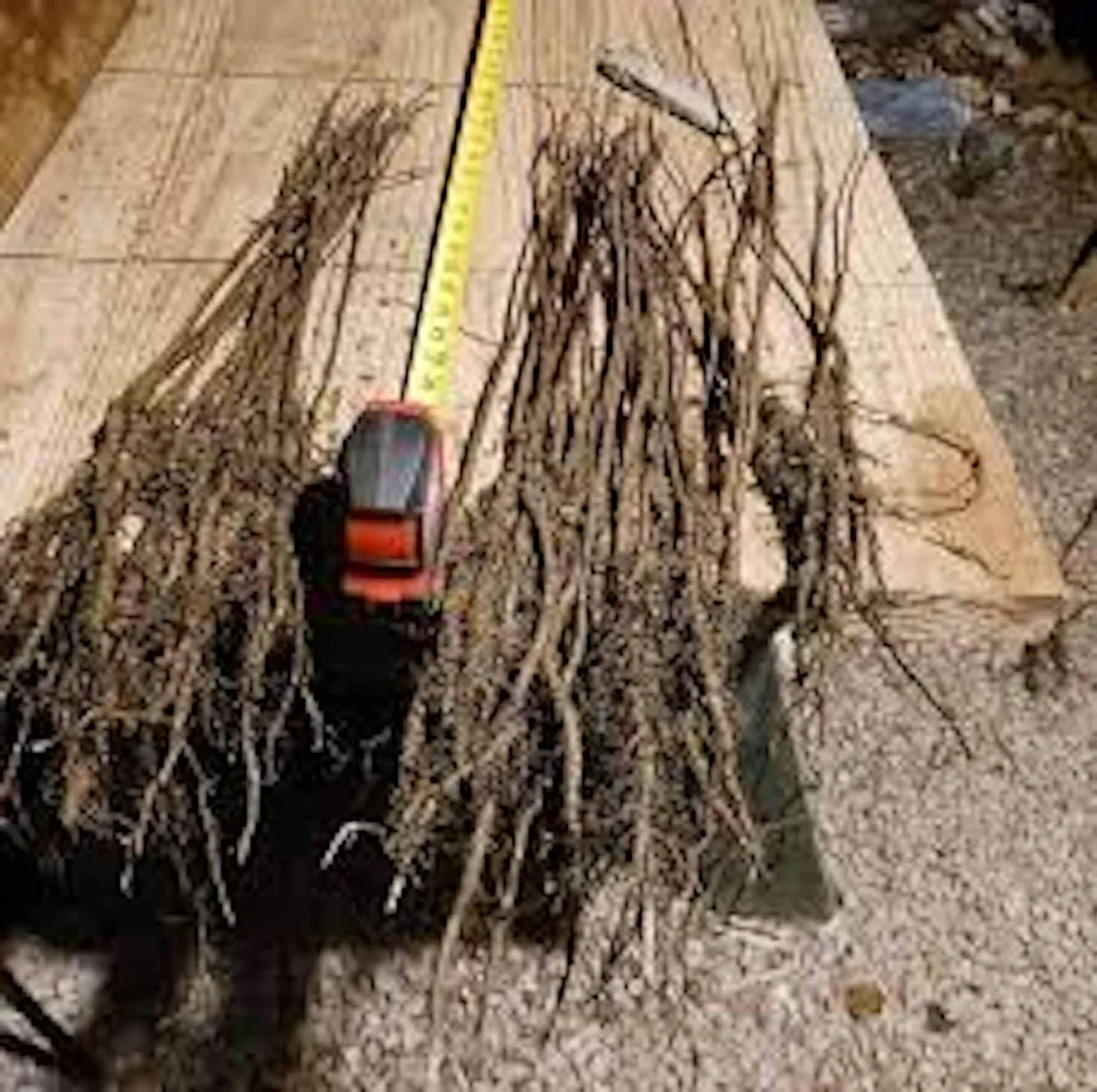
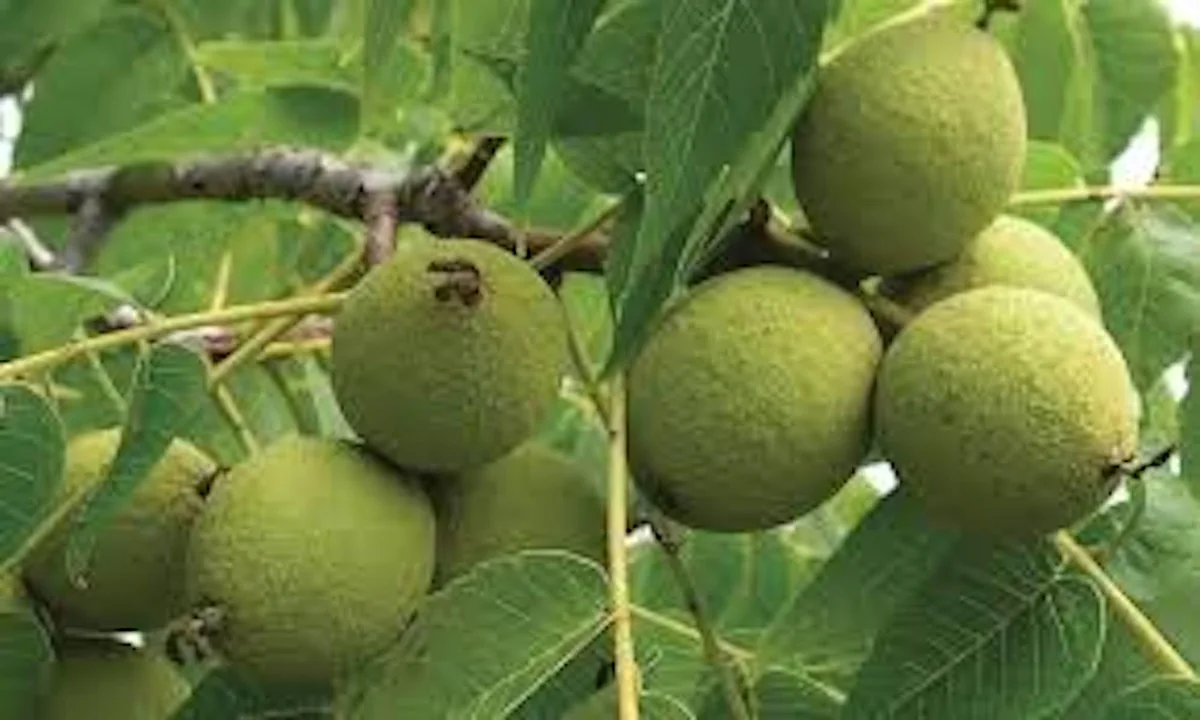
Cultivate a majestic black walnut tree bare root (Juglans nigra) in your landscape. This 12-24 inch tall specimen, also known as american walnut tree, is shipped bare root, ready for planting. Enjoy its rapid growth and valuable nut production. Ideal for zones 4-9.
Original price was: $34.00.$27.20Current price is: $27.20.

With our Alive & Thrive Guarantee, we’ve got your back for the first 30 days! If you have any concerns about your plants, just reach out to us. Our team is here to help answer your questions and guide you in selecting the best plants for your garden, climate, and unique preferences. We're excited to help you create the garden of your dreams!
Estimated arrival
Apr 12
Apr 17 - Apr 19
Apr 22 - Apr 26

Product Details
-
USDA Hardiness Zone
4-9 -
Soil type
Well-drained, moist, fertile soil -
Sunlight Exposure
Full sun -
Expected Planting Period
Early spring or late fall (when dormant)
Overview
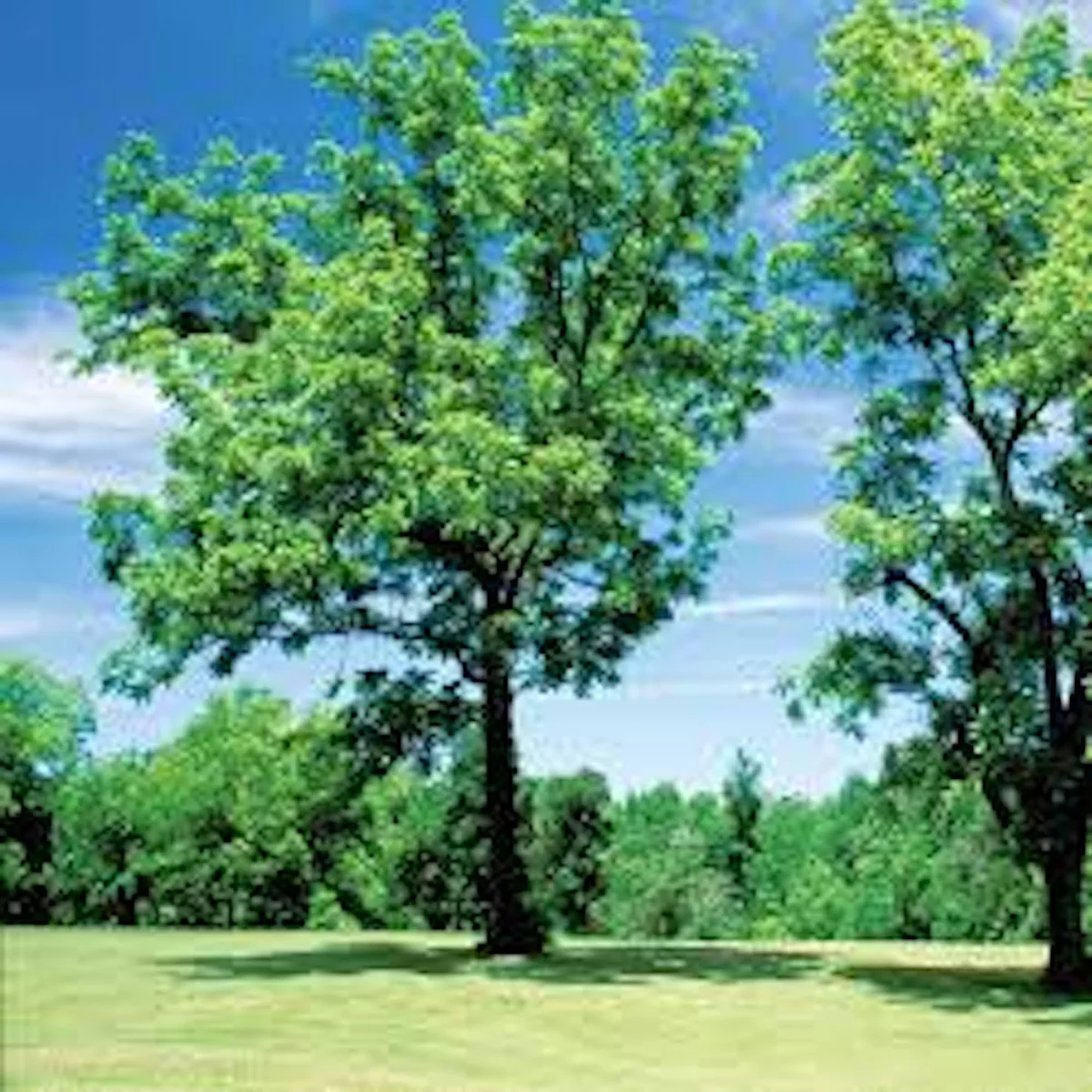
Introduce a piece of American heritage to your property with this black walnut tree bare root. Known scientifically as Juglans nigra, this impressive deciduous tree is a native species to eastern North America, renowned for its strong, dark wood and delicious, rich nuts. This offering provides a young, vigorous juglans nigra live plant, typically measuring 12-24 inches tall, ready for establishment in your garden or homestead. The american walnut tree grows into a magnificent shade tree, providing both aesthetic beauty and practical benefits. It’s an excellent choice for those looking to invest in a long-term landscape feature that offers both ecological value and a bountiful harvest.
The eastern black walnut tree care is relatively straightforward once established, making it a rewarding plant for many gardeners. Its deep taproot system makes it resilient and well-suited to various environments within its hardiness zones. Whether you’re planting for timber, nuts, or simply for its grand presence, this nut bearing tree is a superb addition to any spacious landscape. Prepare to enjoy the benefits of this iconic tree for generations.
Key Benefits
Adding a black walnut tree bare root to your property offers a multitude of advantages, from its ecological impact to its valuable resources:
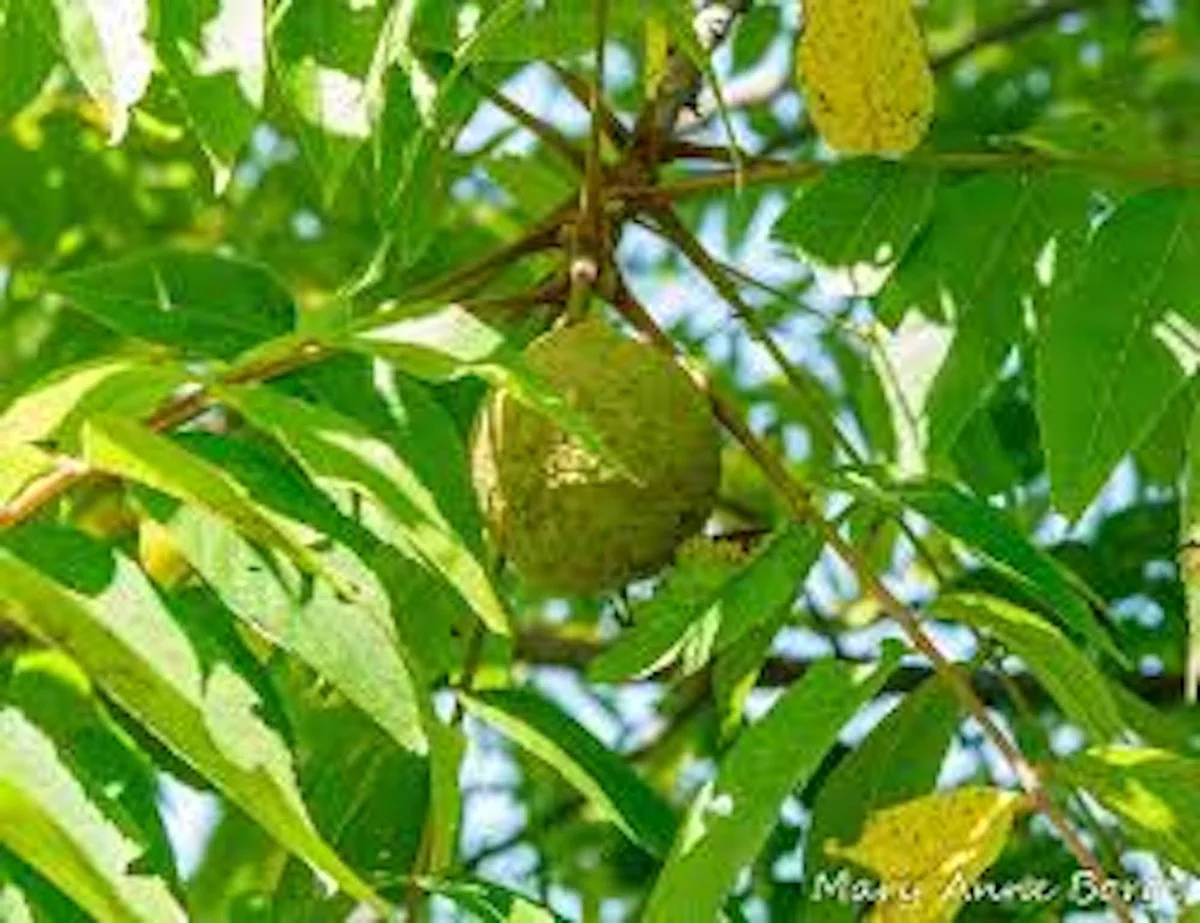
- Valuable Nut Production: Enjoy a harvest of flavorful black walnuts, prized for baking, snacking, and culinary uses. This nut bearing tree starts producing nuts after several years, providing a sustainable food source.
- High-Quality Timber: The wood of the american walnut tree is highly sought after for its strength, durability, and beautiful dark grain, making it a valuable long-term investment.
- Environmental Benefits: As a native species, Juglans nigra supports local ecosystems, providing habitat and food for wildlife. Its extensive root system helps with soil stabilization.
- Shade and Aesthetic Appeal: Develops a broad, stately canopy, offering excellent shade during warm months. The tree’s overall form is grand and adds significant presence to any large landscape.
- Adaptable and Robust: Once established, the juglans nigra live plant is quite hardy and tolerant of a range of soil conditions, thriving with minimal intervention.
- Long Lifespan: Black Walnut trees are known for their longevity, often living for over 100 years, making them a lasting legacy for your property.
- Self-Pollinating: This species is self-pollinating, meaning a single tree can produce nuts without the need for a second tree, simplifying cultivation.
Plant Care & Growing Tips
Proper eastern black walnut tree care begins with selecting the right site and understanding its specific needs. Black walnut trees thrive in well-drained, moist, fertile soils. They prefer full sun exposure, meaning at least 6 hours of direct sunlight per day. Avoid planting in shaded areas, as this will hinder growth and nut production. When planting your black walnut tree bare root, ensure the roots are spread out in the planting hole and backfill with soil, tamping gently to remove air pockets. Water thoroughly after planting.
These trees are hardy in USDA Zones 4-9. During the first few years, consistent watering is crucial, especially during dry spells, to help establish the deep taproot system. Once established, they are relatively drought-tolerant. Fertilization is generally not required in rich soils but can be beneficial in poorer soils; use a balanced, slow-release fertilizer in early spring. Pruning should focus on removing dead or diseased branches and maintaining a strong central leader. Be aware that Juglans nigra produces juglone, a chemical that can inhibit the growth of certain plants, so choose companion plants carefully. This makes the american walnut tree a unique specimen in any garden.
Size & Details
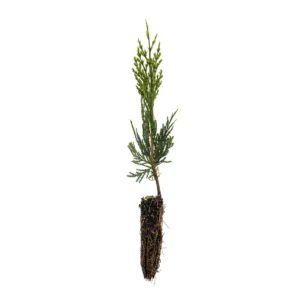
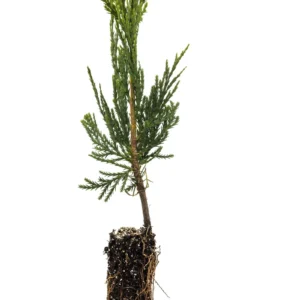
This offering is for one black walnut tree bare root, measuring approximately 12-24 inches tall upon arrival. These trees are typically shipped bare root when dormant, ensuring they are ready for planting in early spring or late fall. During the growing season, they may be shipped in pots. The juglans nigra live plant will establish its strong taproot system quickly once planted. Mature american walnut tree specimens can reach an impressive height of 70-100 feet (21-30 meters) with a similar spread, developing a broad, oval to round crown. Growth rate is moderate to fast, adding 1-2 feet per year in ideal conditions. Expect nut production to begin within 10-15 years, with significant yields increasing with age. This nut bearing tree is a long-term investment that provides enduring value.
Frequently Asked Questions
- Q: How tall will my black walnut tree grow? A: A mature black walnut tree bare root can typically reach heights of 70-100 feet (21-30 meters) and nearly as wide, developing a grand, spreading canopy over many years.
- Q: What is the best time to plant a bare root black walnut tree? A: The ideal time to plant a black walnut tree bare root is in early spring or late fall when the tree is dormant. This allows the root system to establish before extreme temperatures.
- Q: What kind of soil does the American walnut tree prefer? A: The american walnut tree thrives in well-drained, moist, and fertile soils. It does not perform well in heavy, waterlogged, or overly dry conditions.
- Q: How much sun does a Juglans nigra live plant need? A: A juglans nigra live plant requires full sun exposure, meaning at least 6 hours of direct sunlight per day, for optimal growth and nut production.
- Q: Is this tree self-pollinating? A: Yes, the eastern black walnut tree care is simplified by the fact that it is self-pollinating, so you only need one tree to produce nuts.
- Q: When can I expect nuts from my nut bearing tree? A: While specific timing can vary, a nut bearing tree like the black walnut typically begins producing nuts after 10-15 years, with yields increasing significantly as the tree matures.
- Q: What USDA zones are suitable for black walnut trees? A: Black walnut trees are hardy and grow well in USDA Hardiness Zones 4 through 9, making them suitable for a wide range of climates across the US.
- Q: What should I know about juglone from black walnut trees? A: Black walnut trees produce a chemical called juglone, which can be toxic to certain plants. It’s important to research juglone-sensitive plants before planting nearby.
- Q: How should I water my young black walnut tree? A: Young black walnut tree bare root specimens require consistent moisture, especially during their first few growing seasons. Water deeply and regularly, ensuring the soil remains moist but not waterlogged.
- Q: Will this tree provide good shade? A: Absolutely! As it matures, the american walnut tree develops a very broad and dense canopy, making it an excellent choice for providing substantial shade over a large area.
Related products
-20%
Original price was: $36.00.$28.80Current price is: $28.80.
-10%
Original price was: $80.99.$72.89Current price is: $72.89.
-20%
Original price was: $90.00.$72.00Current price is: $72.00.

-50%
Original price was: $73.98.$36.99Current price is: $36.99.
PLANTING & CARE

Growing Glencoe Raspberry: A Complete Guide for Gardeners
If you’re looking to add something unique to your garden, look no further than the
31
Mar
Mar

The Comprehensive Guide to Growing Bay Leaf Plants for a Flavorful Garden
Imagine stepping into your garden, greeted by the earthy aroma of fresh bay leaves, their
09
Feb
Feb

How to Make Comfrey Tea: The Ultimate Organic Plant Food
Growing an organic garden can be surprisingly expensive, especially when most store-bought fertilizers come in
02
Feb
Feb

True Comfrey: 7 Essential Tips Before You Plant This Herb
A staple in permaculture practices across the US, True Comfrey easily earns its reputation as
27
Jan
Jan

7 Heart-Shaped Plants for a Lasting Valentine’s Gift
If you’ve ever bought a bouquet of roses for Valentine’s Day, you know they are
26
Jan
Jan

Best Types of Ivy Plant for Houses: How to Choose the Perfect Ones for Your Home
Are you a garden lover looking to introduce some greenery into your home? Maybe you’ve
14
Nov
Nov

When to Harvest Garlic (Especially Fall-Planted Garlic)
TIMING IS EVERYTHING, they say – and for garlic, that truth hits with surprising accuracy.
13
Nov
Nov

11 of the Best Sweet Potato Varieties to Grow for Your Garden
If you’ve ever tried growing sweet potatoes, you know that picking the right variety can
12
Nov
Nov