Black Walnut Tree Seeds – Fresh Juglans nigra for Planting
-50%
Black Walnut Tree Seeds – Fresh Juglans nigra for Planting
Cultivate your own robust black walnut tree with these fresh, high-quality black walnut tree seeds. Ideal for planting in the fall, these juglans nigra seeds promise a future harvest of delicious nuts. Start your journey to grow black walnut tree today.
From Original price was: $158.80.$79.40Current price is: $79.40.

With our Alive & Thrive Guarantee, we’ve got your back for the first 30 days! If you have any concerns about your plants, just reach out to us. Our team is here to help answer your questions and guide you in selecting the best plants for your garden, climate, and unique preferences. We're excited to help you create the garden of your dreams!
Estimated arrival
Apr 13
Apr 18 - Apr 20
Apr 23 - Apr 27



Product Details
-
USDA Hardiness Zone
USDA zones 4-9 -
Soil type
Deep, rich, well-draining soil -
Sunlight Exposure
Full sun -
Expected Planting Period
Fall
Overview
Embark on the rewarding journey of cultivating your own majestic tree with these premium black walnut tree seeds. Recognized for their strong timber, rich nuts, and impressive stature, Juglans nigra seeds offer an excellent opportunity for both avid gardeners and those new to tree planting. These fresh, viable seeds are sourced to provide the best possible start for your future black walnut trees. The black walnut tree is a deciduous broadleaf species known for its rapid growth and can reach heights of up to 35 meters, developing a broad crown that provides ample shade and a striking landscape feature. Whether you’re looking to establish a new orchard or add a significant specimen to your property, these seeds are your first step towards a thriving black walnut grove.
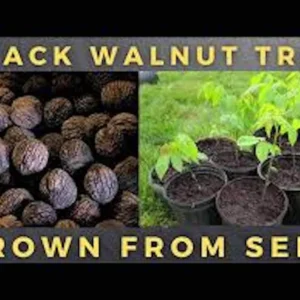
The process to grow black walnut tree from seed is a fulfilling endeavor, connecting you with nature’s cycles. These seeds are ready for planting, allowing you to experience the full lifecycle of this magnificent species. With proper care and patience, you’ll be able to enjoy the benefits of this valuable tree for decades to come, from its beautiful foliage to its sought-after nuts. Consider these fresh walnut seeds as an investment in your garden’s future, contributing to biodiversity and providing a sustainable resource.
Key Benefits
Planting black walnut tree seeds offers a multitude of advantages for your landscape and beyond. These seeds provide the foundation for a tree that is both aesthetically pleasing and highly practical.
- Valuable Timber: Black walnut trees are renowned for their highly prized, dark, and durable hardwood, making them a long-term investment. Growing these juglans nigra seeds can contribute to sustainable timber resources.
- Edible Nuts: After 12-15 years, your black walnut trees will begin to produce delicious and nutritious nuts, which are popular in baking, ice cream, and other culinary applications. Enjoy the unique, rich flavor of freshly harvested walnuts.
- Wildlife Support: The nuts provide a valuable food source for local wildlife, attracting squirrels and other animals to your garden, enriching the local ecosystem.
- Shade and Beauty: With their impressive size and broad crown, mature black walnut trees offer excellent shade during hot summer months and add significant aesthetic value to any landscape.
- Soil Improvement: Black walnut trees contribute to soil health, and their deep root systems can help prevent erosion. Learning how to grow black walnut tree can thus enhance your property’s environmental profile.
- Long-Term Investment: A well-established black walnut tree can significantly increase property value, providing both ecological and economic benefits over time.
- Fresh Walnut Seeds: Starting with high-quality, fresh seeds ensures a better germination rate and a stronger start for your future trees.
Plant Care & Growing Tips
To successfully grow black walnut tree from our black walnut tree seeds, understanding their specific needs is crucial. Black walnuts thrive in full sun, requiring at least 6-8 hours of direct sunlight daily for optimal growth. They are adaptable but prefer deep, rich, well-draining soil. While they can tolerate a range of soil types, avoid overly wet or compacted conditions. Ideal soil pH ranges from 6.0 to 7.0. Regular watering is important during the first few years after planting, especially during dry spells, to establish a strong root system. Once mature, black walnut trees are quite drought-tolerant.
When planting your juglans nigra seeds, sow them about 2 inches deep in moist soil in the fall. This mimics their natural stratification process, where the cold, moist conditions of winter help break dormancy. Protecting the young seedlings from pests and competing vegetation is vital. Fertilization is generally not necessary in rich soils, but a balanced slow-release fertilizer can be applied in early spring if soil nutrients are lacking. Be aware that black walnuts produce juglone, a natural chemical that can inhibit the growth of certain sensitive plants around their root zone, so plan your companion planting accordingly. Proper care for your black walnut tree will ensure a healthy and productive specimen for years to come.
Size & Details
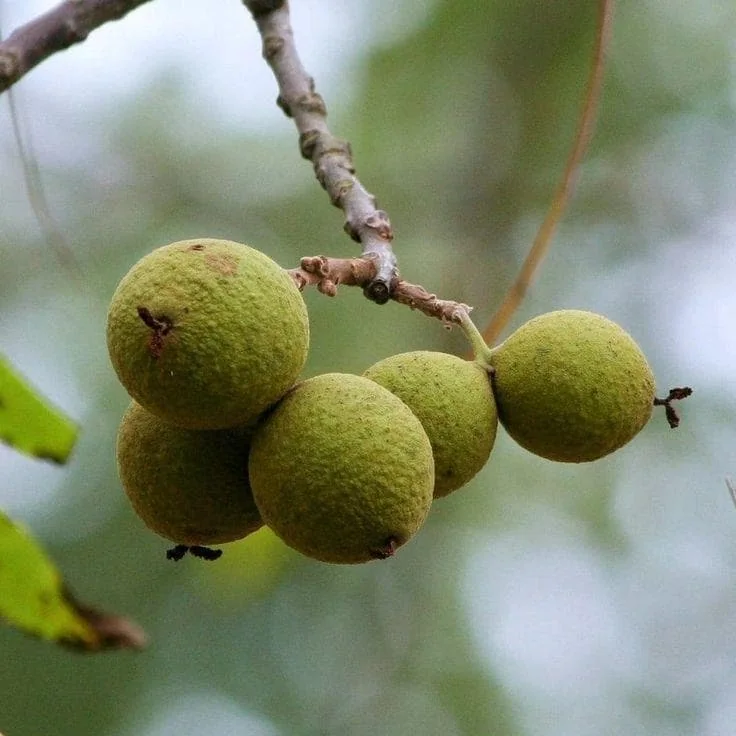
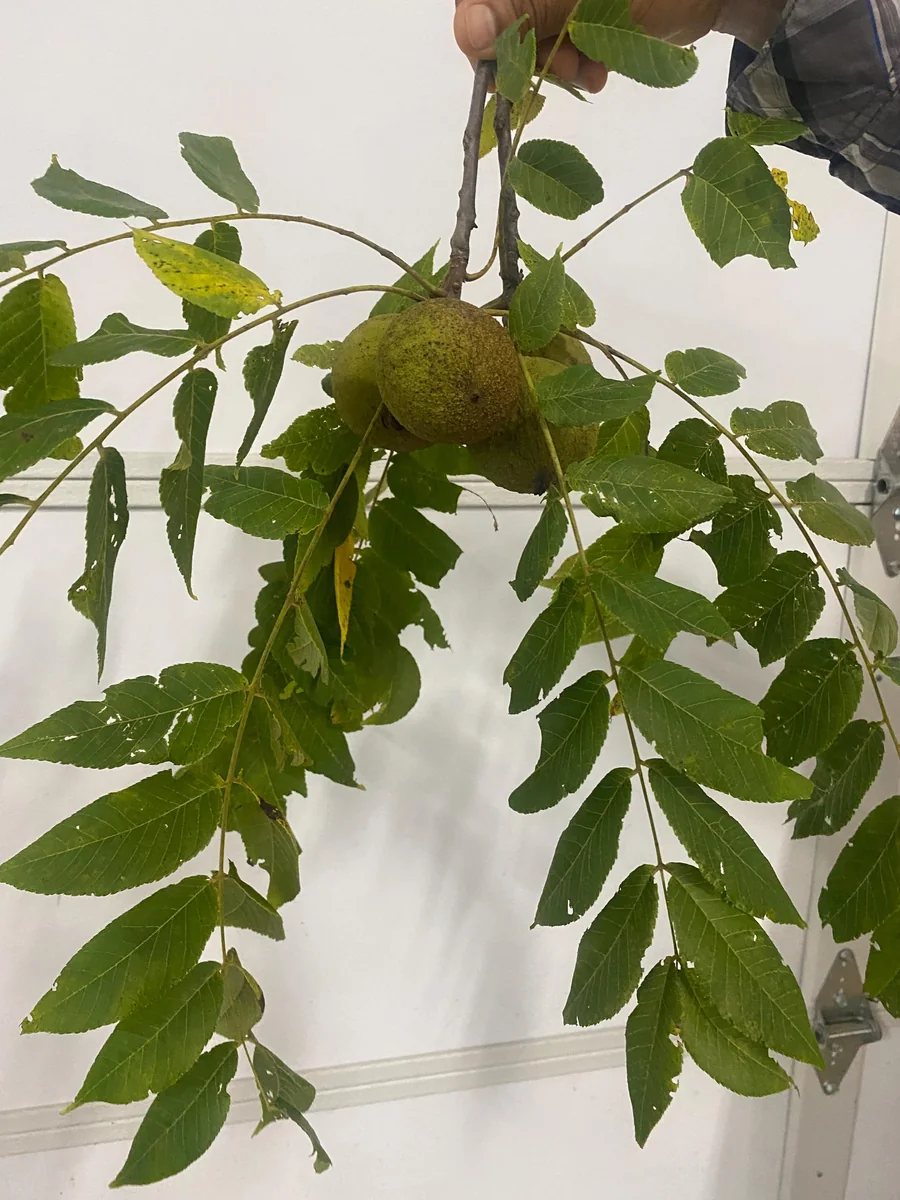
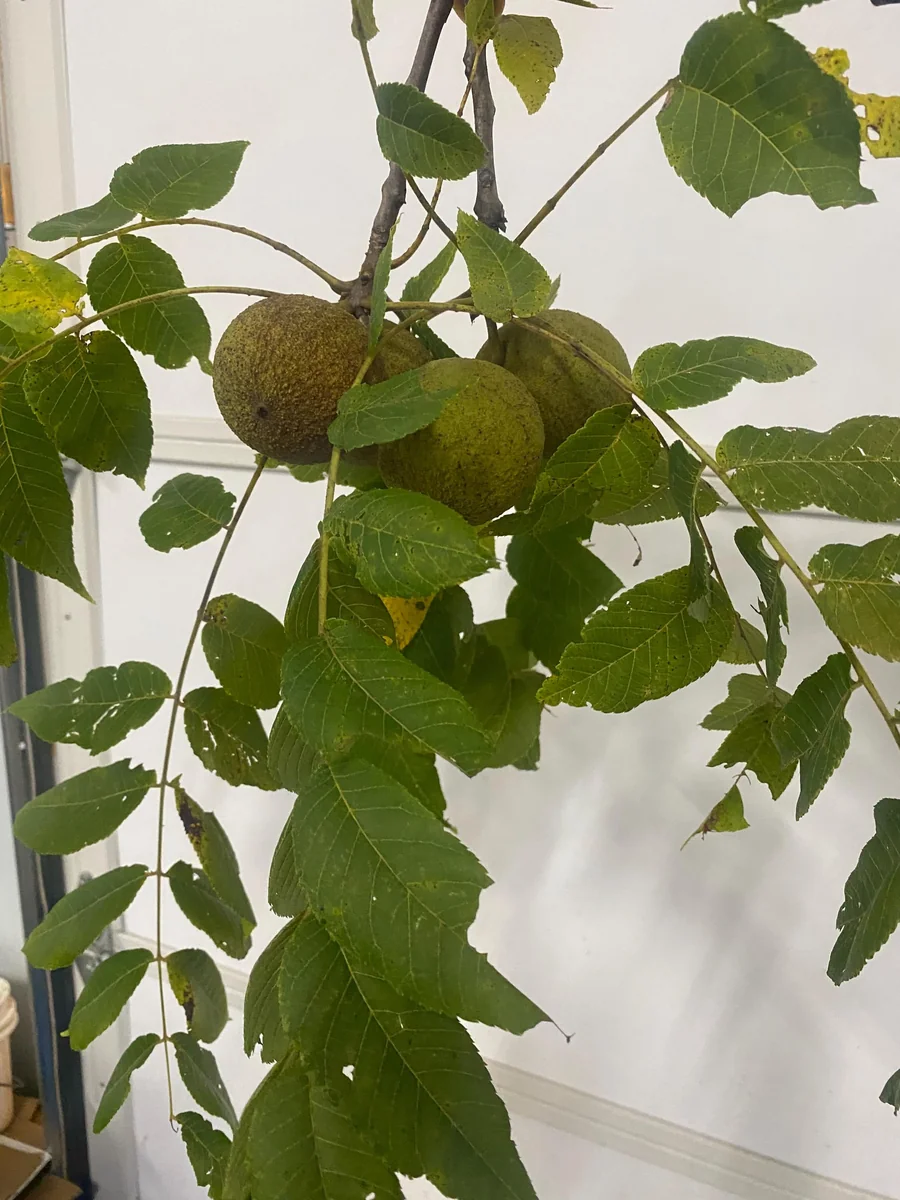
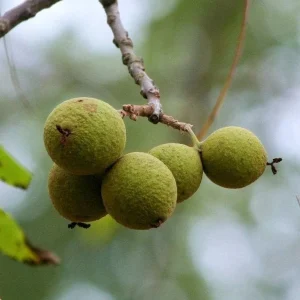
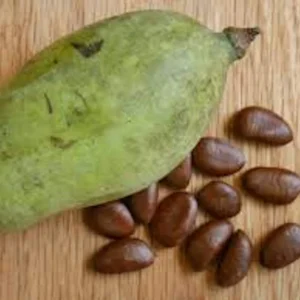
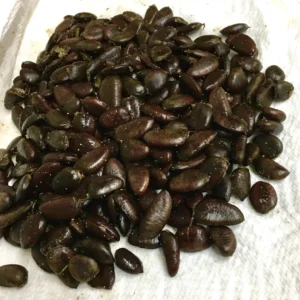
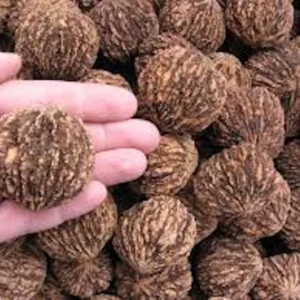
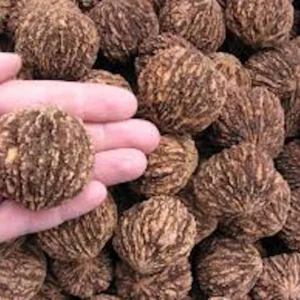
These black walnut tree seeds are relatively small and hard, typically measuring between 1.5–2.5 inches in diameter. Each seed is enclosed by a thick, hard, corrugated brown inner shell, which is then surrounded by a green, semi-fleshy husk that blackens as the fruit ripens. The seeds are sweet and oil-rich, making them highly desirable for culinary uses. Black walnut trees begin to produce nuts after 12–15 years, with the whole fruit falling in October. These seeds provide the opportunity to cultivate a tree that can eventually reach up to 35 meters in height with a broad crown, though they can be narrower in woodland settings. The bark is smooth and olive-brown when young, developing fissures and fading to silver-grey with age. Our fresh walnut seeds are provided ready for planting to help you start your grove.
Frequently Asked Questions
- Q: How big does a Black Walnut tree get? A: A black walnut tree can grow up to 35 meters (approximately 115 feet) tall with a broad crown, though its size can be narrower if grown in a woodland environment.
- Q: What size are the Black Walnut tree seeds? A: The black walnut tree seeds themselves are relatively small and hard, usually measuring between 1.5–2.5 inches in diameter, encased within a shell and husk.
- Q: Is this an indoor or outdoor plant? A: The black walnut tree is an outdoor tree, suitable for planting in gardens, farms, or forested areas. It is not an indoor plant.
- Q: How much sunlight does it need? A: Black walnut trees require full sun, meaning at least 6-8 hours of direct sunlight per day, for optimal growth and nut production.
- Q: Is growing Black Walnut from seed easy for beginners? A: While growing trees from seed requires patience, planting juglans nigra seeds is a straightforward process, especially if you follow the recommended fall planting and care instructions.
- Q: How long until it produces nuts? A: Black walnut trees typically begin to produce nuts after 12–15 years from planting. The nuts usually fall in October.
- Q: When is the best time to plant Black Walnut tree seeds? A: The best time to plant black walnut tree seeds is in the fall, about 2 inches deep in moist soil. This allows for natural stratification over winter.
- Q: What condition will the seeds arrive in? A: Our fresh walnut seeds are shipped fresh and ready for planting, ensuring the best possible start for your cultivation efforts.
- Q: Can I use the nuts from my Black Walnut tree for baking? A: Yes, black walnut tree nuts are highly sought after for their rich flavor and are excellent for use in baked goods, ice cream, and other culinary creations.
- Q: What kind of soil is best for Black Walnut seeds? A: Black walnuts prefer deep, rich, well-draining soil with a pH between 6.0 and 7.0. Avoid overly wet or compacted soil conditions.
| Qty | 1 Lb., 10 Lb., 2 Lb., 3 Lb., 5 Lb. |
|---|
Related products
-20%
Original price was: $40.00.$32.00Current price is: $32.00.
-50%


Original price was: $23.96.$11.98Current price is: $11.98.
-20%
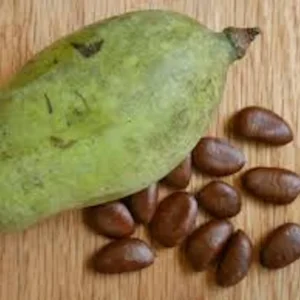
Original price was: $38.00.$30.40Current price is: $30.40.
-20%
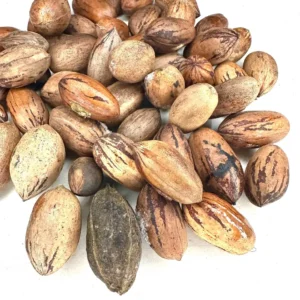
Original price was: $17.98.$14.38Current price is: $14.38.
-20%

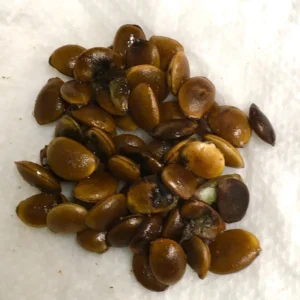
Original price was: $25.00.$20.00Current price is: $20.00.
-20%
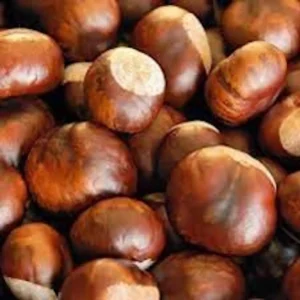
Original price was: $19.98.$15.98Current price is: $15.98.
-50%
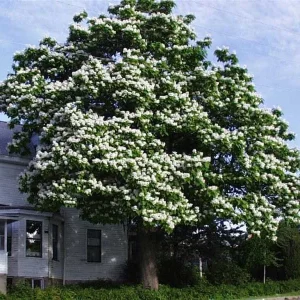
Original price was: $19.96.$9.98Current price is: $9.98.
-50%

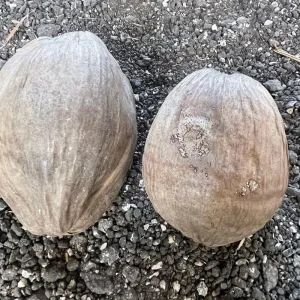
Original price was: $143.96.$71.98Current price is: $71.98.
PLANTING & CARE

Growing Glencoe Raspberry: A Complete Guide for Gardeners
If you’re looking to add something unique to your garden, look no further than the
31
Mar
Mar

The Comprehensive Guide to Growing Bay Leaf Plants for a Flavorful Garden
Imagine stepping into your garden, greeted by the earthy aroma of fresh bay leaves, their
09
Feb
Feb

How to Make Comfrey Tea: The Ultimate Organic Plant Food
Growing an organic garden can be surprisingly expensive, especially when most store-bought fertilizers come in
02
Feb
Feb

True Comfrey: 7 Essential Tips Before You Plant This Herb
A staple in permaculture practices across the US, True Comfrey easily earns its reputation as
27
Jan
Jan

7 Heart-Shaped Plants for a Lasting Valentine’s Gift
If you’ve ever bought a bouquet of roses for Valentine’s Day, you know they are
26
Jan
Jan

Best Types of Ivy Plant for Houses: How to Choose the Perfect Ones for Your Home
Are you a garden lover looking to introduce some greenery into your home? Maybe you’ve
14
Nov
Nov

When to Harvest Garlic (Especially Fall-Planted Garlic)
TIMING IS EVERYTHING, they say – and for garlic, that truth hits with surprising accuracy.
13
Nov
Nov

11 of the Best Sweet Potato Varieties to Grow for Your Garden
If you’ve ever tried growing sweet potatoes, you know that picking the right variety can
12
Nov
Nov