Blackberry Jam Fruit Randia Formosa Live Plant, Tropical Tree, 1-3 inches tall, 2.5” Pot
-50%
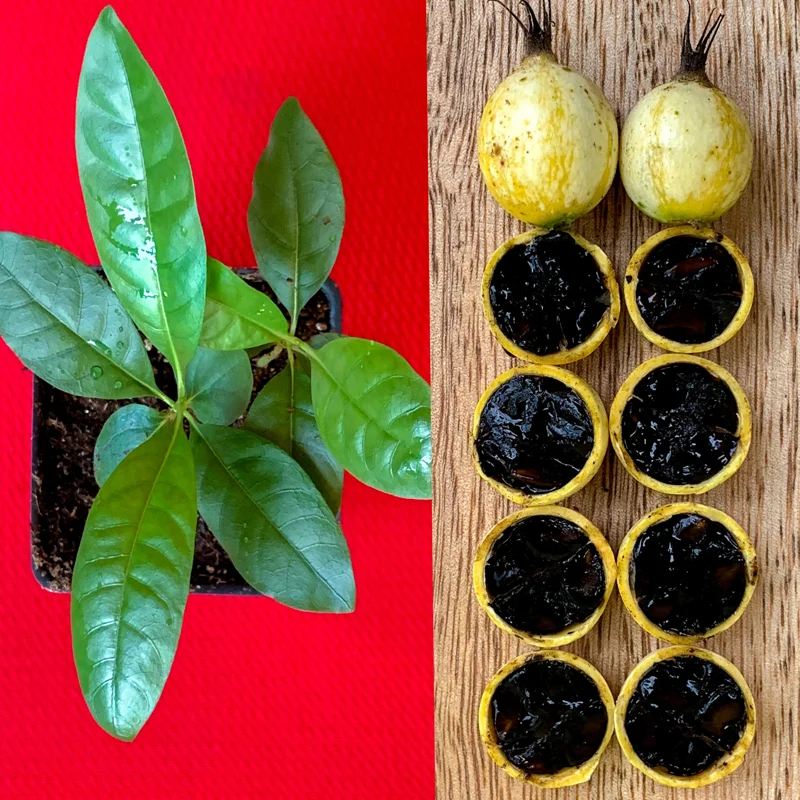
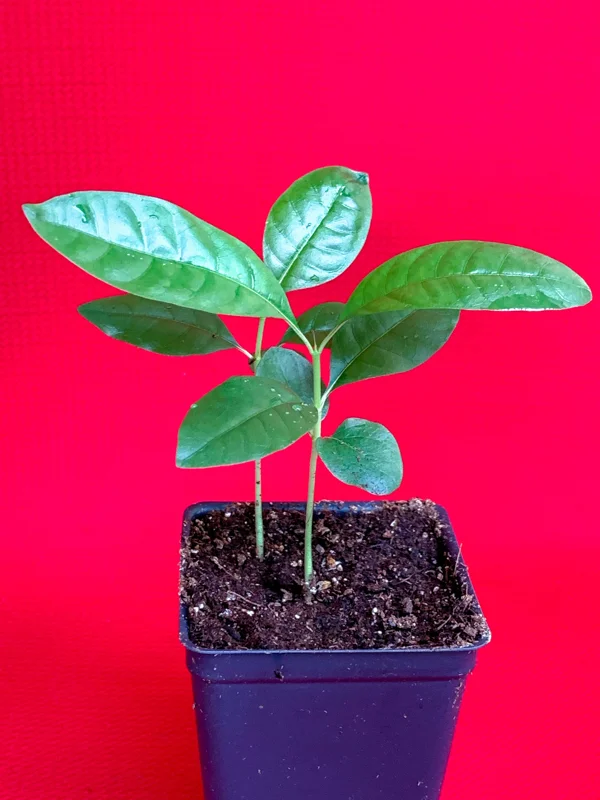
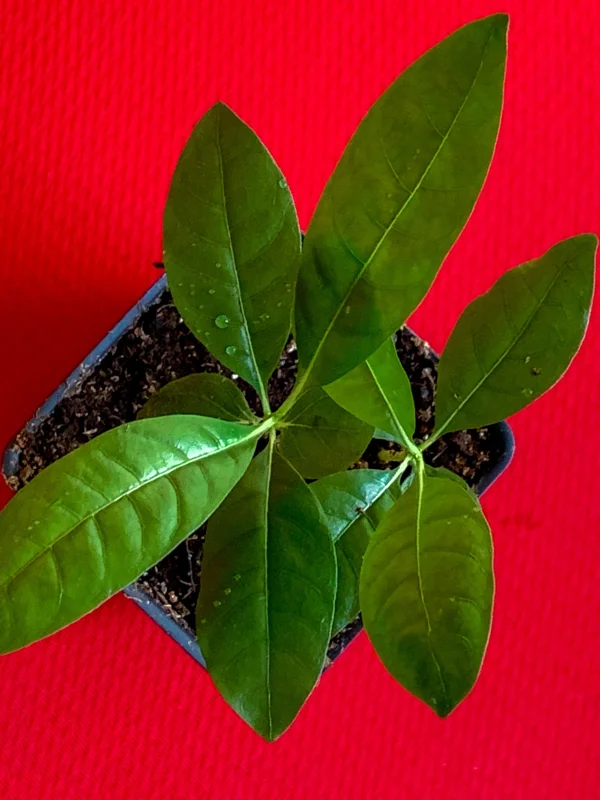
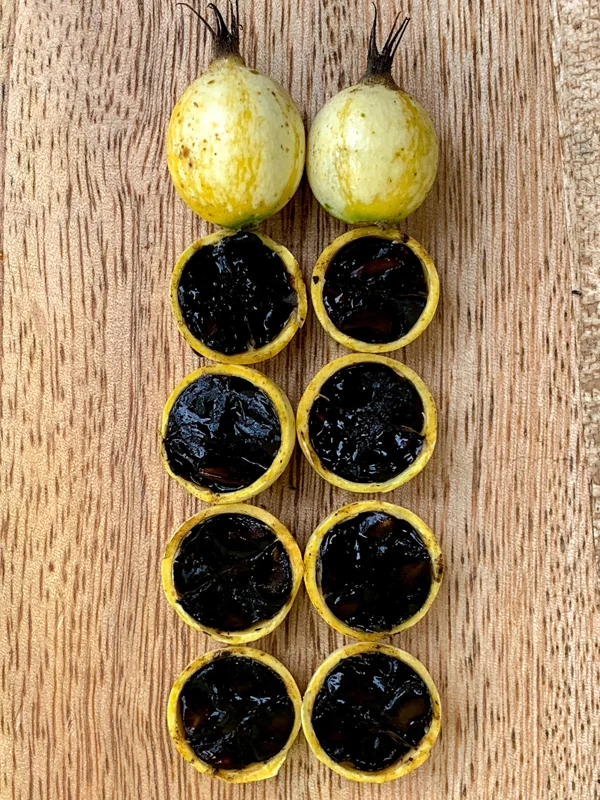
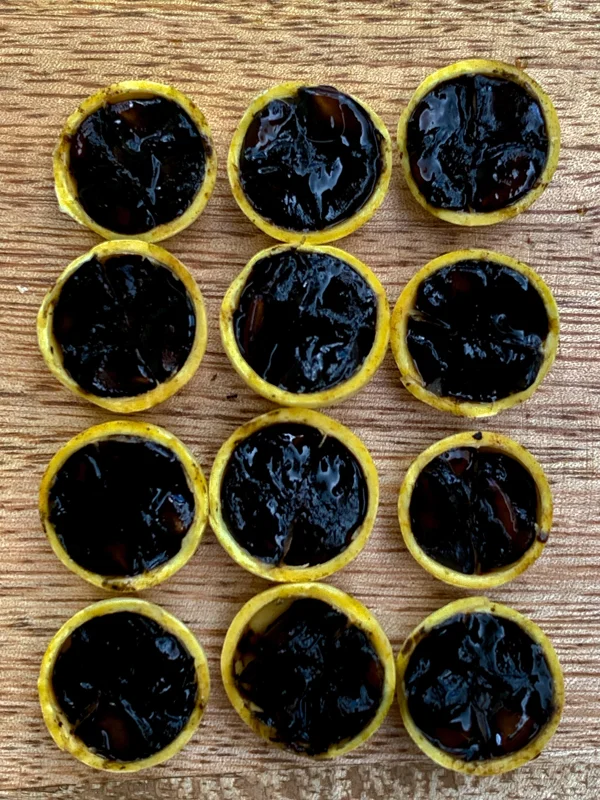
Blackberry Jam Fruit Randia Formosa Live Plant, Tropical Tree, 1-3 inches tall, 2.5” Pot
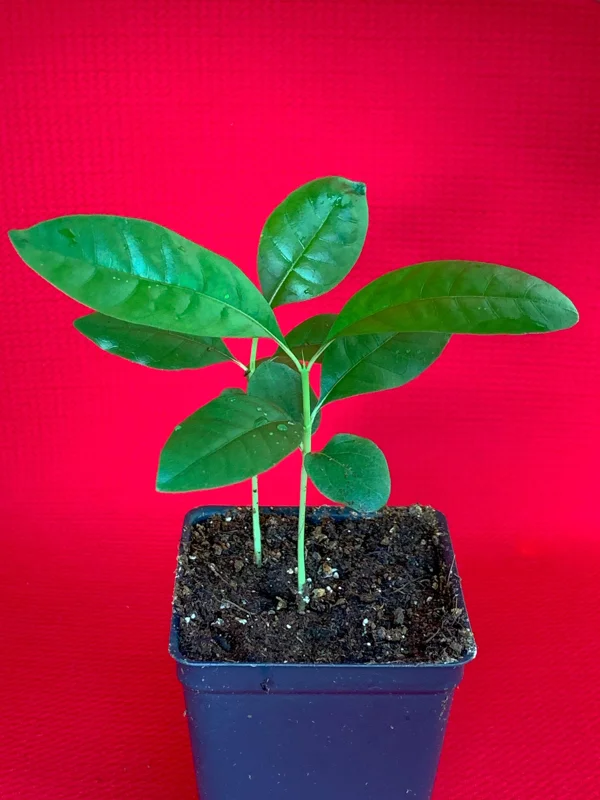
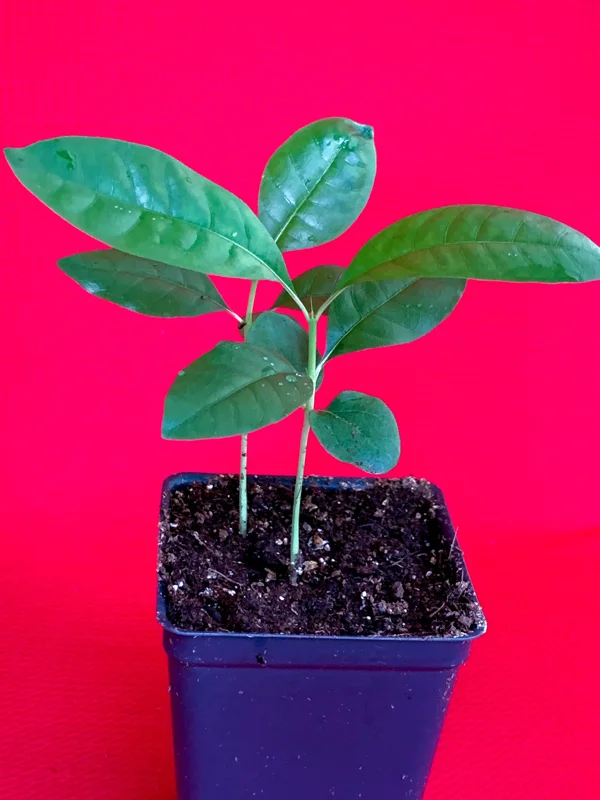
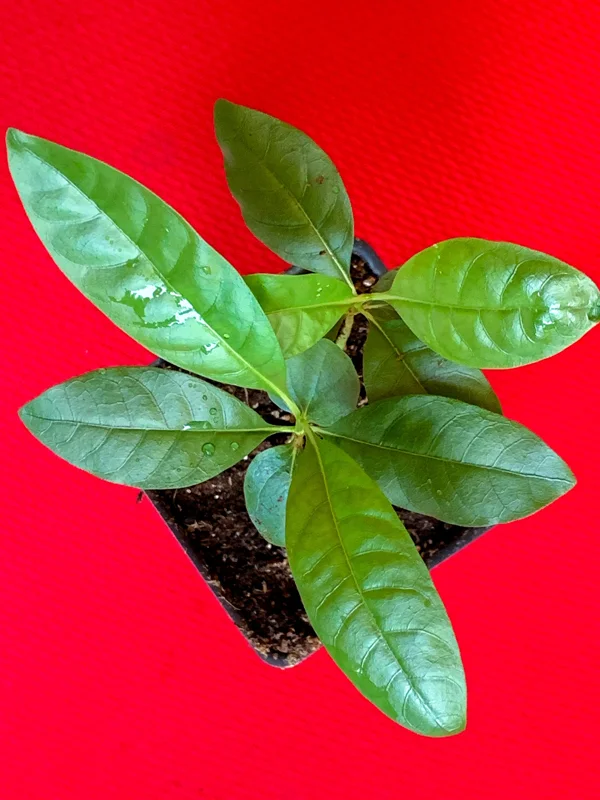
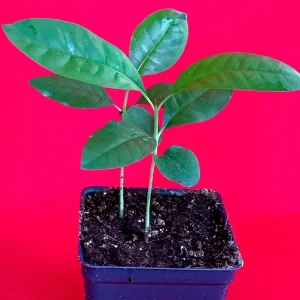
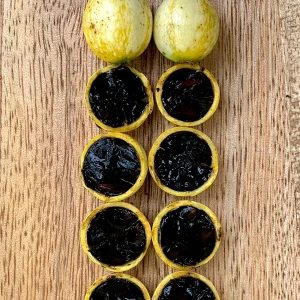
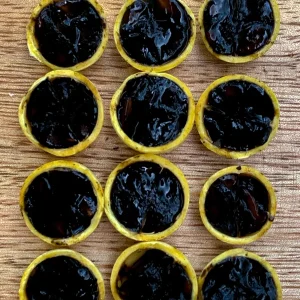
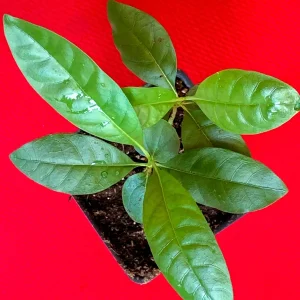
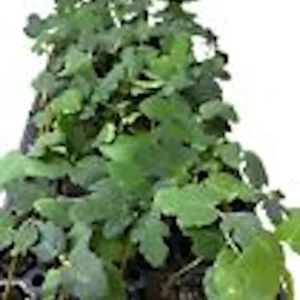
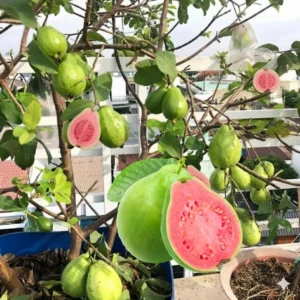
Cultivate your own unique Blackberry Jam Fruit live plant (Randia formosa), a tropical seedling tree known for its delicious, jam-like fruit and fragrant white flowers. This starter plant is 1-3 inches tall and comes in a 2.5” square pot, ready to grow into a productive shrub or miniature tree. Enjoy fresh, exotic fruit from your own garden or container.
Original price was: $45.86.$22.93Current price is: $22.93.

With our Alive & Thrive Guarantee, we’ve got your back for the first 30 days! If you have any concerns about your plants, just reach out to us. Our team is here to help answer your questions and guide you in selecting the best plants for your garden, climate, and unique preferences. We're excited to help you create the garden of your dreams!
Estimated arrival
Apr 13
Apr 18 - Apr 20
Apr 23 - Apr 27
Product Details
-
USDA Hardiness Zone
USDA zones 9-11 -
Soil type
Well-draining, rich loamy soil -
Sunlight Exposure
Partial shade to bright indirect light, with gradual acclimation to more sun -
Expected Planting Period
Year-round indoors; spring to summer outdoors in suitable climates
Overview
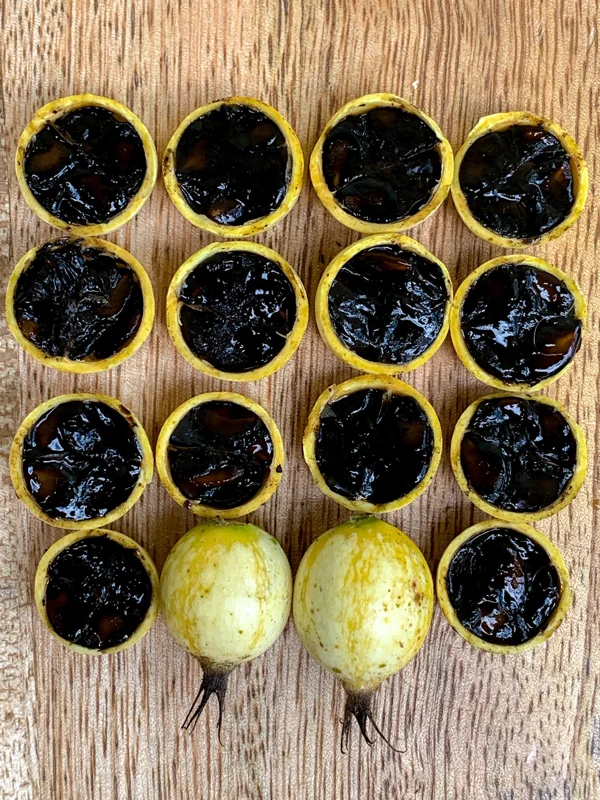
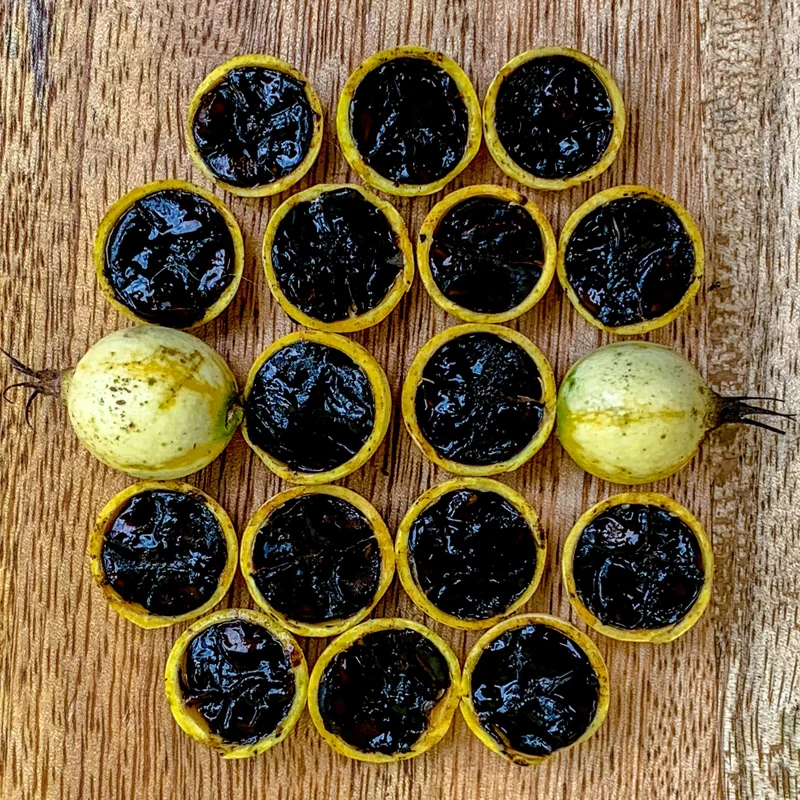
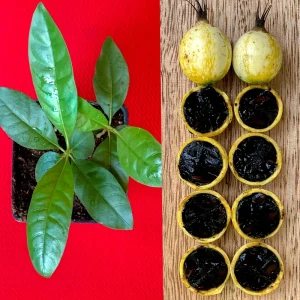
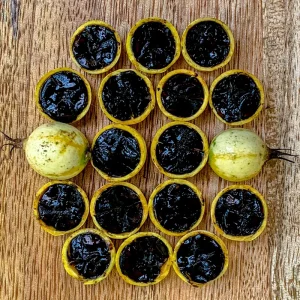
Introducing the remarkable Blackberry Jam Fruit live plant, scientifically known as Randia formosa, also affectionately called Jasmin de Rosa tree. This rare tropical to subtropical fruit plant is a must-have for any fruit enthusiast or gardener looking to add an exotic touch to their collection. Originating from tropical regions, this plant is renowned for its small, evergreen bushy shrub habit and its incredibly unique fruit, which boasts a flavor strikingly similar to blackberry jam. Our offering is a young Randia Formosa tropical plant seedling, 1-3 inches tall, provided in a 2.5” square pot, perfect for nurturing into a thriving fruiting specimen. It’s an ideal choice for both in-ground cultivation in warmer climates and container growing in cooler zones, where it can be brought indoors during colder months.
The Blackberry Jam Fruit live plant not only provides delicious fruit but also adds ornamental value with its beautiful, fragrant blossoms. Related to gardenias, it produces star-shaped, tubular white flowers that release a delightful aroma, particularly during its fall/winter blooming period. This allows gardeners to enjoy both the visual appeal and the sweet scent when many other plants are dormant. The plant starts fruiting at a young age, often within 1-1.5 years from seed, making it a rewarding addition to your edible landscape.
Key Benefits
The Blackberry Jam Fruit live plant offers a multitude of benefits, from its unique fruit to its ornamental qualities, making it a highly desirable addition to any garden or patio. Its adaptability to container growing also makes it accessible to a wider range of gardeners.
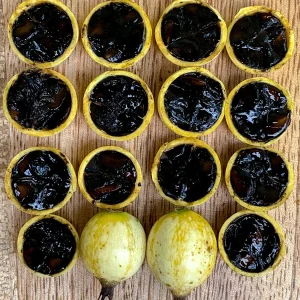
- Unique Edible Fruit: Enjoy fresh fruit with a pulp that tastes exactly like blackberry jam, offering a truly exotic and delicious experience directly from your garden. This edible tropical fruit is a rare treat.
- Fragrant Blooms: Produces beautiful 1.5-2 inch star-shaped, tubular white flowers that are highly fragrant, adding a sweet aroma to your outdoor or indoor space.
- Early & Heavy Fruiting: This plant starts fruiting at a young age (1-1.5 years from seed) and is a heavy producer, with small plants capable of bearing 25-30 fruits simultaneously.
- Extended Blooming/Fruiting Season: The blooming and fruiting period continues for several months, with new flowers appearing as the first fruits begin to ripen, ensuring a continuous harvest.
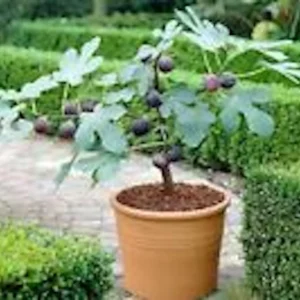
- Compact Growth Habit: Grows as a small evergreen bushy shrub, typically 4-5 ft tall in the ground and 3-4 ft in containers, making it suitable for smaller gardens, patios, or even indoors.
- Ornamental Appeal: Beyond its fruit, the attractive foliage and fragrant flowers make it a beautiful ornamental shrub, enhancing the aesthetic of your living space.
- Fall/Winter Production: As a fall/winter bloomer, it provides fragrance and fruit during off-seasons when other plants are not producing, extending your garden’s interest.
Plant Care & Growing Tips
Caring for your Blackberry Jam Fruit live plant involves understanding its tropical needs to ensure healthy growth and abundant fruiting. When your young Randia Formosa tropical plant arrives, it will need a period of adjustment. Place it in a spot with moderate temperatures (70-80°F) and good light, but absolutely no direct sun for the first two weeks. Full shade is recommended initially to prevent burning of the small leaves as they acclimate from shipping in darkness. Gradually increase its exposure to sunlight and outdoor conditions if you plan to plant it in the garden. Avoid transplanting or fertilizing for the first week or two to allow it to settle into its new environment.
For optimal growth, the Blackberry Jam Fruit live plant thrives in well-draining soil. A rich, loamy potting mix is ideal for container growing. Ensure consistent moisture without overwatering; allow the top inch of soil to dry out slightly between waterings. This fragrant flowering shrub prefers warm temperatures and can be sensitive to cold. Protect it from temperatures below 60°F, as this can cause damage. If growing in a container, consider bringing it indoors or providing frost protection during colder months. Fertilize regularly during the growing season with a balanced, slow-release fertilizer designed for fruiting plants. Pruning can be done to maintain its desired shape and size, and to encourage bushier growth and more fruit production.
While generally hardy, monitor your edible tropical fruit plant for common pests and diseases, addressing any issues promptly. Adequate air circulation is also important, especially for indoor plants, to prevent fungal problems. With proper care, your Jasmin de Rosa tree will reward you with delicious fruit and beautiful, fragrant blooms for years to come.
Size & Details
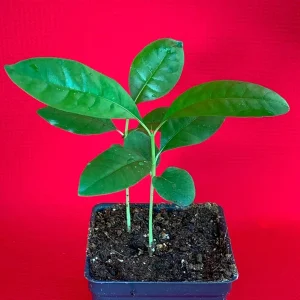
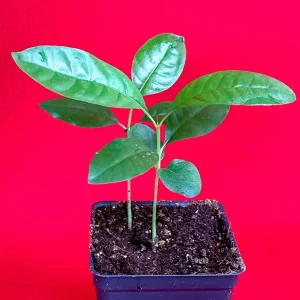
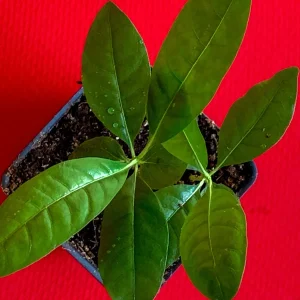
This offering is for one Blackberry Jam Fruit live plant, a tropical seedling tree starter plant, measuring 1-3 inches tall (pot height not included). It is supplied in a 2.5” square pot, providing a healthy root system ready for transplanting. This compact size makes it easy to ship and allows you to watch your plant grow from a young age. The Randia Formosa tropical plant is known for its relatively fast growth, and plants in 1-3 gallon containers can start blooming and fruiting once they reach about 2 feet tall. It can be grown as a small evergreen bushy shrub, typically reaching 4-5 ft tall in the ground or 3-4 ft in a container, and can also be trained into a miniature tree.
The plant is organically grown, ensuring a healthy start for your garden. Expect prolific fruiting; a small 3 ft plant in a 3-gallon container can bear as many as 25-30 fruits at a time. The blooming and fruiting period extends for several months, with new flowers continually appearing as the first fruits ripen, providing a long season of enjoyment. This particular specimen is a seedling, meaning there might be slight variations from the parent tree, adding to its unique charm.
Frequently Asked Questions
- Q: How big does this plant get? A: The Blackberry Jam Fruit live plant typically grows into a small evergreen bushy shrub, reaching 4-5 feet tall in the ground and 3-4 feet in a container. It can also be trained as a miniature tree.
- Q: What size pot does it come in? A: This Randia Formosa tropical plant is supplied as a starter seedling in a 2.5-inch square pot. You will need to transplant it into a larger pot as it grows.
- Q: Is this an indoor or outdoor plant? A: It can be grown both indoors and outdoors. In tropical and subtropical climates, it thrives outdoors. In cooler regions, it can be grown in containers and brought indoors during cold weather.
- Q: How much sunlight does it need? A: This plant prefers good light but should be protected from direct, harsh sun, especially when it’s young or after shipping. Gradually acclimate it to brighter conditions; full shade is recommended for the first two weeks post-arrival.
- Q: Is this plant easy to care for? A: With attention to its temperature and watering needs, the Blackberry Jam Fruit live plant is relatively easy to care for. It’s a rewarding plant for those who can provide consistent warmth and moisture.
- Q: What condition will it arrive in? A: You are purchasing a 1-3 inch tall tropical seedling starter plant in a 2.5” square pot. It will be a live, healthy plant ready for acclimation and growth.
- Q: How long until it blooms and fruits? A: This edible tropical fruit plant starts fruiting at a young age, typically 1-1.5 years from seed. Container plants usually begin blooming and fruiting when they reach about 2 feet in height.
- Q: What’s the minimum temperature this plant can tolerate? A: The Blackberry Jam Fruit live plant is sensitive to cold. Temperatures below 60°F can result in plant damage, so protection or indoor relocation is essential in colder climates.
- Q: Does the fruit really taste like blackberry jam? A: Yes, the fresh pulp of the fruit is widely described as tasting exactly like blackberry jam, offering a unique and delicious flavor experience.
- Q: Is the Randia formosa plant related to gardenias? A: Yes, the Jasmin de Rosa tree is closely related to gardenia, which is evident in its fragrant, star-shaped white flowers.
Related products
-10%
Original price was: $28.99.$26.09Current price is: $26.09.
-20%
Original price was: $80.00.$64.00Current price is: $64.00.
-20%
Original price was: $56.00.$44.80Current price is: $44.80.
-20%
Original price was: $32.00.$25.60Current price is: $25.60.
-20%
Original price was: $60.00.$48.00Current price is: $48.00.
-10%
Original price was: $48.99.$44.09Current price is: $44.09.
-20%
Original price was: $80.00.$64.00Current price is: $64.00.
PLANTING & CARE

Growing Glencoe Raspberry: A Complete Guide for Gardeners
If you’re looking to add something unique to your garden, look no further than the
31
Mar
Mar

The Comprehensive Guide to Growing Bay Leaf Plants for a Flavorful Garden
Imagine stepping into your garden, greeted by the earthy aroma of fresh bay leaves, their
09
Feb
Feb

How to Make Comfrey Tea: The Ultimate Organic Plant Food
Growing an organic garden can be surprisingly expensive, especially when most store-bought fertilizers come in
02
Feb
Feb

True Comfrey: 7 Essential Tips Before You Plant This Herb
A staple in permaculture practices across the US, True Comfrey easily earns its reputation as
27
Jan
Jan

7 Heart-Shaped Plants for a Lasting Valentine’s Gift
If you’ve ever bought a bouquet of roses for Valentine’s Day, you know they are
26
Jan
Jan

Best Types of Ivy Plant for Houses: How to Choose the Perfect Ones for Your Home
Are you a garden lover looking to introduce some greenery into your home? Maybe you’ve
14
Nov
Nov

When to Harvest Garlic (Especially Fall-Planted Garlic)
TIMING IS EVERYTHING, they say – and for garlic, that truth hits with surprising accuracy.
13
Nov
Nov

11 of the Best Sweet Potato Varieties to Grow for Your Garden
If you’ve ever tried growing sweet potatoes, you know that picking the right variety can
12
Nov
Nov