Blue African Violet Live Plant – Blooming Houseplant – 3-5″ Tall, 4″ Pot
-10%
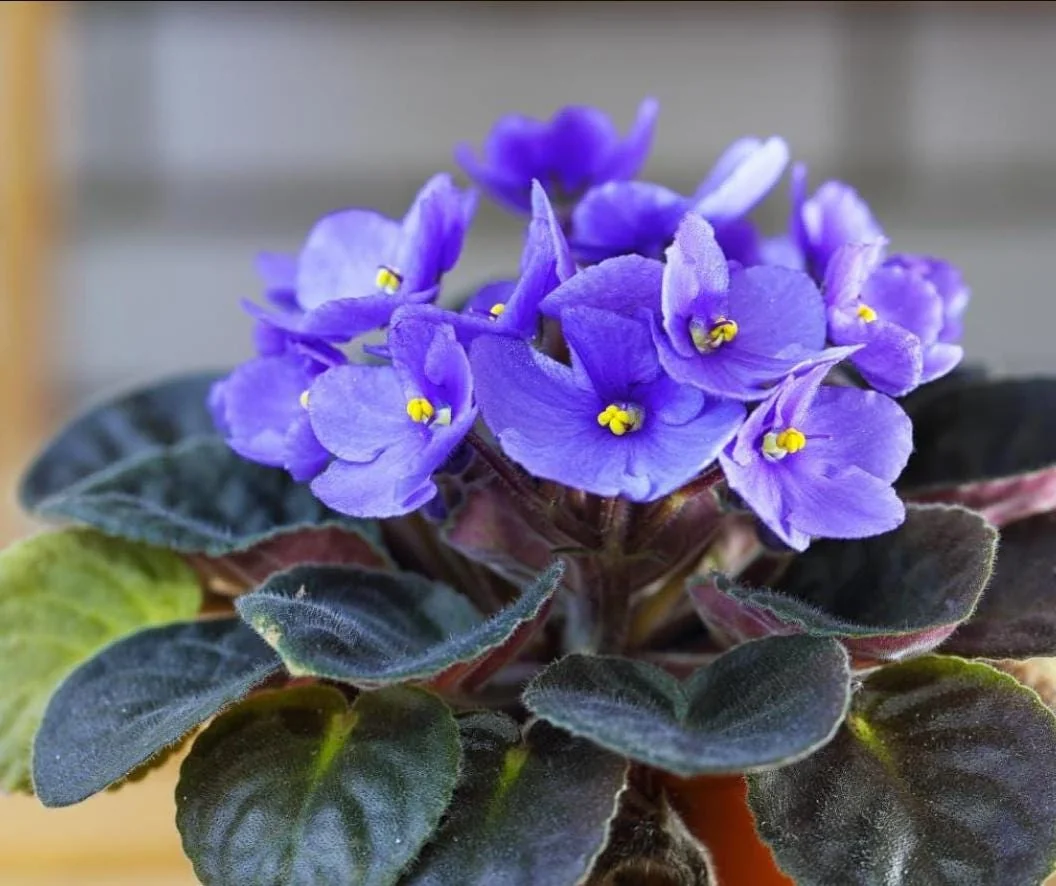
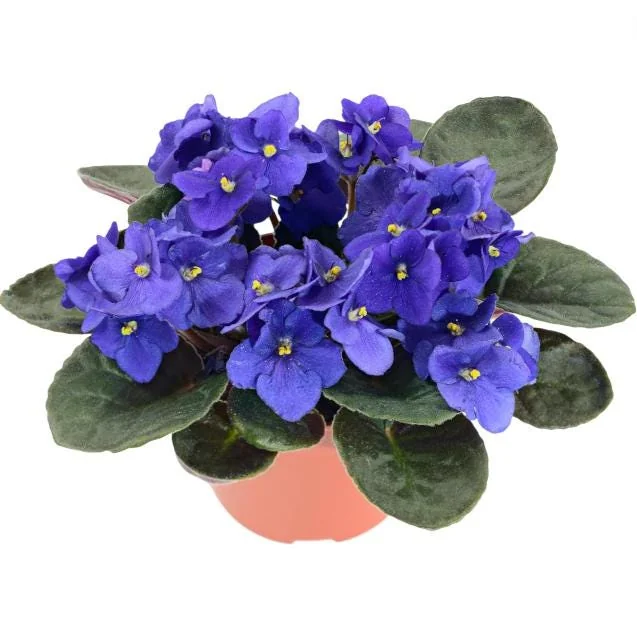
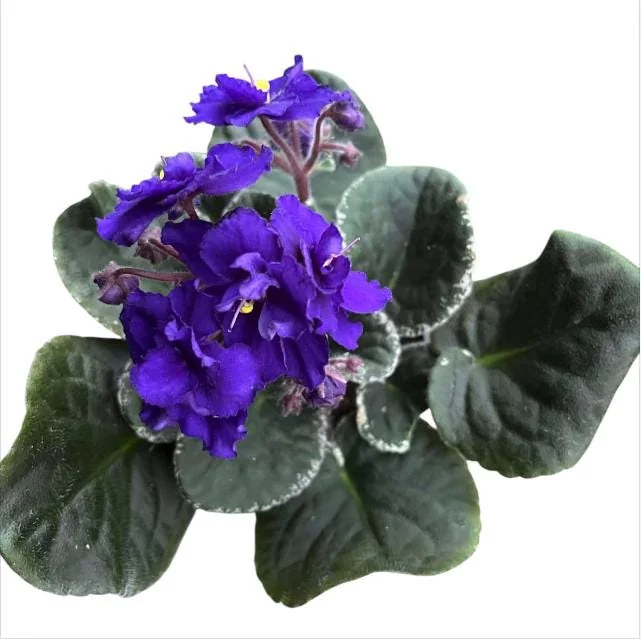
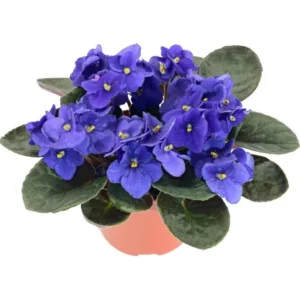
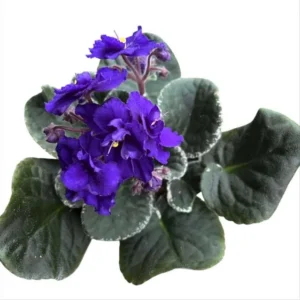
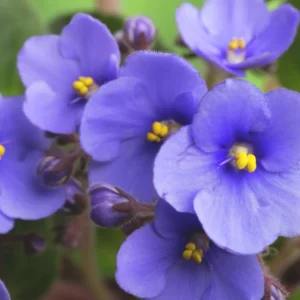
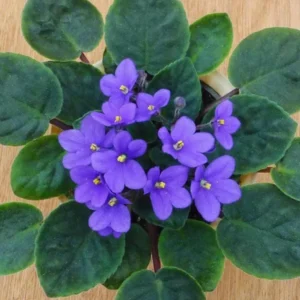
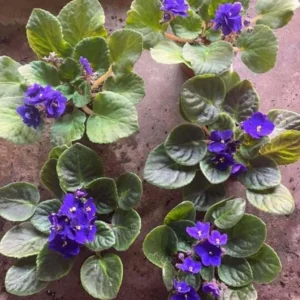
Blue African Violet Live Plant – Blooming Houseplant – 3-5″ Tall, 4″ Pot
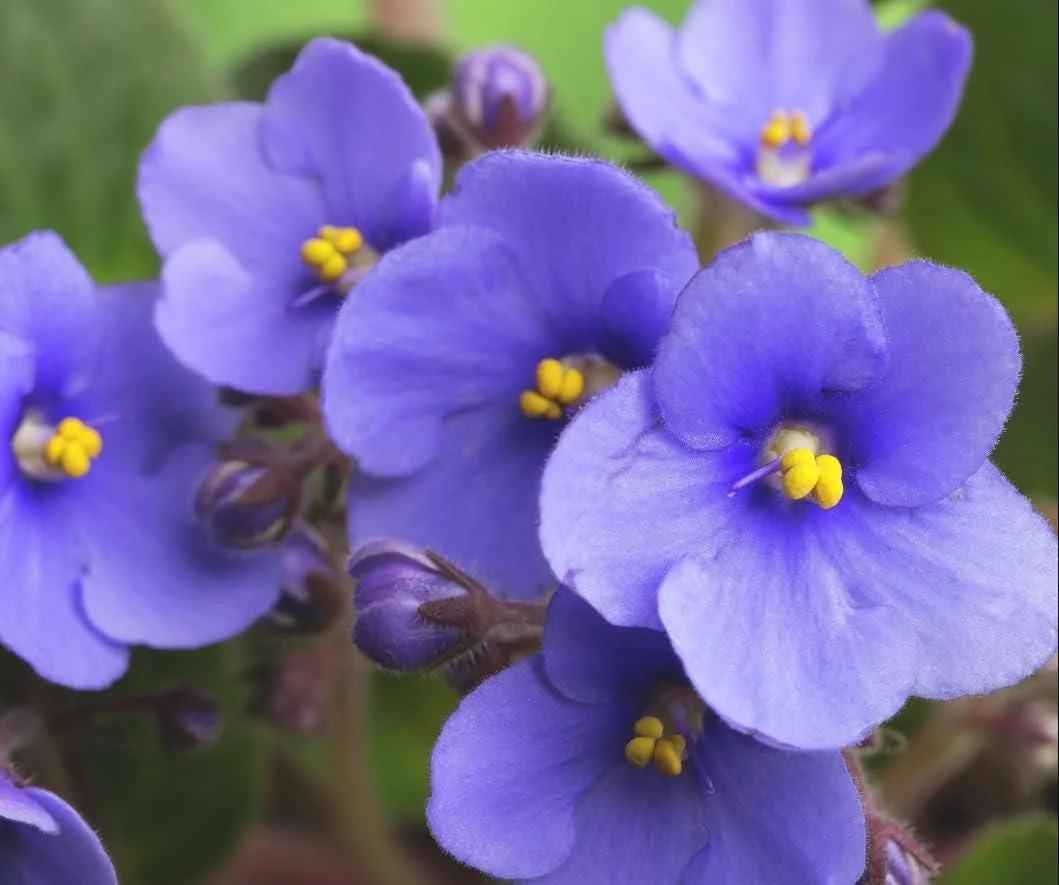
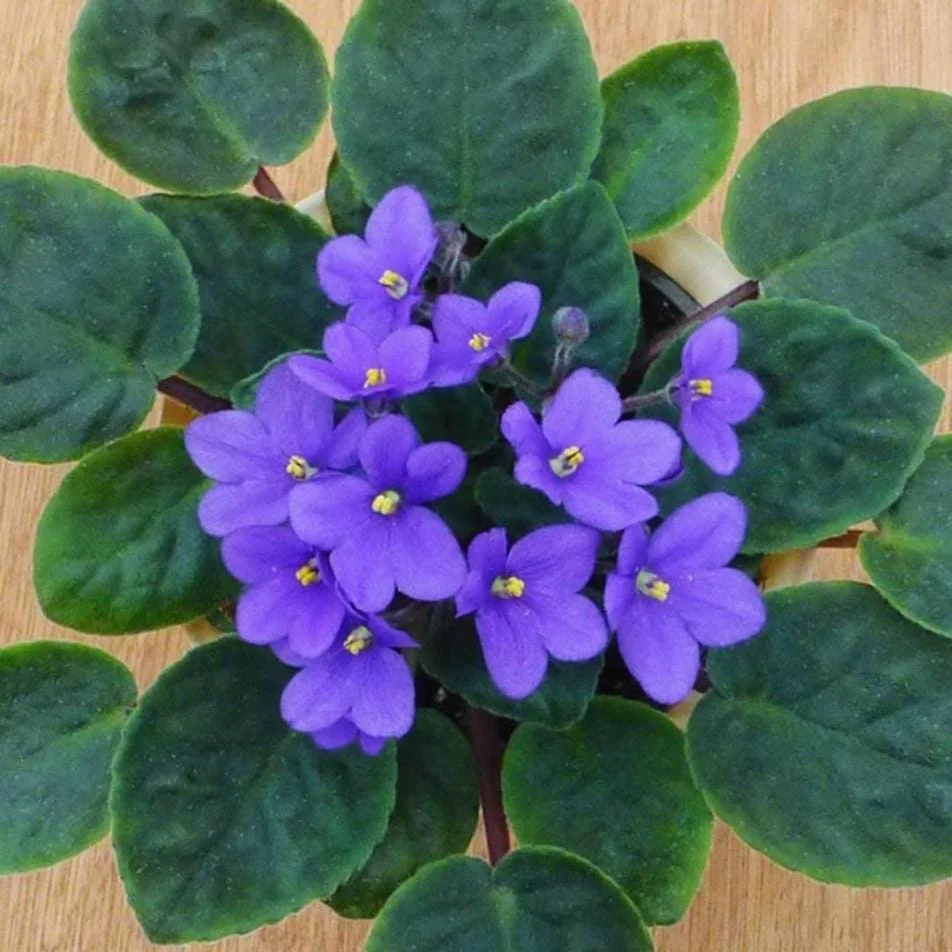
Bring home a stunning blue African Violet live plant, a perfect addition to any indoor space. This vibrant blooming houseplant, supplied in a 4″ pot, is known for its beautiful flowers and relatively easy care, making it an ideal choice for both novice and experienced plant enthusiasts. Enjoy the charm of an indoor African Violet that provides continuous color.
Original price was: $24.99.$22.49Current price is: $22.49.

With our Alive & Thrive Guarantee, we’ve got your back for the first 30 days! If you have any concerns about your plants, just reach out to us. Our team is here to help answer your questions and guide you in selecting the best plants for your garden, climate, and unique preferences. We're excited to help you create the garden of your dreams!
Estimated arrival
Apr 01
Apr 06 - Apr 08
Apr 11 - Apr 15
Product Details
-
USDA Hardiness Zone
Year-round indoors -
Soil type
Well-draining, fertile soil -
Sunlight Exposure
Bright indirect light / Partial shade -
Expected Planting Period
Year-round indoors
Overview
Introduce a touch of elegance and vibrant color to your home with our exquisite blue African Violet live plant. This beautiful flowering plant, scientifically known as Saintpaulia, is renowned for its captivating blue blooms and lush foliage, making it a beloved choice among indoor plant enthusiasts. Each African Violet for sale arrives as a healthy, well-rooted starter plant, typically measuring 3-5 inches tall and housed in a 4-inch nursery pot. While your plant may not be in bloom upon arrival, it is poised to flourish and produce its spectacular blue flowers with proper care. African Violets are cherished for their ability to bloom almost continuously under ideal conditions, bringing consistent beauty to any room. Their compact size makes them perfect for windowsills, desks, or shelves, adding a pop of natural charm without taking up too much space. Embrace the joy of nurturing an indoor African Violet and watch it transform your living space.
Key Benefits
Owning a blue African Violet live plant offers numerous advantages, enhancing both your home decor and overall well-being. These delightful plants are more than just pretty faces; they are known for their continuous blooming and compact growth habit.
- Continuous Blooming: With proper care, your blue African Violet live plant can produce stunning blue flowers almost year-round, providing a consistent source of natural beauty and color in your home. This makes it a rewarding plant for those who love vibrant floral displays.
- Compact Size: Ideal for small spaces, these African Violets remain compact, making them perfect for windowsills, office desks, bookshelves, or as a charming centerpiece. They offer significant visual impact without demanding much room.
- Air Purification: Like many houseplants, African Violets contribute to a healthier indoor environment by helping to filter airborne toxins and refresh the air. This makes them a beneficial addition to any living space.
- Stress Reduction: The act of caring for plants and observing their growth and bloom can be a calming and meditative experience, contributing to a reduction in stress and an increase in overall well-being. An indoor African Violet brings tranquility.
- Easy to Propagate: African Violets are relatively easy to propagate from leaf cuttings, allowing you to expand your collection or share these beautiful plants with friends and family.
- Versatile Decor: The vibrant blue flowers and attractive foliage complement a wide range of interior design styles, from modern to classic, adding a sophisticated and natural touch to any room. This blooming houseplant truly enhances your home.
- Beginner-Friendly: While they have specific care needs, once understood, African Violets are quite forgiving and can be a great choice for beginner plant parents looking for a rewarding flowering plant. Learning proper African Violet care is straightforward.
Plant Care & Growing Tips
Ensuring your blue African Violet live plant thrives requires attention to a few key environmental factors. These plants prefer consistent conditions to produce their best blooms. For optimal growth, provide partial shade to full sun. When grown outdoors in hot climates, it’s crucial to provide afternoon shade to prevent wilting and leaf scorch. Indoors, place your indoor African Violet near a bright window that receives indirect light, as direct, harsh sunlight can burn their delicate leaves. A north or east-facing window is often ideal. Maintaining the right temperature is also vital; African Violets thrive in cool to mild temperatures, with an ideal range of 50–70°F (10–21°C). They can tolerate light frost but will struggle in extreme heat, so protect them from drafts and sudden temperature changes.
Watering correctly is one of the most important aspects of good African Violet care. Keep the soil consistently moist but never soggy. It’s best to water when the topsoil feels dry to the touch. Avoid overhead watering, as getting water on the leaves can lead to unsightly spots or fungal diseases; instead, water from the bottom or carefully pour water directly onto the soil. Use well-draining, fertile soil that is slightly acidic to neutral in pH. Incorporating compost can greatly benefit the plant by improving soil structure and providing essential nutrients for healthy growth and more prolific blooms. Fertilize every 2-4 weeks during the growing season with a balanced liquid fertilizer specifically formulated for African Violets. Regularly remove spent blooms and yellowing leaves to encourage new growth and maintain the plant’s aesthetic appeal. Protecting your blooming houseplant from pests like mealybugs and spider mites through regular inspection and prompt treatment is also crucial for its long-term health.
Size & Details
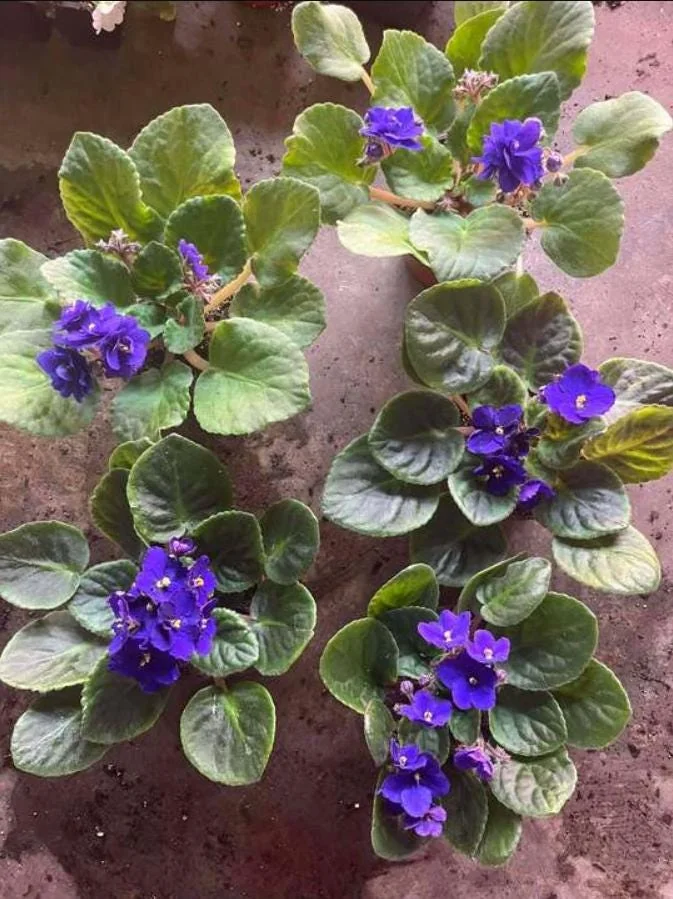
This offering includes one healthy blue African Violet live plant, which will arrive well-rooted in soil and cultivated in a nursery pot. Each starter plant typically measures between 3 to 5 inches in height from the base of the soil to the top of the foliage. It is housed in a standard 4-inch nursery pot, providing ample space for its initial growth. Please note that while the photos display mature plants for reference, your plant is a young starter and may not have flowers upon arrival. With proper African Violet care, you can expect this plant to reach its mature size and begin blooming within a few months, offering a continuous display of beautiful blue flowers. The compact nature of this indoor African Violet makes it an excellent choice for various indoor settings, offering a moderate growth rate and a mature size that remains manageable for tabletops and windowsills.
Frequently Asked Questions
- Q: How big does this plant get? A: Your blue African Violet live plant will arrive 3-5 inches tall in a 4-inch pot. When mature, most African Violets typically reach a diameter of 6-10 inches, making them perfect compact houseplants.
- Q: What size pot does it come in? A: Each African Violet for sale is shipped in a 4-inch nursery pot, ready for you to place in a decorative container or repot as it grows. This size is ideal for a young starter plant.
- Q: Is this an indoor or outdoor plant? A: The African Violet is primarily an indoor African Violet. While it can tolerate partial shade outdoors in very mild climates, it thrives best indoors where temperatures and humidity can be controlled, protecting it from extreme weather.
- Q: How much sunlight does it need? A: This blooming houseplant prefers bright, indirect light. Place it near a north or east-facing window, or use sheer curtains to diffuse light from a brighter window. Avoid direct afternoon sun, which can scorch its leaves.
- Q: Is this plant easy to care for? A: With a clear understanding of its needs, the African Violet is considered relatively easy to care for. Consistent watering, appropriate light, and stable temperatures are key to successful African Violet care.
- Q: What condition will it arrive in? A: You will receive one healthy, well-rooted blue African Violet live plant in a nursery pot. It will be carefully packaged to ensure it arrives in good condition, though it may not be in bloom initially.
- Q: How long until it blooms? A: As a young starter plant, your African Violet may take several weeks to a few months to begin blooming, depending on its growing conditions and maturity. With good care, they are known for their prolific and continuous blooming cycles.
- Q: What’s the minimum temperature this plant can tolerate? A: African Violets thrive in temperatures between 50–70°F (10–21°C). They are sensitive to cold and should not be exposed to temperatures below 50°F (10°C) for extended periods to avoid damage.
- Q: Is this African Violet for sale pet-safe? A: African Violets are generally considered non-toxic to cats and dogs, making them a safe choice for homes with pets. However, it’s always best to discourage pets from chewing on any houseplant.
- Q: How often should I water my African Violet? A: Water your blue African Violet live plant when the topsoil feels dry to the touch. It’s crucial to avoid overwatering, which can lead to root rot. Watering from the bottom or directly onto the soil surface is recommended.
Related products
-50%
Original price was: $39.98.$19.98Current price is: $19.98.
-25%
Original price was: $23.80.$17.84Current price is: $17.84.
-30%
Original price was: $129.98.$90.98Current price is: $90.98.
PLANTING & CARE

Growing Glencoe Raspberry: A Complete Guide for Gardeners
If you’re looking to add something unique to your garden, look no further than the
31
Mar
Mar

The Comprehensive Guide to Growing Bay Leaf Plants for a Flavorful Garden
Imagine stepping into your garden, greeted by the earthy aroma of fresh bay leaves, their
09
Feb
Feb

How to Make Comfrey Tea: The Ultimate Organic Plant Food
Growing an organic garden can be surprisingly expensive, especially when most store-bought fertilizers come in
02
Feb
Feb

True Comfrey: 7 Essential Tips Before You Plant This Herb
A staple in permaculture practices across the US, True Comfrey easily earns its reputation as
27
Jan
Jan

7 Heart-Shaped Plants for a Lasting Valentine’s Gift
If you’ve ever bought a bouquet of roses for Valentine’s Day, you know they are
26
Jan
Jan

Best Types of Ivy Plant for Houses: How to Choose the Perfect Ones for Your Home
Are you a garden lover looking to introduce some greenery into your home? Maybe you’ve
14
Nov
Nov

When to Harvest Garlic (Especially Fall-Planted Garlic)
TIMING IS EVERYTHING, they say – and for garlic, that truth hits with surprising accuracy.
13
Nov
Nov

11 of the Best Sweet Potato Varieties to Grow for Your Garden
If you’ve ever tried growing sweet potatoes, you know that picking the right variety can
12
Nov
Nov