Blue Candle Cactus Live Plant – Myrtillocactus geometrizans – 4 inch pot
-29%
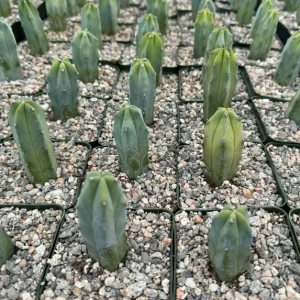
Blue Candle Cactus Live Plant – Myrtillocactus geometrizans – 4 inch pot
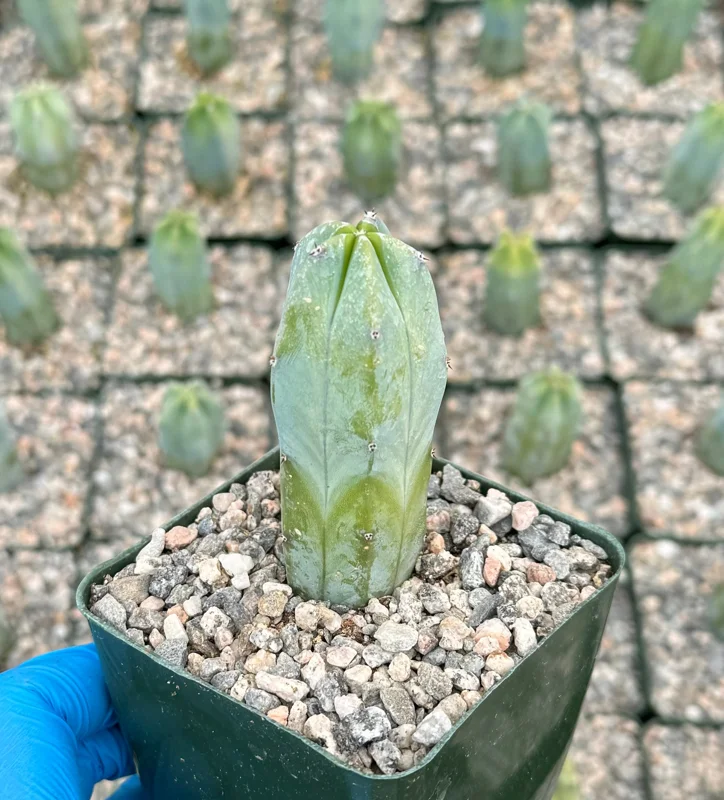
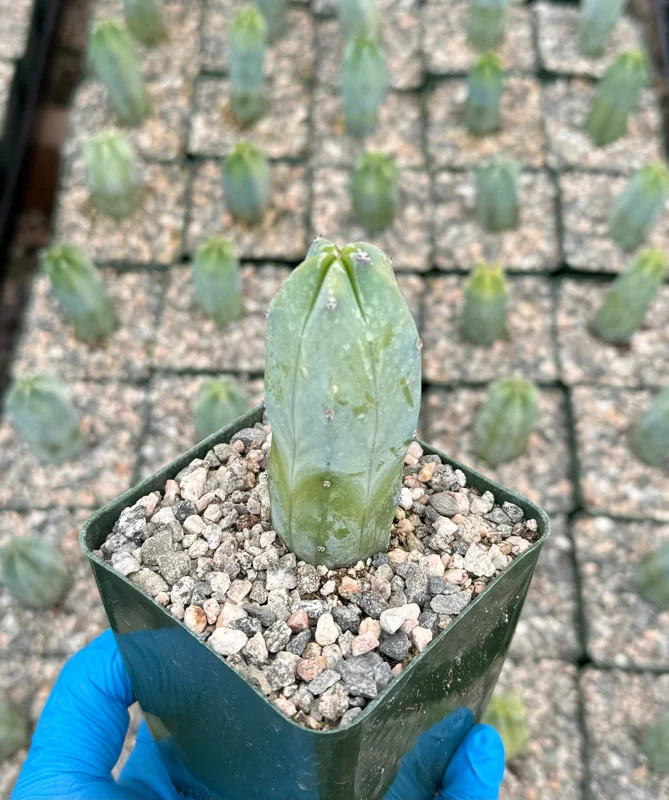
Bring home a distinctive blue candle cactus live plant (Myrtillocactus geometrizans) for its striking blue-green stems. This architectural succulent is ideal for adding unique desert flair to your indoor space or outdoor garden with its low-maintenance care.
Original price was: $27.98.$19.99Current price is: $19.99.

With our Alive & Thrive Guarantee, we’ve got your back for the first 30 days! If you have any concerns about your plants, just reach out to us. Our team is here to help answer your questions and guide you in selecting the best plants for your garden, climate, and unique preferences. We're excited to help you create the garden of your dreams!
Estimated arrival
Apr 13
Apr 18 - Apr 20
Apr 23 - Apr 27
Product Details
-
USDA Hardiness Zone
USDA zones 9–11 -
Soil type
Well-draining cactus/succulent mix -
Sunlight Exposure
Full sun to bright indirect light -
Expected Planting Period
Year-round indoors; Spring to early summer outdoors
Overview
Introduce a captivating specimen to your plant collection with the blue candle cactus live plant, also known as Myrtillocactus geometrizans or Blue Myrtle Cactus. This unique succulent is celebrated for its remarkable blue-green to bluish-gray, ribbed, and segmented stems that create a stunning geometric appearance. Native to the arid regions of central and northern Mexico, this columnar cactus brings an exotic, architectural element to any setting. While it can reach impressive heights of up to 20 feet in its natural habitat, it remains a manageable and beautiful addition as a houseplant or in cultivation, typically growing much smaller. Its distinctive form and vibrant coloration make it a favorite among succulent enthusiasts and those looking to add a touch of desert elegance to their home or garden.
The blue candle cactus live plant is not just visually appealing; it’s also a robust and relatively easy-to-care-for plant, making it suitable for both experienced gardeners and beginners. Its slow growth rate and unique structure ensure it remains a focal point wherever it’s placed. Beyond its ornamental value, this fascinating cactus produces small, edible fruits that resemble blueberries, giving rise to its common name, Bilberry Cactus. These sweet and juicy fruits are a delightful bonus for those lucky enough to witness them, and they are often enjoyed by local wildlife in their native environment. Embrace the allure of the desert with this magnificent and low-maintenance succulent.
Key Benefits
The blue candle cactus live plant offers a multitude of benefits, making it an excellent choice for various plant lovers. Its unique characteristics contribute to its appeal and ease of care.
- Striking Aesthetic Appeal: The distinctive blue-green, ribbed stems provide an architectural and modern look, perfect for contemporary decor or a desert-themed garden. Its unique form adds visual interest that stands out from other succulents.
- Low Maintenance and Drought-Tolerant: As a desert native, the blue candle cactus live plant requires minimal watering and thrives on neglect, making it ideal for busy individuals or those new to plant care. It’s incredibly forgiving and resilient.
- Edible Fruit Production: This cactus produces small, sweet, and juicy fruits resembling blueberries, which are a unique and delicious treat. These ‘bilberries’ are not only tasty but also add another layer of interest to the plant.
- Air Purification: Like many plants, the Myrtillocactus geometrizans contributes to improved indoor air quality by absorbing toxins and releasing oxygen, promoting a healthier living environment.
- Unique Collector’s Item: Its uncommon appearance and ease of care make it a highly sought-after plant for succulent and cactus collectors, adding rarity and value to any collection. Finding a healthy blue myrtle cactus for sale can be a highlight for enthusiasts.
- Adaptable to Various Settings: Whether indoors as a potted houseplant or outdoors in suitable climates, this cactus adapts well to different environments, provided its basic needs for light and drainage are met.
- Pest Resistant: Generally, the blue candle cactus live plant is quite resistant to common pests, further reducing the need for extensive care and chemical treatments.
Plant Care & Growing Tips
Caring for your blue candle cactus live plant is relatively straightforward, as it is a resilient succulent that thrives with minimal intervention. The most crucial aspect of its care is ensuring it receives adequate sunlight and is not overwatered. This cactus prefers bright, direct sunlight for at least 6-8 hours a day. When growing indoors, place it near a south-facing window or under a grow light to ensure it gets enough intensity. Insufficient light can lead to etiolation, where the stems stretch and become thin in search of light, compromising its beautiful columnar structure. For outdoor cultivation, choose a spot in your garden that receives full sun throughout the day.
Watering is the most common pitfall for cactus owners. The blue candle cactus live plant is highly drought-tolerant and susceptible to root rot if kept in consistently moist soil. Allow the soil to dry out completely between waterings. In warmer months, you might water every 2-4 weeks, while in cooler, dormant periods (fall and winter), watering can be reduced to once a month or even less. Always check the soil moisture deeply before watering again. Use a well-draining soil mix specifically formulated for cacti and succulents, which typically contains sand, perlite, or pumice to ensure excellent drainage. Repotting should only be done when the plant has outgrown its container, usually every 2-3 years, always using fresh, well-draining soil.
The Myrtillocactus geometrizans care also involves ensuring it’s protected from extreme cold. It is generally hardy in USDA zones 9-11. If you live in a colder climate, it’s best to grow this cactus in a container that can be moved indoors during winter to protect it from frost. Fertilization is not strictly necessary but can promote healthier growth. During the growing season (spring and summer), you can apply a balanced, diluted liquid fertilizer formulated for cacti, about once every 2-3 months. Avoid fertilizing during its dormant period. Keep an eye out for common pests like mealybugs or spider mites, though they are rare. If found, treat with insecticidal soap or neem oil. Understanding the needs for a healthy columnar cactus indoor or outdoor environment will ensure your plant thrives.
Size & Details
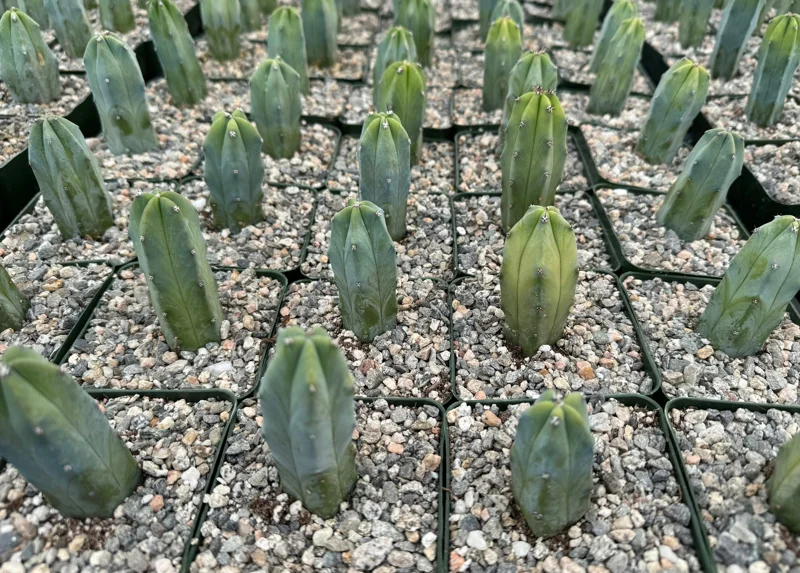
This blue candle cactus live plant is typically supplied as a healthy specimen rooted in a 4-inch nursery pot. At this stage, the plant usually features several developing columnar stems, exhibiting the characteristic blue-green hue. While Myrtillocactus geometrizans can grow quite tall in its natural Mexican habitat, sometimes reaching up to 20 feet, plants grown in cultivation or as houseplants will remain significantly smaller and more manageable. Expect your plant to grow steadily, adding height and branching over time, making it an excellent long-term addition to your collection. Its growth rate is moderate, allowing you to enjoy its evolving form for years.
The plant’s mature size indoors will depend on pot size and growing conditions, but it generally maintains a compact, upright form suitable for various spaces. The stems are typically ribbed with small, white spines along the edges, contributing to its striking geometric appearance. This bilberry cactus fruit producer will continue to develop its unique structure, providing a captivating focal point. It ships as a well-established, potted plant, ready to be placed in your desired location or repotted into a larger decorative container.
Frequently Asked Questions
- Q: How big does this plant get? A: While the blue candle cactus live plant can reach up to 20 feet in its natural habitat, it typically grows much smaller in cultivation, especially as a houseplant. Its mature size will depend on growing conditions and pot size, but it is generally a slow to moderately growing columnar cactus.
- Q: Is this an indoor or outdoor plant? A: The blue candle cactus live plant can thrive both indoors and outdoors. Outdoors, it prefers USDA zones 9-11. In colder climates, it is best grown in a container and brought indoors during winter to protect it from frost.
- Q: How much sunlight does it need? A: This cactus requires abundant sunlight. It thrives in full sun, meaning at least 6-8 hours of direct sunlight per day. If grown indoors, a south-facing window is ideal, or provide supplemental grow lights.
- Q: Is this plant easy to care for? A: Yes, the Myrtillocactus geometrizans care is considered low-maintenance, making it suitable for beginners. Its primary needs are plenty of sunlight and infrequent watering to prevent root rot.
- Q: What condition will it arrive in? A: Your blue candle cactus live plant will arrive as a healthy, well-rooted specimen in a 4-inch nursery pot, carefully packaged to ensure its safe transit and ready to be placed in its new home.
- Q: Can I eat the fruit from this cactus? A: Yes, the Myrtillocactus geometrizans produces small, edible fruits often referred to as ‘bilberries.’ They are sweet and juicy, hence why it’s also called the bilberry cactus fruit.
- Q: What’s the best soil for this cactus? A: The blue candle cactus live plant requires a very well-draining soil mix. A specialized cactus and succulent potting mix, often containing sand, perlite, or pumice, is highly recommended to prevent waterlogging and root rot.
- Q: How often should I water my blue candle cactus? A: Water sparingly. Allow the soil to dry out completely between waterings, typically every 2-4 weeks during warmer months and even less frequently (once a month or less) during its dormant winter period.
- Q: Is this a good columnar cactus indoor plant? A: Absolutely! Its striking columnar form and relatively slow growth make it an excellent choice for an indoor plant, adding a unique architectural element to your home decor.
- Q: Is the blue myrtle cactus for sale available year-round? A: Availability may vary, but typically these plants are available throughout the year, especially from specialized succulent nurseries. It’s a popular choice for its unique appearance.
Related products
-30%
Original price was: $85.98.$60.18Current price is: $60.18.
-30%
Original price was: $85.98.$60.18Current price is: $60.18.
-30%
Original price was: $79.98.$55.98Current price is: $55.98.
-30%
Original price was: $79.98.$55.98Current price is: $55.98.
-30%
Original price was: $79.98.$55.98Current price is: $55.98.
PLANTING & CARE

Growing Glencoe Raspberry: A Complete Guide for Gardeners
If you’re looking to add something unique to your garden, look no further than the
31
Mar
Mar

The Comprehensive Guide to Growing Bay Leaf Plants for a Flavorful Garden
Imagine stepping into your garden, greeted by the earthy aroma of fresh bay leaves, their
09
Feb
Feb

How to Make Comfrey Tea: The Ultimate Organic Plant Food
Growing an organic garden can be surprisingly expensive, especially when most store-bought fertilizers come in
02
Feb
Feb

True Comfrey: 7 Essential Tips Before You Plant This Herb
A staple in permaculture practices across the US, True Comfrey easily earns its reputation as
27
Jan
Jan

7 Heart-Shaped Plants for a Lasting Valentine’s Gift
If you’ve ever bought a bouquet of roses for Valentine’s Day, you know they are
26
Jan
Jan

Best Types of Ivy Plant for Houses: How to Choose the Perfect Ones for Your Home
Are you a garden lover looking to introduce some greenery into your home? Maybe you’ve
14
Nov
Nov

When to Harvest Garlic (Especially Fall-Planted Garlic)
TIMING IS EVERYTHING, they say – and for garlic, that truth hits with surprising accuracy.
13
Nov
Nov

11 of the Best Sweet Potato Varieties to Grow for Your Garden
If you’ve ever tried growing sweet potatoes, you know that picking the right variety can
12
Nov
Nov