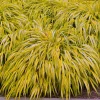
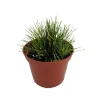
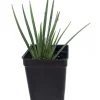
Blue-Eyed Grass Live Plant – Sisyrinchium lucerne – 2.5″ Pot – Indoor/Outdoor
-50%


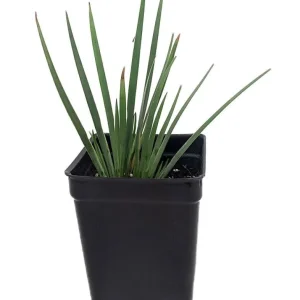
Blue-Eyed Grass Live Plant – Sisyrinchium lucerne – 2.5″ Pot – Indoor/Outdoor
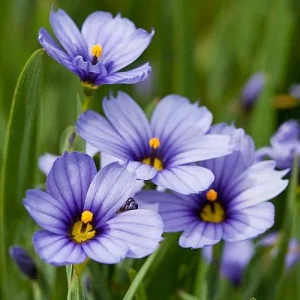
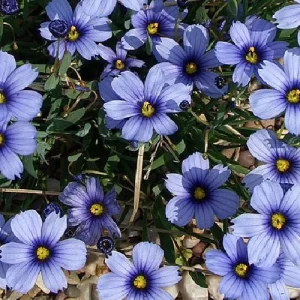
Bring home a versatile blue-eyed grass live plant (Sisyrinchium lucerne) in a 2.5″ pot. This charming perennial, a member of the iris family, offers delicate blue blooms and adapts beautifully to both indoor and outdoor environments. Enjoy its vibrant display in borders or as a low-maintenance houseplant.
Original price was: $28.76.$14.38Current price is: $14.38.

With our Alive & Thrive Guarantee, we’ve got your back for the first 30 days! If you have any concerns about your plants, just reach out to us. Our team is here to help answer your questions and guide you in selecting the best plants for your garden, climate, and unique preferences. We're excited to help you create the garden of your dreams!
Estimated arrival
Apr 13
Apr 18 - Apr 20
Apr 23 - Apr 27
Product Details
-
USDA Hardiness Zone
2-9 -
Soil type
Well-draining soil -
Sunlight Exposure
Full sun to part-shade -
Expected Planting Period
Spring to early summer (outdoors), Year-round (indoors)
Overview
Introduce a touch of natural beauty to your home or garden with the exquisite blue-eyed grass live plant, specifically the Sisyrinchium lucerne variety. Despite its common name, this captivating perennial is not a true grass but a delightful member of the Iris family, offering delicate, star-shaped blue flowers that evoke the serene beauty of a prairie landscape. Our sisyrinchium lucerne plant comes ready to thrive in a convenient 2.5″ pot, making it perfect for immediate planting or display. This incredibly adaptable plant is known for its resilience and ability to flourish in a wide range of conditions, from sunny, dry spots to more shaded, moist environments. Whether you’re looking to enhance your outdoor garden or add a unique, easy-care specimen to your indoor plant collection, the blue-eyed grass live plant is an excellent choice, promising vibrant blooms and lush foliage.
The blue-eyed grass live plant is a native prairie wildflower, often found gracefully growing wild across various landscapes. Its charming appearance and robust nature make it a favorite among gardeners and plant enthusiasts alike. This versatile plant can serve as an elegant border plant, a charming addition to rock gardens, or a unique potted specimen. Its ability to adapt to diverse light and moisture levels underscores its hardiness and ease of care, making it suitable for both novice and experienced plant parents. Experience the simple elegance and enduring appeal of this remarkable iris family member.
Key Benefits
The blue-eyed grass live plant offers a multitude of advantages for any gardener or plant lover. Its unique characteristics and low-maintenance nature make it a highly desirable addition to various settings. Here are some of the key benefits you can expect from your blue-eyed grass live plant:
- Versatile Adaptability: This plant is remarkably adaptable, thriving in conditions ranging from full sun to part-shade and tolerating both moist and dry soils. This makes it an ideal choice for diverse garden spots or as an easy-to-grow houseplant.
- Charming Blue Blooms: Enjoy a profusion of delicate, star-shaped blue flowers during May and June, adding a serene and vibrant splash of color to your landscape or indoor space. These distinctive blooms are a hallmark of the sisyrinchium lucerne plant.
- Low Maintenance: Once established, blue-eyed grass live plant requires minimal care. It’s drought-tolerant and generally pest-free, allowing you more time to enjoy its beauty with less effort.
- Compact Growth Habit: Growing to a manageable height of 4″ to 12″, it’s perfect for the front of borders, along pathways, or in small containers without overwhelming other plants.
- Hardy Perennial: This robust plant is hardy in USDA Zones 2-9, meaning it can withstand a wide range of temperatures and return year after year, providing enduring beauty.
- Native Wildflower Appeal: As a native prairie wildflower, it brings a natural, rustic charm to your garden, attracting beneficial pollinators and contributing to local biodiversity.
- Ideal for Small Spaces: Its compact size and contained growth make it an excellent choice for urban gardens, patios, balconies, or even as a charming desk plant.
Plant Care & Growing Tips
Caring for your blue-eyed grass live plant (Sisyrinchium lucerne) is straightforward, owing to its adaptable nature. To ensure optimal growth and abundant blooms, consider the following guidelines. This plant thrives in a variety of light conditions, from full sun to part-shade. In hotter climates, some afternoon shade can prevent stress, while in cooler regions, full sun encourages more prolific flowering. When grown indoors, provide it with bright, indirect light near a south or west-facing window. The blue-eyed grass live plant is not picky about soil type and can tolerate sandy, loamy, or even clay soils, provided there is good drainage. However, well-draining soil is always preferred to prevent root rot, especially in containers. You can amend heavy soils with compost or sand to improve drainage.
Watering should be consistent, especially during dry spells or if grown in containers. While it can tolerate some drought once established, regular watering will promote healthier growth and more vibrant blooms. Allow the top inch of soil to dry out between waterings. For indoor plants, ensure the pot has drainage holes and avoid letting the plant sit in standing water. The sisyrinchium lucerne plant is hardy in USDA Zones 2-9, making it suitable for a vast range of climates. It can withstand cold winters and hot summers. Fertilization is not typically necessary for established outdoor plants, though a light application of a balanced, slow-release fertilizer in early spring can boost growth. For potted indoor plants, a diluted liquid fertilizer every 4-6 weeks during the growing season (spring and summer) is beneficial. Keep an eye out for common garden pests, though blue-eyed grass care is generally pest-free. Good air circulation and proper watering practices will help prevent most issues.
Size & Details
This offering includes one blue-eyed grass live plant (Sisyrinchium lucerne) shipped in a 2.5″ nursery pot, ready for immediate planting. The plant typically reaches a mature height of 4″ to 12″ (10-30 cm) and spreads approximately 6″ to 12″ (15-30 cm) wide, forming attractive clumps. Its growth rate is moderate, establishing itself well within the first growing season. When planting outdoors, space individual plants about 12″ apart to allow for proper air circulation and growth. The plant will bloom profusely in May and June, showcasing its delicate blue flowers. This compact size makes the blue-eyed grass live plant ideal for various garden applications, including rock gardens, borders, containers, or even as a charming indoor accent. It is a long-lived perennial that will return year after year, providing consistent beauty with minimal effort.
Frequently Asked Questions
- Q: How big does this plant get? A: The blue-eyed grass live plant typically grows to a height of 4 to 12 inches (10-30 cm) and spreads about 6 to 12 inches (15-30 cm) wide, forming neat clumps. Its compact size makes it versatile for many garden settings.
- Q: What size pot does it come in? A: This sisyrinchium lucerne plant is shipped in a 2.5″ nursery pot, providing a healthy start for your new plant. You can transplant it into a larger container or directly into your garden upon arrival.
- Q: Is this an indoor or outdoor plant? A: This is a highly adaptable plant that can thrive both indoors and outdoors. It’s an excellent choice for garden beds, borders, or as an easy-to-care-for houseplant, making it a truly versatile indoor outdoor blue-eyed grass option.
- Q: How much sunlight does it need? A: The blue-eyed grass live plant prefers full sun to part-shade. For best flowering, aim for at least 6 hours of direct sunlight daily, but it can tolerate some afternoon shade, especially in warmer climates.
- Q: Is this plant easy to care for? A: Yes, blue-eyed grass care is generally considered very easy. It’s a low-maintenance perennial that is drought-tolerant once established and not prone to many pests or diseases, making it perfect for beginners.
- Q: What condition will it arrive in? A: Your blue-eyed grass live plant will arrive as a healthy, well-rooted plant in its 2.5″ nursery pot, carefully packaged to ensure its safe journey to your home.
- Q: How long until it blooms? A: This plant typically blooms in May and June. If planted in early spring, you may see blooms in its first year, especially if it receives adequate sunlight and water.
- Q: Will it survive winter in my zone? A: The blue-eyed grass live plant is remarkably hardy in USDA Zones 2-9, meaning it can tolerate very cold winter temperatures and will return reliably each spring in these zones.
- Q: What’s the minimum temperature it can tolerate? A: Given its hardiness in USDA Zone 2, this plant can withstand temperatures as low as -50°F (-45°C), making it incredibly cold-tolerant.
- Q: What kind of soil does it prefer? A: While adaptable, the sisyrinchium lucerne plant prefers well-draining soil. It can grow in sandy, loamy, or clay soils, but ensuring good drainage is key to its health.
Related products
-20%
Original price was: $64.00.$51.20Current price is: $51.20.
-20%
Original price was: $30.00.$24.00Current price is: $24.00.
-20%
Original price was: $45.98.$36.78Current price is: $36.78.
-20%


Original price was: $33.98.$27.18Current price is: $27.18.
-20%
Original price was: $19.98.$15.98Current price is: $15.98.
-20%
Original price was: $76.00.$60.80Current price is: $60.80.
-20%
Original price was: $50.00.$40.00Current price is: $40.00.
-20%
Original price was: $51.98.$41.58Current price is: $41.58.
PLANTING & CARE
Growing Glencoe Raspberry: A Complete Guide for Gardeners
If you’re looking to add something unique to your garden, look no further than the
31
Mar
Mar

The Comprehensive Guide to Growing Bay Leaf Plants for a Flavorful Garden
Imagine stepping into your garden, greeted by the earthy aroma of fresh bay leaves, their
09
Feb
Feb

How to Make Comfrey Tea: The Ultimate Organic Plant Food
Growing an organic garden can be surprisingly expensive, especially when most store-bought fertilizers come in
02
Feb
Feb

True Comfrey: 7 Essential Tips Before You Plant This Herb
A staple in permaculture practices across the US, True Comfrey easily earns its reputation as
27
Jan
Jan

7 Heart-Shaped Plants for a Lasting Valentine’s Gift
If you’ve ever bought a bouquet of roses for Valentine’s Day, you know they are
26
Jan
Jan

Best Types of Ivy Plant for Houses: How to Choose the Perfect Ones for Your Home
Are you a garden lover looking to introduce some greenery into your home? Maybe you’ve
14
Nov
Nov

When to Harvest Garlic (Especially Fall-Planted Garlic)
TIMING IS EVERYTHING, they say – and for garlic, that truth hits with surprising accuracy.
13
Nov
Nov

11 of the Best Sweet Potato Varieties to Grow for Your Garden
If you’ve ever tried growing sweet potatoes, you know that picking the right variety can
12
Nov
Nov