Blue Fescue Grass Live Ornamental Plant – Perennial Garden 5-10 Inch Tall
-50%
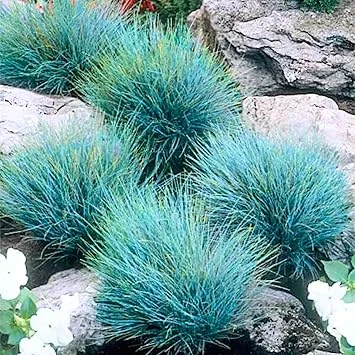
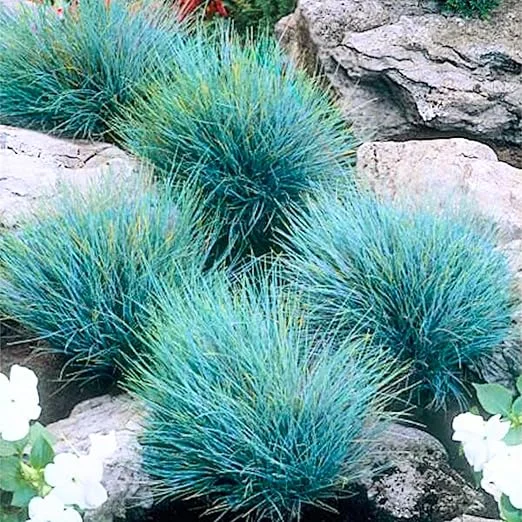
Blue Fescue Grass Live Ornamental Plant – Perennial Garden 5-10 Inch Tall
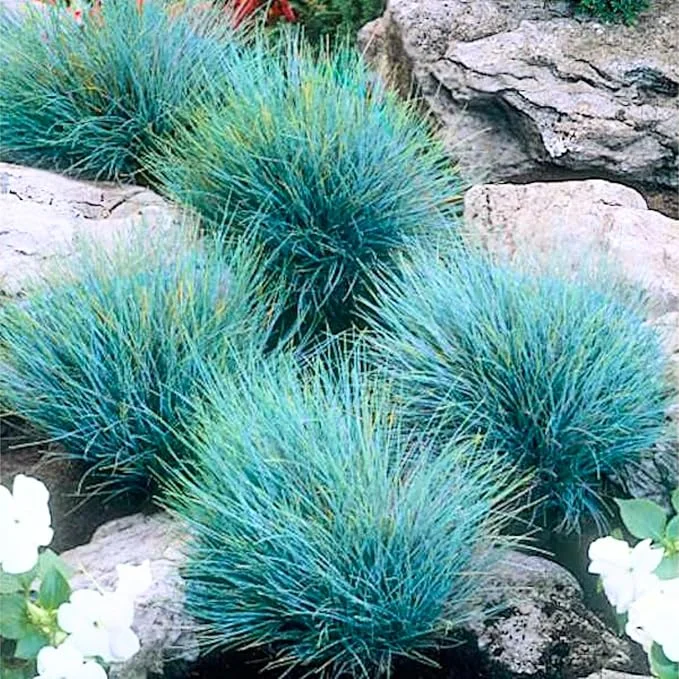
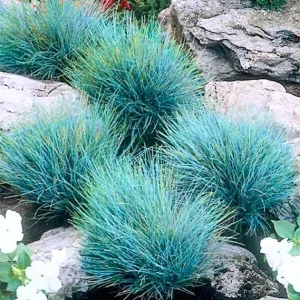
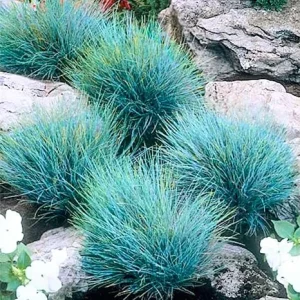
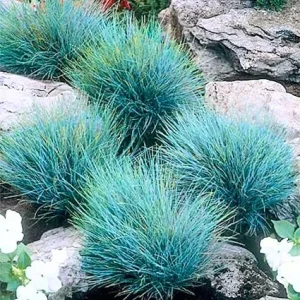
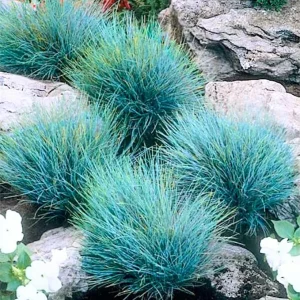
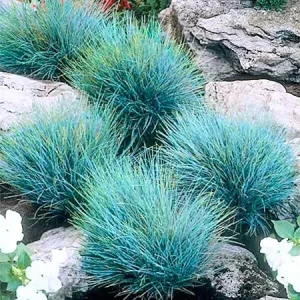
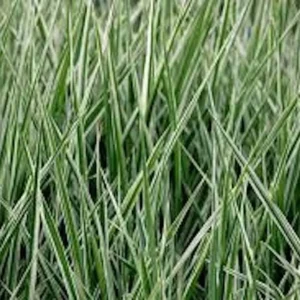
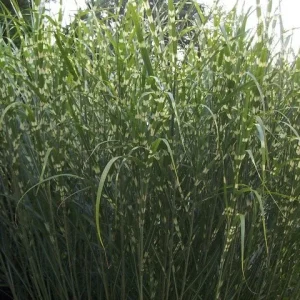
Add a touch of unique color to your landscape with this beautiful blue fescue grass live plant. Known for its striking blue-silver foliage and compact, mounding form, this ornamental perennial is perfect for borders, rock gardens, or mass plantings. It’s an excellent choice for gardeners seeking a drought tolerant grass that thrives in full sun and requires minimal care.
Original price was: $43.98.$21.99Current price is: $21.99.

With our Alive & Thrive Guarantee, we’ve got your back for the first 30 days! If you have any concerns about your plants, just reach out to us. Our team is here to help answer your questions and guide you in selecting the best plants for your garden, climate, and unique preferences. We're excited to help you create the garden of your dreams!
Estimated arrival
Apr 01
Apr 06 - Apr 08
Apr 11 - Apr 15
Product Details
-
USDA Hardiness Zone
4 to 9 -
Soil type
Well-draining, sandy or loamy soil -
Sunlight Exposure
Full Sun -
Expected Planting Period
Spring to Fall
Overview
Introduce stunning texture and color to your outdoor spaces with the blue fescue grass live plant. This compact, drought-tolerant ornamental grass, scientifically known as Festuca glauca, is prized for its striking blue-silver foliage and low-maintenance growth habit. Originating from Europe, it forms neat, mounding clumps that provide year-round interest, especially when planted in groups or along pathways. The vibrant blue hues intensify when planted in full sun, making it a captivating addition to any garden design. Ideal for zones 4 to 9, this ornamental grass perennial offers a unique aesthetic without demanding extensive care, making it a favorite among both novice and experienced gardeners.
Our blue fescue grass live plant arrives ready for planting, ensuring a smooth transition into your garden. Its distinctive coloration and fine texture create a beautiful contrast with other plants, adding depth and visual appeal. Whether you’re aiming for a modern minimalist look or a more natural, wild garden, this versatile plant fits seamlessly into various landscaping styles. It’s not just beautiful; it’s also a robust and resilient choice, capable of withstanding challenging conditions once established.
Key Benefits
The blue fescue grass live plant offers numerous advantages that make it a standout choice for your landscape:
- Striking Blue-Silver Foliage: The most prominent feature of this grass is its unique, cool-toned foliage. The blue-silver blades provide a captivating visual element that remains attractive throughout the growing season, offering year-round interest even in winter in milder climates.
- Drought-Tolerant: Once established, blue fescue grass is highly resistant to drought. This makes it an excellent choice for xeriscaping or for gardeners looking to conserve water, reducing the need for frequent irrigation.
- Low Maintenance: This plant is incredibly easy to care for, requiring minimal pruning, fertilizing, or pest management. Its tidy, clumping habit means it won’t spread aggressively, simplifying garden upkeep.
- Compact Growth Habit: Growing into a neat, mounding form, the ornamental grass perennial is perfect for small spaces, borders, edgings, or container gardening. It maintains a consistent shape without becoming unruly.
- Versatile Landscaping Use: Its unique color and texture make it suitable for a wide range of garden designs, from contemporary and rock gardens to cottage and natural landscapes. It pairs well with contrasting colors and textures.
- Deer Resistant: Blue fescue is generally not favored by deer, making it a practical choice for gardens in areas where deer browsing is a concern.
- Erosion Control: Its fibrous root system can help stabilize soil on slopes and in areas prone to erosion, adding an ecological benefit to its aesthetic appeal.
Plant Care & Growing Tips
Caring for your blue fescue grass live plant is straightforward, ensuring a beautiful and healthy addition to your garden with minimal effort. This resilient grass thrives on neglect once established. For optimal growth and the most vibrant blue color, plant in a location that receives full sun. This means at least 6-8 hours of direct sunlight per day. While it can tolerate some partial shade, the foliage color may be less intense. The ideal USDA Hardiness Zones for this plant are 4 to 9, allowing it to withstand a wide range of temperatures.
Soil Type: Blue fescue prefers well-draining, sandy or loamy soil. It is crucial to avoid heavy, clay soils that retain too much moisture, as this can lead to root rot. If your soil is heavy, amend it with organic matter and sand to improve drainage. The plant is adaptable to various soil pH levels, but a neutral to slightly acidic pH is generally preferred. Moisture Needs: This is a drought-tolerant plant, so moderate watering is sufficient. Water regularly during its establishment period (the first few weeks after planting) to help it develop a strong root system. Once established, water sparingly, allowing the soil to dry out completely between waterings. Overwatering is the most common cause of problems for blue fescue grass.
Fertilization: Blue fescue is not a heavy feeder. A light application of a balanced, slow-release granular fertilizer in early spring is usually sufficient if your soil is poor. Avoid excessive fertilization, which can lead to lush green growth at the expense of its characteristic blue color and compact form. Pruning: Minimal pruning is required. You can trim back any spent flower stalks or brown foliage in late winter or early spring before new growth emerges. Every few years, you might consider dividing older clumps if they start to die out in the center, which helps rejuvenate the plant. The ease of care for this low maintenance garden plant makes it a perfect choice for busy gardeners.
Size & Details
This blue fescue grass live plant is typically supplied at a height of 5-10 inches tall, ready for immediate planting in your garden. Upon maturity, it will reach a compact size of approximately 8-12 inches tall and 10-12 inches wide, forming attractive, dense clumps. Its slow to moderate growth rate ensures it maintains its tidy appearance without becoming invasive. The plant is shipped as a live, healthy specimen, carefully packaged to ensure its safe arrival. Expect vibrant blue-silver foliage that intensifies with ample sunlight. This ornamental grass perennial is delivered in a nursery pot, ensuring its roots are protected and ready for transplanting into your chosen garden spot or larger container. It’s an excellent choice for adding consistent color and texture to your landscape.
Frequently Asked Questions
- Q: How big does this blue fescue grass live plant get? A: This plant typically grows to a mature size of 8-12 inches tall and 10-12 inches wide, forming a compact, mounding clump. It maintains a neat appearance, making it suitable for various garden applications.
- Q: Is this an indoor or outdoor plant? A: The blue fescue grass live plant is primarily an outdoor ornamental grass, thriving in garden beds, borders, and rockeries. While it can be grown in containers, it prefers outdoor conditions with plenty of sunlight.
- Q: How much sunlight does it need? A: For the best blue color and healthiest growth, blue fescue grass requires full sun exposure, meaning at least 6-8 hours of direct sunlight per day. It can tolerate some partial shade, but the foliage may appear less vibrant.
- Q: Is this plant easy to care for? A: Yes, this is considered a very easy-to-care-for plant. It’s a low maintenance garden plant that is drought-tolerant once established and requires minimal fertilization or pruning, making it ideal for beginners.
- Q: What condition will it arrive in? A: Your blue fescue grass live plant will arrive as a healthy, established plant in a nursery pot, carefully packaged to protect its foliage and root system during transit, ready for planting.
- Q: When is the best time to plant blue fescue grass? A: The best time to plant blue fescue grass is in spring or early fall, allowing the plant sufficient time to establish its root system before extreme summer heat or winter cold.
- Q: Will it survive winter in my zone? A: This plant is hardy in USDA Zones 4 to 9. In these zones, it is a resilient perennial that will typically survive winter and return in spring, though foliage may brown or go dormant in colder regions.
- Q: What type of soil does blue fescue prefer? A: Blue fescue grass thrives in well-draining, sandy, or loamy soil. Good drainage is crucial, as it is susceptible to root rot in heavy, waterlogged soils.
- Q: How often should I water my blue fescue grass? A: After establishment, water sparingly. Allow the soil to dry out completely between waterings. It is a drought tolerant grass and prefers drier conditions to excessive moisture.
- Q: Can I use blue fescue grass for erosion control? A: Yes, its fibrous root system makes blue fescue grass an excellent choice for stabilizing soil on slopes and in areas prone to erosion, providing both aesthetic and practical benefits.
Related products
-20%
Original price was: $80.00.$64.00Current price is: $64.00.
-20%
Original price was: $190.00.$152.00Current price is: $152.00.
-20%


Original price was: $31.98.$25.58Current price is: $25.58.
-20%
Original price was: $19.98.$15.98Current price is: $15.98.
-20%
Original price was: $76.00.$60.80Current price is: $60.80.
-20%
Original price was: $27.98.$22.38Current price is: $22.38.
-20%
Original price was: $58.00.$46.40Current price is: $46.40.
-50%
From Original price was: $87.60.$43.80Current price is: $43.80.
PLANTING & CARE

Growing Glencoe Raspberry: A Complete Guide for Gardeners
If you’re looking to add something unique to your garden, look no further than the
31
Mar
Mar

The Comprehensive Guide to Growing Bay Leaf Plants for a Flavorful Garden
Imagine stepping into your garden, greeted by the earthy aroma of fresh bay leaves, their
09
Feb
Feb

How to Make Comfrey Tea: The Ultimate Organic Plant Food
Growing an organic garden can be surprisingly expensive, especially when most store-bought fertilizers come in
02
Feb
Feb

True Comfrey: 7 Essential Tips Before You Plant This Herb
A staple in permaculture practices across the US, True Comfrey easily earns its reputation as
27
Jan
Jan

7 Heart-Shaped Plants for a Lasting Valentine’s Gift
If you’ve ever bought a bouquet of roses for Valentine’s Day, you know they are
26
Jan
Jan

Best Types of Ivy Plant for Houses: How to Choose the Perfect Ones for Your Home
Are you a garden lover looking to introduce some greenery into your home? Maybe you’ve
14
Nov
Nov

When to Harvest Garlic (Especially Fall-Planted Garlic)
TIMING IS EVERYTHING, they say – and for garlic, that truth hits with surprising accuracy.
13
Nov
Nov

11 of the Best Sweet Potato Varieties to Grow for Your Garden
If you’ve ever tried growing sweet potatoes, you know that picking the right variety can
12
Nov
Nov