Blue Rue Ruda Live Plant – Ruta Graveolens Herb, 2 Count
-50%
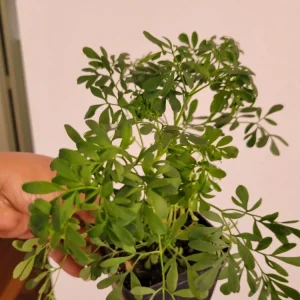
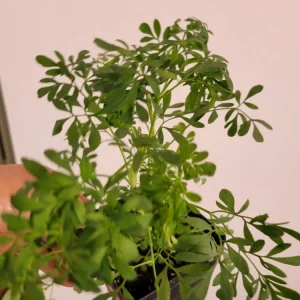
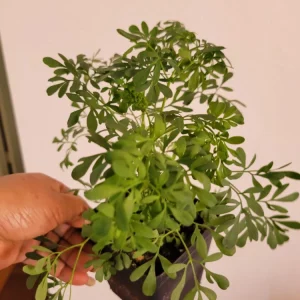
Blue Rue Ruda Live Plant – Ruta Graveolens Herb, 2 Count
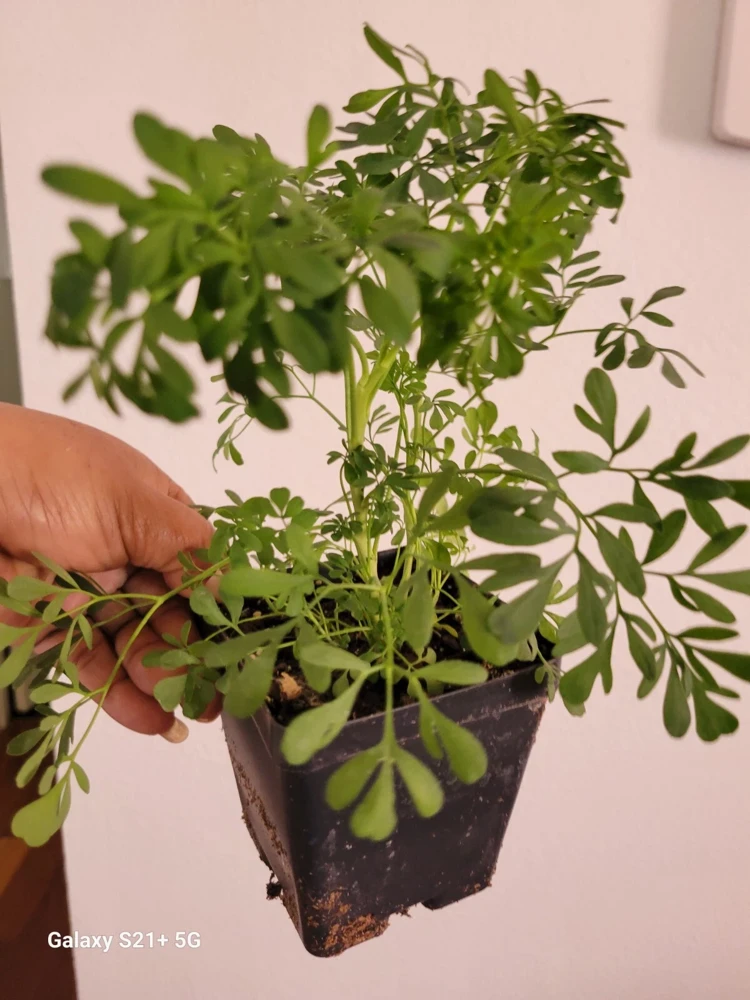
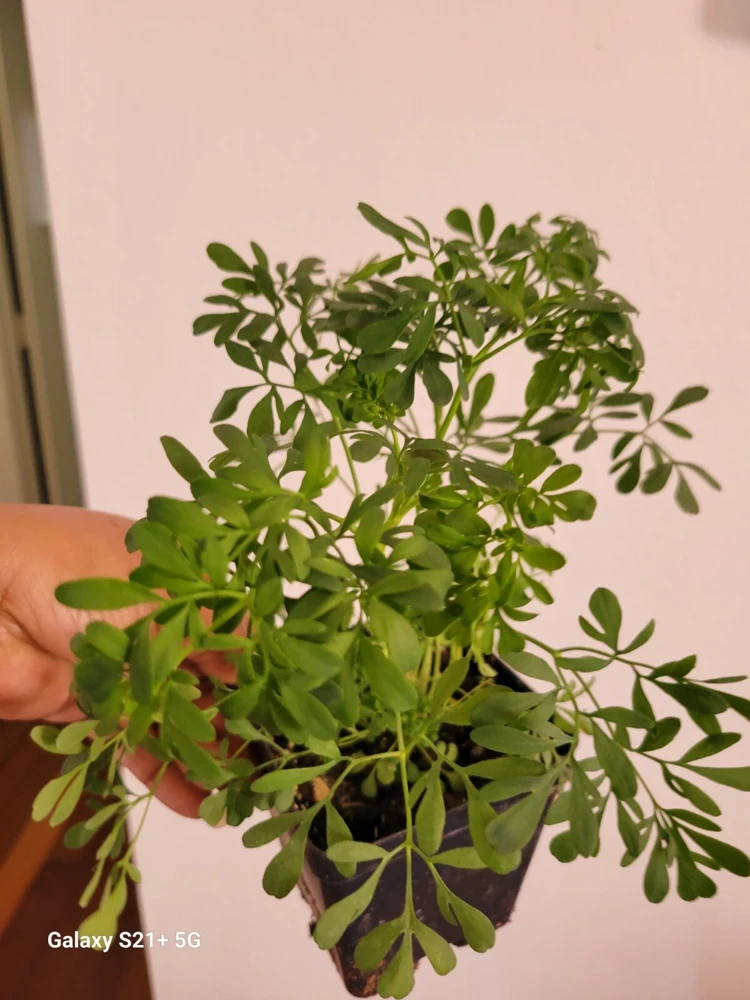
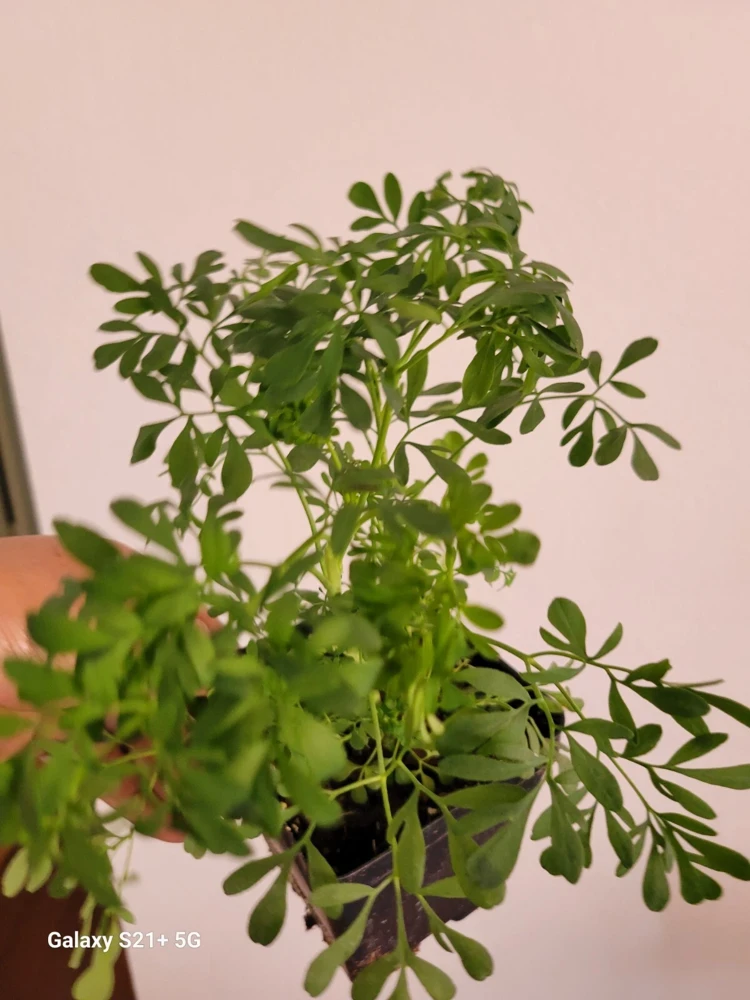
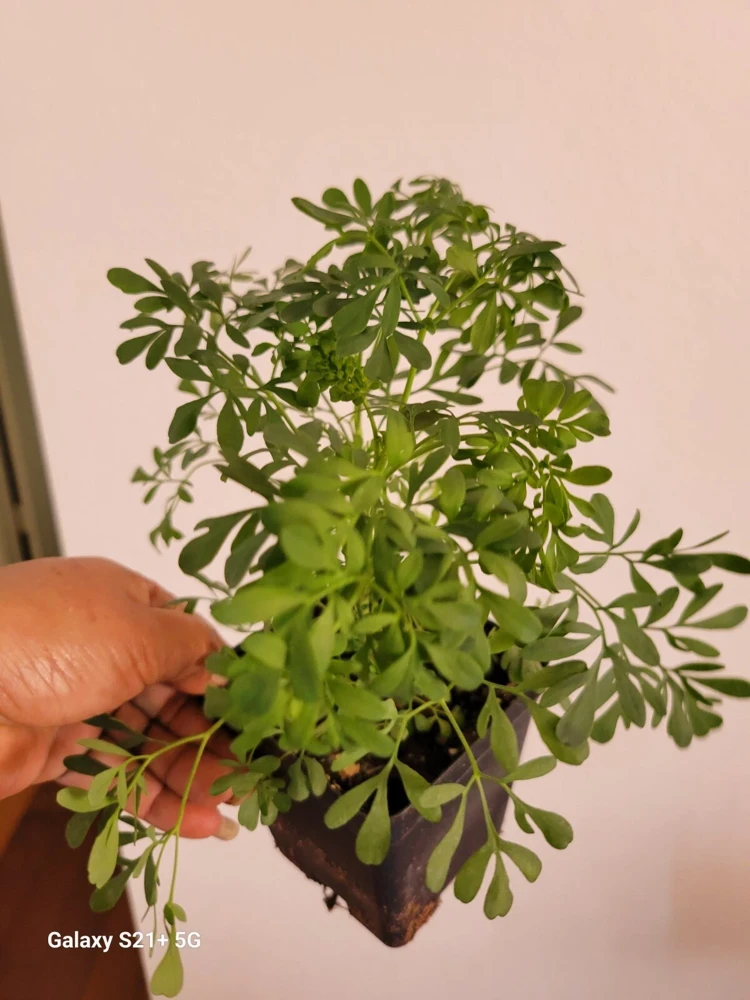
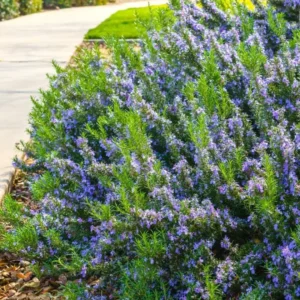
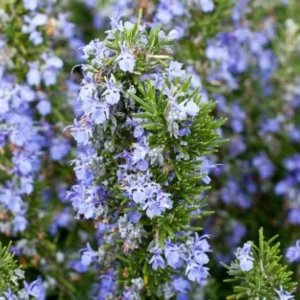
Cultivate a vibrant blue rue ruda live plant in your garden. This unique herb, Ruta Graveolens, is known for its distinctive blue-green foliage and traditional significance. Perfect for adding a touch of historical charm and unique texture to your herb collection. You will receive 2 healthy rue plants, ready for planting.
Original price was: $72.00.$36.00Current price is: $36.00.

With our Alive & Thrive Guarantee, we’ve got your back for the first 30 days! If you have any concerns about your plants, just reach out to us. Our team is here to help answer your questions and guide you in selecting the best plants for your garden, climate, and unique preferences. We're excited to help you create the garden of your dreams!
Estimated arrival
Oct 07
Oct 12 - Oct 14
Oct 17 - Oct 21
Product Details
-
USDA Hardiness Zone
USDA zones 4-9 -
Soil type
Well-draining, sandy or gravelly loam -
Sunlight Exposure
Full sun -
Expected Planting Period
Spring to early summer
Overview
Experience the ancient charm and unique beauty of the blue rue ruda live plant. Also known by its botanical name, Ruta Graveolens, or simply Rue, this perennial herb is a fascinating addition to any garden. Revered for centuries for its distinctive blue-green, finely divided foliage and strong, aromatic scent, Rue brings both visual interest and a rich history. Our offering includes 2 healthy rue plants, ready to establish themselves in your outdoor space. Often associated with various traditional practices, the blue rue ruda live plant is a resilient and low-maintenance specimen, ideal for gardeners seeking something out of the ordinary. Its intriguing appearance and historical context make it a conversation starter, perfect for herb gardens, rockeries, or as a distinctive border plant.
This particular variety, sometimes referred to as ‘Planta de ruda macho’, is prized for its robust growth and characteristic blue hue. The blue rue ruda live plant is an excellent choice for those looking to explore traditional herbs or simply enhance their garden with a plant that stands out. It’s a hardy plant that can thrive in various conditions once established, providing long-lasting beauty and aroma throughout the growing season.
Key Benefits
Adding a blue rue ruda live plant to your garden offers a multitude of advantages beyond its unique aesthetic. This resilient herb provides both visual appeal and practical benefits that enhance any outdoor setting.
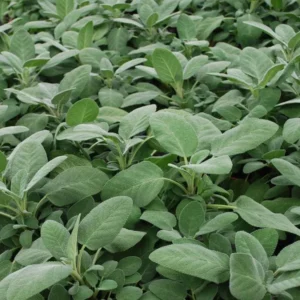
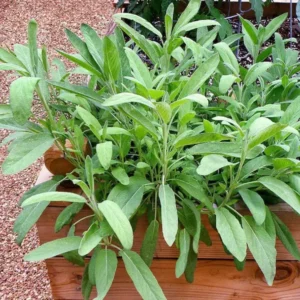
- Distinctive Foliage: The blue rue ruda live plant showcases striking blue-green, fern-like leaves that add unique texture and color to garden beds. This unusual hue creates a beautiful contrast with other green plants, making it a focal point.
- Aromatic Presence: Known for its strong, distinctive aroma, Ruta Graveolens can act as a natural deterrent for certain garden pests, contributing to a healthier ecosystem without harsh chemicals. The scent is often described as pungent yet intriguing.
- Resilient Growth: Once established, the blue rue ruda live plant is highly drought-tolerant and can withstand less-than-ideal soil conditions, making it a robust choice for various climates and gardener skill levels. It’s a plant that bounces back.
- Historical Significance: With a long history in traditional medicine and folklore, growing a rue plant connects you to centuries of cultural heritage. It’s more than just a plant; it’s a piece of living history.
- Low Maintenance: This herb requires minimal care after planting, thriving with little intervention. It’s an excellent option for busy gardeners or those new to cultivating herbs, ensuring a rewarding experience.
- Architectural Interest: The upright growth habit and intricate leaf structure of the blue rue ruda live plant provide excellent architectural interest, perfect for structured herb gardens or as a specimen plant.
- Attracts Beneficial Insects: While deterring some pests, rue flowers can attract beneficial pollinators to your garden, contributing to overall plant health and biodiversity.
Plant Care & Growing Tips
Caring for your blue rue ruda live plant is relatively straightforward, as this herb is known for its hardiness and adaptability. To ensure optimal growth and a thriving plant, consider the following guidelines. Rue thrives in full sun, requiring at least 6-8 hours of direct sunlight daily to produce its most vibrant blue-green foliage and strong aroma. In hotter climates, some afternoon shade can be beneficial to prevent scorching, but generally, the more sun, the better for a robust growing rue plant. Well-draining soil is crucial; rue does not tolerate soggy conditions, which can lead to root rot. A sandy or gravelly loam with a neutral to slightly alkaline pH is ideal. If your soil is heavy clay, amend it with organic matter and sand to improve drainage.
When it comes to watering, the blue rue ruda live plant is quite drought-tolerant once established. Water regularly during its first growing season to help it develop a strong root system. After that, water sparingly, allowing the soil to dry out completely between waterings. Overwatering is a common mistake with rue. Fertilization is rarely necessary; rue prefers lean soil, and too much fertilizer can lead to leggy growth and reduced aromatic intensity. If your soil is very poor, a light application of a balanced, slow-release fertilizer in spring can be beneficial. Pruning can be done in early spring to maintain shape and encourage bushier growth, or after flowering to remove spent blooms. The ruta graveolens care routine is minimal, making it a rewarding plant for both experienced and novice gardeners. Keep an eye out for any signs of stress, though rue is generally pest and disease resistant. Its strong scent naturally deters many common garden pests.
Size & Details
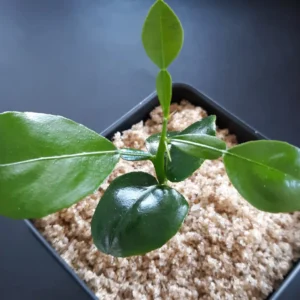
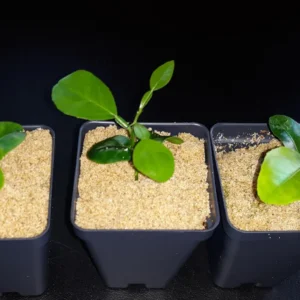
Each order includes 2 healthy rue plants, carefully cultivated and ready for transplanting into your garden. These young plants typically stand between 4-8 inches tall upon arrival, depending on the season and growth stage, and are shipped in a nursery pot or similar protective packaging to ensure their safe journey. The blue rue ruda live plant is a slow to moderate grower, eventually reaching a mature height of approximately 2-3 feet tall and spreading 2-3 feet wide, forming an attractive, mounding shrub. Expect the plant to establish quickly with proper care, beginning to show new growth within a few weeks of planting. This perennial herb is known for its longevity, providing years of enjoyment in your garden. Flowers, if allowed to develop, are small and yellow-green, appearing in summer, though the plant is primarily grown for its foliage. The plant’s robust nature ensures it will become a prominent feature in your herb garden or landscape.
Frequently Asked Questions
- Q: How big does this plant get? A: The blue rue ruda live plant typically grows to a mature height and spread of 2-3 feet, forming a bushy, mounding shrub. Its size makes it suitable for various garden placements, from borders to specimen plantings.
- Q: Is this an indoor or outdoor plant? A: Rue is primarily an outdoor plant, thriving in full sun and well-draining soil. While it can be grown indoors in a very sunny location, it generally performs best and reaches its full potential when planted in the garden.
- Q: How much sunlight does it need? A: For optimal growth and vibrant foliage, the blue rue ruda live plant requires at least 6-8 hours of direct sunlight per day. It prefers full sun exposure to maintain its characteristic blue-green color.
- Q: Is this plant easy to care for? A: Yes, the growing rue plant is considered relatively easy to care for. Once established, it is drought-tolerant and requires minimal attention, making it a good choice for beginners and busy gardeners alike.
- Q: What condition will it arrive in? A: Your 2 healthy rue plants will arrive carefully packaged, typically in a nursery pot, to ensure they are protected and ready for planting. We prioritize shipping healthy, viable plants.
- Q: Can I use rue herb in cooking? A: While rue herb uses include traditional applications, it is generally not recommended for culinary use due to its strong flavor and potential toxicity in large quantities. It is primarily grown for ornamental and traditional purposes.
- Q: What’s the minimum temperature this plant can tolerate? A: The blue rue ruda live plant is hardy and can tolerate temperatures down to about 0°F (-18°C), making it suitable for USDA zones 4-9. It is quite resilient to cold once mature.
- Q: Is it shipped in soil? A: Yes, the plants are typically shipped in their original nursery soil and container to minimize stress during transit and ensure they are ready for direct planting upon arrival.
- Q: What are the main ruda plant benefits? A: The main ruda plant benefits include its distinctive ornamental foliage, its strong aromatic properties which can deter certain garden pests, and its historical and traditional significance.
- Q: How often should I water my rue plant? A: Once established, water your blue rue ruda live plant sparingly. Allow the soil to dry out completely between waterings, as it is very drought-tolerant and susceptible to root rot if overwatered.
Related products
-50%
Original price was: $27.96.$13.98Current price is: $13.98.
-30%
Original price was: $59.98.$41.98Current price is: $41.98.
-30%
Original price was: $59.98.$41.98Current price is: $41.98.
-50%
Original price was: $59.96.$29.98Current price is: $29.98.
-48%
Original price was: $39.99.$20.99Current price is: $20.99.
-50%
Original price was: $79.96.$39.98Current price is: $39.98.
-58%
Original price was: $39.99.$16.99Current price is: $16.99.
-37%
Original price was: $15.96.$9.98Current price is: $9.98.
PLANTING & CARE
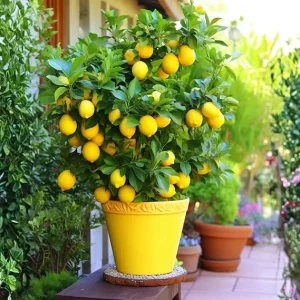
Lemon Tree Growing: Choose, Plant, and Harvest
Learn how to choose, plant, feed, and protect a lemon tree so it fits your
23
Sep
Sep
Dwarf Meyer Lemon Tree Australia: Climate Guide
Learn where dwarf Meyer lemon trees grow, how much cold they tolerate, and whether Australia,
Where to Buy a Dwarf Meyer Lemon Tree: Buyer’s Guide
Find the right dwarf Meyer lemon tree online or locally, compare starter sizes and costs,
Dwarf Meyer Lemon Tree for Sale: Buying Guide
Compare Meyer lemon tree sizes, prices, shipping limits, indoor growing and California options before you
Dwarf Meyer Lemon Tree Guide: Size, Care and Fruit
META: Learn how large a dwarf Meyer lemon tree grows, where it thrives, and how
How to Prune a Dwarf Meyer Lemon Tree
Learn when and how to prune a dwarf Meyer lemon tree, including tools, shaping cuts,
Can You Grow a Dwarf Meyer Lemon Tree in a Pot?
META: Learn how to grow a dwarf Meyer lemon tree in a pot, including container
When Do Dwarf Meyer Lemon Trees Bloom and Fruit?
META: Dwarf Meyer lemon trees usually bloom from winter through spring and may flower again