Bottle Gourd Seeds – Large Heirloom Calabash for Birdhouses & Crafts – 20 Seeds
-54%
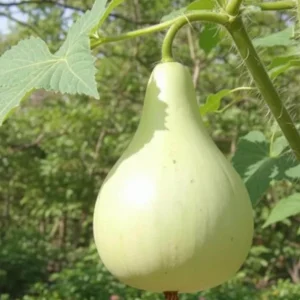
Bottle Gourd Seeds – Large Heirloom Calabash for Birdhouses & Crafts – 20 Seeds
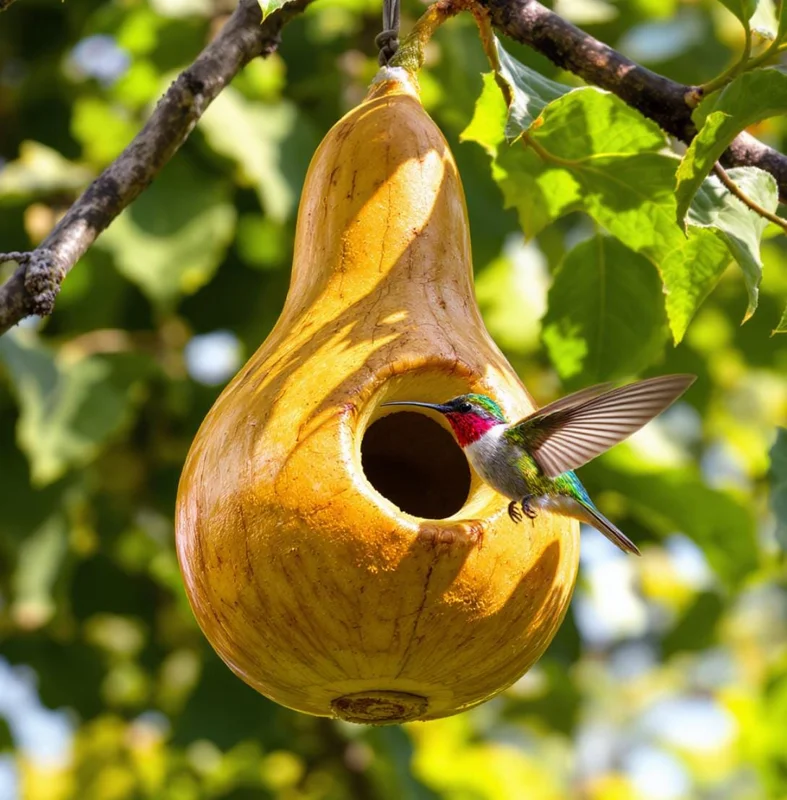
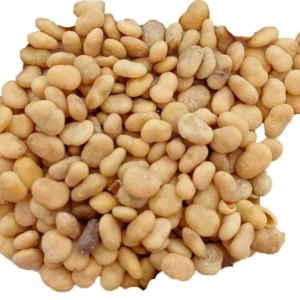
Cultivate your own large, hard-shelled bottle gourd seeds. These heirloom gourds are ideal for crafting unique birdhouses, decorative pieces, and traditional utensils. Enjoy vigorous vines and productive plants.
Original price was: $36.99.$16.99Current price is: $16.99.

With our Alive & Thrive Guarantee, we’ve got your back for the first 30 days! If you have any concerns about your plants, just reach out to us. Our team is here to help answer your questions and guide you in selecting the best plants for your garden, climate, and unique preferences. We're excited to help you create the garden of your dreams!
Estimated arrival
Apr 13
Apr 18 - Apr 20
Apr 23 - Apr 27

Product Details
-
USDA Hardiness Zone
Unknown (typically grown as annuals in most zones) -
Soil type
Fertile, well-draining soil -
Sunlight Exposure
Full sun -
Expected Planting Period
Spring, after last frost
Overview
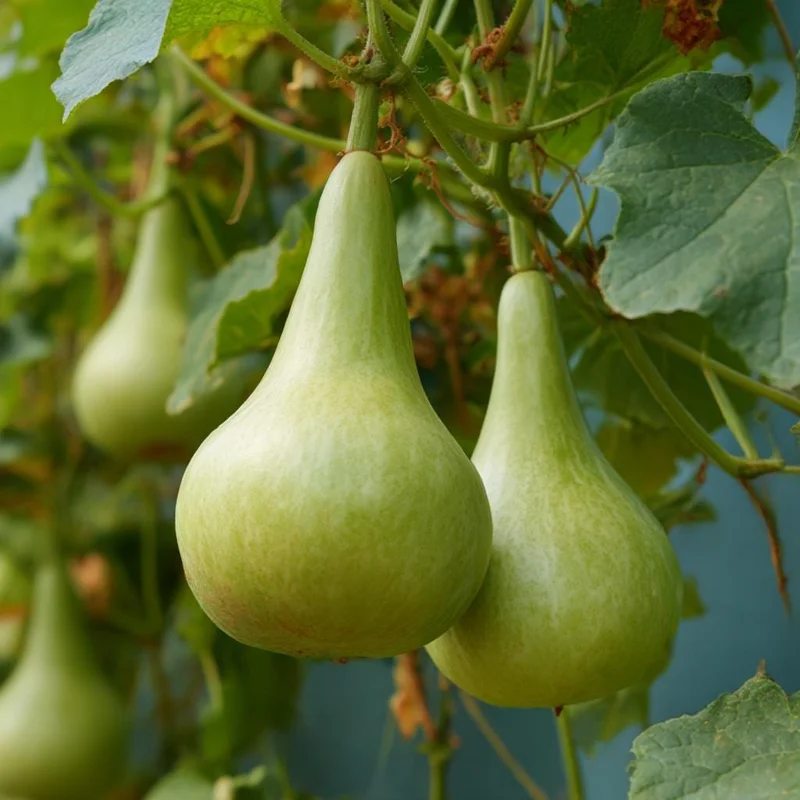
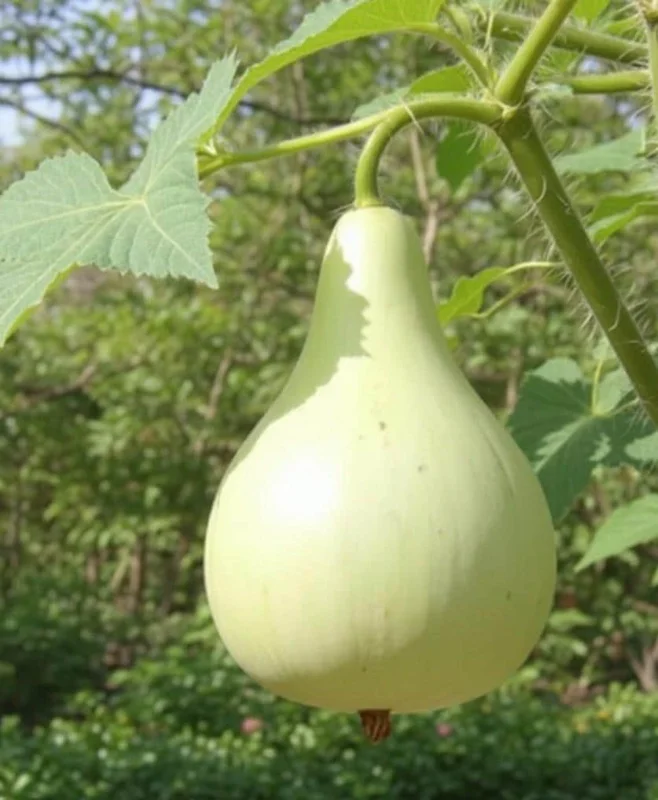
Discover the joy of growing your own bottle gourd seeds, also known as calabash seeds. This traditional heirloom variety, Lagenaria siceraria, has been cherished for centuries for its versatile and charming fruits. These specific heirloom gourds produce large, distinctively bottle-shaped gourds with robust, hard shells. Once dried and cured, they become perfect natural canvases for a myriad of projects, from functional birdhouses for purple martins and other cavity-nesting birds to decorative art pieces and even traditional utensils. The vigorous vines not only yield abundant gourds but also add a lush, ornamental touch to any garden, gracefully climbing trellises and supports. Growing Lagenaria siceraria from seed is a rewarding experience, connecting you with ancient horticultural practices and providing unique organic materials for your creative endeavors.
Our bottle gourd seeds are carefully selected to ensure high germination rates and robust plant growth, allowing you to cultivate impressive specimens right in your backyard. Whether you’re an experienced gardener or just starting out, these seeds offer a straightforward path to growing a truly extraordinary plant with practical and aesthetic value. The cultivation of these birdhouse gourds is a journey from tiny seed to magnificent, usable fruit.
Key Benefits
Growing bottle gourd seeds offers a multitude of benefits, combining functionality with natural beauty and a connection to sustainable living. These plants are not just for growing; they are for creating and contributing to your local ecosystem.
- Versatile Crafting Material: The dried shells of these heirloom gourds are incredibly durable and can be transformed into a wide array of items, including charming birdhouses, unique decorative art, and even functional utensils. Their natural shape and hardiness make them a favorite among crafters.
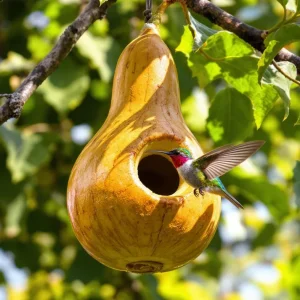
- Attracts Beneficial Wildlife: Specifically designed for birdhouse gourds, the cured fruits provide excellent, natural homes for purple martins and other cavity-nesting birds, encouraging biodiversity in your garden.
- Ornamental Garden Appeal: The vigorous vines of Lagenaria siceraria grow rapidly, providing lush green foliage and an attractive, natural screen when trained on trellises, fences, or arbors, enhancing the aesthetic appeal of your outdoor space.
- Educational and Rewarding: Cultivating calabash seeds offers a hands-on learning experience for gardeners of all ages, teaching about plant life cycles, sustainable crafting, and the historical uses of gourds.
- Sustainable and Eco-Friendly: By growing your own gourds, you participate in a sustainable practice, creating natural, biodegradable items that reduce reliance on manufactured goods.
- Unique Garden Harvest: Enjoy the satisfaction of harvesting large, distinctive gourds that are both beautiful and useful, unlike common garden vegetables.
- Durable and Long-Lasting: Properly cured gourds can last for many years, providing a long-term supply of crafting material or durable birdhouses.
Plant Care & Growing Tips
Cultivating bottle gourd seeds successfully requires attention to a few key conditions, ensuring robust growth and a plentiful harvest. These plants are vigorous growers and will reward you with impressive fruits if given the right environment. For optimal germination, it’s recommended to soak the calabash seeds in warm water for 24 hours before planting. Sow seeds directly outdoors after the last frost has passed and the soil temperature consistently reaches at least 70°F. Plant seeds approximately 1 inch deep and space them 3–4 feet apart to allow ample room for their expansive growth. Alternatively, plant them near a sturdy trellis or support structure for vertical climbing. Germination typically occurs within 7–14 days. In cooler climates with shorter growing seasons, you can start the seeds indoors 3–4 weeks before the last frost, carefully transplanting them once outdoor conditions are favorable.
Bottle gourds thrive in full sun, requiring at least 6-8 hours of direct sunlight daily to produce abundant fruits. They prefer fertile, well-drained soil rich in organic matter. Consistent watering is crucial to support the vigorous growth of both vines and fruits, but be mindful to avoid overwatering, which can lead to root rot. Provide strong vertical supports, such as sturdy trellises, fences, or arbors, as the vines can spread widely and the gourds can become quite heavy. Allow the gourds to fully mature and dry on the vine; the skin will harden and turn a tan color. Once harvested, cure the gourds in a warm, dry, and well-ventilated area until their shells are firm and completely dry. Properly cured heirloom gourds will last for years, ready to be transformed into exquisite birdhouse gourds or other craft items.
Size & Details
This offering includes 20 seeds of the Martinhouse Bottle Gourd, providing ample opportunity to cultivate a thriving patch of these unique plants. Each seed has the potential to grow into a vigorous vine, producing multiple large, bottle-shaped gourds. The mature gourds typically reach impressive sizes, making them perfect for crafting substantial birdhouses or decorative pieces. The vines themselves can spread extensively, often reaching lengths of 15-20 feet or more when provided with adequate support. Given proper care, plants grown from these bottle gourd seeds will yield a harvest of gourds in late summer to early fall. The time from planting to harvestable, mature gourds is generally around 100-120 days. These seeds are ideal for gardeners looking to grow their own sustainable crafting materials or provide natural habitats for birds. You can expect to harvest robust Lagenaria siceraria fruits.
Frequently Asked Questions
- Q: How many bottle gourd seeds are included in this pack? A: This pack contains 20 seeds of the Martinhouse Bottle Gourd, giving you a good quantity to start your garden project and ensure a successful harvest.
- Q: What is the best way to start these calabash seeds? A: For optimal germination, soak the calabash seeds in warm water for 24 hours before planting. You can then sow them directly outdoors after the last frost or start them indoors in cooler climates.
- Q: How big do the gourds get? A: These heirloom gourds are known for their large, bottle-shaped fruits, which can reach substantial sizes suitable for crafting birdhouses and other decorative items.
- Q: Are these bottle gourds suitable for making birdhouses? A: Yes, these are specifically known as birdhouse gourds. Their hard shells and ideal shape make them excellent for crafting durable and natural homes for birds.
- Q: What kind of sunlight do bottle gourds need? A: Bottle gourds thrive in full sun, requiring at least 6-8 hours of direct sunlight daily for the best growth and fruit production.
- Q: When is the best time to plant these Lagenaria siceraria seeds? A: The best time to plant Lagenaria siceraria seeds is after the last frost in spring, once the soil has warmed sufficiently to at least 70°F.
- Q: Do these plants need a trellis or support? A: Yes, the vines are vigorous and can spread widely. Providing a sturdy trellis, fence, or other support will help manage growth and ensure better gourd development.
- Q: How long does it take for the gourds to mature? A: From planting to mature, harvestable gourds, it generally takes about 100-120 days. They should be allowed to fully dry on the vine before harvesting.
- Q: Can I grow these bottle gourds in a container? A: While possible, bottle gourds are very vigorous growers and require a very large container (at least 20-25 gallons) and significant support for their vines to thrive.
- Q: What are other uses for these heirloom gourds? A: Besides birdhouses, these heirloom gourds can be used for decorative purposes, crafting utensils, bowls, or even musical instruments once properly dried and cured.
Related products
-50%
Original price was: $181.98.$90.99Current price is: $90.99.
-48%
Original price was: $28.99.$14.99Current price is: $14.99.
-48%
Original price was: $28.99.$14.99Current price is: $14.99.
-48%
Original price was: $28.99.$14.99Current price is: $14.99.
-48%
Original price was: $28.99.$14.99Current price is: $14.99.
-50%
Original price was: $59.96.$29.98Current price is: $29.98.
-50%
Original price was: $15.96.$7.98Current price is: $7.98.
-50%
Original price was: $15.96.$7.98Current price is: $7.98.
PLANTING & CARE
Growing Glencoe Raspberry: A Complete Guide for Gardeners
If you’re looking to add something unique to your garden, look no further than the
31
Mar
Mar

The Comprehensive Guide to Growing Bay Leaf Plants for a Flavorful Garden
Imagine stepping into your garden, greeted by the earthy aroma of fresh bay leaves, their
09
Feb
Feb

How to Make Comfrey Tea: The Ultimate Organic Plant Food
Growing an organic garden can be surprisingly expensive, especially when most store-bought fertilizers come in
02
Feb
Feb

True Comfrey: 7 Essential Tips Before You Plant This Herb
A staple in permaculture practices across the US, True Comfrey easily earns its reputation as
27
Jan
Jan

7 Heart-Shaped Plants for a Lasting Valentine’s Gift
If you’ve ever bought a bouquet of roses for Valentine’s Day, you know they are
26
Jan
Jan

Best Types of Ivy Plant for Houses: How to Choose the Perfect Ones for Your Home
Are you a garden lover looking to introduce some greenery into your home? Maybe you’ve
14
Nov
Nov

When to Harvest Garlic (Especially Fall-Planted Garlic)
TIMING IS EVERYTHING, they say – and for garlic, that truth hits with surprising accuracy.
13
Nov
Nov

11 of the Best Sweet Potato Varieties to Grow for Your Garden
If you’ve ever tried growing sweet potatoes, you know that picking the right variety can
12
Nov
Nov