Braided Money Tree Live Plant – Pachira aquatica – 6-inch Pot – Indoor Houseplant
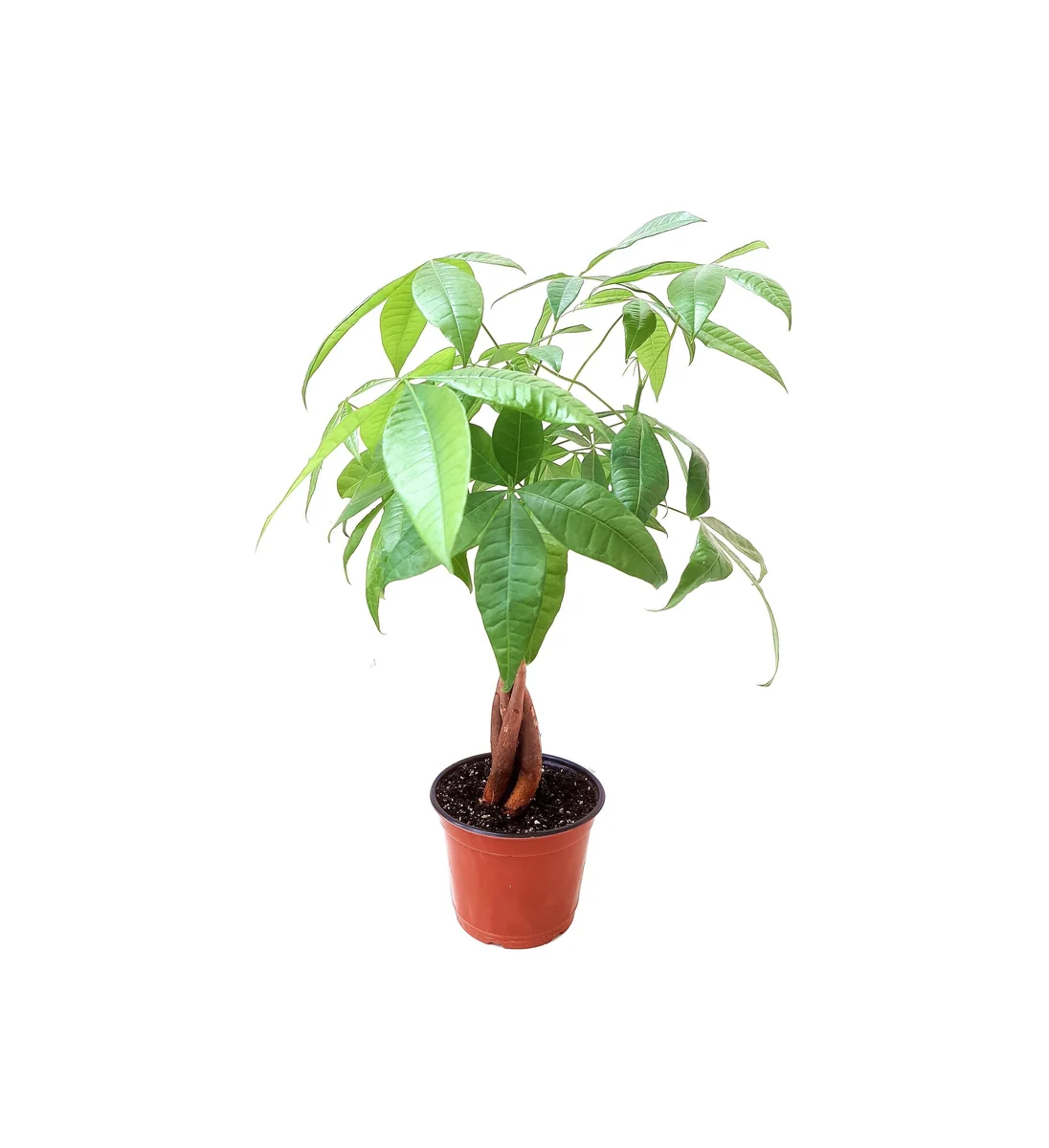
Braided Money Tree Live Plant – Pachira aquatica – 6-inch Pot – Indoor Houseplant
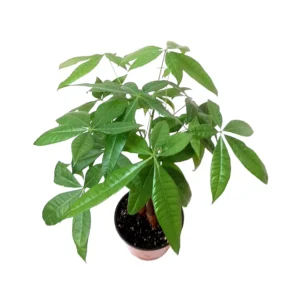
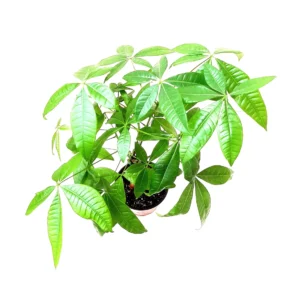
Bring prosperity and beauty into your home with this stunning money tree live plant. This braided money tree care is surprisingly easy, making it perfect for beginners and experienced plant parents alike. Features a 6-inch pot and multiple braided trunks for a unique decorative touch.
$65.90

With our Alive & Thrive Guarantee, we’ve got your back for the first 30 days! If you have any concerns about your plants, just reach out to us. Our team is here to help answer your questions and guide you in selecting the best plants for your garden, climate, and unique preferences. We're excited to help you create the garden of your dreams!
Estimated arrival
Apr 01
Apr 06 - Apr 08
Apr 11 - Apr 15


Product Details
-
USDA Hardiness Zone
USDA zones 10-11 (outdoors), year-round indoors -
Soil type
Rich, well-draining potting mix -
Sunlight Exposure
Bright indirect light -
Expected Planting Period
Year-round indoors
Overview
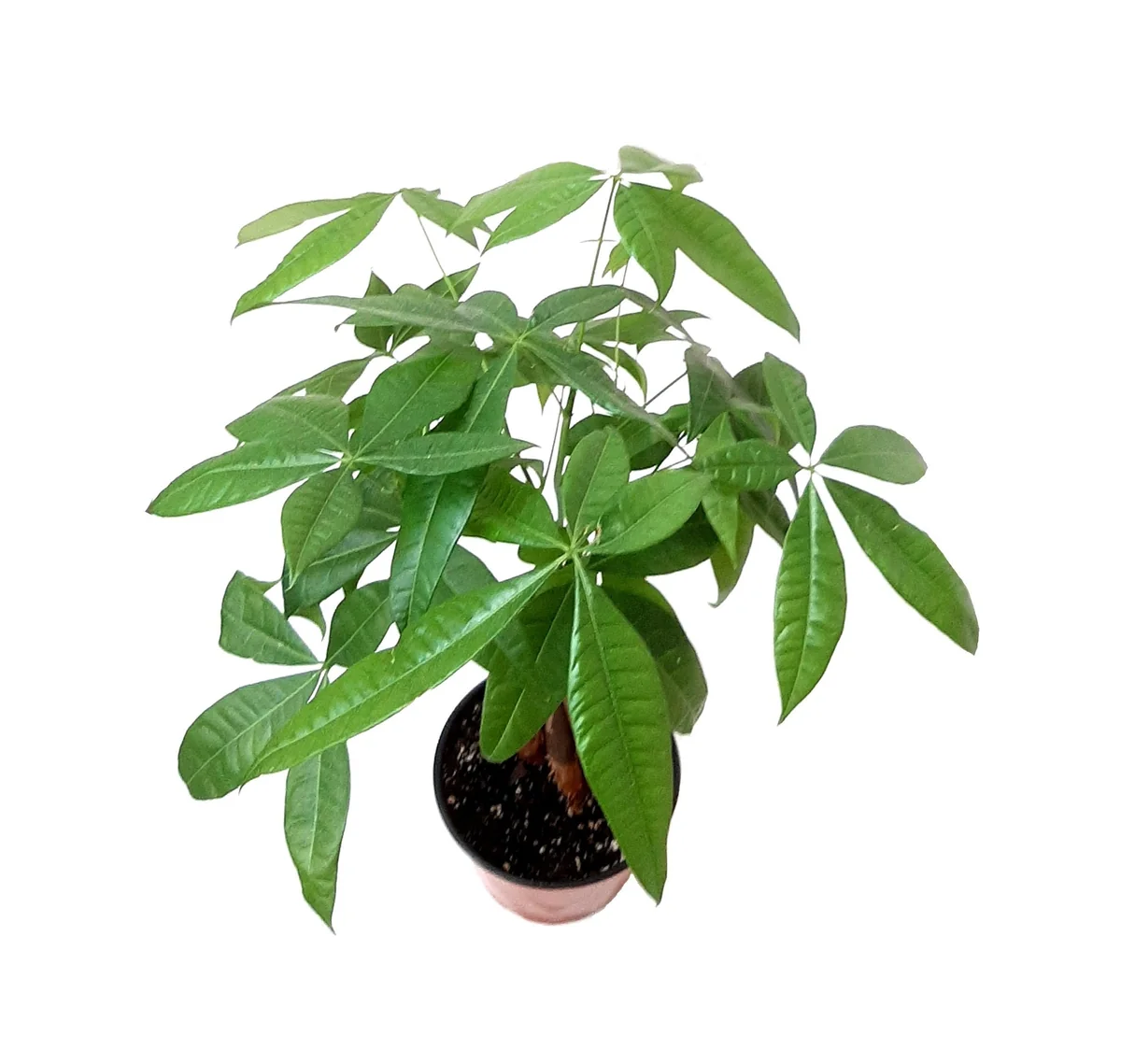
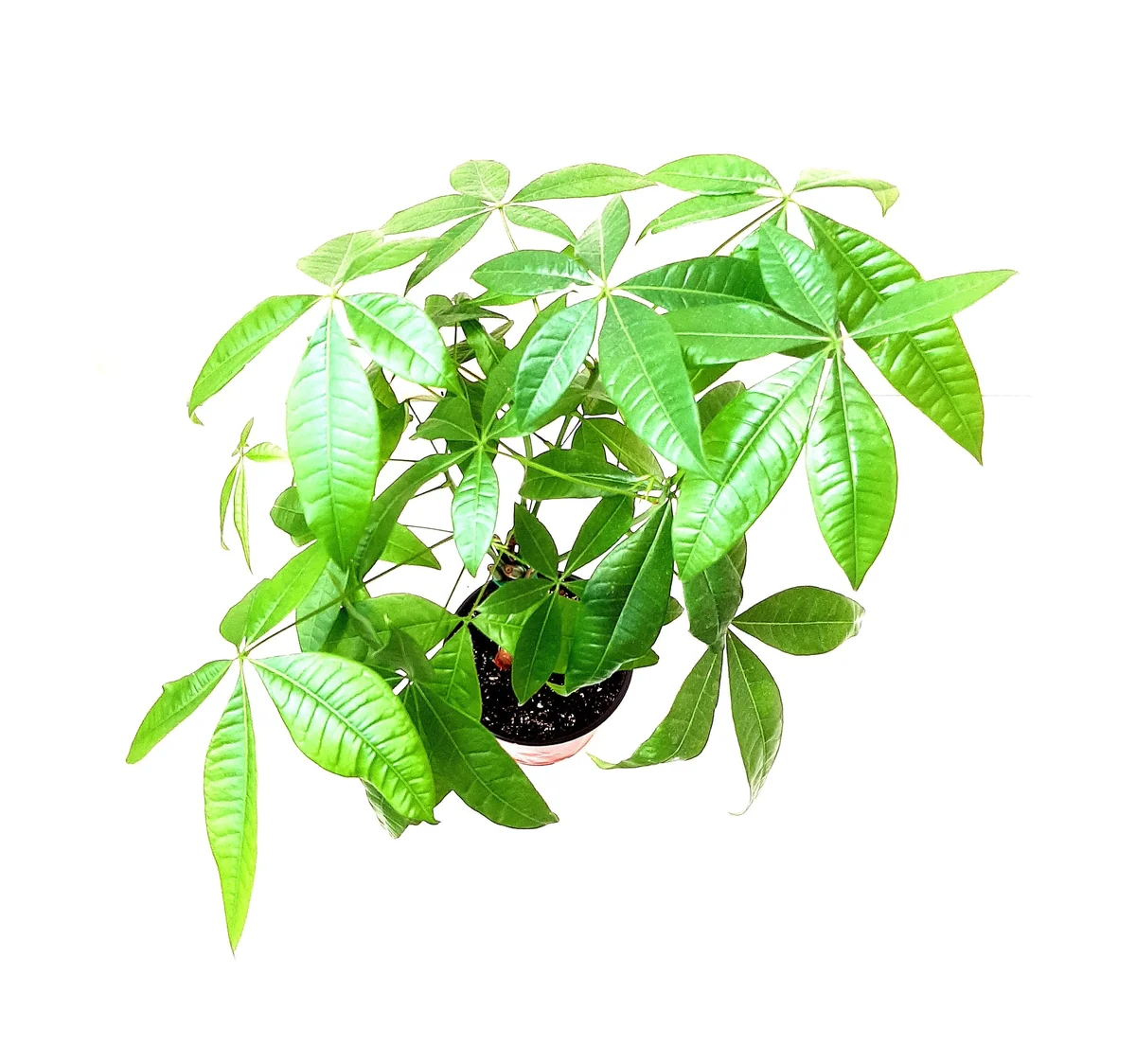
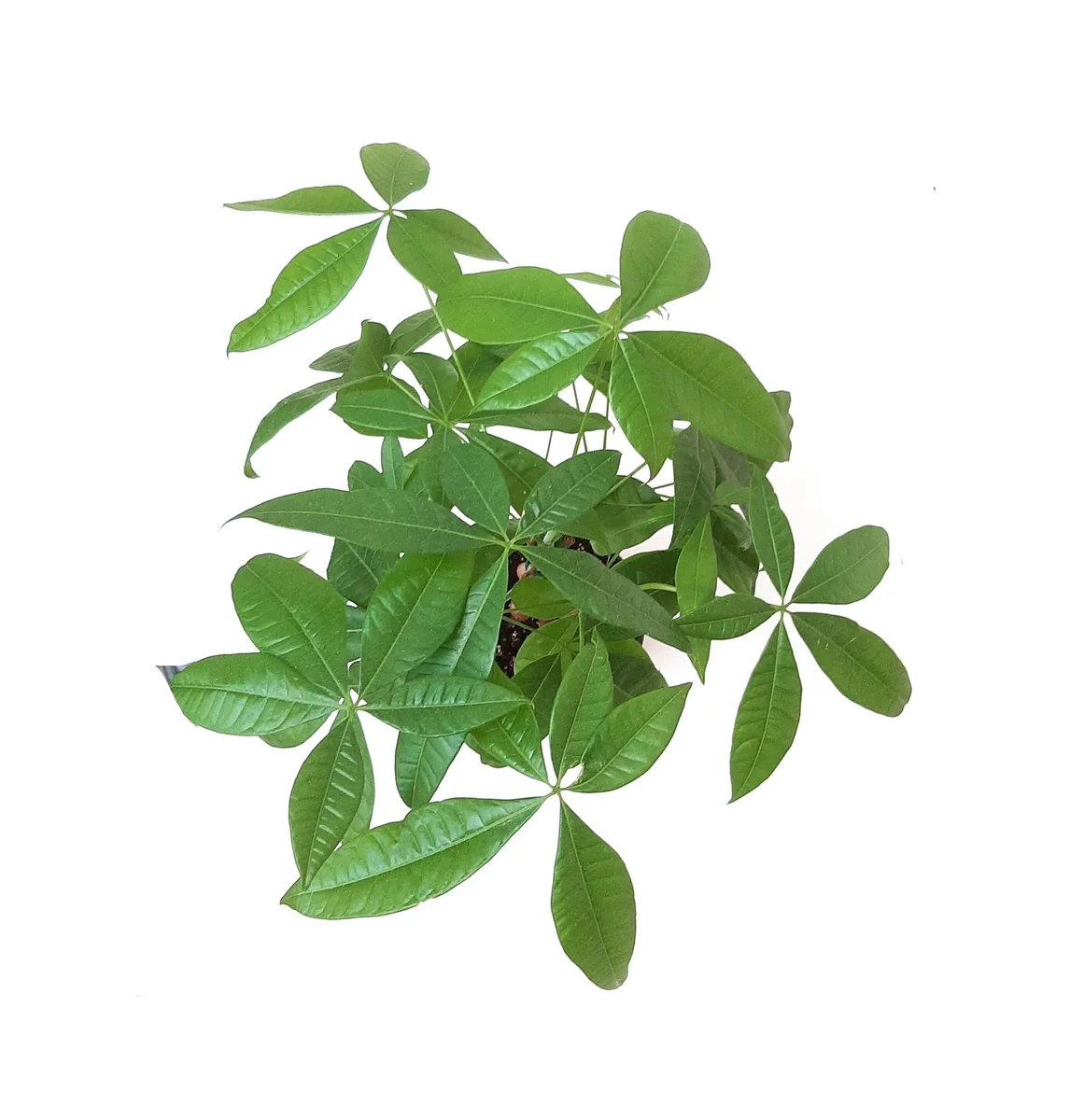
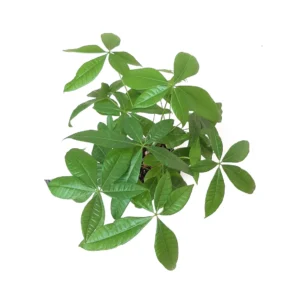
Introduce a symbol of prosperity and natural beauty into your living space with this magnificent money tree live plant. Also known by its botanical name, Pachira aquatica, and colloquially as Guiana Chestnut, this evergreen houseplant is renowned not only for its striking appearance but also for its auspicious symbolism. This particular specimen features 5 beautifully braided trunks rooted in a generous 6-inch pot, offering an immediate focal point for any room. The unique braiding of the trunks is a testament to careful cultivation, creating an artistic and elegant form that distinguishes it from other houseplants. As a tropical wetland plant native to Central and South America, the Pachira aquatica benefits from indoor environments where its specific light and humidity needs can be met, ensuring a vibrant and healthy addition to your decor. Its lush, finger-like leaves form an evergreen canopy, contributing to a serene and verdant atmosphere.
The money tree live plant is more than just a decorative item; it’s a living piece of art believed to bring good fortune, luck, financial achievement, and success according to Feng Shui principles. This makes it an ideal gift for housewarmings, business openings, or simply as a thoughtful present to wish someone well. Its relatively easy-care nature further enhances its appeal, making it a popular choice for both seasoned plant enthusiasts and those new to indoor gardening. With its rich cultural significance and aesthetic charm, this money tree live plant is poised to enrich your home or office environment, offering both visual pleasure and a sense of well-being.
Key Benefits
Embrace the numerous advantages of incorporating a money tree live plant into your indoor garden. Beyond its visual appeal, this plant offers a range of benefits that contribute to a healthier and more harmonious living or working environment. Understanding the full spectrum of Pachira aquatica benefits can help you appreciate this wonderful plant even more.
- Symbol of Good Fortune: The money tree is widely recognized as a potent symbol of good luck, prosperity, and financial success. Many believe that its presence can attract positive energy and wealth into the home or office, making it a popular choice for those seeking an uplifting and meaningful plant.
- Air Purification: Like many houseplants, the money tree live plant contributes to improved indoor air quality by absorbing toxins and releasing oxygen. This natural air purification process helps create a fresher and healthier atmosphere, beneficial for overall well-being.
- Unique Decorative Appeal: The distinctive braided trunks of this money tree make it an instant conversation starter and a unique decorative element. Its lush, green foliage and elegant structure add a touch of exotic sophistication to any interior design scheme, enhancing the aesthetic appeal of your space.
- Easy to Care For: Despite its exotic origins, the braided money tree care requirements are relatively straightforward, making it an excellent choice for beginners. It tolerates a range of indoor conditions and is forgiving of occasional neglect, ensuring a rewarding experience for any plant parent.
- Versatile Placement: This indoor fortune plant thrives in various indoor settings, from bright living rooms to more subdued office spaces. Its adaptable nature allows for flexible placement, ensuring you can find the perfect spot for it to flourish and bring its positive energy.
- Stress Reduction: The presence of living plants, including the money tree live plant, has been shown to reduce stress and improve mood. Its vibrant greenery and calming presence can create a more relaxing and peaceful environment, fostering a sense of tranquility.
- Long-Lived Companion: With proper braided money tree care, this plant can live for many years, growing larger and more impressive over time. It becomes a lasting companion, continually offering its beauty and symbolic significance to your home.
Plant Care & Growing Tips
Caring for your money tree live plant is a rewarding experience, and with a few simple guidelines, you can ensure it thrives and continues to bring beauty and positive energy to your space. While generally easy to care for, understanding its specific needs will help you maintain its health and vibrancy. This includes proper watering, light exposure, and feeding.
When it comes to light, money trees prefer bright, indirect light. Placing it near a window where it receives filtered sunlight is ideal. Direct sunlight can scorch its delicate leaves, so avoid south-facing windows without adequate shade. Conversely, while it tolerates low light, prolonged exposure to dim conditions can hinder its growth and vibrancy. The ideal temperature range for your indoor fortune plant is between 65°F and 75°F. It is sensitive to cold and should not be exposed to temperatures below 40°F for extended periods. Keep it away from drafts, air conditioning vents, and heat sources, as extreme temperature fluctuations can stress the plant. Money trees can grow outdoors year-round in USDA Zones 10 or 11, but due to their sensitivity to cold and light preferences, they are primarily cultivated as houseplants.
Watering is crucial for healthy braided money tree care. This plant prefers consistent moisture but is highly susceptible to root rot if overwatered. Allow the top inch or two of the soil to dry out completely before watering again. When you do water, do so thoroughly until water drains from the bottom of the pot. Ensure the pot has drainage holes to prevent waterlogging. Money trees appreciate humidity, so misting the leaves every few days or placing the pot on a pebble tray with water can help maintain healthy foliage. For soil, a rich, well-draining potting mix is essential. While they grow in swamps in their native habitat, a potted money tree needs soil that drains effectively to prevent its roots from sitting in standing water. Feed your money tree live plant once a month during the growing season (spring and summer) with a balanced liquid houseplant fertilizer diluted to half the recommended strength. No feeding is needed during the dormant winter months.
Size & Details
This offering includes a large money tree live plant, specifically a Pachira aquatica, expertly cultivated with 5 intricately braided trunks. The plant is housed in a durable 6-inch nursery pot, providing a stable foundation for its continued growth. Upon arrival, the plant will be fully potted, ready for immediate placement in your home or office. The height of the plant will vary slightly due to natural growth but typically stands between 12 to 18 inches tall from the base of the pot, making it a substantial and eye-catching specimen.
The braided trunk design is a key feature, adding significant aesthetic value and making each plant unique. This indoor fortune plant is known for its moderate growth rate, and with proper braided money tree care, it will continue to develop a fuller canopy and stronger trunk structure over time. While it is primarily grown as an indoor houseplant, its mature size can eventually reach several feet tall in ideal conditions, though it can be pruned to maintain a desired size. The lush, palmate leaves create a vibrant green presence, contributing to its overall appeal as a decorative and symbolic addition to any indoor environment.
Frequently Asked Questions
- Q: How large is the money tree when shipped? A: Your money tree live plant will arrive in a 6-inch nursery pot and typically stands between 12 to 18 inches tall, measured from the base of the pot. It features 5 braided trunks for an established and attractive appearance.
- Q: Is this an indoor or outdoor plant? A: This money tree live plant is primarily cultivated as an indoor houseplant in most regions. While it can grow outdoors year-round in USDA Zones 10 or 11, its sensitivity to cold and direct sunlight makes it best suited for indoor environments.
- Q: How much sunlight does my money tree need? A: A money tree live plant thrives in bright, indirect light. Avoid direct sunlight, which can scorch its leaves. A spot near a window with filtered light or a few feet away from a bright window is ideal for optimal growth and health.
- Q: Is this plant easy to care for? A: Yes, the braided money tree care is considered relatively easy, making it a great choice for both novice and experienced plant enthusiasts. It’s forgiving of minor care mistakes, provided its basic needs for light, water, and temperature are met.
- Q: What kind of soil is best for a money tree? A: Your money tree live plant prefers a rich, well-draining potting mix. Good drainage is crucial to prevent root rot, so ensure your pot has drainage holes and the soil doesn’t retain too much moisture.
- Q: How often should I water my money tree? A: Water your money tree live plant when the top 1-2 inches of soil feel dry to the touch. Water thoroughly until it drains from the bottom, then discard any excess water. Overwatering is a common issue, so it’s better to err on the side of slightly underwatering.
- Q: What are the main Pachira aquatica benefits? A: The main benefits include its strong symbolism of good fortune and prosperity, its ability to purify indoor air, its unique decorative appeal with braided trunks, and its relatively easy care requirements, making it a rewarding indoor companion.
- Q: Will my money tree arrive with a heat pack? A: The original listing mentions a free heat pad, suggesting it may be included during colder months to protect the plant during transit. However, specific shipping details like this are typically confirmed by the seller at the time of purchase.
- Q: Can I prune my money tree to control its size? A: Yes, you can prune your money tree live plant to maintain its desired size and shape. Pruning can encourage bushier growth and help keep the plant manageable for indoor spaces.
- Q: What does the ‘lucky plant for home’ symbolism mean? A: The ‘lucky plant for home’ symbolism associated with the money tree live plant stems from Feng Shui beliefs, where it is thought to attract positive energy, wealth, and good fortune into the household or business where it is placed.
Related products
-25%
Original price was: $20.90.$15.68Current price is: $15.68.
-30%
Original price was: $129.98.$90.98Current price is: $90.98.
-25%
Original price was: $20.90.$15.68Current price is: $15.68.
-30%
Original price was: $129.98.$90.98Current price is: $90.98.
PLANTING & CARE

Growing Glencoe Raspberry: A Complete Guide for Gardeners
If you’re looking to add something unique to your garden, look no further than the
31
Mar
Mar

The Comprehensive Guide to Growing Bay Leaf Plants for a Flavorful Garden
Imagine stepping into your garden, greeted by the earthy aroma of fresh bay leaves, their
09
Feb
Feb

How to Make Comfrey Tea: The Ultimate Organic Plant Food
Growing an organic garden can be surprisingly expensive, especially when most store-bought fertilizers come in
02
Feb
Feb

True Comfrey: 7 Essential Tips Before You Plant This Herb
A staple in permaculture practices across the US, True Comfrey easily earns its reputation as
27
Jan
Jan

7 Heart-Shaped Plants for a Lasting Valentine’s Gift
If you’ve ever bought a bouquet of roses for Valentine’s Day, you know they are
26
Jan
Jan

Best Types of Ivy Plant for Houses: How to Choose the Perfect Ones for Your Home
Are you a garden lover looking to introduce some greenery into your home? Maybe you’ve
14
Nov
Nov

When to Harvest Garlic (Especially Fall-Planted Garlic)
TIMING IS EVERYTHING, they say – and for garlic, that truth hits with surprising accuracy.
13
Nov
Nov

11 of the Best Sweet Potato Varieties to Grow for Your Garden
If you’ve ever tried growing sweet potatoes, you know that picking the right variety can
12
Nov
Nov