
Braided Money Tree Plant – 6 to 8 Inc Tall in 4 Inc Pot




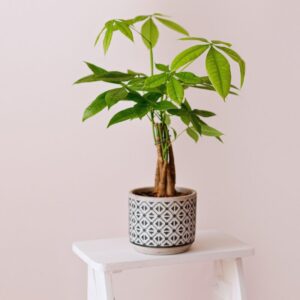
Braided Money Tree Plant – 6 to 8 Inc Tall in 4 Inc Pot
Enhance your space with the Braided Money Tree Plant, a symbol of good fortune, thriving in bright, indirect light.
$14.99
Out of stock

With our Alive & Thrive Guarantee, we’ve got your back for the first 30 days! If you have any concerns about your plants, just reach out to us. Our team is here to help answer your questions and guide you in selecting the best plants for your garden, climate, and unique preferences. We're excited to help you create the garden of your dreams!




Product Details
-
USDA Hardiness Zone
10-11 (Indoor plant for all zones) -
Soil type
Well-draining potting mix -
Sunlight Exposure
Bright, indirect light -
Expected Planting Period
Suitable year-round for indoor growth
About the Braided Money Tree Plant
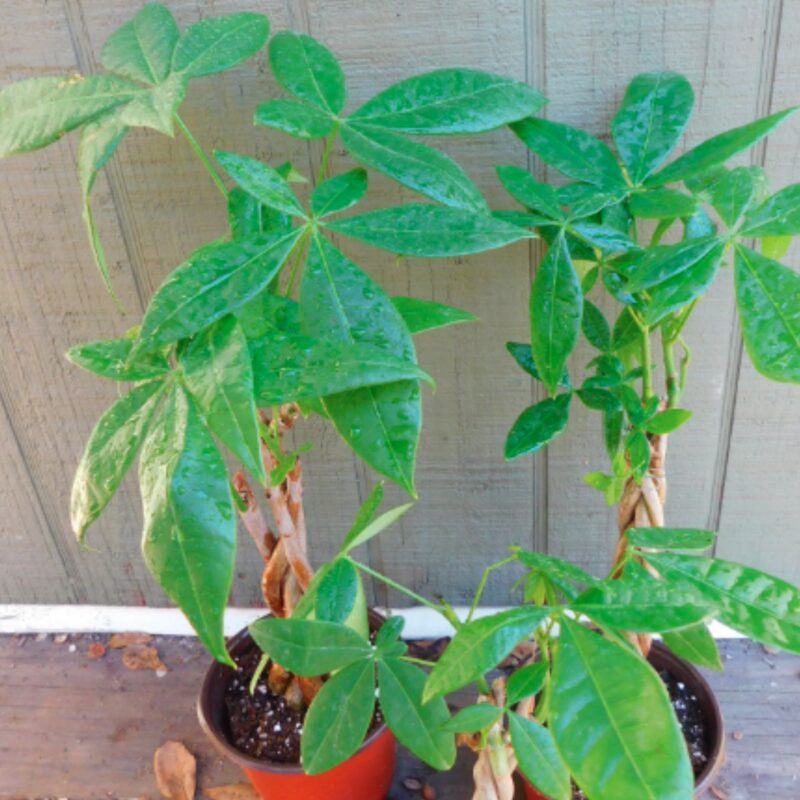
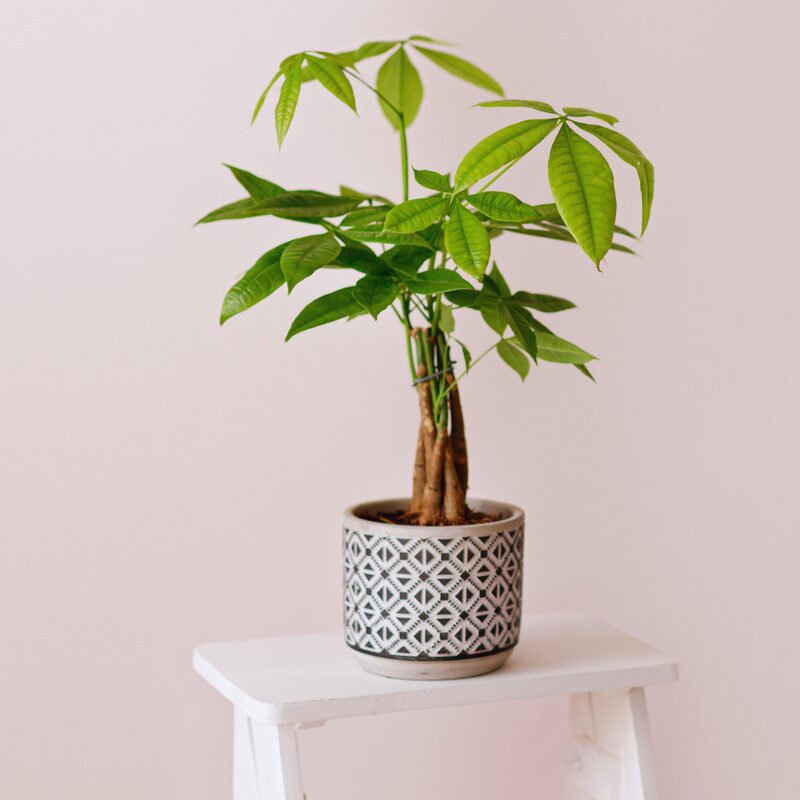
The Braided Money Tree Plant (Pachira aquatica) is a stunning indoor plant that brings both beauty and symbolism to any space. Standing at 6 to 8 inches tall in a 4-inch pot, it fits perfectly on desks, shelves, or as a centerpiece in your living room. This plant is well-known for its distinctive braided trunk and lush, vibrant foliage, making it a popular choice for decorators and plant lovers alike.
Symbol of Prosperity
Native to tropical regions, the Braided Money Tree features striking five-lobed leaves that symbolize good fortune and prosperity. This makes it a thoughtful gift for birthdays, holidays, or any special occasion. It’s an ideal way to wish someone luck while adding a touch of green to their decor.
Care Instructions
Caring for your Braided Money Tree is easy and straightforward. It thrives in bright, indirect sunlight and prefers a well-draining soil mix. Water your plant when the top inch of soil feels dry to the touch, avoiding overwatering to prevent root rot. Occasional pruning helps maintain its shape and promote healthy growth.
Indoor Adaptability
This low-maintenance plant adapts well to indoor environments and is suitable for USDA zones 10-11. It can also thrive outdoors in these zones but is primarily designed for indoor growth. Regular fertilization during the growing season encourages lush foliage and a vibrant appearance.
Frequently Asked Questions
- How big does the Braided Money Tree grow? Typically, this plant reaches 6 to 8 inches tall in the provided 4-inch pot.
- Does the Money Tree require direct sunlight? No, it thrives in bright, indirect sunlight. Direct sun may scorch its leaves.
- How often should I water my Braided Money Tree? Water when the top inch of soil feels dry. Avoid overwatering to prevent root rot.
- Is this plant safe for pets? Pachira aquatica is generally non-toxic, but keeping plants out of reach of pets is recommended.
- Can this plant be placed outdoors? It can thrive outdoors in USDA zones 10-11 but is primarily suited for indoor growth in most climates.
Related products

-15%

From Original price was: $29.99.$28.99Current price is: $28.99.

$26.99
-23%
From Original price was: $51.99.$39.99Current price is: $39.99.

From $129.99

From $29.99
-32%


From Original price was: $43.99.$29.99Current price is: $29.99.
-17%


Original price was: $71.99.$59.99Current price is: $59.99.
PLANTING & CARE
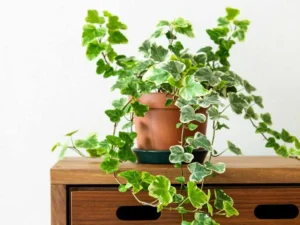
Best Types of Ivy Plant for Houses: How to Choose the Perfect Ones for Your Home
Are you a garden lover looking to introduce some greenery into your home? Maybe you’ve
14
Nov
Nov
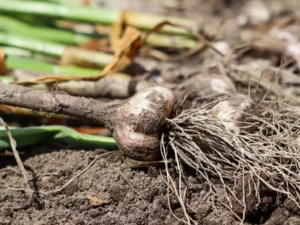
When to Harvest Garlic (Especially Fall-Planted Garlic)
TIMING IS EVERYTHING, they say – and for garlic, that truth hits with surprising accuracy.
13
Nov
Nov

11 of the Best Sweet Potato Varieties to Grow for Your Garden
If you’ve ever tried growing sweet potatoes, you know that picking the right variety can
12
Nov
Nov

The Comprehensive Guide to Growing Bay Leaf Plants for a Flavorful Garden
Imagine stepping into your garden, greeted by the earthy aroma of fresh bay leaves, their
10
Nov
Nov

Pruning Bougainvillea for Winter
Bougainvillea vines are known for their dazzling display of magenta, orange, and fuchsia bracts that
05
Nov
Nov

The Comprehensive Guide to Growing Clerodendrum Wallichii for a Stunning Garden
Imagine walking into a garden where delicate white flowers hang from graceful branches, their petals
03
Nov
Nov

8 Mistakes to Avoid When Planting Garlic That 90% of Gardeners Make
Planting garlic can be a rewarding experience, but many gardeners, especially beginners, end up making
29
Oct
Oct
Garlic Varieties: Everything You Need to Know Before Choosing the Right Type to Grow
If you’ve ever tried growing garlic, you know that choosing the right variety can make
28
Oct
Oct